


We’re excited to introduce you to the always interesting and insightful Sara Hopkins. We hope you’ll enjoy our conversation with Sara below.
Sara, appreciate you joining us today. Let’s jump back to the first dollar you earned as a creative? What can you share with us about how it happened?
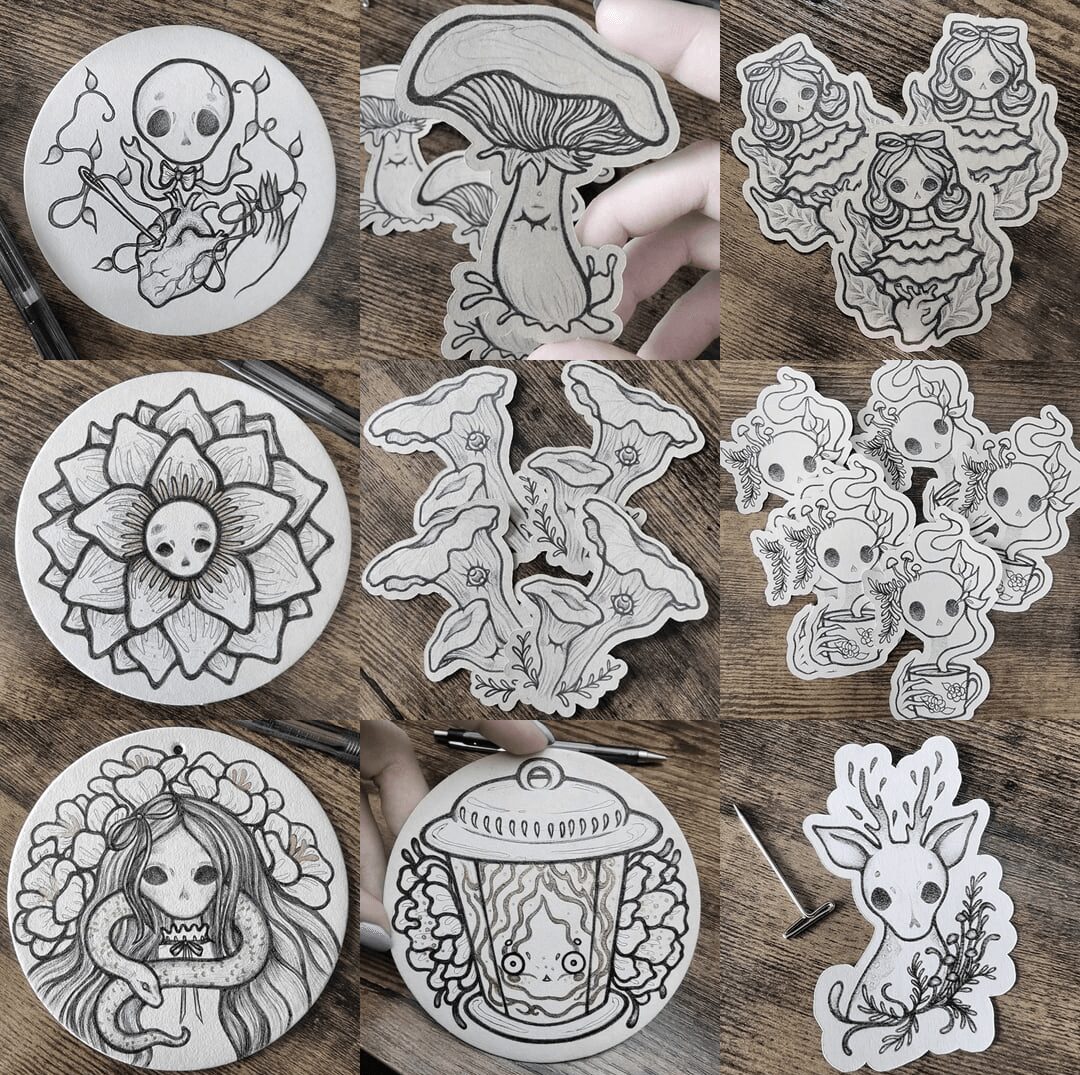
My dear friend and fellow artist Penelope Barbalios convinced me to try selling my art at comic conventions and markets over a decade ago. I didn’t think I had enough artwork and was unsure that I would fit into the crowd since I don’t make “comic art”, but I was happily surprised to find a crowd of folks who love lowbrow, underground art who were very supportive of what I create. Now art markets are a steady part of my revenue stream and help me form relationships with other art lovers.
Sara, before we move on to more of these sorts of questions, can you take some time to bring our readers up to speed on you and what you do?
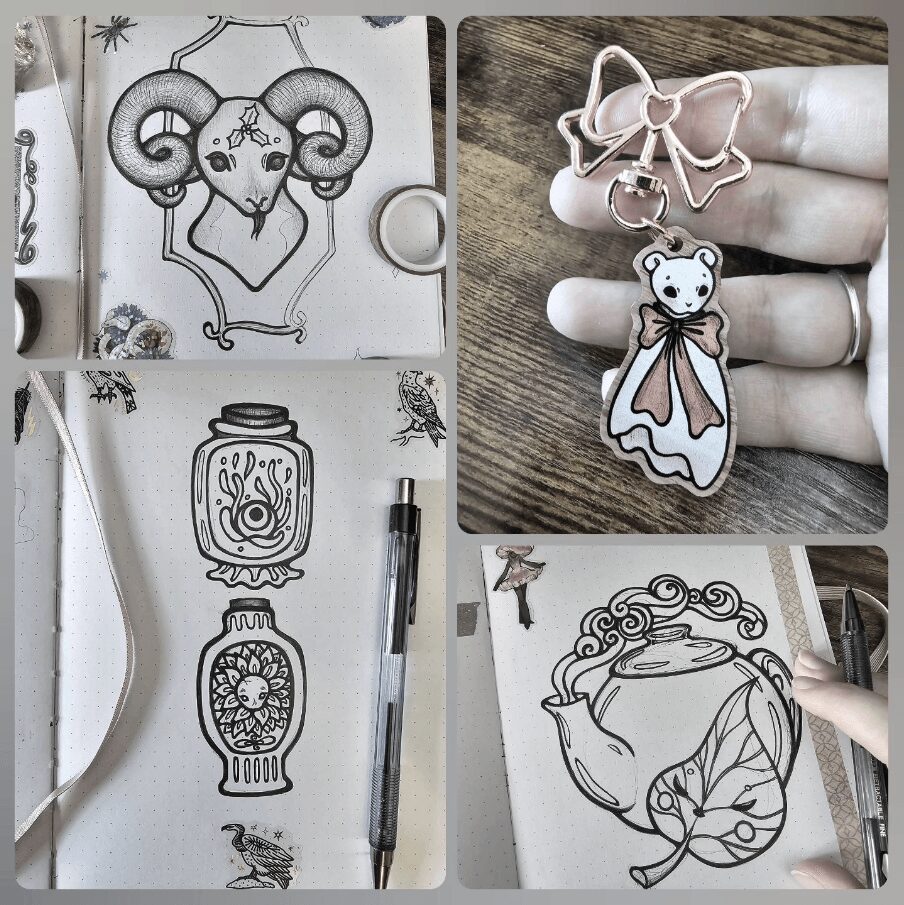
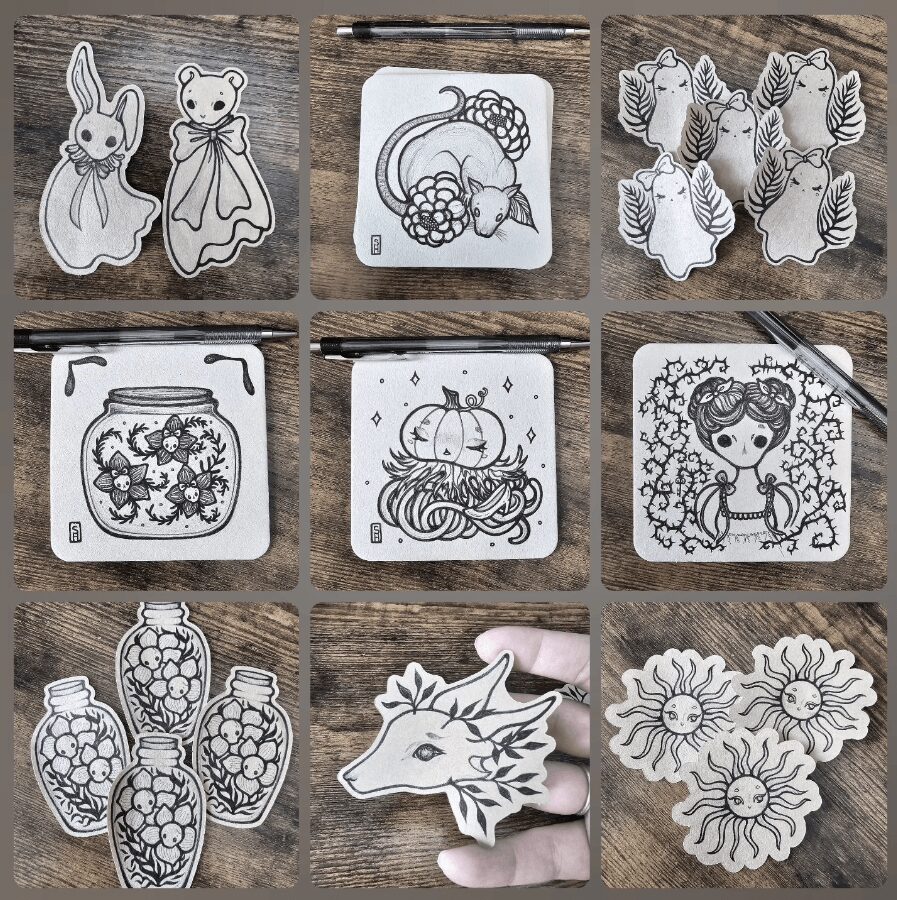
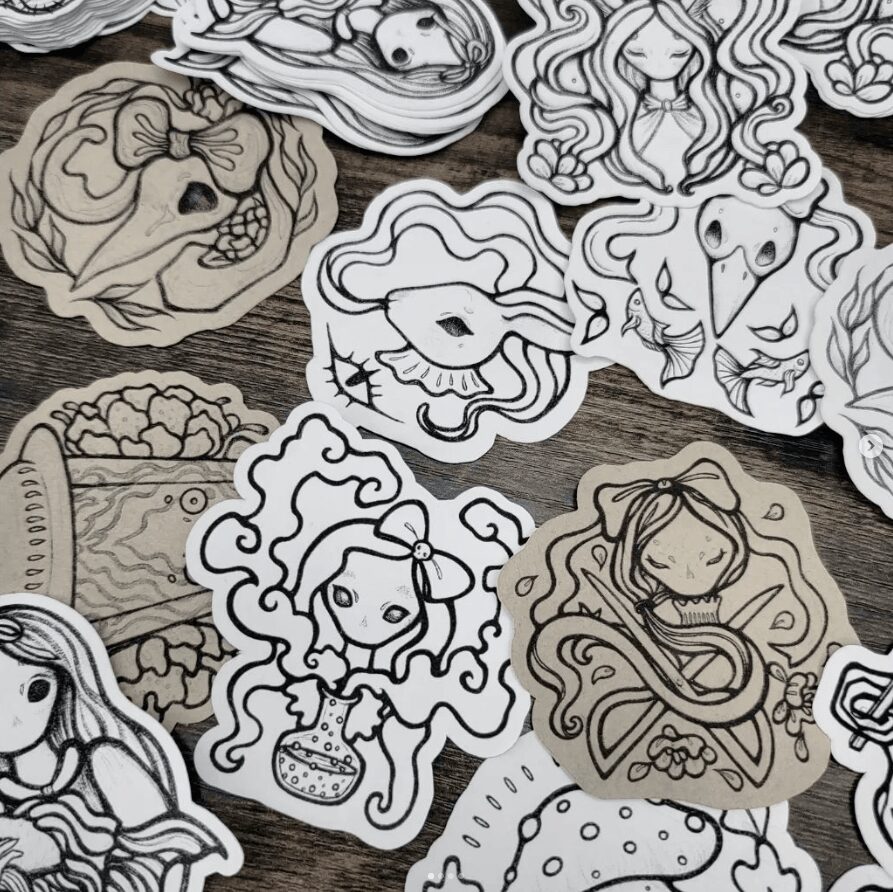
I create ink art with a focus on cozy goth and nature inspired pieces. My style of “goth” is very soft and emotional, but doesn’t shy away from death, decay, spiritualism, and the cycle of nature. I try to create pieces that are as genuine as possible and take time crafting miniature details. At the moment, my favorite hobby is hunting down unique frames to help create atmosphere for my characters and their creepily cozy world. When people take a piece home, I want them to feel connected to its story.
I don’t frequently take on commissions, since so much of my art is an expression of my own soul and where I am in life, but I have created coloring books and pet portraits for small clients in the past. When I do take on a client for private art, I try to take similar care and make sure that their story and emotions are expressed.
What can society do to ensure an environment that’s helpful to artists and creatives?
Art events and small shops are where most of the indie artists I know spend their time. I’m lucky to live in NY’s Capital Region, where we have several artistic venues, but I’m friends with artists in other regions who don’t have that same cultural structure in place. Artists thrive when there are exciting street fairs, comic conventions, oddities markets, small gift shops and galleries, etc. I love seeing new events and shops pop up and make an effort to support them. It’s always lovely to see small cafes who set aside a corner to sell local art or post flyers for the next fair. Things like this add up to build a thriving and interested art culture.
We’d love to hear the story of how you built up your social media audience?
This is a tricky question lately because of AI scraping. The advice used to be simple – post regularly, and post quality content. Now a lot of artists are questioning where it is safe to post online if they don’t want their work to be stolen to train AI databases without their consent. When you’ve spent decades creating a unique style, you don’t want to risk someone being able to pop out pieces in your style within minutes. It’s a complex time and I’m not sure there is a great answer to this yet. Many of us are resorting to private profiles or are moving to places like Cara, where AI is frowned upon & hopefully art lovers will follow us.
Contact Info:
- Website: https://cara.app/sarahopkinsart
- Instagram: https://www.instagram.com/sarahopkinsart/
- Other: https://sarahopkinsart.storenvy.com/
https://www.tiktok.com/@sarahopkinsart
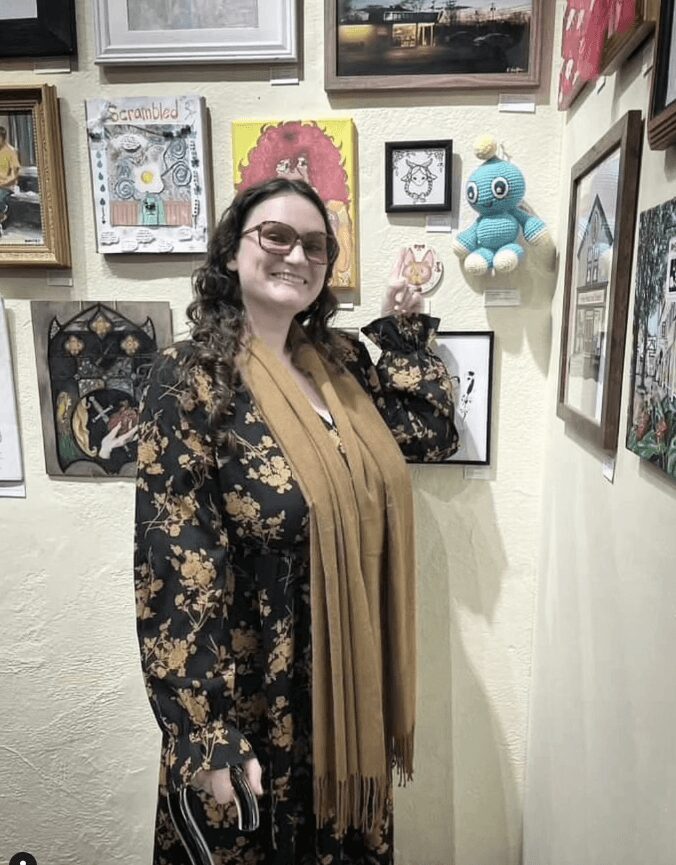
Image Credits
All photos taken by @sarahopkinsart, except for photo of Sara Hopkins, which was taken by @knivesandpens2500 at Bear & Bird Gallery and is used with permission.