
Alright – so today we’ve got the honor of introducing you to Yingyao Liang. We think you’ll enjoy our conversation, we’ve shared it below.
Hi Yingyao, thanks for joining us today. Let’s jump right into the heart of things. Outsiders often think businesses or industries have much larger profit margins than they actually do – the reason is that outsiders are often unaware of the biggest challenges to profitability in various industries – what’s the biggest challenge to profitability in your industry?
As an artist, only a few can stand on the world’s biggest stages and become highly profitable in the eyes of others. This leads many to believe that art is a highly lucrative industry. However, in reality, not all artworks can be sold and make money. I have seen countless art practitioners hesitate to continue creating art due to a lack of funds. So, I tell myself not to consider painting as a means of making a living or generating profit. On one hand, I truly cannot rely on painting to earn enough income to live on. On the other hand, when something I love becomes tainted with the essence of “work,” it puts immense pressure on me and causes me to lose my passion for it. I believe that persisting as an artist truly requires courage and perseverance. Without sufficient passion, it may indeed be very difficult to keep going.

As always, we appreciate you sharing your insights and we’ve got a few more questions for you, but before we get to all of that can you take a minute to introduce yourself and give our readers some of your back background and context?
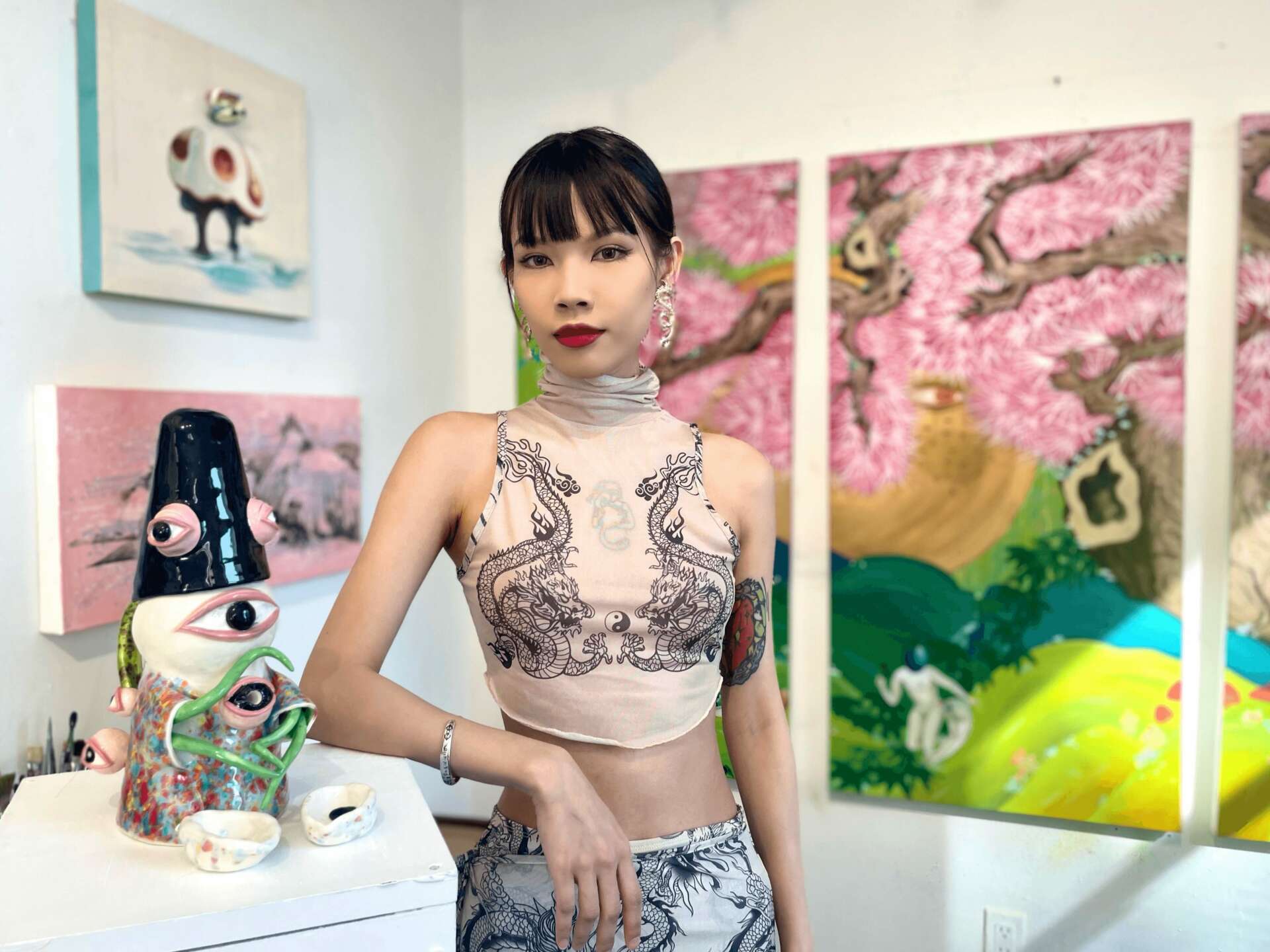
My father is an art enthusiast. From a young age, he started sharing his favorite movies, animations, and paintings with me. Influenced by him, I began creating my own artwork and eventually enrolled in a professional art school. I completed my bachelor’s degree in China, majoring in Chinese painting. This experience allowed me to acquire skills in Chinese painting techniques and the philosophical principles underlying Chinese painting theory. As a Chinese person, I am very proud of my country’s history and culture, and I am deeply fascinated by it.
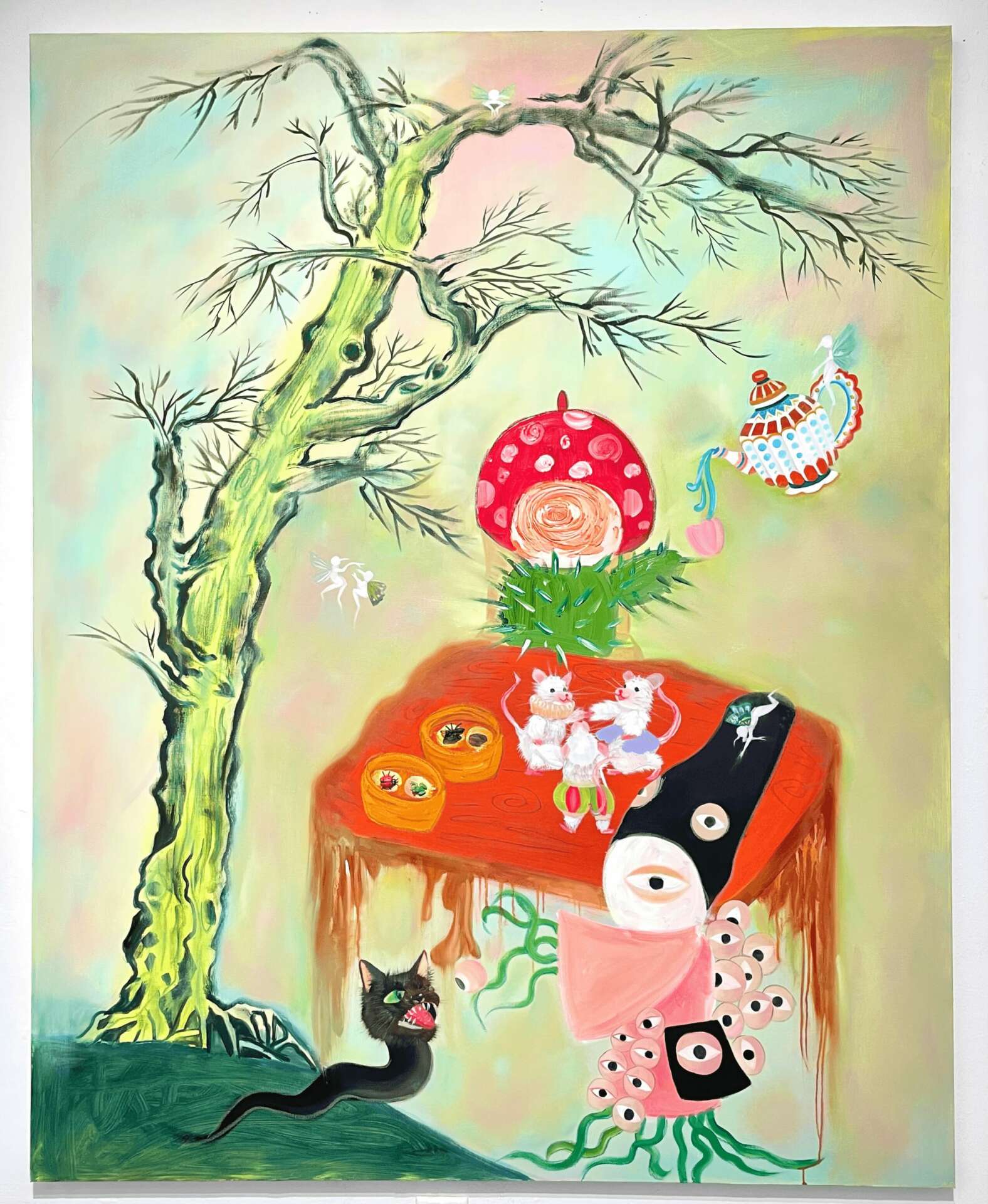
When I came to New York to pursue my master’s degree, I found that not many people around me were familiar with or proficient in traditional Chinese painting, which made me feel somewhat out of place. My painting style is heavily influenced by surrealism, but I do not wish to replicate Western surrealist artworks. Later, I realized that my skills in Chinese painting and my cultural knowledge are significant advantages. I can try to integrate these elements into my surrealist paintings, even though I have now switched to using oil paint as a medium instead of ink.
My artistic style is influenced by a variety of sources, from traditional Chinese painting techniques to the work of Hieronymus Bosch and the surrealists. I admire the work of Hayao Miyazaki, Tim Burton, and Jan Svankmajer, especially their use of surreal imagery and ability to create alternate worlds. I was trained in traditional Chinese landscape painting and often draw on its loose brushwork and emphasis on the natural world in my work.
In terms of subject matter, my paintings are strongly influenced by traditional Chinese folklore and myths, as well as Western fairy tales and popular cultures, especially cultural touchstones from my childhood, such as Disney’s Alice in Wonderland, the Chinese animated feature Journey to the West, as well as Shan Hai Jing, a Chinese fantasy book depicting creatures
from Chinese legends.
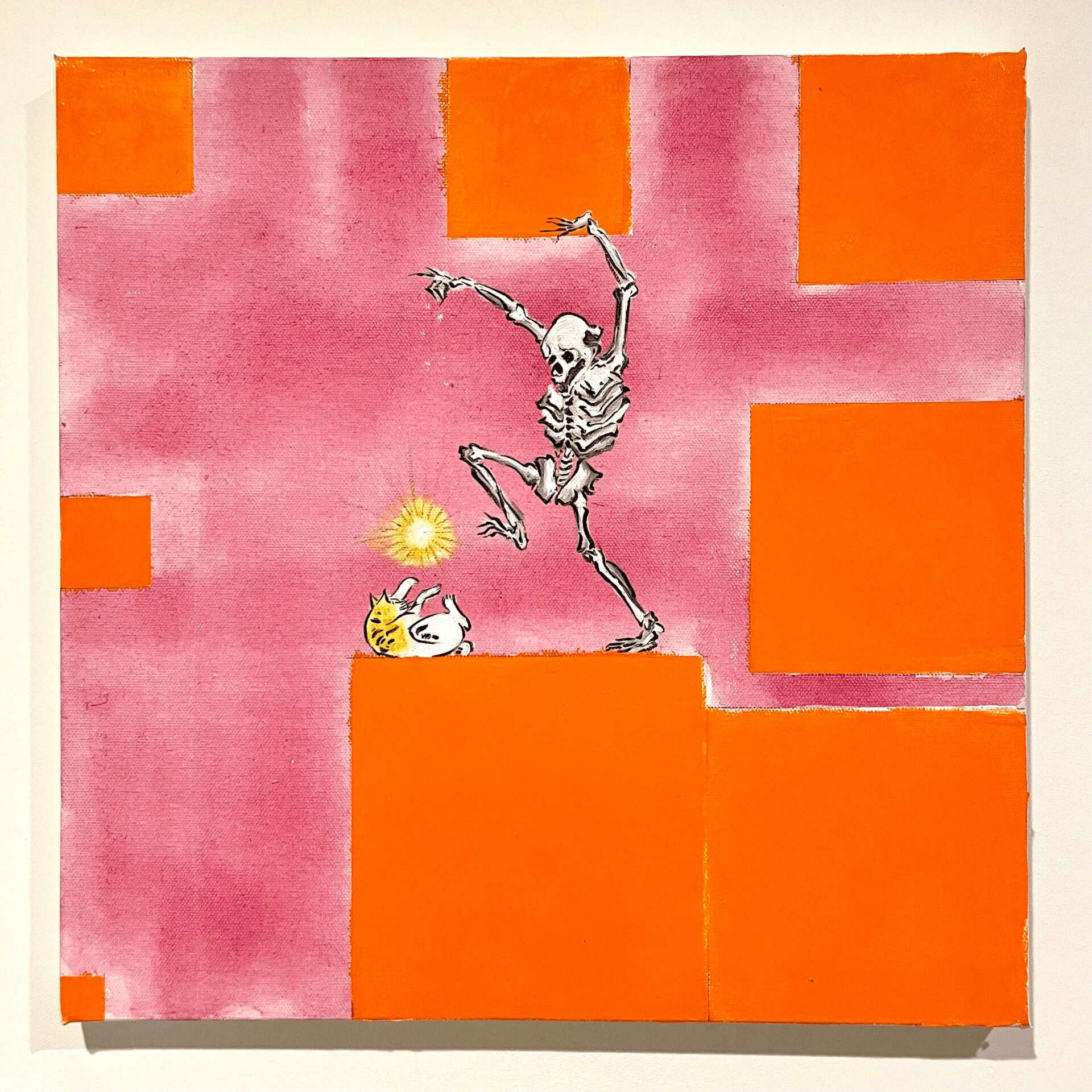
I try to subvert these stories by adding a dark twist or unexpected element. I am particularly drawn to ‘creepy’ figures and moods, a sense of unease that is balanced by a feeling of wonder and curiosity. My paintings are meant to be fantastical, surreal, and sometimes even humorous, but with an underlying darkness. I want my audiences to be drawn in by the vivid colors and otherworldly landscapes, but also to be unsettled by the strange characters that inhabit them. Ultimately, I aim to inspire people to question their assumptions about reality and explore the limitless possibilities of the imagination.

What do you find most rewarding about being a creative?
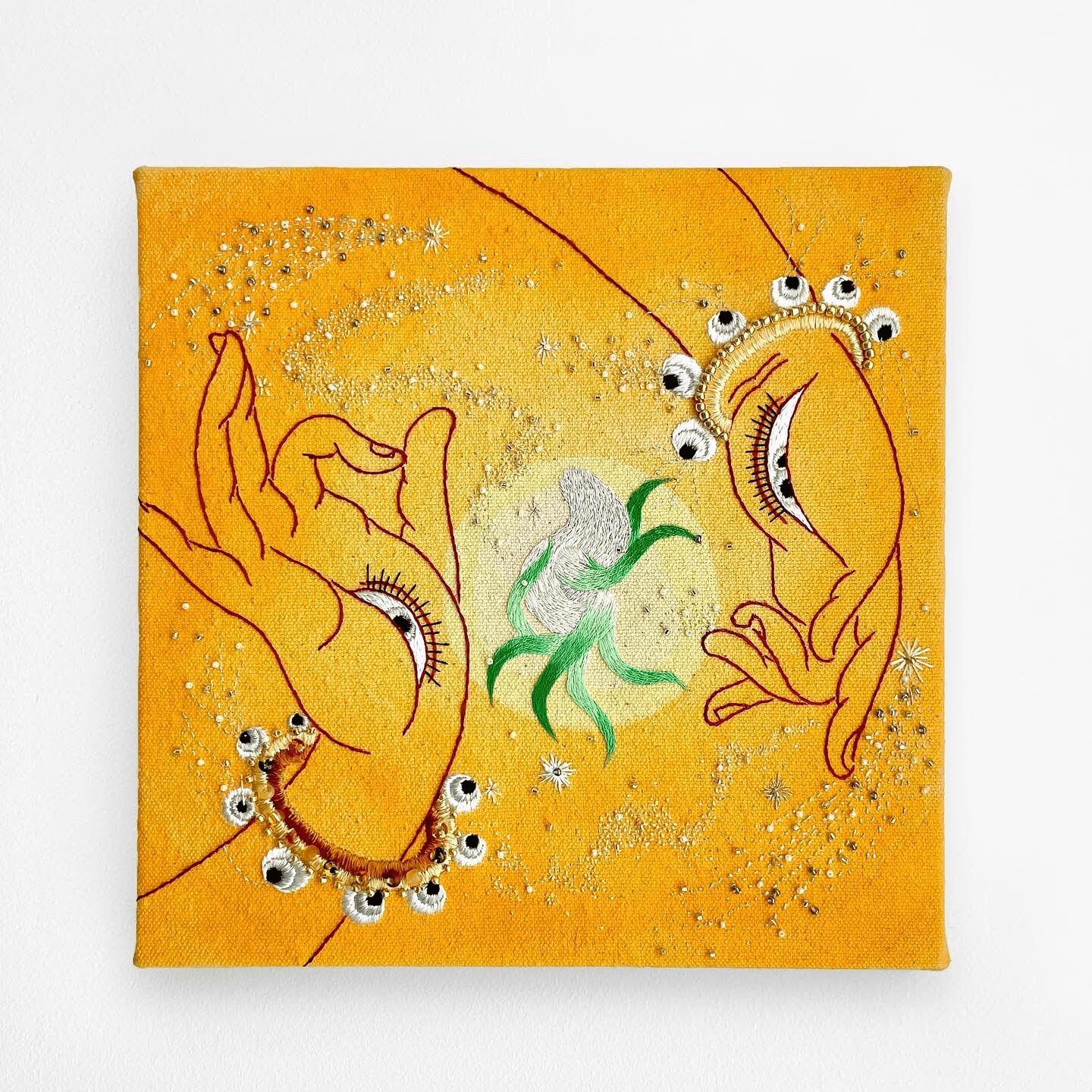
As an artist, I believe that one of the most wonderful things is that you can turn your emotions, thoughts, and some very ephemeral things into reality, into something that physically exists. This creation can be repeatedly viewed in the future, allowing you to have a dialogue with your past self. This is a significant reason why I persist in making art. I tend to easily forget what I have done and what I have thought, and I don’t like that—it feels as if time has been stolen. When I look back at my past works, I know what I have accomplished, and this gives me a sense of security and fulfillment.


Is there something you think non-creatives will struggle to understand about your journey as a creative?
I believe there is no absolute answer to this question. Of course, I have seen many instances where the initial inspiration or some actions during the creative process of artists have sparked controversy among non-creative individuals. But what does it matter? At least for me, this is not something to be troubled by. I don’t care about others’ opinions regarding my creative journey, although I do listen to some criticism and suggestions. However, I think the most important thing is that I thoroughly enjoy the process or gain something from it. That is the entirety of its value. Everything has two sides: when some people find it hard to understand you, there will definitely be others who do.
Contact Info:
- Website: https://yliang154.wixsite.com/yingyaoliang
- Instagram: ying.yaoliang_art