

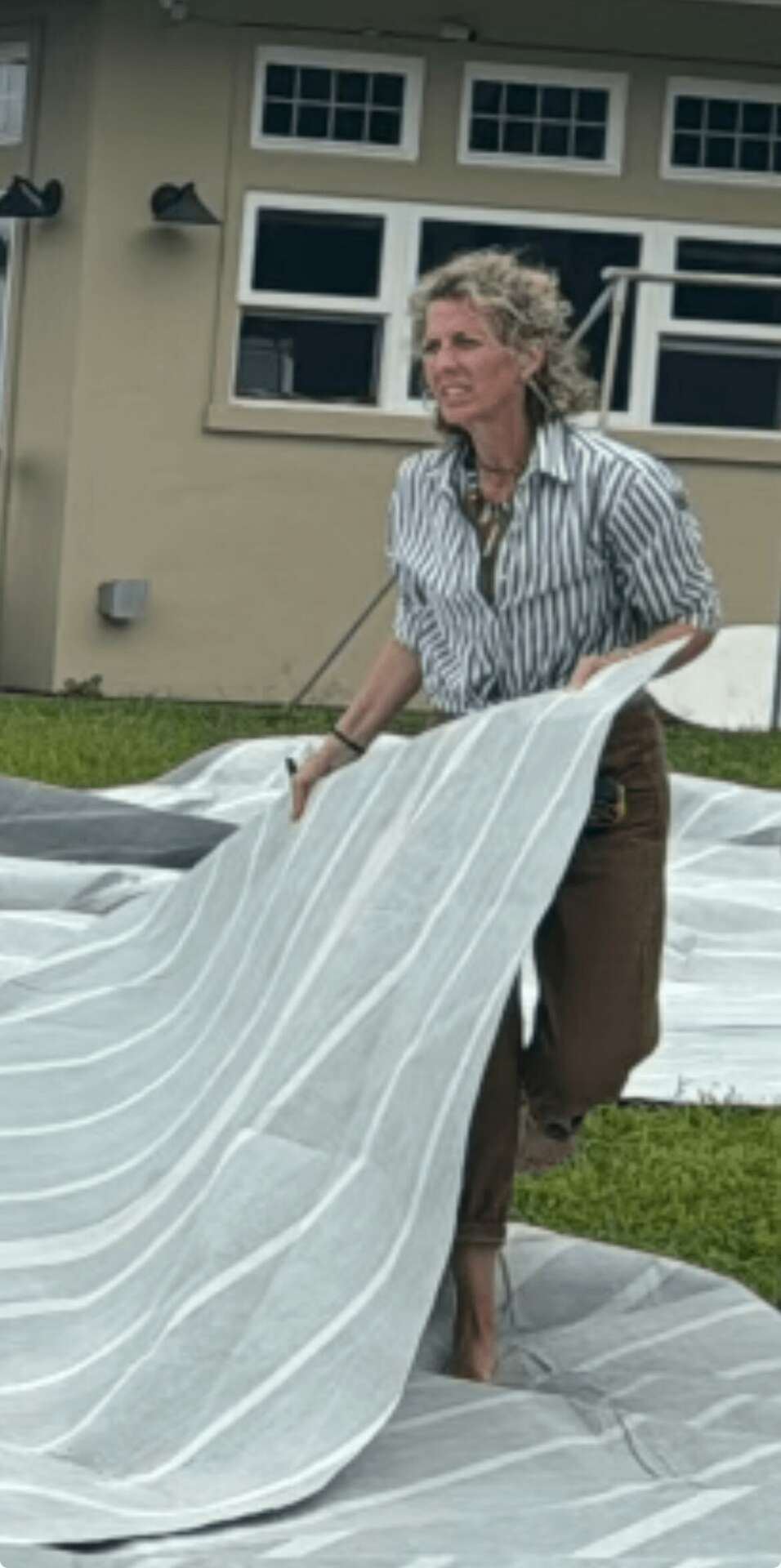

We were lucky to catch up with Angela Abshier recently and have shared our conversation below.
Angela, thanks for joining us, excited to have you contributing your stories and insights. How did you come up with the idea for your business?
Sail to Shelter is the result of clashing passions. I was working in sustainable fashion when I started offshore racing and was introduced to sails. I am a self professed textile junkie. I am fascinated with fabric and material and this was just next level for me. The technology and engineering in modern sails is unbelievable and they are just gorgeous.
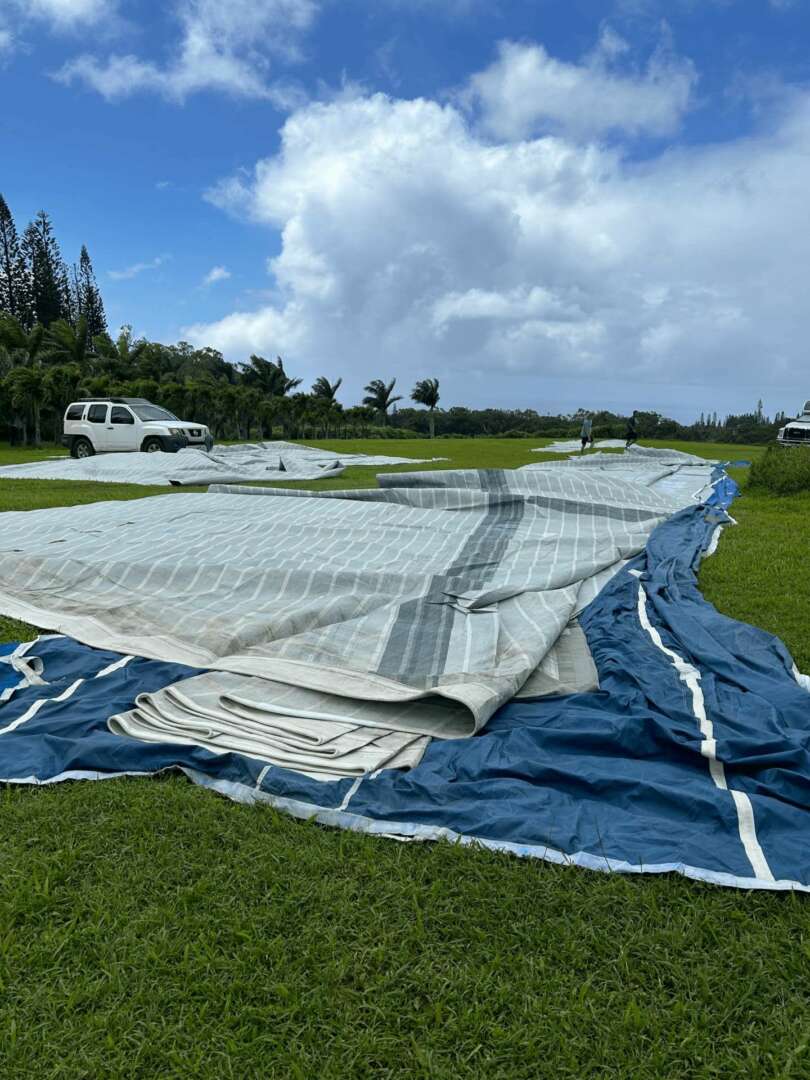
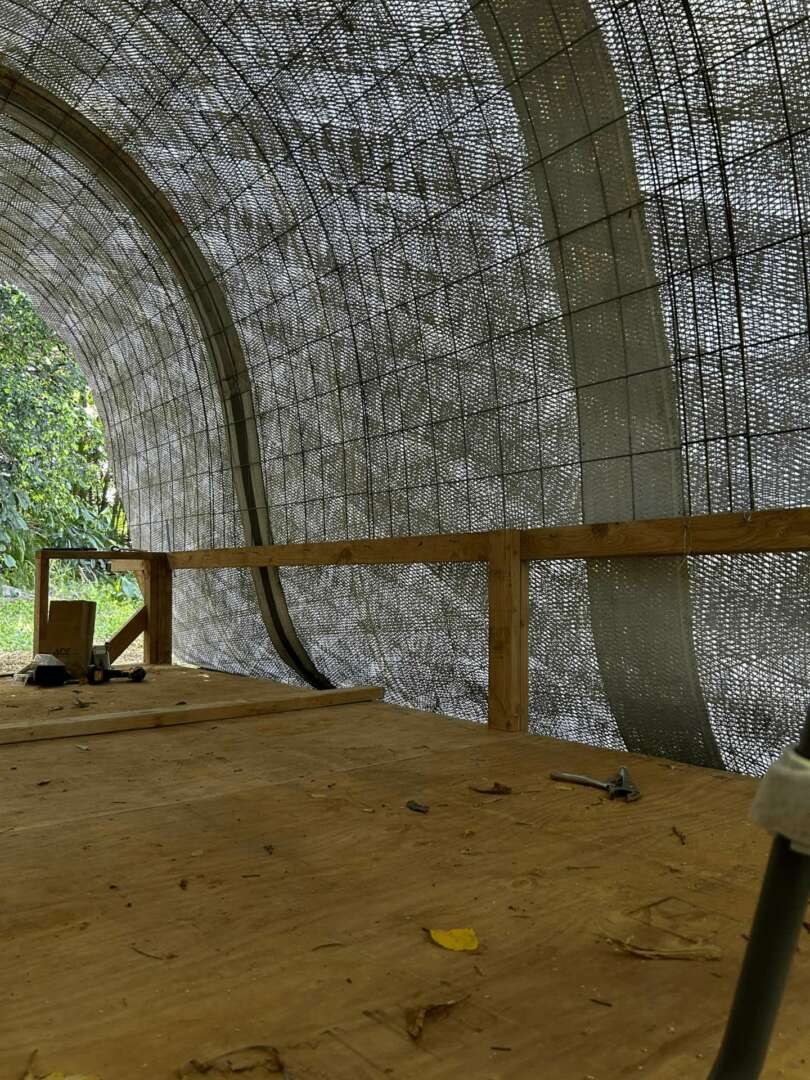
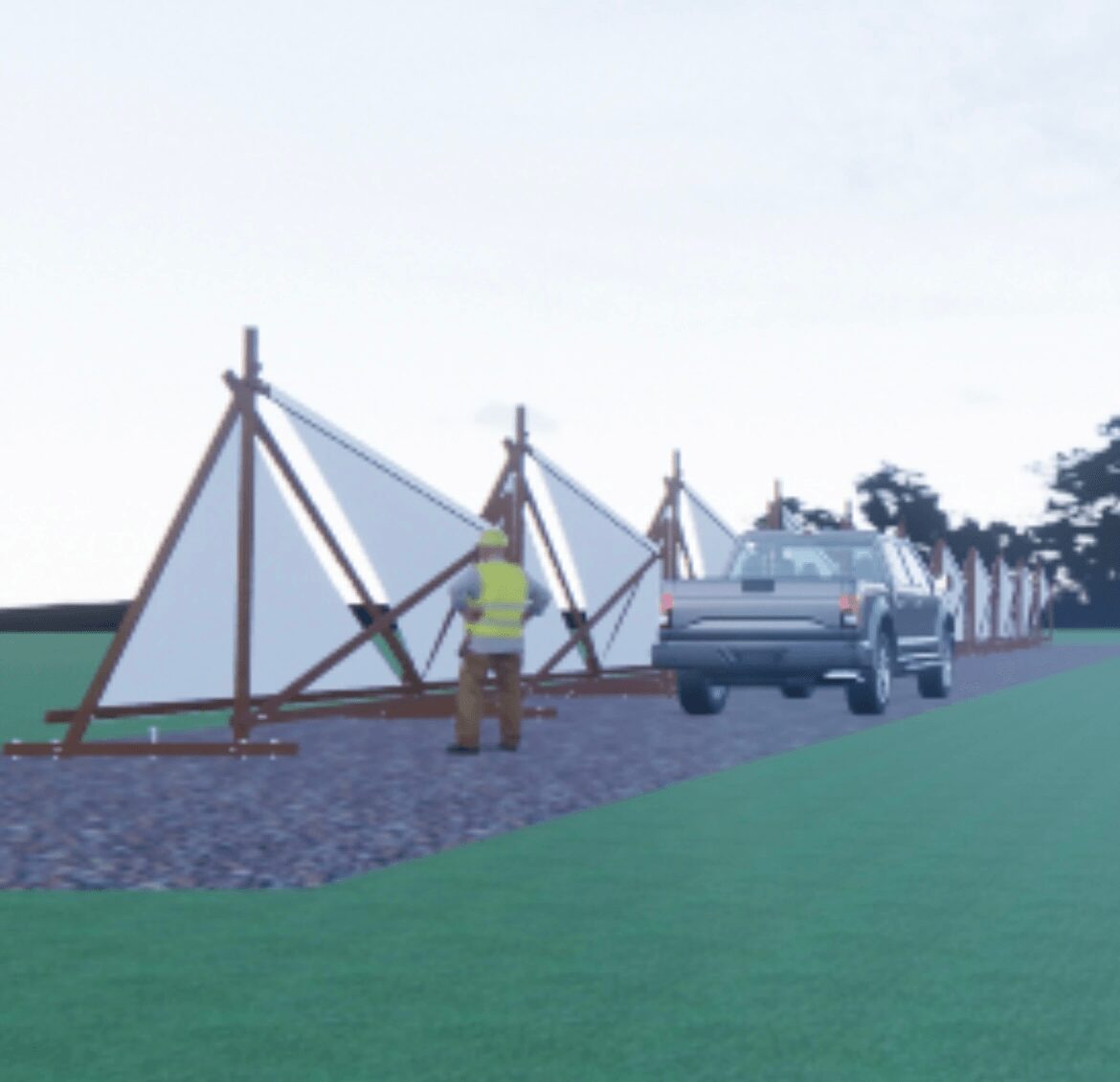
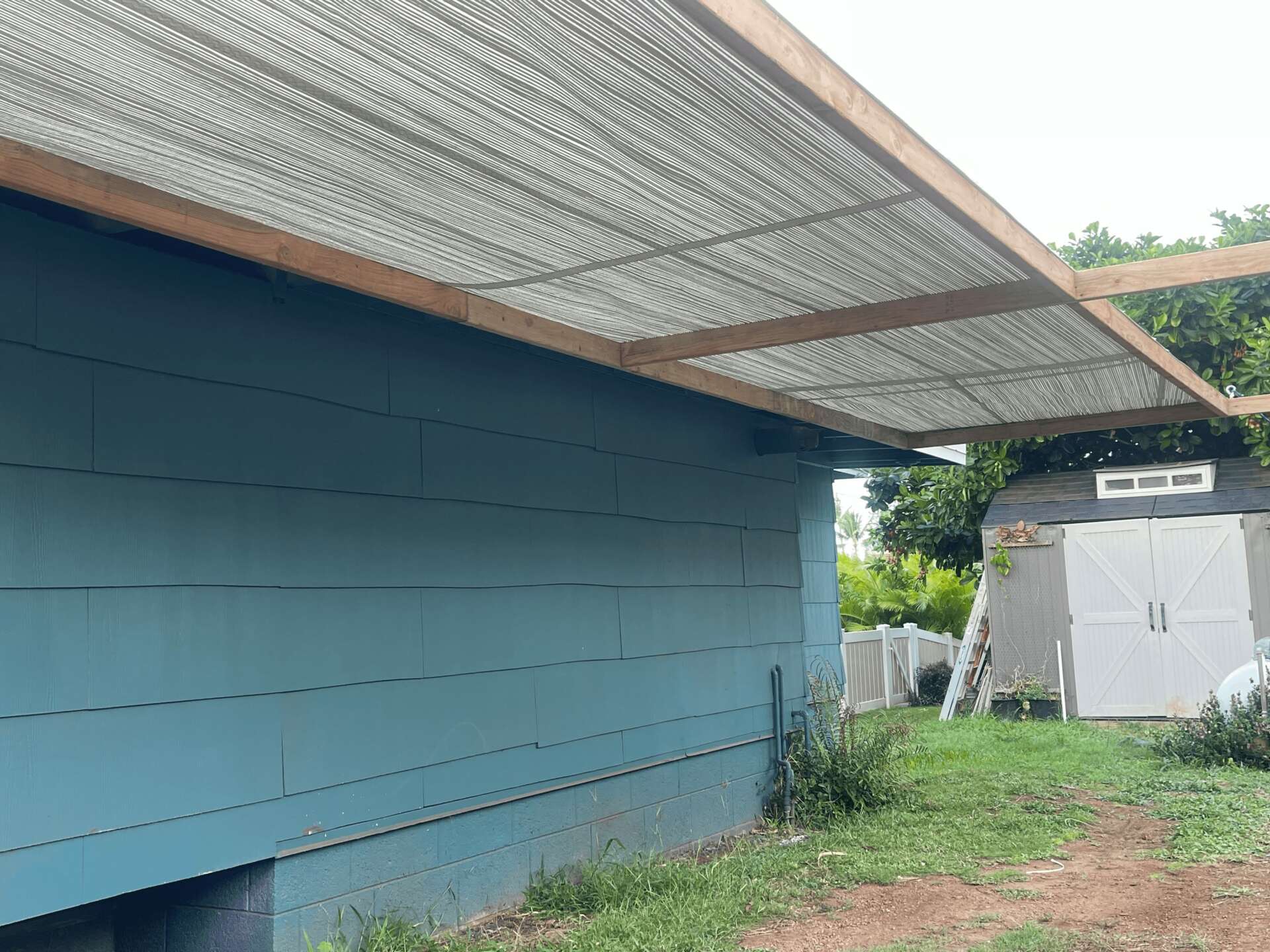
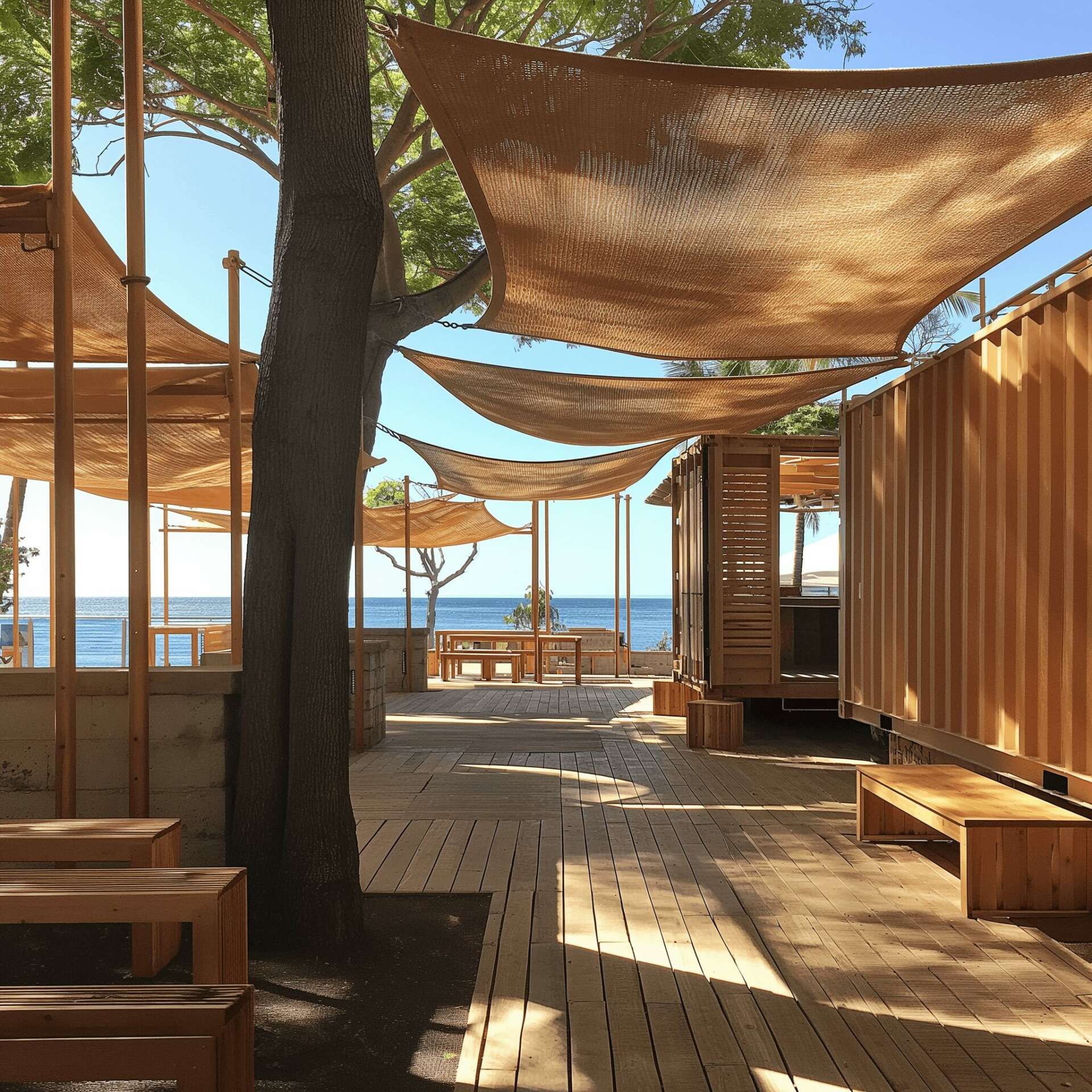
It was natural to me to want to use them for something else and it seemed like we should try to maximize their extraordinary durability, size and strength. Today we are using them to construct massive shade and shelter for animals and humans in crisis.
The alternative is that they go to landfill. It was because I had a unique view of the garment industry, so it was easy for me to make the leap and attempt to apply the same upcycling and reusing principals for sails as we attempt in the traditional garment industry. I knew it was worthwhile because sails are not recycleable because of all the added contaminates for speed and uv protection. There are bag makers around the world, all would be considered a small business with limited capacity to scale.
The mission is to change the attitudes and behaviors around what a sail becomes next. I want to create process and best practices around a sail’s second life. Everyone one of them is made from a complex makeup of plastic. Some include aramid fibers like kevlar and carbon but most are made of the same material as water bottles and we know where that addiction has gotten us.
My approach is to work collaboratively with the sailing industry. To that end I have become the first nonprofit to focus exclusively on sails and sail material. For the first time, sailors can donate sails for a tax donation. In addition, we are creating a tagging device so wherever a sail ends up at the end of its life, it can be scanned for basic information that will help determine its next best use. Tags may even include suggestions of what to with it. Our goal is not to have all the sails. Our goal is to use all the sails and help educate others who want to do the same. Some will have to shredded and become part of something. In some cases we can include it with cement for structural elements. Many can become backs of some sort and some can be transformed into an alternative building material, which is our focus at Sail to Shelter.
What gets me excited is pioneering a second use economy while working with these extraordinary creations. What excites me us multidisciplinary exploration into ways to maximize the resources already spent to make the thing.
Angela, love having you share your insights with us. Before we ask you more questions, maybe you can take a moment to introduce yourself to our readers who might have missed our earlier conversations?
I like to think I am a perfect illustration of what happens when you combine a bunch of things you are passionate about.
It all began with my love of textiles and design. Insert my love for the ocean and the planet and add in my passion for sailing and Sail to Shelter was born. I have a unique background in product design, intellectual property law and technology to be dangerous.
I hope our work will inspiring leadership in the current generation to stand up for change. That sounds crazy, but challenging the system – even when there is no system – is hard to do in a sport as small and fragile as sailing. I love sailing. It changed my life forever. It was the first time in my life when I felt the camaraderie of a team and it happened on the ocean, my favorite place in the world to be. It was magic and it has delivered and become my purpose. My goal is to create thoughtful, beautiful and significant solutions with retired sails.
I hope to make responsible manufacturing and lifecycle stewardship endemic for generations of sailors to come.
I am most proud that we are pioneering the second-use economy.
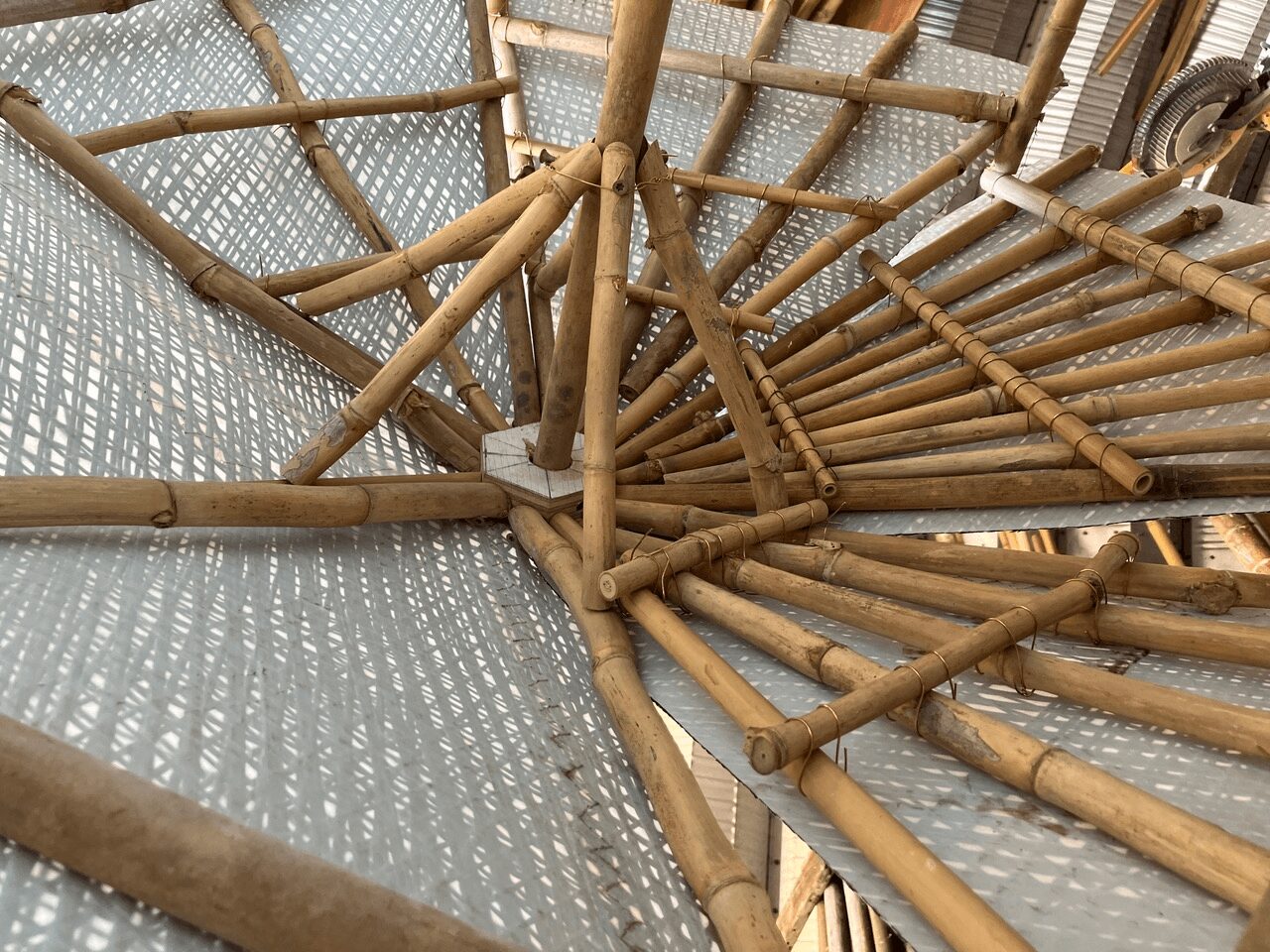
I am most excited about the collaborative work we do. It is a core value to integrate gently and with collaboration every step of the way. Later this year we will break ground on a number of projects on the Maui Humane Society campus to install art like shade and shelter. Together with a local master bamboo craftsman and some of the most incredible sails ever made, we will be creating bamboo and sail cloth shade installations that are sure to draw a crowd!
We approach all of our projects from the perspective of creating solutions that are best for the community. We want our products and design services to add value and create space for healing.
We’d really appreciate if you could talk to us about how you figured out the manufacturing process.
Having something made has been the hardest thing I have ever tried to do. I have an entirely new respect for skilled makers of anything.. I am so inspired that I have expanded our services to include sewing education when possible.
I expected challenges trying to turn sails into an alternative building material. I did not expect to run into the same trouble trying to have small goods and gear made anywhere in the US. At the time I was trying to have backpacks made with the scrap bits of sail cloth. Seemed reasonable enough. It took almost a year just to find a manufacturer in the San Francisco/Oakland ares. I found one and it was a disaster from day one. From quality to deadlines to communication. It was a terrible and expensive exercise in futility. After about $30,000 in lessons and nothing to show for it, I gave up on small goods and remain focused on construction.
These days I am more focused on teaching people to sew than I am finding people to sew. The challenges in finding sewing talent inspired me to build partnerships and pilot education program with sailing clubs to inspire industrial sewing as a career path.
We will still use the biggest sails, but we need create some best practices for deconstruction at scale so everything finds its next best use.
We’d love to hear the story of how you turned a side-hustle into a something much bigger.
Sail to Shelter is a bit of a pandemic baby. It was during the pandemic that I wondered why we weren’t using retired sails to create villages to enable safe social distancing for our homeless population. When that was smacked down by every municipal agency I contacted, it made me wonder why, and it inspired my fight to create a comprehensive solution for end of life sails.
The wildfires in Lahaina were a call for Sail to Shelter operate boots-on-the-ground during an actual crisis. Until then we had only send material to a disaster area. This was my opportunity to work with other organizations and with the community to address the issues and needs unique to their area. The experience has been transformational personally. Standing in the epicenter of pain
I guess I always figured there would be a moment when I would be able to go all in. Maui was the catalyst because it requires my presence and constant attention. It has not been easy by any stretch of the imagination. This transition wasn’t achieved through some rigorous set of strategic milestones. It’s been more like flying through a meteor storm with no protection.
Contact Info:
- Website: https://www.sailtoshelter.org
- Instagram: https://www.instagram.com/sail_to_shelter/
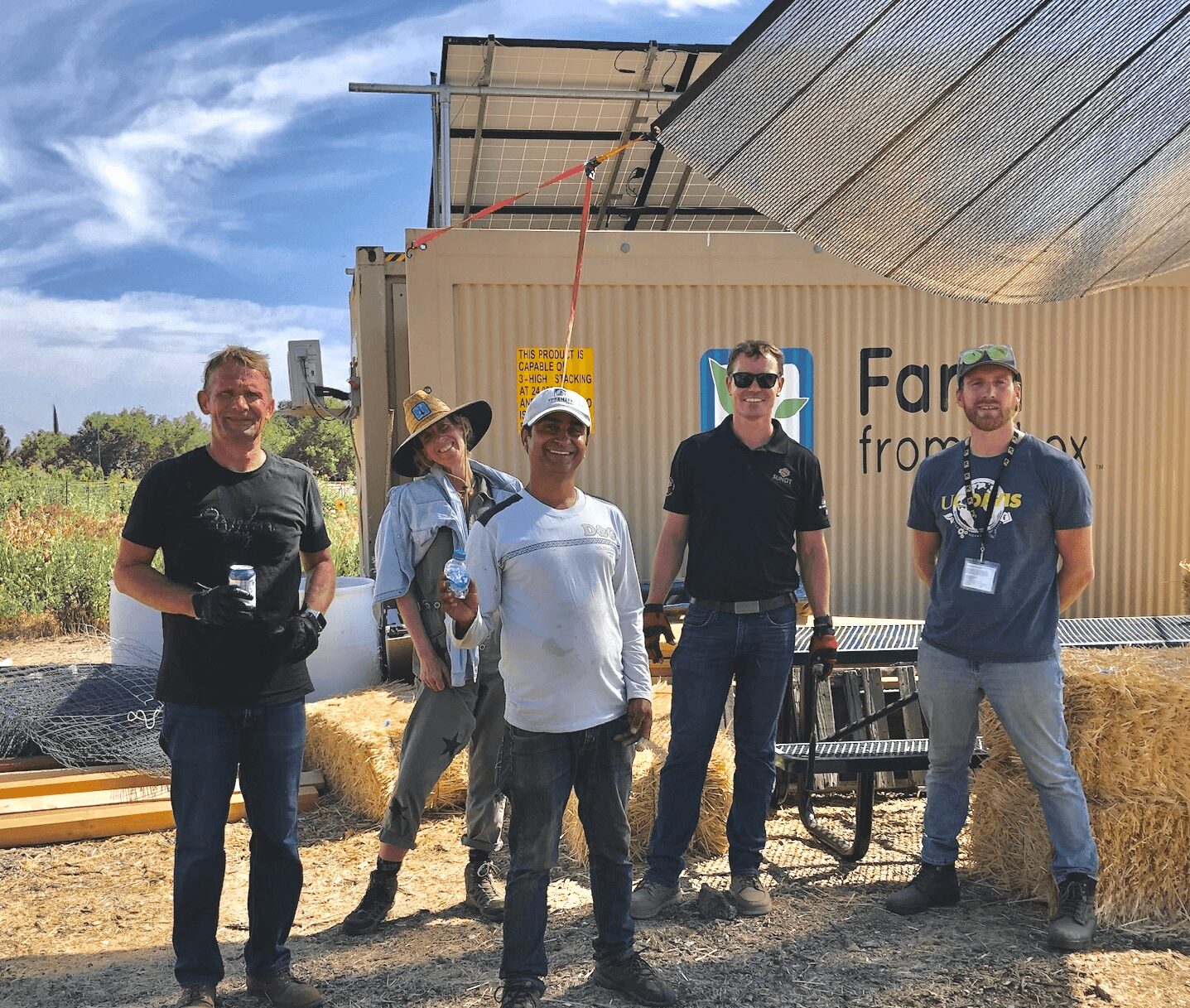

Image Credits
Angela Abshier