

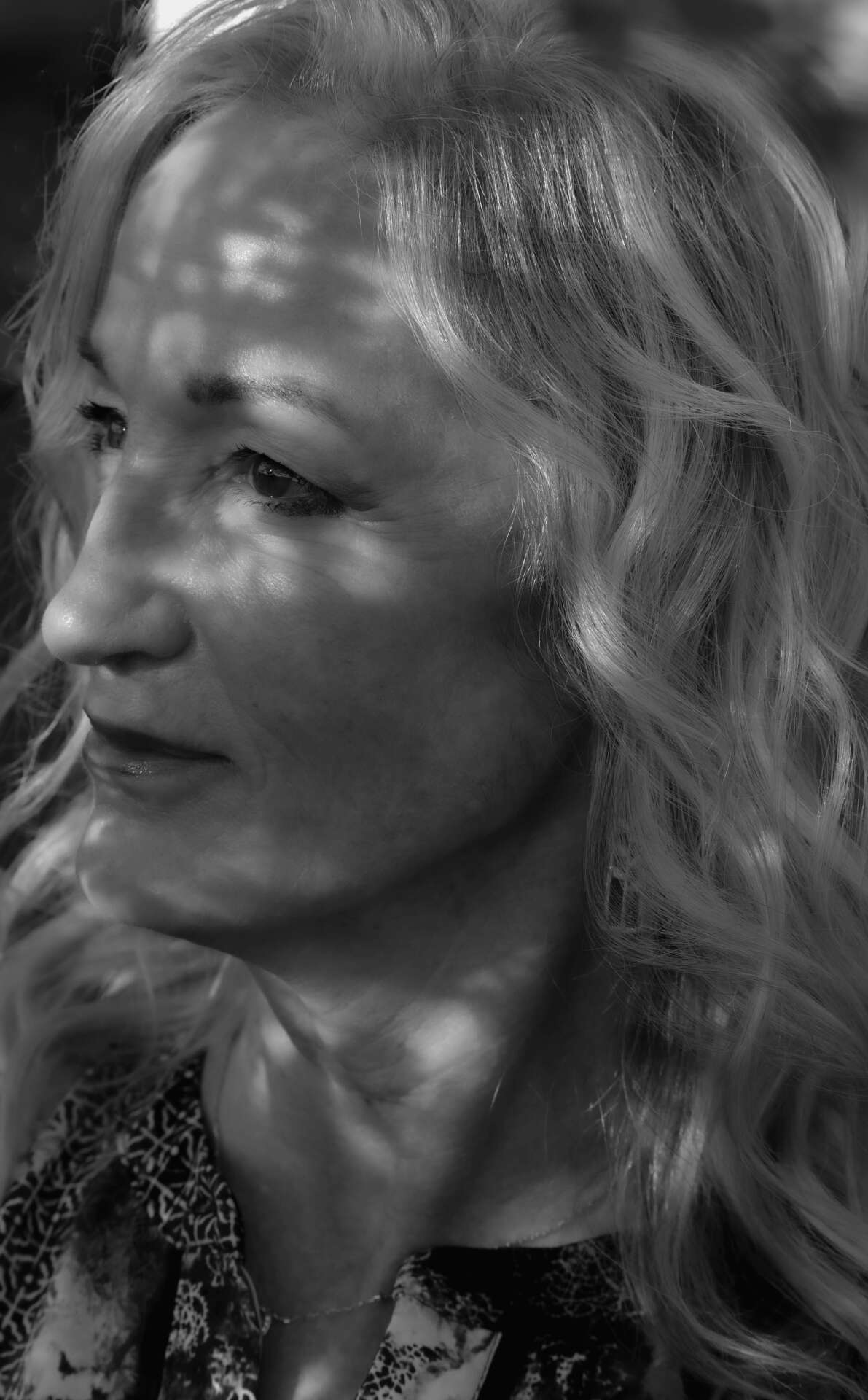

We were lucky to catch up with M E Klesse recently and have shared our conversation below.
Alright, M E thanks for taking the time to share your stories and insights with us today. Do you wish you had waited to pursue your creative career or do you wish you had started sooner?
It would hardly have been possible to start my career sooner than I did as I was already trying to fashion construction paper into wearable designs by age 6, drawing my own dress designs by age 8 and taking painting lessons from my artist Great grandmother by age 9. But my art career came to an abrupt halt at age 15, when my high school painting instructor, who praised my work at first, began giving me poorer and poorer grades so that by the end of the year I was convinced that I had no talent and gave it up for many years. That was also the same year in which I sold my first work to an acquaintance who would gift it to an editor at Vogue. Although I gave up painting, I never gave up creating and in the ensuing years I proceeded to make everything from clothing from my own designs to dollhouses complete with handmade tile floors..
As it turned out, the timing of my later painting career was fairly providential in that everything on which I embarked in the interim offers contributions to my artistic career. The degree in philosophy gives me a field of investigation from which to explore ethical, logical, metaphysical and even epistemological questions for the essence of creative ideas. The several years working as an RN in the ER gave me a deeper understanding of the human psyche and its behaviors under the influence of extreme stress. The advanced degree in management with a concentration in project management has given me the knowledge and practice for managing larger art projects. The return to painting a few years before embarking on studying at both The Pratt Institute and The New York Studio School gave me the time to bring my skill to the necessary level and created education accessibility due to the advent of total online learning resulting from the genesis of COVID.
The major challenge in abandoning my career for the long stretch is the propensity of the art world to engage in prodigious age discrimination. There is an unspoken belief that an artist has missed their opportunity to be successful if they have not gained significant recognition by age 35; and this prejudice causes many opportunities to be awarded to the younger generation. Thus, those of us beyond that window must fight harder and longer for the same opportunities.
As always, we appreciate you sharing your insights and we’ve got a few more questions for you, but before we get to all of that can you take a minute to introduce yourself and give our readers some of your back background and context?
Around 2010, after my son had passed away, I was tasked with creating a fundraising event for a local non-profit. I used that opportunity to develop an event which would benefit both area art students in addition to people with autism and also to create something which would pay tribute to my son. Just another ordinary art show did not inspire me so I began delving into the psychology of experience. During this exploration I happened to read a book on synesthesia and began to understand that even the most sensory-ordinary of people experience all visual input with a certain amount of association with all of the other senses. For example: if you go on a really fantastic date which involves dinner at an Italian restaurant and then a movie, at a later time you may smell marinara sauce or hear a song from the soundtrack of that movie and suddenly you find yourself enveloped in a feeling of happiness and wellbeing; and you may not even be aware of the source. On the flip side, many of us have had that experience of a food or drink that we ingested just before we got sick, which can make even the mere smell of that food cause us to gag. These are all examples of sensory cues causing memories to resurface.
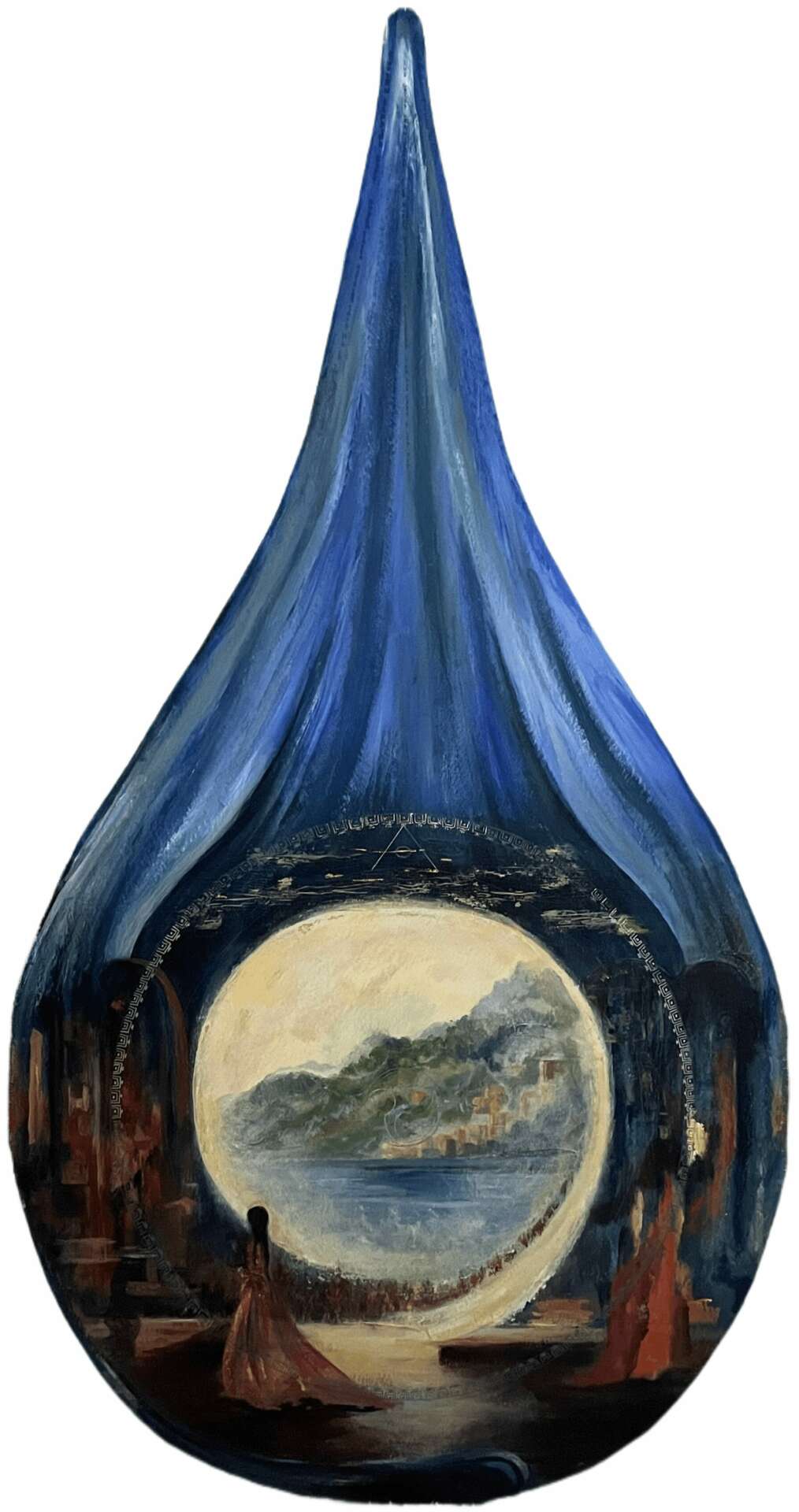
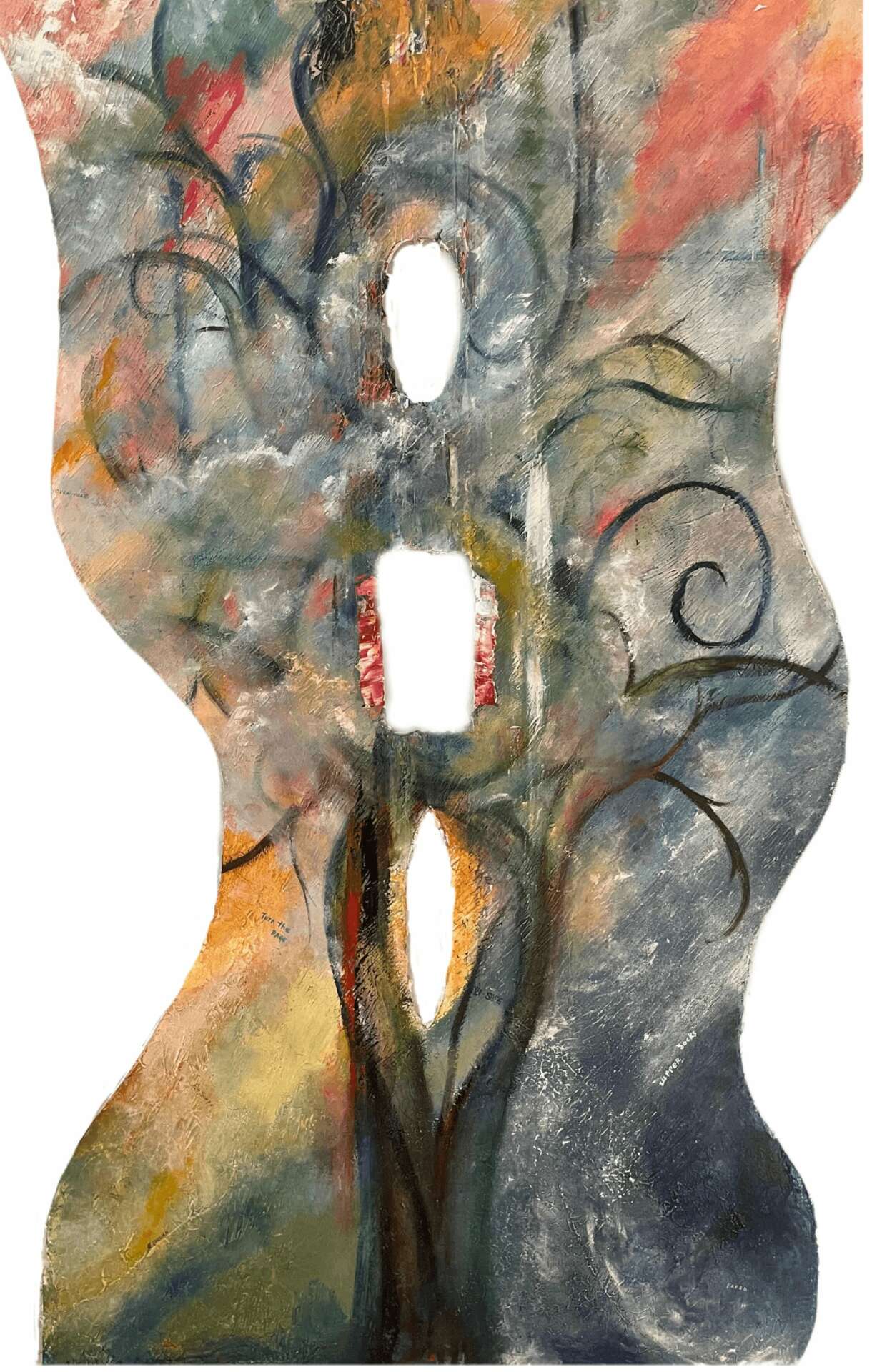
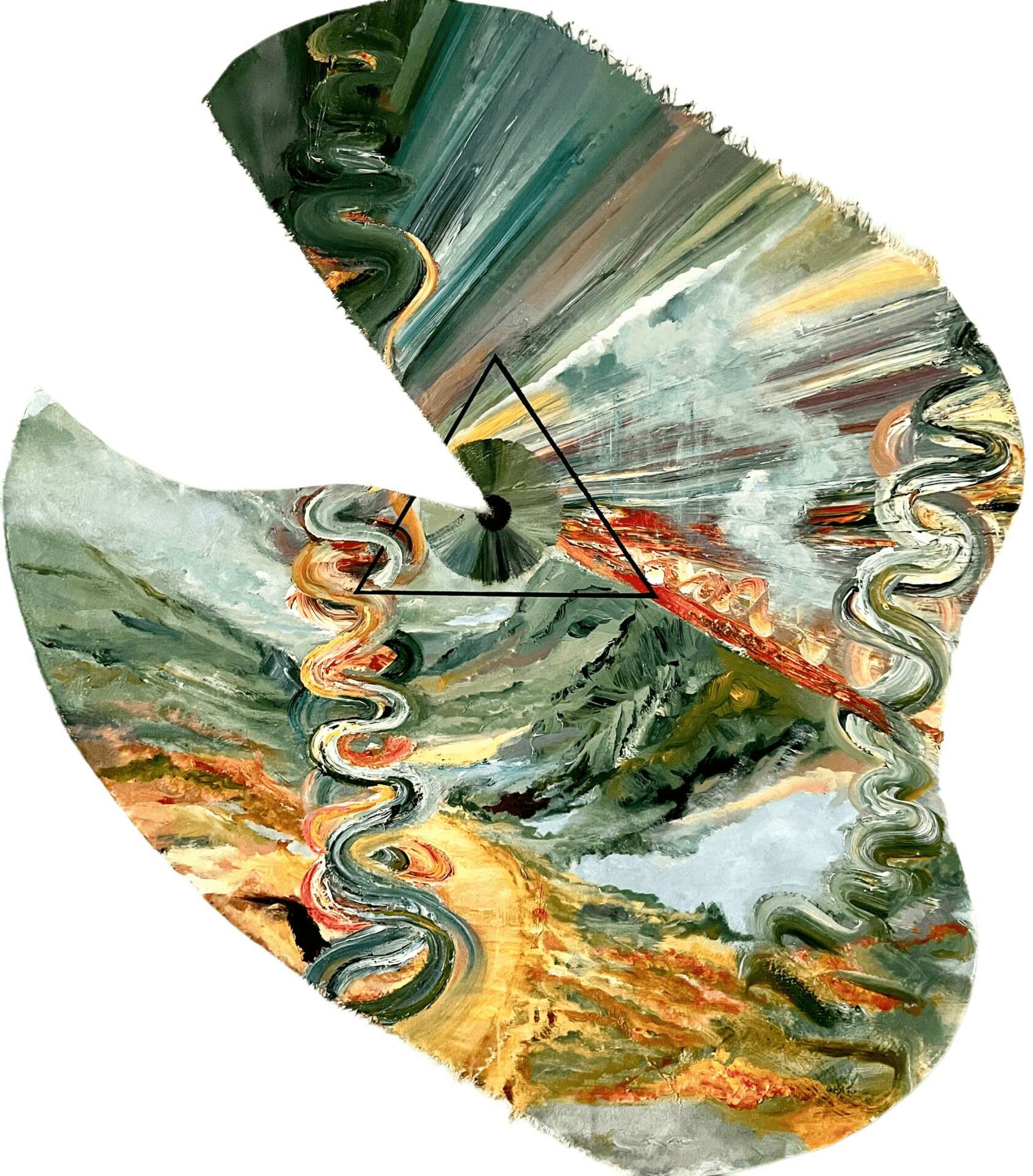
I used this understanding to develop an artform which I termed “Excrypted Art”. Encryption is the process of taking information and converting it into a code to prevent people from accessing it. ‘Excryption’ takes something difficult to understand, such as the meaning which the artist is trying to convey, and provides clues or cues to help give the participant a similar experience. This multisensorial artform utilizes cues of taste, touch, smell and sound in addition to the traditional visual art to provide the observer with a broader experience of the artwork.
For example: I have a painting titled “Carnaval” which is part realistic view of a parade performer for the world famous holiday ‘Carnival’, and part abstraction of light, color and shapes. The ‘excryption’ of this painting is: taste: gumbo with mojitos, smell: sweat, ginger, chili paste, touch: the vibrations made by tribal drum rhythms, sound: Miami Sound Machine’s ‘Rhythm is Gonna get You”. Even just reading about these cues can give you a more expanded sense of the painting without ever even seeing it.
We’d love to hear a story of resilience from your journey.
Resilience for an artist is more about understanding than it is about creating ‘tough skin’. Some of the things which can make an artist feel like giving up can be: a faulty process or supplies- make sure that you understand your medium and that you use quality ingredients; a lack of skill level- practice, practice, practice; a lack of a broad understanding of art and a lack of exposure to the process of others- if you didn’t go to art school take lots of non-academic classes and watch a lot of art history videos; a lack of understanding of your market- ask gallery owners what they are looking for, ask successful artists what makes their paintings popular, pay attention at your shows to hear what attendees are saying that they like and don’t like…not just about your art but also about other people’s art, then go see that art.
Rejection is a way of life in the artworld. Just know from the beginning that the people chosen ahead of you have either put in their time and have also experienced lots of rejection, and/or they ‘know someone’….don’t just feel slighted by their possible advantage…get out there and get to know people in your art community.
Also resilience is about understanding people and what you are up against. There are a lot of silly, petty, jealous and even manipulative people out there, not just in the artworld but in life. Choose your associates wisely and keep a fair distance from the petty, jealous and manipulative ones. If they are not happy people, it is not your fault or your job to fix them; and don’t waste years dragging their ball and chain around for them.
There are plenty of good people out there; find ones who will support you and who ‘get’ you and bond with them. It took me several years and a few unfortunate groups to find the TENacious artist group of 7 women associated with the Houston area art scene. When a group has a mission of ‘artists supporting other artists’ and who work for free to promote emerging artists, it’s a good place to start in the quest to find good people.
Are there any resources you wish you knew about earlier in your creative journey?
Youtube! Youtube is an art school in itself (minus the critique and the creative input of fellow students). There are how-to videos on every type of medium, there are art history videos on just about every artist who would be taught in an art history class; plus ones whom your art history teacher never heard of. There are color theory videos, drawing basics, and ones on the psychology and philosophy behind certain art movements. Plus you can find videos on how to repair your equipment and how to use your new creating toy which just came with directions only in Chinese.
Contact Info:
- Website: https://meklesse-designs.weebly.com/
- Instagram: https://www.instagram.com/meklesse/
- Facebook: https://www.facebook.com/MEKLESSEDesigns/
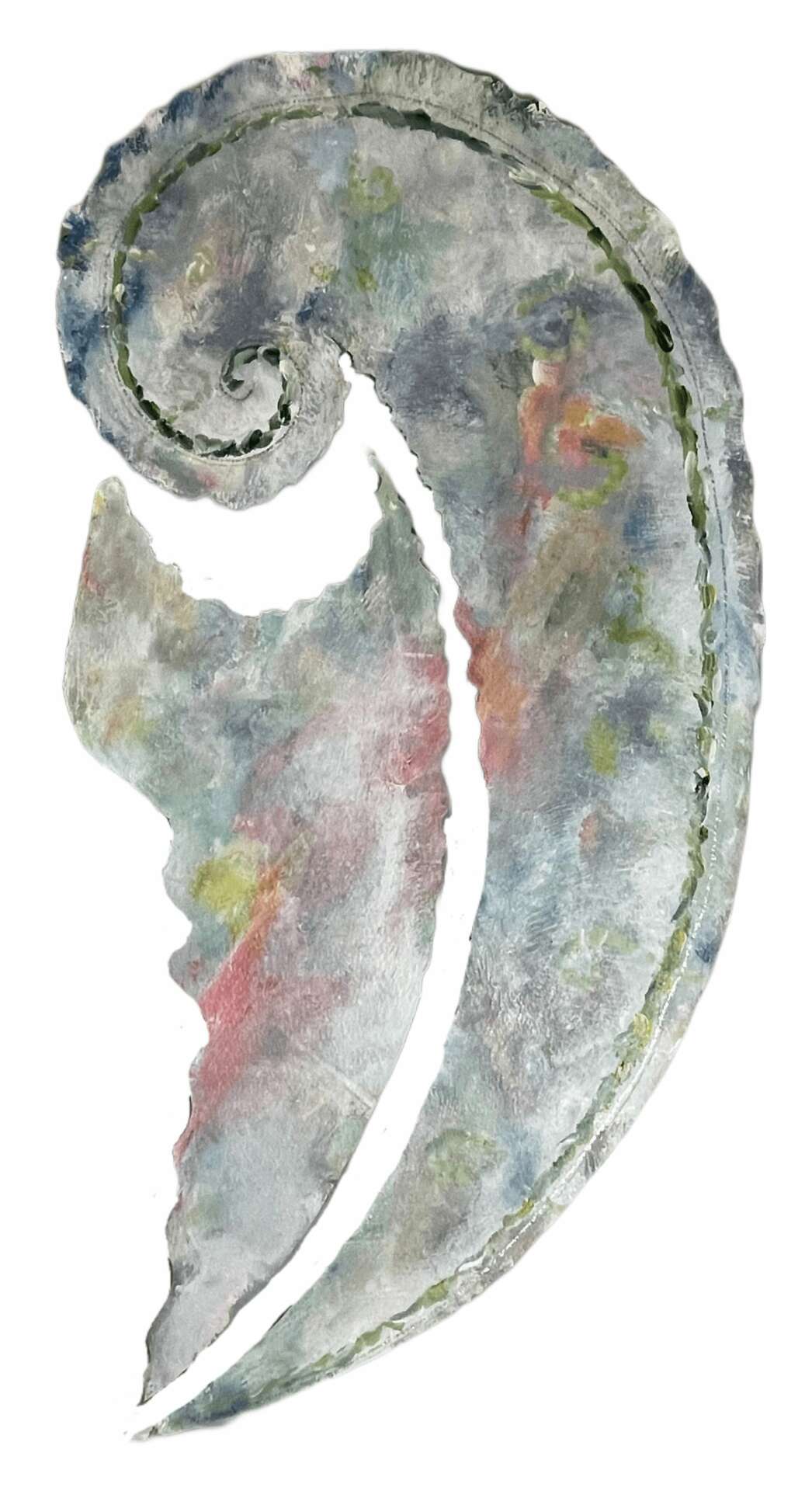
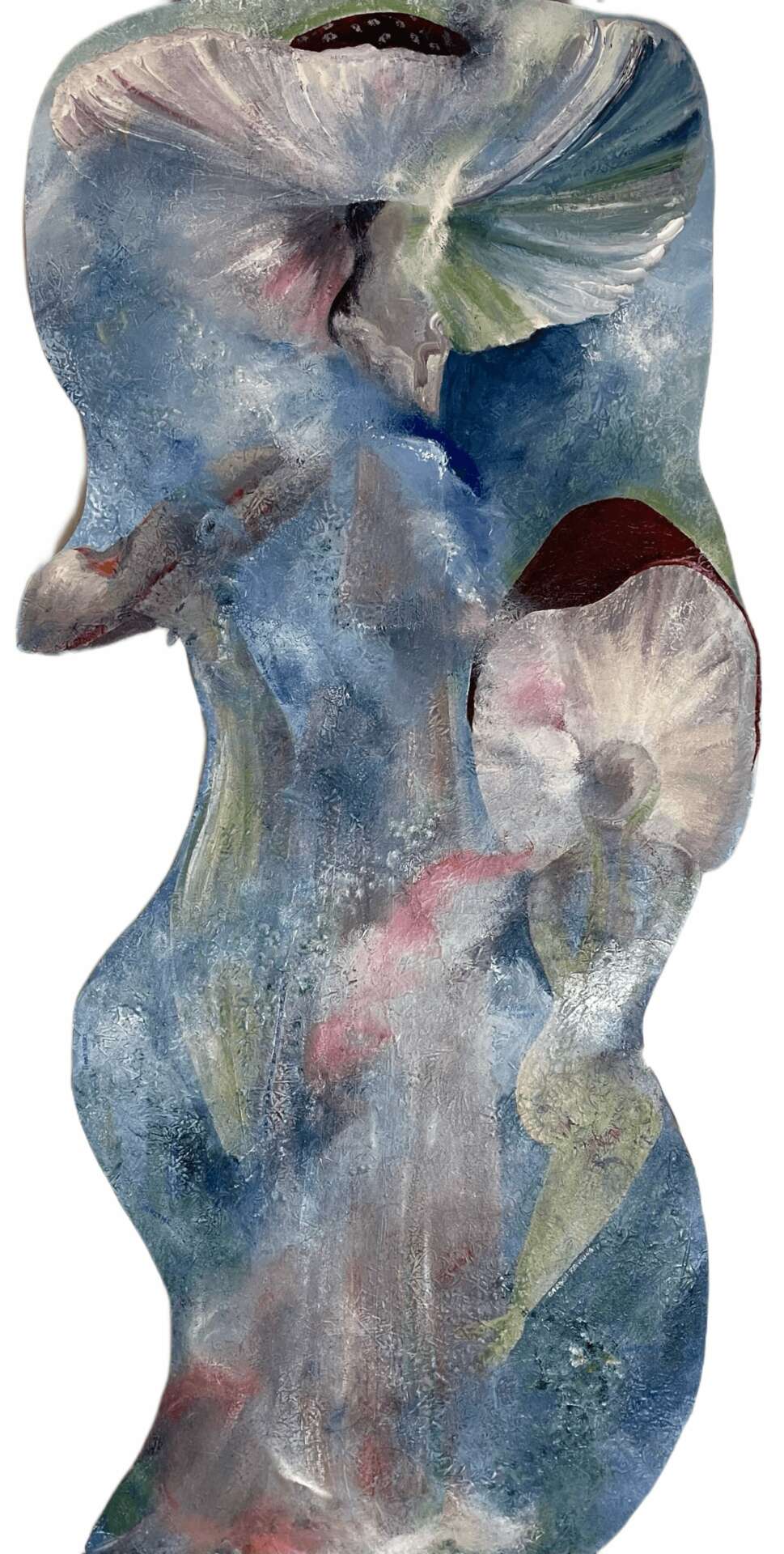
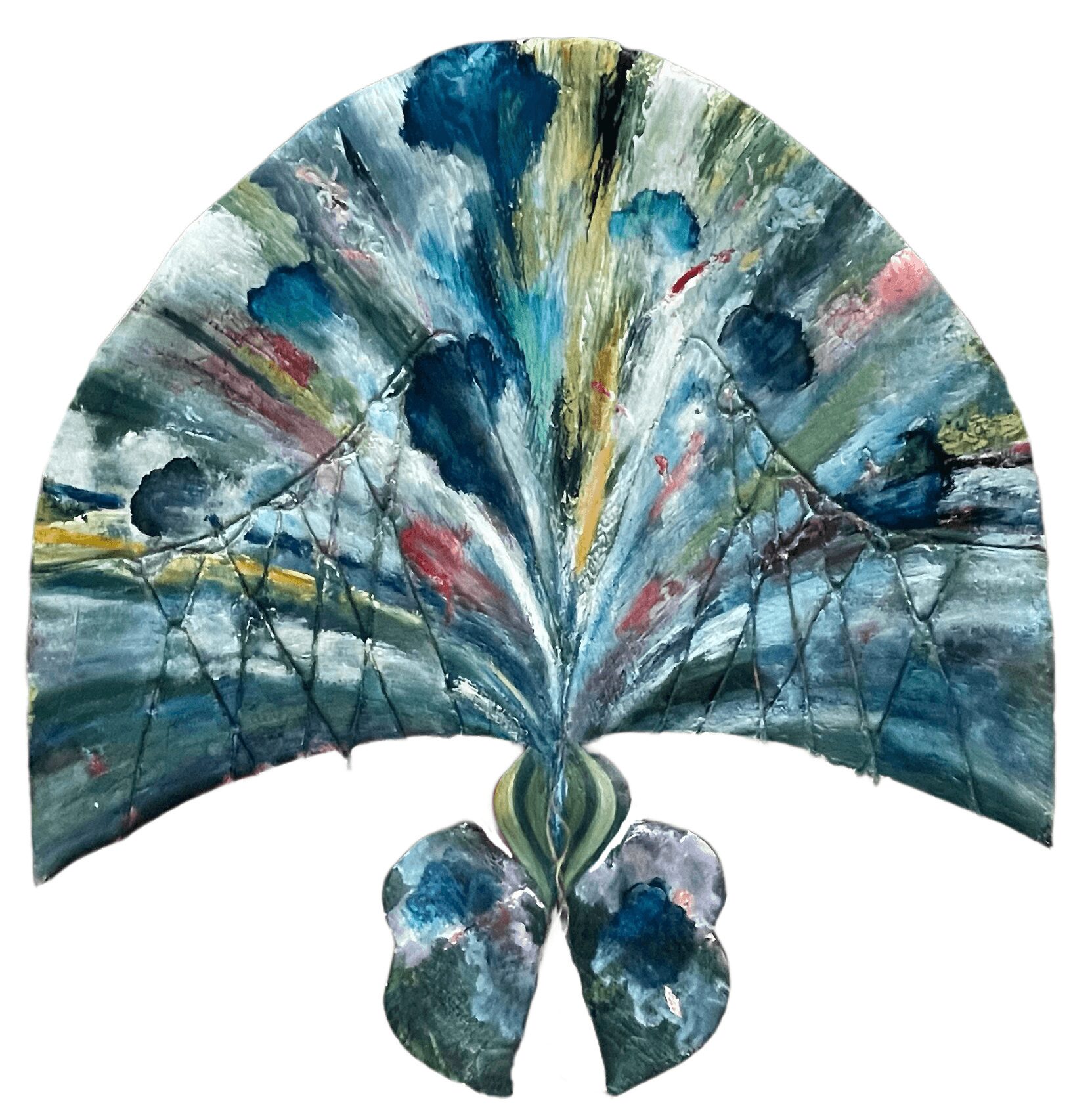
Image Credits
M E Klesse
Carla Tank