

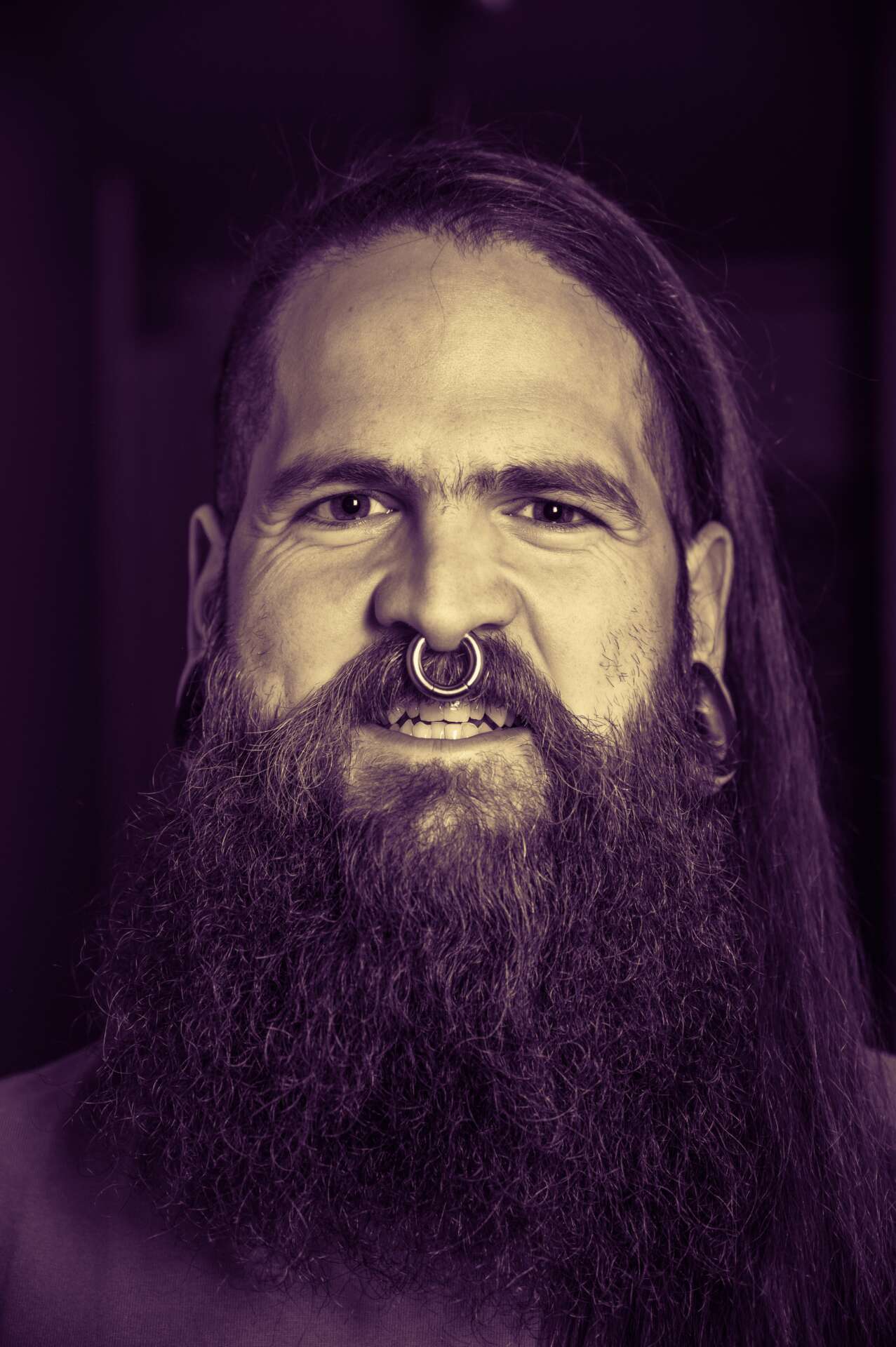

We’re excited to introduce you to the always interesting and insightful Siege Lehman. We hope you’ll enjoy our conversation with Siege below.
Alright, Siege thanks for taking the time to share your stories and insights with us today. Do you think your parents have had a meaningful impact on you and your journey?
For a long time, I thought my upbringing was fairly run-of-the-mill: just an average, little, white kid with two older brothers, supportive parents, room to roam, woods to adventure in, and a semi-rural suburban-type setting. Then I grew up, came out, and left my small town for the larger world. It was there that I realized I had something pretty unique and special (especially for a little queer kid).
My brothers and I were raised on San Juan Island, a little rock northwest of Seattle, and near the border of Canada. Both of my parents moved there in the late 80’s. Dad is a retired aerospace engineer who left his job at Boeing to become a stay-at-home parent. My mom is a retired RN who often worked long weeks in and around the islands, regularly taking a daily ferry to get to work.
Among the many things I think might parents did right, they never shamed or discouraged self-expression (that I can recall, at least). I was allowed to be flamboyant, expressive, femme, and loud. They made space for me to be impulsive with my creativity and to explore and learn about the world by trial and error. Of many fond memories, I recall that we had a table in the family room equipped with several bins of construction toys (LEGOs, Contrux, K’Nex) where I would build and destroy to my heart’s absolute content,
There was ample room to inquire and question about the world. This would become such a common refrain, that I would eventually get “Question Everything” inscribed in my High School Graduation ring. In our bedroom was a bookshelf stocked with a variety of fiction and nonfiction material that we could help ourselves to. In addition, we had a huge Encyclopedia and enormous Dictionary in the Family Room. Whenever I had questions, my parents would direct me to seek the answer in the encyclopedia or dictionary, and if I still had further questions, they would step in to assist in finding the answers. (This was before the proliferation of the World Wide Web and web search).
Eventually we had a desktop computer in the family room, and encouraged by my dad to learn computer technology, it was a regular tool in my life after that point. When I got into animation around 13, I would spend hours and hours each day drawing frame-by-frame animations, and was encouraged by both my parents, as well as other adults in my life to keep pursuing and exploring the practice. Eventually I learned basic scripting and started making simple games and interactive content in Macromedia Flash (R.I.P. ol’ buddy) and participating in online communities like Newgrounds and AlbinoBlackSheep where I built a stronger community of creatives.
Having a computer in the late 90’s and early 00’s meant learning how to troubleshoot software configurations, drivers, and firmware updates. The experience of seeking out information in textbooks and manuals built an even greater sense of capacity in me, and gaining computer literacy further fed that feeling. It also helps that I feel like I have a family full of problem solvers, for which I’m very grateful. That environment and capacity-building has given me a sense of empowerment to challenge my own abilities, and then find or make solutions to the unsolved problems in my life.
Additionally, co-play was readily modeled in our home as well. My dad had his office and a workshop in the garage, and my mom had a loft dedicated to sewing, scrapbooking, drawing, painting, and any other creative practice she wanted to explore. As a family, it wasn’t uncommon for us all to spend time working on our own projects at the simultaneously, asking for help or input when we needed it.
Not long after I turned 14, and after both of my brothers were out of the house, I finally came out to my parents. First to my mom, in what I would call a spectacularly unremarkable fashion: letting her read my MySpace profile. While I recognize my own queerness and gender-neutrality NOW, I was, at the time, still grappling with what, who, and how I was. I was afraid to further embrace the parts of me that felt truest because they diverged so much from what was culturally expected and considered ‘normal’. My mom sat down at the computer, thoughtfully taking time to read my profile and take in what she was reading. As she read, she said aloud “It says here you’re bisexual.” and voice wavering I reply “Yeah…” very matter-of-factly my mom asks, “Do you think you’re more straight or more gay?” and I, anxious and trembling in the kitchen at the time, responded “definitely more gay” to which she replied, “okay!”. Our night continued on as it did every night before, but I felt less burdened by a secret I had kept until that moment. At that time, my dad had just moved to Oregon for a year, to financially support my middle brother in his senior year of highschool, so he could focus on finishing school and his very first major relationship. My mom asked if I wanted to come out to my dad myself, or if I wanted her to tell him for me. When she told him, he reminded me that he loved me all the same and gave me the biggest hug the next time we saw each other. Both of my parents’ responses left me further convinced I had won some cosmic lottery.
While these are just snippets of the formative first 18 years of my life, they are representative of the many instances in which my parents fostered an encouraging, loving, supportive, safe, family space. And THAT is what I think my parents did right.
Awesome – so before we get into the rest of our questions, can you briefly introduce yourself to our readers.
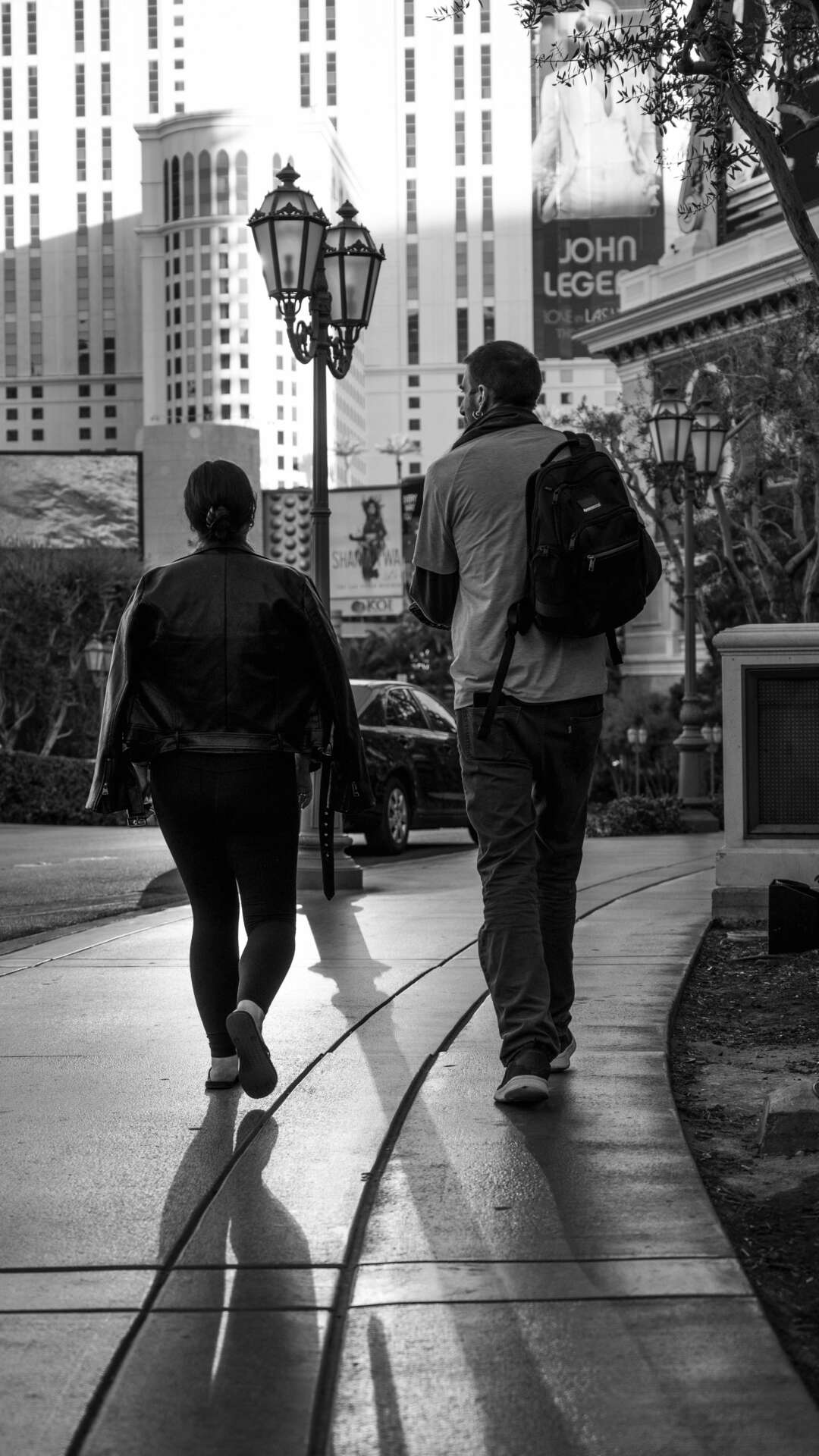
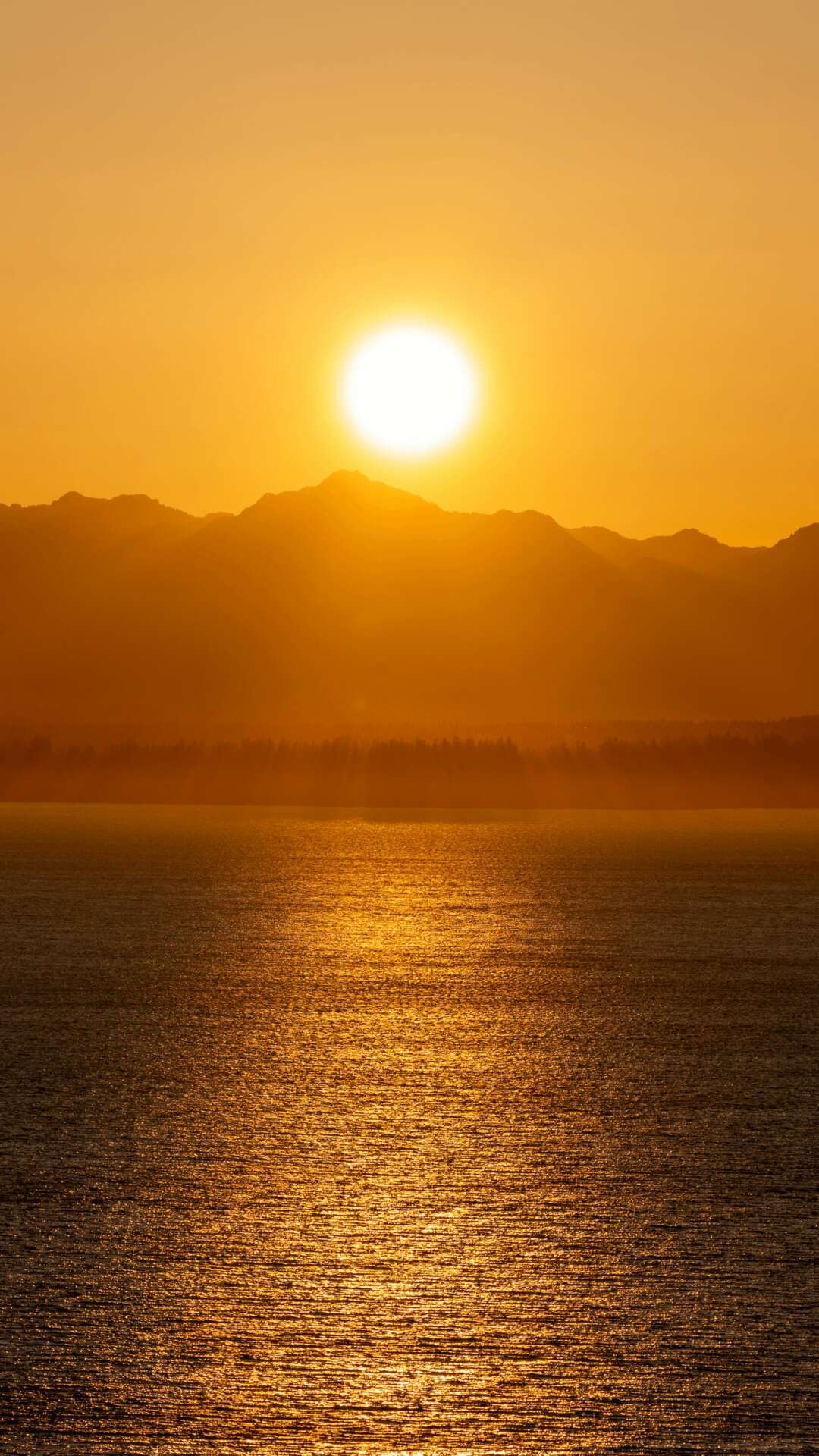
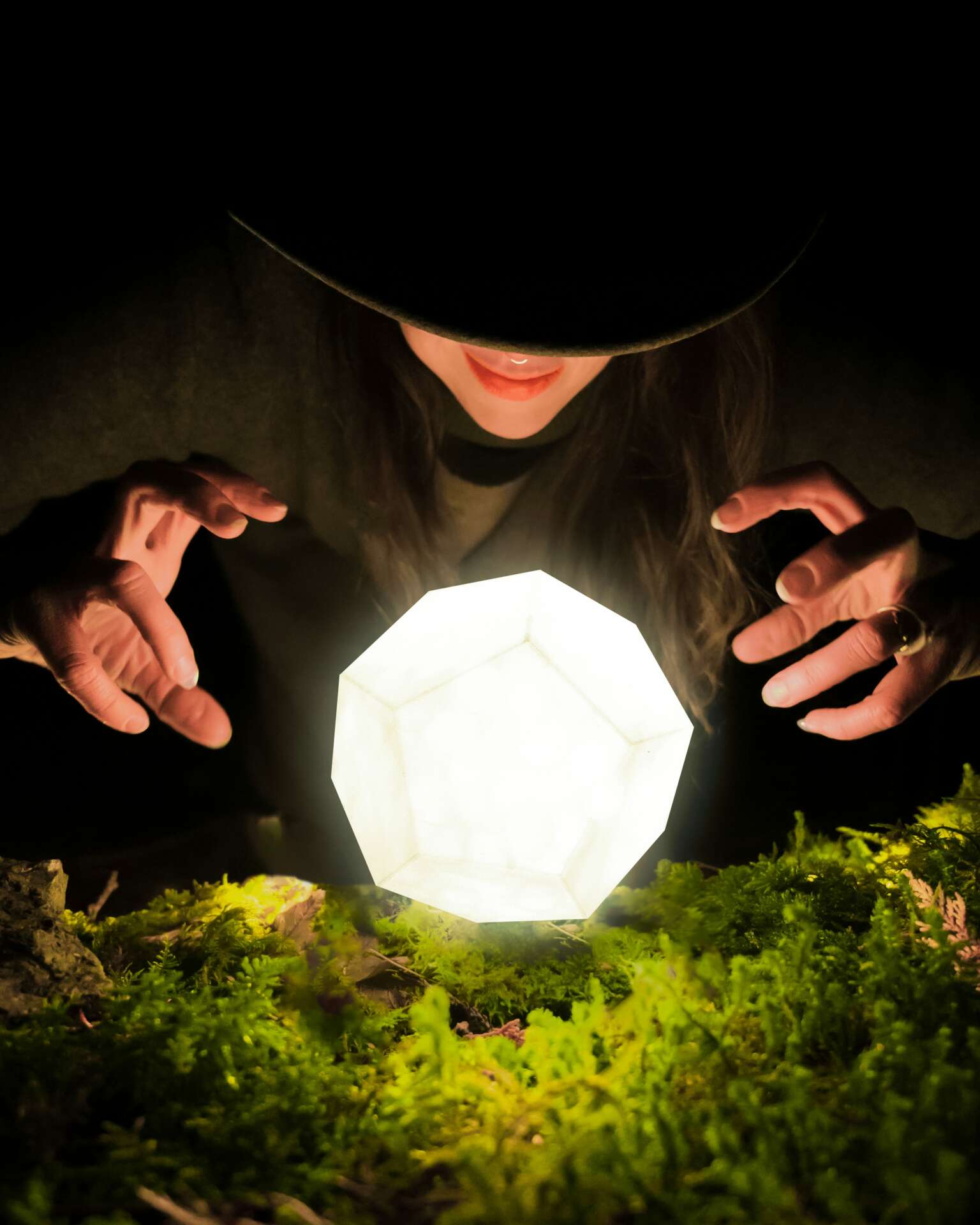
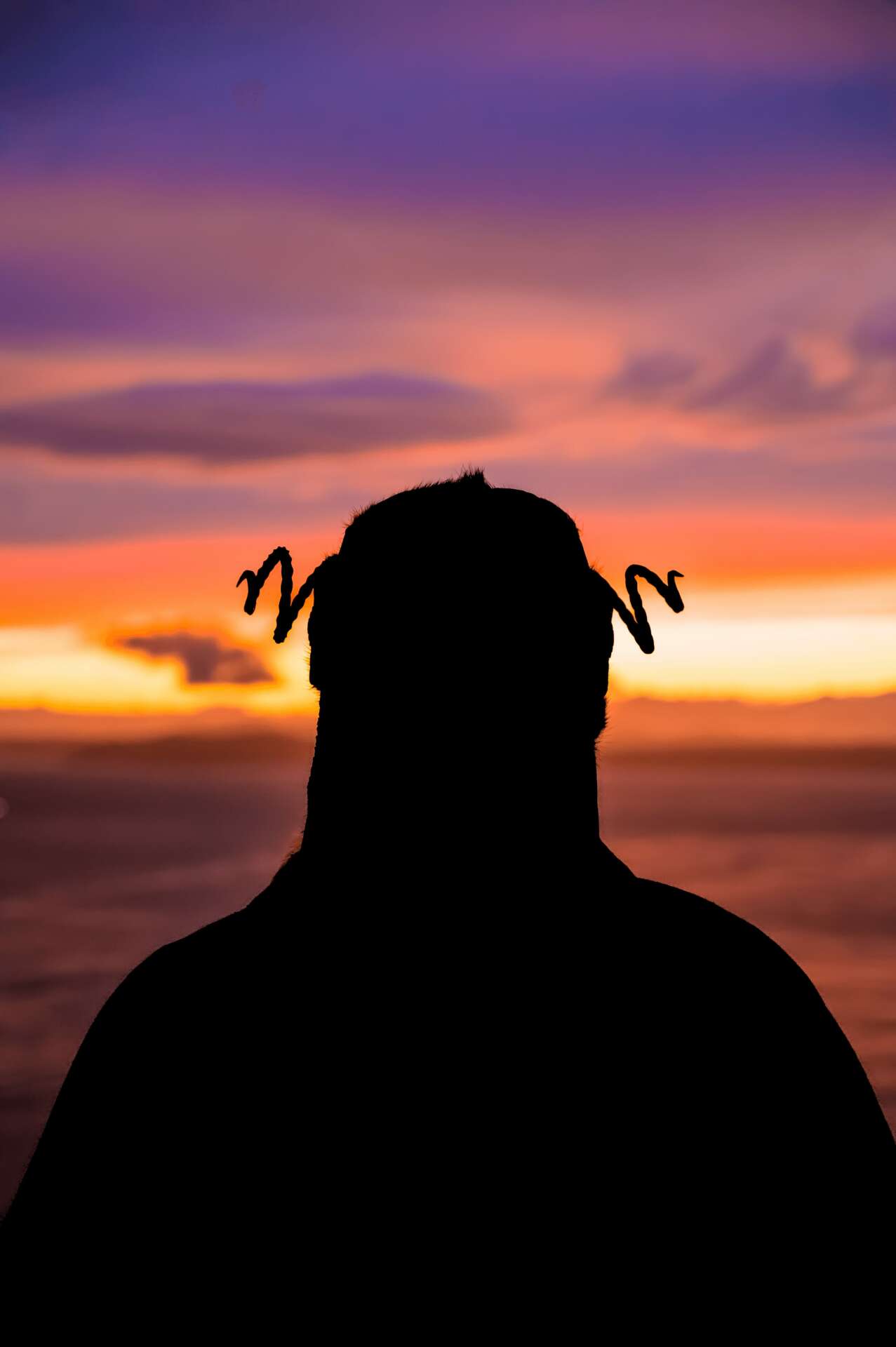
I’ve pursued a lot of creative endeavors in my life, mostly as personal practices, but it wasn’t until after dropping out of college and moving to Seattle that I tried to do anything professional with them. Photography was my primary art practice and I had been doing it since age 12 (I think). Since then, I’ve built out a much bigger portfolio, practiced significantly more styles and slowly built a practice that, while primarily personal in nature, includes occasional professional work. My primary photographic styles focus on high contrast and bright colors, mostly in situ, to minimize editing and preserve some sense of authenticity and reality in the shot. That said, I also enjoy making an occasional absurdist photo collage, heavy edit, or other surreal image that is less rooted in reality than my standards photos.
While I’m not sure I would call my work distinctly ‘set apart’ from anyone else’s, I can certainly say that it is MY own style and work. I don’t enjoy doing photography as a purely technical form for others’ creative ideas, I need to feel like I have some meaningful input during the process. The best photography session, in my mind, is one in which the concept is preconceived, but there is still room for real-time creative collaboration with the people I’m photographing, or the artists I’m working with. Photography seems to have problem-solving inherent to the practice, for me at least, because no amount of planning and preconception will leave you without problems to solve while getting a particular shot. That kind of dynamic practice is something that I think keeps me coming back to photography, even when I step away from photography for a time.
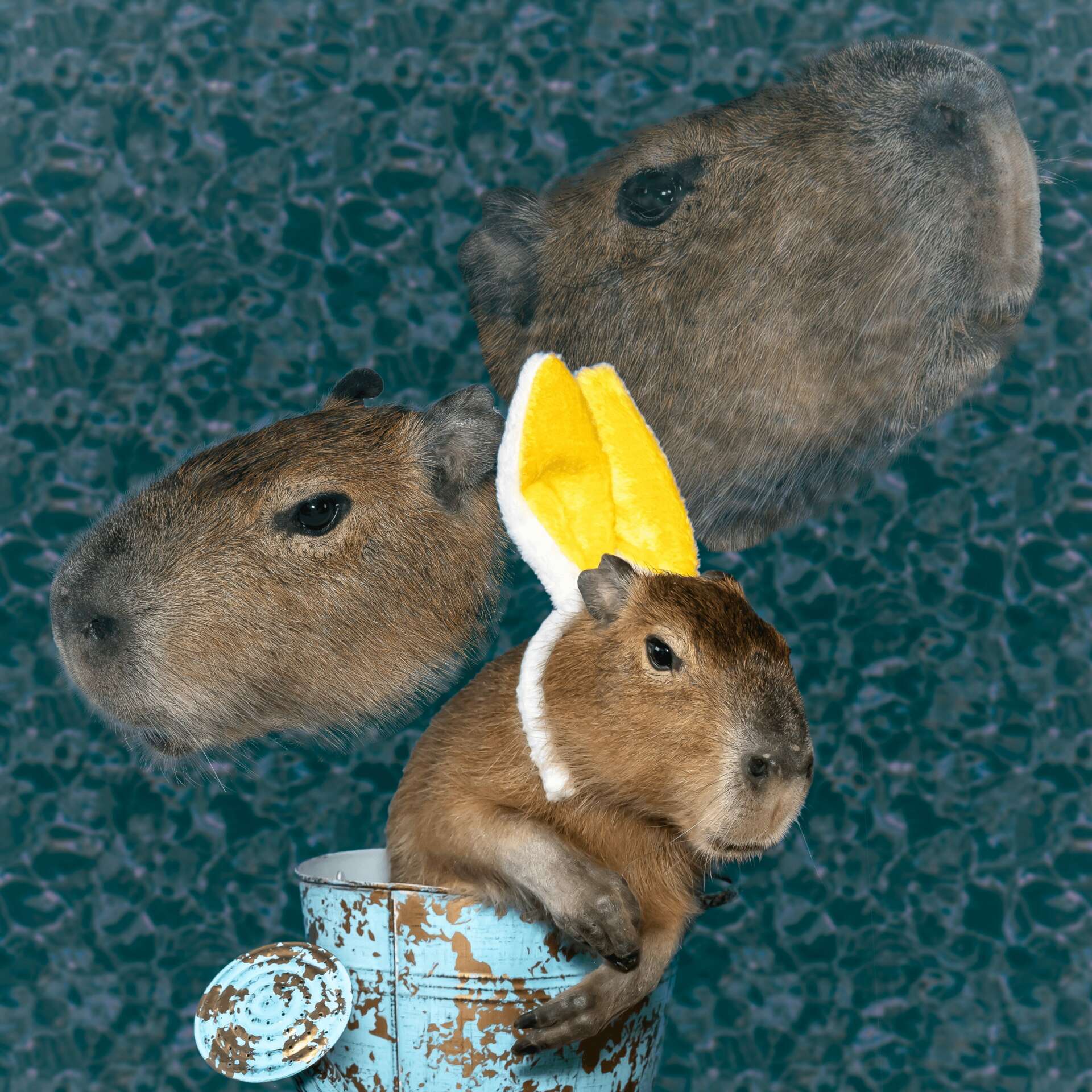
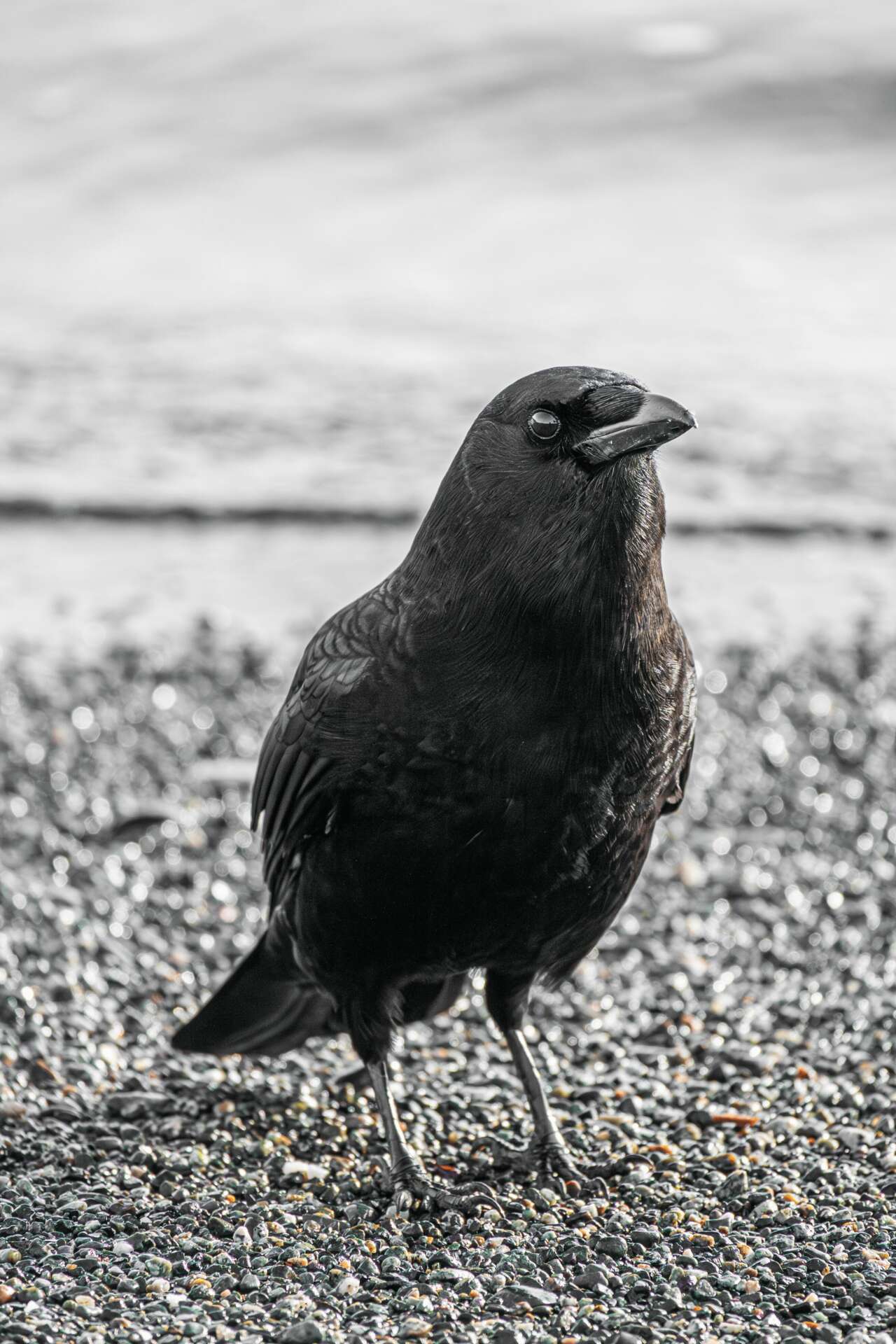
As a product, my photography has sold as prints in the past, but much of what I do right now is centered around capturing the character and identity of animals and turning them into stickers as a portable and accessible artform. Stickers certainly aren’t for everyone, and some find them tacky (no pun intended!), but I love them, and I know that art is intrinsically subjective and personal, and if people don’t like it, that’s okay, my art isn’t for them. I still do occasional photoshoots as a service, including profile pictures, MUA and hairstyle portfolio work, engagement shoots, and special occasions. I’m always open to collaborating with anyone who wants to celebrate the diversity and uniqueness of the human condition.
What can society do to ensure an environment that’s helpful to artists and creatives?
Guaranteed basic resources for all citizens. Food, Clothing, Housing, Education, Healthcare, and Childcare. We live in a world that we have built, with ample resources for distribution to the masses, that could act as an investment in the future of our society by ensuring every member’s most basic needs are met, irrespective of their active ability to contribute. The more that every person is taken care of, then the more capable everyone is at helping take care of others. It’s a positive feedback loop, and one that we have the power to enable and encourage. The harder that it is for someone to meet their basic needs, then the harder it is for them to meaningfully contribute back to society. A lot of people will never understand or believe a society like this can exist sustainably, UNTIL after it’s been implemented. Until we have politicians, policymakers, and people in positions of power choosing to set these things in motion, we may never truly see the day where all members of our modern society are empowered to tend to their most basic needs, and contribute back to the broader system at large.
Alright – so here’s a fun one. What do you think about NFTs?
Oh boy, okay, well, volatile subject here, but simply put, they’re… fine, I guess. The current iteration of ‘NFTs’ as a concept is pretty garbage however. Once finance-bros and “Entrepreneurial’ Grind/Hustle culture’ hijacked the crypto space and turned every possible abstraction of code and data into a financial instrument, it mostly turned the entire environment into a series of giant dumpster fires. The underlying technology is pretty damn cool though, and while there’s still issues in creating a more efficient and sustainable backbone for decentralized currency and proof-of-authenticity and digital content ‘ownership’, I think the real-world application of these technologies come with some promising infrastructural improvements. Primarily the decentralization of asset management and the removal of trust in order to verify transactions and ownership of digital assets. There’s a reason the crypto space is still alive despite the pandemic-fueled bubble that burst catastrophically, and that’s because there’s been a core community of idealogues, technicians, programmers, and other people that truly believe in the value of what cryptographically-secured, decentralized, asset management are and can be. While the monetization and buzzwordification of blockchains and ledgers has understandably turned a lot of people off of NFTs, there’s still a solid place in the crypto world to create meaningful art, verify it with the technology, and sell one-of-a-kind digital assets that are true to your artistic vision and valued by those that have stayed true to the world of cryptocurrency and it’s related technologies.
Contact Info:
- Website: https://www.etsy.com/shop/artbysiege
- Instagram: https://www.instagram.com/art.by.siege/
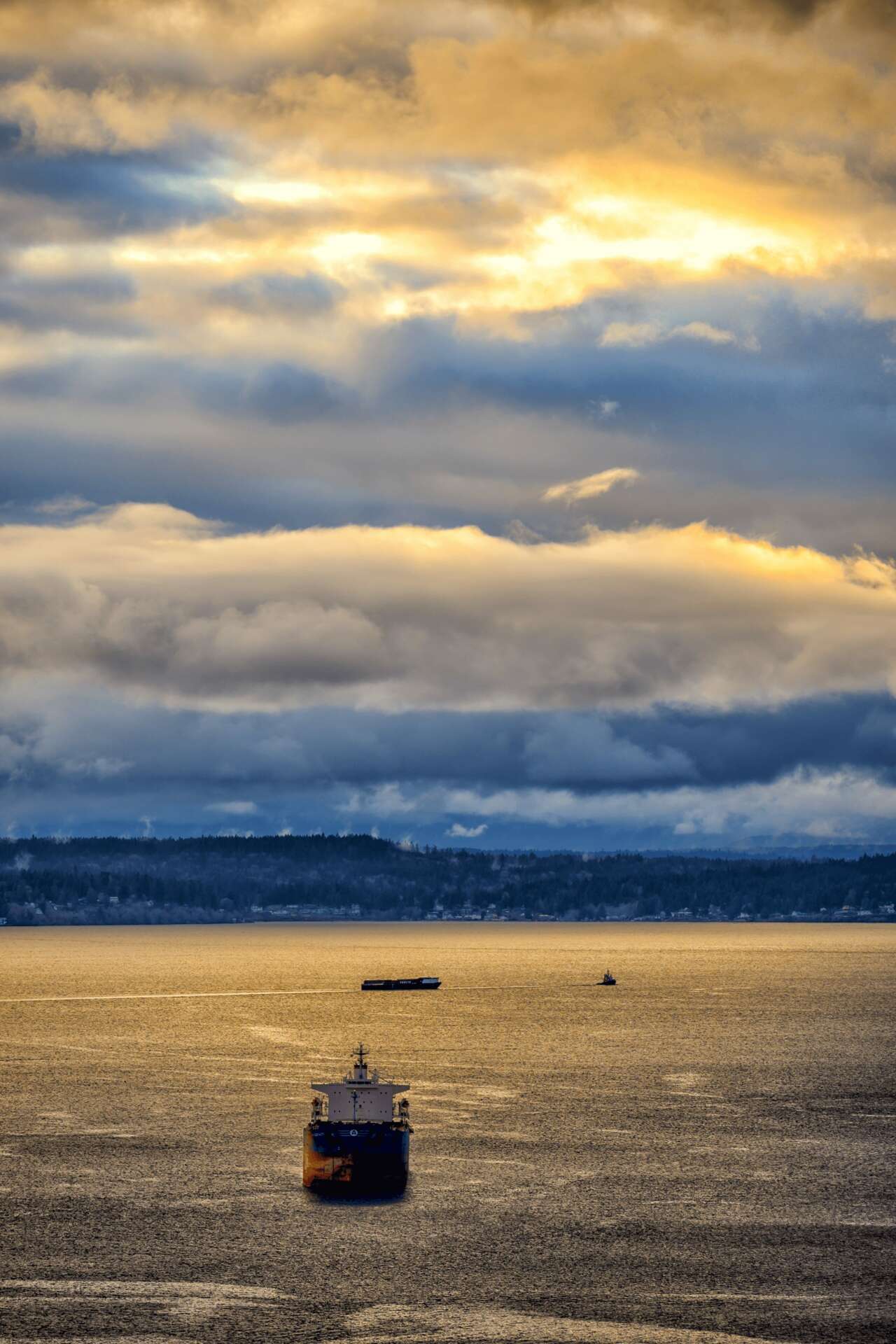
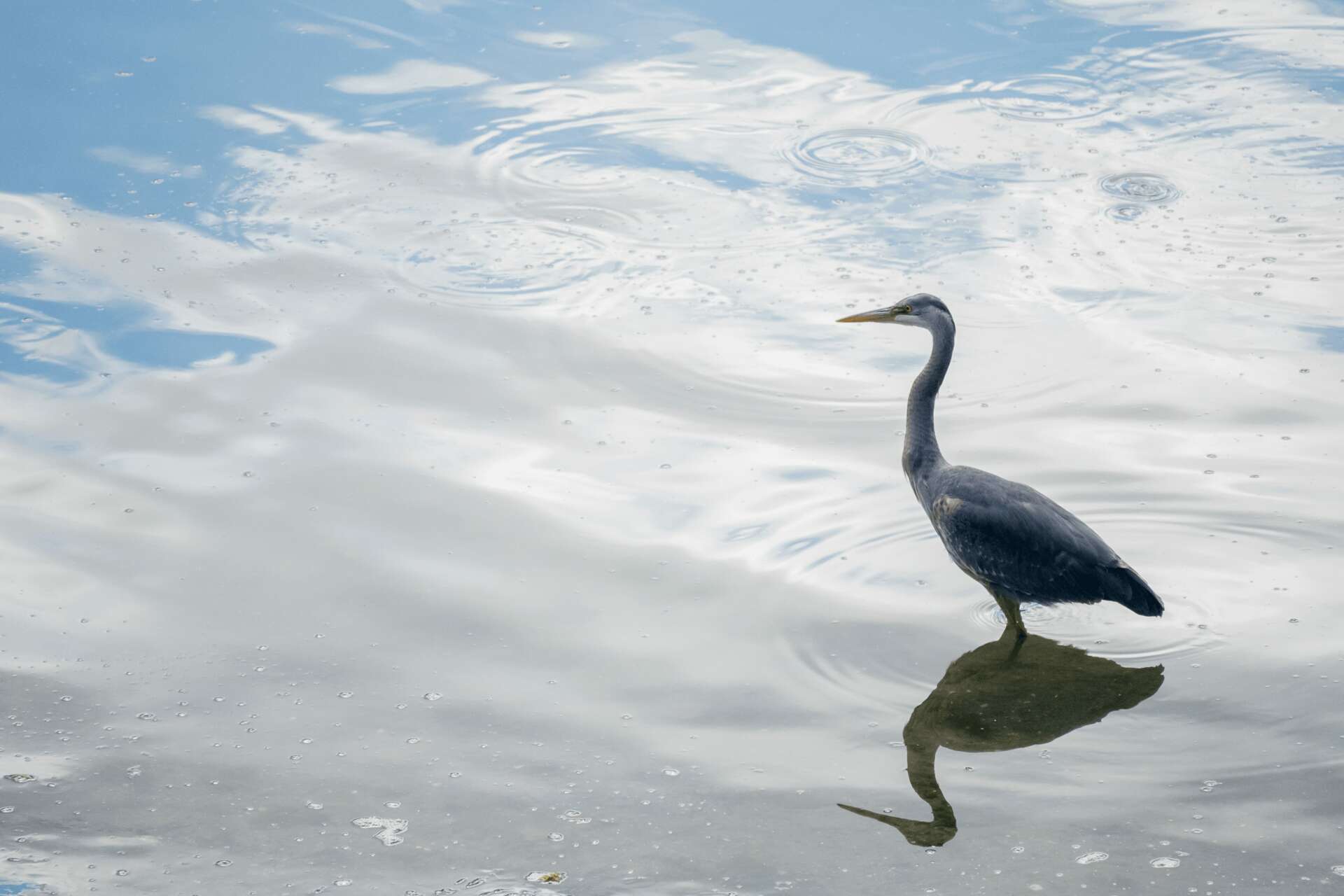
Image Credits
©️ Siege Lehman