



Alright – so today we’ve got the honor of introducing you to Yvonne Montoya. We think you’ll enjoy our conversation, we’ve shared it below.
Hi Yvonne , thanks for joining us today. We’d love to hear about a project that you’ve worked on that’s meant a lot to you.
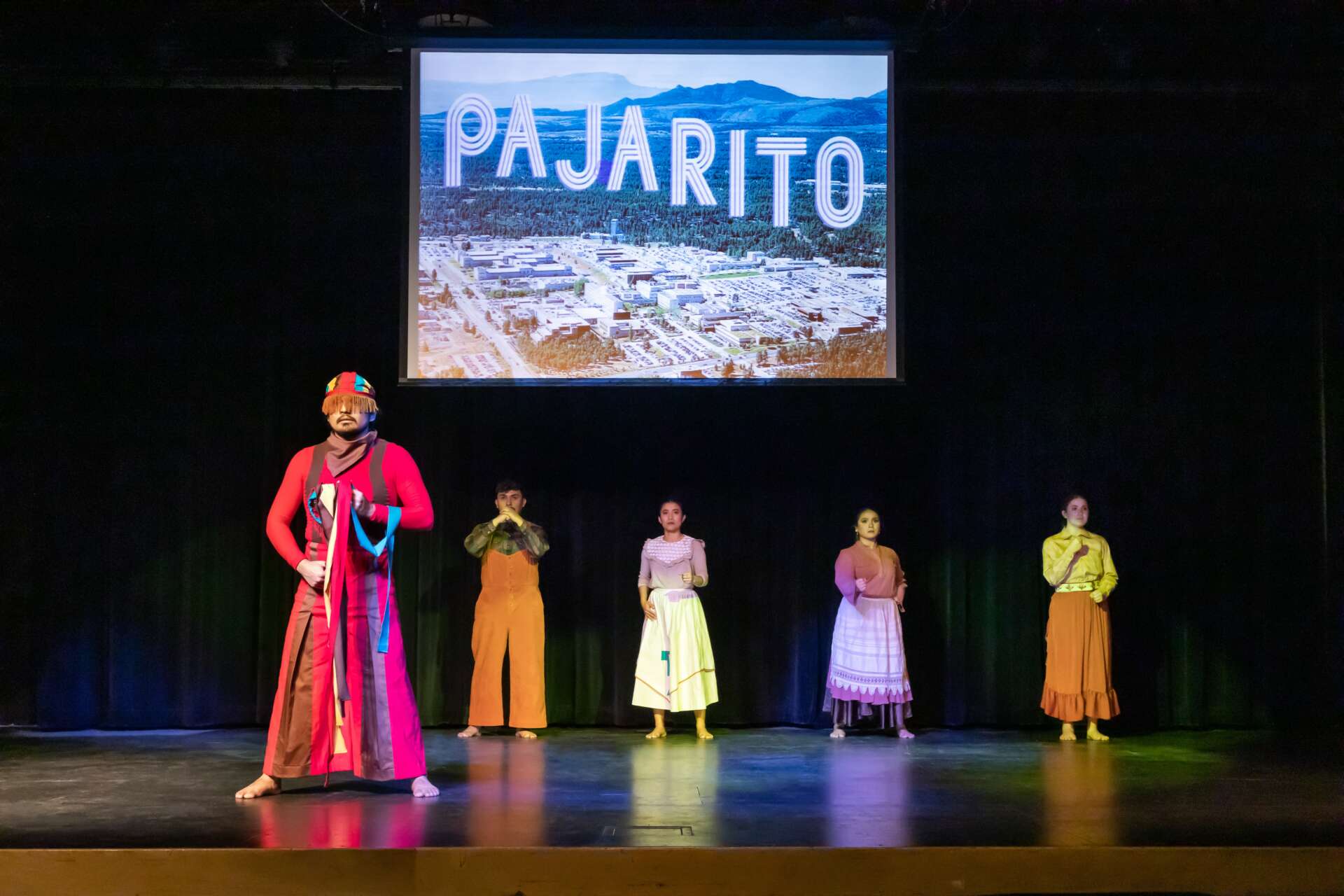
One of the most meaningful projects I created is Stories from Home. In particular, I want to focus on one of the dances in Stories from Home, the dance “Pajarito,”
“Pajarito” is a dance that explores the impact of the Atomic Age across four generations of my family in Northern New Mexico. I am the third great-granddaughter of Sofía Vigil and Norberto Roybal, Nuevomexicano farmers who were evicted from their home on the Barranca Mesa on the Pajarito Plateau in 1943 by the U.S. so that the government could build the Atomic bomb. With less than 24 hours to evacuate, and after losing a years worth of crops and all of their livestock, my ancestors returned to their homes in the Pojoaque Valley destitute. After this initial eviction, three generations of my family worked at the Los Alamos National Laboratory: my maternal great-grandfather was a bus driver who brought in janitors and cooks from the surrounding valleys up the hill to work every day while my maternal great-grandmother was a maid cleaning houses for the scientists wives; my maternal grandparents both worked at the Lab with my grandmother retiring from the Lab: my parents also worked at the lab. As a result of exposure to toxic radioactive materials at the Lab, my dad died of cancer in 2015. The government recognized their part in his illness and my father received benefits under the Energy Employees Occupational Illness Compensation Program Act or the EEOICPA. My grandfather also has cancer and is receiving the same benefits. To date, I have had seven relatives diagnosed with cancer as a result of exposure. And not all of these relatives worked at the Lab. The land and water in nearby surrounding communities are contaminated.
The dance “Pajarito” captures this history. The performance shares how Nuevomexicanos experienced, and still experience, the Atomic Bomb and nuclearization of New Mexico- through our bodies. This dance is an important counter-narrative to popular works such as the movie Oppenheimer or the opera Dr. Atomic, that depicts the creation of the Atomic Bomb while ignoring and erasing the experiences of the people in the nearby Tewa and Nuevomexicano communities who have been on the Pajarito Plateau before, during, and after Oppenheimer and the Lab.
My story, our stories, and the environmental racism that led to New Mexico’s nuclear colonialism, need to be shared and included in national and international narratives around this topic. Family members continue to get sick with cancer. And our stories continue to be ignored and overlooked. This is my story, it is my family’s story. I lost my dad because of the nuclear industry. This is why “Pajarito” is one of my most meaningful projects to date.

Great, appreciate you sharing that with us. Before we ask you to share more of your insights, can you take a moment to introduce yourself and how you got to where you are today to our readers.
My name is Yvonne Montoya. I am a mother, choreographer, bi-national artist, dance advocate, writer, and the founding director of Safos Dance Theatre. Although I currently live and work in Tucson, AZ, I am originally from Albuquerque, NM and have deep roots in Northern New Mexico. As a child of the Southwest deserts, my work is grounded in and inspired by the landscapes, languages, cultures, and aesthetics of the U.S. Southwest. I am a 23rd generation Nuevomexicana (descendent of the Mexicanos who the border crossed in 1848), and my ongoing artistic question is – what are the contemporary movement aesthetics of the present-day U.S. Southwest?
I am a process-based contemporary choreographer/dancemaker interested in the transformative places and spaces movement creates for dialogues and discoveries. I draw upon embodied, ancestral knowledge(s) and community histories for inspiration. I embrace rasquache aesthetics (art of resourcefulness, making the most with less resources) as an intentional practice and out of necessity. My work is grounded in cultural values: simpatía, respeto, dignidad, personalismo.
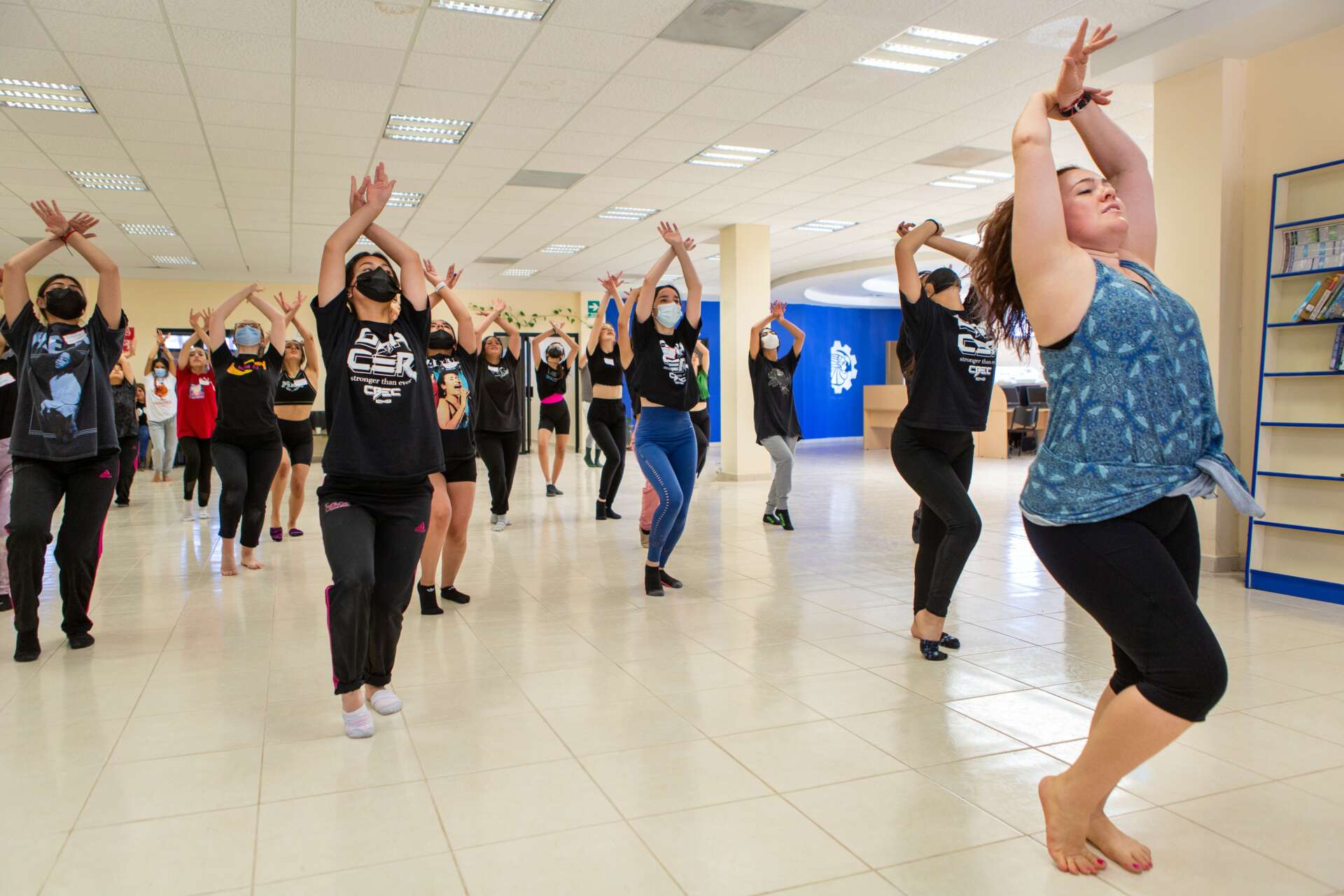
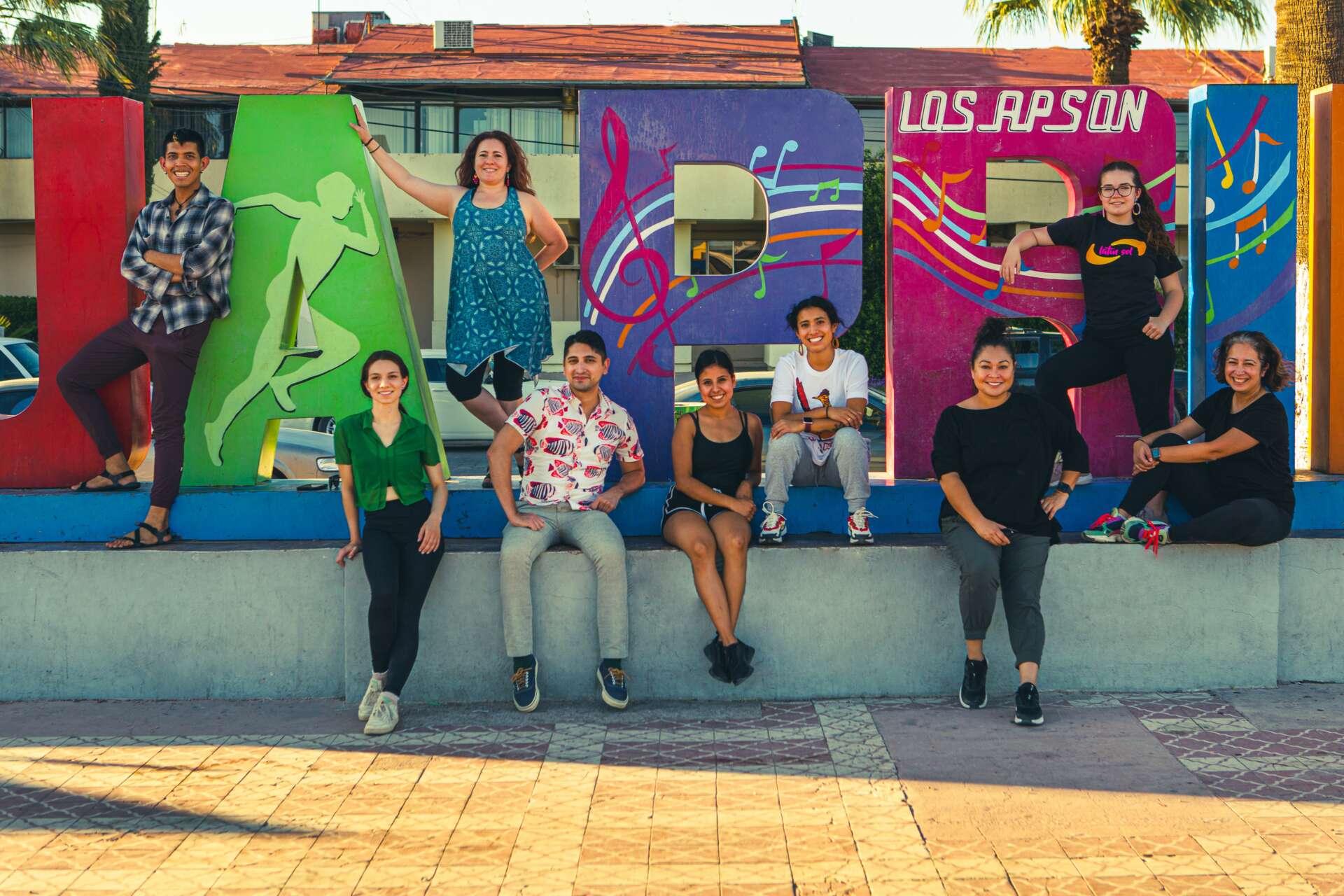
As a dance advocate, I seek to advance, develop, promote, cultivate Latine dance artists in Arizona, New Mexico, the Southwest, and the U.S.-Mexico borderlands. I am the founder of Dance in the Desert: A Gathering of Latinx Dancemakers, a project that serves Latine dance artists in three communities in Arizona: Tucson, Phoenix, and border town Douglas/Agua Prieta. Dance in the Desert supports Latine dance artists through research, professional development, and the incubation of new work. The project brings together Latine dance artists from cities and towns over 100 miles apart in order to build dance communities across the large expansive geographies of the Southwest deserts. I am also a founding member of Las Fronterizas, an ensemble of six multi-disciplinary youth and adult artists from Arizona and Sonora who produce live dance and theater performances on both sides of the U.S./Mexico border fence in Douglas, AZ and Agua Prieta, Sonora, México. Through this project, I support up and coming Latine dance artists by creating opportunities to introduce their work to larger national and international audiences.
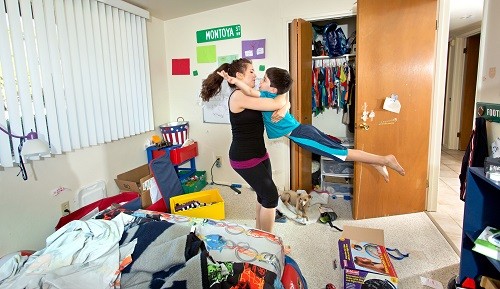
In 2016, I created the Motherhood and Performing Arts (MPA) Project with my then seven-year-old son to highlight the joys and challenges of juggling motherhood with a career in the performing arts. The project, which originally included three components: an earring collection, the dance film “Reflections,” and a blog, was folded into Act 1 of the pandemic-inspired “Stories from Home: COVID-19 Addendum” dance film series in 2020. That project, the Stories from Home: COVID-19 Addendum is a collection of 11 dance films that capture the multifaceted experiences of the pandemic. Act 1 focused on mothering during the pandemic, specifically focusing on the challenges of mothering while working from home as a dance artist in lockdown. And Act 2 featured the then cast of Stories From Home and highlighted their stories from home during the time of COVID-19 while exploring themes of family, solitude, and loneliness. The Stories from Home: COVID-19 Addendum premiered online in 2020 over a three-month period. The dances were shared on Instagram Live and on Patreon. After the film series ended, my son and I evolved the MPA Project once again, this time creating a family travel blog, which at first seems unrelated to dance and the performing arts. However, everyone in our family is a touring artist, including my son who is a musician and tours with his choir and band. Touring entails a lot of travel, so we saw a perfect fit between family travel and the performing arts.
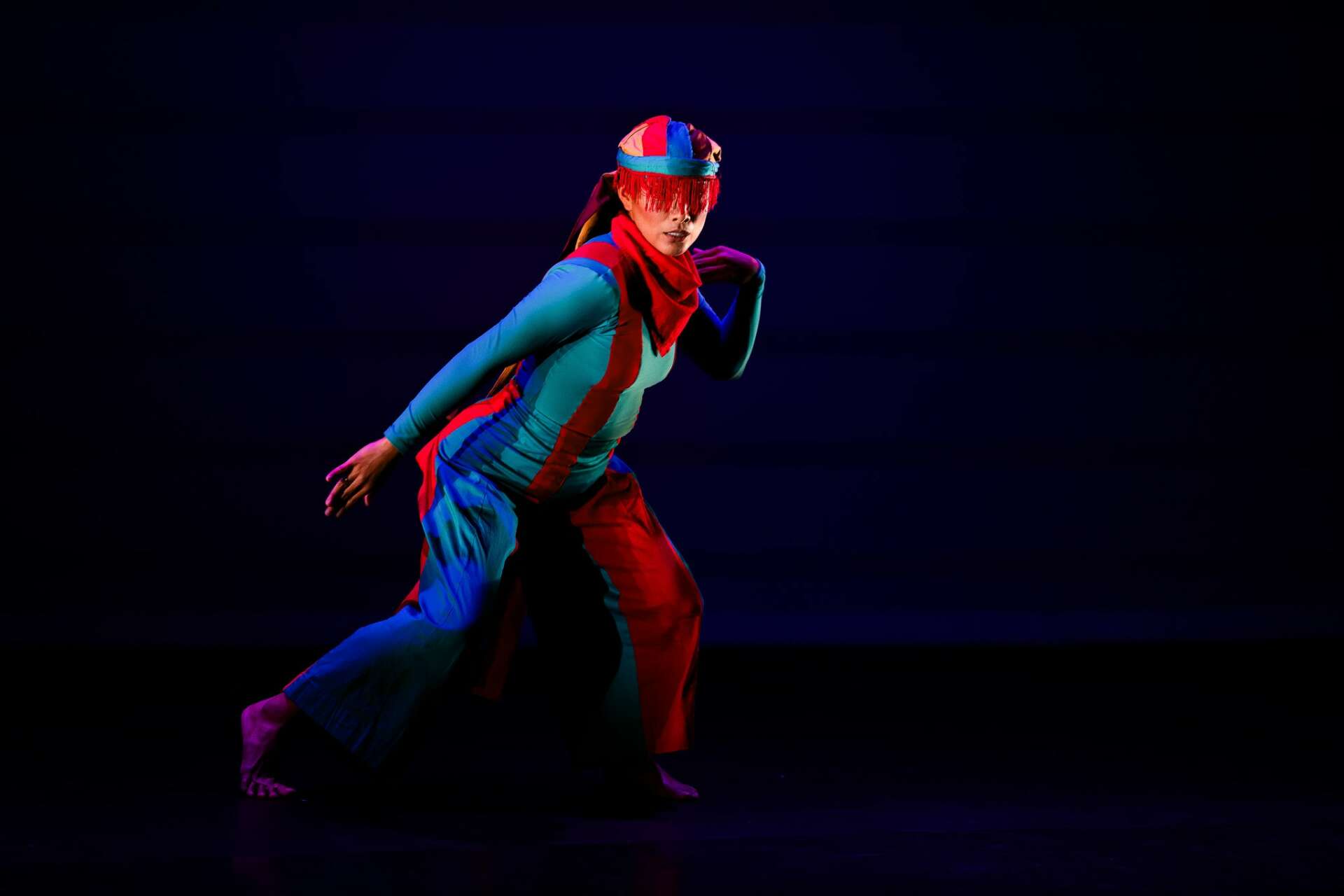
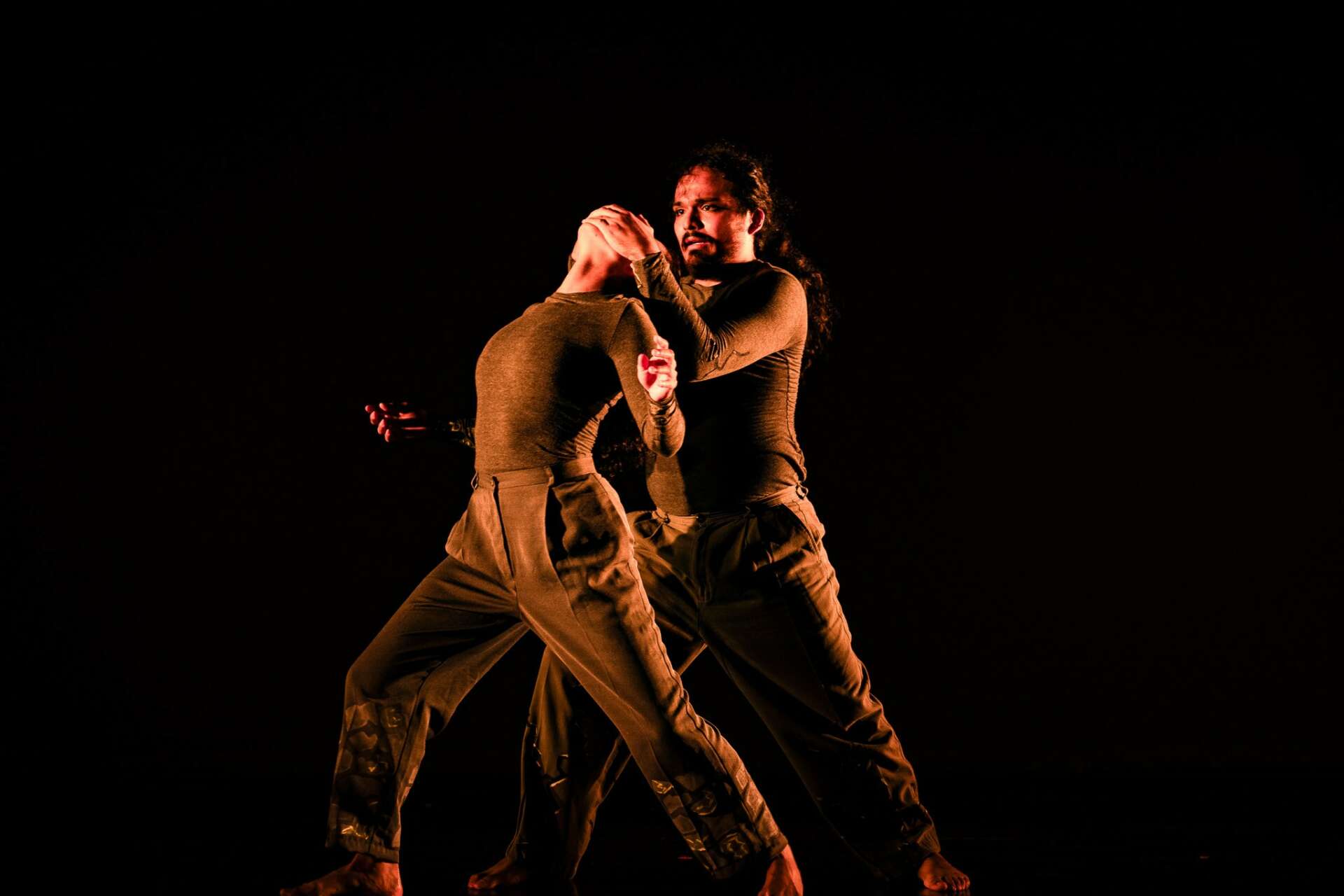
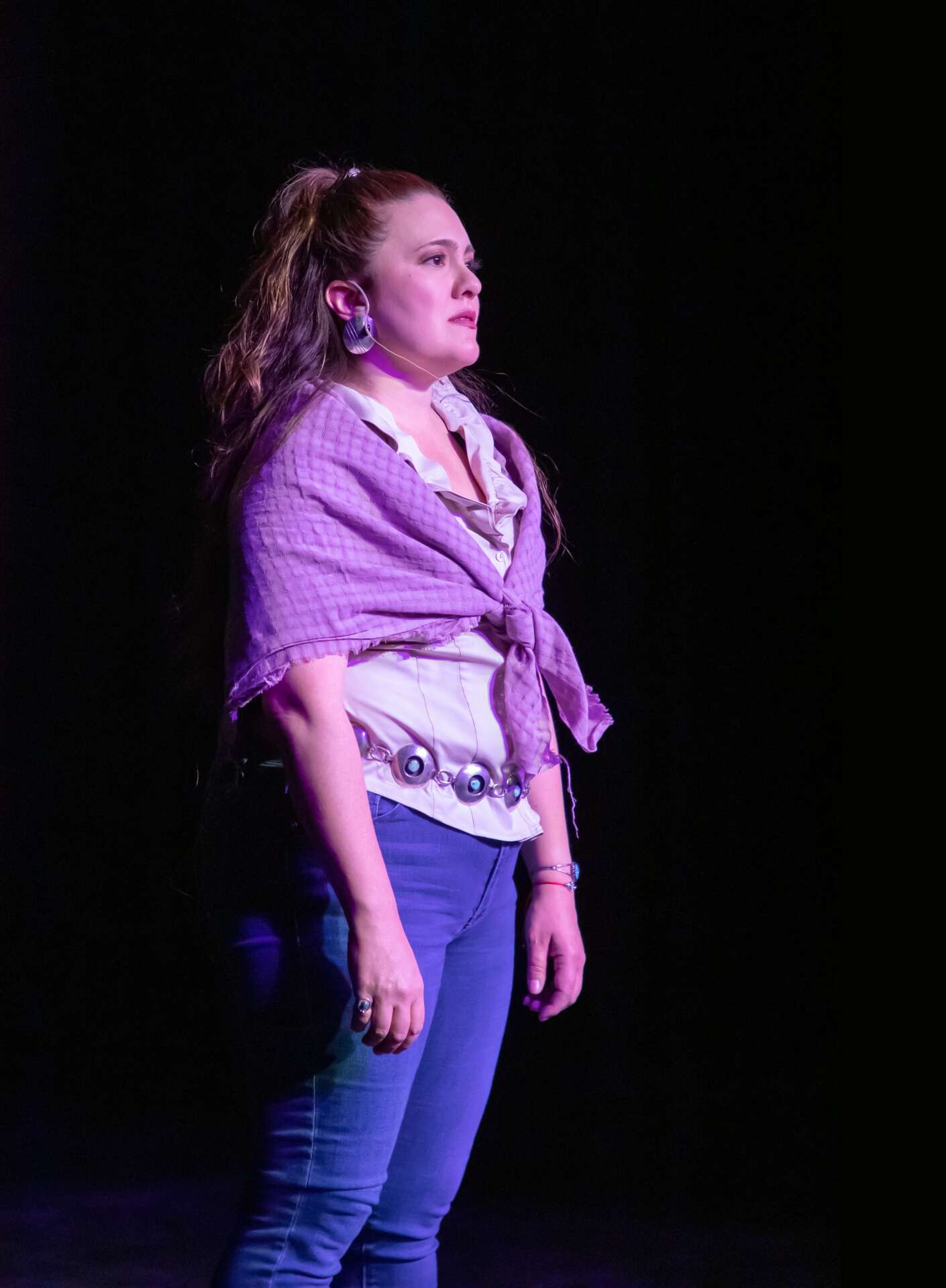
Speaking of touring, my dance company is currently on a national tour with Stories From Home, a full-length choreography that is an homage to my querencia Nuevomexicana. Stories From Home is a series of dances that are the physical embodiments of the oral traditions of Nuevomexicano and Chicano communities in the Southwest. I drew upon personal histories and the stories of my great-grandmother, grandmother, great-aunts, and father for inspiration for the dances. I began to develop Stories From Home after my father passed away in 2015 as I was compelled to continue his storytelling tradition for my son using the language I love most, the language of dance. Stories From Home is a vessel for personal and specific tales, while also offering a broader look at various cultural traditions throughout the Southwest. Stories From Home examines several themes and historical touchpoints in New Mexico and the U.S. Southwest as experienced by me and my family including: 1) the Bracero Program, 2) the creation of the Atomic Bomb in Northern New Mexico and subsequent illness related to the U.S. government projects, 3) loss of language and assimilation as a result of 1940s Americanization programs, 4) the nuanced and complicated history of mestizaje in Northern New Mexico, 5) the experience of the Sephardim during and after the Spanish Inquisition.
I have been dancing on and off all my life. I took a step back from performing after a career-ending injury in 2018. Now, I focus most of my time on making dances, and arts administration which is a lot of grant writing and scheduling tours. I joke that I am a full time grant writer with a choreography side hustle instead of the other way around. In addition to the grants, I continue to write. I have authored a handful of book chapters about Chicana contemporary dance, Latine dance artists in the Southwest, and mothers in dance. And I also work with my son on our travel blog.
How about pivoting – can you share the story of a time you’ve had to pivot?
To date, the biggest pivot that I made in my career happened in 2016. But to understand this pivot, we need to go back to 2009, the year that I co-founded Safos Dance Theatre, a non-profit dance company, with arts administrator and friend Michele Orduña. After six years of working in the Tucson modern and contemporary dance scene as a dancer and choreographer, I was inspired to found my own dance company to provide a space for Latine dancers and choreographers to create new work. To be clear, I never wanted to run a dance company. Rather, I would have been quite content to only be a dancer in other people’s work and occasionally choreograph when I felt inspired. However, after years of being the only Latina in four modern dance companies in Tucson, a city whose Latine population is 46% Hispanic, and the unfortunate experiences of ongoing body shaming, having a piece of choreography censured and a fellow dancer complaining to an artistic director that her family would not want to see “a Mexican screaming onstage” in response to my choreography that had bilingual Spanish/English spoken word, I realized that if I wanted to perform dance with aesthetics that were meaningful and interesting to me, I needed to create my own work. After the censuring incident, it was clear to me that if I wanted to create my own work, that I needed my own space and place and thus I needed my own company.
So in 2009, when my son was 6 months old, Safos Dance Theatre was born to create a space for dance artists who are underrepresented in the Tucson concert dance scene. Michele and I founded Safos using the traditional model for dance companies – a non-profit arts organization. And we followed the model set forth by other dance companies in Tucson that included a home season of self-produced performances, local artists in residencies, and school and community workshops. The organization did this for six artistic seasons, self producing our own shows and providing grant funded and free-to-the-community arts and dance workshops and artist in residencies. At this time, we only served Tucson and the City of South Tucson communities. The City of South Tucson is a 1.2 square foot mile size city completely surrounded by the larger City of Tucson with a predominately Latine population. In 2011, we were invited to be the company-in-residence at the House of Neighborly Service, a local social service agency in the City of South Tucson. There, we performed two site specific performances in 2013 and in 2015. And we also led the two year mural arts and dance project “Dancing the Mural/Color the Mural” between 2013-2015. The “Dancing the Mural/Color the Mural” project that engaged community members who voted on the theme and design of the mural. We a lot of meaningful community participation in this project. 290 community painters from ages 0-88 painted the mural, and over 30 visual and performing artists, including students from two local elementary schools and elders from a local senior program, performed onstage with the company at the culminating performance.
From an outside perspective it looked like the company was thriving. We had strong community support, local organizations were asking for dance classes for students, and we produced many highly attended events. But internally, things were not working. The artists and staff, including myself, were overworked and underpaid. The working board was also overworked. It became clear to me that this model was not sustainable. Especially given the arts ecosystem and lack of arts funding in Southern Arizona. There are no foundations that support the arts in Southern Arizona. Tucson’s city, county, and community foundation, which are usually three separate funders in most communities, are rolled into one entity here. As a 501c3 non profit dance organization in Tucson, we only had access to two grant programs – the Tucson Pima Arts Council (now known as the Arts Foundation for Tucson and Southern Arizona) and the Arizona Commission on the Arts. At the time, our budget was not big enough for national funding.
We were between a rock and a hard place. I looked at the elders in the Tucson dance community, some of whom were my mentors, and saw how burned out and bitter they were. I saw a lot of them leave the field in their mid-40s, and I knew, from my the burn out and budding resentment, that I was headed down that path unless we made a drastic change.
And here comes the pivot. After the 2014-2015 season ended, I put the dance company on an 18-month hiatus. I created a working group that consisted of company stakeholders including dancers, designers, board members, and community members. The working group met monthly to discuss restructuring the organization. The goal was to have a larger impact on the field of dance not only in Tucson but in the Southwest region, while working within the economic realities of our arts funding ecosystem. The result of this work was that the organization pivoted from a traditional dance company with a set season in Tucson to a more flexible organization that partners with other Arizona and/or Latine serving institutions to uphold our mission.
And the pivot worked! Almost immediately after the restructure, we began working with a collective of Arizona dance leaders to host the National Dance Project in Phoenix. We were the only non-Phoenix dance organization included in the planning. And things grew from there. Currently, we have three ongoing projects that further our mission: Dance in the Desert: A Gathering of Latinx Dancemakers, Las Fronterizas, and Stories From Home. Dance in the Desert and Las Fronterizas are both partnerships with other AZ-based organizations with similar missions who share resources to support dance and arts communities in Arizona and beyond. These collaborations allowed us to expand our reach beyond Tucson and we now serve dance communities in Tucson, Douglas, the Phoenix-Metro area, and Agua Prieta, Sonora, México. Also, moving away from a traditional dance season opened up the opportunity to work on multi-year projects. Stories from Home, our current multi-year project that has been in the works since 2018, is currently touring nationally. And our expansion beyond Tucson allowed for the casting of dancers from different communities. Our current cast lives in Tucson, Phoenix, Albuquerque, and Los Angeles. This allows us to connect dancers in the Southwest across geographies, building a larger dance ecosystem in the region. Regarding the arts ecosystem in Southern AZ, nothing much has changed. But what did change is that our partnerships and collaborations with other organizations allowed our budget to increase to the point where we are now eligible for national grants, a few of which we have been awarded.
All in all, it was a risky pivot. But fortunately, it worked.
For you, what’s the most rewarding aspect of being a creative?
The most rewarding aspect of being an artist is the opportunity to share my querencia Nuevomexicana with audiences – all audiences but especially audiences with whom I share a history. My work is deeply grounded in the aesthetics of my homelands of the Southwest but most specifically New Mexico. The land and history of New Mexico is so deep and rich, but outside of the region, most of it is largely unknown and rarely shared on concert dance stages. When I perform (and to be clear, I retired from dance in 2017, my performances today consist of monologues) for audiences in New Mexico communities like Taos or Socorro or in places like Denver with a large diaspora of Manitos (a term Nuevomexicanos use to call themselves) in the audience, it is so rewarding. I love it when the audiences do not act like traditional dance audiences and they respond to the performance with sighs or even the audible “that’s right!.” It is so meaningful when Nuevomexicanos come up to me after a show with tears in their eyes telling me that they recognize their grandma’s stories in my grandma’s story. It is so important to share these stories, histories, aesthetics, and the beauty of my people because they run the risk of erasure and loss.
Another rewarding aspect of being an artist is supporting and nurturing the next generation of performing artists. From dancing with my son on stage to the music that he composed for the show, to supporting and witnessing dancers who I worked with over the past six years since they were young undergraduate students who are now company members and in leadership roles in the dance company, it is a blessing to support the younger generations of artists. Especially because I was largely unsupported by mentors until later in my career. Dance in the Desert in particular planted seeds and now participants of that project have gone on to found their own dance collectives, host their own Dance in the Desert-like professional development days in their communities, and even go on to have their own full-time arts administration positions at government organizations. All of these seeds planted further enriches the Southwest dance community. It is a joy to hold space for, witness, and experience their growth.
Contact Info:
- Website: www.yvonnemontoya.co
- Instagram: @ymontoyadance
- Facebook: https://www.facebook.com/yvonne.montoyam/
- Linkedin: https://www.linkedin.com/in/yvonne-montoya-62956815/
- Youtube: https://www.youtube.com/@yvonnemontoya
Image Credits
Stories from Home photos by Dominic AZ Bonuccelli and Estefania Mitre MPA Project photos by Dominic AZ Bonuccelli Dance in the Desert photos by Brian Halbach Photography. Images courtesy of Yvonne Montoya & Dance in the Desert.