



We caught up with the brilliant and insightful Toilynn ONeal Turner a few weeks ago and have shared our conversation below.
Toilynn, thanks for joining us, excited to have you contributing your stories and insights. What’s been the most meaningful project you’ve worked on?
The renovation of the Regal Theater and the creation of the Robert O’Neal Multicultural Art Center (ROMAC) in Cincinnati’s West End community hold deep personal and historical significance for me. This project is significant as someone who grew up in the arts, especially within the West End community.
As a child, I spent countless hours watching movies and attending various programs at the Regal Theater. These experiences shaped my love for the arts and gave me a deep appreciation for the Regal Theater’s cultural significance. To me, it’s not just a building; it’s a symbol of joy, community, and the vibrant African American culture in the West End.
My father, Robert O’Neal, was pivotal in the local arts scene. He founded the Arts Consortium of Cincinnati in 1974, instrumental in celebrating and promoting African American visual artists. ROMAC, named in his honor, continues his legacy by offering programs like ARTrepreneurship, Arts 4 Us, the West End Arts Series, and the STREAM Program, all aimed at uplifting African American arts and culture.
For me, this project is about more than preserving a historic building. It’s about revitalizing a space that holds precious memories and cultural significance, ensuring that future generations have a place to experience the arts and community as I did. The Regal Theater is the last iconic space in the West End that tells a story of joy and resilience in the African American community.
I believe the arts are a powerful tool for community growth, impact, and equity for African American voices and creatives of color. Through ROMAC, I aim to create artistic expression and development opportunities, fostering a vibrant cultural landscape that celebrates diversity and promotes social equity. This project is my way of giving back to the community that shaped me and honoring my father’s legacy while ensuring that the rich cultural history of the West End continues to thrive.
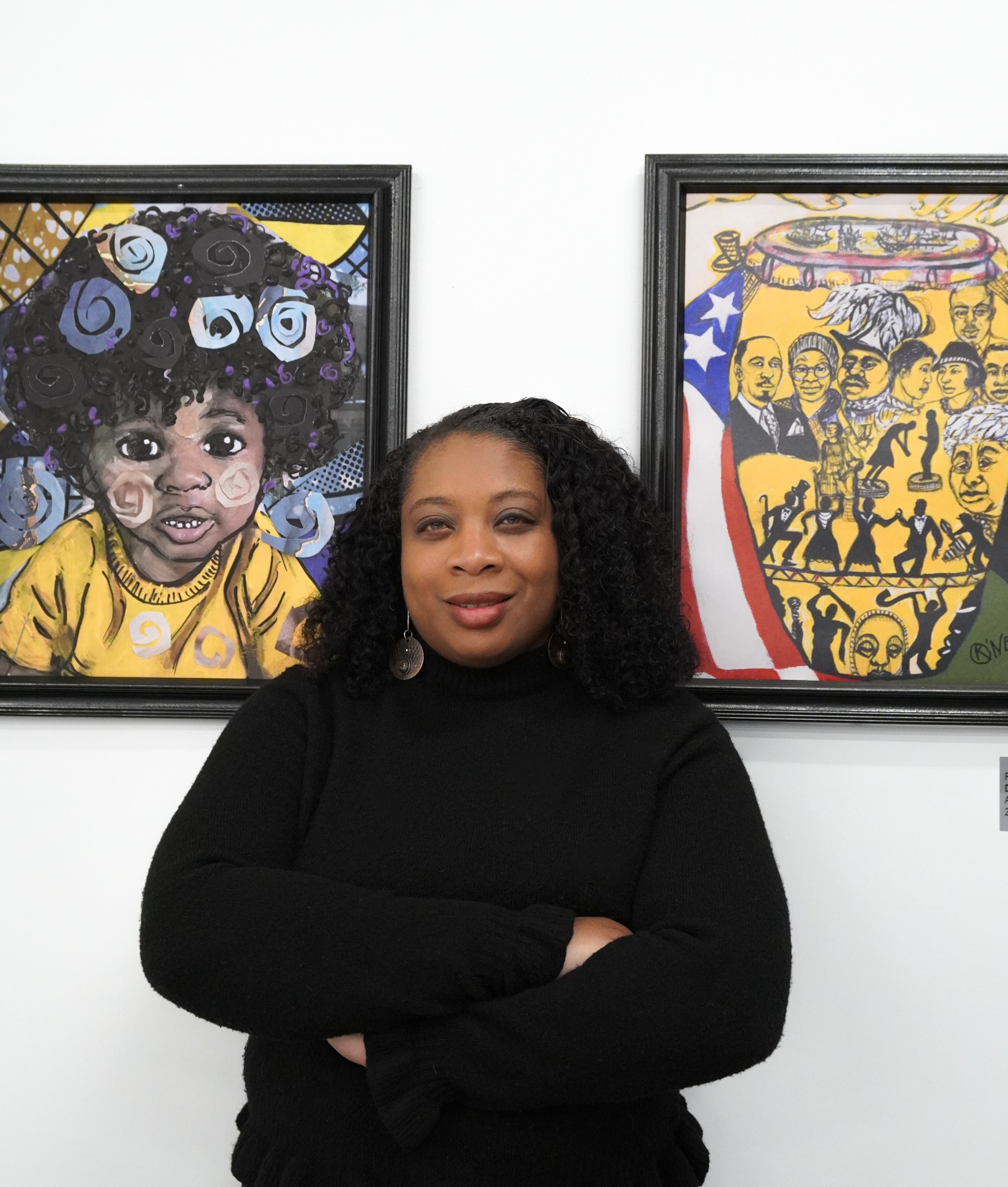
As always, we appreciate you sharing your insights and we’ve got a few more questions for you, but before we get to all of that can you take a minute to introduce yourself and give our readers some of your back background and context?
I am the founder, President, and CEO of the Robert O’Neal Multicultural Art Center (ROMAC) in Cincinnati. My path into the arts was deeply influenced by my father, Robert O’Neal, who founded the Arts Consortium of Cincinnati in 1972. His dedication to promoting African American visual artists in our community left a lasting impression on me, inspiring me to continue his legacy.
Journey into the Industry:
I grew up surrounded by art and culture, which cultivated my passion for creativity and community engagement. I am also a visual artist and love being an art educator. Over the years, I have developed diverse skills, ranging from museum and gallery operations to community management and educational programming. My professional journey includes roles such as:
Director of Diversity at Saint Ursula Academy: Here, I led initiatives to recruit and retain diverse students, facilitated training and awareness activities, and organized cultural assemblies and community outreach programs.
Diversity Trainer and Educational Consultant at Rice Education Consulting: I helped organizations improve their recruitment and retention of minorities, performing audits and delivering tailored awareness training.
Program Coordinator at VIBE Cincinnati Fountain Square: I developed and implemented the multicultural platform for the Cincinnati Visitor Bureau, booking talent and planning events for multicultural groups.
Executive Director of Queen City Foundation: I directed operations and participated in all recruitment and admission programs, working with student support groups and organizing events like the Annual “Salute to Scholars” Reception.
Educational Coordinator for Community Engagement at Cincinnati Art Museum: I conducted visitation studies, developed programs and lectures, and chose local artists to assist with community programs.
ROMAC and Our Mission:
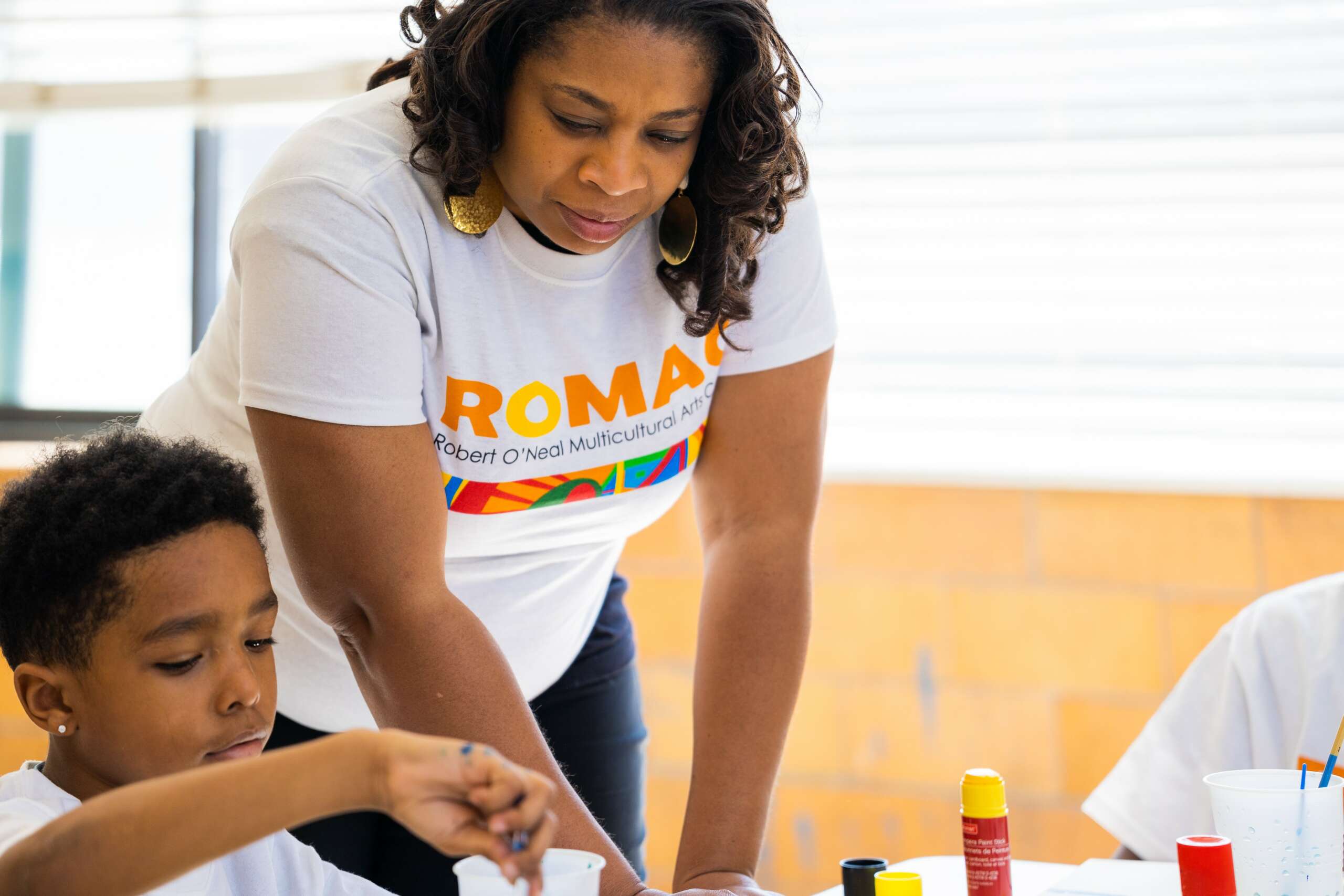
At ROMAC, we celebrate and promote African American culture and arts. Our mission is to provide a platform for artists and performers, fostering a deeper understanding and appreciation of African American heritage. We offer many programs, including the ARTrepreneurship Program, Arts 4 Us, the West End Arts Series, and the STREAM Program. These initiatives aim to support artistic and cultural activities, enhance educational opportunities, and engage the community meaningfully.
Relevance to the Community:
The work I do at ROMAC is deeply relevant to the community. By creating a space that honors African American culture and arts, we provide a vital resource for cultural education and enrichment. Our programs are designed to address the needs of our community, from offering artistic opportunities to youth through our ARTrepreneurship Program to providing accessible art education and experiences through Arts 4 Us. We also focus on community engagement with the West End Arts Series, which brings diverse artistic performances to the local community, and the STREAM Program, which integrates the arts into STEM education, promoting a well-rounded educational experience.
What Sets Us Apart:
What sets ROMAC apart is our commitment to inclusivity and community engagement. We strive to create productive relationships with associates at all levels, both internal and external to the organization. We focus on mission accomplishment, satisfying all constituents, meeting budgets and time commitments, and exceeding expectations. We take pride in our ability to strategize effectively to promote inclusion across all population groups.
Proud Achievements:
One of my proudest achievements is spearheading the establishment of ROMAC and leading a comprehensive fundraising campaign for a $13 million renovation project. This project aims to revitalize a historic African American landmark, ensuring its alignment with cultural, educational, and community goals. As the artistic director, I have curated various art exhibitions and cultural events that showcase the richness of African American art and history.
In addition to my work at ROMAC, I have received numerous awards and special recognitions, including:
The 2024 Governor Martin Luther King Award as a member of Black Art Speak
The 2023 Who’s Who in Black Cincinnati Award
The 2022 Cincinnati USA Regional Chamber Black Change Maker recognition
The 2019 Multicultural Awareness Council (MAC) Award of the Cincinnati Symphony Orchestra (CSO)
The 2010 NAACP Art and Education Award
The 2006 Leading Women Award for Art/Entertainment from the Women’s Fund Greater Cincinnati Foundation
The 2005 YWCA Rising Star Recipient
I have also been actively involved in numerous community organizations and boards, such as the Cincinnati Arts Association, Clifton Cultural Art Center, Invest in Neighborhoods, the African Drum and Dance Ensemble, the Cincinnati Ballet Board of Trustees, the Queen City Foundation, and the Cincinnati Black Theater Company Advisory Board.
I want folks to know that ROMAC is more than just an art center; it is a vibrant community hub that celebrates diversity and fosters creativity. We are committed to promoting cultural awareness and appreciation through our programs and events. Our work is driven by a passion for the arts and a dedication to positively impacting our community. It is open to all who want to see and learn about the “business of art” and enjoy the culture of our region. It is a movement of how the arts connects to equity ,empowerment and social justice.
How can we best help foster a strong, supportive environment for artists and creatives?
Despite significant progress, there remains a substantial gap in the ecosystem’s support and promotion of African American artists, women artists, and creatives of color. This gap is evident in the limited financial resources, mentorship opportunities, and visibility available to these groups compared to their counterparts. Structural barriers and systemic inequities hinder their full participation and recognition in the arts. Addressing these disparities is crucial for fostering a truly inclusive and vibrant creative community that values and celebrates diverse voices.
I believe society can best support African American artists, women artists, and creatives of color by adopting a comprehensive approach that emphasizes investment, education, accessibility, and community engagement tailored to their unique experiences and challenges.
Targeted Investment in the Arts:
Firstly, increasing financial investment specifically for African American artists, women artists, and creatives of color is essential. This includes creating dedicated grants, fellowships, and scholarships to support their work and ensure the sustainability of their creative endeavors. Public and private sectors should prioritize funding initiatives that uplift underrepresented voices in the arts. Additionally, providing tax incentives for donors and businesses that specifically support artists of color can encourage more substantial and targeted contributions.
Education and Training Opportunities:
Education is vital in nurturing the talents of African Americans, women artists, and creatives of color. Society must ensure that arts education is accessible and inclusive, integrating it into the core curriculum early on. Programs should highlight the contributions of artists of color and offer mentorship opportunities with established creatives. Professional development and training programs tailored to the unique challenges faced by these artists are essential for their growth and success.
Enhancing Accessibility and Inclusion:
Ensuring that the arts are accessible to African American artists, women artists, and creatives of color involves removing physical and financial barriers. Society should promote initiatives that democratize access to art spaces and resources. Public art projects, community arts programs, and free or low-cost events can provide platforms for these artists to showcase their work. Moreover, creating safe and inclusive spaces where artists of color can express themselves freely is crucial for their creative and personal development.
Community Engagement and Support:
Building strong, supportive networks within communities is vital for the success of African Americans, women artists, and creatives of color. Society can facilitate this by fostering community arts initiatives and supporting local arts organizations focusing on underrepresented groups. Encouraging collaborations across different sectors and organizing events such as art fairs, festivals, and exhibitions can help bridge the gap between artists and their communities, fostering a sense of shared cultural identity and appreciation.
Advocacy and Policy Reform:
Advocacy for policies that support African American artists, women artists, and creatives of color is essential. This includes lobbying for increased arts funding directed towards underrepresented groups, advocating for artists’ rights, and promoting policies that ensure fair compensation and equitable working conditions. Public officials and community leaders should recognize the critical role of these artists in enriching our cultural landscape and champion initiatives that address their specific needs and challenges.
Have you ever had to pivot?
There was a time in my life when everything seemed to unravel at once. After losing my father and other close family members and undergoing life-changing surgery in a short period, I faced an unexpected and emotionally draining period. Then COVID-19 happened. After years of dedicating myself to building the foundation of a program aimed at promoting diversity and fighting against racism, I was let go from my job. It felt disrespected and not appreciated. I struggled emotionally and health-wise and questioned why I gave so much. Amid this challenging period, I realized I had a choice: I could succumb to the negative voices and self-doubt or believe in myself and forge a new path. Determined to turn my situation around, I pivoted my focus and embraced the role of a leader, embracing my creativity and passion. Overnight, I stepped into the role of founding and building the Robert O’Neal Multicultural Art Center (ROMAC). The transition was difficult; I had to learn how to secure funding for our initiatives, manage a team, and navigate the complexities of running a cultural institution. Despite the hardships, I remained steadfast in promoting African American culture and the arts. My passion and determination to lead a $13 million fundraising campaign to revitalize a historic African American landmark is what I am excited to do.
Throughout this journey, I also prioritized accomplishing a personal goal on my mind for years: earning my bachelor’s degree at 51. Balancing my responsibilities as a CEO and my studies was a formidable challenge, but I believed in myself, persevered, and had a supportive husband and mother. Ultimately, I achieved my degree in Integrative Studies, focusing on Sociology, Business, and Black Studies from Northern Kentucky University. This experience taught me the power of resilience and self-belief. It reminded me that even in the face of adversity, we have the strength to redefine our paths and achieve our goals. Today, as the founder and CEO of ROMAC, I am proud of the journey that brought me here and the impact we are making in the community.
Contact Info:
- Website: theromac.org
- Instagram: romac2023
- Facebook: https://www.facebook.com/theromac
- Linkedin: https://www.linkedin.com/feed/