

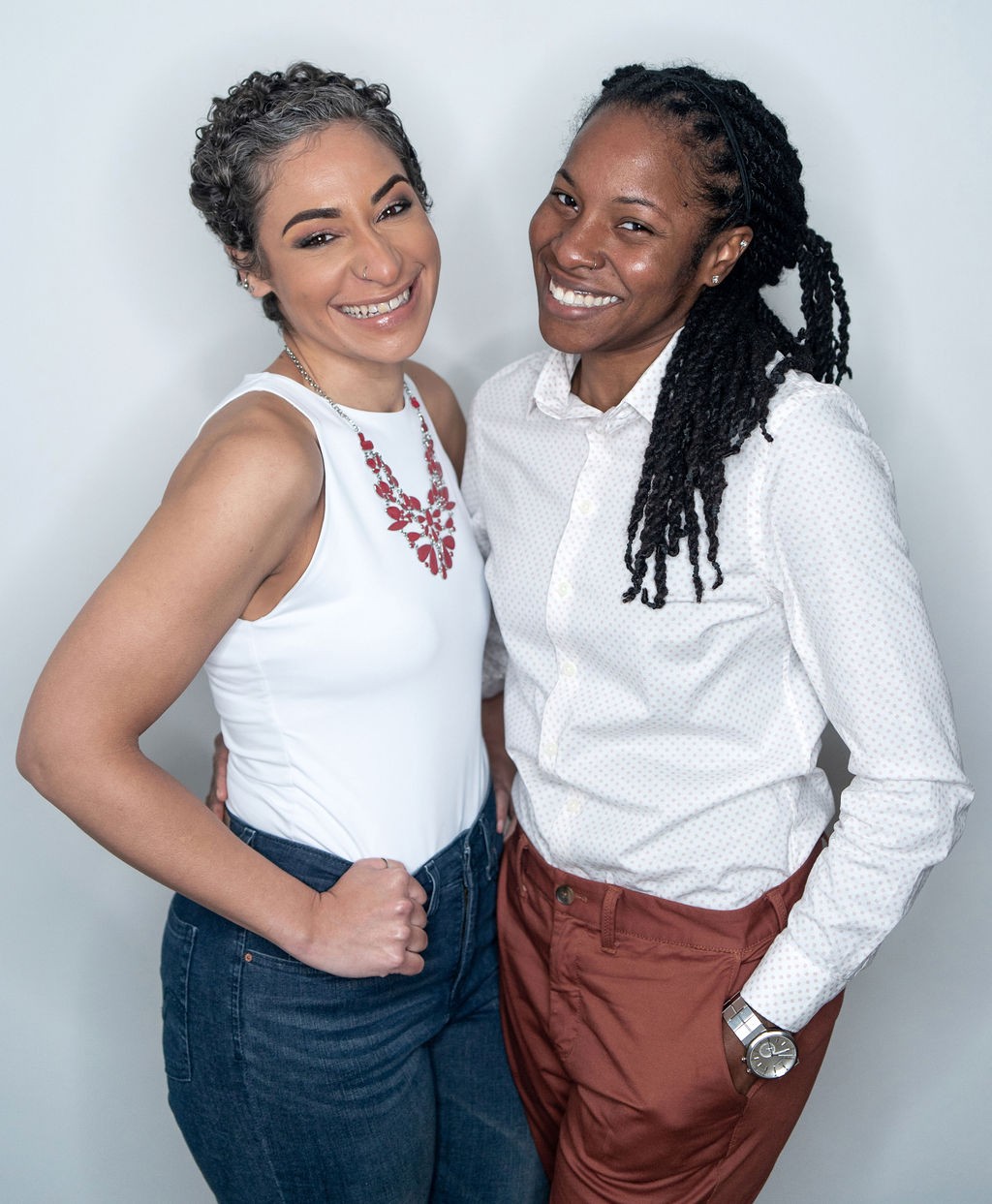

We caught up with the brilliant and insightful Jackie Hyman & Jessica David N/A a few weeks ago and have shared our conversation below.
Jackie Hyman & Jessica David, thanks for joining us, excited to have you contributing your stories and insights. What was the most important lesson/experience you had in a job that has helped you in your professional career?
Prior to becoming licensed psychologists, we both held positions in the world of retail. Beginning in our teenage years, a job in retail was always a sure-fire way of getting a little extra money to help supplement life–whether that be buying gas in high school, nights out in college, or paying rent in grad school. Retail always came through for us. It’s amazing, though, the lessons that you can learn from being a sales associate, and particularly the lessons you can learn about people. The most important lesson we’ve learned over time: everyone wants to be seen and feel heard.
When was the last time you had someone else’s undivided attention? I mean truly undivided. Not them glancing up at you between texts, or saying ‘mmhhmmm’ as they sit on the phone with you, but they’re actually watching something on TV. Not the group outings when everyone at the table is fully immersed in their phones. If any of these scenarios resonate with you, know that you are not alone.
Whether it was clientele telling stories of their spouse who was unwell, a customer who just couldn’t decide between two identical shirts of different colors, or an irate patron returning an item, it was always the same: they wanted to know that someone was listening to them–that someone cared. They wanted to feel a connection with another human, even if the way they were seeking that connection was, at times, counterintuitive. The moment we communicated to them, “I hear you, I see you, and I’m here with you,” tempers dissipated, tears dried, smiles creeped in, and decisions became slightly more manageable.
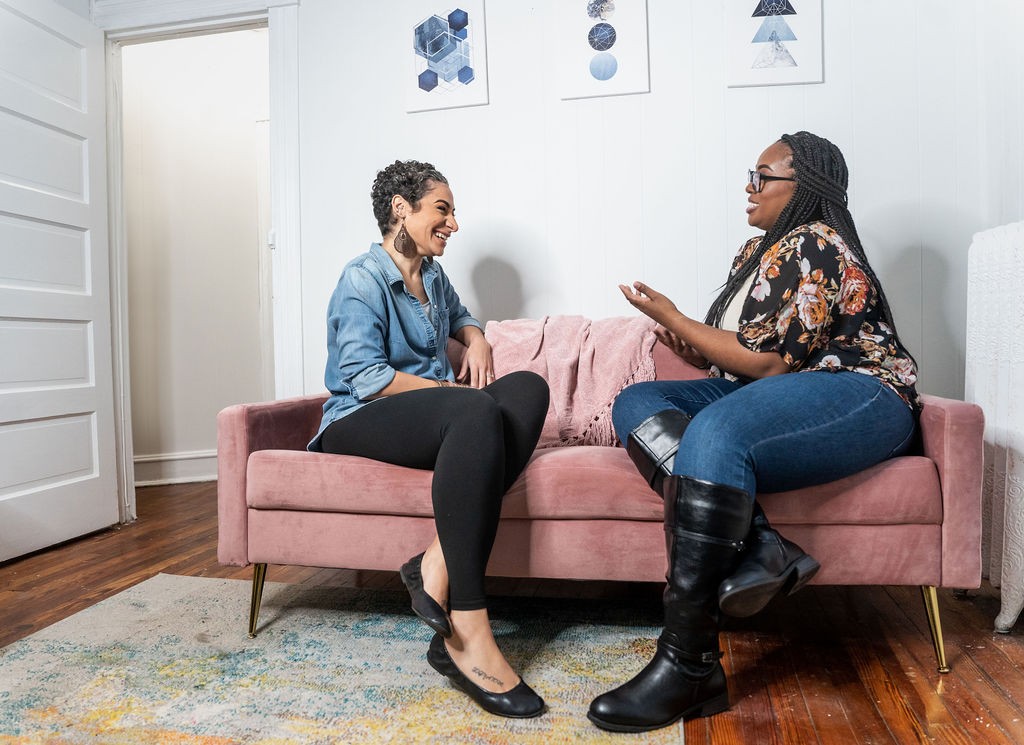
Our most precious commodity is time, and, in the current world, it has also become our most scarce. To give someone your time–to be fully present with them, to sit with them, to listen to them–is one of the greatest gifts you can give. Once people feel like they matter, like their concerns matter, the emotional connection that is forged far outweighs the originating concern. It’s simply how we function as humans–we seek connection, not division. People seek us out professionally because, well, we’re professional listeners. And beyond the therapy walls, we’ve experienced the transformative power of this simple act time and time again. It has not only made us stronger and more intentional psychologists, but it has also made us better humans.
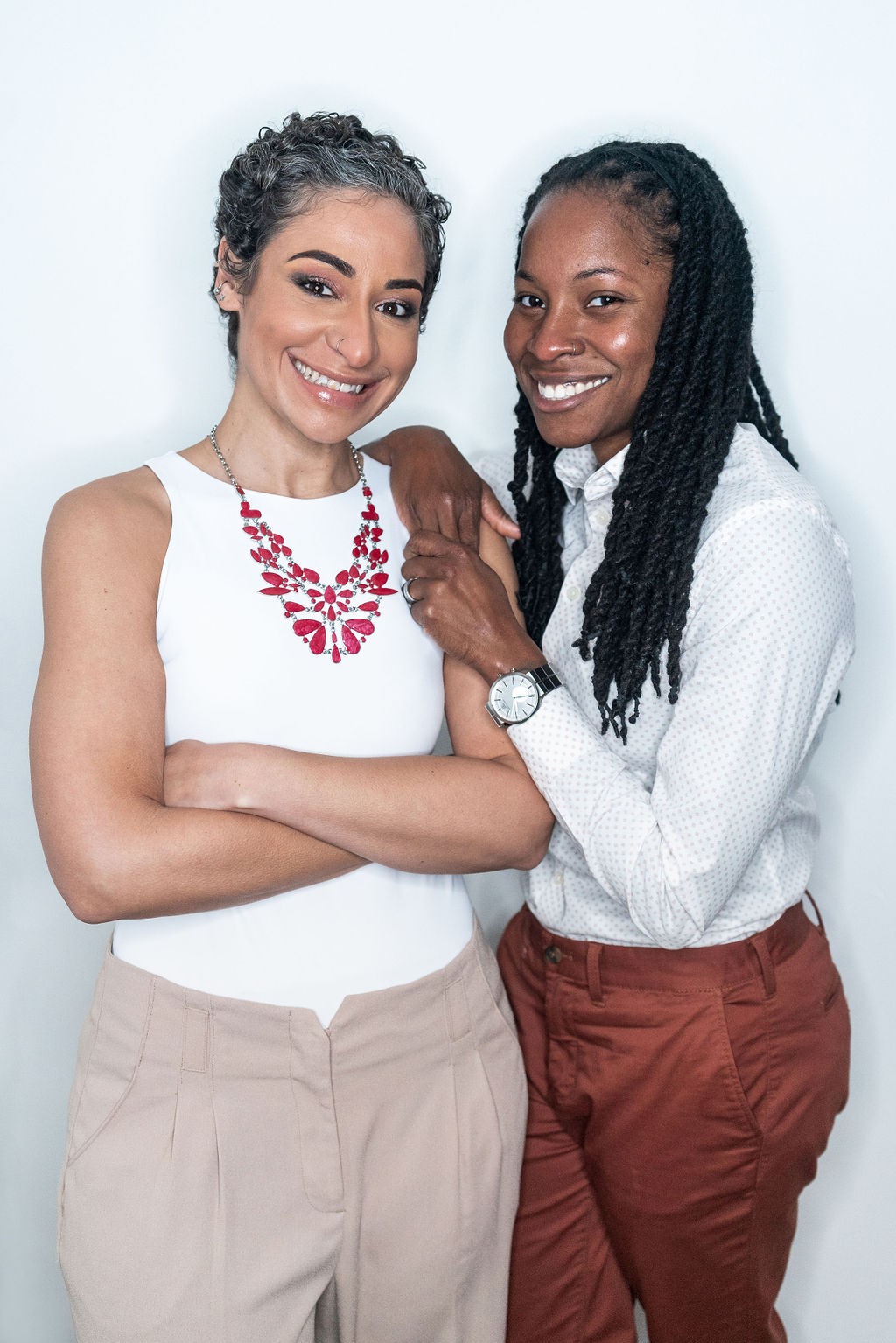
As always, we appreciate you sharing your insights and we’ve got a few more questions for you, but before we get to all of that can you take a minute to introduce yourself and give our readers some of your back background and context?
We are both licensed psychologists who have a passion for helping our communities rediscover their voice and harness their power. After many years of clinical training and experience, we began asking ourselves, how can we expand our reach and share the knowledge that we’ve learned on a larger scale? How can we use our educational backgrounds and research to uplift our communities and create sustainable change? Based on our own personal experiences, and the experiences of those around us (loved ones, friends, and clients), we realized how we could best serve our community with the gifts that we had been given.
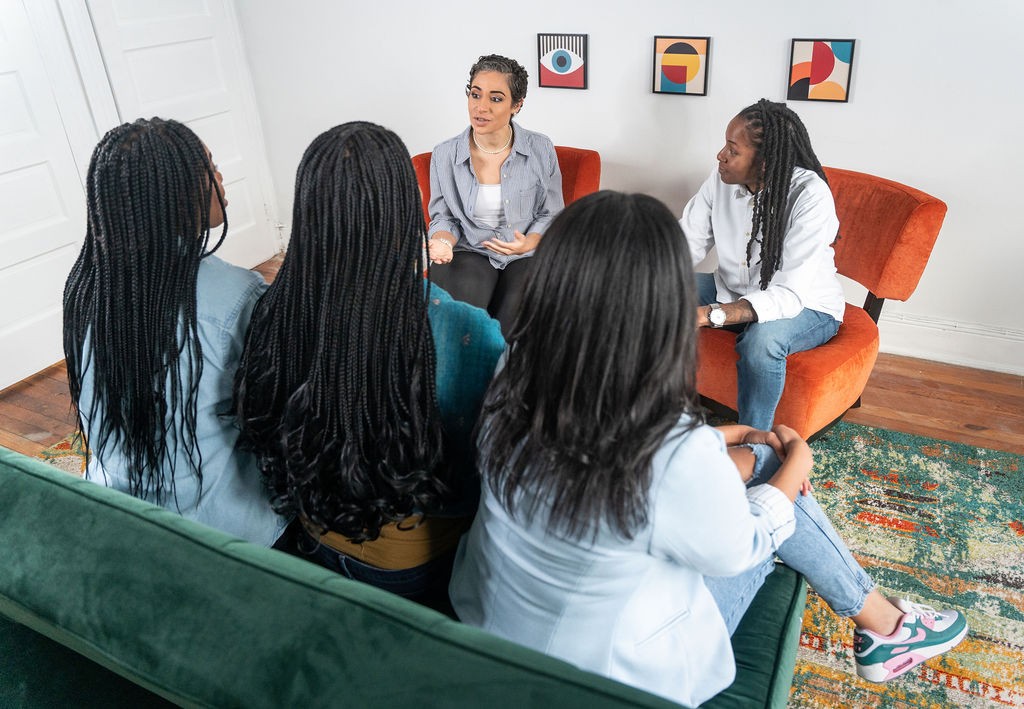
We founded Bmore Rooted with the mission to help women of color become more rooted in their personhood. We work alongside other women to help them get back in touch with their inner selves, embrace their joy, and reclaim center stage in their lives. We emphasize radical self-authorship and self-compassion on the journey to balance, and our services focus on deepening self-awareness, challenging embedded narratives, and redefining one’s joy. Through our courses and our membership, we provide women with the necessary tools, resources, and unwavering support to confidently prioritize their personal needs, fostering a sense of self-empowerment. We aim to spark a cultural transformation where self-care, self-love, and self-fulfillment for women of color are celebrated and actively cultivated. Our vision is to create a world where women are unapologetically pursuing holistic well-being, and reshaping societal norms for a more equitable future.
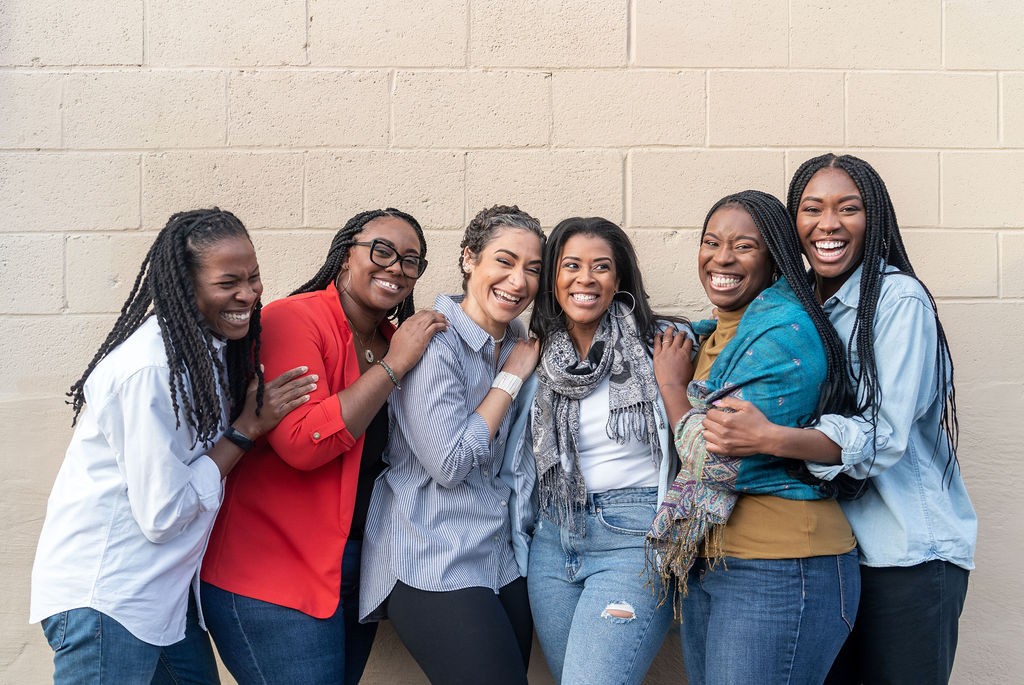
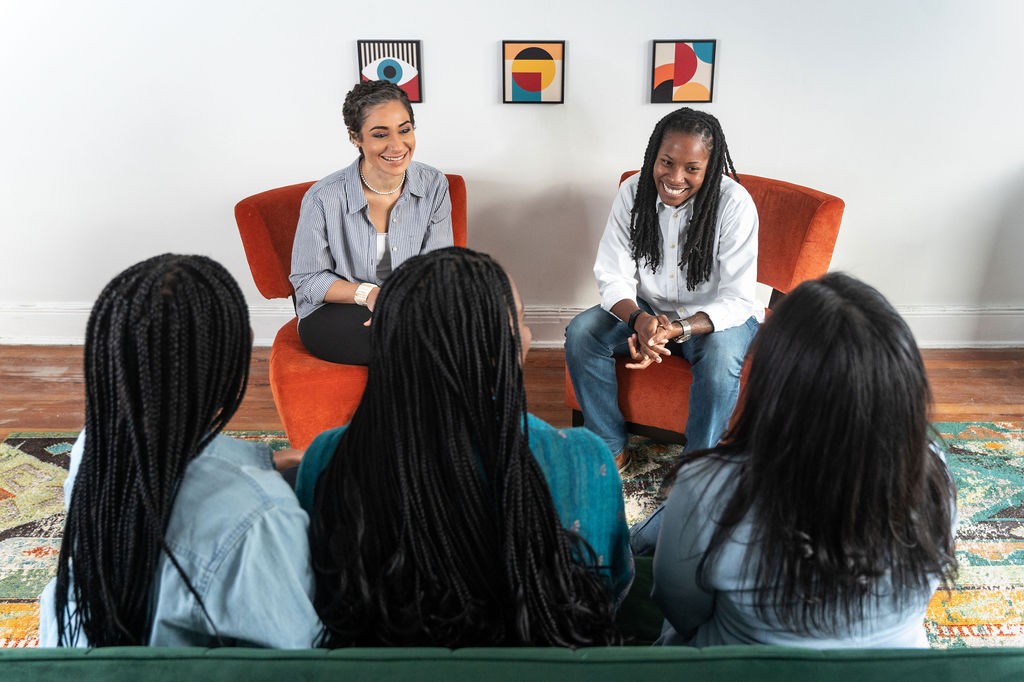
Learning and unlearning are both critical parts of growth – can you share a story of a time when you had to unlearn a lesson?
One major lesson that we had to collectively unlearn, and, quite frankly, are still unlearning, is to do less and be more.
Throughout our life, we’d both been applauded for doing all the “right” things. We were the ones that people turned to when they needed something done and something done “right”. If we were being asked to take on more responsibility, that must mean that we were respected as colleagues, right? We couldn’t very well let them down–they trusted us! And we all know that hard work gets rewarded with…well, more work. We would pride ourselves on our work ethic to the point that it became a core part of our identities growing up. Everything hinged on our ability to deliver. Despite the physical and psychological toll it began to take on us, we would continue to push hard to meet deadlines, expectations, standards–we strove for excellence every time and rarely fell short. You might see where this is heading… Especially as graduate students, our lives were not only about “doing” and producing, but it was about doing and producing for everyone other than ourselves! For both of us, our physical and mental health were suffering in an attempt to exceed the expectations of others on a consistent basis. Now, certainly, we weren’t going to admit this to ourselves. Instead, we rationalized our work ethic as a staunch dedication to our future success. We were working hard for the long-term benefits, and investing in delayed gratification. Aren’t hard-work and grit good things?!
Life has a funny (and oftentimes painful) way of slowing us down. Instead of doing, here are the new lessons we have begun to integrate into our worldview (and our work):
Your worth is not contingent on what you produce or how much you produce.
You are inherently worthy of love, acceptance, and community–you don’t have to earn them.
To say “no” is one of the bravest things that you can do for yourself, and one of the best ways you can stay committed to the success of your future self.
If you’re going to strive for excellence, do it in service of what is true and right for you.
There are an infinite number of responsibilities to take care of (trust me, I’ve completed hundreds of to-do lists only to find a new one waiting for me the next day), but there’s only one you to take care of.
Don’t hoard all of your joy and love for your future self–your present self needs just as much, if not more.
So, how do we “be?” We allow ourselves to slow down; that’s all. We take stock of ourselves, our environment, the people around us, we notice. We’ve come to realize that when we are “being,” we are more present, patient, creative, and compassionate. We smile, laugh, give, hug, sing, and dance. Honestly, it’s kind of great! Our “doing” is still a really important part of who we are, but now, we just know and embrace that our “doing” isn’t all of who we are and, most importantly, our “doing” doesn’t define us.
Training and knowledge matter of course, but beyond that what do you think matters most in terms of succeeding in your field?
Any helping profession or anyone that identifies as a “helper” in any capacity, risks burnout. Everyday, we work closely with others to empathize, alleviate pain and suffering, improve conditions, and cultivate hope for the future–no small feat. What has been most helpful for us may seem blasphemous to many, but it’s our truth, so we’re going to share it: we’ve centered and prioritized our own personal needs.
This means resting when we need to rest, asking for help when we need to ask for help, taking days off when we need to take days off, saying “no” when we need to say no. And heck, maybe even resting, asking for help, taking days off, and saying “no” simply because we want to! We’ve learned that honoring our needs, listening to our bodies, and nurturing ourselves is not only a vital part of the longevity of the work we do, but also a predictor of the quality of the care and services we provide. If we’re feeling nourished mentally, physically, emotionally, and spiritually, we can move mountains. If we’re feeling tired, upset, resentful, or frustrated, we’re not moving anything for anyone, despite our best efforts.
Over time, we’ve learned that you have to stop to ask yourself, “Whose agenda am I serving if I can only work for 3-5 years before my body forces me to stop? Who benefits from my short stint in the game?” That’s what we call, “Coming in hot!” It’s when your focus is on everyone but you, and you burn out in the process. Now imagine if you took care of yourself while also taking care of others…if you regarded yourself with the same loving kindness that you would a close friend? What if you could do good work for 10-15 years and feel rejuvenated and healthy in the process? Which path gets more accomplished in the end? Which path has the greatest impact? Which path would feel better?
We receive societal messages all the time that “the work” (of helping professionals, social justice advocates) is meant to be self-sacrificial. If you are truly working to improve your community, then you have to eat, sleep, and breathe the needs of your community. To care for yourself is to take time away from others, and there is no greater selfish act. These messages are strong, deeply rooted, and culturally-informed, especially because many of our mentors, idols, and elders all model this ethic. We’ve learned that there’s a more sustainable way for us (and our communities) to thrive, and it doesn’t have to come at our own expense. Our mission aims to break the cycle of martyrdom so that we all can thrive for many years to come.
Breaking the cycle of martyrdom begins with reconnecting to and reprioritizing oneself. Identifying our limits, understanding when we’ve reached our edge, and honoring that threshold has been a long and difficult road that we’re still traversing. But we recognize this as a necessary journey that we all must take. It’s a lot easier said than done, but it’s essential for our survival and for the survival of younger individuals who look to us for guidance and direction.
Contact Info:
- Website: www.bmorerootedllc.com
- Instagram: bmorerootedllc
- Facebook: Bmore Rooted, LLC
- Other: Email: info@bmorerootedllc.com