



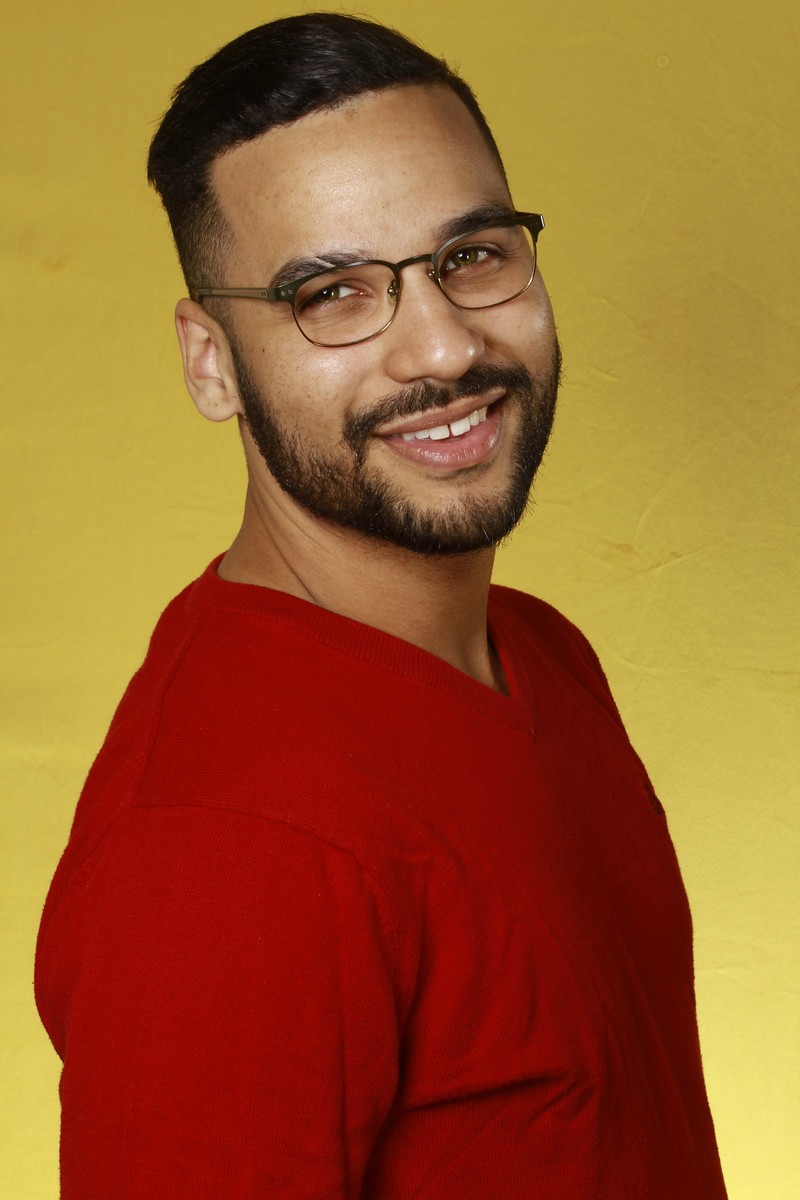
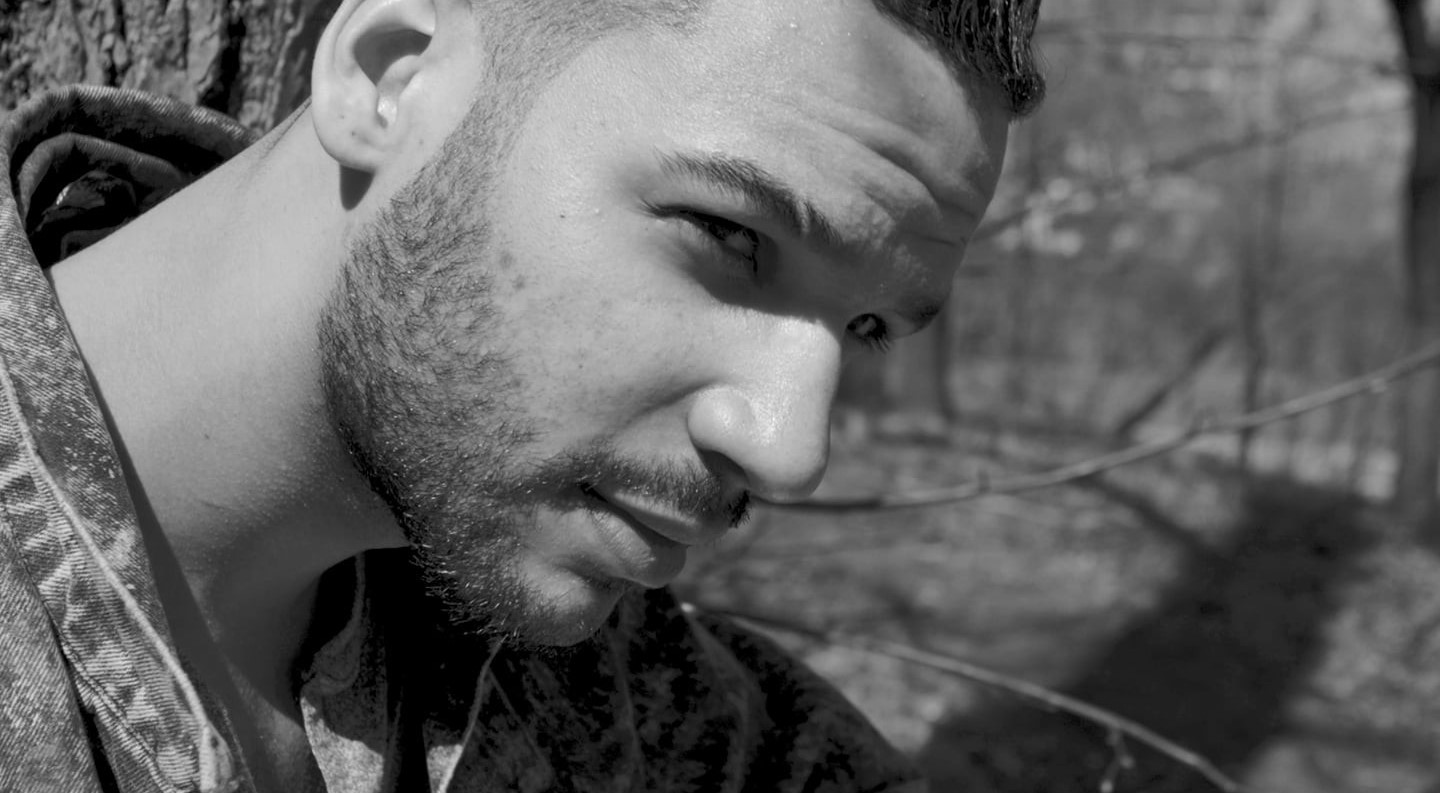
Alright – so today we’ve got the honor of introducing you to Tristan J Shuler. We think you’ll enjoy our conversation, we’ve shared it below.
Tristan J, thanks for taking the time to share your stories with us today I’m sure there have been days where the challenges of being an artist or creative force you to think about what it would be like to just have a regular job. When’s the last time you felt that way? Did you have any insights from the experience?
I fantasize daily about what a “regular” life would be like, and honestly, I wouldn’t even know where to start. I’ve been a professional storyteller since I travelled the east coast with this wild, prestigious little boys’ choir at the age of 7, and though I’ve worked a vast array of day jobs – managing a restaurant, a gym, teaching; I even worked in HR for a terrible few months – I am an artist and thrive in that lifestyle. I’m very happy with what I do, despite its struggles and despite its uncertainties. I think there will always be a part of me that wants to run away, destroy my cellphone, and be a monk in Tibet, but “regular” ain’t my brand. A “regular” job or a “regular” life has no interest to me.

Great, appreciate you sharing that with us. Before we ask you to share more of your insights, can you take a moment to introduce yourself and how you got to where you are today to our readers.
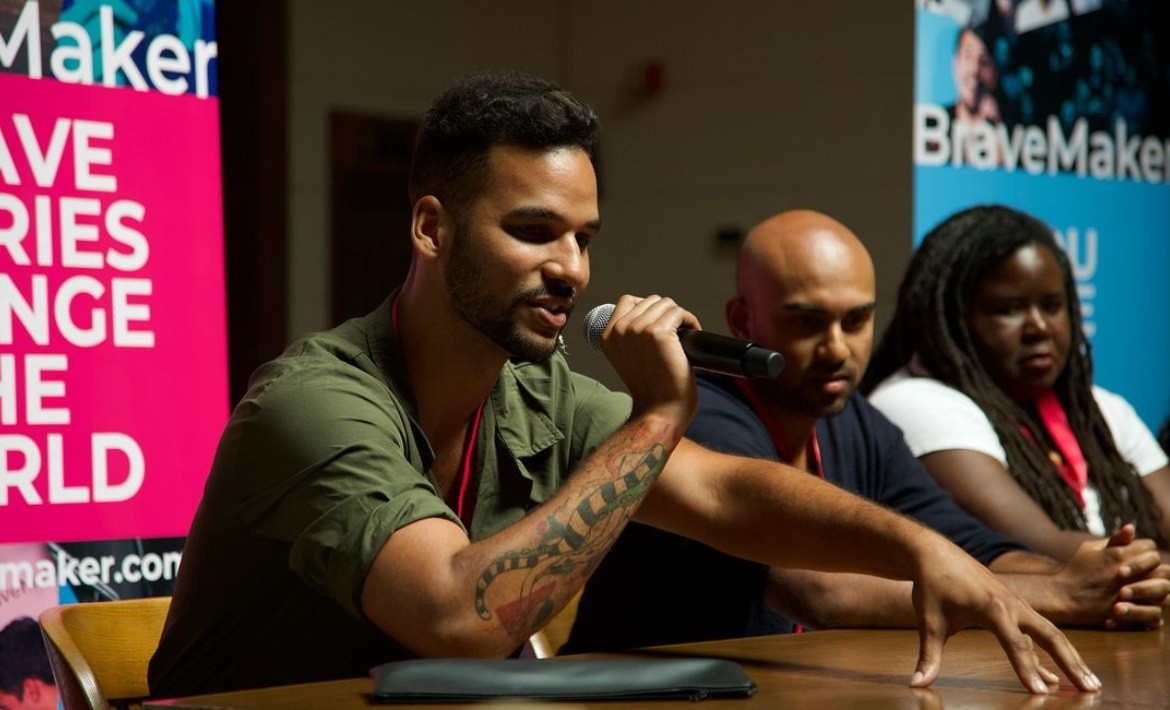
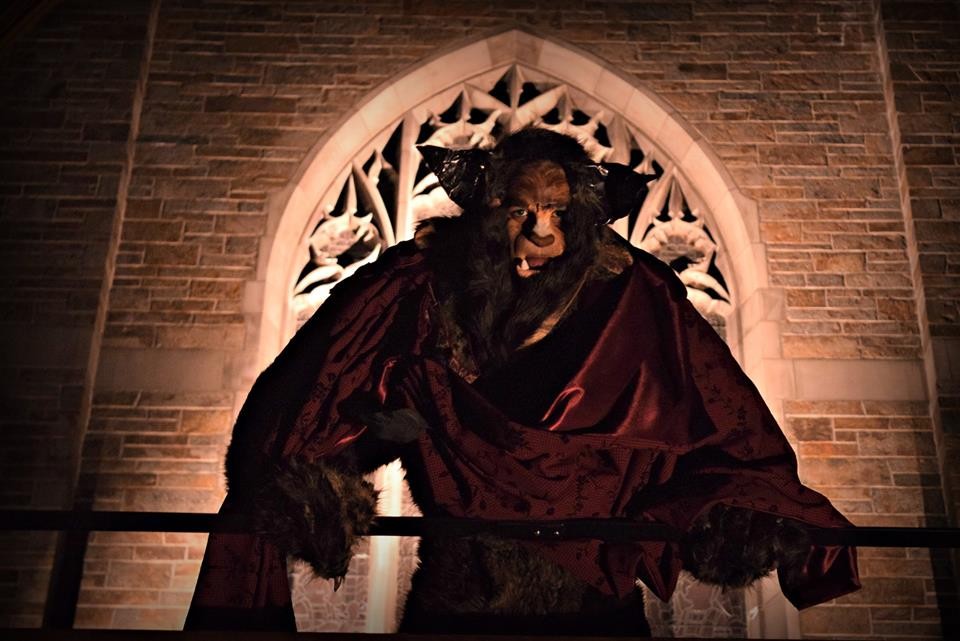
I’m a writer/director/actor who’s worked in the theatre business for a decade now and worked in the screenwriting business for the past three years. I’m not one to brag about myself – I think humility is sexy, and I got a reminder to stay humble tattooed on my arm – but I’m really proud of how I approach the craft of storytelling, and I’m really dedicated to honoring the core, authentic self. That’s what makes the art of storytelling really shine – know thyself and you’ll be able to express thyself in its purest form.
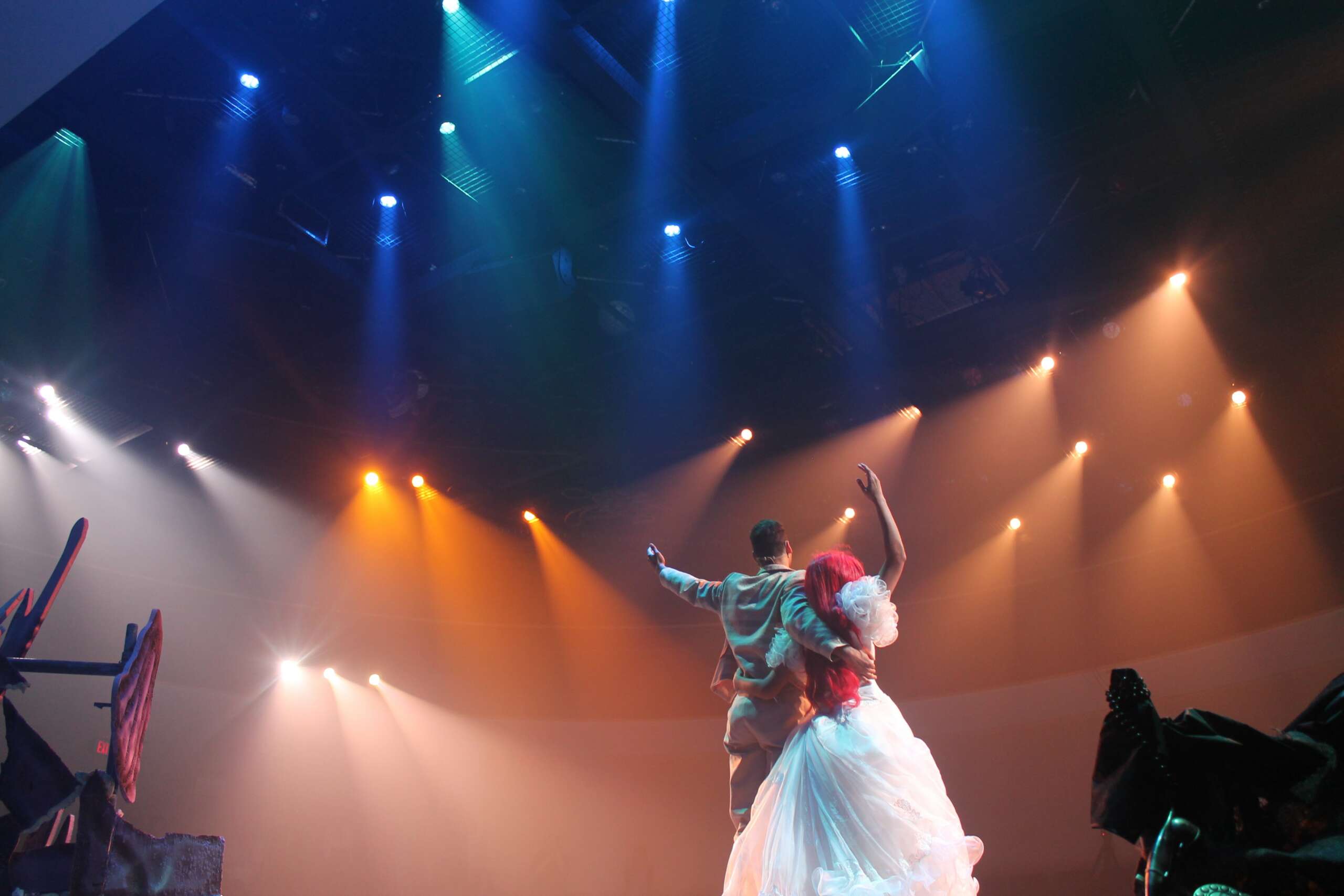
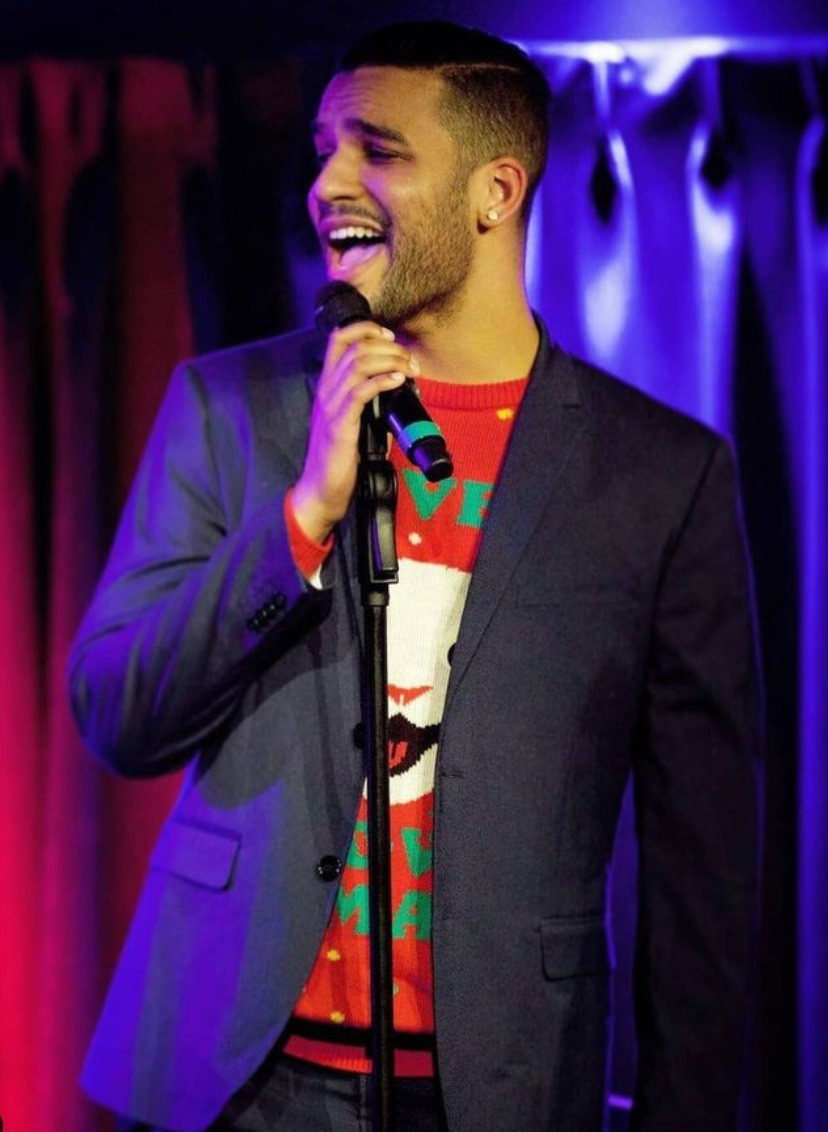
But yeah, I’ve been an actor in the scene since I studied at The American Academy of Dramatic Arts in New York City, and on top of this show or that tour, I’ve directed some Off-Broadway musicals in my time, and all the while was playwrighting as a hobby. It wasn’t until shortly before COVID-19 that I really stopped and gave myself the time to write MY stories with the prospect of producing for film and TV. I imagine I’ll go back to playwrighting eventually – it’s such a lovely medium, but since I’ve worked out in Los Angeles over the last two years after optioning my first TV pilot, I’ve coached hundreds of screenwriters on developing their marketing materials for development executives at studios and production companies. I was blessed to work with a screenwriting education platform called Roadmap Writers, where a good handful of my writing clients went on to sell shows to some prominent production houses directly from my pitching consultations. It feels so good to have now helped both actors and writers become their best selves, and be alongside them on their journey as a coach and consultant. I think so many folx have ulterior motives when coaching, but I’m an artist, and I approach consulting as such. Aside from my own work as an actor, writer, and director, I work to elevate and pull out the most authentic version of artist I’m working with. Everyone wants to see what makes you special, and it’s usually the thing that makes you “weird” – the thing that I love the most.
What do you find most rewarding about being a creative?
I think the first step to being a brilliant artist is being a brilliant human being. For a lot of my early years, I don’t think I realized that my humanity is what fuels my art. My flaws, my fuck ups, my heartbreaks, my convuluted ideologies, my judgements, my fears, my desires – every aspect of what makes me so imperfect and the emotional intelligence to process and heal from it all is what is lacking in so many aspiring artists, to me. The forgetting to breathe and say “hey, let’s give that human grace. Let’s understand them.” Oh… I think that’s just called empathy! Ha! That’s the most rewarding thing about creating art as your life force – my level of empathy deepens with every script I write, with every musical I perform, with every film I shoot. I don’t think I can imagine doing something for a living that doesn’t celebrate and enhance the beautiful capacity of empathy that the arts bring.
Is there something you think non-creatives will struggle to understand about your journey as a creative? Maybe you can provide some insight – you never know who might benefit from the enlightenment.
A recent realization I’ve had (and maybe I’m wrong here) is that it’s not the artist’s job to make money. It’s our job to create ART. And to CHANNEL the divine into something that is so intrinsically connected to the human experience that any John, Jim, or Joe can look at it, listen to it, feel it, and go “wow, that’s me.” My job is to present a mirror to my audience and create space to self-reflect. My job is not to create a business plan that collects the money. If (and when!) that happens, even better, but that’s something I think everyone will always struggle to fully understand. “Why do you do something that makes you so little money?” “Why don’t you write something more commercial?” “Why don’t you go back to Disney and get that paycheck?” Blah blah blah. It’s not my job to make money. However, it is YOUR job to fund the arts. So let’s get on that, y’all. Sponsor your favorite up-and-coming artist. Treat them with kindness and love and support and they might just change your life.
Contact Info:
- Website: www.TristanJShuler.com
- Instagram: @TristanJShuler
- Facebook: https://www.facebook.com/TristanJShuler/
- Linkedin: https://www.linkedin.com/in/tristanjshuler/
- Twitter: @TristanJShuler
Image Credits
Brayden Hade Photography Jae Eun Seok Photography