

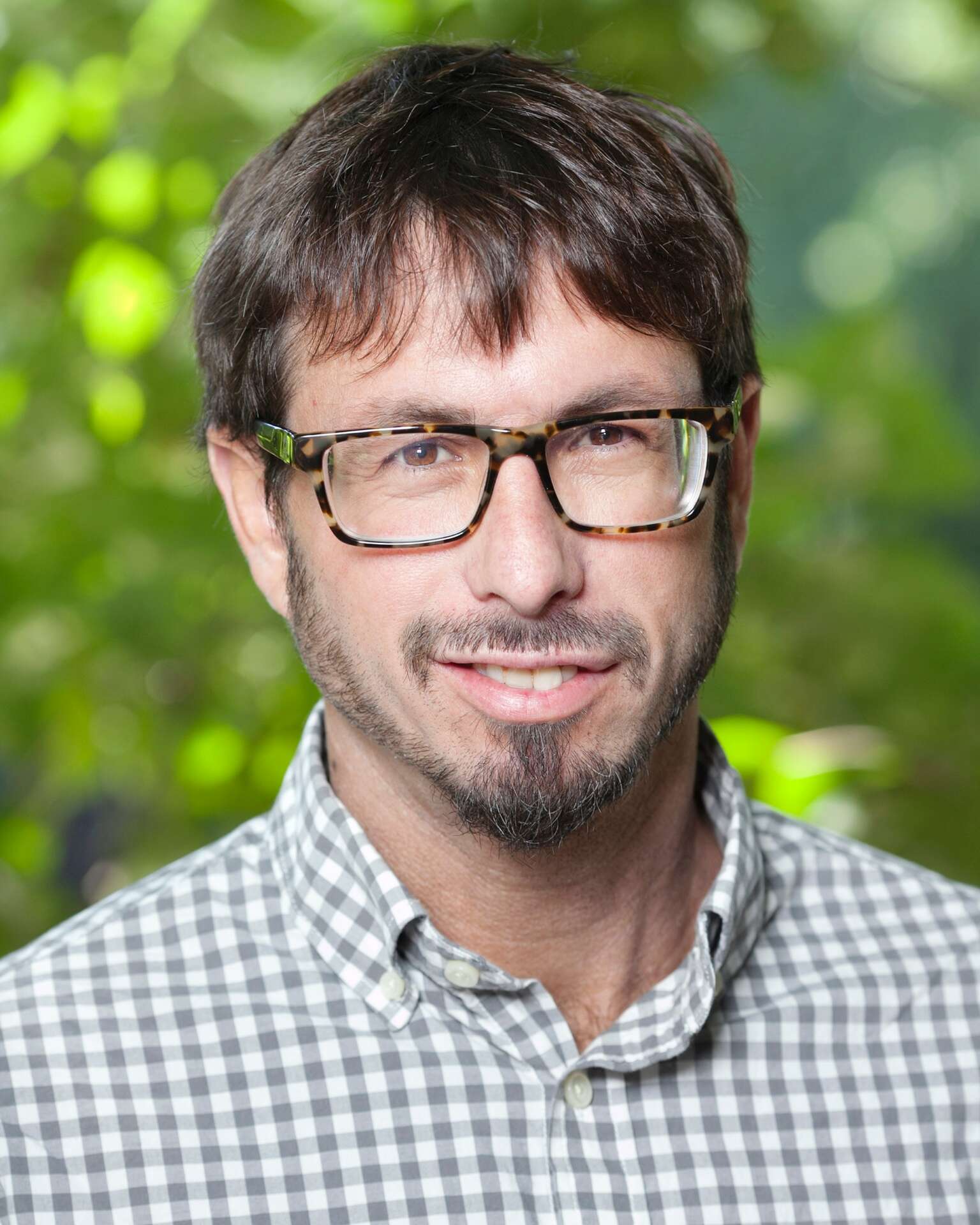

We caught up with the brilliant and insightful John Stein a few weeks ago and have shared our conversation below.
Hi John, thanks for joining us today. Folks often look at a successful business and imagine it was an overnight success, but from what we’ve seen this is often far from the truth. We’d love to hear your scaling up story – walk us through how you grew over time – what were some of the big things you had to do to grow and what was that scaling up journey like?
“Scale” – it’s become a mantra- “scale or fail”, or “if you aren’t growing, you are dying”. Well, it’s both true and untrue. In this world of fetishized entrepreneurship, the hustle, the grind and hockey stock growth are all that seem to matter. I took a more incremental route, rather than shooting for the moon. It was what I knew, what I could feel comfortable with. Did I miss some opportunities, for sure, but did I run a business that slow and steady won the race. Growth for Kirei came bit by bit, starting with our first client and selling our first pallet of material out of my garage. As I went out and evangelized our first product from designer by designer, architect by architect, the phone finally rang and someone trusted us enough to put our materials into their project. From there we rode the wave of desire for great looking, functional green design materials, with big names like Starbucks using our products. I added complementary products, decorative surfaces, usually in earth tones, made from recycled coconut shells, bamboo, reclaimed wood, hemp and other agrifiber waste. It was the right time to be in the green design business. But it was a relatively niche business and growth came slowly. About 10 years in we were growing, had hired independent reps to show our products to designers and were gaining converts and repeat business.
But people started asking me for something else- something to help control the sound in these new open spaces that were all the design rage. You see, removing walls and cubicles was great for the photos, but actually working in these open spaces turned out to be distracting and actually less productive. As I was hearing this mrket feedback, I happened upon a new product that was a revolution in acoustic design – EchoPanel, a felt sheet made from recycled water bottles, that came in 20+ colors and could be cut and shaped into unique decorative design elements. This was a revolution in acoustic design, as usually acoustic design meant either plain white ceiling tiles or nondescript brownish fabric wrapped panels. Being able to offer designers a stylish acoustic design element with color and customizability, great sound absorption and a strong sustainability story was a quantum leap, one that I had taken nearly accidentally. Suddenly our project size tripled, and the number of projects grew exponentially.
Still, I didn’t go out and look for capital, as I didn’t really know what I would do with it except possibly spend it and have nothing to show for it. By growing within our means I may have limited our growth versus the Grow or Die” mentality being preached in entrepreneurship forums, but incremental growth turned out to be like compound interest – it may not look that sexy but 5 years of 20% year over year growth gets you somewhere for sure, and with an ability to sleep at night that overleveraging would have surely stolen from me.
It can be frustrating watching others grow faster than you but you never really know what’s happening behind the door of other’s houses – I watched many companies grow and flame out, due to outrunning their cash flow or overextending in hopes of grasping “the big one”, while I enjoyed a conservative growth mode, keeping close watch on cash flow, building our balance sheet, incrementally growing each department to maintain balance between our ability to sell and our ability to fulfill, while hiring and developing a team that could grow Kirei beyond my knowledge
So did we “scale?” well we aren’t unicorns by wall street standards for sure, but if the measure of scale is a stable company that is growing and that can maintain steady growth in a safe manner while planning for the future, then scale we did. It’s hard not to look over the fence and be jealous of the Joneses at other companies, but by making a plan and sticking to it, even as shiny objects come and go, we have managed to beat the odds and grow profitably.


Awesome – so before we get into the rest of our questions, can you briefly introduce yourself to our readers.
I am a storyteller. Prior to starting Kirei people paid me as a copywriter to ask them questions and write down their answers, maybe with a little paraphrasing and prodding to get to the bottom of their value proposition. I also cared about the environment, enjoying outdoor life and knowing that we continue to sit on a population time bomb and that people can’t help themselves – we consume, that’s what humans do. So could I help stem the tide of humanity? I wanted to but didn’t really know how.
Luckily I found eco-friendly design materials and was able to help refashion the narrative from Jimmy Carter’s vision of sweater-wearing sacrifice to one of fun, sexy design that eased pressure on natural resources and also helped eliminate harmful chemicals from our indoor spaces. But this wasn’t necessarily a welcome story by itself, because of perceptions of added expense for eco.
The next twist to add was to make a dollars and sense case for going green – luckily statistics were starting to bear out the idea that consumers would pay (a little) more for cleaner materials and cleaner consciences. Adding a profitability story to an eco-story, plus adding in great looking materials that hid sustainability under a cloak of cool turned out to be the key ingredients to breaking green out of a treehuggng niche into the mainstream.
Would I save the world through eco-friendly cabinetry? Maybe not, but if I helped inspire even one person to try other green living and building practices, then I had done less harm and helped reduce our footprint just that much. Kirei was the name I chose for our company, the Japanese word for “beautiful and clean” and by putting the beauty first, we could slip people vitamins while they thought they were eating cake.
It’s not always the facts, but it’s the story that can change perception and then that can lead to real changes in the reality.


Do you have any insights you can share related to maintaining high team morale?
The one thing I have seen over and over in small business is that the founders most often come from one area of specialization (sales, product design, manufacturing, marketing etc) and don’t have much formal training in how to actually run a business – the mundane-seeming things like financial statements and people management that actually make or break your business.
I was busy making every founder-led business mistake possible – chasing shiny objects, making snap, rash decisions (or not deciding), deviating from our strategy, hiring without knowing what i was doing, or what made a great team member. Our meetings? There were too many, they were too long and we never really seemed to get to the key issues.
Luckily I happened upon the EOS system, from the book Traction, by Geno Wickman. Traction lays out “business management for dummies in a box”. It’s a simplified version of the standard business management techniques that are made easily understandable and implementable, and I lucked out a second time with our EOS implementer Ted Bradshaw, who turned out to bring a great skillset, experience and demeanor that enabled him to teach us the system, coax us into believing in the system, and refereeing some of the early growing pains as we finally faced some of the elephants hiding in the room.
EOS is a relatively simple system but what isn’t always so simple is the issues it forces to the surface, especially since many of them have real people at the root cause. Not necessarily because they are bad or incompetent or malicious people but because they just may not be the “Right People in the Right Seat” at the right company, one that has clear expectations and informed, aligned people. As these difficult issues came to light and were addressed one by one and our planning, goal setting and accountability process took root, several individuals ejected themselves from our business, causing the short term pain of replacement but also the benefit of addition by subtraction as we learned to hire against our core values and built a team that, as the cliche says, was rowing in the same direction. Not all in the same boat, but all aware of where we were going and using the same playbook to get there, with independence to make decisions to take us to our destination. I credit EOS as another element that helped me leave business at the door at the end of the workday and sleep well at night.
Can you tell us the story behind how’d you met your business partner?
The story of Kirei actually begins with seafood. A failed business venture that involved 100 lbs of dead rotting abalone in the Tokyo airport turned into a conversation about other products and eventually my partner Mitsuru showing me a sample of what would go on to become our flagship product.
It was a classic example of using failure as an opportunity to learn and then trying again. It was a case of not knowing what I was looking for until he found it, and then finding others who had complementary skillsets – one partner who knew the sales end, one who had business management experience and infrastructure and industry knowledge to form one single entity that could do the job.
It takes openness and a willingness to try again and again, and maybe a little bit of naivete that enables you to try things that your future self might discourage you from doing, plus finding great partners who encourage you.
Contact Info:
- Website: www.kireiusa.com
- Instagram: @kirei.design.materials
- Linkedin: https://www.linkedin.com/in/johnwstein/