

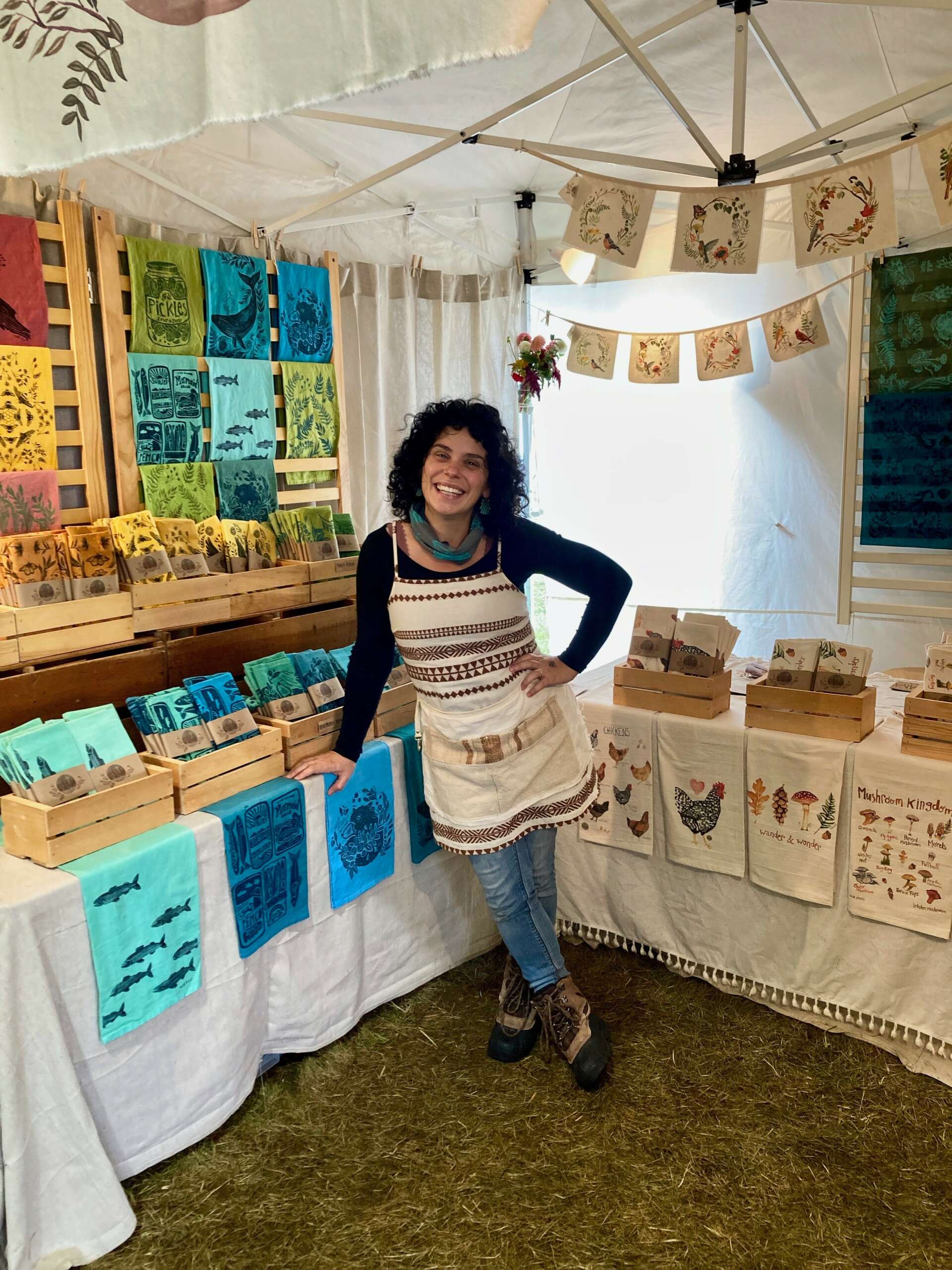

Alright – so today we’ve got the honor of introducing you to Nina Devenney. We think you’ll enjoy our conversation, we’ve shared it below.
Nina , thanks for joining us, excited to have you contributing your stories and insights. Are you able to earn a full-time living from your creative work? If so, can you walk us through your journey and how you made it happen?
I’ve got two full-time jobs. One as a self-employed artist & business owner and the other as mama to a hilariously fun and brilliant three year old. My husband, Patrick, and I co-own and operate the business that I created and launched a few years ago and we both work for it full-time. It’s a wild experience. When your passion becomes your living, you can feel all sorts of ways, including an overwhelming gratitude that you get to make your own way with the work you love, AND a sense that it’s so surreal that Imposter Syndrome can find its way in. Then a strange and pretty cool thing happens, where at first you find yourself in utter confusion and awe as to how it’s all working, as to how you got here in the first place, as to how all these people are finding you in a sea of incredible and talented makers. And then you remember: Ohhhh yeah. I worked really, really hard to get here– We’re talking decades, we’re talking college degrees. We’re talking endless hours and crazy ideas and projects gone all wrong– in my case, melted silver (one second too long with the torch), failed paintings, piles of misprints and pots that exploded in the kiln. And when you realize that your whole entire life has been leading up to this, that it’s all built on the learning from all of those projects gone awry, that you kept at it anyway and made successful work– it’s an antidote for Imposter Syndrome, and you can get back to the stuff that matters.
A big part of the lens I view the maker world with is that there is space for EVERYONE. That every voice matters, that every idea deserves a chance. That there is power in everyone sharing their view and bringing their ideas to life. I find that Imposter Syndrome slows hard-working artists down, that it eats their time, and tears down their ideas. It sets up barriers that don’t need to be there, and if you are a full-time artist or someone who aspires to be one, you don’t have time for those. You have way more important work to do. Don’t let feelings of unworthiness get in the way, because the truth is you’ve worked hard to get where you are. Own it. Make the work that matters to you.
Nina , before we move on to more of these sorts of questions, can you take some time to bring our readers up to speed on you and what you do?
Born into a family of artists in the woods of coastal Maine, I have been making art with my own hands for as long as I can remember. Art was my childhood home. My mom and dad worked professionally as potters and painters and my dad as a photographer too, throughout my upbringing. This meant a whole lot of things for how I was raised. It meant backyard Raku firings on the weekends; it meant playing with porcelain and making ceramic teapots as an eight year old; it meant traveling to far reaches of the country and chasing the light at sunrise for the perfect shot for my dad’s photo assignments. It meant I came to see art as a way of life. It was never an accessory to the human experience; it was the human experience.
I was lucky enough that my folks included me and my sister on all of these artistic adventures, and to say that it shaped the kind of life I wanted would be a vast understatement. Everything about it has shaped the path I have taken and the life I have worked hard to create for my own family. There’s a seamlessness about this kind of living– life and work are not defined or distinct from one another– they are one and the same. When you do what is in your bones, there’s no choosing when you work and when you don’t; it’s just a part of your fabric.
I think creating a living from what I design and make, so that my family can be together– and have the freedom to explore, wander, and cultivate boundless love — is what I consider my greatest success. It’s something I always hoped I could do, and to be on this side of it– three years in to supporting my family with my art– it all still feels surreal sometimes. My husband was able to leave his full-time employment and join me two years ago now and it’s incredible, liberating and joyful. There are days, though, where the responsibility to provide financially and simultaneously be inspired and creative in a way that resonates can feel daunting. I think it’s a common misconception of working artists that their lives are non-stop fun, super easy, and carefree– and it’s a myth that will forever drive me absolutely wild- and not in a good way. The truth is, that artists are incredibly hard-working people. The truth is that when you see one piece of art, you are looking at the result of decades of devotion to a craft; you’re looking at the result of someone who has tried and failed infinite times, you’re seeing the product of an unyielding force that drives the artist forward, no matter those failures. You’re looking at a testament to fierce devotion and an ode to things made by hand in a world that doesn’t always value them. But the artist carries on nonetheless, and that, in itself, is beautiful.
We often hear about learning lessons – but just as important is unlearning lessons. Have you ever had to unlearn a lesson?
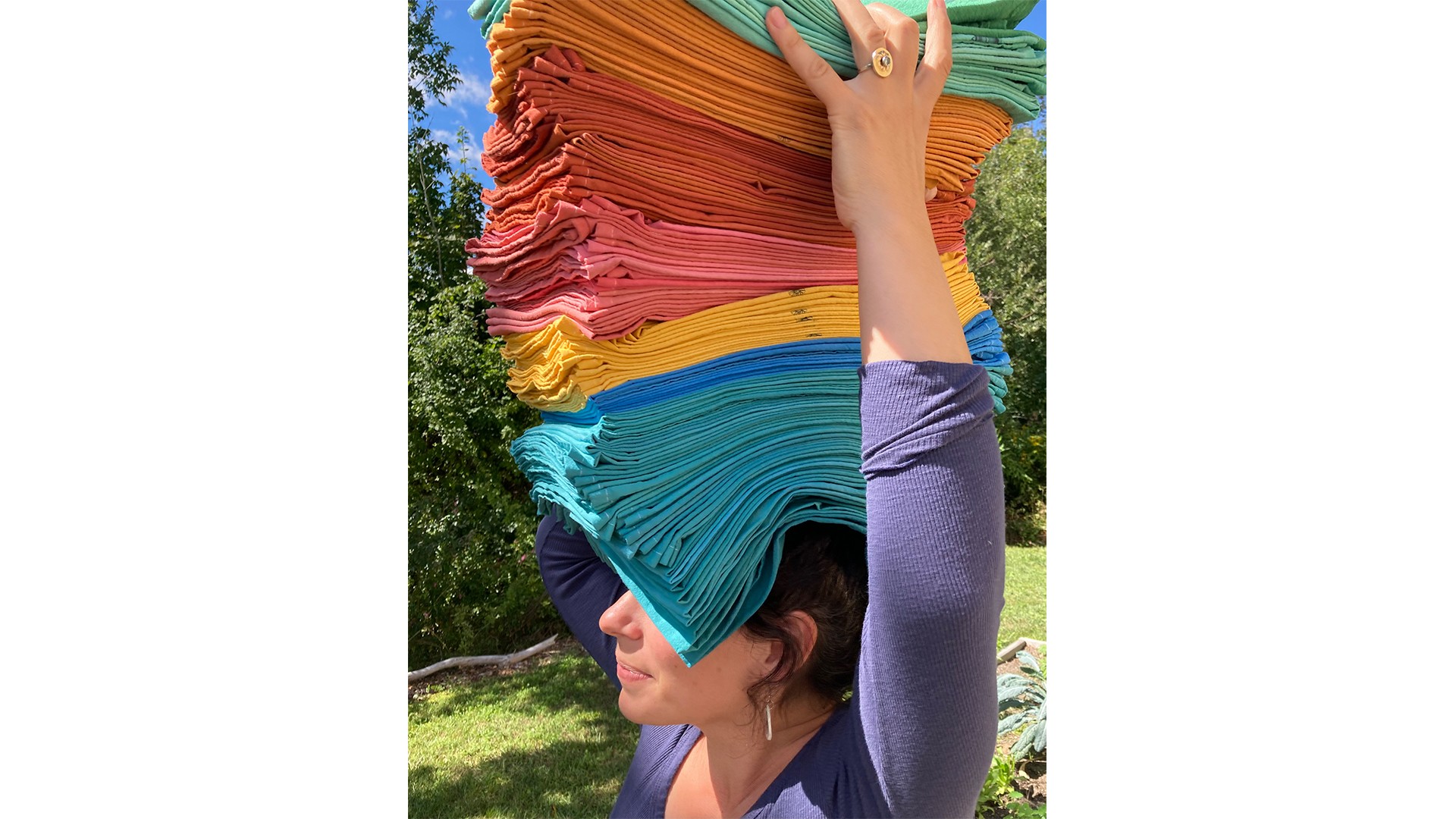
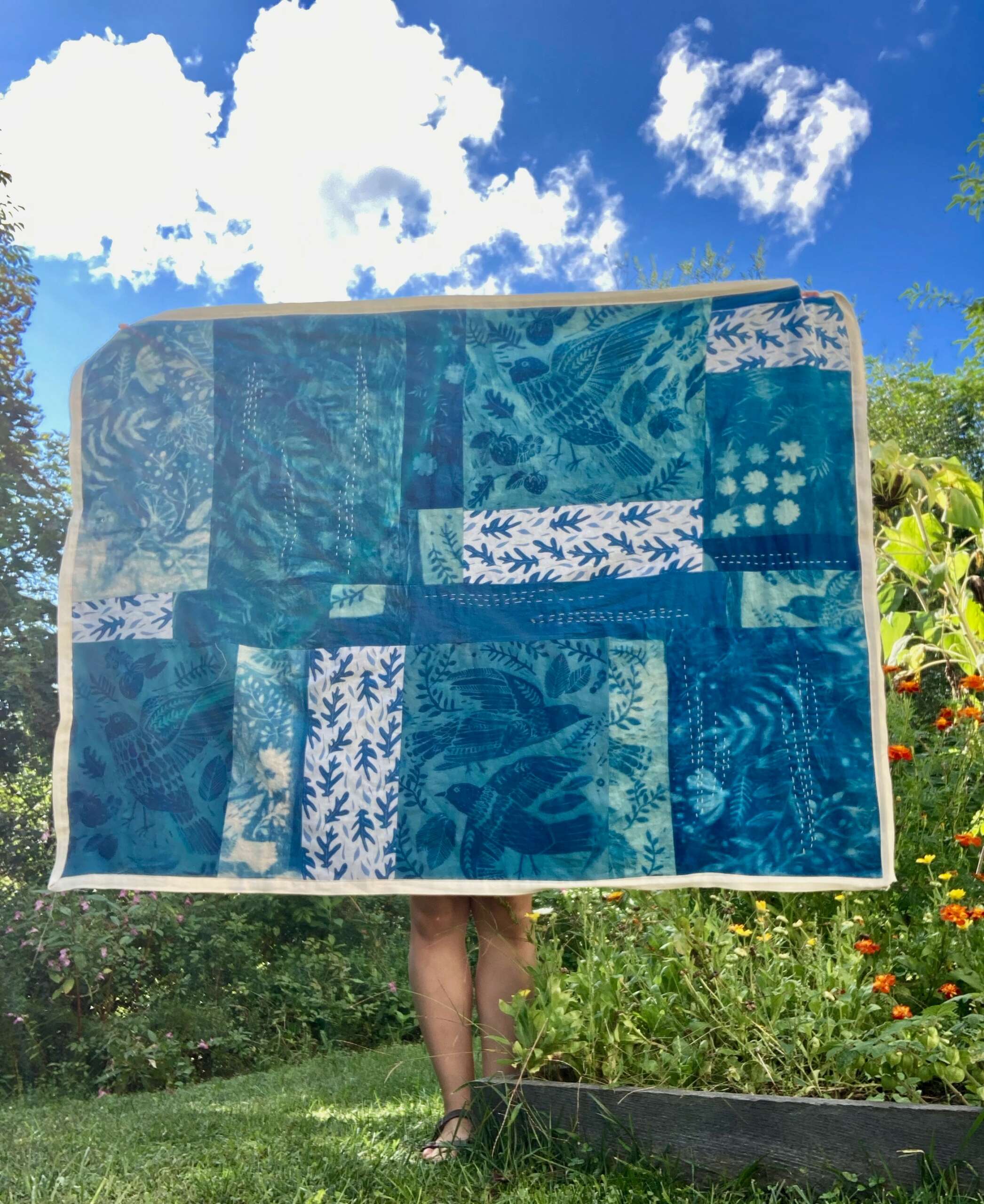
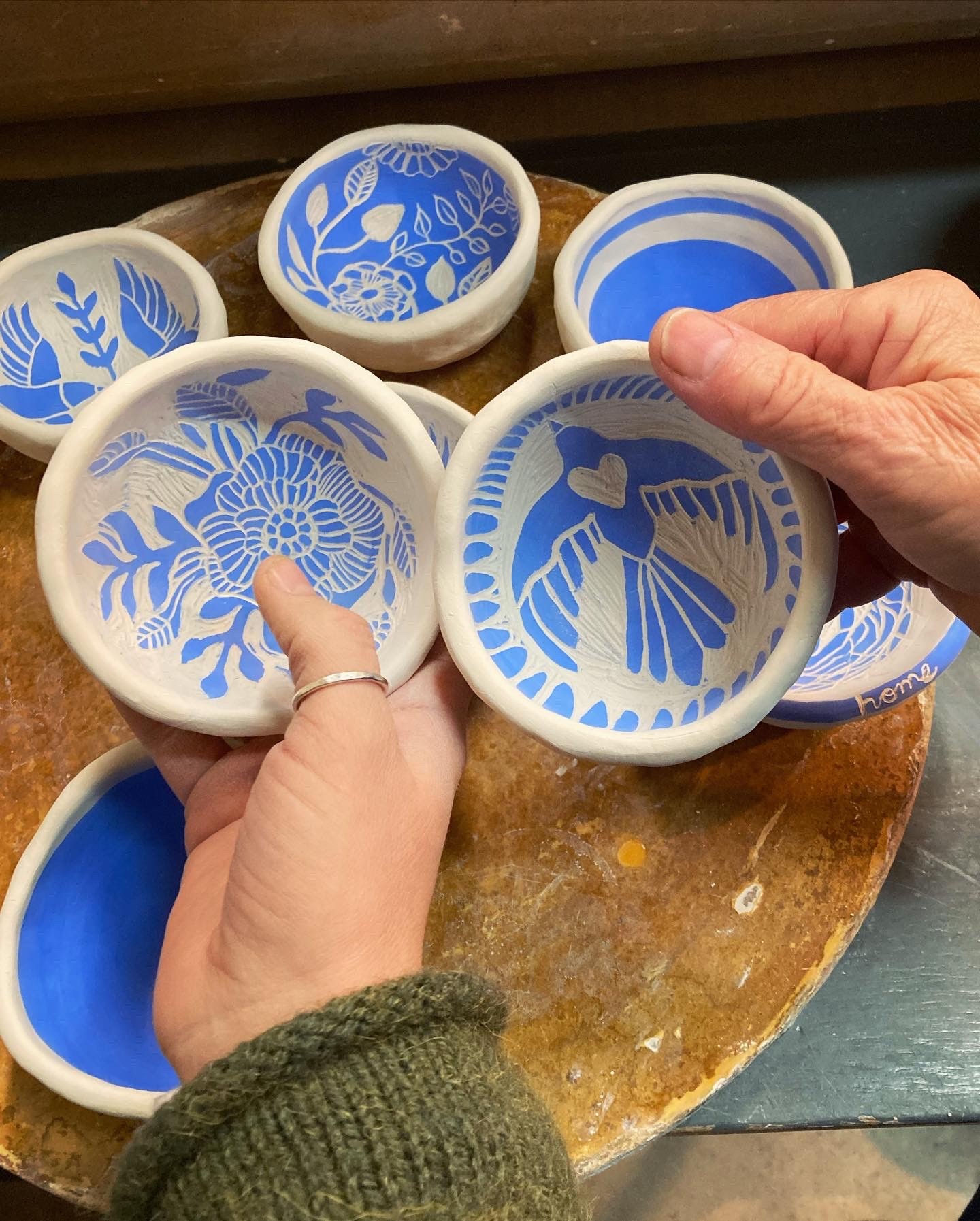
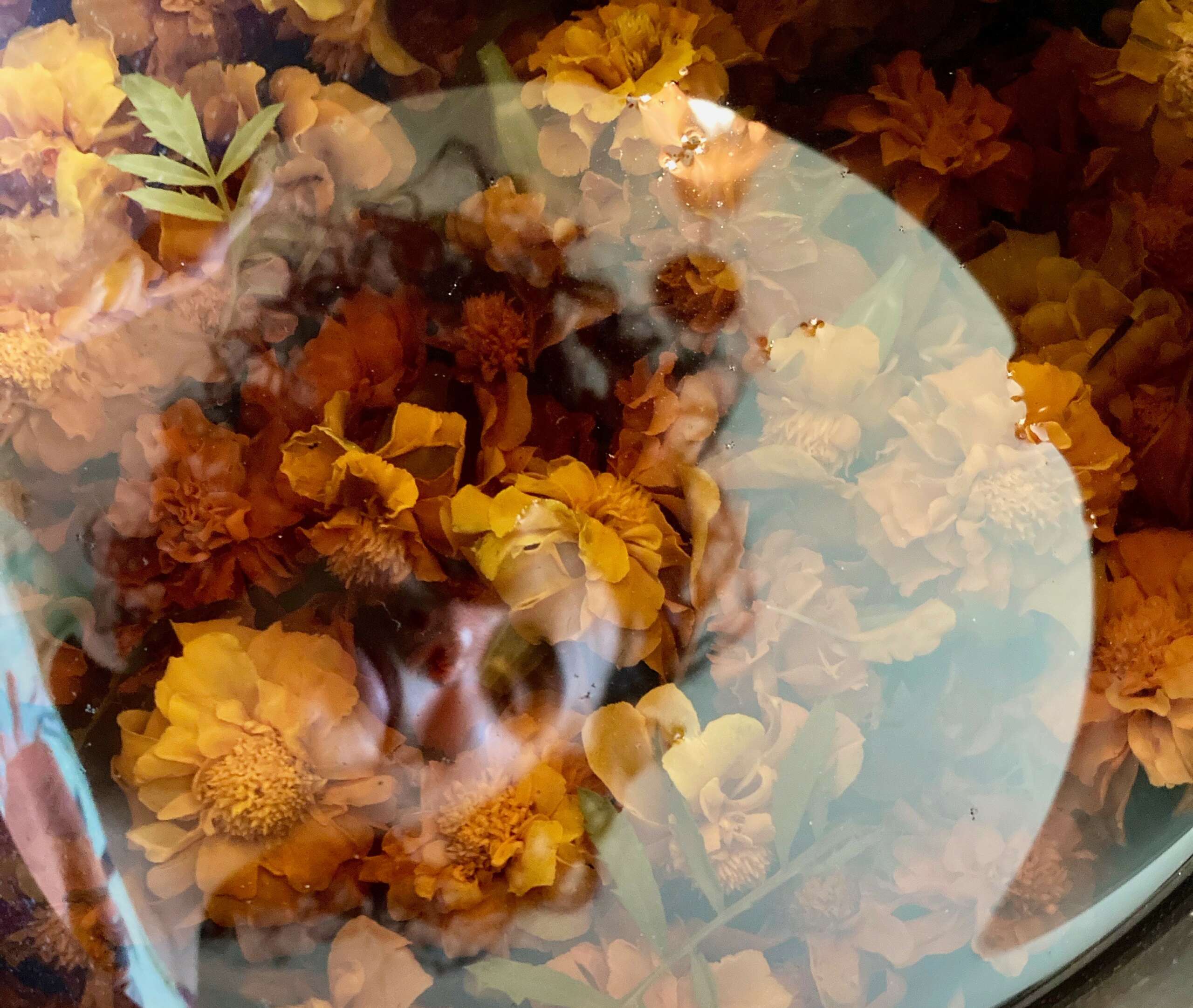
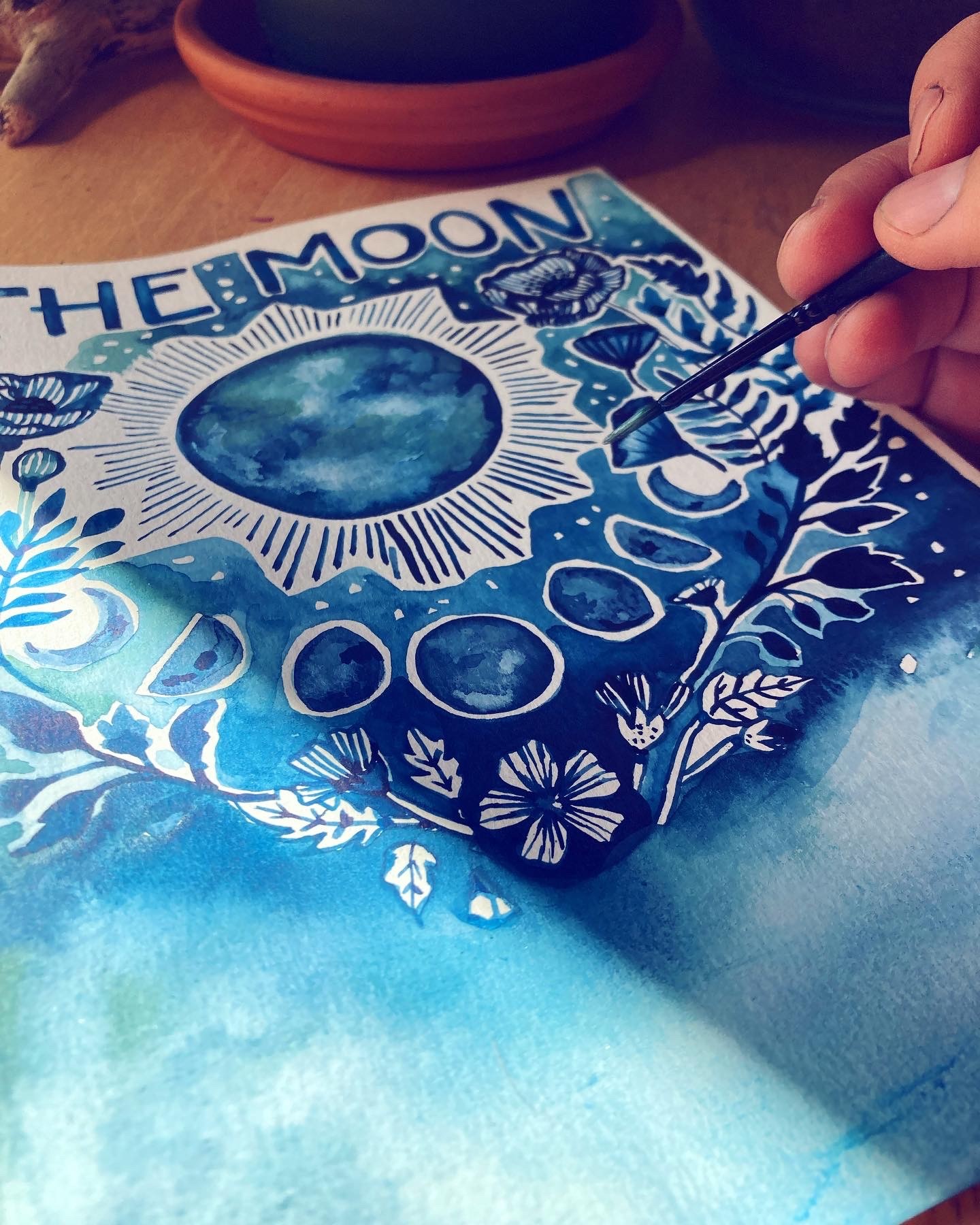
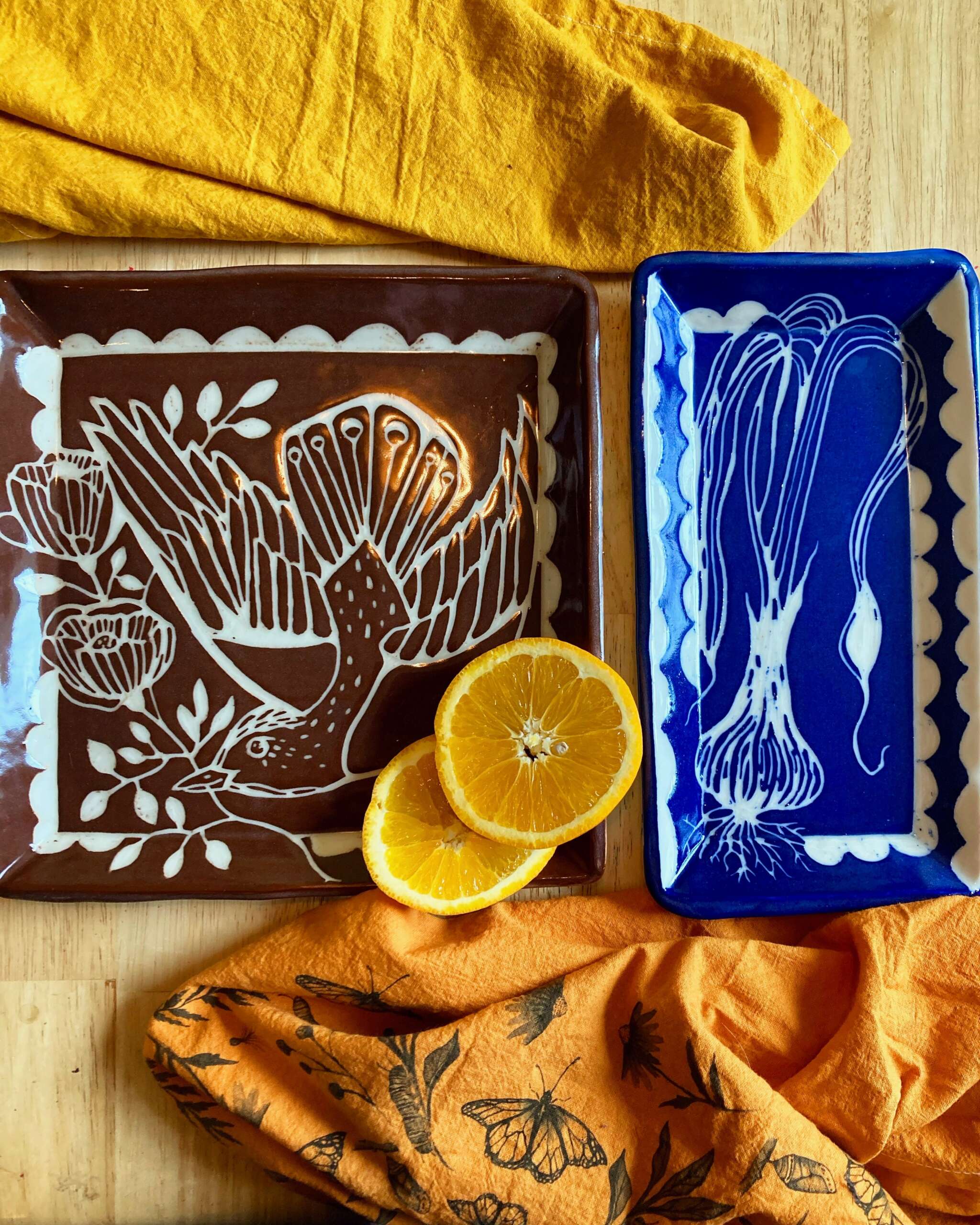
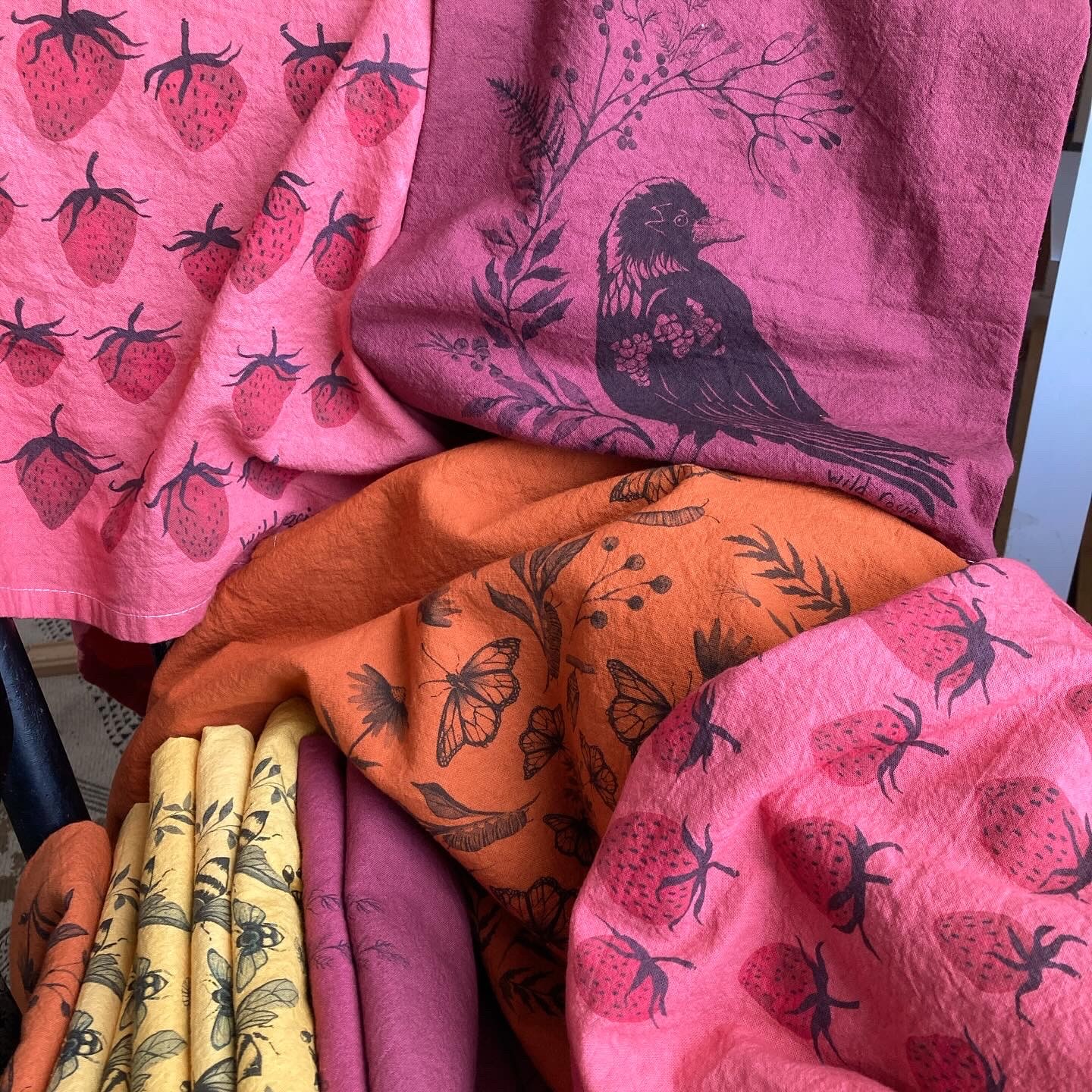
Somewhere along the way– maybe art school, maybe a little after– an idea got planted into my head that I needed to be devoted to one and only one craft. I thought I needed to become an expert in that one thing and that if I got distracted by something else that intrigued me, that it was a “complete waste of time” and that I needed to find my way back to that one craft, so I could be seen as a “serious artist”. Man oh, man, how wrong I was! Through years of trying to dismantle that myth in my own belief system, I explored so many mediums and found each one informs the other. It’s all cross-training! I found that when I let my curiosity lead the way, I would become inspired in a whole new light. When I learned how to hand dye things, I found my paintings began to show entirely new color palettes. When I started printmaking, I found the aesthetic bubbling up in my drawings. When I worked in clay with sgraffito, I felt the presence of my block printing experience in each of my designs. Each medium asks you to work with a different part of your brain and to use your hands and your knowledge in a different way. I started to learn that doing this in my art practice was in no way a weakness and was, in fact, an incredible strength. It took me years! And now I see it as one of my greatest assets as an artist and maker– I’m able to adapt to new art media, to be inspired by it, to take what I love with me onto the next project, all whilst dwelling in that place of mystery and magic that resides in the creative process– you never know when it might emerge and be just the answer you need. I think the message here is to follow those prompts from your heart; to explore methods and techniques, because it will lead you to entirely new places, and, in the end, it might be just where you need to be.
Can you tell us about a time you’ve had to pivot?
While I had worked towards building a life as a full-time artist for about a decade after graduating, the final change came swiftly and suddenly in the midst of the pandemic. I think so many of us experienced strange and sudden jolts of change during that time, and for me, it was the moment that pushed (or shoved!) me into making the transition to full time. However, it wasn’t exactly what I had wanted in that moment; I was pregnant with my first child, working as an art teacher at a job that I loved, and was 10 weeks into my pregnancy when the country went into lockdown. The reality of that experience is still hard for me to process and digest, even though I lived it, even though we have our own business now, even though our kiddo is a vibrant and bubbling three and a half. It was a vastly tender time, being pregnant for the very first time in a world that had gone silent with isolation. I had looked forward to my first pregnancy– and the community I would build for my baby while I was pregnant– for years. Yet the reality was that I was moving through it all in a time that felt deeply lonely and downright scary. My son was born right at the start of the Delta wave, around 8 months before vaccines would become available to my family and community of friends, and long before it would be available to my child. It was as difficult and painful as one might imagine, and I know, for a fact, that it was my art that saved me and helped me through that deeply tender time in my life.
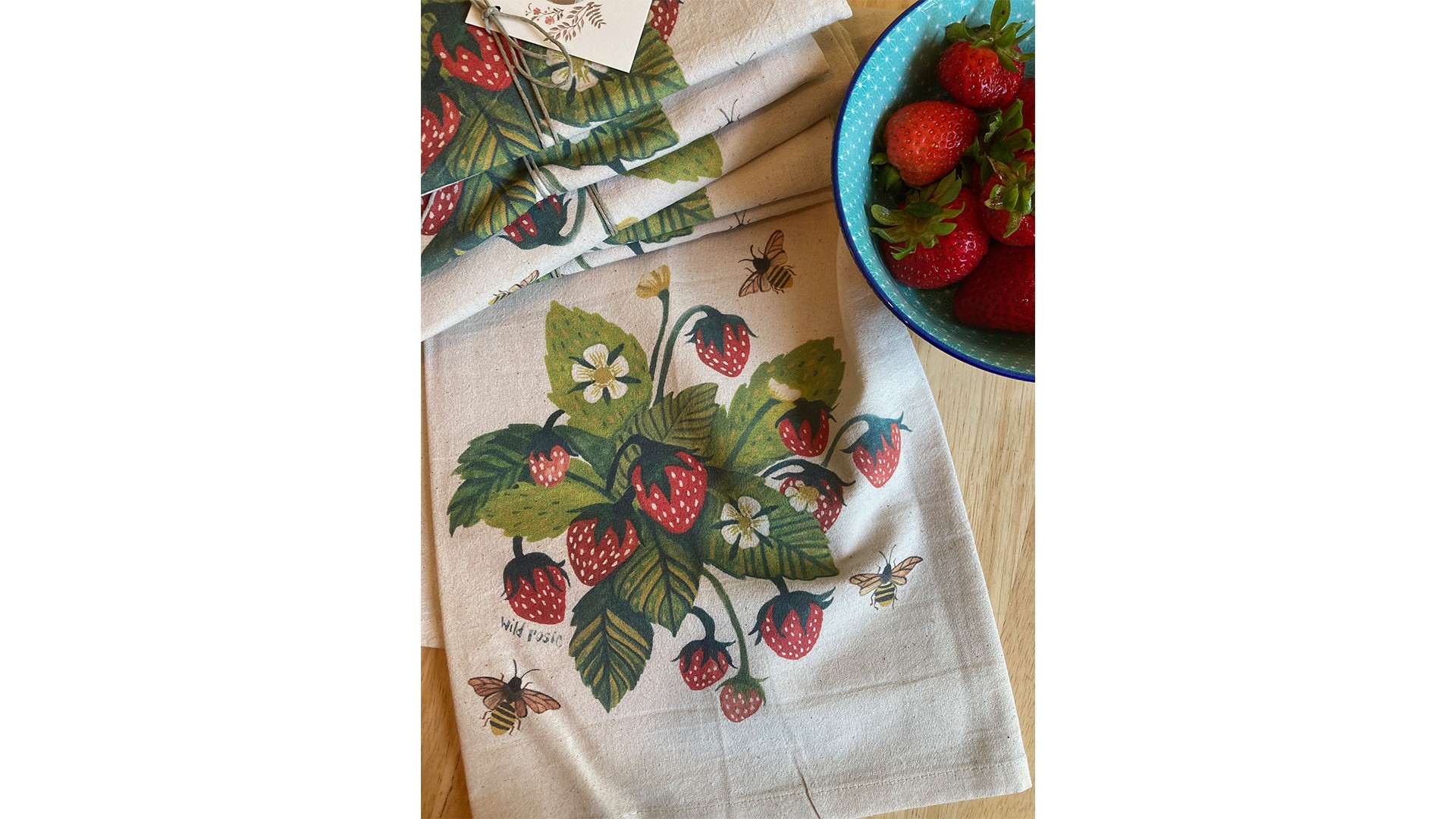
I realized I was going full time as an artist about three months before my kiddo was born, and I leaned all the way in. My art became a haven; a safe place for a new mother in a world turned upside down. A place where I could feel and exist and be. After my son was born, I literally could not control the ideas– they were like river rapids– one ofter the other and sometimes relentless in the most beautiful way. It was like I was being given this saving grace. My art held my hand through the hardest time of my life, and I held tightly on back. When I look back on it, I’m not entirely sure Wild Rosie would even exist if it weren’t for the depth of that experience, the need to find a way to contribute financially while trying to protect my vulnerable newborn in a threatening time. If I stayed home, protected him and kept on making, I could keep him safe and fed. That’s what I did.
And here we are. A family of three with a thriving business that just expanded to include a traveling craft school, Wildbird Craft, which offers art workshops around the state of Maine with hopes to expand beyond. It’s been one wild ride and we’re all in. Let’s see where this thing goes.
Contact Info:
- Website: www.wildrosiemaine.com
- Instagram: @wildrosie.maine @wildbird.craft
Image Credits
Nina Devenney