

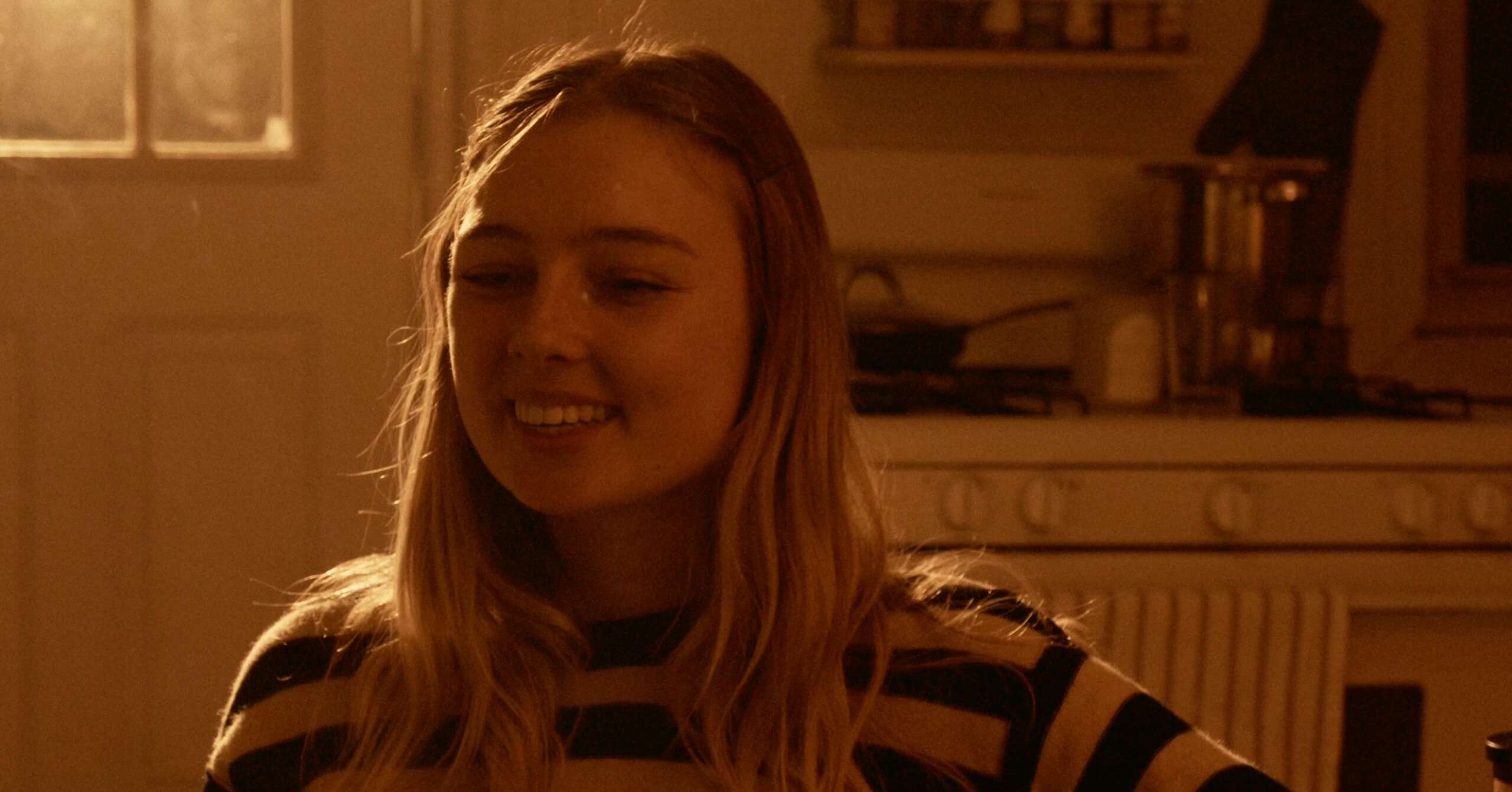

We caught up with the brilliant and insightful Paris Dwyer a few weeks ago and have shared our conversation below.
Paris, thanks for joining us, excited to have you contributing your stories and insights. We’d love to hear about when you first realized that you wanted to pursue a creative path professionally.
Throughout my life art has been the most comforting force in my connection to myself and the world. Books, poetry, films; just storytelling. We get stuck in darkness, feel confused, and alone, and then one day, often by accident, we watch ourselves experience pain through the vessel of another and in some way, understand it. It’s magical to me that another’s suffering can provide comfort, or at the very least, make your own feel unoriginal. That is the duty of an actor. The sacrifice of exploring my personal struggle to arrive at another’s is difficult, but rewarding. I want to do it forever. My awakening to this came thanks to great literature. It was at my little public school on the Central Coast of Australia that I was first exposed to this; an unlikely setting. I was the only student in my 400 person cohort enrolled to study Extension English, and so I worked closely with my teacher; a wonderful woman named Louise. The two of us sat side by side in the empty school library for hours every Monday afternoon intermittently silent reading, then exploding into conversation over work that addressed social issues I had felt my whole life but couldn’t before realise. Writing by Margaret Atwood, Fritz Lang and Samuel Becket explained the inequity that surrounded me in my working class town, particularly the concept of class mobility and the structural barriers that stood in the way of my peers and I from receiving a higher education. Exploring characters and worlds that related to my reality gave me the clarity, and the words to write my own story. I learnt that knowledge is power. My close analysis of Waiting for Godot found me enthralled by play and screenwriting. Sucked in to the vortex of theatre ideology, Konstantin Stanislavsky’s notes on acting heavily influenced the kind of artist I aim to be. The knowledge there was an outlet for my emotional memories to be trained into something artful was beyond exciting to me; and led me all the way from that little library to work in New York as an actor.
Paris, before we move on to more of these sorts of questions, can you take some time to bring our readers up to speed on you and what you do?
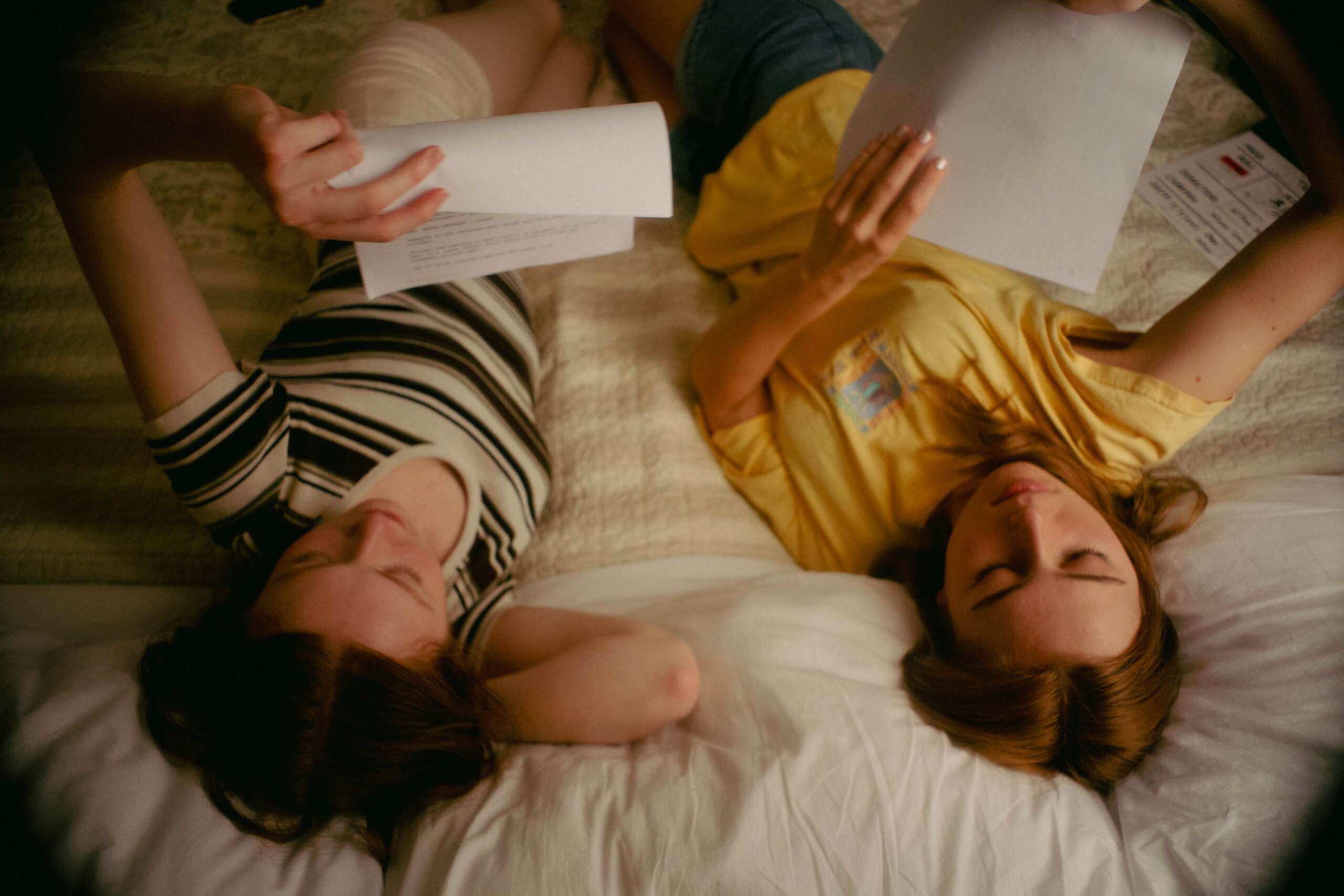
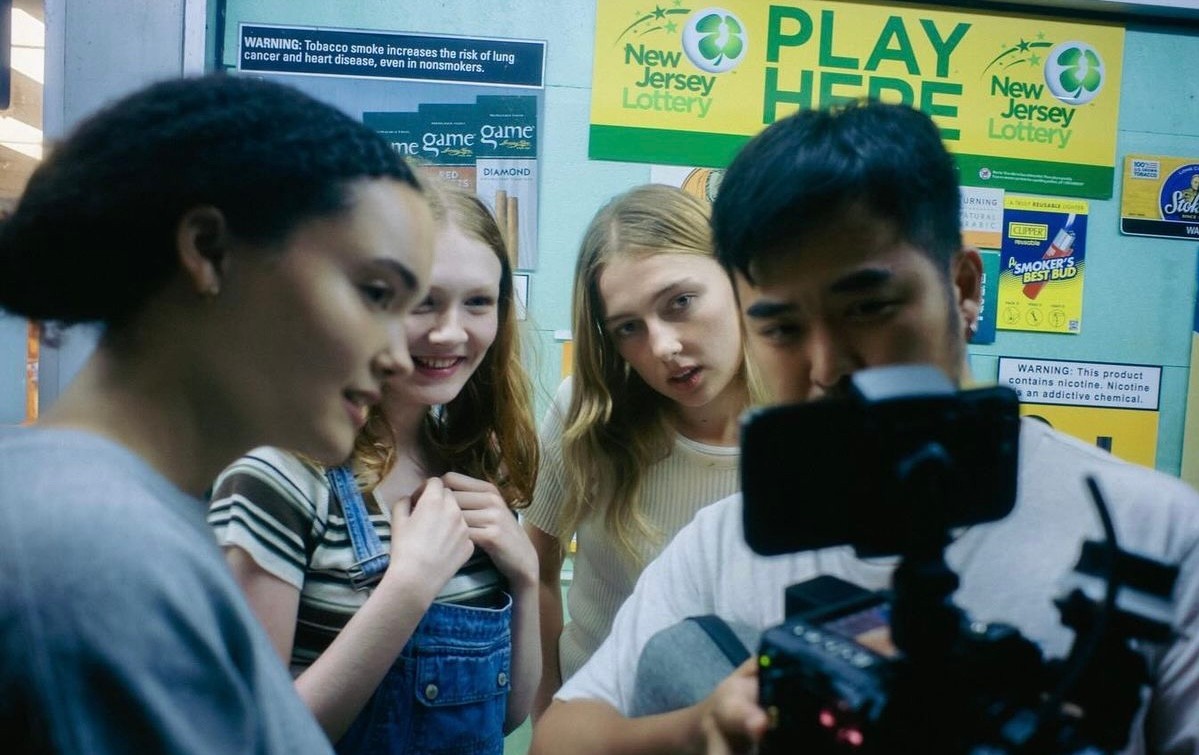
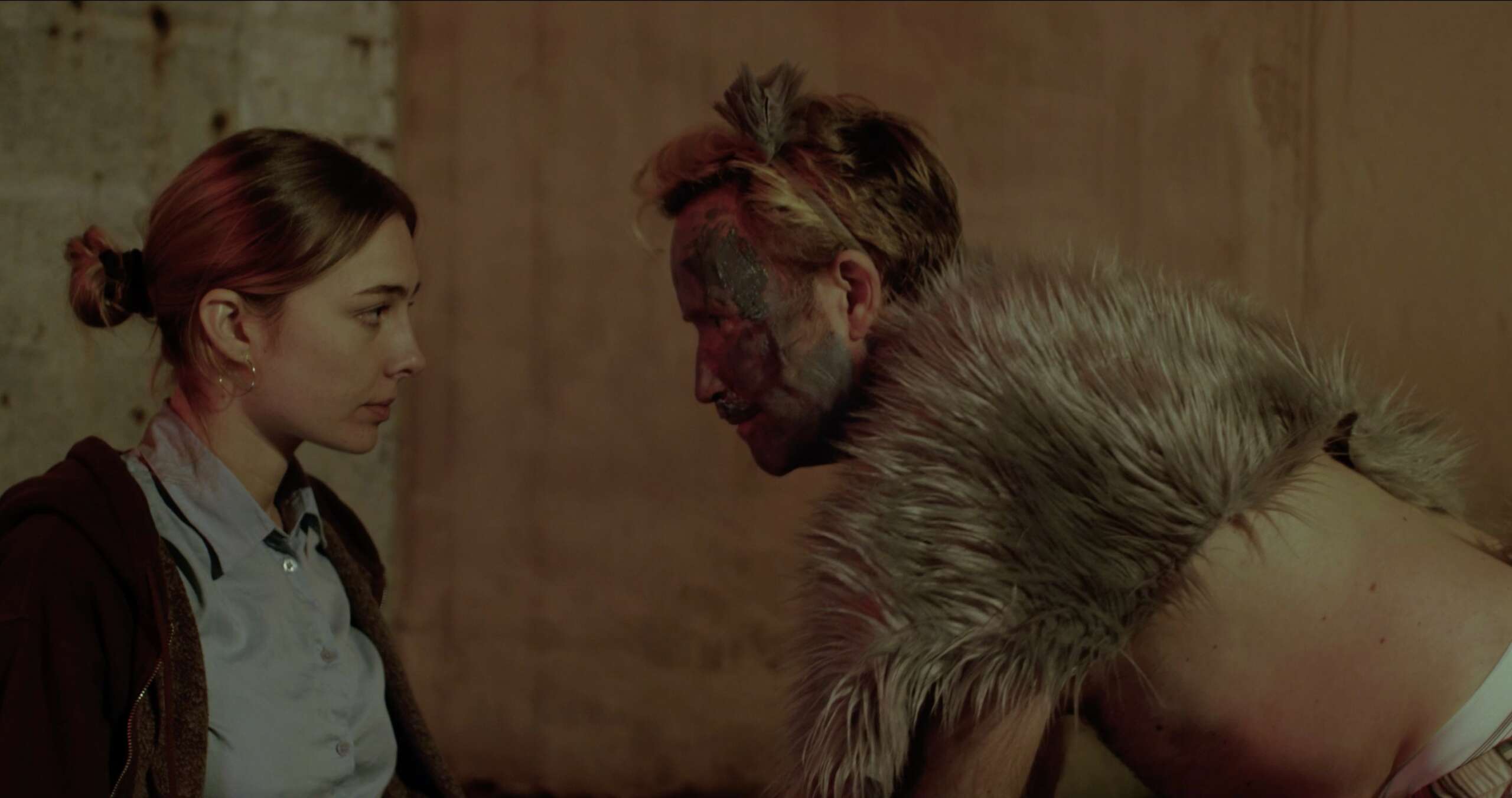
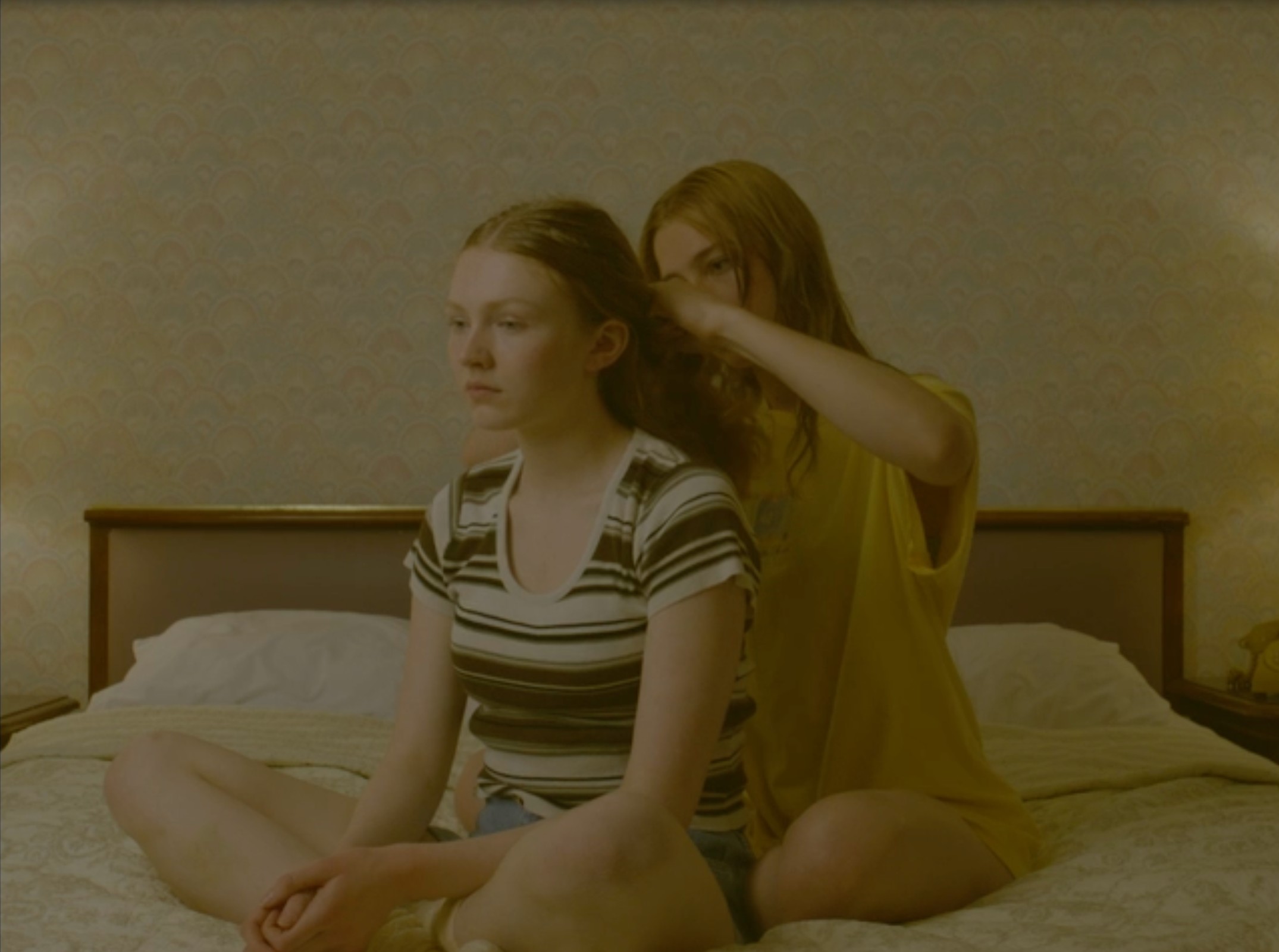
My body of work is mostly comprised of film. Acting on camera is a wonderful art form – it offers the freedom to narrate your story without being constrained by time or distance. The camera captures every detail; every emotion, every expression, every pause. There is no room for pretense. This demands discipline, requiring complete presence in the moment throughout each take, and often the moments in between. My training is rooted in Method Acting, although I have folded elements from other techniques into my approach, I remain true to the core principles of the Method. Every character I embody is infused with an inner life based on my personal truths; beneath every line, gesture, and reaction lies a parallel reality. This is processed through analysis, sensory exploration, and rigorous rehearsals. I have had the privilege of collaborating with incredibly talented people within the city’s creative community. Filmmaking is inherently collaborative, and the bonds formed on set profoundly influence the outcome of a project. Working on indie, low-budget films is far from glamorous. It can be grueling, repetitive, uncomfortable, and stressful. However, it is the camaraderie amongst the team that gets us through these challenging days on set – knowing that we are all united by the common goal of creating something meaningful. I’ve learned the importance of being a team player, approaching each project with a positive attitude, and wholeheartedly committing to the work at hand. Once I take on a role, that character becomes my everything, and I hold myself accountable to give my best performance, regardless of the remuneration or prestige associated with the project. This approach has opened doors for me, leading to new roles through the connections I’ve forged with filmmakers on previous productions.
How can we best help foster a strong, supportive environment for artists and creatives?
Go to the cinema. It is heartbreaking for me to step into once bustling Manhattan movie theaters to see a highly anticipated film, only to find that I am one of five people in this big empty space. Movies of high visual and audible production are intended to be experienced in the theatre, where those details can be projected to their best ability. The work, time and passion of so many filmmakers is diminished when you watch such a film on your laptop, or even worse, on your phone. I understand it, and am guilty of it every now and again; the cinema can be expensive, and sometimes it is tempting to curl up on your own couch. But you wouldn’t dare view a painters exhibition on your screen, so why are we becoming so comfortable doing this with films? I implore society to be aware that this should not be the new norm. If you are looking forward to a new film, enjoy the work of its director or connect with one of the actors; do it the justice of seeing it in theater.
What do you find most rewarding about being a creative?
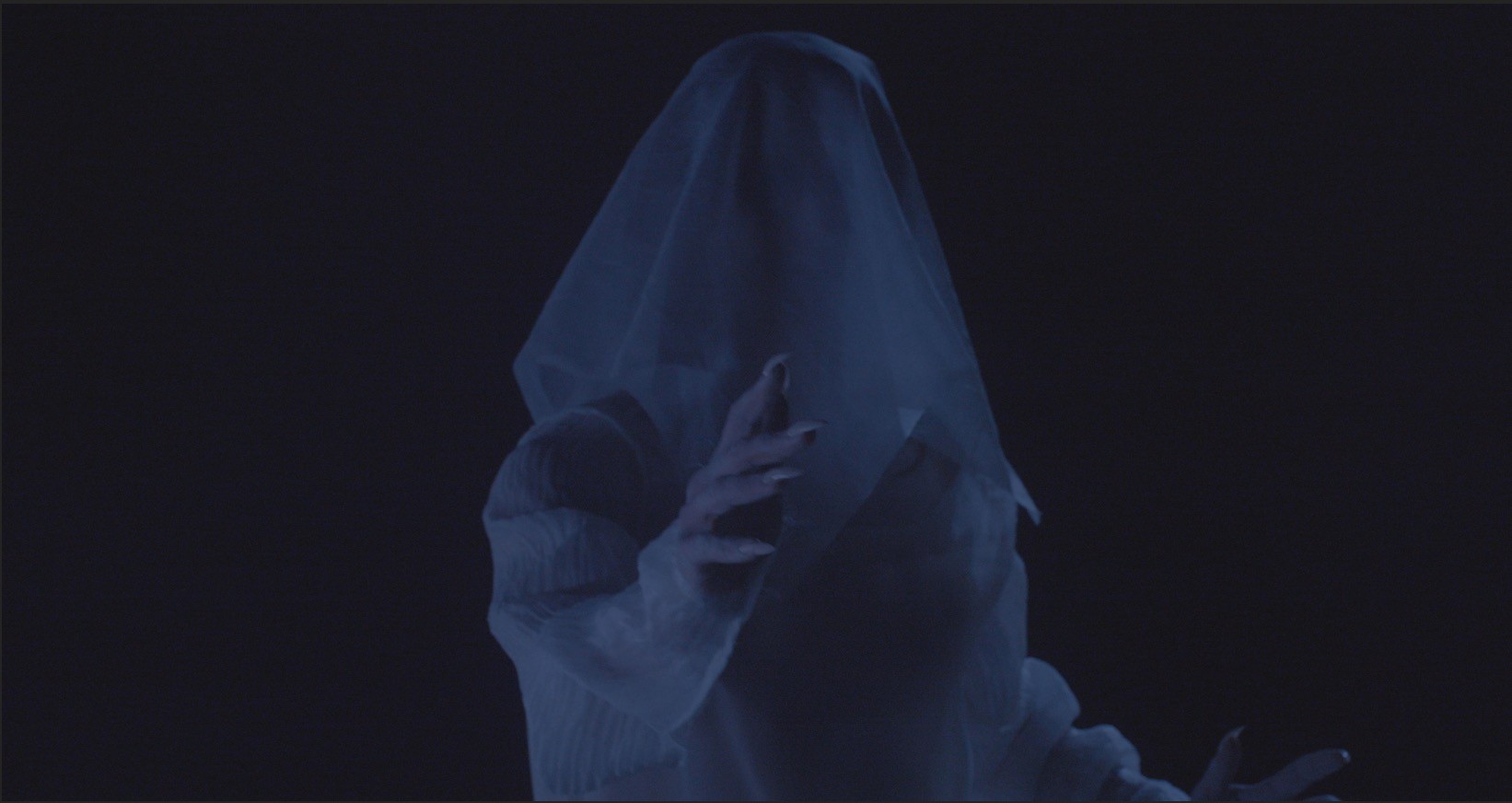
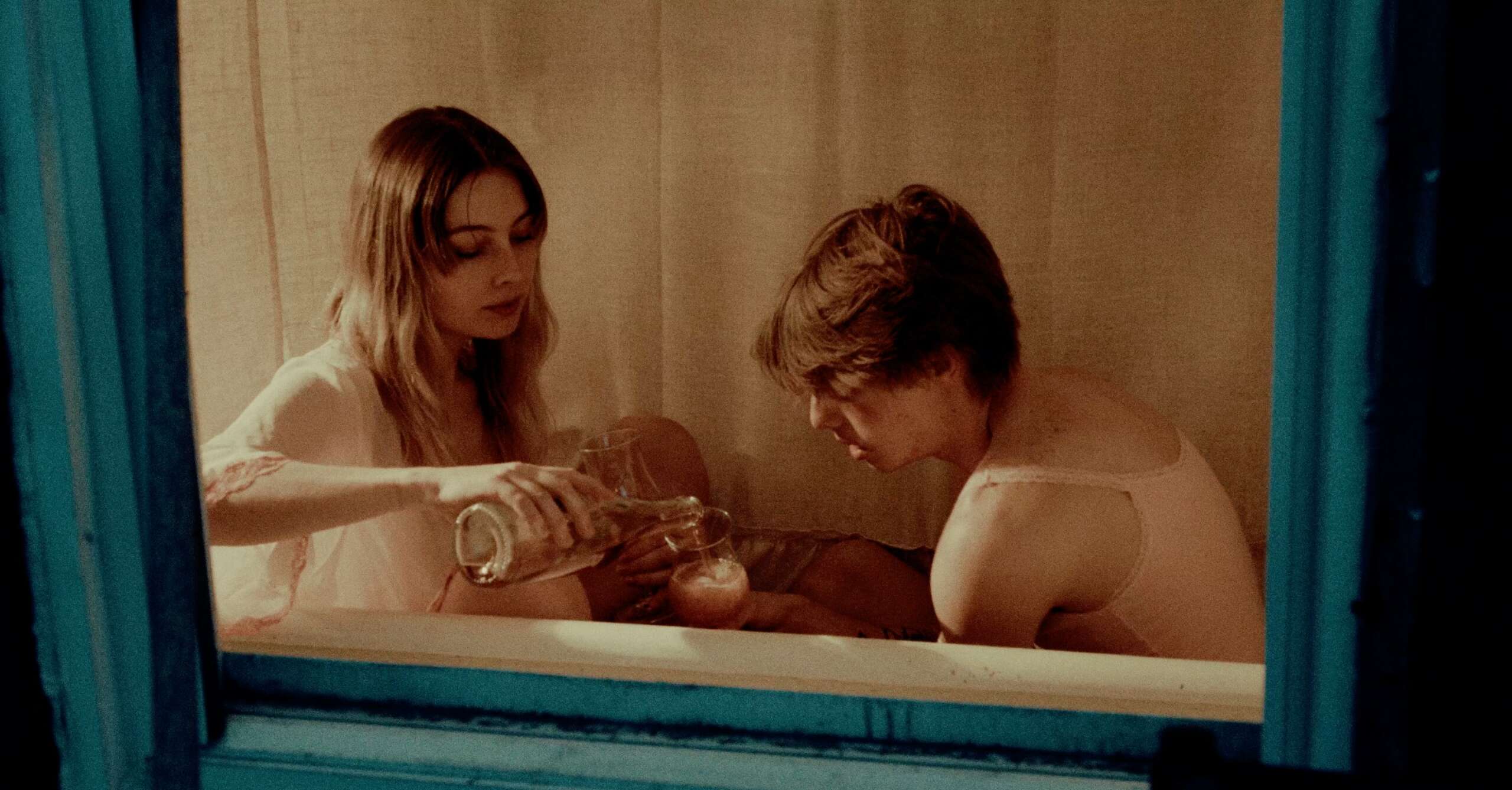
The sense of play. I feel so lucky to work in a space where my biggest, darkest, most beautiful, most absurd, embarrassing and ugly emotions are welcomed. I have the freedom to express the best and the worst parts of my humanity. I can experiment with feelings I would otherwise repress, and explore all of the emotions and experiences that make up who I am at my core. I get to know myself more and more through each character I approach. This is not only fulfilling on an intellectual level, but I simply have so much fun.
Contact Info:
- Website: parisdwyer.com
- Instagram: https://www.instagram.com/parisdwyer/
Image Credits
Min Soo Park Kevin Kim Maddy Wyatt Willow Nichols Matteo Mcoelho
Suggest a Story: CanvasRebel is built on recommendations from the community; it’s how we uncover hidden gems, so if you or someone you know deserves recognition please let us know here.