

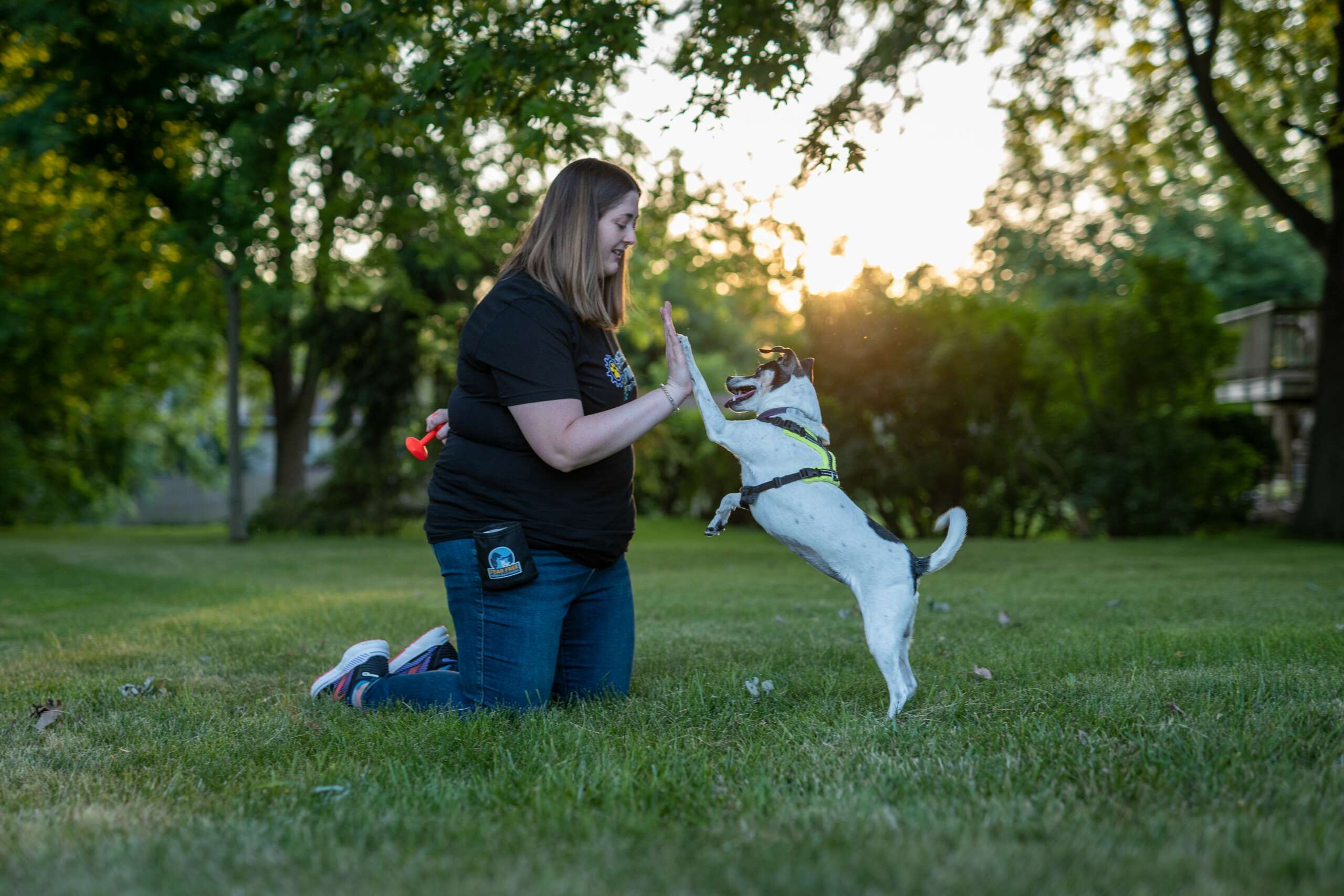

We were lucky to catch up with Mallory Kratimenos recently and have shared our conversation below.
Mallory, thanks for joining us, excited to have you contributing your stories and insights. Naming anything – including a business – is so hard. Right? What’s the story behind how you came up with the name of your brand?
When coming up with the name for my business, I knew I wanted it to be something unique. I went through several names before finding the one that really fit and landed on Engineering Optimism Dog Training, which is made up of a couple of different parts.
I graduated from Purdue University with two Bachelors degrees – one in Health & Human Sciences and the other in Engineering. I view dog training often through my engineering lens. Finding training solutions to modify behavior effectively and efficiently can be similar to an iterative design process. You need to take into account the unique circumstance of the guardian, dog, and environment they share to find the right solution for those individuals.
The optimism piece both came from my soul dog – Gracie, who was ever the little optimist – as well as based on some of the research that has been done on optimism in dogs. Some of the research shows that dogs who are trained with positive reinforcement tend to be more optimistic and experience more positive emotions.
My ultimate goal is to help dogs and their guardians live happier, fuller, and more joyful lives together, so Engineering Optimism was a great fit!
Mallory, love having you share your insights with us. Before we ask you more questions, maybe you can take a moment to introduce yourself to our readers who might have missed our earlier conversations?
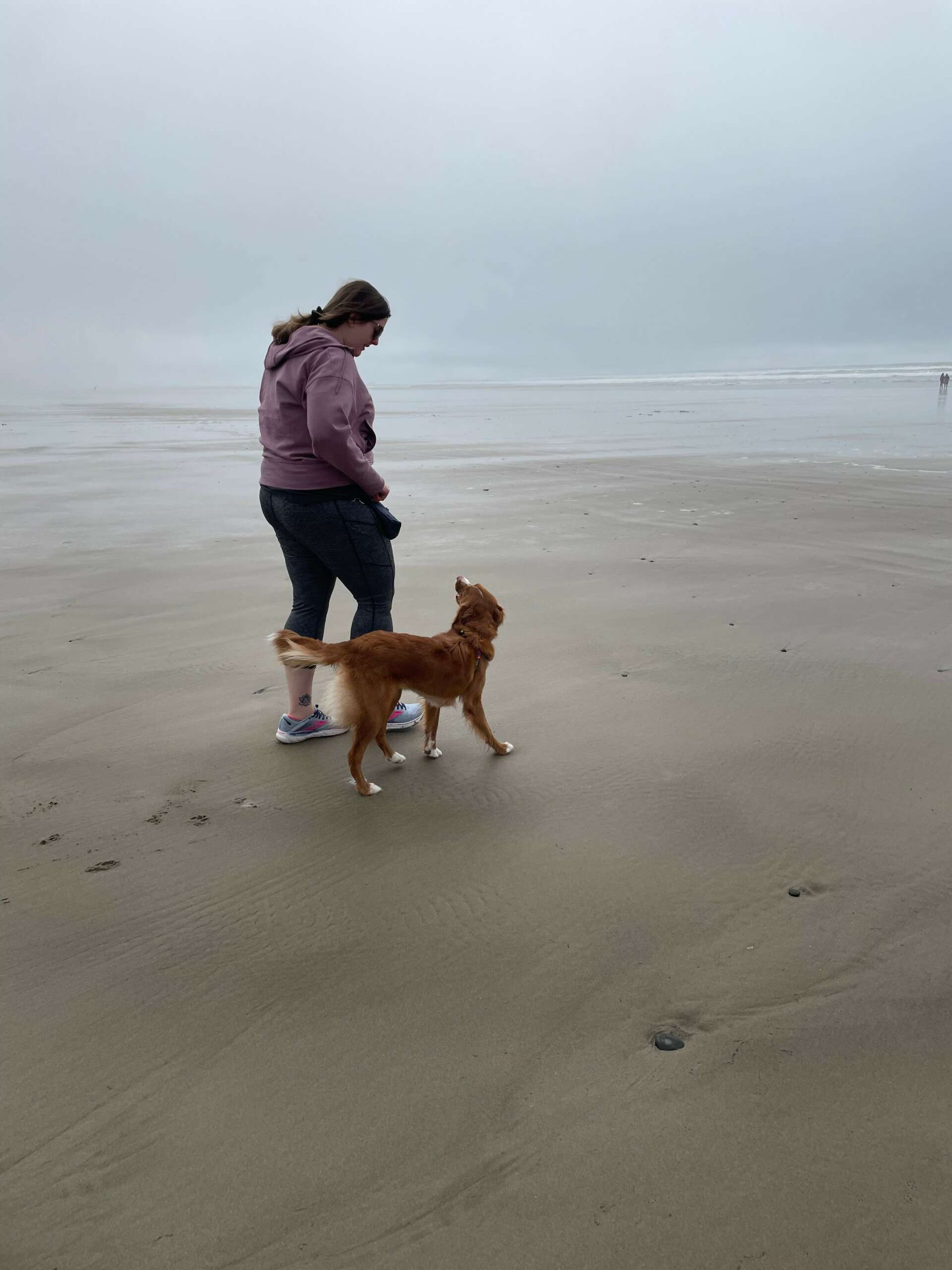
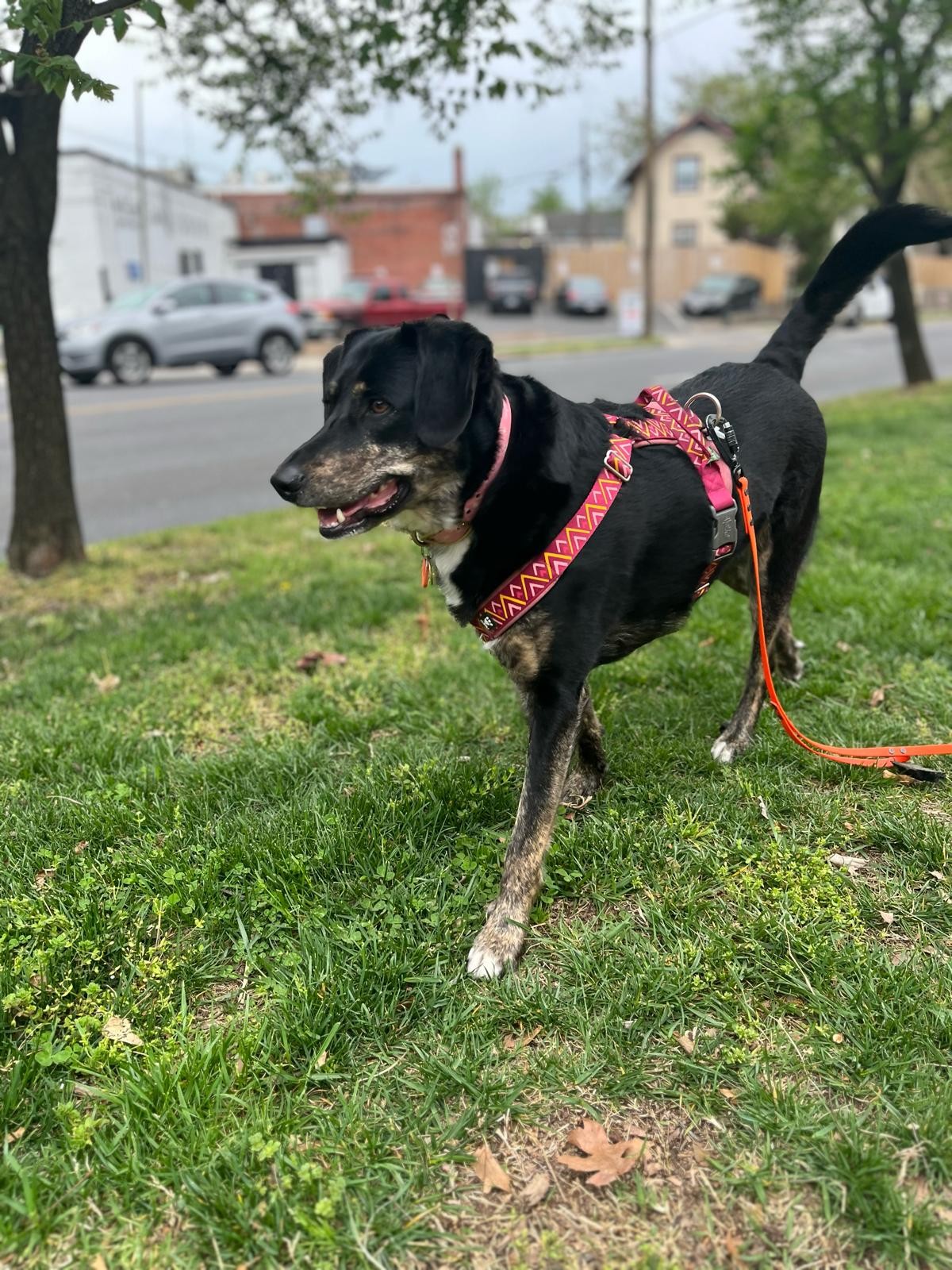
Ultimately, it was my love of animals and my own journey with my personal dogs that sucked me into the world of dog training. Both of my dogs displayed various degrees of reactive behavior on leash such as barking, lunging, and even redirecting aggression when around triggers like strangers and dogs. If you have ever shared your life with a reactive dog, you know firsthand that it can be immensely difficult. We all have this vision in our head of what our lives with our dogs is supposed to be like and when reality misses that mark – and it often does due the expectations we place on our dogs – it can be hard to accept!
I started my career in the shelter world many, many years ago while in college and have been involved in rescue work throughout most of my professional career before taking the leap to start my own business. In this way, dog training and behavior has always been something I felt passionate about. Prior to starting my business, you could find me reading dog training and behavior books in my spare time, training my own dogs, and providing support to adopters of rescue dogs.
Jump forward to 2019, I left the only job I had known as a business consultant to find something I felt more connection to. I found it very shortly after starting an instagram page to share my journey with my reactive dogs. After enrolling in Victoria Stilwell’s Academy for Dog Trainers to ensure that there were no gaps in my knowledge and obtaining my certification, I founded Engineering Optimism Dog Training. Since then, I’ve pursued a lot of continuing education and other certifications to ensure I bring the best to anyone whom I work with. Given that dog trainers work with sentient species (both dogs and humans), I think that ethics are of utmost importance and so I hold myself to a very high standard.
I offer virtual based training in a multitude of forms such as private training packages, group classes, self-led courses, and ongoing programs. Virtual training may seem odd to some, but ultimately dog training is less so about the dog and often more about the human end of the leash. In changing our behavior, building a stronger bond, and rewarding our dog for behaviors we like, we can more effectively change behavior than sending our dogs to a totally new environment or bringing a new person into our environment to do the work for us.
In private training, I love working closely with clients to both better understand and successfully modify things we deem as undesirable behaviors such as reactivity, resource guarding, cooperative care (teaching dogs to feel more comfortable with grooming and nail trims), and much more. Up to this point many of my group classes, self-led courses, and ongoing subscription programs have been based on trick training – or teaching your dog fun tricks like waving hello and working toward trick titles – which is another passion of mine. However, I am working on a group reactivity program for small dogs.
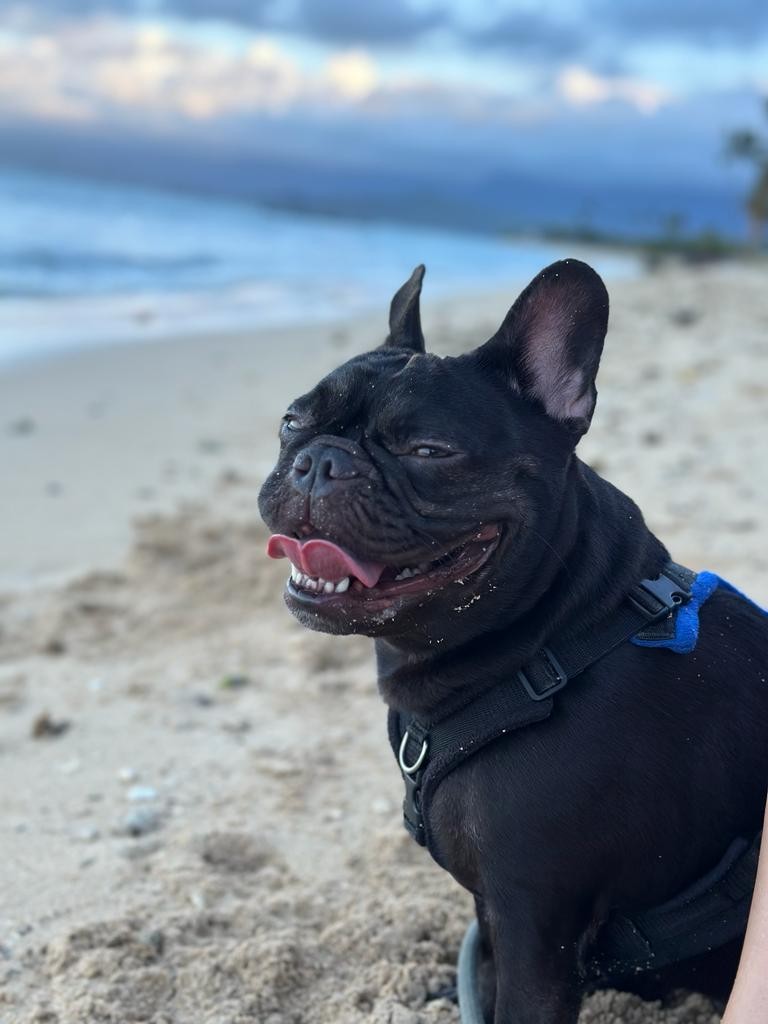
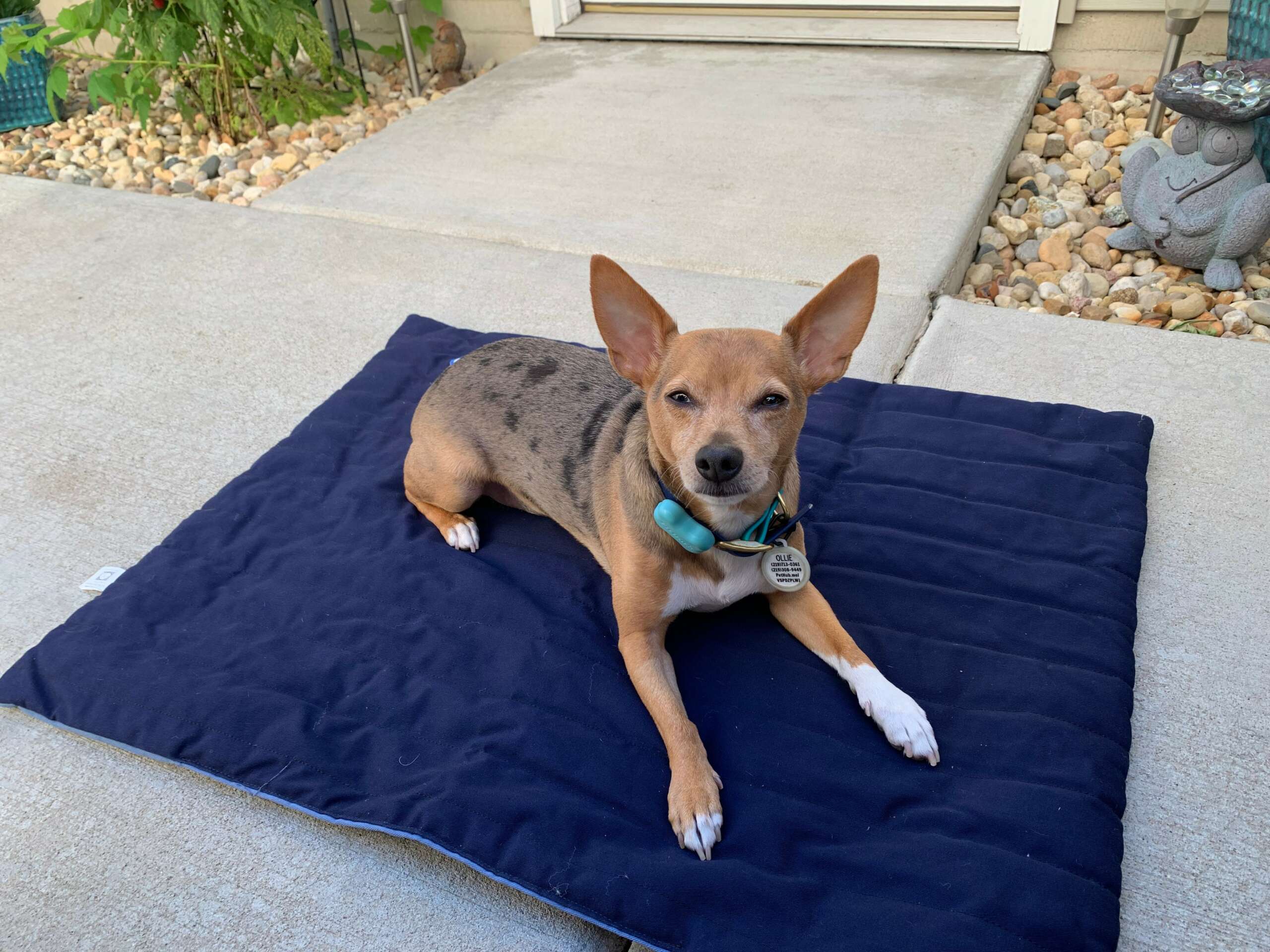
If you delve into my social media at all, you’ll also find that I am very passionate about small dogs and am working to hone my knowledge and skills as a small dog specialist. Unfortunately, small dogs get a bad reputation and are often less likely to get the socialization and training they deserve to treat behaviors that are often an outward reflection of emotional distress or anxiety. While these behaviors might be more tolerable in small dogs from a human standpoint given their size, I strongly believe that ignoring them can compromise the dog’s quality of life at times. I hope to change the view on small dogs and start ensuring that we take into account the special considerations they might need to thrive in a world larger than they are.
As a person, kindness and empathy are at the core of my values. As a dog trainer, I’m no different. I bring a lot of empathy, compassion, and kindness to my human and dog client teams. We all deserve a learning environment in which we feel safe both physically and emotionally, where we are set up from the start for success in order to minimize errors and frustration, and we receive lots of encouragement for our progress. If you’re struggling with your dog’s behavior, know that you are not alone – I have been in your shoes and there is a light at the end of the tunnel.
What’s worked well for you in terms of a source for new clients?
Since I function virtually, I’ve found social media to be the best source of new clients. While there are many social media platforms available, I pour most of my focus into Instagram as I feel that it fits best. I also have a Facebook where I cross posted. In addition to this, I’ve worked to build my email list from Instagram so that I am not solely dependent on it.
Can you tell us about what’s worked well for you in terms of growing your clientele?
Authenticity, hands down. As someone who has both perfectionist and people pleasing tendencies, it can be so hard to accept that I’m not going to be everyone’s cup of tea. However, as someone who sells a service I am also essentially packaging myself as a part of that service. I have found that being myself attracts clients I genuinely enjoy working with which makes it all feel much less like work.
Contact Info:
- Website: https://www.engineeringoptimismdogtraining.com/
- Instagram: https://instagram.com/engineeringoptimismdogtraining
- Facebook: https://www.facebook.com/engineeringoptimismdogtraining
- Linkedin: www.linkedin.com/in/mallorykratimenos
- Youtube: https://www.youtube.com/@engineeringoptimismdogtraining
Image Credits
George Niksch Photography Eva Hines (@the_marvelous_ms_mavi) Sara McLoudrey (@decisivemomentpetconsulting)