

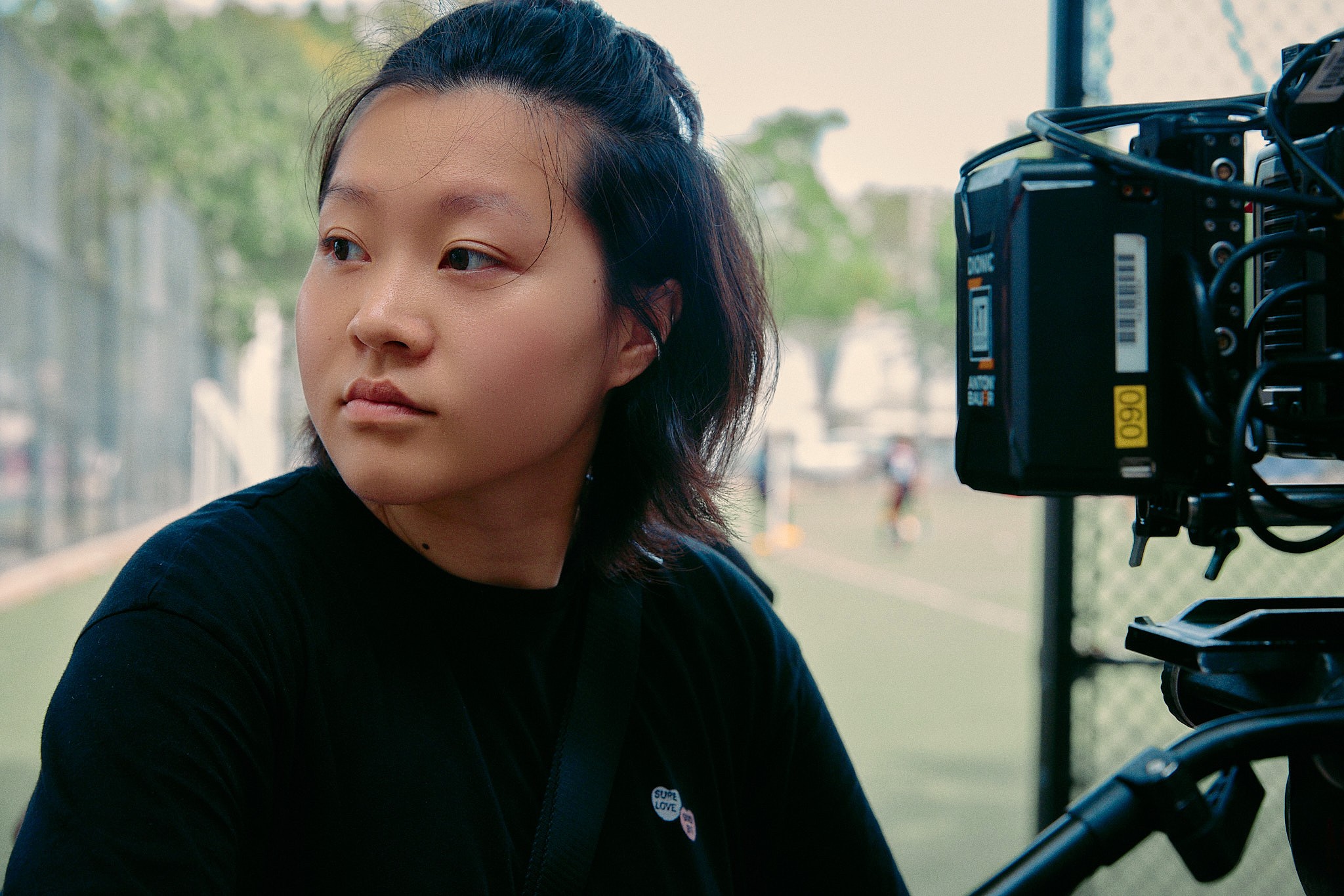

We recently connected with Louise Zhang and have shared our conversation below.
Louise, thanks for joining us, excited to have you contributing your stories and insights. What’s been the most meaningful project you’ve worked on?
One of the projects that has profoundly impacted me was a PSA video I created for the CDC, where I served as the cinematographer. This PSA tackled the opioid epidemic, focusing on combating the stigma associated with opioid addiction. The initiative’s goal extended beyond mere awareness; it aimed to fundamentally shift the medical community’s narrative and perspective towards the treatment and perception of patients battling opioid addiction. The video is currently being distributed among healthcare professionals in the New York area for educational purposes.
We conducted candid interviews with six individuals navigating the tumultuous journey of opioid addiction. These interviews were pivotal, not just for the raw and unfiltered truths they unveiled, but for the humanity they restored to a conversation often mired in prejudice and misunderstanding. Our interviewees shared their personal stories of how they initially encountered opioids, the descent into addiction, and the compounded struggle of facing stigma and judgment when seeking medical assistance.
The project’s potential to bring about tangible change is what made it particularly meaningful to me. It aimed to foster empathy, understanding, and a more compassionate approach among doctors and healthcare professionals. The process of filming, from setting up each shot to capturing the raw emotions of the interviewees, was a reminder of the power of visual storytelling to influence perceptions and inspire change. It was an honor to contribute to a project that not only challenged societal norms but also amplified the voices of those often silenced.
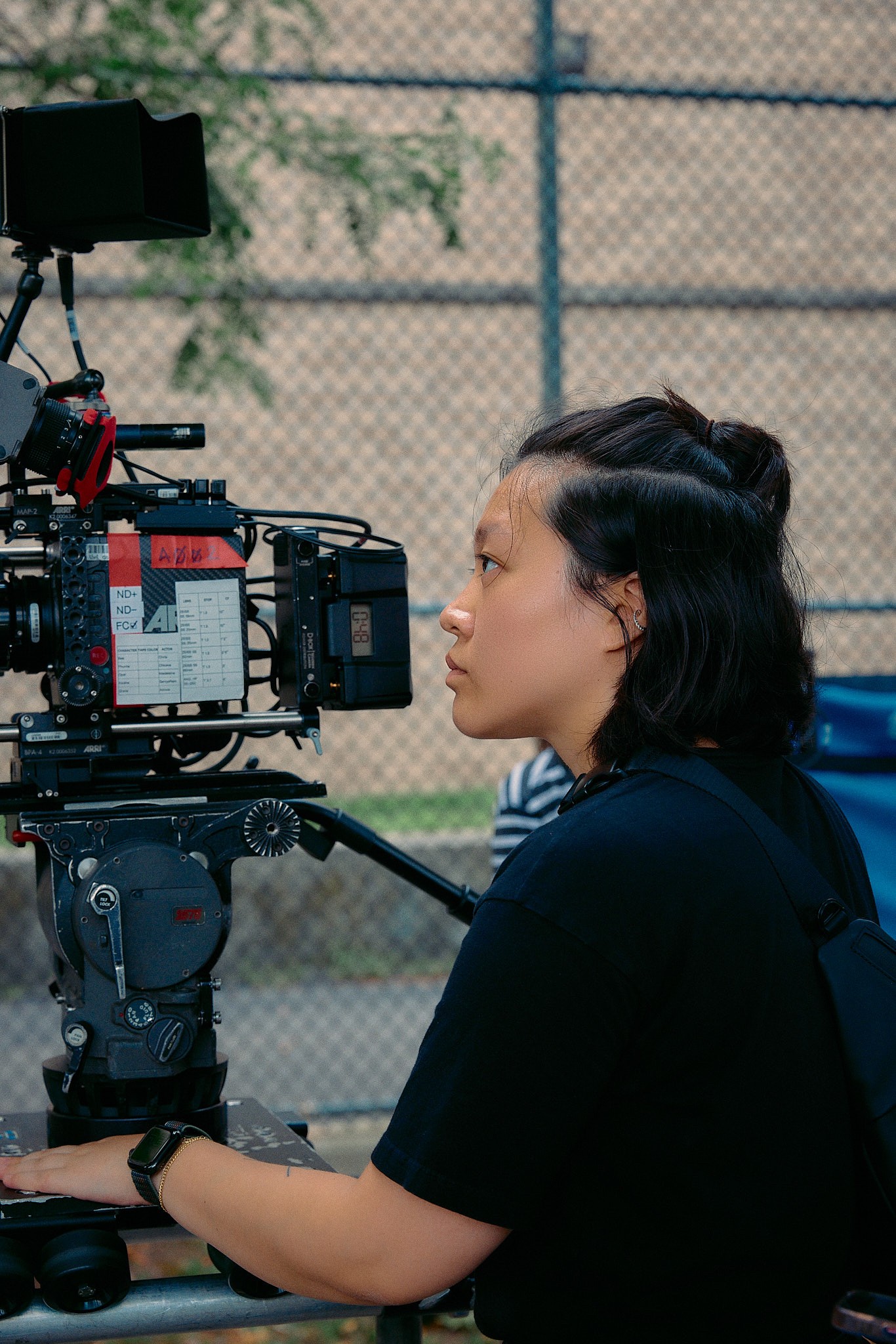
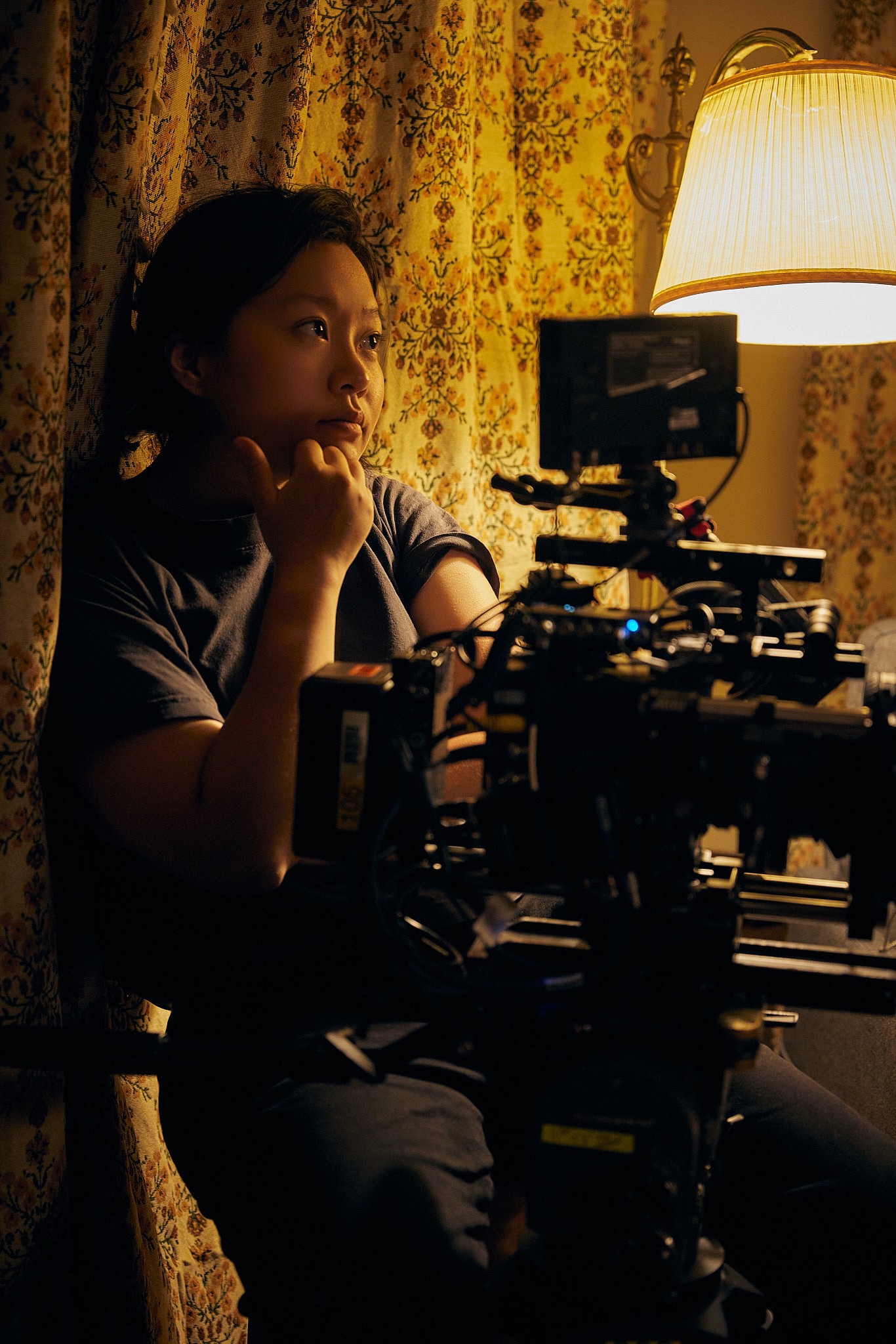
Louise, before we move on to more of these sorts of questions, can you take some time to bring our readers up to speed on you and what you do?
I was born and raised in Shanghai, China, as the only child of busy working parents, who rarely had time to spend with me. Thus, my childhood was filled with movies from all around the world to keep me company. Those films were windows to distant cultures and emotions. They taught me how to love, be brave, and be kind when kindness seems impossible. From an early age, I started to develop a profound desire to tell stories that would have those powers.
My formative years were spent between the contrasting environments of bustling Shanghai and the wilderness of New Hampshire, where I attended boarding school. It was there, amid cultural shock and identity crisis, that my love for literature, language, and visual storytelling took root. This passion only deepened over time, and eventually led me to the Graduate Film Program at NYU Tisch, where I honed my craft among a community of filmmakers dedicated to pushing the medium forward.
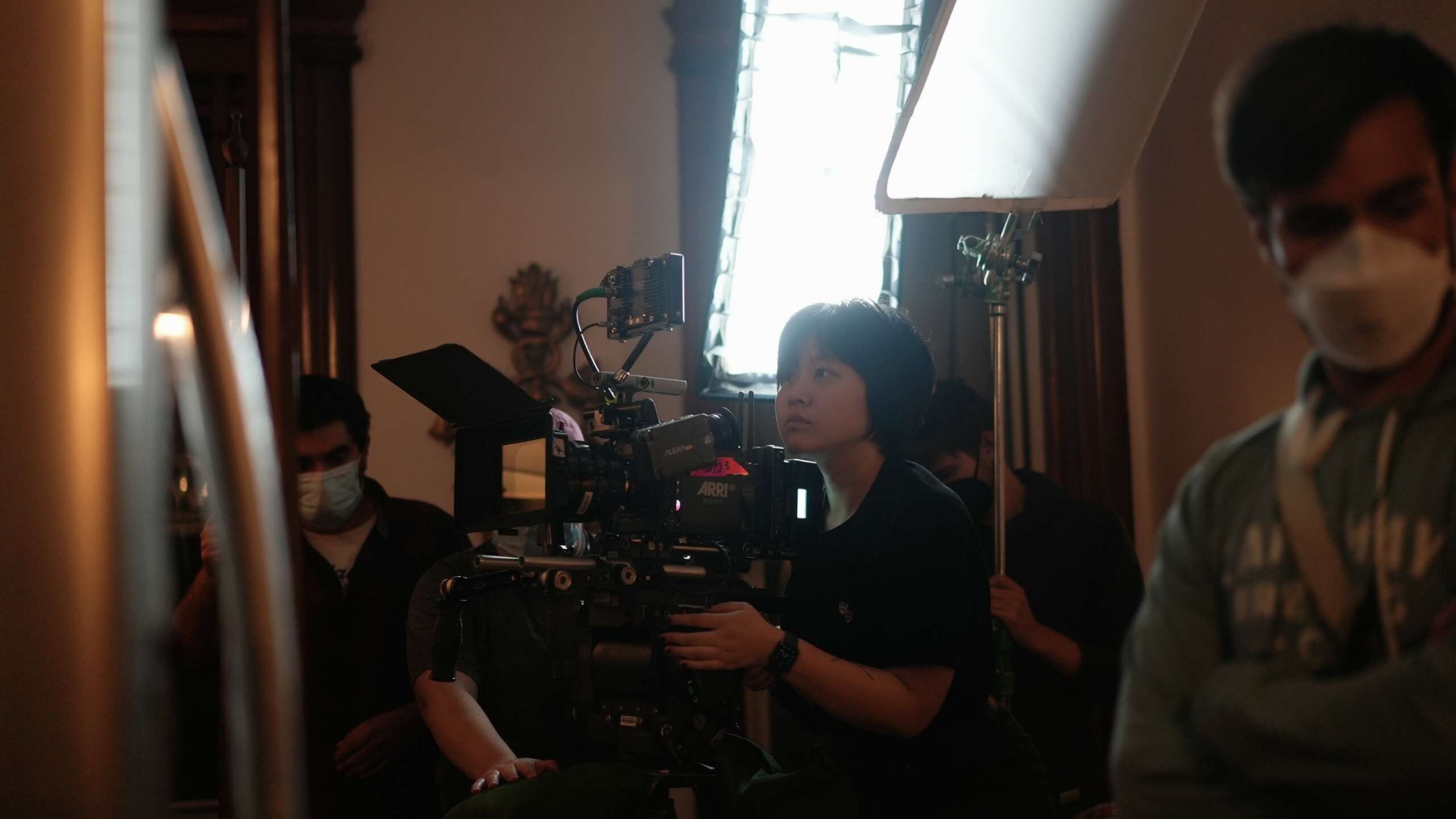
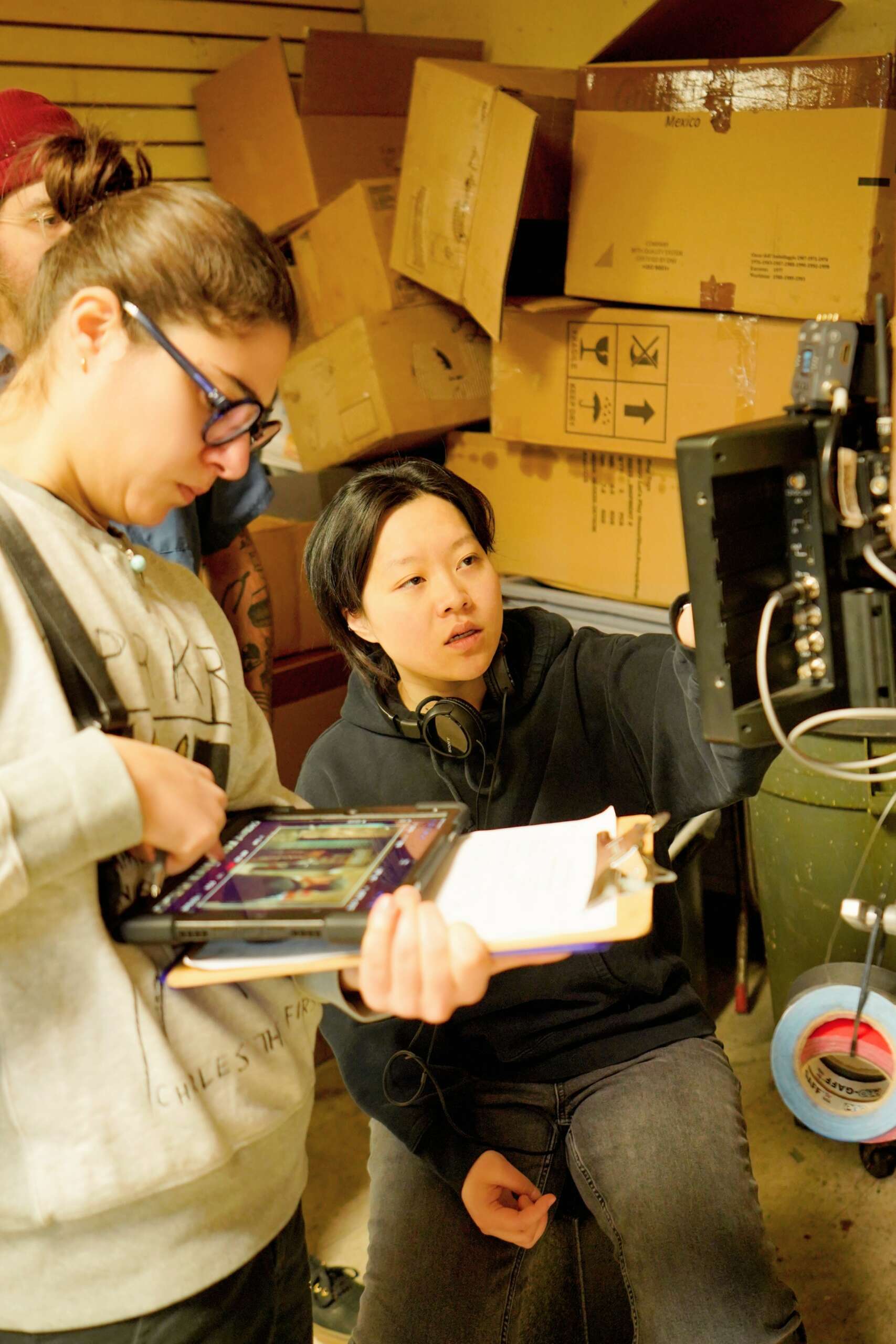
Today, I work as a freelance director and cinematographer in New York. My portfolio spans a wide array of formats, from narrative shorts and vertical drama series to commercials and branded content. In my directorial projects, I focus on elevating the stories of minorities, addressing crucial issues such as gender equality, freedom of expression, and the journey toward healing and empowerment. One of my notable works, “Nights and Days in America,” tells the story of a young Chinese woman as she grapples with the complexities of grief and displacement. The film’s selection for festivals like Cairo International Film Festival, Palm Springs ShortFest, and HollyShorts, among others, underscores the universal resonance of these deeply personal narratives. In addition, my cinematography and editing work, “Jules & Dee,” reimagines Shakespeare’s iconic tales of Romeo and Juliet and King Lear through a contemporary lens, spotlighting the narratives’ female leads. By merging the dramatic confines of theater with the authenticity of real-world settings, this work breathes new life into centuries-old stories, making them relevant and engaging for today’s audience.
My versatility as a cinematographer is one of my defining traits, with a broad range of experience from shooting with traditional 16mm and 35mm film to complicated underwater cinematography. At the heart of my approach is a deep reverence for storytelling. With every project, I seek to understand the core of the story, and find the most fitting visual aesthetic for it. My commitment goes beyond merely presenting stories that engage with and question societal norms – I am dedicated to constant technical and intellectual growth in my craft. Through both the camera’s lens and the narratives I choose to explore, my goal is to craft content that does more than entertain; I seek to enlighten, inspiring viewers to perceive the world and its diverse colors. To my potential clients, followers, and fans, I offer not just a portfolio of distinguished works, but also a steadfast vow: to persist in pushing boundaries, challenging conventions, and bringing innovation to the forefront of filmmaking.
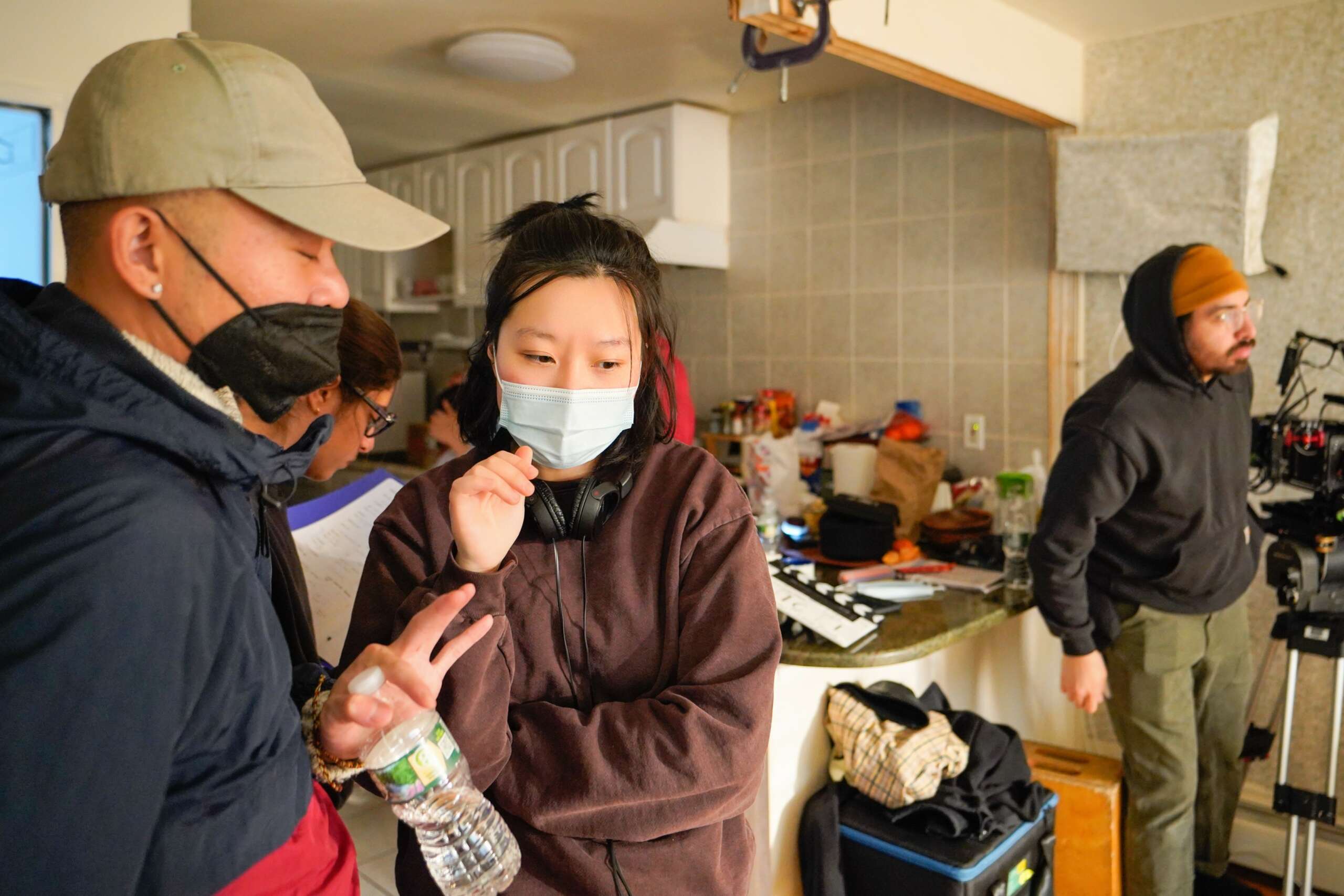
What’s the most rewarding aspect of being a creative in your experience?
The most rewarding aspect of being an artist, for me, is to see my work connect with individuals across the globe, eliciting emotions and transcending cultural, geographical, and linguistic divides. Visual storytelling has the unique power to draw out fundamental human emotions that we all share, bridge distances and differences. Knowing that my creations have reached continents I have yet to visit is the greatest fulfillment a filmmaker could aspire to.
In your view, what can society to do to best support artists, creatives and a thriving creative ecosystem?
I believe that early-career support for creatives is crucial. Take film school graduates, for instance; breaking into the industry and moving beyond entry-level roles can be daunting. Much of filmmaking hinges on networking and connections. Enhancing these opportunities for newcomers could make a significant difference. Moreover, the financial barrier to creating a movie is steep. If society could provide more financial support to artists, allowing them to concentrate on crafting meaningful work rather than juggling jobs to make ends meet, we’d foster a more sustainable creative ecosystem.
Contact Info:
- Website: louisezhangfilms.com
- Instagram: @louisez221