


We caught up with the brilliant and insightful Cory Choy a few weeks ago and have shared our conversation below.
Cory, thanks for taking the time to share your stories with us today Can you talk to us about a project that’s meant a lot to you?
My heart was pounding. My hands were shaking. I was breathing hard, trying to choke back the tears. I dropped to my knees, closed my eyes, and pressed my forehead to the pavement. I had, in only my tee-shirt, in the late-fall cold, just sprinted full-tilt across 6th Avenue Midtown Manhattan traffic, dodging honking cars, speeding cyclists and shouting people. I poured out my heart, laid everything bare, left it all on the table. It was really, truly, everything I had left in me. But it wasn’t enough. In my mania, my delirious drive, my whirlwind forward trying to finish, I had somehow, inexplicably, managed to sever the bonds of trust. And when there is no trust, there is nothing. Three years of blood, sweat, and tears slowly disappeared down the subway steps with the backs of their heads. It was over. The wind blew mercilessly. On the last day of filming, right before company move to the last location, right before we were to shoot the pivotal opening scene at a location, with equipment and people I would never, ever, not in a million years, ever be able to bring together again…
“I want to finish.” My heart flew into my mouth. And there they were– there she was. An angel; her form, my tears, and the sparkling city lights working together to create an ethereal being.
I opened my mouth to speak. “…”
“Don’t. Not… One… Word. This is for her.”
My walkie talkie, which had come loose and fallen to the ground about twenty feet away, crackled. “Are you there? What’s going on? Hello? What do we do? Should we call it? People are getting ready to shut down.” The blood rushed to my head and the world spun. No time. I stood up, staggered to the walkie. “We’re on.” I croaked, “We’re on.”
================================
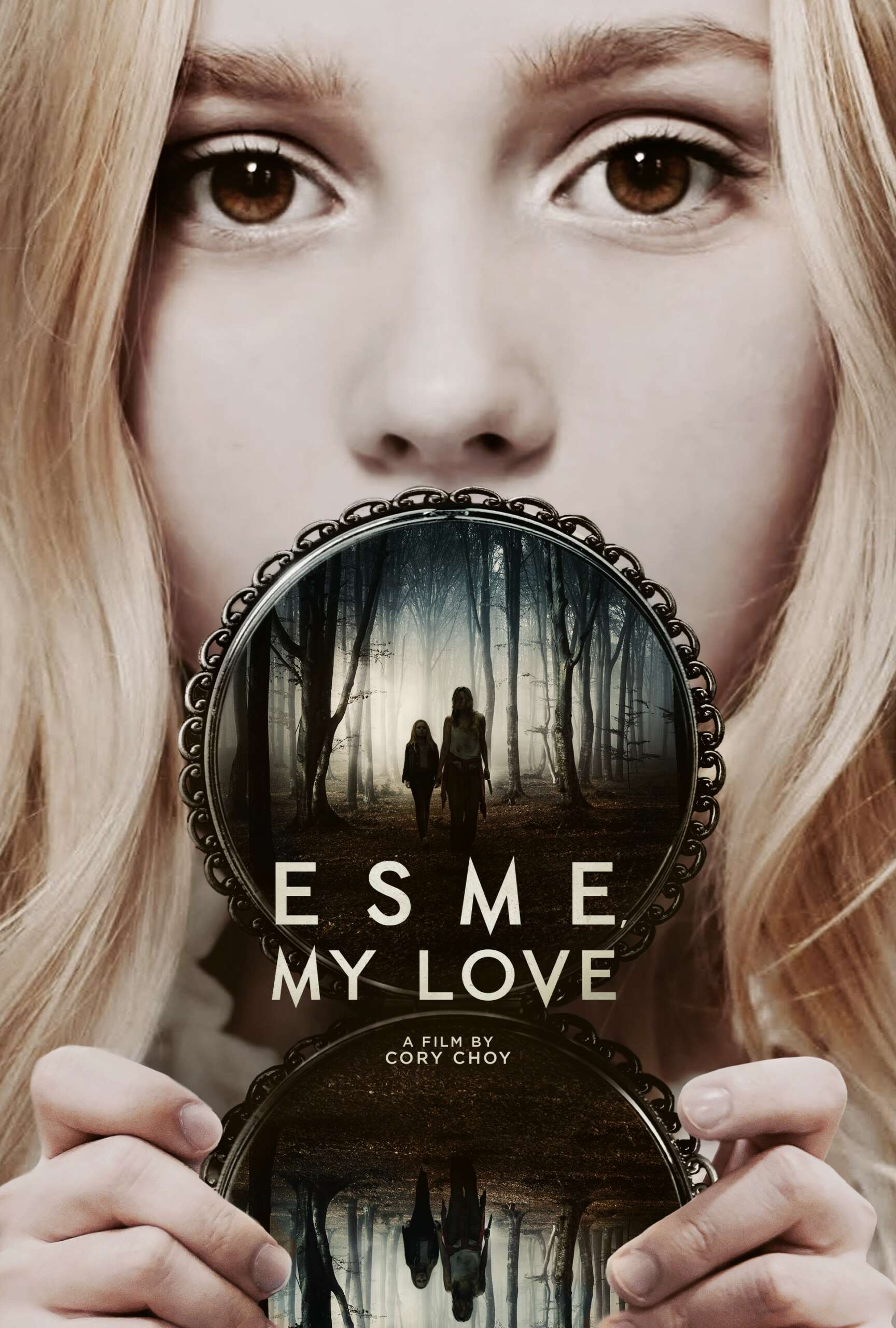
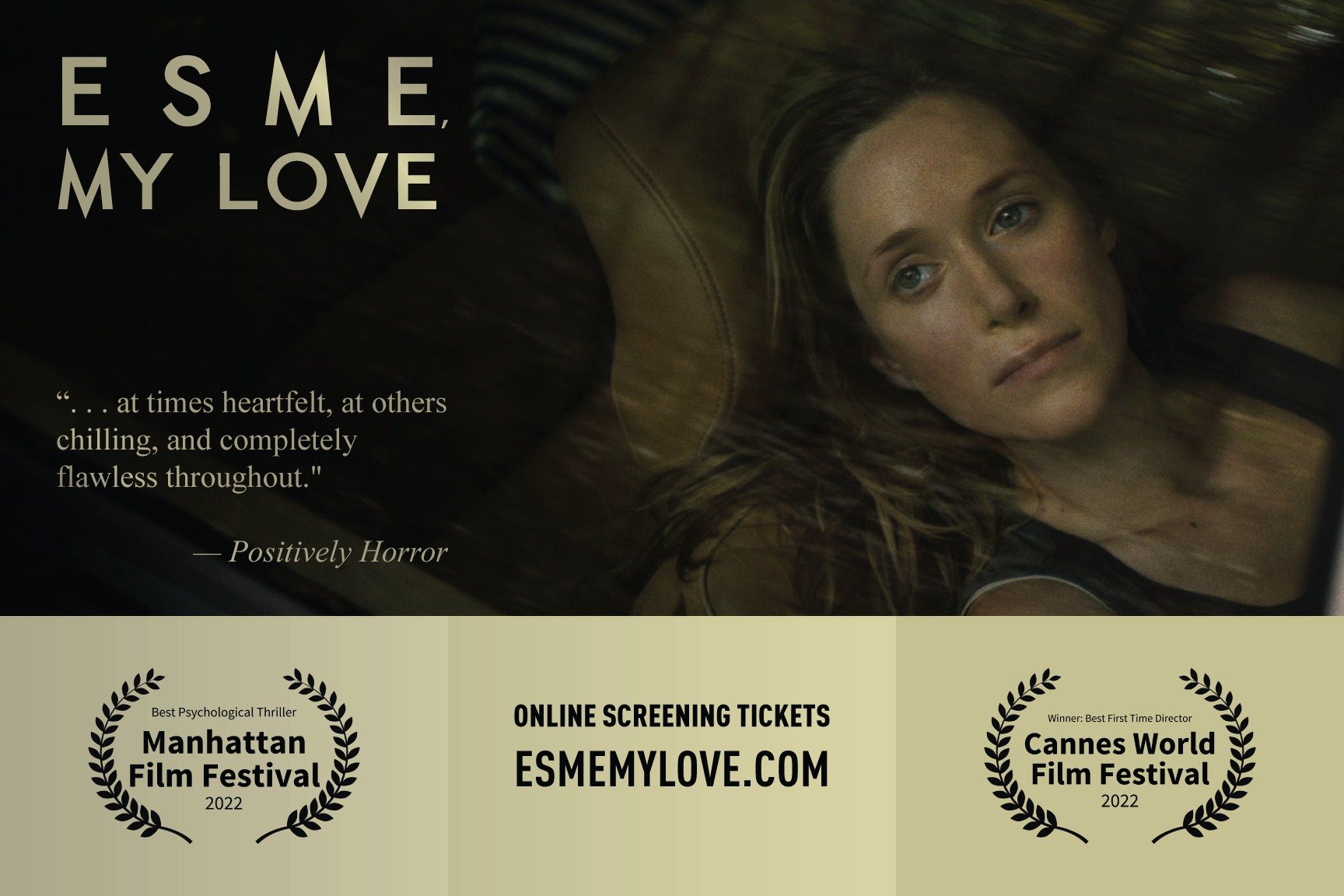
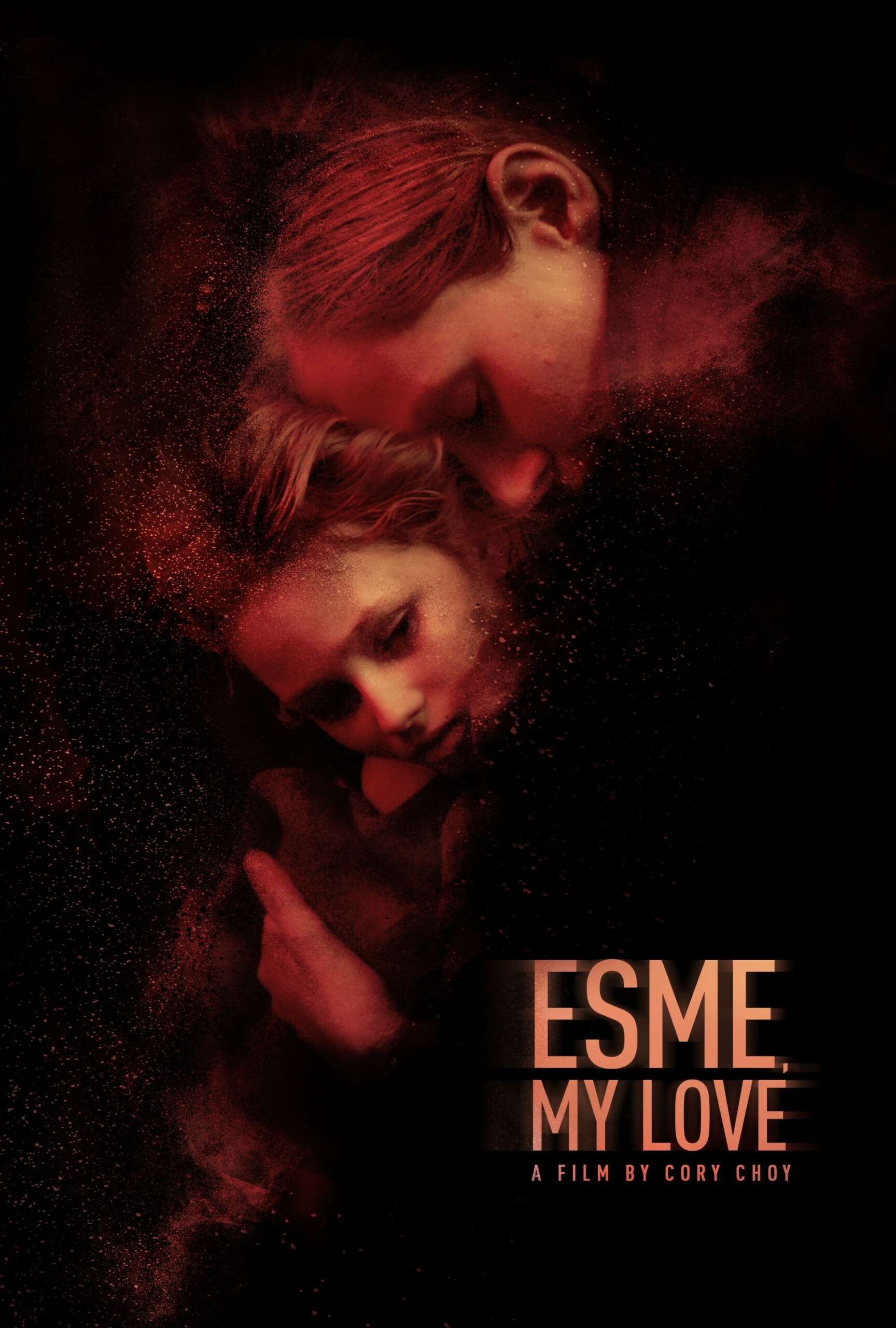
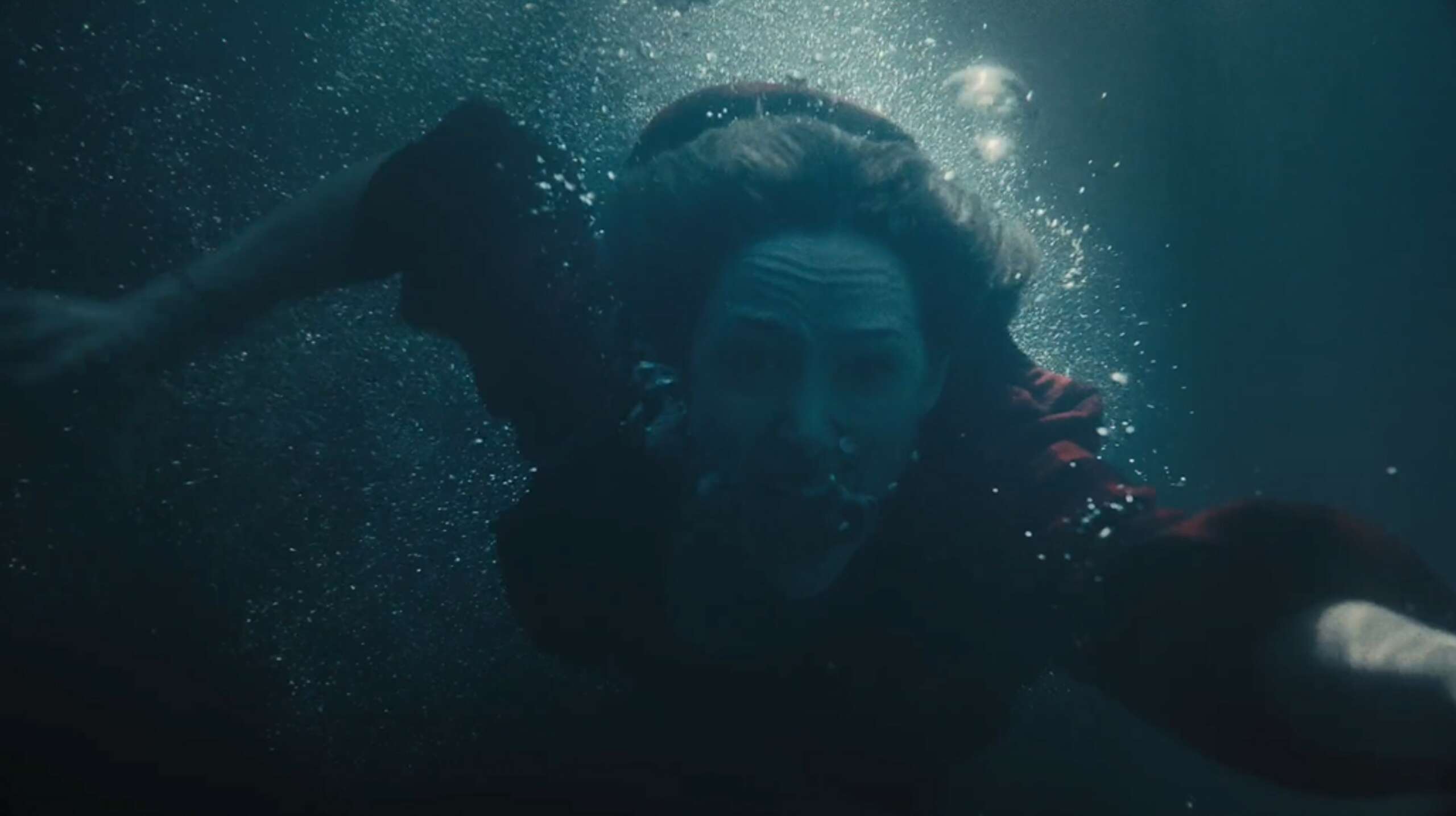
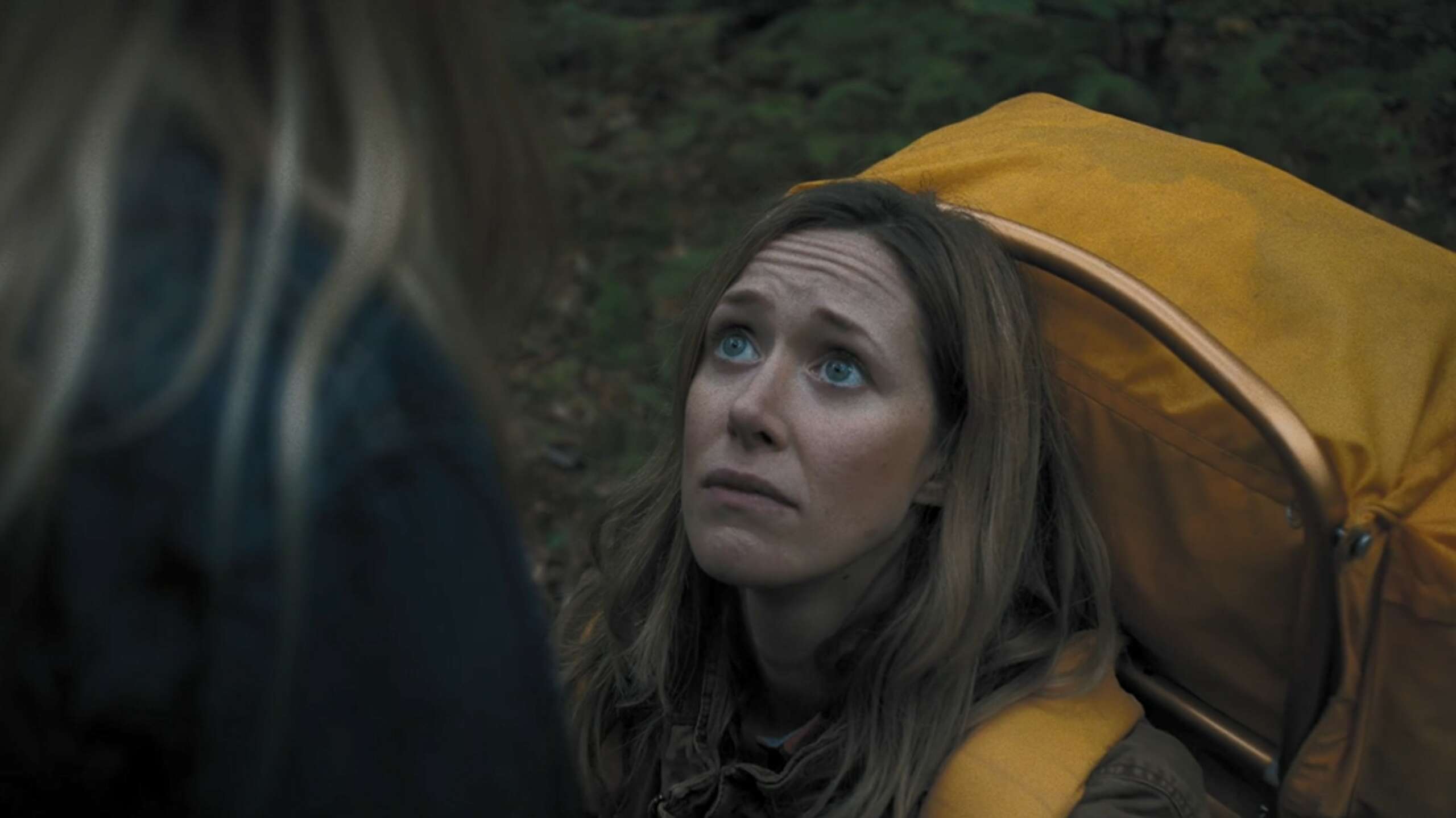
Six years ago, in 2018, I set out with a group of incredible, powerful, wonderful, beautiful, daring people to create “Esme, My Love,” a spiritual magical realism/slow-burn psychological thriller — my narrative directorial debut. It was one of the most trying and triumphant experiences of many of our lives, and after making it through together, and stronger, we emerged with the the movie we wanted to make. It was glorious.
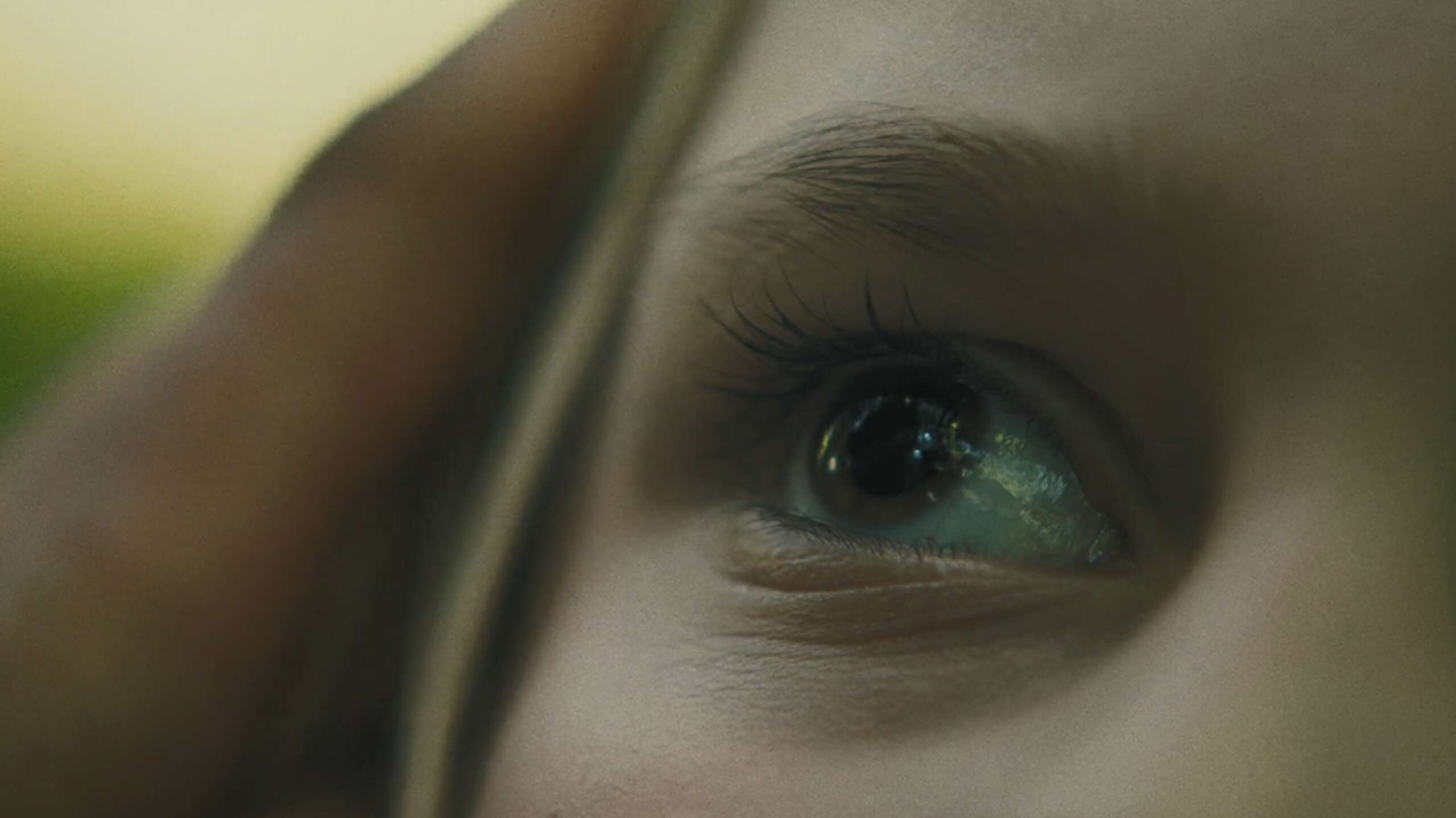
“Esme, My Love” has two different kernels of inspiration. The first was one of the most haunting stories I’ve ever been told first hand. A woman described to me a transformative experience that she had with her young 2-year-old daughter. Late, late one night, she awoke to hear her daughter pattering down the hall towards her room. However, this time, a figure, a being she didn’t recognize, was silently shadowing her unaware little girl. It turned to her, smiling, put its hand to its mouth and whispered “shhhhhhhh.” To me, this is absolutely terrifying. “No, this is the most beautiful and spiritual thing that ever happened to me. Because that person, that being, was an angel. I’ve never had anything like that ever happen to me again. I was filled with the most intense sense of joy and well-being that I’ve ever felt– I saw the face of God.”
That duality stayed with me. That something absolutely horrifying to one person can be transformatively spiritual and beautiful to another.
‘Esme, My Love’ is is based on true events, and another big source of inspiration was the family lore and property of the DeLarm family from Hague, New York, which is on the border of New York and Vermont. We shot the film on the DeLarm family farm and borrowed many of the characters’ backstories and stories from actual members of the family. There are three sisters who currently share the property and they had a great, great grandmother named Hannah.
As a child, Hannah was almost kidnapped. There were some travelers in town. They were known back then as Gypsies, and after they finished their business in town, as they were leaving, they took little Hannah and put her in their wagon. She had bright red hair, and one of the neighbors noticed. “Hey, wait a second. That’s got to be the DeLarm girl, she doesn’t look like those travelers.” They saddled up their horses, sounded the alarm, and got the girl back. When Hannah hugged her mother, she had a St. Christopher’s medal in her hand (which, over one hundred years old, is also the actual medallion we use in the film.) The character Hannah was not soley based on the actual Hannah, but is instead an amalgamation of many different people and stories from the DeLarm family’s rich history and folklore.
As always, we appreciate you sharing your insights and we’ve got a few more questions for you, but before we get to all of that can you take a minute to introduce yourself and give our readers some of your back background and context?
WHERE DID YOU GROW UP, AND WHERE DO YOU CURRENTLY LIVE?
I grew up in Silver Spring, Maryland, right outside of Washington DC. I currently live in Bedford-Stuyvesant, also known as Bed-Stuy, in Brooklyn, New York.
WHAT FILM MADE YOU WANT TO MAKE MOVIES?
I don’t think there really was a single film that made me want to make movies. But I can say that a huge influence on me, in general, is my parents. My mother is a playwright and author. My dad was a computer programmer, and they are both musicians. My father plays guitar and my mother plays accordion. Because of them, music and theater were a big part of my life growing up.
As a result, I always had a love for storytelling. Because of my father’s programming influence, when I was in middle school, I actually designed my own video games in Macromedia Flash. They were hosted on the site Newgrounds, and I believe you can even find one of them today online (it’s called The Chickenator 2000). From there, I developed a love of animation. I think that was one of the big reasons I ended up going to film school; I wanted to pursue animation–I thought.
Some films I loved as a kid in no particular order: Edward Scissorhands, The Phantom Tollbooth, Pink Floyd: The Wall, Dumbo, The Goonies, ‘Weird Al’ Yankovic: UHF, Léon: The Professional, The Ring, Fight Club, Beetlejuice, and Wayne’s World. Video games also had a huge impact on me, particularly the cinematic and iconic Lucas Arts games like the Monkey Island series, Day of the Tentacle, Sam and Max Hit the Road, and Indiana Jones and the Fate of Atlantis.
How about pivoting – can you share the story of a time you’ve had to pivot?
YOU ARE AN EMMY-AWARD WINNING SOUND MIXER, WHEN DID YOU KNOW YOU WANTED TO DIRECT?
Although professionally I got my start as a sound person–both on location and in post–I’ve always been working on my own projects. Oftentimes, small animations songs, or podcasts.
At that time, because I was focused professionally on developing my craft and making a living in sound, I really just found that I didn’t have time to work on my own films full-time, and realized that I wouldn’t ever unless I made a concerted effort. That probably happened around 2013 or ’14 when I realized that my sound studio and business were finally stable enough so that I could finally work on a doc I wanted to make for a long time: a doc about the coffee house musical performances my parents were putting together and running in Maryland for many years.
WHAT STEPS DID YOU TAKE TO DEVELOP YOUR EARLIEST PROJECTS?
I think I was pretty acutely aware that to make a good film, it was of utmost importance that I had the best possible collaborators. So when I decided to start directing my own projects, the first thing I would do would be to think about finding the best collaborators to work with. People who were both talented and on the same page as me, but who also would be willing to help me out since I didn’t have any sort of huge financial backing from anyone.
Having run Silver Sound and worked as a sound mixer and designer for many years on many people’s projects, I realized that I had a large network of eager people who I had done many favors for and who would probably be more than willing to return some of those favors when it came to helping me make a feature film.
I didn’t want to ask everybody to work for free, though, so I still needed to raise a good amount of money. I was extremely fortunate to find two main investors who put in roughly half of the shooting budget of $90,000 and I raised the rest on my own.
How can we best help foster a strong, supportive environment for artists and creatives?
ESME, MY LOVE STARS WOMEN, WAS CO-WRITTEN AND CO-EDITED BY WOMEN, WITH CINEMATOGRAPHY BY A WOMAN, AND A SCORE COMPOSED BY WOMEN. WAS THAT INTENTIONAL, AND WHAT DYNAMIC DO YOU THINK THIS BROUGHT TO THE FILM?
This is a story about a woman and a girl, and it was absolutely critical to work with a woman co-writer (Laura Allen). Fletcher Wolfe–my cinematographer–Charlotte Littlehales, and Stephanie Griffin–my composers– brought so much to the film in terms of quality and… vibe? I guess it’s kind of the word, but not exactly. All the love and empathy are channeled by Charlotte’s voice, while the strings bring tension and fear.
I don’t think that my cinematographer necessarily needed to be a woman. It just so happens that Fletcher was absolutely the best person for the job. The music, however, I do think was important for someone who had the experience of being female to write, since so much of the “maternal love” aspect of the film came through the music. One of my editors, Ellie Gravitte, is a woman, and so is my UPM (Crystal Arnette), my production designer (Kyra Boselli), casting director (Catherine Corcoran), and sound mixer (Ash Knowlton). Did these roles need to be fulfilled by women specifically? No. These folks happened to be the best suited for the job. But it makes me proud that so many of them were women.
WHAT WAS IT LIKE WORKING WITH YOUR TWO LEAD ACTORS?
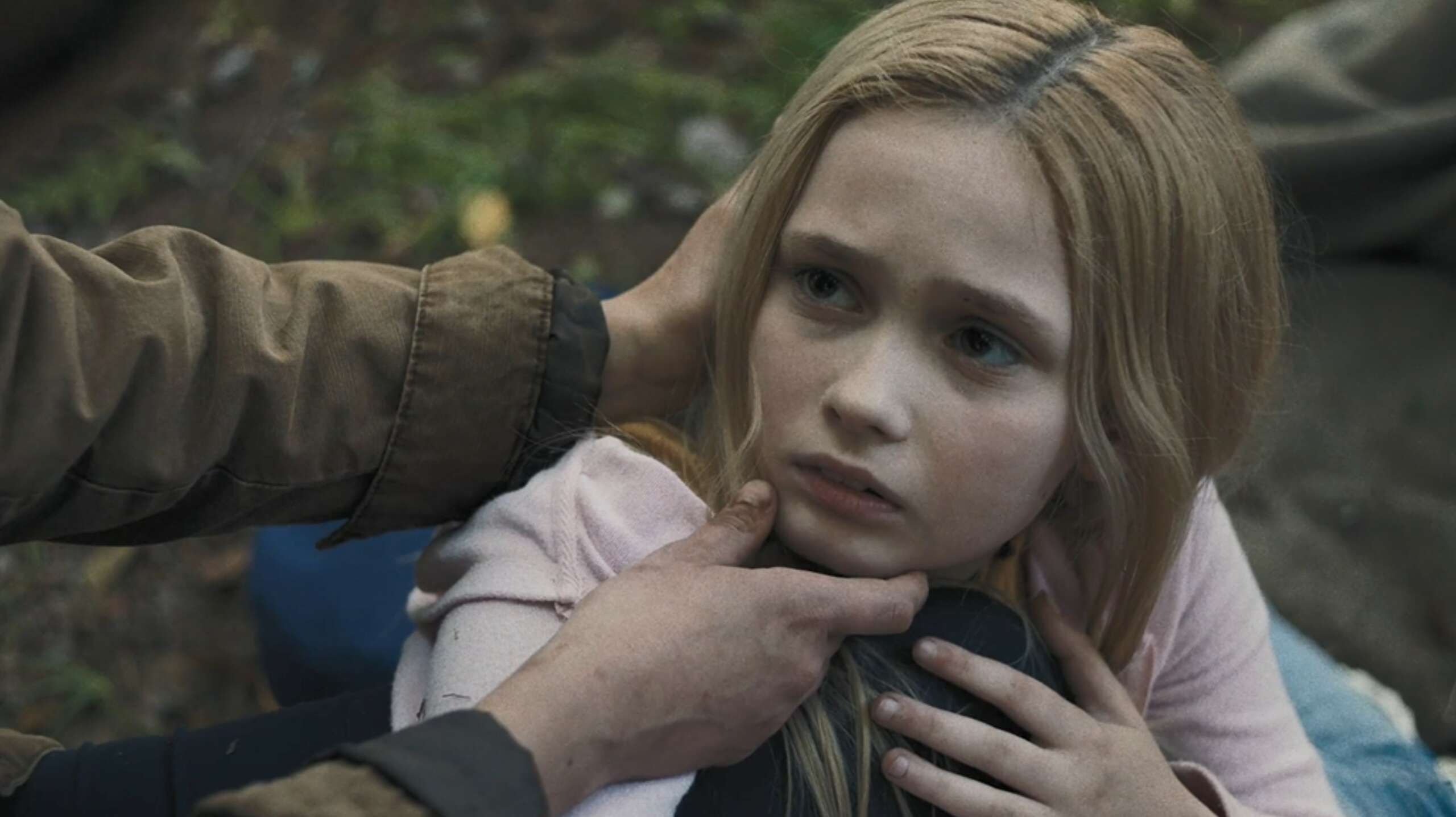
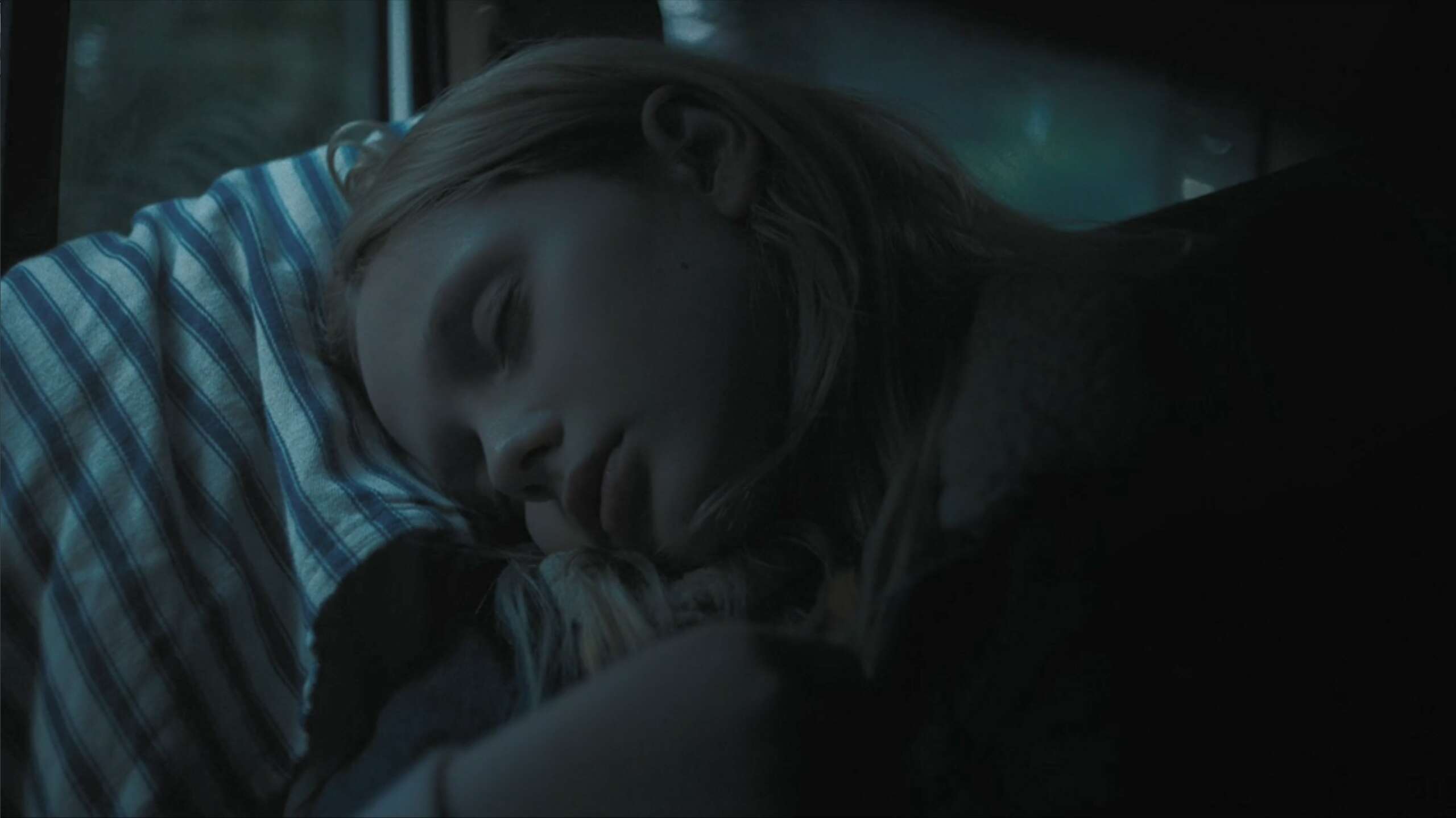
Audrey Grace Marshall is an absolutely unique talent. She was only 9 years old at the time of filming and she might have been eight years old when she auditioned. Even at that age, she was already a very professional presence on set and I would credit that to her acting coach and guardian, her mother Heidi. When working with Audrey, because she was so young, I wasn’t just working with her, I was also working pretty closely with Heidi. She didn’t like to over-rehearse things, or even really do them that many times so that she was able to keep things fresh and just be in the moment. Moment. Once I was able to embrace that, it became much more fun to work with Audrey and Stacey, who plays her mom.
Stacey was a real trooper. The role of Hannah is extremely physical and you have to be willing to get in the mud literally and also emotionally. Also, the practical special effects makeup at one point basically erases Stacey’s face, rendering her blind and only able to breathe through narrow slits in real life. When we filmed that day, she had to be guided by the AD by hand to get around. Something like that takes an incredible amount of professionalism and trust.
Contact Info:
- Website: www.esmemylove.com
- Youtube: https://www.youtube.com/watch?v=Souh4olTzVA
- Other: https://tubitv.com/movies/100002920/esme-my-love
Image Credits
Silver Sound