


We’re excited to introduce you to the always interesting and insightful Michael Beitz. We hope you’ll enjoy our conversation with Michael below.
Michael, appreciate you joining us today. How did you learn to do what you do? Knowing what you know now, what could you have done to speed up your learning process? What skills do you think were most essential? What obstacles stood in the way of learning more?
When I think about this question of “How did I learn to do what I do?”, I mostly think of “who” I learned from and the many many teachers I’ve been fortunate enough to meet. I also think of those I have not met, but learned of there work and have been influenced by it. I think of my amazing mother, who’s hands have been busy making things for other people her entire life. Aunts and neighbors who would teach me to use a brush or a pencil, and school teachers who recognized that I needed to work creatively. Working with masters like the great Wendell Castle was probably the biggest challenge in learning high craft and precision because it was not for myself. There were high expectations and they needed to be met. I worked as a furniture maker with Wendell for a few years before moving to Brooklyn, where I worked for Tyler Hayes and BDDW. They taught me how to work in a more flexible way, maintaining the precision of craft and creativity. I am still learning from my friends and the amazing artists I continue to meet. I continue to find my voice in various forms and as so there is nothing I can think of to speed up the process because I am not tied to a particular skill set of craft. I have no idea what I will be working on in a month or a year. Every skill and every bit of generosity shown to me is permanently in my memory. Although I can never find my keys and only open my mail once a year, I remember learning a brush stroke from my brother’s friend’s mom when I was 12 years old and the long list of people who have taught me things. Each and every one of those interactions has been essential to me, as someone who can’t find the words to say what they feel or think. This has never changed for me. I struggle with communication and continue to look for ways to express my thoughts and feelings. Unfortunately, I like to make things on a large scale, so one major obstacle is space. I am always dreaming of large objects and spaces. I don’t need them though, it is just something I find interesting. I guess I feel somewhat as a misfit in this life and I like to make things that also maybe don’t have a place to exist. In this I can reflect on the things that do fit and reflect on the many many ways that we are connected or disconnected in the world of things, stuff, spaces, and places.
Great, appreciate you sharing that with us. Before we ask you to share more of your insights, can you take a moment to introduce yourself and how you got to where you are today to our readers
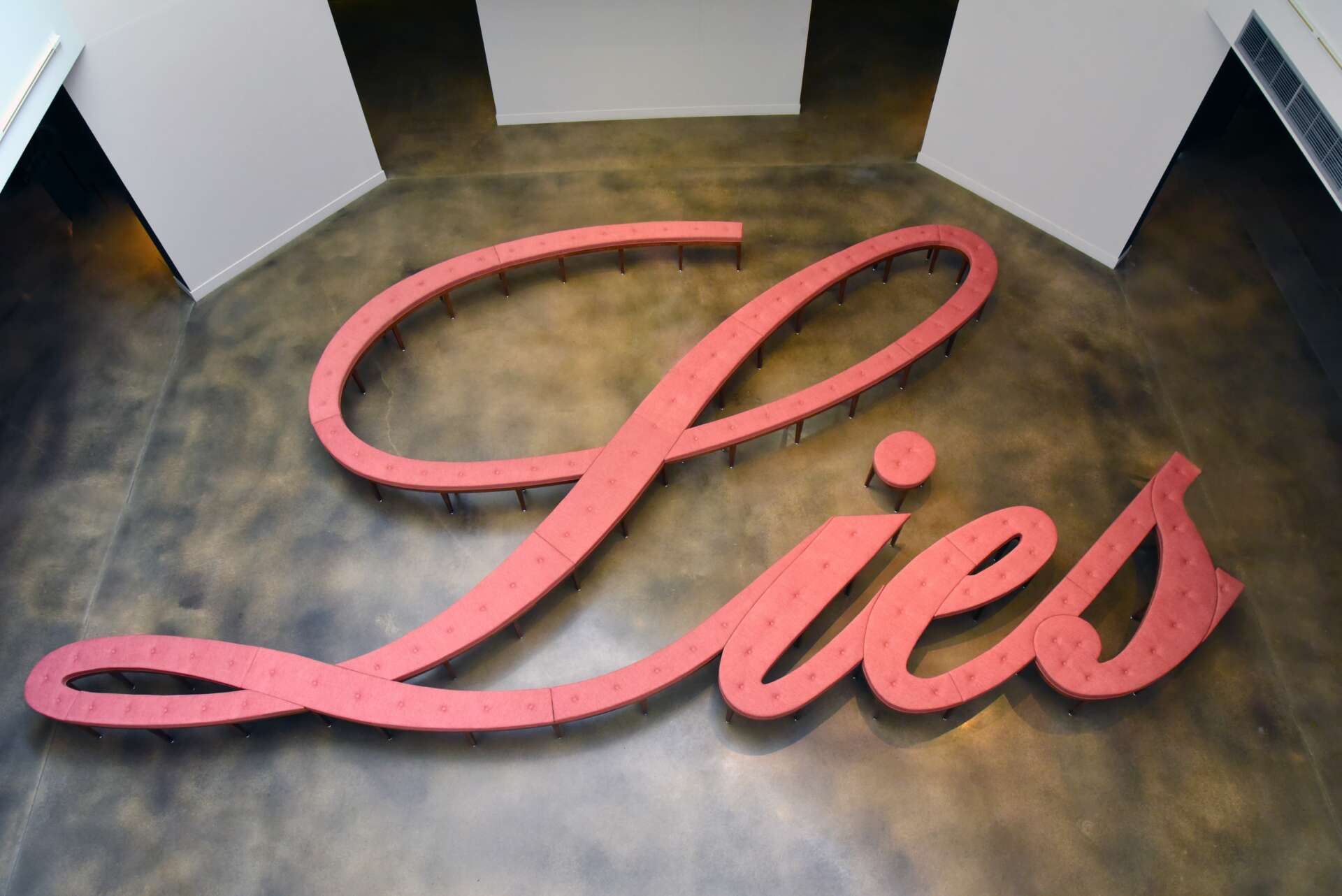
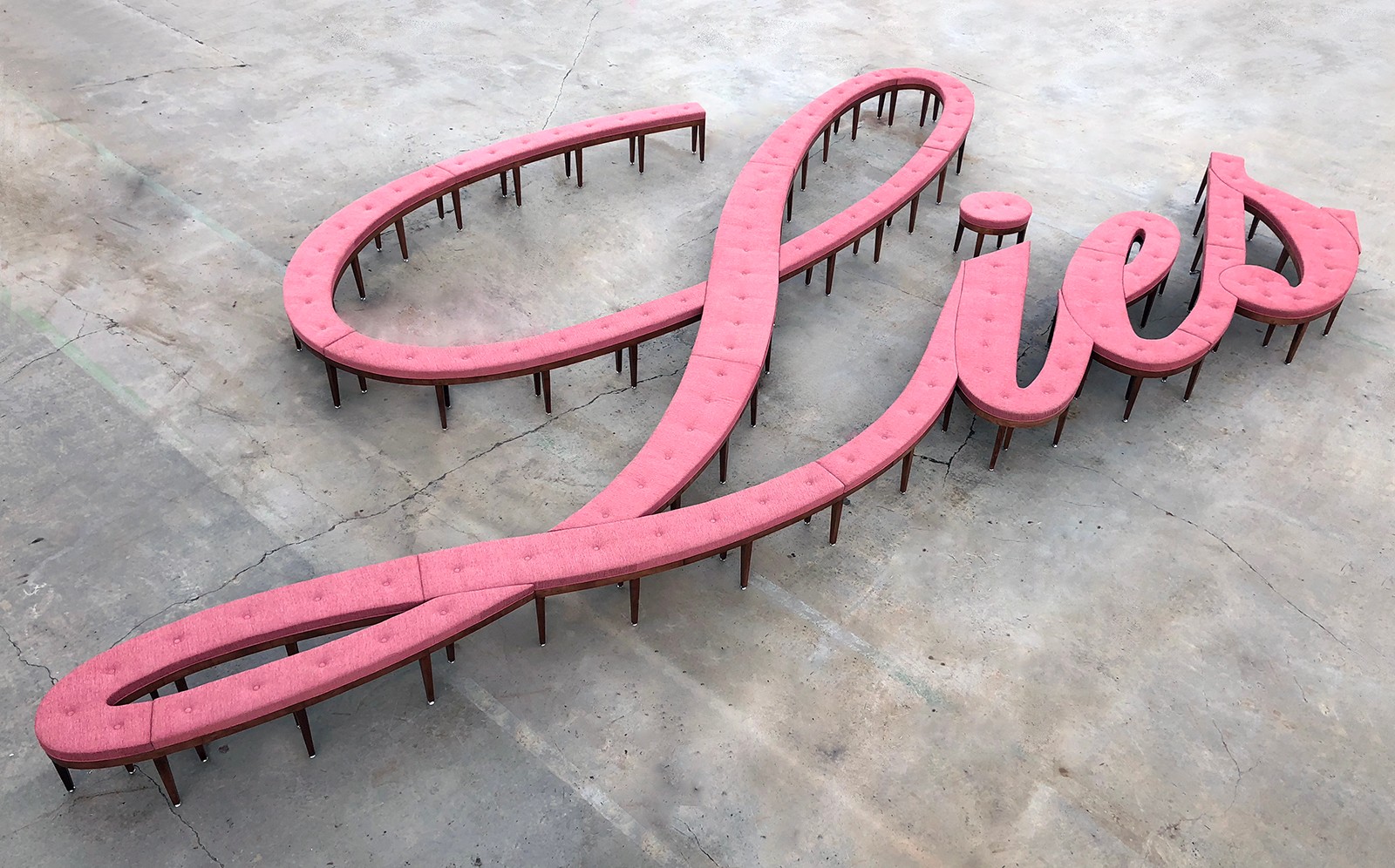
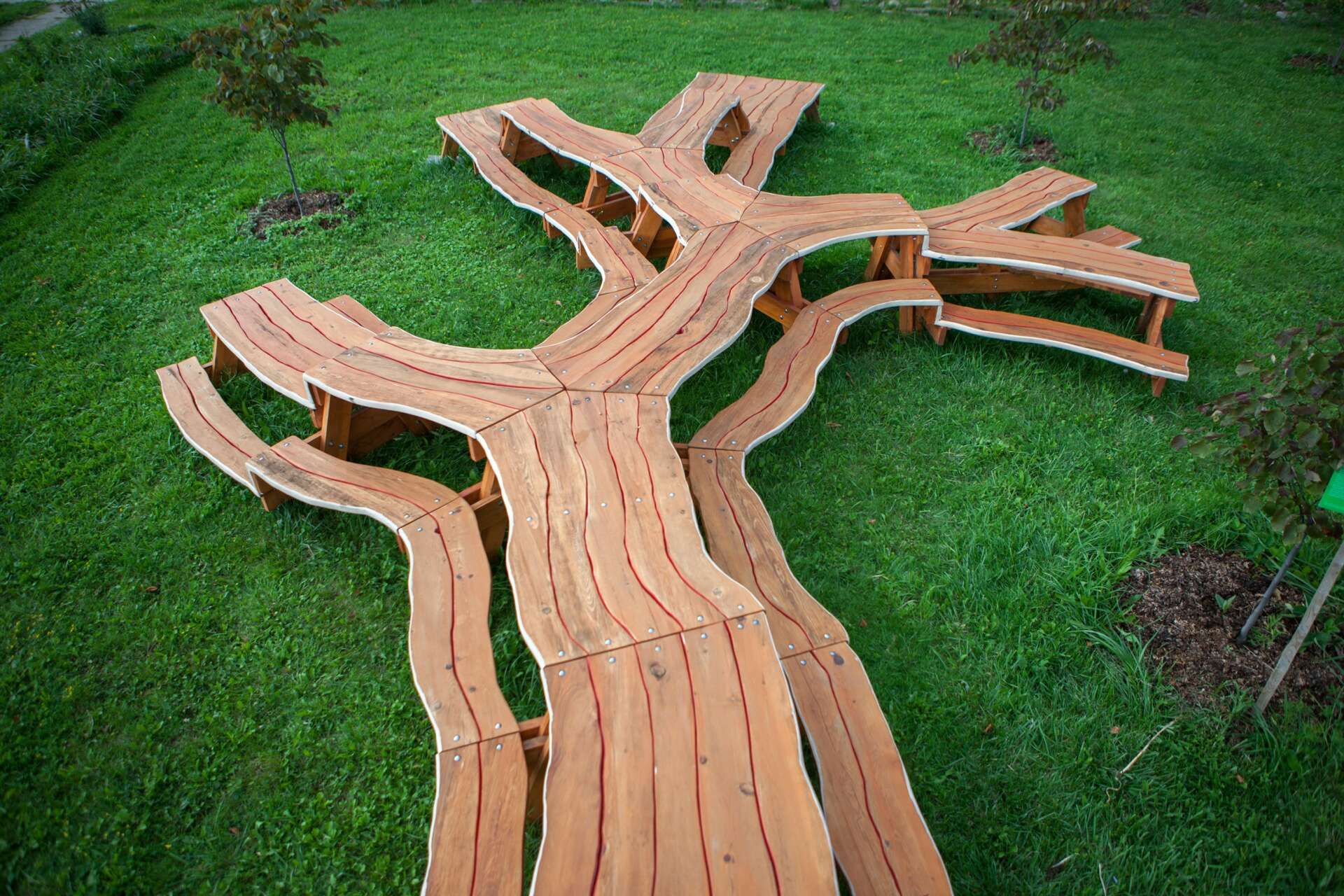
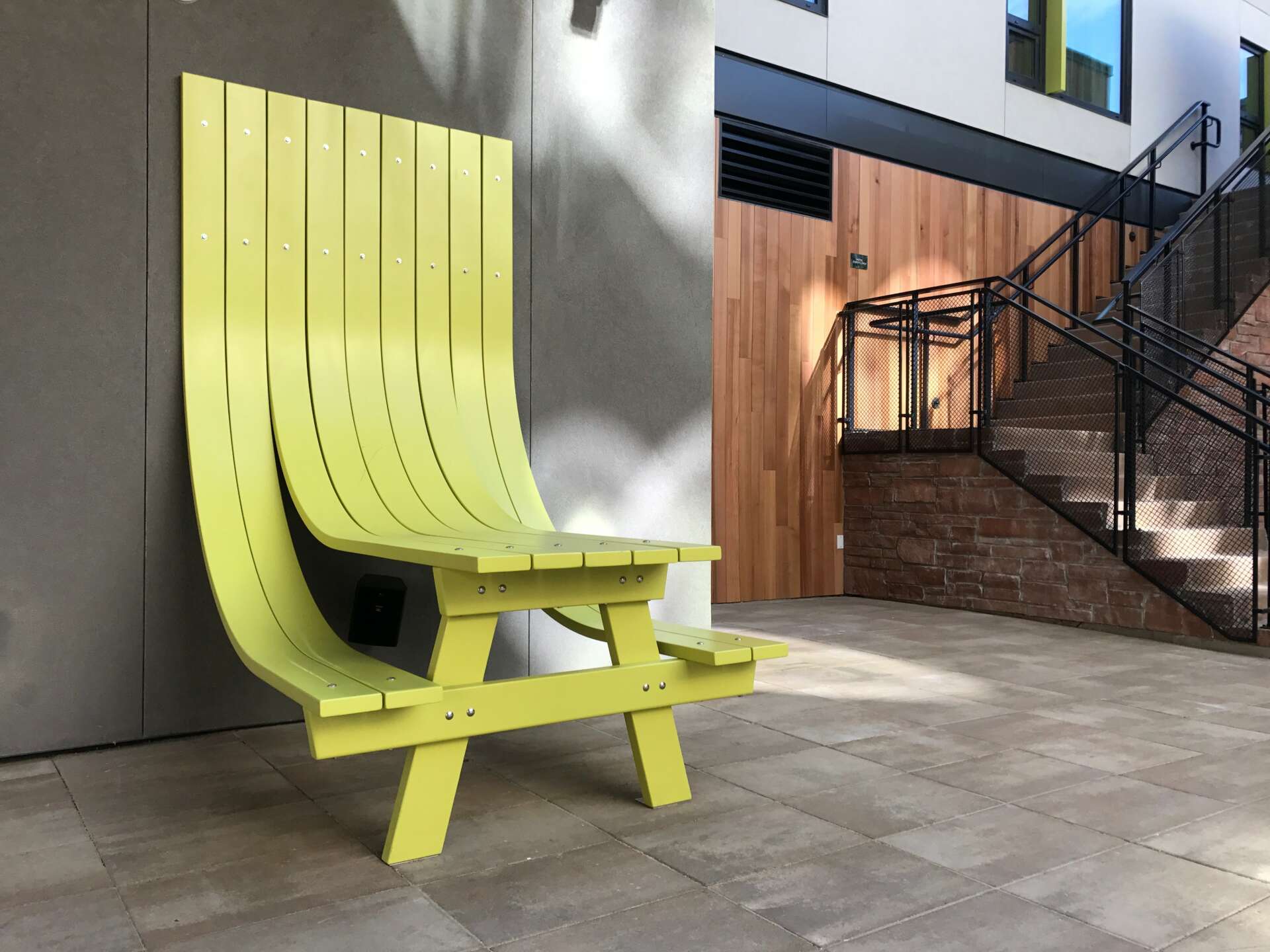
I have been working in art and design, focusing on sculpture and furniture. I am curious about the relationship between aesthetic functions and utilitarian functions as they apply to both high art and functional design. The role of these types of objects in our daily lives does influence our movement, relationships, and mental heath. I am trying to help create alternative designs that create awareness, fun and healthy activity. These designs, which are mostly in the realm of outdoor furniture have a life of their own with the public. I love to work with others in designing and making public furniture because it really does alter the function of a space in positive ways. It is such a delight for me to help create a place where people feel comfortable.
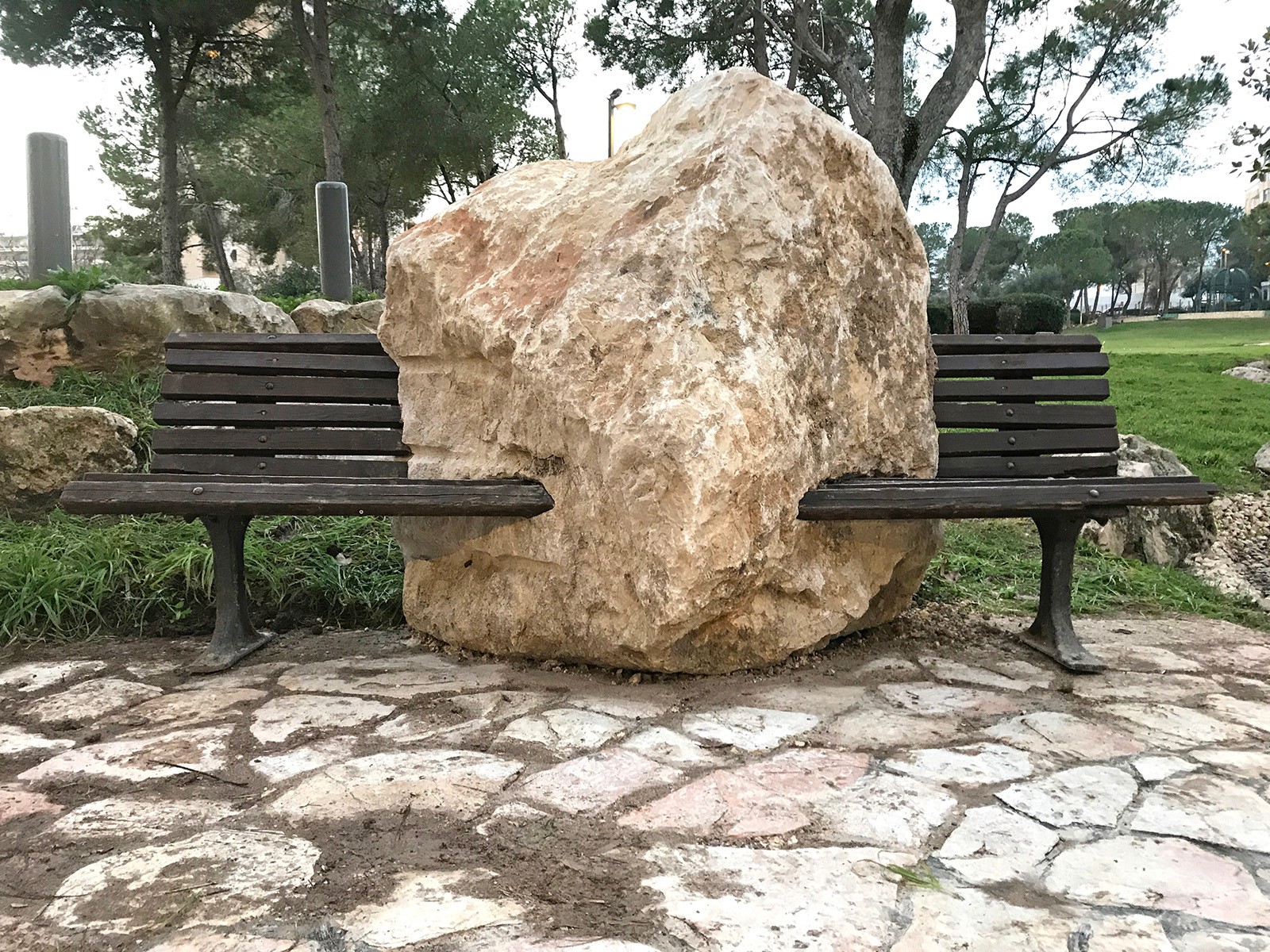
How can we best help foster a strong, supportive environment for artists and creatives?
I would love to see artists being more supported by their communities. All artists and all makers deserve to be supported. The unfortunate reality is that popular ideas of quality, taste, and value create fear and unrealistic expectations for creatives. Our creative work is invaluable and might be better supported if the creative process itself were celebrated as well as the product or end results of critical or commercial acceptance. For this to happen, we need time and space that is literally free. how crazy is this idea??
Is there mission driving your creative journey?
I want to draw as much as possible. My only goal is to be present in this “journey” because I am very spacey…haha. For me, this requires listening and stillness and drawing.
Contact Info:
- Website: www.michaelbeitz.com