



We’re excited to introduce you to the always interesting and insightful Audra Verona Lambert. We hope you’ll enjoy our conversation with Audra below.
Audra, appreciate you joining us today. How did you learn to do what you do? Knowing what you know now, what could you have done to speed up your learning process? What skills do you think were most essential? What obstacles stood in the way of learning more?
Curating is difficult to define precisely, but easy to understand in the context of what we see when we go into an art exhibit. These presentations of art are often in museums, institutions, community spaces or in private collections, where artwork is presented to us in a particular way to create a narrative or offer new insights into the unique works presented on view.
There are many types of exhibitions – group shows around a particular theme or topic, a solo exhibit, or even a small group show spanning particular medium(s) such as painting, photography, or new media (such as electronic and video art.) Learning how to curate, as a result, is directly impacted by the types of artwork you are expected to curate. For curators working at a photography institution, for example, knowledge of the history of this (relatively young) medium is essential to their work as a curator, while curators working in a more general subject matter, like those at a cultural institution with an art gallery, may have more freedom.
My particular pathway toward curating began when I decided to pursue a Master’s in Art History. As part of the beginning of this journey, at City College of NY (a CUNY school in Sugar Hill Harlem, New York City) I began networking and eventually volunteered on an artist-run project with a site-specific exhibit component. I worked with another Master’s student in my program to co-curate this, and met with artists whose work was in dialogue with the site where the artwork was being presented. This was the start of me learning not only what works can fit spaces in terms of the available space and square footage, but also understanding how artworks look side by side and the types of art that do well when situated in shared space. The types of artworks included in this space were naturally experimental as they filled out a studio space at an electronic media institute: one artwork incorporated living plants, one was a banner indicating an action – I also curated a public-facing performance piece into the exhibit, which took the exhibit out of artwork made in the past and introduced visitors to artwork being created – performed – in the present. From this early foray into curating, learning to do my vocation more professionally involved a better understanding of contracts and artwork loans and sales. To connect more spiritually and creatively with the role has been a much more intriguing and laborious path. Just as critical to my professional development was finding a mentor early, and I was lucky to have this readily available both in peers, those slightly ahead of me on the path, and those with decades of experience. This access to lived experience, combined with knowledge, has been a crucial aspect of attaining greater understanding of how to do what I do well.
The one action that accelerated my career path was completing an art history education at the Master’s level, as the coursework and thesis defense work required to obtain an MA in Art History forced me to better understand the lay of the land and learn what artistic methods and historical references came before me. While this education is critical in setting the foundation for what I do, what I’ve learned is the most essential skill is not book learning. It’s the ability to meet people, listen, build connections and create a positive reputation in the industry.
As with many fields, curating art is a skill set that others seek out in terms of building meaningful cultural connections: whether these connections with art exist in dialogue with histories, geographies, specific communities or legacies of making of legacies of making. I built as many connections writing on urban art (street art) and meeting with artists working in the field as I have through my post-graduate work, and I make it a point to learn from everyone else’s viewpoints, as every artist is not working with the same community or within the same corner of the art market. One obstacle that often stands in the way of curating is resources: as with many jobs, it can be possible to have time, or money, but rarely both at the same time!
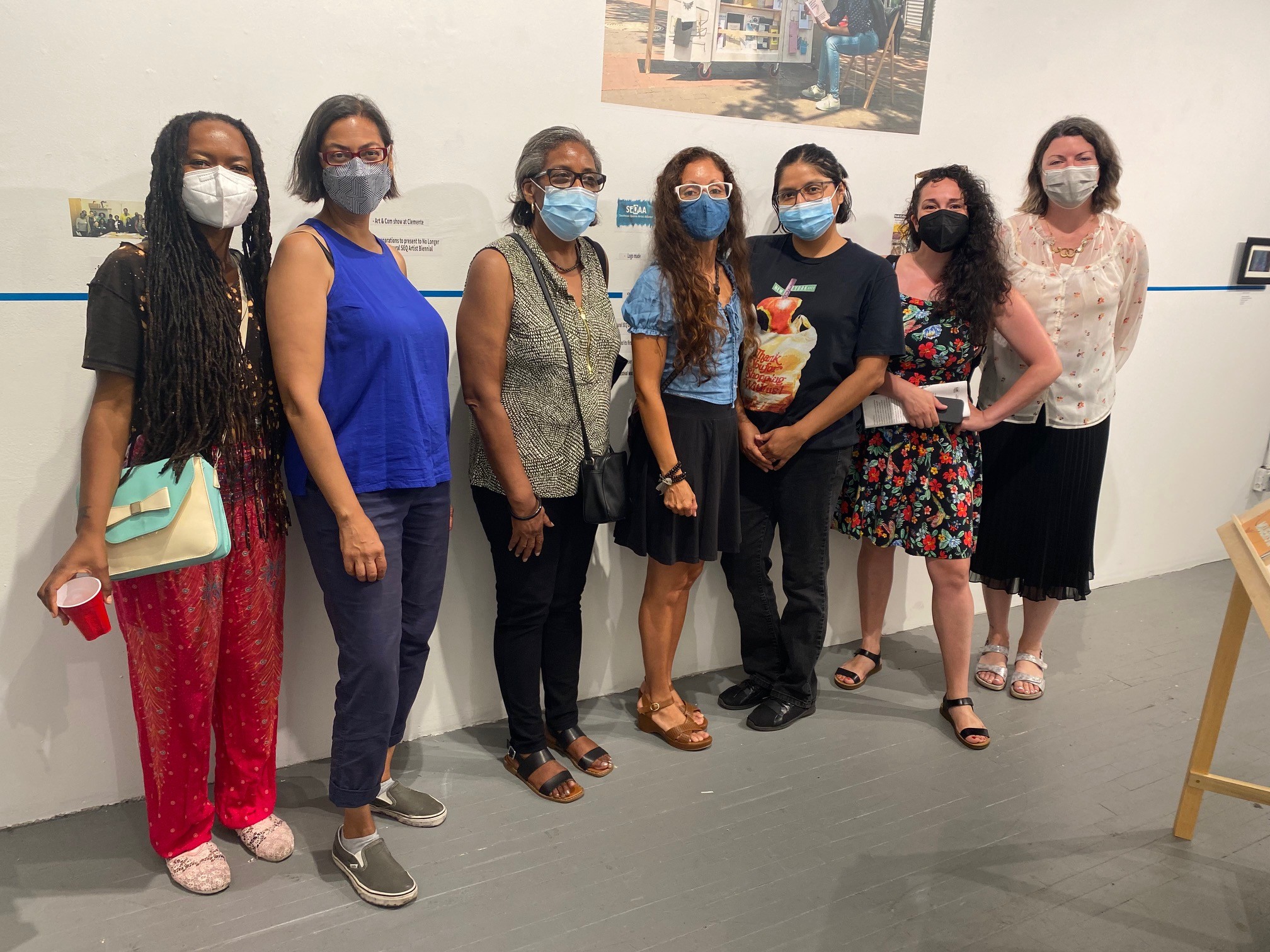
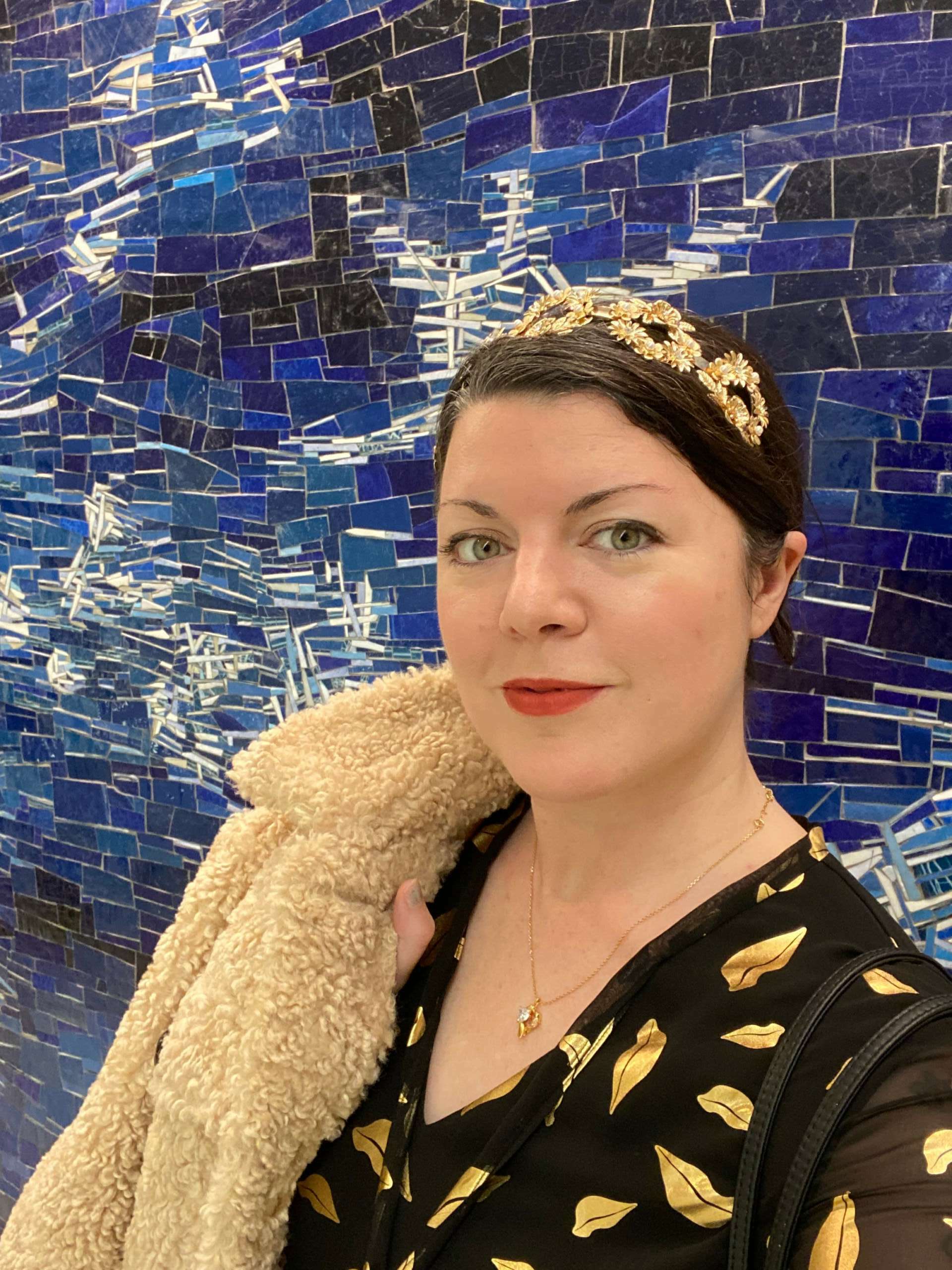
Audra, before we move on to more of these sorts of questions, can you take some time to bring our readers up to speed on you and what you do?
A curator with an interest in mixed media and artistic methods in the expanded field, with particular interest in artistic methods historically referred to as craft. I find myself working frequently with women artists and artists from the LGBTQIA+ community. While I came to the field with a profound interest in and respect for Asian art history after a combined B.A. in Art History and Asian Studies, after spending time studying and working in Japan, I actually found myself drawn to living artists of all backgrounds who are working today. This field is known more readily as contemporary art.
I don’t think of my work experience as accomplishments per se, but rather as bridges spanning from the far to recent past that will take me onward toward future projects. Some major areas of growth occurred when I worked on the public performance-focused art project, Art in Odd Places, in 2018. After this, I took a performative and identity-focused lens to recent works by artist Oded Halahmy in the solo exhibition Hey Wow!: Works by Oded Halahmy at the Center for Jewish History in New York City, leading tours that made explicit links between the journeys of Mizrachi Jews historically and the current transmigratory patterns linking cultures globally. Around this time, I was honored to work with curator Anita Alvin Nilert on a two-part project sponsored by Women of Color Advancing Peace, Security and Conflict Transformation to link women artists of color within our existing networks to the creative advancements often overlooked in and around regions impacted by conflict. Titled ‘Re-Orientations,’ the exhibitions took a nod from Edward Said in envisioning, from the authorship of the artists themselves, what culture and heritage mean when re-asserted in a contemporary framework embracing artistic agency and vision.
A contemporary art curator seeking to work with rebellious and visionary artists, I’ve learned that mastering the basics of curating – how to hang artwork, create connections between works on view, build programming around the art exhibition and organizing documentation and press and awareness of and around the exhibit itself – is essential to being able to push boundaries. It’s critical to know how to have the fundamentals on lock first in order to play with the format and create something thought provoking and groundbreaking in nature.

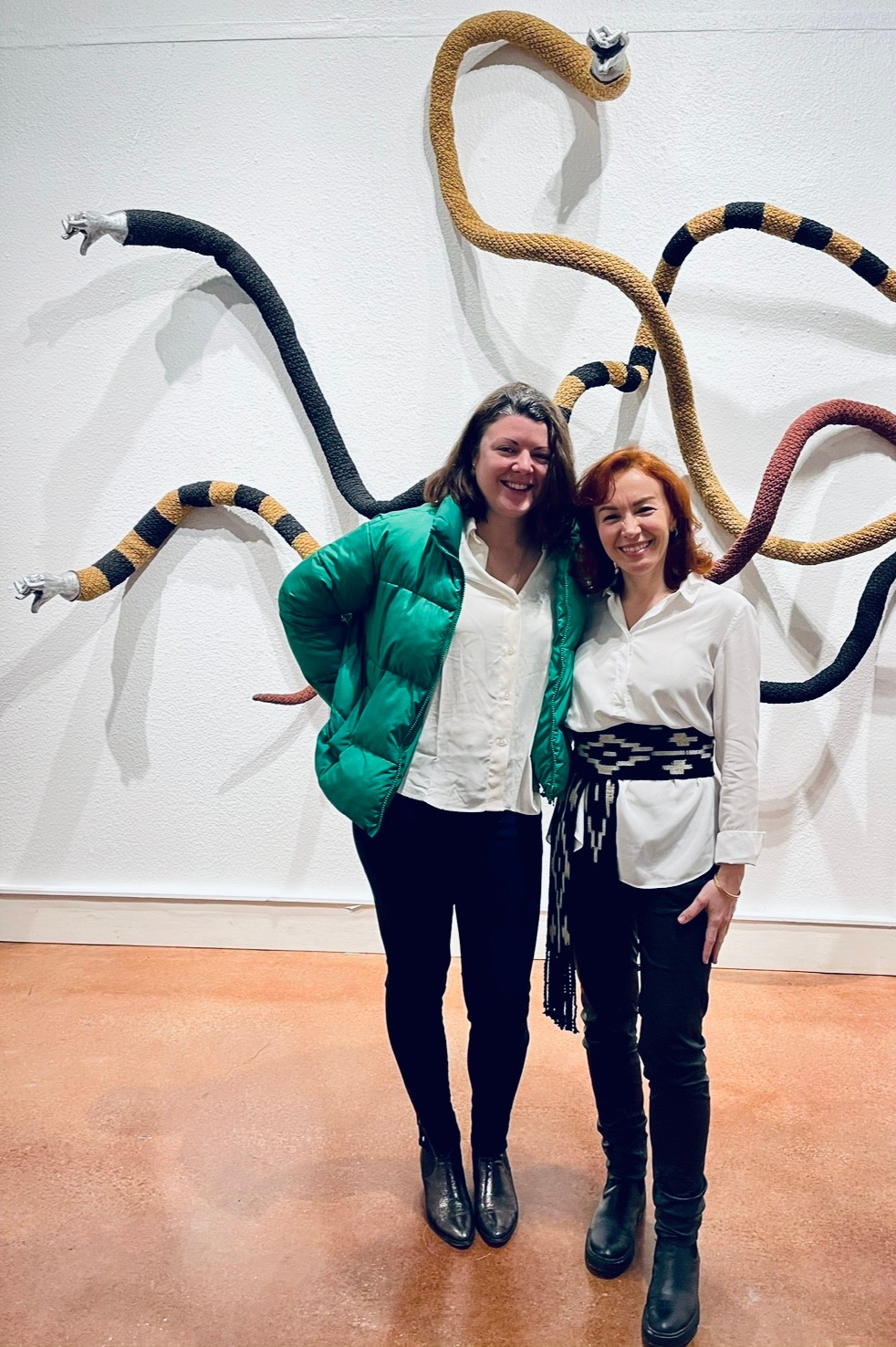
How about pivoting – can you share the story of a time you’ve had to pivot?
In 2017, I had to unexpectedly spend a summer in my hometown due to a close family member having a sudden, serious injury. Just a few months earlier, I had been working with an interior design firm to place art into prominent public spaces in Manhattan. In a matter of months, I went from curating projects for public-facing spaces in lobbies of major hotel and hospitality brands to becoming a full-time caretaker.
This was definitely a time of deep introspection, and made me realize how passionate I was about taking ownership of my projects. I knew my interest was primarily in working one-on-one with stakeholders and artists on my own terms so that I could better support those who rely on me most. This led to me enrolling in an entrepreneurial course that I completed in my free time, and doubling down on my intention to complete a Master’s degree in Art History: a goal later made more accessible during the remote learning format that emerged during the pandemic shutdown. This incident – leaving a role only to be thrown into an unexpected family emergency – resulted in a major shifting of priorities. I knew that I was ready to pivot into a curatorial consulting role.
I firmly believe this challenge positively impacted my vision as a curator. I’ve learned to rely on myself, to trust my intuition when it comes to onboarding new projects, and in terms of work it gained me clients who wanted me to be more involved in managing incoming projects who may have felt that I didn’t feel I had capacity previously for this workload. I often think back to this as a make-or-break time, and I was pushed to make what was ultimately the best decision for future Audra.
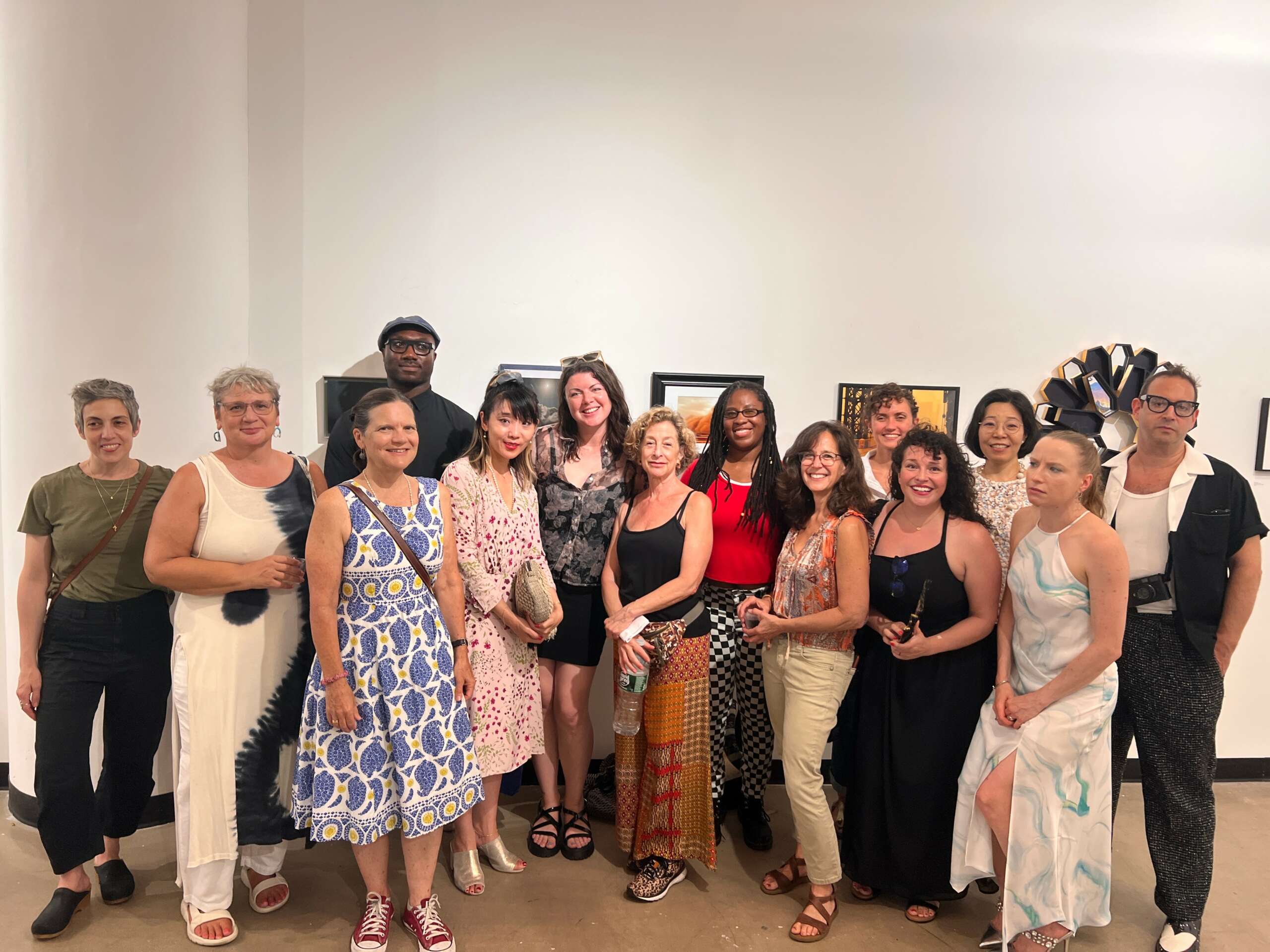
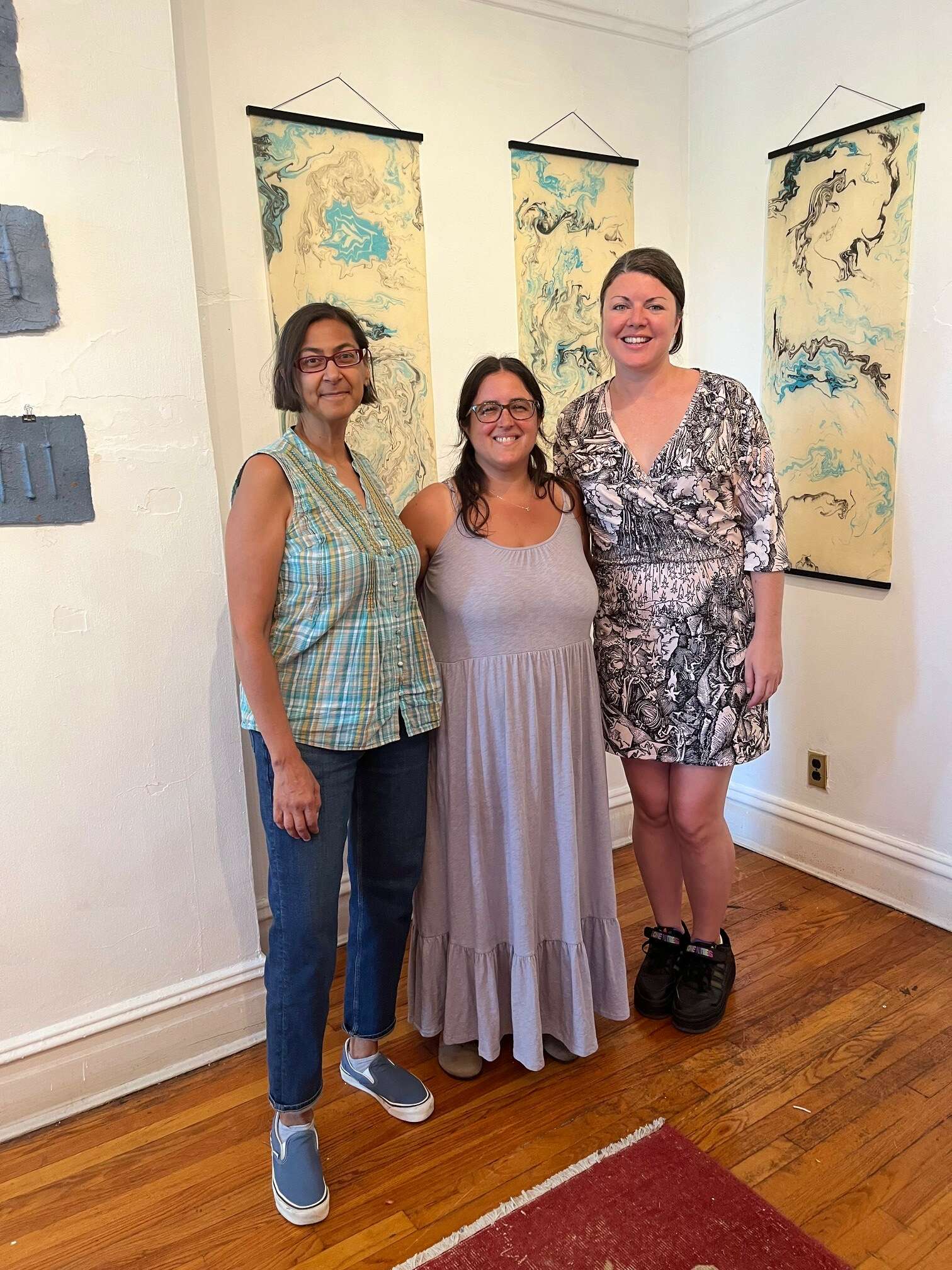
In your view, what can society to do to best support artists, creatives and a thriving creative ecosystem?
As creative professionals, the hardest barrier to overcome is often housing. While some creatives come from a background where they have access to resources through outside employment or family funding, many more artists, writers, musicians, curators and cultural workers experience issues relating to being resourced enough to afford the basics which often boils down to affording a rent or mortgage and bills. Basic needs must be met in order to support creative ventures and also to address a vital aspect of creativity: mental health. At the societal level, when issues around money negatively impact creatives, these important members of the cultural ecosystem are squeezed out of would-be thriving spaces, limiting exposure to the arts for residents of these areas. At the individual level, lack of access to resources creates mental anguish and prevents creative professionals from reaching their true potential. I can speak to my role as a curator: what I do is necessarily collaborative, and when the people I work with – or if I personally – don’t have access to resources, it impoverishes not only my role within the community, but the beauty present in the whole world.

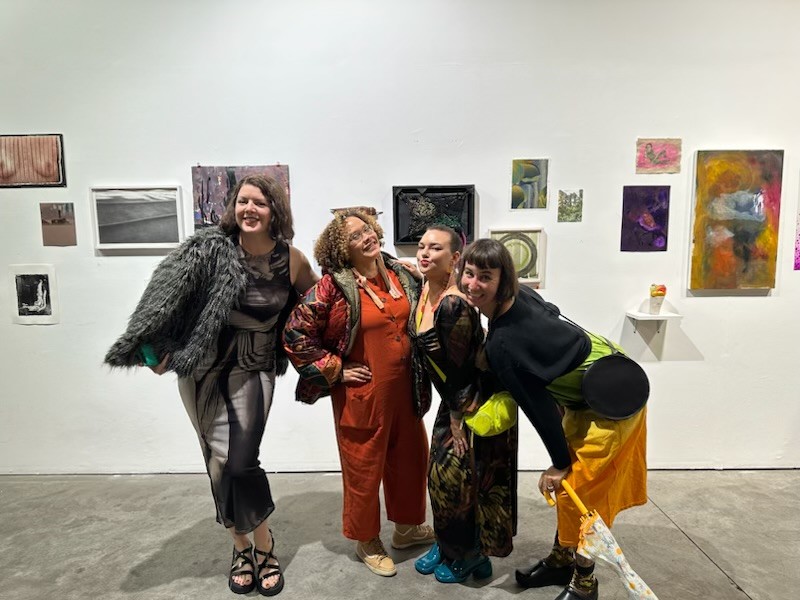
Contact Info:
- Website: https://www.antecedentprojects.com
- Instagram: @ante__curatorial
- Linkedin: https://www.linkedin.com/in/audra-verona-lambert-ma-5971b338