

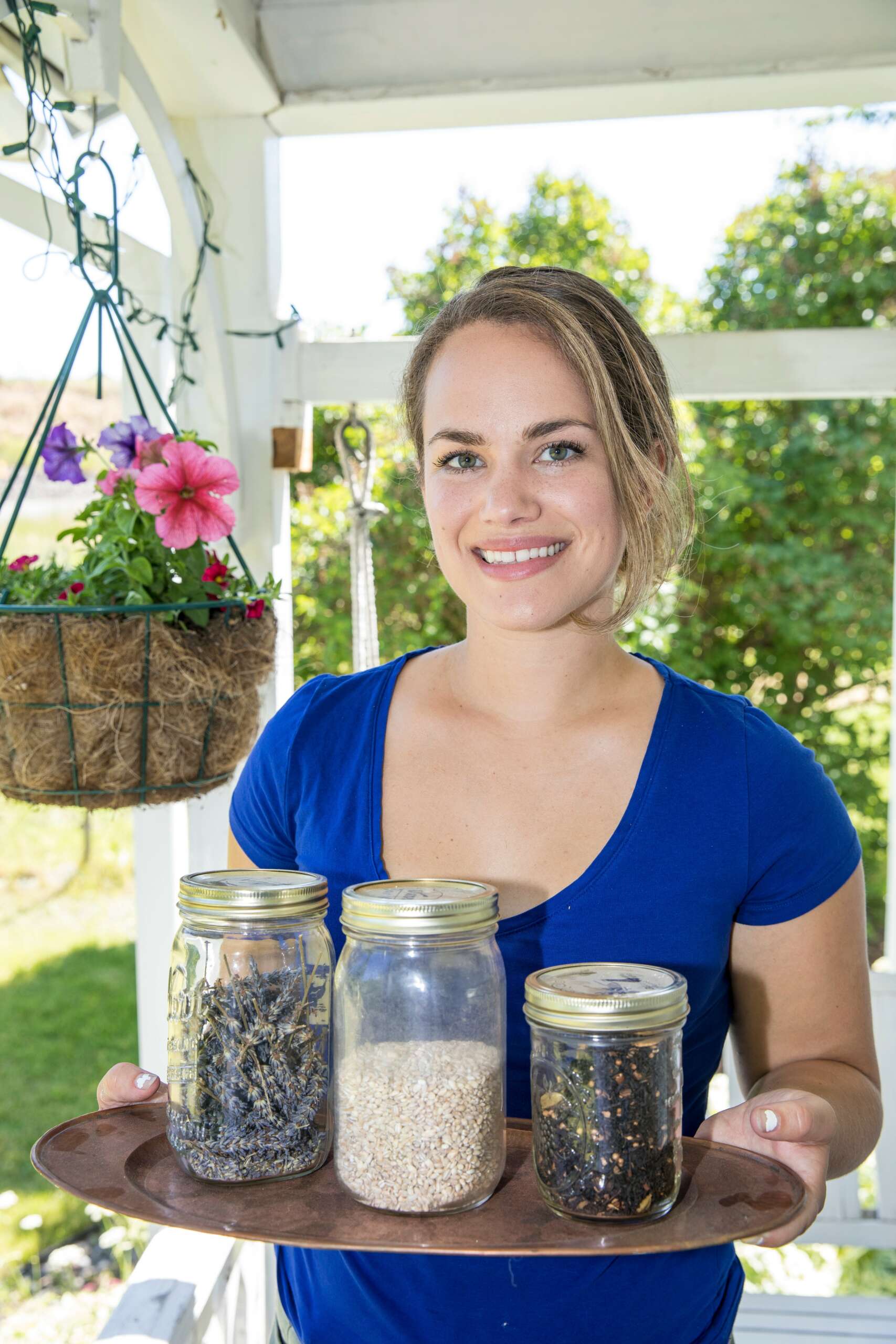

We recently connected with MOLLY TROUPE and have shared our conversation below.
MOLLY, looking forward to hearing all of your stories today. Quality control is a challenge almost every entrepreneur has had to focus on when growing – any advice, stories or insight around how to best ensure quality is maintained as your business scales?
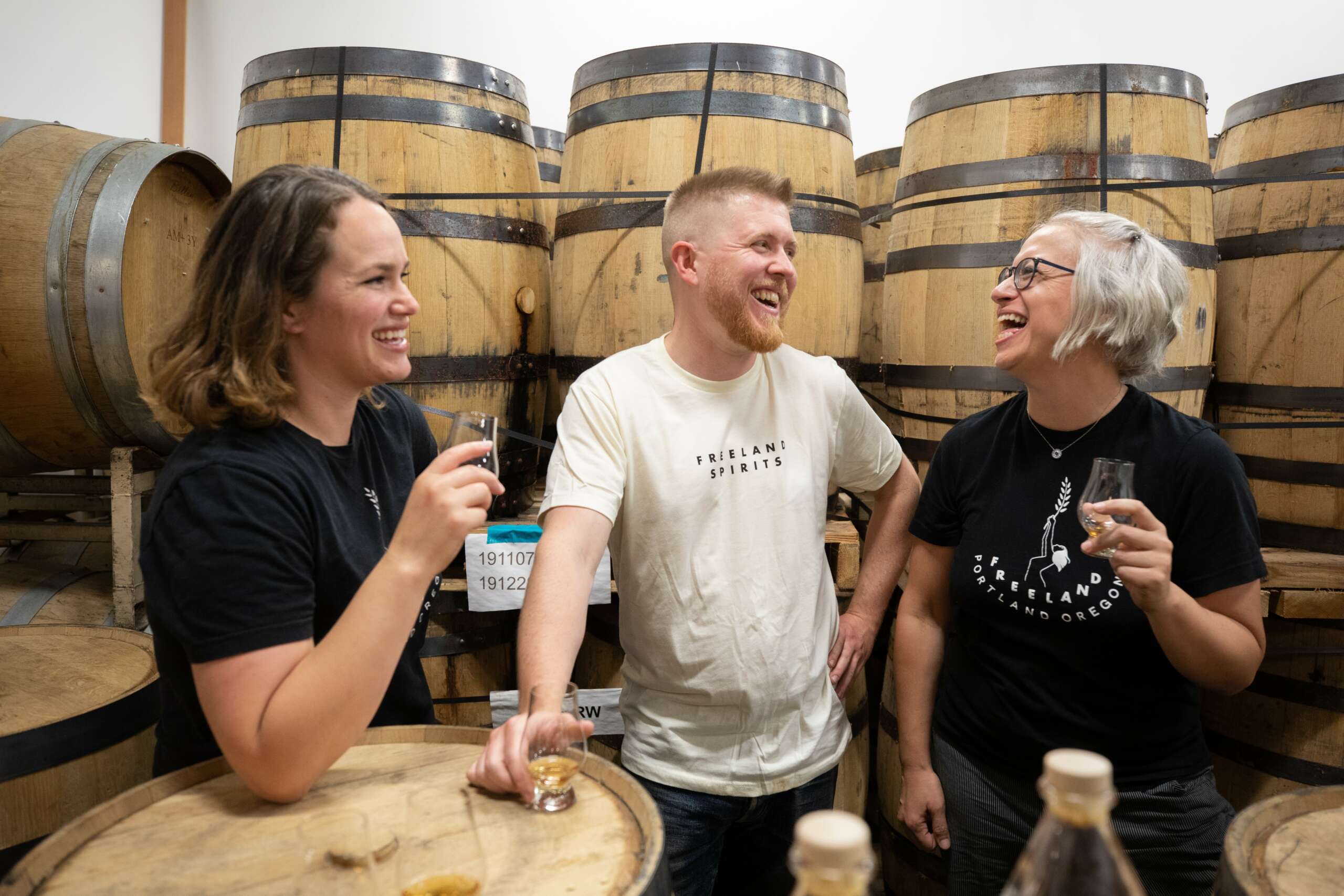
Quality control programs for small distilleries are most often reliant on sensory programs. A sensory programs, where panelists smell and taste spirits before they are released, helps to catch inconsistencies before they are bottled. While this is often seen as the fun part of the industry, it is also challenging to create systems of control to actually tabulate results. This allows for adjustments to be made before the consumer is aware of any problems. Quality is tricky to manage with growth, as it is a balancing act of managing changes needed for growth and adjusting product to ensure it is the same great product that allowed for expansion. Documentation and data are crucial during this time, as well is knowing the time to rely on your sensory panel versus sending out samples to a laboratory for analysis.
As always, we appreciate you sharing your insights and we’ve got a few more questions for you, but before we get to all of that can you take a minute to introduce yourself and give our readers some of your back background and context?
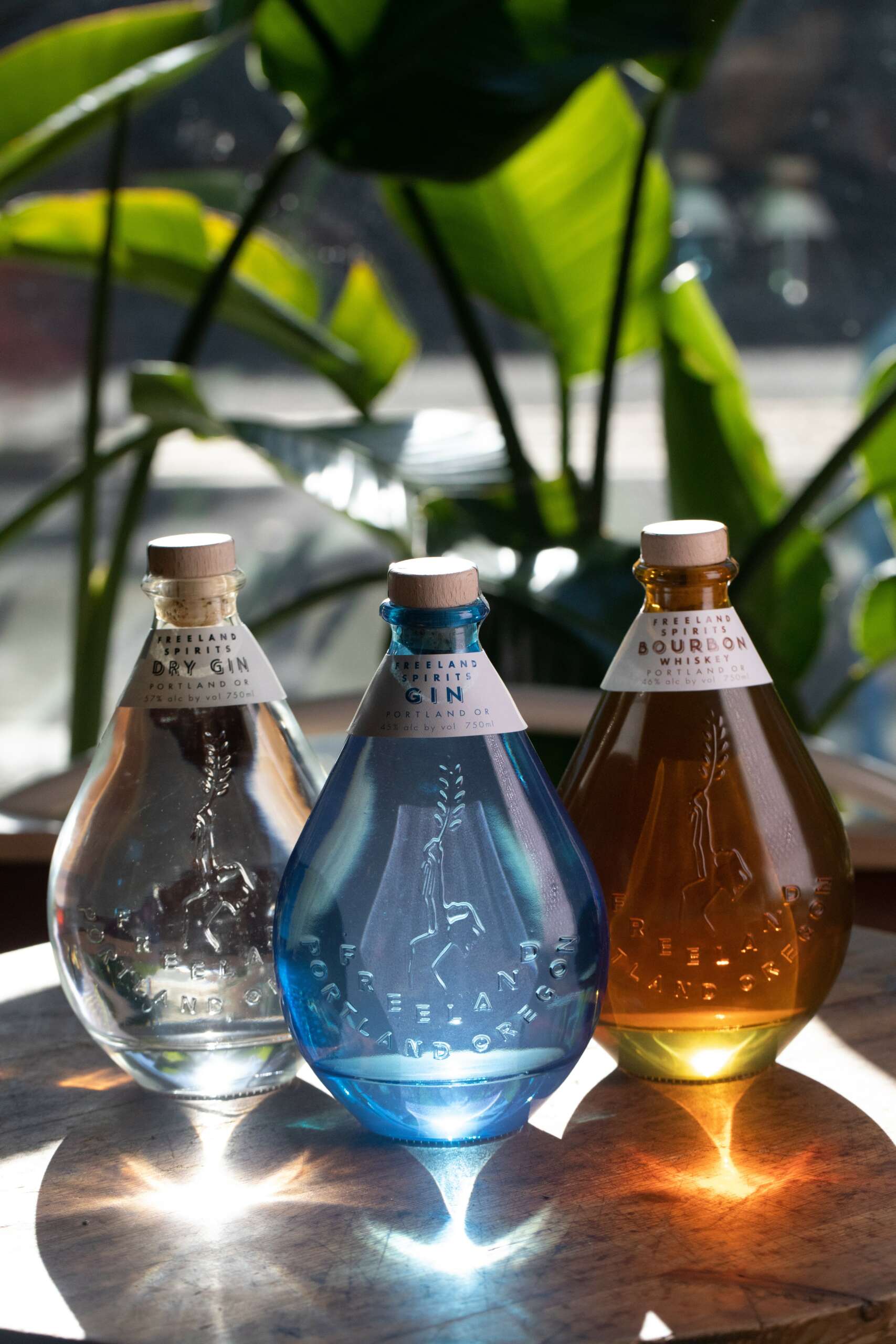
With a Bachelor degree in Chemistry (and an emphasis in forensics) and a Master degree in Brewing and Distilling from the legendary Heriot Watt University, Molly Troupe uses her education and experience to create products focused on localized ingredients and masterful flavor combinations. As Master Distiller and Partner at Freeland Spirits in Portland, Oregon, she has released six different products ranging from gin to whiskey to canned cocktails. Freeland’s flagship product, Freeland Gin, utilizes fresh local ingredients to capture a plush garden aroma using both modern and multifaceted distillation techniques.
Many of her products feature a unique dual distillation technique, using cold distillation as part of the process in order to capture flavors at their freshest. In 2018 she was featured on Forbes 30 Under 30 for Food and Beverage and has previously served on the board for the American Craft Spirits Association. Since 2018, she has served as the lead instructor for the BDAS Gin Class.
When not distilling, you can find Molly spending time with her family, including two dogs, or exploring the world of flavors from food and beverages.
Is there mission driving your creative journey?
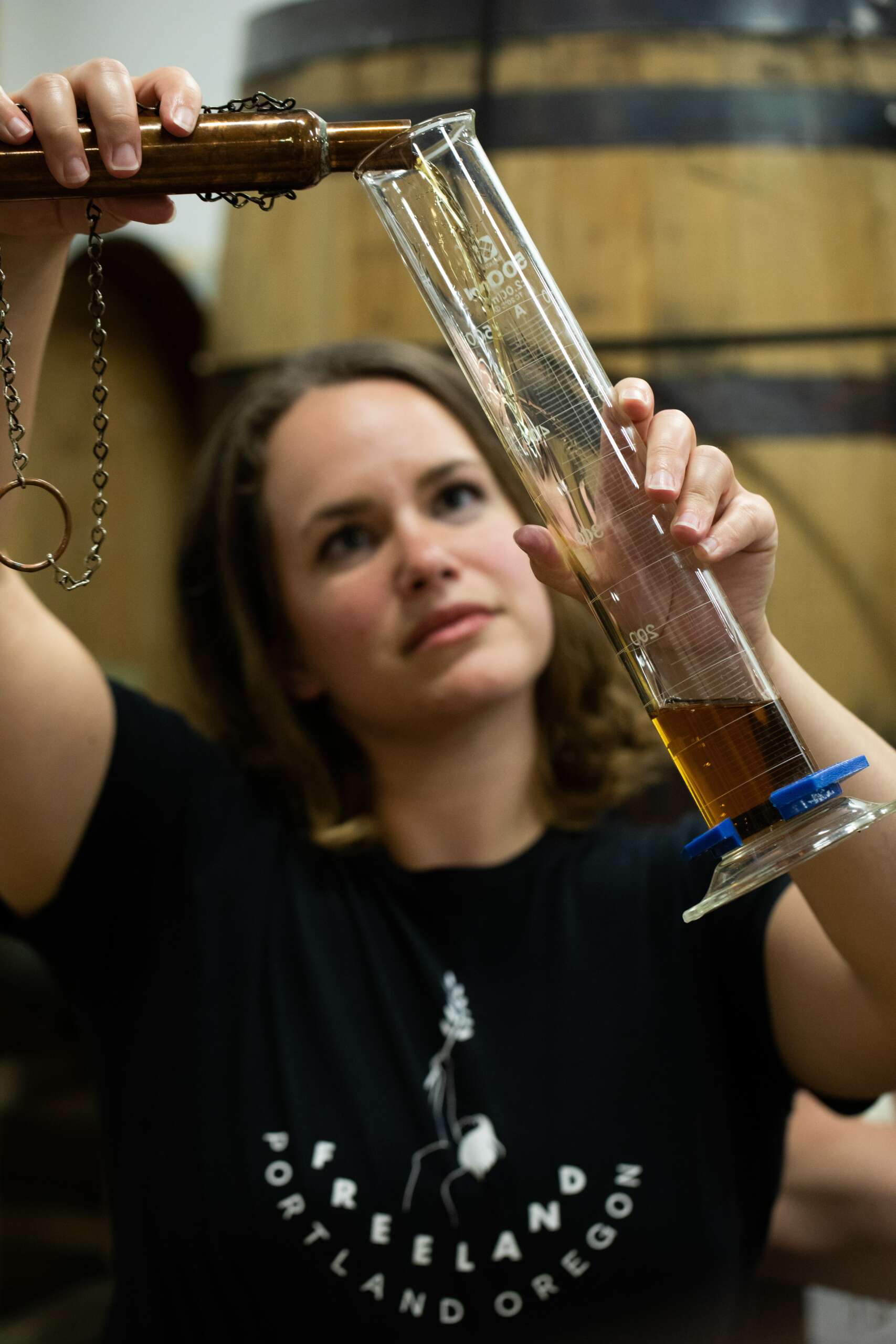
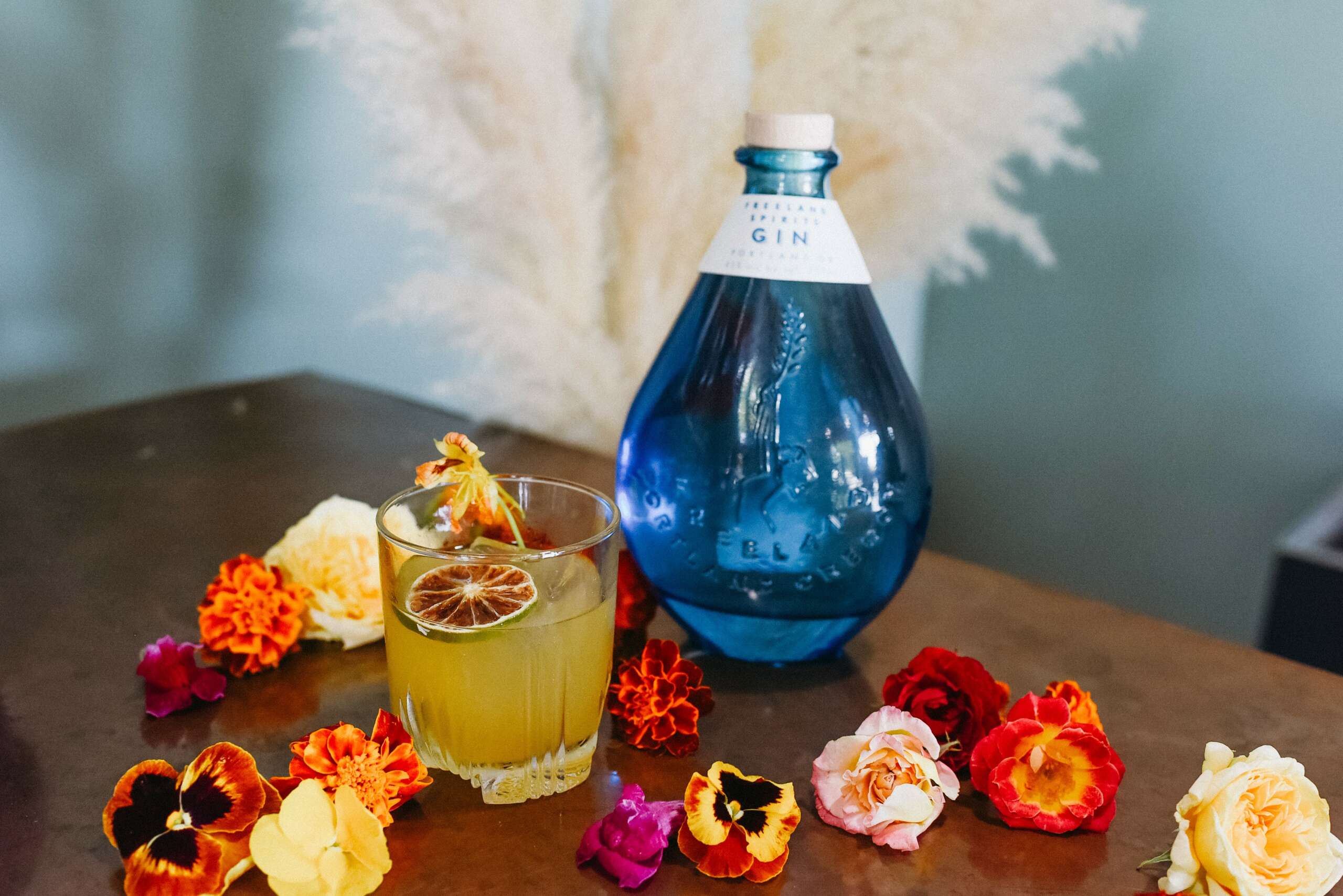
With any product I create, I want it to tell a story. This often means that each particular piece of the puzzle is carefully positioned, in order achieve the perfect mix of craftsmanship and lore. For example, with creating Freeland Gin, the goal was to create something that was garden fresh, to tell the story of Jill’s meehaw Freeland and all her experiences with her meemaw in the garden. The easiest (and most difficult) way of doing that is using fresh ingredients under vacuum distillations. This resulted in a really delicious and vibrant product that truly tastes like Meemaw’s garden.
Looking back, are there any resources you wish you knew about earlier in your creative journey?
Right now, there are a ton of resources for craft distillers for continued education that didn’t necessarily exist when I started. This is especially true for mentorship opportunities for women in our field, who remain underrepresented. It makes me so happy to be involved with these organizations now, I just wish they were around earlier!
Contact Info:
- Website: www.freelandspirits.com
- Instagram: FreelandSpirits ; whiskey.biscuit
- Facebook: Freeland Spirits
- Linkedin: Freeland Spirits ; Molly Troupe
- Youtube: Freeland Spirits