

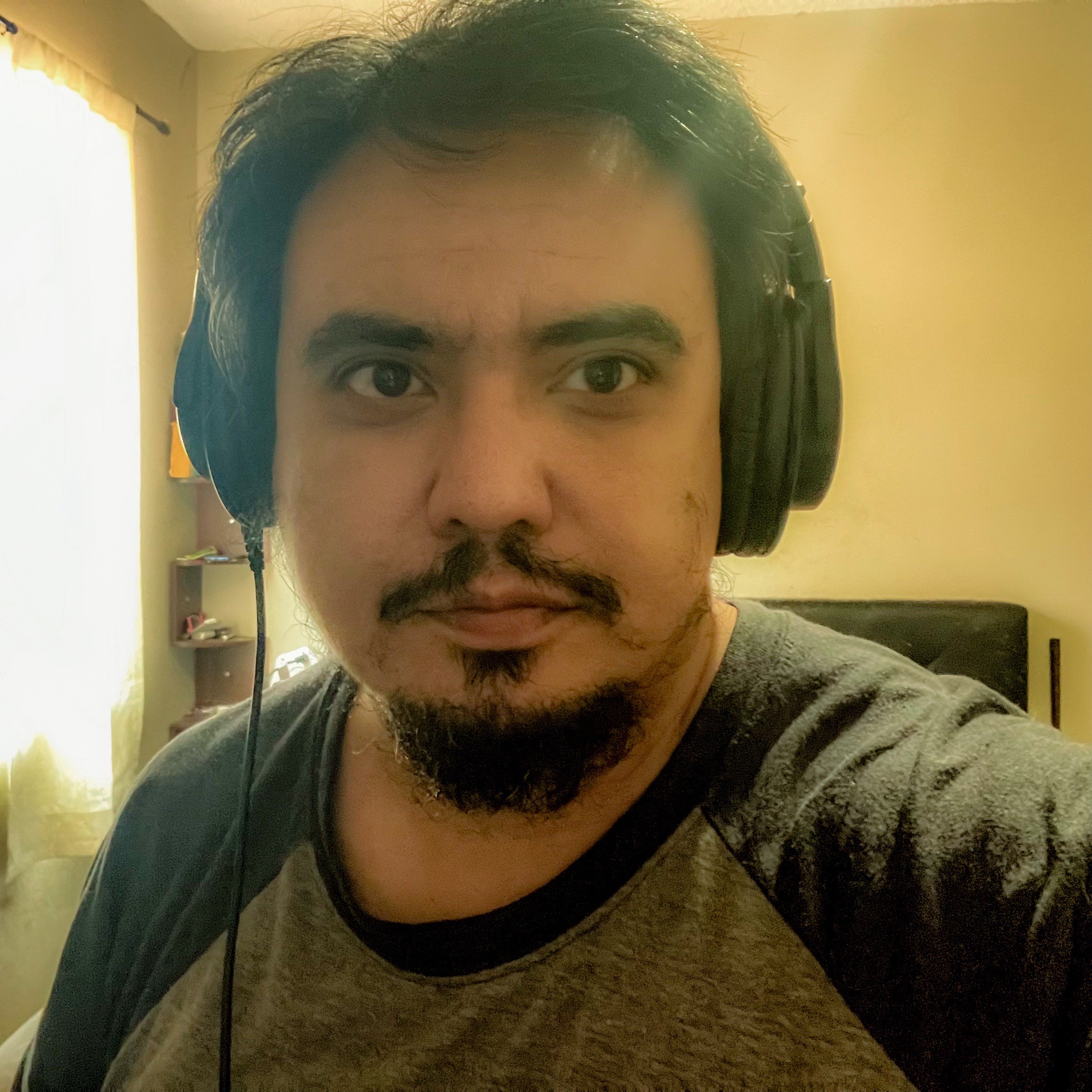

Alright – so today we’ve got the honor of introducing you to Bart Coleman. We think you’ll enjoy our conversation, we’ve shared it below.
Alright, Bart thanks for taking the time to share your stories and insights with us today. Can you talk to us about a project that’s meant a lot to you?
It wasn’t easy to pick a topic as to what my “story” is. Earning a full-time living from creative work definitely is at the core of my ethos behind sustainable artistry and curation. However, I think many in the music industry invest a lot of emotion and energy (I would argue sometimes too much) into “being famous” and other types of milestones and vanity metrics to validate a measure of self-worth or “success.” I think there are a multitude of things that facilitate an environment of misunderstanding within the music industry, in particular on the business side. However, there is a lot of power musicians may not realize that they posess if they were to share information, pool interest, and build communities. So many of the topics I could have selected here for the over-arching story would be applicable to “the day in the life” of a creative. I ultimately resolved with this: could you imagine a world without art? I honestly ask you to try to imagine that. To me, that sounds dreadful. To be without a song that helped you through a challenging time. To not be able to escape the constructs of your current reality with your favorite film or series. To not be able to reflect deeply about a significant time and place via the time capsule of a photograph or painting. Thinking specifically about music, some of the music that has resonated with me the most was not made by mega-millionaires being paid out by mega-wealthy labels. In a lot of cases, it’s made by artists who have to justify their endeavors and/or existence in what is perceived as “weird” behavior when it’s not met with riches and a level of adoration from the mass public. I.E. the “why don’t you get a real job and stop dreaming” type of narrative at social or family gatherings (not all the time, no absolutes here, but I hope you get what I mean). And while I understand the tendency to strive for the mindset behind “grinding” in order to survive day to day, I can’t help but feel like we are devaluing something that I would hope you agree with me, is something we wouldn’t want to live without. That sentiment, I suppose you could say, is why I think of what we do with the online radio station (AMS Radio) and the blog/publishing entity (Audio Mirage Studios) as a “meaningful” project.
Awesome – so before we get into the rest of our questions, can you briefly introduce yourself to our readers.
At the age of about 10 or 11, my grandfather gifted me my first electric guitar, he actually put it together from parts he acquired from various yard sales. He was a reputable fiddle player around town and used to make them. My childhood was a turbulent one, and my brother and I used to be dropped off at my grandparents house in rural Oregon every summer for the whole summer until school would start back up again. My mom was a single mom and usually worked two jobs, so school and programs like the Boys and Girls Club were the primary source of childcare otherwise. My grandparents were looking for something to keep us (myself, my brother, and a cousin who also lived with them full-time) busy. There’s only so many frogs and snakes you can catch until you start to behave a bit stir crazy I guess. It worked beautifully, as we started our first band along with another cousin who lived in the same town. Ever since then, I can’t recall a time that I wasn’t in a band, gigging, or working on a music related project of some kind. Give or take maybe a year or two gap in-between at various points in my life.
I am 41 years old today and write music of my own, self-release, and self-publish it. Beyond just the scope of pursing my own artistic endeavors, I also have built some networks with a lot of amazing independent artists, bloggers, and playlist curators that culminate into a niche foundation for my branded online radio station AMS Radio and independent music blog Audio Mirage Studios. Those two components of the brand are the nucleus of everything else. I take in a lot of music submissions from indpendent artists for radio airplay as well as curated playlists on Spotify, Apple, Amazon, and Tidal. I’d say I’m most proud these days about the engagement with the station. We yeild impressions of over 1000 “tune-ins” per month, with roughly 300-400 listeners staying on for an extended period of time. We hit over 700 plus listening hours last month which was exciting. I also write reviews and articles about indpendent artists (and their releases) as much as time permits, my primary source of curation for the blog comes from a company called MusoSoup that I have been a curator with going on 3 years now. Chris Sharpe (the founder) created a remarkable platform that is artist-centered in it’s business model that provides a viable alternative for artists seeking out a publicist, while at the same time brings artists to a place where publications can offer coverage. Being on that platform both as an artist and a curator, my overall experience has been great. I’m also a staff writer on the Less Than 1000 Followers blog as well. I’m not sure how to “quantify” success in this aspect of the business. Money comes in, but it goes out just as fast if not faster. I find the most value of it in building relationships, discovering new music and receiving positive feedback from an artist about the review itself. There’s a lot of “copy pasta” blogs out there, so that’s how I try to be different with the AMS blog.
There’s some “insider baseball” elements to the brand as well. In my own self-discovery as an artist of figuring out how to first distribute my music to the market, and then do the “business” side of things, I fell into a situation where I happened upon a sweet deal for a label account with an independent distributor, Inspire Distro Direct (after a lot of ups and downs that would really make this even more “TLDR”). Mikey P – Development Director at Inspire, a fellow artist, and a long time acquaintance through networking is effectively the entire reason I can do what I currently do for other artists in this aspect of the business. As a result, I have distribution deals with several artists. We release music to Spotify, Apple, TikTok, all the major markets, complete with YouTube Content ID as a cherry on top. I charge nothing for it except a “whatever you think is fair” commission from the artists streams. Non-exclusive, no meat hooks, release anywhere else you want to, I’m just here if you need me, type of deal. And I hold that sentiment to a literal tee, if that means 1% to you, that’s what it is. I’m here for it and happy to do it. I only want to be in a position to succeed if others do. That is a philosophy missing from the music industry. There are droves of people that make money off of independent artists, dangling carrots, hyping promo, and offering zero value at premium prices. There is a huge market that thrives off of making money from artists who will already likely will never recoup the significant sunk costs involved just to make art. I want nothing to do with that. My good friend Marc Schuster, a great artist and blogger in his own right, described it best (I think): “It’s like an anti-label, label.”
That brings me to the Publishing side of the house. Pain is the best teacher and I basically fell into this by learning the hard way about trying to just “pay to make the paperwork go away.” I experienced bumps in the road with “upgrading” to “PRO” releases on CD Baby in order to have music published. Only to find hardly any visibility into any of the claims they make for justifying the upgrades, very limited control over the works, and not-the-best customer service. I paid $75 to Tunecore to literally do nothing apparently, only to find out that they had me contractually bound for more than a year and left me unable to register my own work for that time, creating a backlog. I decided to grit my teeth and just learn what I found to be some of the most tedious parts of the business. As a result, I now have a publshing entity with ASCAP, BMI, and HFA. And moreover, that is some of the work I do with a few artists. Some artists I distribute do their own registration, which I encourage and that’s more of a collaborative think tank about where to claim royalties and how. Others are happy to disband from the tedium and let me do it for the “whatever you think it’s worth” splits again. This segment of the brand is partially “business” and partially “educational” not only for the artists, but for me as well. I see it kind of like being a bookkeeper for an artist, tracking works, opting into blanket licenses on HFA and making claims in places like SoundExchange. Which, in a full circle kind of way, also happens to be the place you collect and claim royalties for airplay on my own radio station. This year, I’ve made goals to take the publishing aspects further into registering works with PRO’s in other countries, and taking more serious strides towards licensing opportunities with Music Agencies (a whole other gamut of industry games).
Sorry for the long answer. It’s not really something I could concisely tout, “yeah I’ll sell you some sweet looking awesome shirts at 20 bucks a pop.” It’s like a Facebook relationship status: “it’s complicated.”
What can society do to ensure an environment that’s helpful to artists and creatives?
I rant about this one just about every chance I get. The closer we can move to a direct-to-consumer business model, the better it is for all artists. I fully recognize that this is way easier said than done. I think the first step is the toughest one and that’s an enlightment of the music listener/consumer and an awakening of the independent artist. That is what would be the catalyst for any kind of significant change. What industry gatekeepers would tell you is something to the effect of “well, look at how much Taylor Swift brings to the table, good luck on any medium without players like that.” And I call BS. I sit in awe, pondering at times about the thousands upon thousands of independent artists that bring their content, bring their networks, bring their warm markets to a platform like Spotify, and ask, “are you honestly going to devalue that market so shrewdly?” And the unfortunate answer is yes, they have been and are, because the independents and the listeners continue to accept the corporately tainted algorithms, rising subcription fees, and policies that allow for unadulterated access to content Spotify unilaterally deems unworthy. I personally believe that hedging that bet is coming to a head.
My wife and I were listening to music last night and were doing this thing where we would compare what the Billboard Top whatever song from 60 years ago, 30 years ago, 20 years ago, etc. An interesting exercise if you ever want to feel old by the way. The twenty year mark was one of particular interest to me. 20 years ago, I was my prime baby! Far more embedded into any kind of music “scene” than I ever was before or likely ever will be. I remember that era, the 2000’s, or as I refer to them, the double-otts, as being one of my favorite periods of music of all time. However, as I skimmed the Billboard charts for the year 2004, I was so bewilderingly confused. I hardly liked any of it. How could this be when I remembered that era so fondly? Then I remembered. Piracy! Burned CDs (still nostalgically referred to as “mixtapes), Kazaa, Myspace… these were the places people were really finding music at the time, myself included. The Billboard charts were just figuratively that era’s tainted corporate “algorithm,” for lack of a better term. This is why, in my opinion, the industry such a “problem” with piracy and had to “crack down” so hard. And by “crack down” they apparently meant monetize it, skew the method of discovery with corporate algorithms, and call it “Spotify.” A lot of semantics to argue in-between that hot take, but the overall point I wanted to make was that when listeners and artists have a more direct connection, the industry comes to them, not the other way around.
Are there any books, videos, essays or other resources that have significantly impacted your management and entrepreneurial thinking and philosophy?
I would say that I’ve always been drawn to writings or musings that coincide in some way with personal growth. Stuff like Jim Rohn, even thought a lot of his content was leveraged to sell awful MLM type of products, I still enjoyed a lot of his philosophical outlooks around resiliancy and strategic thinking. I’m paraphrasing when I cite this, but stuff like, “what happens to you, happens to all of us, it’s what you do about what happens that determines your future success…” stuff like that, are the kind of thoughts I appreciated about him. I also liked the short book “The War of Art,” a book that you’ll often have to clarify not “The War of Art” when recommending by Steven Pressfield as well as “Good to Great” and “Built to Last” by Jim Collins.
Contact Info:
- Website: https://amsradio.com
- Instagram: https://www.instagram.com/audiomiragestudios
- Facebook: https://www.facebook.com/amsradio
- Twitter: https://twitter.com/audiomiragepdx
- Youtube: https://www.youtube.com/channel/UCMBxVDCQfDIWMmXjcnCvBHA
- Other: Blog: https://audiomiragestudios.com
Image Credits
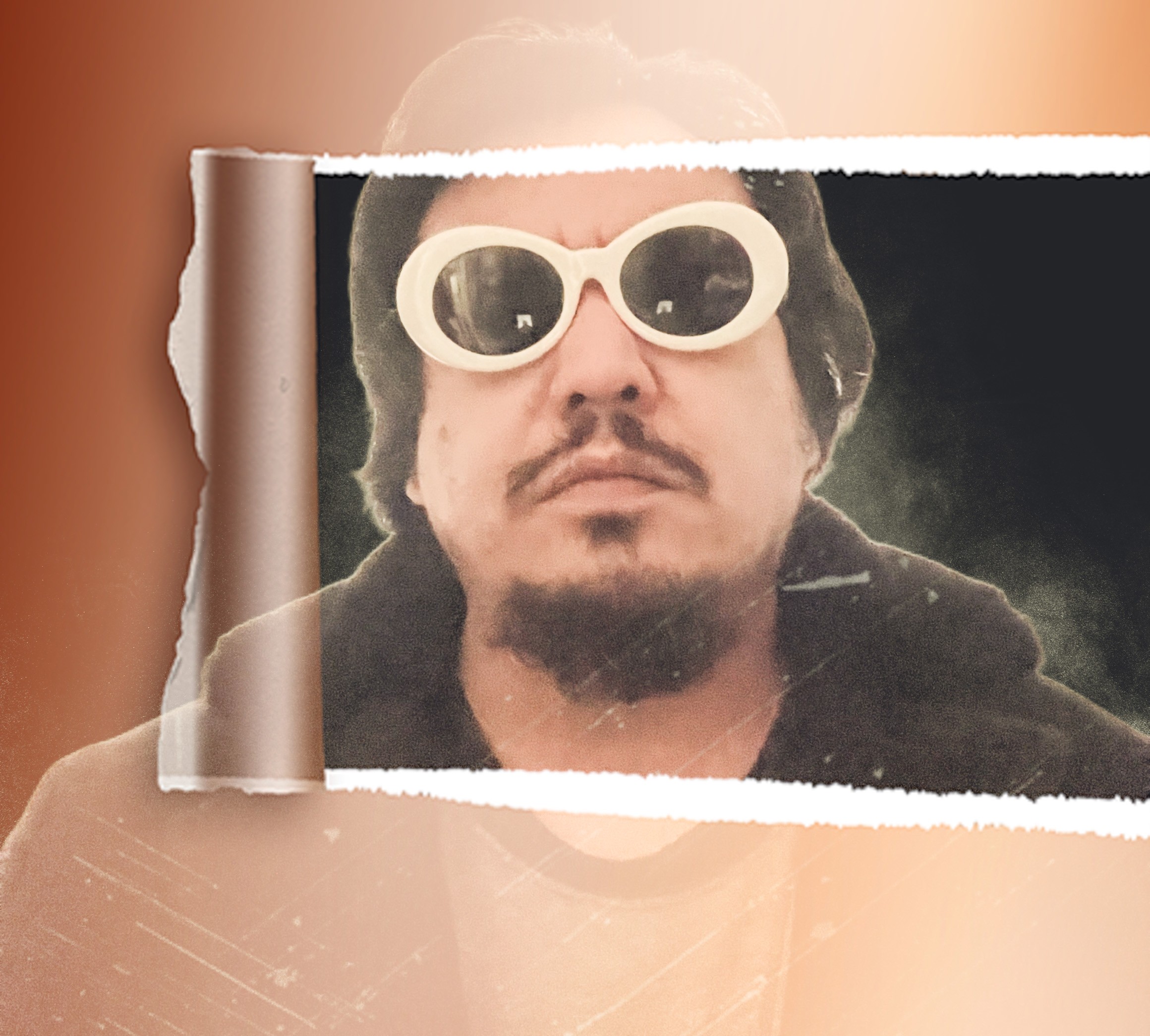
Tweetcore Radio Hour artwork by Marc Schuster All other Radio Station artwork: Painted originals by Nicki Coleman Photos of me: no credits, that’s just me messing around taking selfies :)