


Alright – so today we’ve got the honor of introducing you to Eliza Squibb. We think you’ll enjoy our conversation, we’ve shared it below.
Hi Eliza, thanks for joining us today. Do you think your parents have had a meaningful impact on you and your journey?
My parents always let me choose my own educational journey. I considered myself to be an artist since as far back as I can remember, it was part of my identity. I think there are plenty of parents who don’t want their children to study in the arts, whether that’s performing arts, visual arts or literary arts. They are concerned about their child’s wellbeing: will they get a job, will they make enough money.
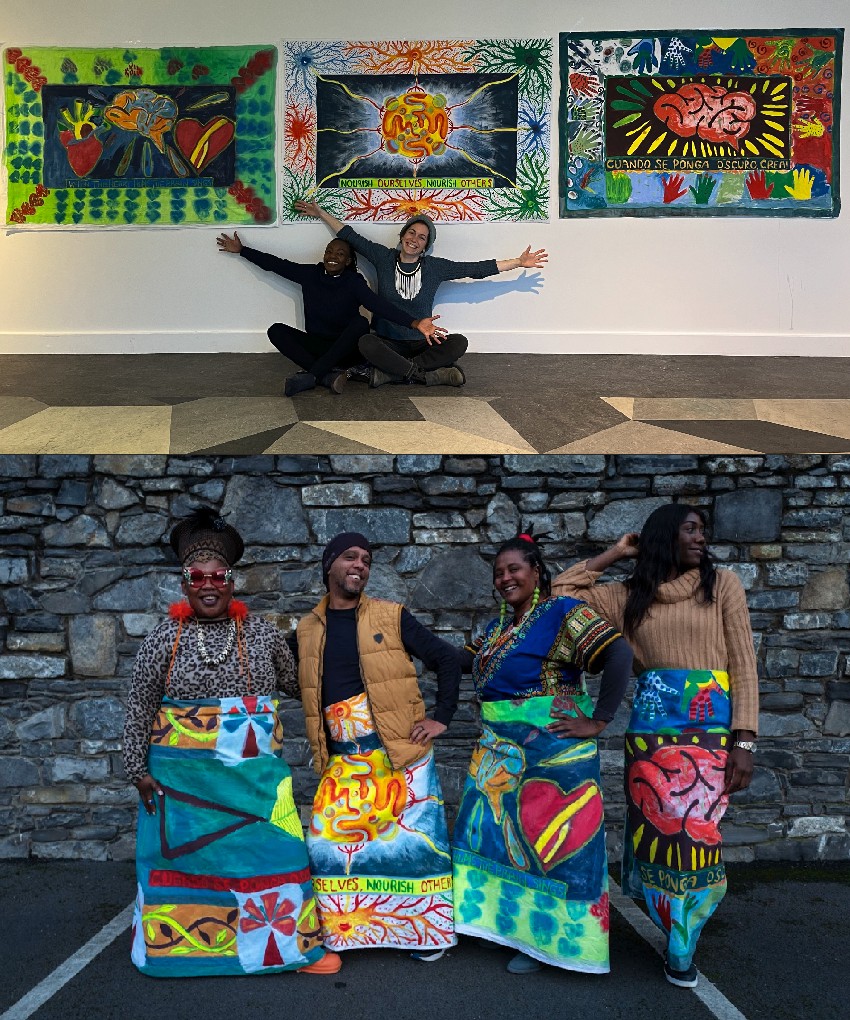
I think even the projects I’ve done so far in my career are a demonstration of the impact that artists can have in the world. Artists and visual thinkers: we’re problem solvers too. We play a role in working on global challenges.
My message to parents out there: let your kids be artists!
Eliza, love having you share your insights with us. Before we ask you more questions, maybe you can take a moment to introduce yourself to our readers who might have missed our earlier conversations?
Phew, this one is always hard for me because it doesn’t fit into a neat little elevator pitch! I call myself an artist, designer, and educator, because this covers both how I feel about my identity, but also what I do in my day to day and what I do to earn money and make ends meet.
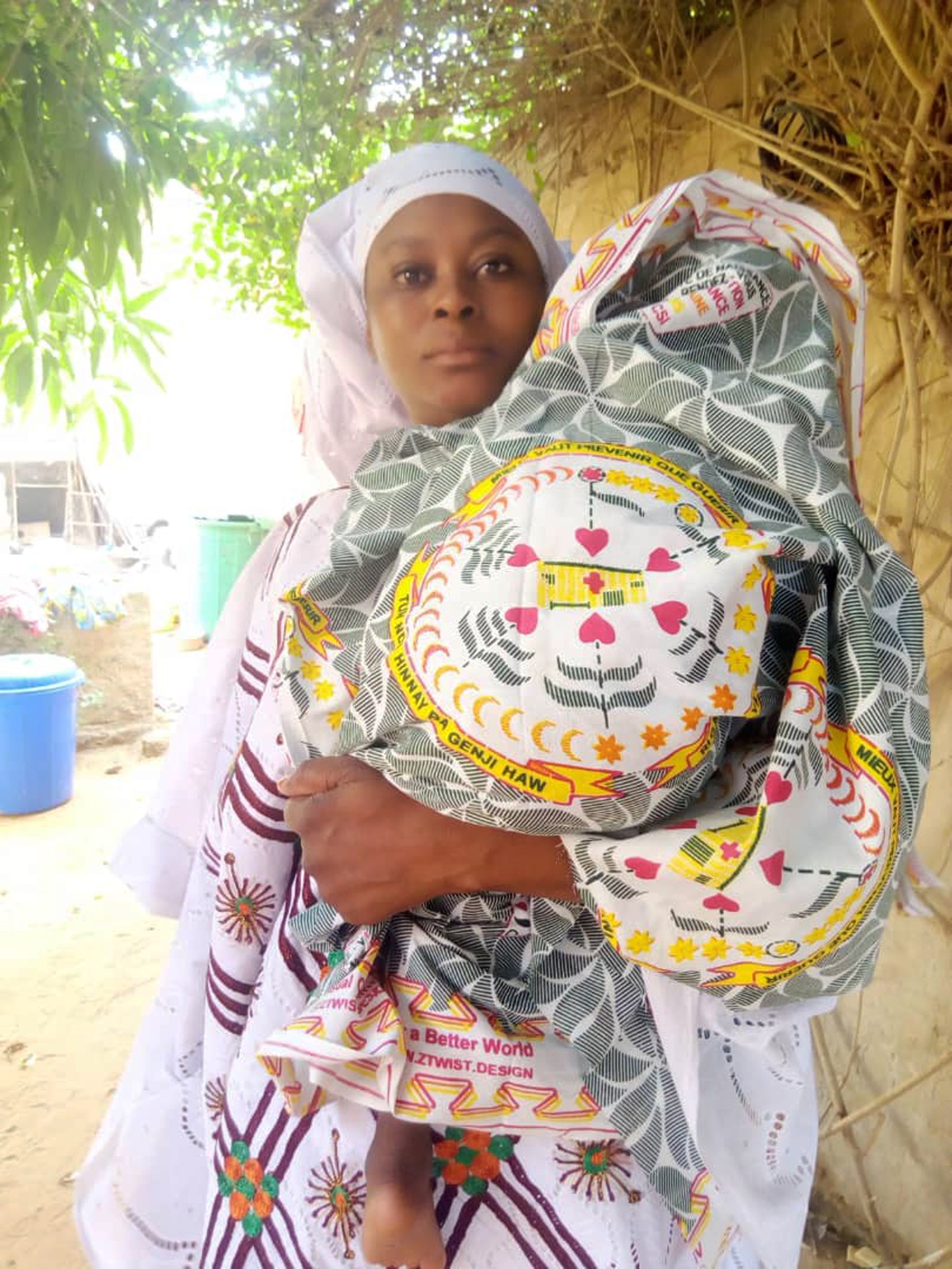
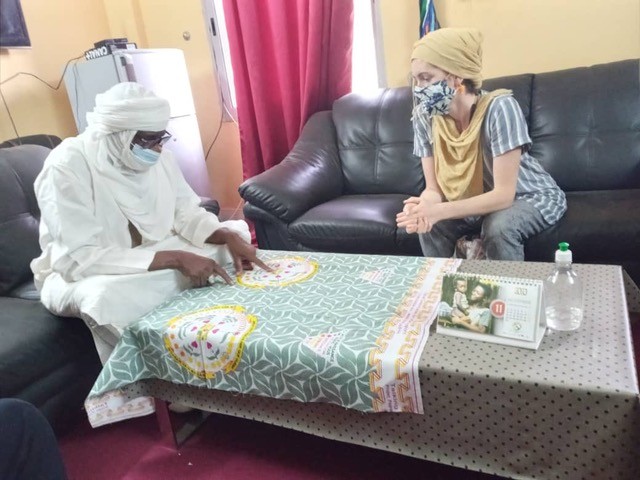
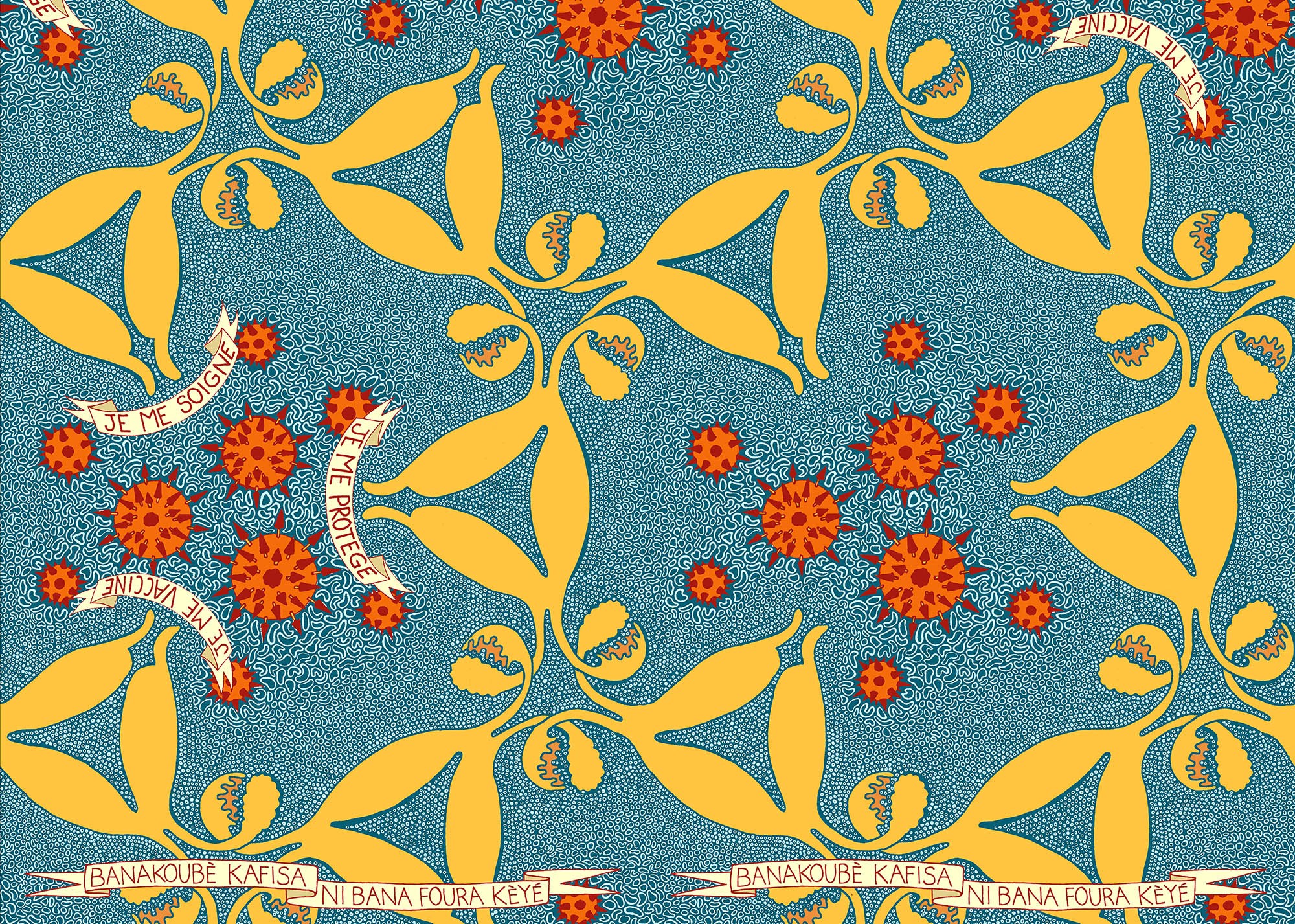
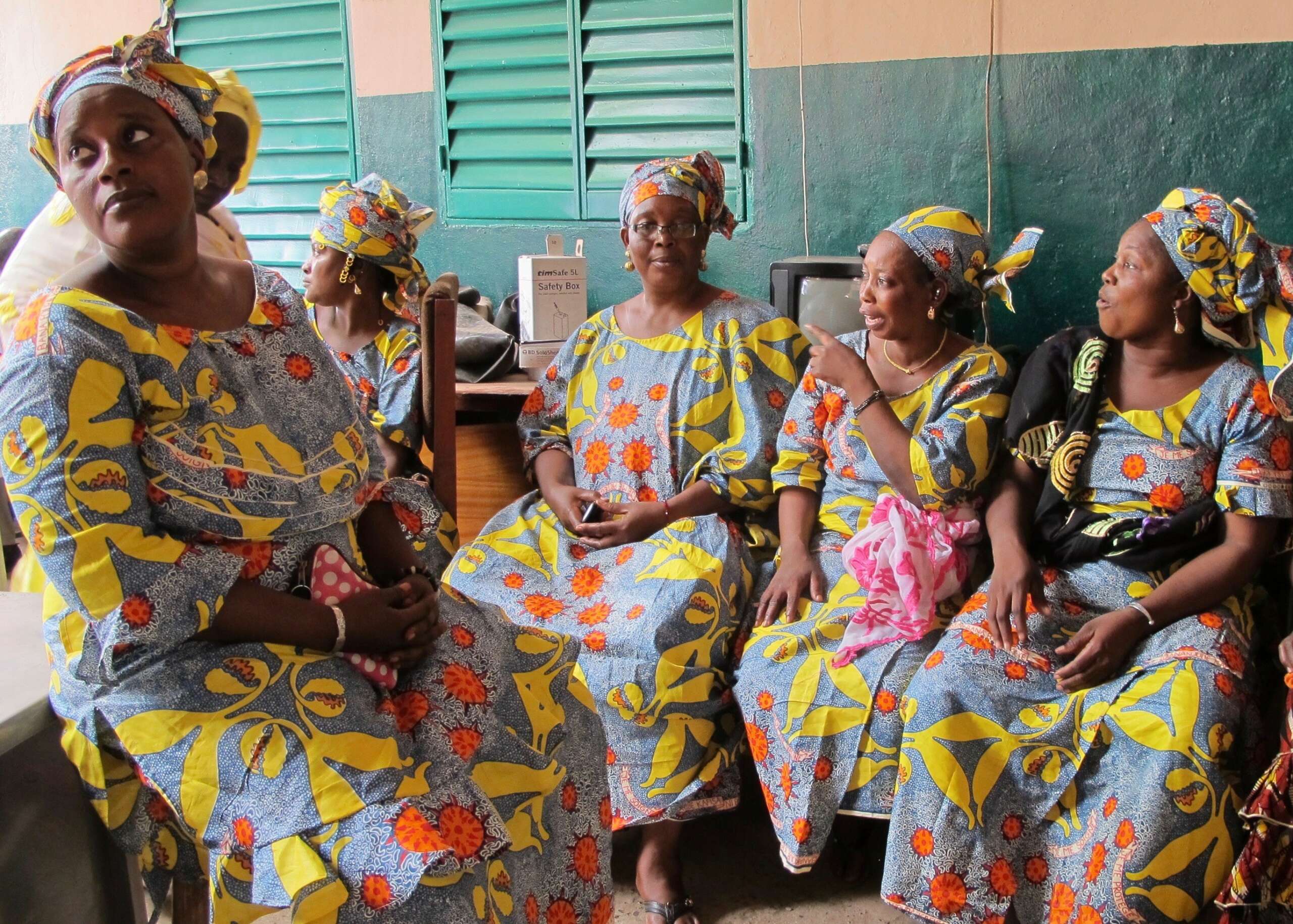
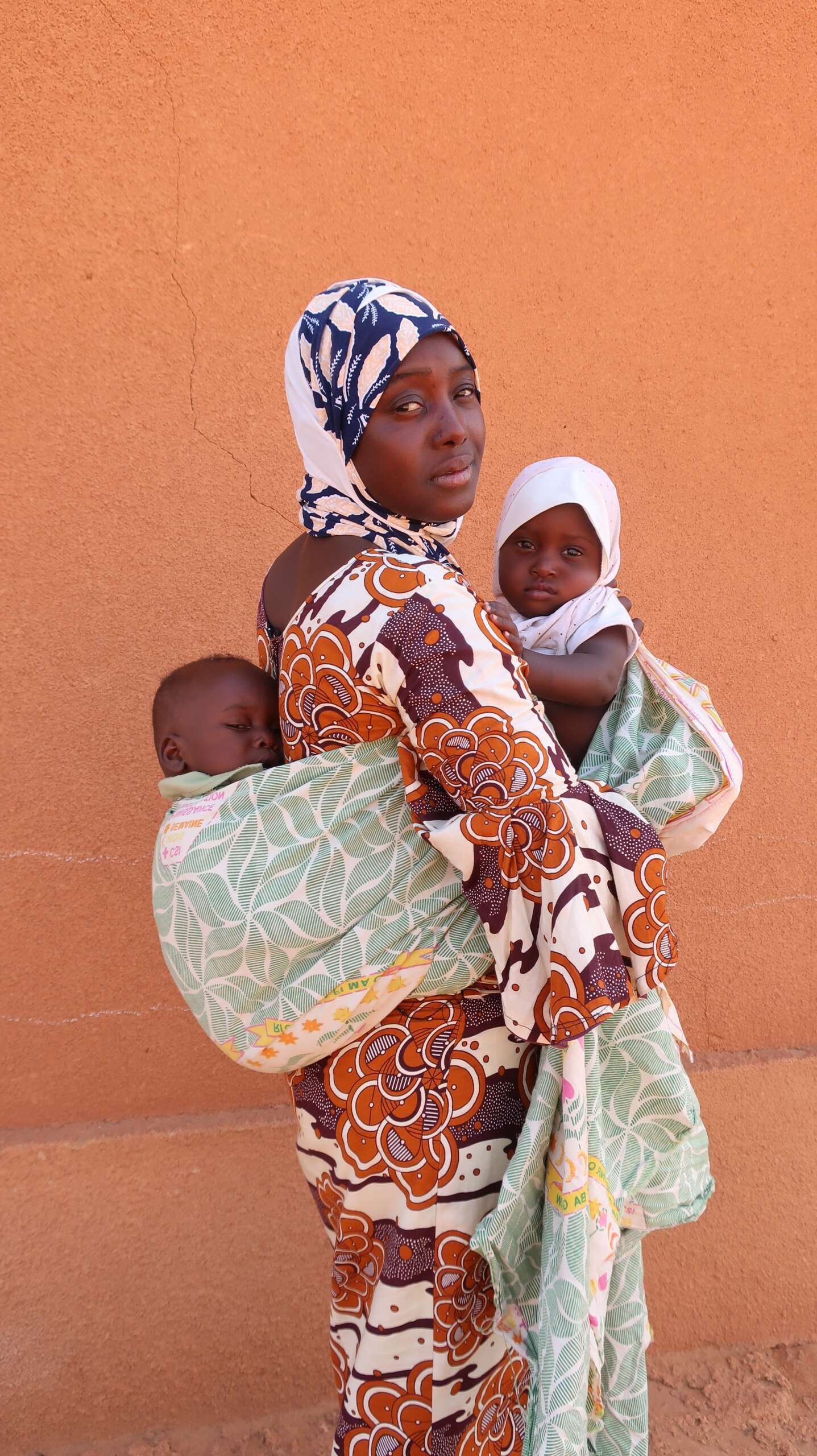
I feel like what is core to my practice and what is relatively unique or entrepreneurial about what I do is that I create textile patterns that serve as visual communication about health. You can think about the patterns like “teaching aids”, a community health worker can use the textile pattern to explain why it’s important to get a cervical cancer screening or get a child vaccinated in situations where there might be literacy barriers that prevent equitable access to healthcare.
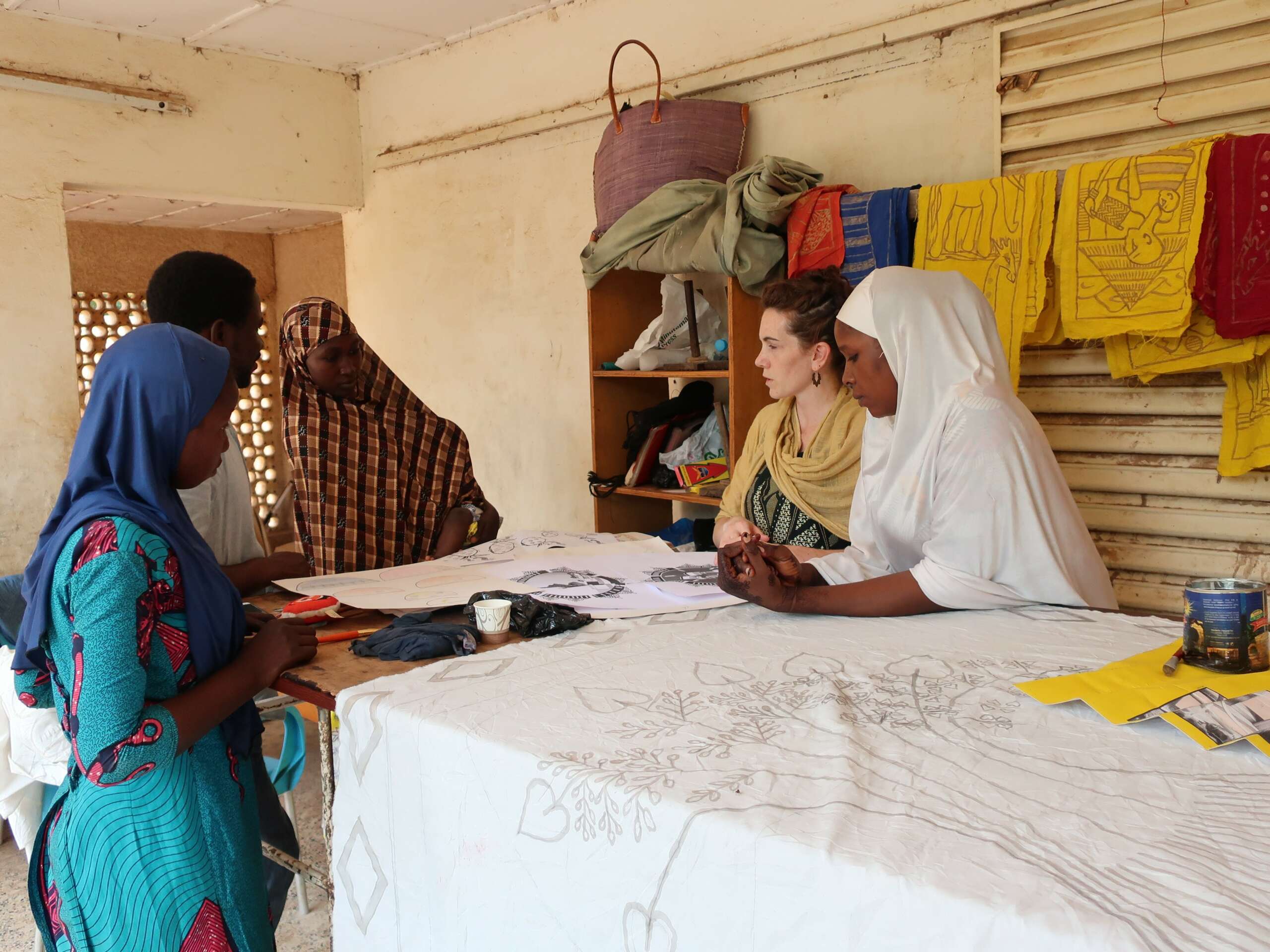
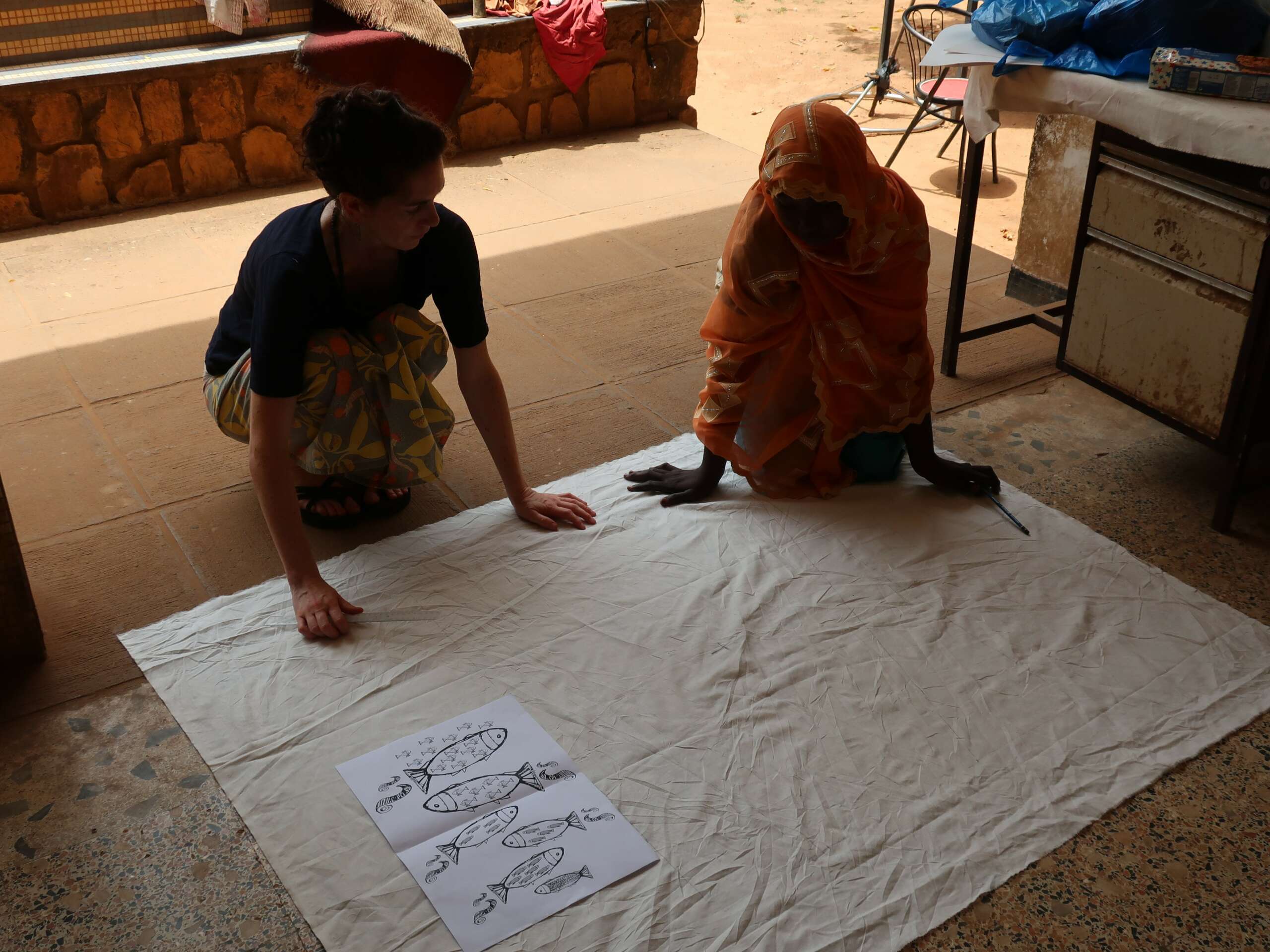
What I am most proud of are my experiences working collaboratively, and across disciplines, to create a few different projects in West Africa, working within the public health system, and working with local artists, developing a co-design process, and ultimately deploying and evaluating these textile design initiatives.
Example project: The “Vaccination Calendar Baby-Wrap” is a 2yard piece of cloth that’s printed with a pattern of symbols to represent the infant vaccination schedule. Mothers who may not be able to read can count the weeks and months between appointments 1 through 6 and know when to come back to the clinic. Mothers can use the cloth to carry their baby on their back.
This is my more official bio, if this text is helpful too:
Eliza uses textile design to bridge the worlds of art and science. Collaborating with healthcare providers, artists, and artisans, Eliza creates textile patterns that communicate health information for populations with low literacy or language barriers that prevent equitable healthcare access. Eliza’s textile patterns have been funded by grants, including two Grand Challenge Exploration grants from the Bill & Melinda Gates Foundation, and her designs have been used in health campaigns in West Africa to promote maternal and infant health. Eliza is a co-instructor for a course on biomimicry design at the Rhode Island School of Design’s Nature Lab and a course on Design Thinking at MIT D-Lab that connects innovative global start-ups and nonprofits with teams of undergraduate students to solve global challenges. Eliza is a 2019 Atlantic Fellow for US + Global Health Equity. Originally from Maine, Eliza lives in Providence, Rhode Island where she loves to explore and canoe.
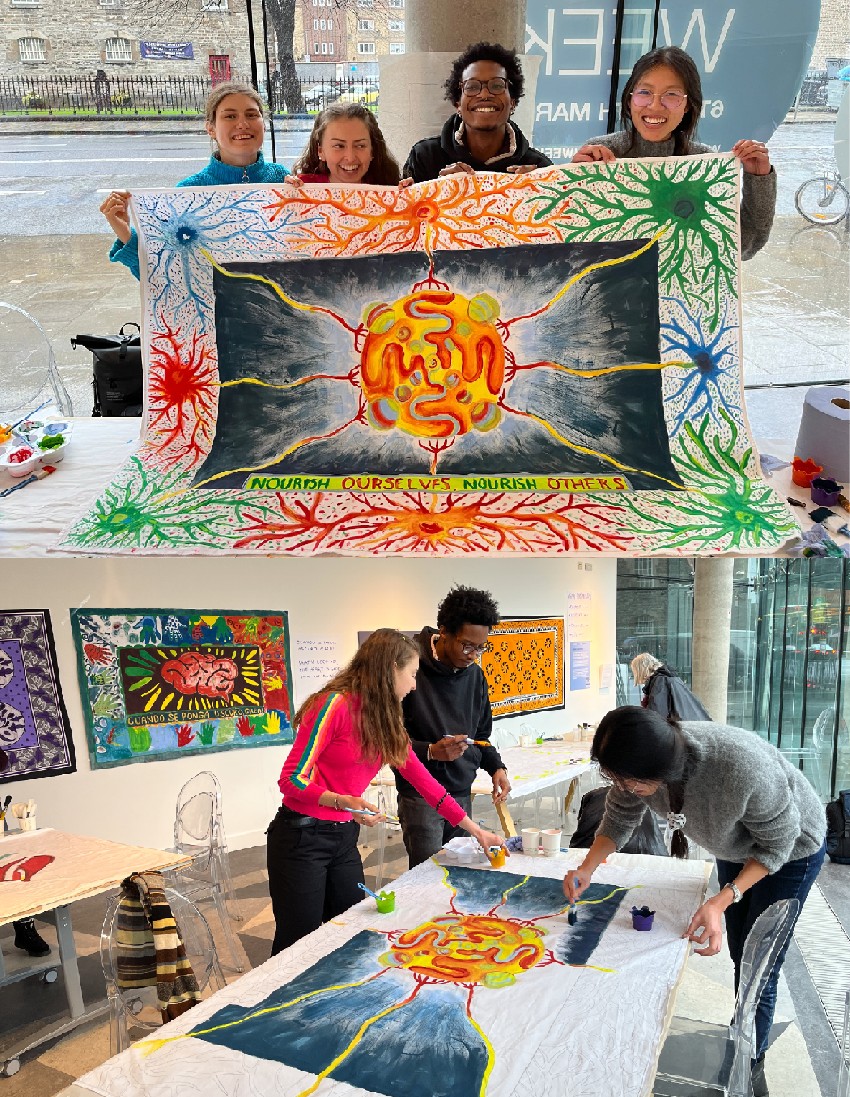
For you, what’s the most rewarding aspect of being a creative?
This answer kind of relates to a few of those questions:
As a creative person and as a visual person, I often notice how much I’m forcing myself to do the things I’m not great at, but that I feel like I have to do. I do A LOT of project management to get my projects off the ground and to run them. I’m organizing with/for my collaborators, making spreadsheets, writing grants, etc. None of these things relate to skills that I was trained for in art school (obviously).
It’s incredibly rewarding when I actually get to be creative, and sometimes it feels like such a small percentage of the time. I’m still learning and unlearning a lot of things about my own creative flow and productivity. It’s still a struggle and a practice.
I think a lot of artists and creatives would relate to this sentiment!
Any resources you can share with us that might be helpful to other creatives?
I think it’s important to know that you’re not going to get all the tools you need in one place: Plenty of people can complain, well, we didn’t learn how to manage a creative business in art school. Of course not! My art school education was 100% focused on the acquisition of techniques, visual analysis skills, making skills. When I wanted some business training, I went through other short trainings (I could definitely use more!). When I needed to learn more about global health or leadership training, I participated in a health equity fellowship.
I am a unique individual with a unique mind and unique creative skills, so of course I had to build and support those skills and develop my own perspectives from many different training resources.
For young folks out there, or people starting out: don’t worry if you feel like you’re not learning everything you need to from one thing (like a degree or program), you can build the puzzle piece by piece to acquire all the different skills you will end up using.
Contact Info:
- Website: https://www.elizasquibb.com/
- Instagram: https://www.instagram.com/chere.collegue/
- Linkedin: https://www.linkedin.com/in/eliza-squibb/