



We recently connected with Jake Huber and have shared our conversation below.
Jake , appreciate you joining us today. One of the toughest parts of scaling a business is maintaining quality as you grow. How have you managed to maintain quality? Any stories or advice?
This is a great question and one that we’re learning along the way as we build this business. Scaling a business without compromising quality has certainly been a major topic of conversation for us. In our industry, being a service provider, it’s even more challenging than what I imagine comes with selling a commodity. Having been in business for just over two years, SPLYCEHOUSE is currently navigating this transition. The shift from wearing multiple hats to focusing on operations is a pivotal moment for any business owner, and finding the right balance between managing the business and engaging in day-to-day tasks can be very challenging.
For us, the concept of promoting growth from within is really important. Although we haven’t been around for a long time, this is definitely something we have already leaned into and plan to continue focusing on in the future. Another priority is hiring based on cultural fit and a willingness to learn, valuing potential for growth over immediate skill sets. Through these approaches, we are able to grow our talent internally and foster a culture where we operate similarly to a sports team, understanding that everyone plays a pivotal role and relies on each other for the success of clients, the business, and each individual within the company.
Our culture is built on the idea that “legacy thinking is a liability.” This mindset is ingrained in every aspect of our business, ensuring that we remain open-minded and ready for growth and change. While we push each other to be the best versions of ourselves, we do so without allowing ego to get in the way. That is really important for our growth and for us to not only maintain, but also increase our quality standards.
As we continue to scale, we believe that our company will only improve in quality. For us, this starts with the cultural foundation built on good values.

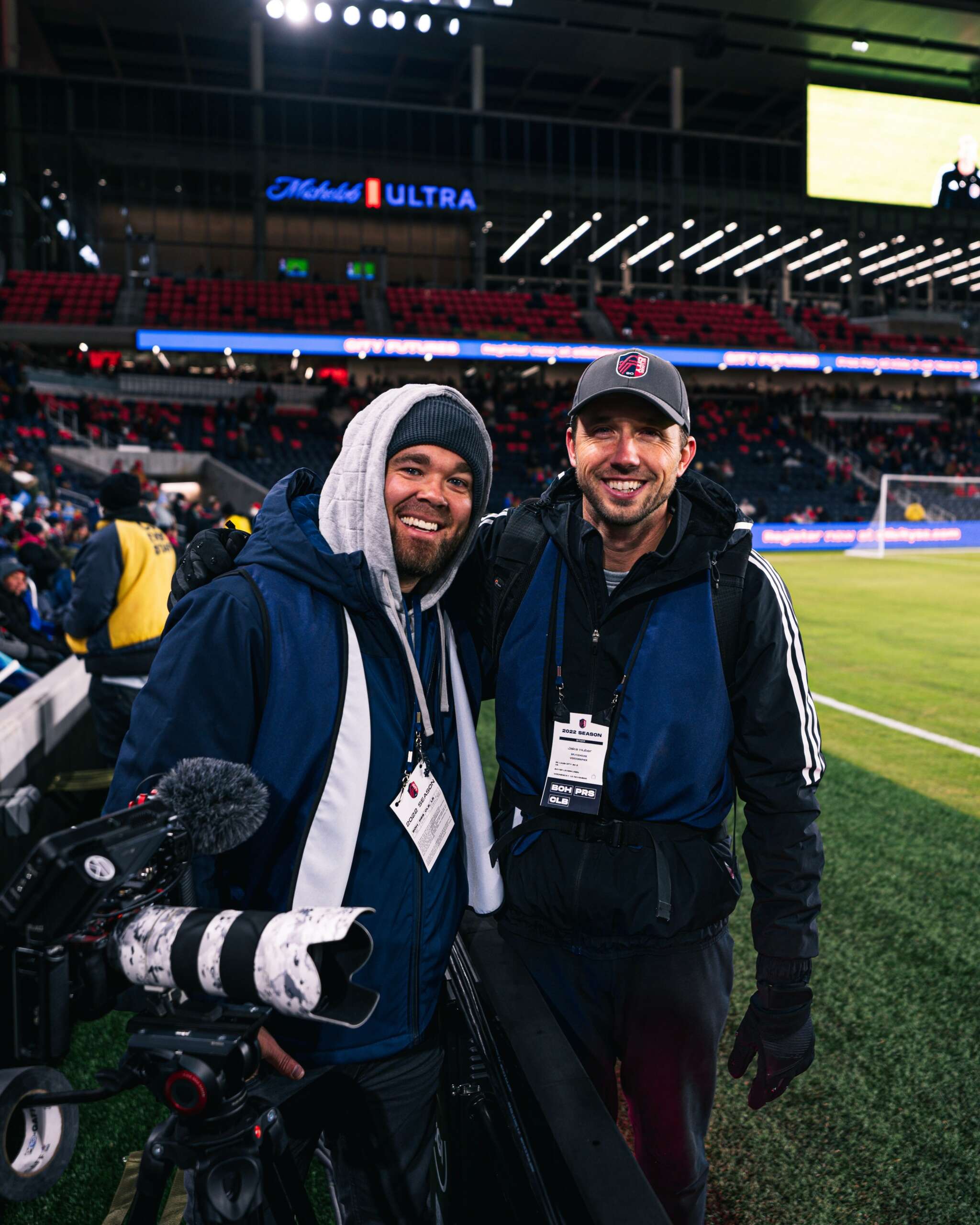
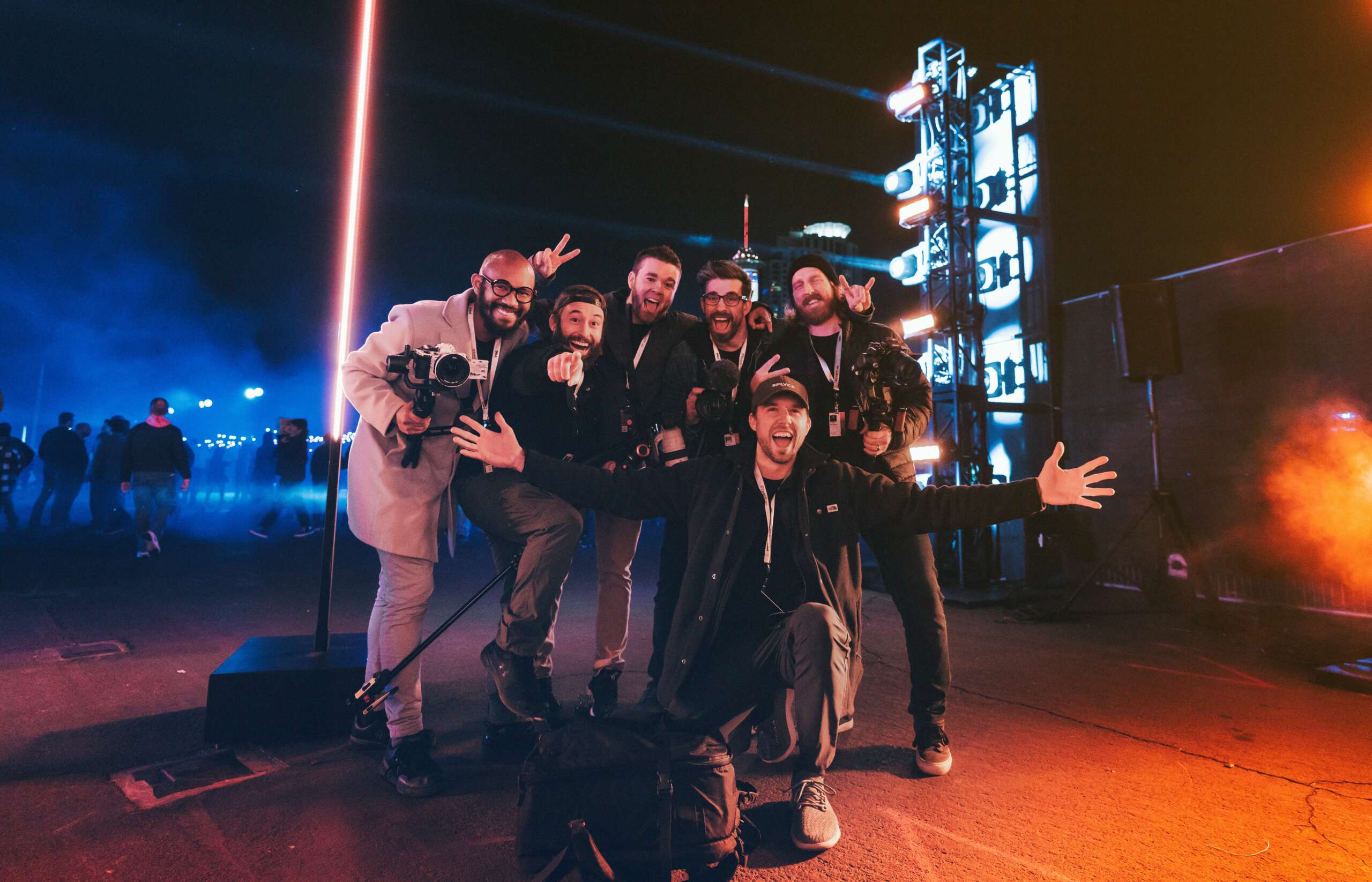
Jake , before we move on to more of these sorts of questions, can you take some time to bring our readers up to speed on you and what you do?
Since graduating from college, I’ve been immersed in the media industry, kick-starting my career as an assistant to a staff photographer at Sports Illustrated. This initial role provided me with knowledge and mentorship that I couldn’t have gained from school alone, particularly because I worked so closely with someone at the pinnacle of their profession in a highly competitive field. This experience, coupled with a subsequent full-time position at a video production company, enabled me to start building my own brand centered around video production. As my personal brand began to build, I eventually encountered a bottleneck in terms of how much further I could elevate it on my own. I felt like I was at a crossroads, faced with the necessity to channel all my efforts in a single direction to scale my growth. Fast forward to 2022, SplyceHouse was launched, a full-service video production company based in St. Louis, Missouri.
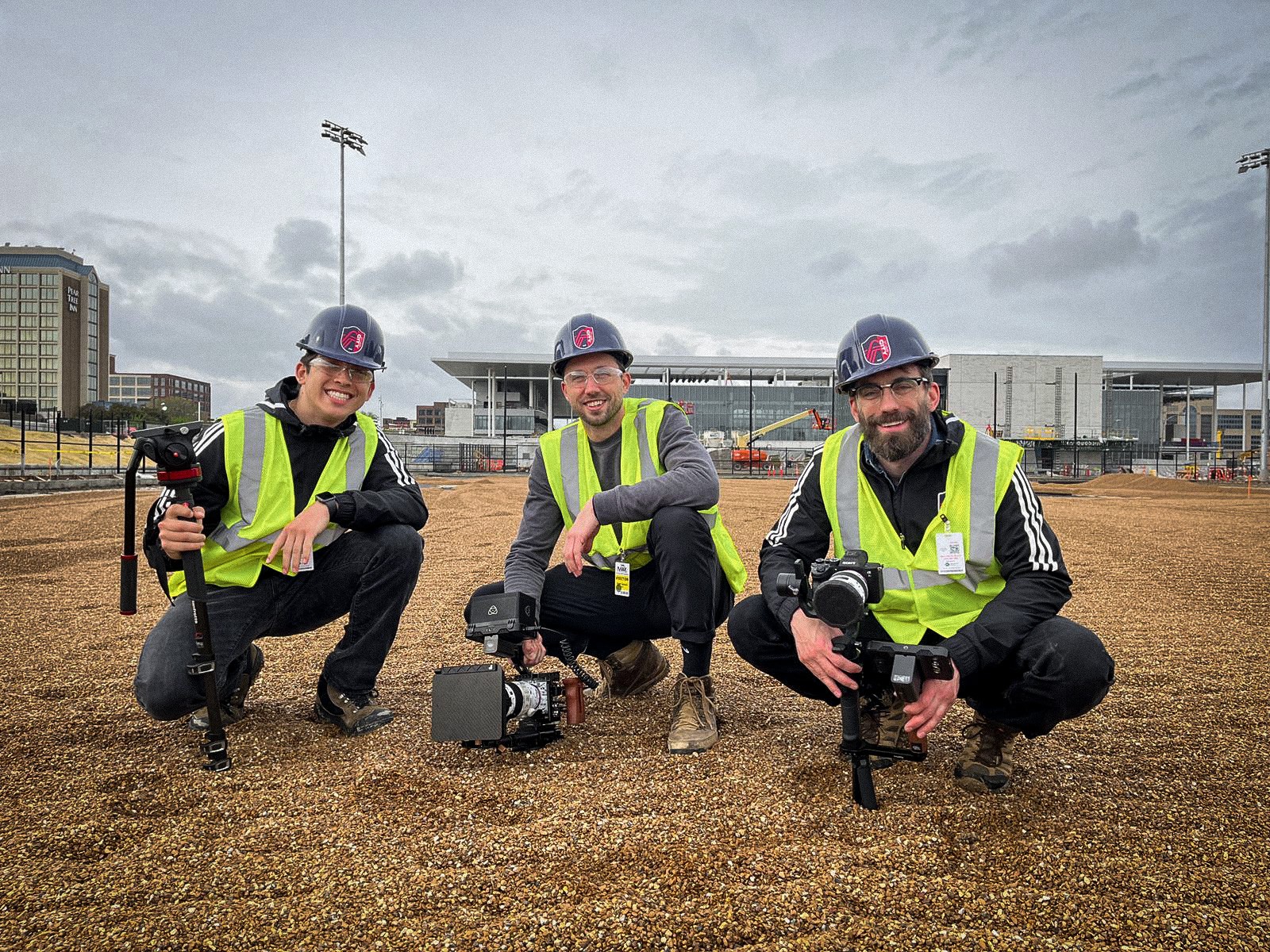
From there, our things really began to take off, working with clients such as St. Louis CITY SC, Hilton Hotels, Amazon Web Services, and a number of other companies, including several local marketing agencies. In less than two years, SplyceHouse has expanded to a team of eight. I often attribute our success to what I describe as “luck,” which, in my view, is when preparation meets opportunity. I acknowledge that none of this would have been feasible as an independent contractor, which proves my original decision to scale up to an established company.

Can you open up about how you funded your business?
I believe this topic is unique to different businesses and is dependent on specific factors. However, if you are building a small business similar to what we have accomplished with SplyceHouse, sacrifices will inevitably be made in the short term if long-term success is the goal. For us, the long-term goal was to scale a business and build a career and team that we would be proud of. Given that we were starting from scratch with this new business, I understood we wouldn’t secure a bank loan, and I had no interest in diluting the company’s equity with outside investments from the outset. I firmly believe, and still do, that any small business should be capable of self-funding its initial stage through a grassroots approach. For us, that was done by years of saving money and building strong and impactful relationships along the way. I think it’s also important to note that the money both my business partner and I contributed for the initial investment was a risk that was solely ours to bear, not that of an external investor. This put added pressure on us to make sure the business was a success. Now, in our third year, I can proudly say that we have been debt-free and cash-positive from the start. Yet, we continue to make sacrifices, by reinvesting back into the business knowing that this is a long-term game, not a short one. I anticipated this since it is pivotal for our ability to hire new staff, acquire new equipment, bolster our marketing efforts, plan for our next office space, and generally fund our business expansion without resorting to substantial loans or relinquishing equity to investors. These are the risks and sacrifices often overlooked when starting a business, but they are critical decisions that any business owner must make.
What else should we know about how you took your side hustle and scaled it up into what it is today?
Fortunately for our industry, there are a lot of opportunities within contract/freelance work, and I was able to spend most of my early career in that space. Being a sole proprietor in the creative industry allowed me the chance to essentially run my own business. Just like any other business, the responsibility was solely on me to curate opportunities for work, balance my books, manage my finances, build a portfolio, purchase equipment, etc. With that said, it wasn’t a side hustle; it was a real business at that point. The significant difference from a business of one is that I wasn’t managing employees. I believe the skills I learned as an independent contractor significantly helped me understand that I enjoyed building a brand, processes, organizational tasks—essentially, all the things most creatives hate the most, the business side of things. Through freelance work, a person can quickly learn if they are better suited as a pure creative or if the business tasks are something they are interested in.
For me personally, it became a challenge to see how well I could build my brand as an individual, and fortunately, I was able to find success in this space, building my personal brand much larger than what I was able to sustain by myself. The year leading up to SplyceHouse, I was nearly 80% or more direct to clients. Being an independent contractor working for myself was not ideal for me however, as I desperately desired more collaboration with other creatives. Building a scalable business was an obvious choice.
My advice to anyone deciding on turning a freelance career or side hustle into a full-time business or career would be to use the same knowledge from the previous question with a grassroots approach. I think you can learn a lot about your interest and success, and see how well you can fit into the market and attract awareness to the work you are doing. Doing it this way will bring a lot more clarity to any answers to the questions you might face currently.
Contact Info:
- Website: https://www.splycehouse.com/
- Instagram: https://www.instagram.com/splycehouse/
- Facebook: https://www.facebook.com/splyce.house/
- Linkedin: https://www.linkedin.com/company/splycehouse-llc
- Twitter: https://twitter.com/splycehouse
- Youtube: https://www.youtube.com/splycehouse