



We caught up with the brilliant and insightful Peter Cline a few weeks ago and have shared our conversation below.
Peter, looking forward to hearing all of your stories today. Growth is exciting, but from what we’ve seen across thousands of conversations with entrepreneurs it’s also dangerous if costs aren’t watched closely – sometimes costs can grow out of control outpacing revenue growth and putting the viability of the entire business at risk. How have you managed to keep costs under control?
Growing Boots to Books has been an exciting and fun journey, but there has been a significant amount of work that our team has put in on the backend to turn the organization from an idea into a messy organization, and finally into an efficient business (which is still in progress). For us, diligent planning and re-planning has been essential to keeping costs under control. If you are in an organization that is rapidly growing your top line, the plan you make at the beginning of the year could be inaccurate, or an inefficient use of resources, if left unmodified. So, make a diligent plan, but revisit it often. Keeping costs down does not mean neglecting to invest in your business or new solutions, but if you fail to reassess your business and market, you won’t have any idea what an appropriate level or area of reinvestment is. Finally, on the more tactical side, spend time evaluating and negotiating with your vendors. Our team was spending over $10,000 annually to run our virtual hiring events in 2022, before finding a new vendor, making the painful switch, and saving >50% annually while having a better user experience. Plus, we were able to negotiate with the new vendor to reduce the cost further and add additional features at no extra cost. This is an extremely worthwhile exercise and seems logical in any business, but with rapid growth comes limited time so it is often missed. Final note on working with vendors, your negotiating leverage is a function of your contract and the vendor’s size, so don’t try and save $5 everywhere!

Peter, love having you share your insights with us. Before we ask you more questions, maybe you can take a moment to introduce yourself to our readers who might have missed our earlier conversations?
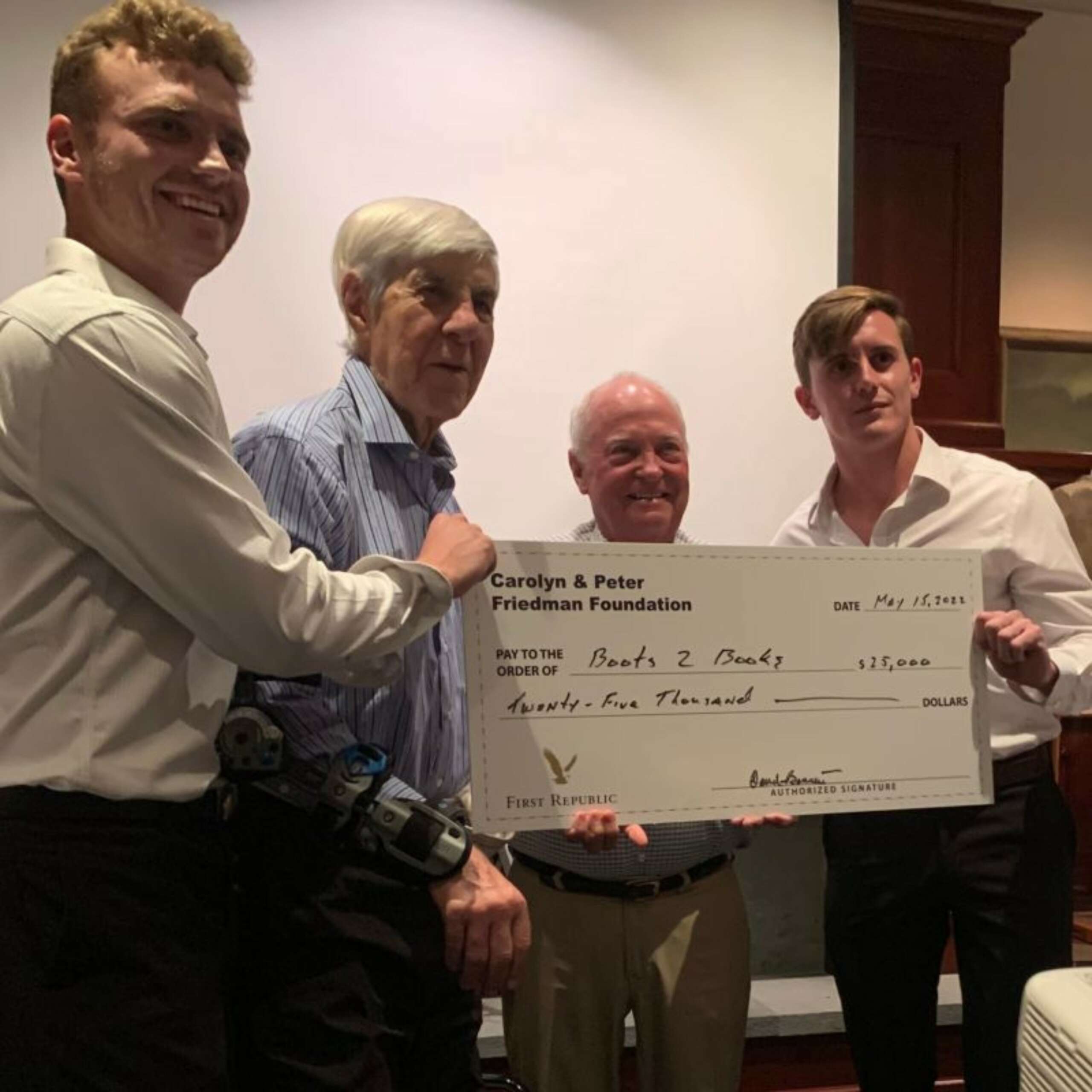
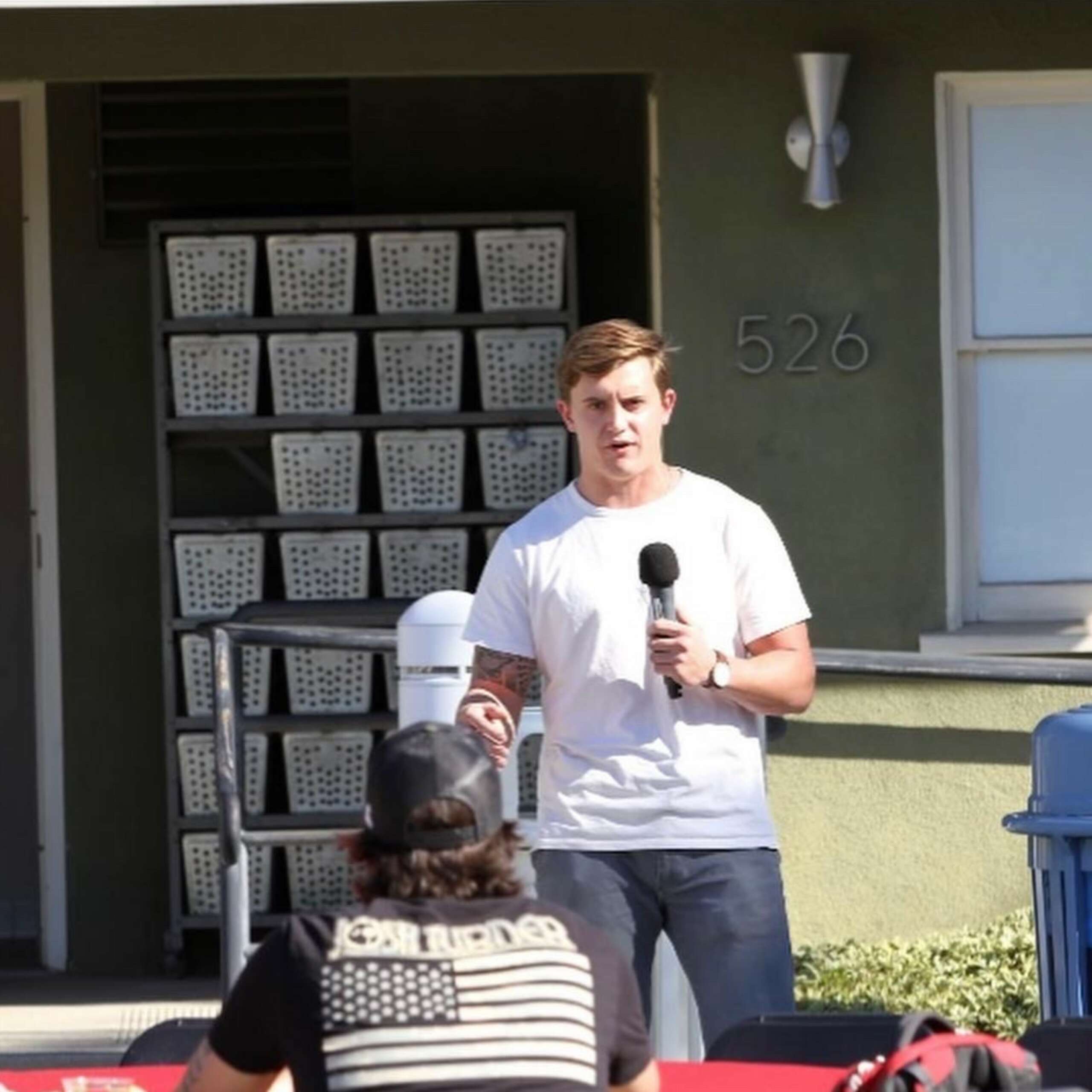
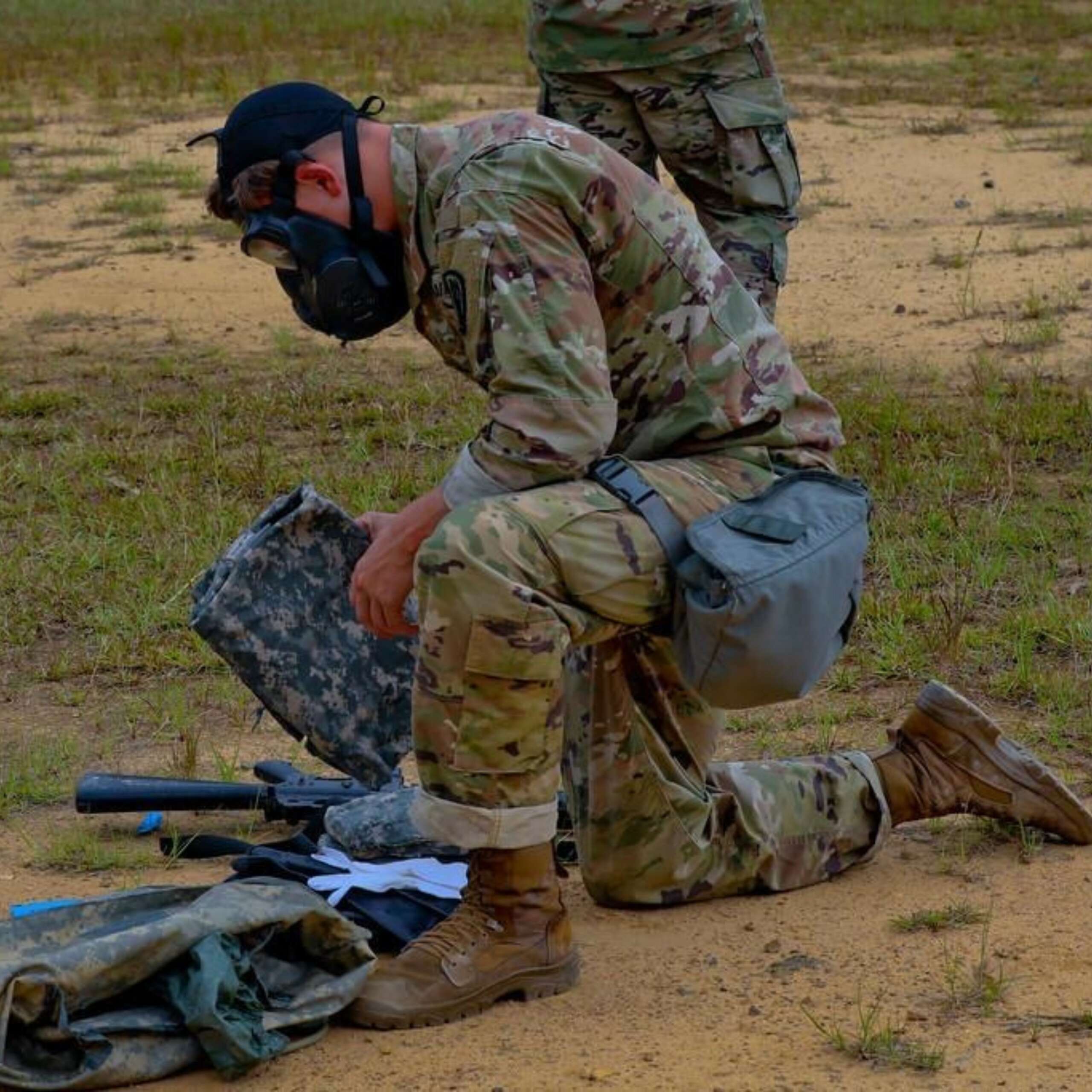
My name is Peter Cline and I am the Founder and President of Boots to Books. My journey truly began when I joined the Army directly after graduating high school. In the military, I was able to lead infantry teams, become the fastest winner ever of the Fort Benning Non-Commissioned Officer of the Year Competition (basically manager), and start my education at night. When I was honorably discharged from the military, the help I received from a friend led us to discover how many other individuals could use the same personalized, holistic assistance in attaining competitive education and employment opportunities. With that friend, Aubrey Sine, I founded Boots to Books in 2020. Boots to Books is a 501(c)(3) Nonprofit and a partner of the U.S. Army Reserve, though it assists transitioning service members, veterans, and families of all branches. The organization provides scholarships for textbooks and professional certifications, live workshops to teach job-seeker skills, and hiring fairs with some of the nation’s largest companies, like Oracle, Accenture, BMO, TD, and more! We also built the “Military Transition Masterclass” which is an online community and video course with over 1,300 students taught by Fortune 500 recruiters, counselors, and founders breaking down all the pain points in the military transition. Boots to Books has never charged users a cent for our services, and Aubrey and I have proudly never paid ourselves from the organization. Outside of Boots to Books, I worked in strategy consulting, advising deep technology, B2B SaaS, and biotechnology companies before joining a large technology company’s corporate development team, where I aid in diligencing and executing M&A transactions.
Can you open up about how you funded your business?
Funding our business, while a nonprofit, was very similar to the for-profit startup path (though we had no equity to sell). Initially, we were a new nonprofit with two founders who were not seasoned executives – we were hard to fund. So, Aubrey and I raised what we could from friends, family, and our own pockets to begin holding the lowest cost, highest impact programs we could identify. This was important for two reasons: first, it built a tangible impact for future donors to see, second, it allowed us to see if what we were providing actually helped people. After about six months of this, we received our first large donation.
We’d love to hear about how you keep in touch with clients.
I will focus on our donors for this question. For us, we are a growing and still relatively young organization, so our donors appreciate that they are funding the growth of something that they are a part of. Our team makes sure at a high level we keep them informed through regular newsletters, but also to invite them to events to see our programs in action, to reach out and schedule calls or visits with large donors periodically, and to keep active on social media. Even our messaging, down to our responses to LinkedIn comments, are inviting and oriented towards creating a supportive community.

Contact Info:
- Website: https://boots2books.com/
- Linkedin: https://www.linkedin.com/in/peter-cline/
Image Credits
Matthew Langseth – thank you for your tireless photography!