



We caught up with the brilliant and insightful John Rivera Pico a few weeks ago and have shared our conversation below.
Hi John, thanks for joining us today. Do you think your parents have had a meaningful impact on you and your journey?
Although I don’t come from an artistic family, my parents always understood the value of fine arts and the importance they had on the growth and development of any child. As a kid, I never really stood out in things like sports or in most school subjects, but for some reason I always had a natural inclination towards languages and arts.
Both my parents worked very hard so that me and my siblings could attend a private school and learn both English and Spanish at a high level. It was precisely at this school, which was run by a Catholic congregation know as the Bernardine Sisters, that my interests in music began to emerge. The school had an amazing pipe organ, and some of the priests and nuns who were part of the community played it and conducted the church choirs. With time, I was able to appreciate that these priests and nuns were musicians of a very high level and that the music they interpreted served not only as music of worship, but also as a means of educating the community in other musical genres such as classical music. During every mass I was in awe of the sounds that came out of this enormous instrument, but above all, I was shocked by the ambiance it created and how it physically and emotionally changed the way I felt within that specific moment in time.
My parents, seeing the interests I had in those very peculiar sounds, took the initiative and decided to put me into an after school music programme for children at the local Conservatoire. Even though my initial attraction was towards the organ and choral music, my instrument of choice when deciding to take lessons at the Conservatoire was the classical guitar. This was done out of purely practical reasons, given that my mother had been gifted a guitar by a friend of hers who had brought it from Spain, it was therefore convenient to use this instrument as the tool to begin my musical journey.
After twenty years of practicing the craft of music, I can say that what my parents did right was looking at the things which clearly caught my attention and making sure I had the opportunity to explore and develop as many skills as possible in those areas in a safe and healthy environment.
Today, as a teacher, this is one of my focal points when trying to find a way to guide my students in the right direction. I look at their strengths and passions, and from there try to design a path in which they can continue exploring their interests and grow not only as musicians, but also as human beings.
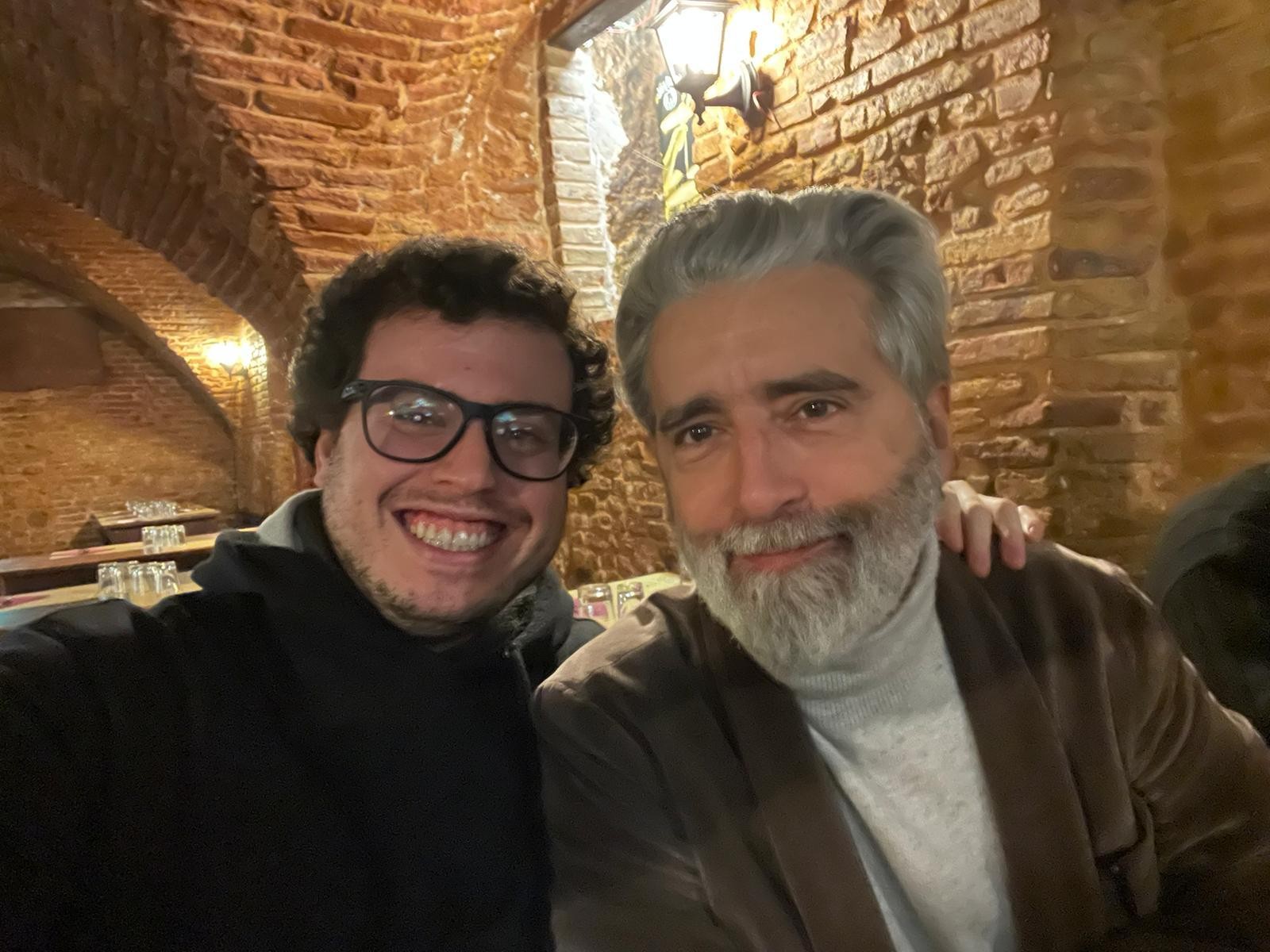
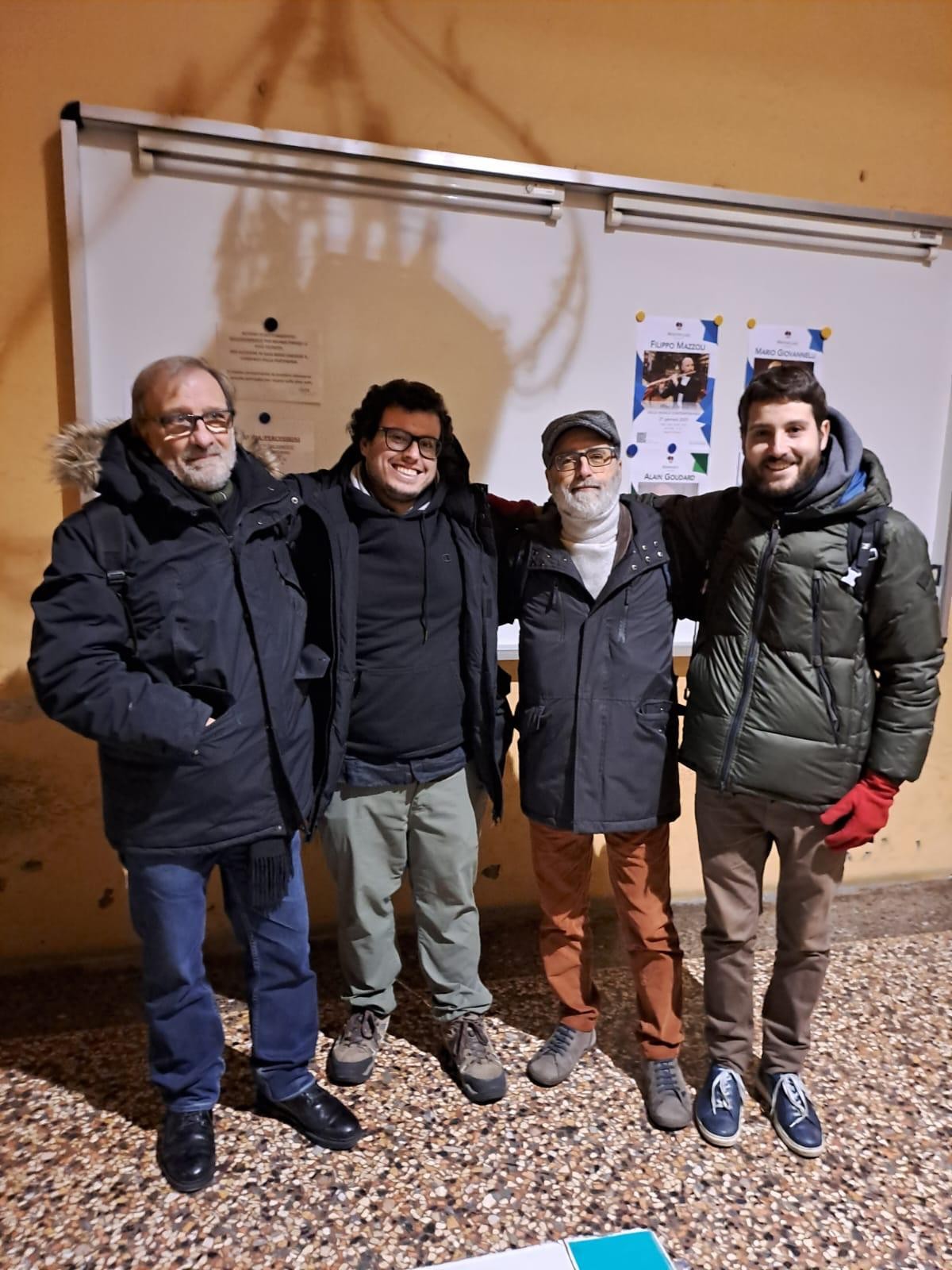

John, love having you share your insights with us. Before we ask you more questions, maybe you can take a moment to introduce yourself to our readers who might have missed our earlier conversations?
My musical journey started as a child in the Extension Programme of the Puerto Rico Conservatoire. From the ages of ten to twenty-one, I was part of this institution and learned the core elements of my musical craft. During these eleven years, I was able to take part in every activity that the institution had to offer. From masterclasses to contemporary music ensembles, these years helped me engage with amazing teachers and musicians that supported me every step of the way. Among these mentors were guitarists Julio Reyes, Luis Enrique Juliá, and Alberto Rodriguez Ortiz, as well as composers Manuel Ceide and Carlos Cabrer.
As a student, I was able to travel to many countries outside of the Caribbean and expand my musical knowledge through summer festivals and yearly exchange programmes. One of the most important experiences during these years was my trip to Italy, where I was able to study intensively with guitarist Oscar Ghiglia in Gargnano, and composer Luca Cori in Milan and Cesena. This European journey fueled my interests in exploring the European continent further and motivated me to apply to various graduate programmes abroad. Among the institutions that I applied to after finishing my undergraduate degree at the Puerto Rico Conservatoire was the prestigious King’s College London, where my previous composition teacher Carlos Cabrer had studied.
After successfully applying and entering the composition programme at King’s, I was able to live and explore the amazing city of London for an entire year. Living in Europe for and extended amount of time as a student gave me the opportunity to travel all across Europe and engage with as well as learn from musicians from all parts of the world. The programme at King’s College helped me explore the craft of music composition in a competitive yet healthy environment which gave me the tools to prepare myself for what was to come next–applying to various PhD programmes in the UK.
Given that my first year studying full time in the UK had been such an enriching experience, I worked very hard with my supervisors Silvina Milstein and Edward Nesbit in order to build a competitive composition portfolio and apply to various composition programmes in England. For me, it was a way of being able to stay in Europe and continue exploring the world both as a student of music and as a curious individual. After many hours of work writing research proposals and being interviewed by different universities, I settled on continuing my studies at the University of Birmingham under the supervision of Michael Zev Gordon and Ryan Latimer.
During my three years as a researcher, composer, and teacher at the University of Birmingham, I had some of the most enriching experiences of my entire academic career. I worked with amazing students, teachers, and ensembles that helped me grow as a composer and engage with individuals that made me think about my work and helped me clarify what I wanted out of my musical journey. Among the most gratifying experiences during these years was having my music played by some of the top ensembles in the country such as the Birmingham Contemporary Music Group, the Ligeti Quartet, Lontano Ensemble, Psappha Ensemble, and the Britten Sinfonia. Apart from these engagements outside of the university, I was able to exchange ideas with other doctoral students at the University of Birmingham by participating in improvisation ensembles such as Spectral Karaoke, where I met my dear friend and frequent collaborator, Milad Mardekheh.
After finishing my years of research at the University of Birmingham I felt the need to return to Puerto Rico and share all of my acquired knowledge with the new generation of musicians. Apart from my current activities as a teacher, composer and performer, I also enjoy collaborating with artists from other disciplines such as Puerto Rican writer and multidisciplinary artist, Eduardo Lalo.
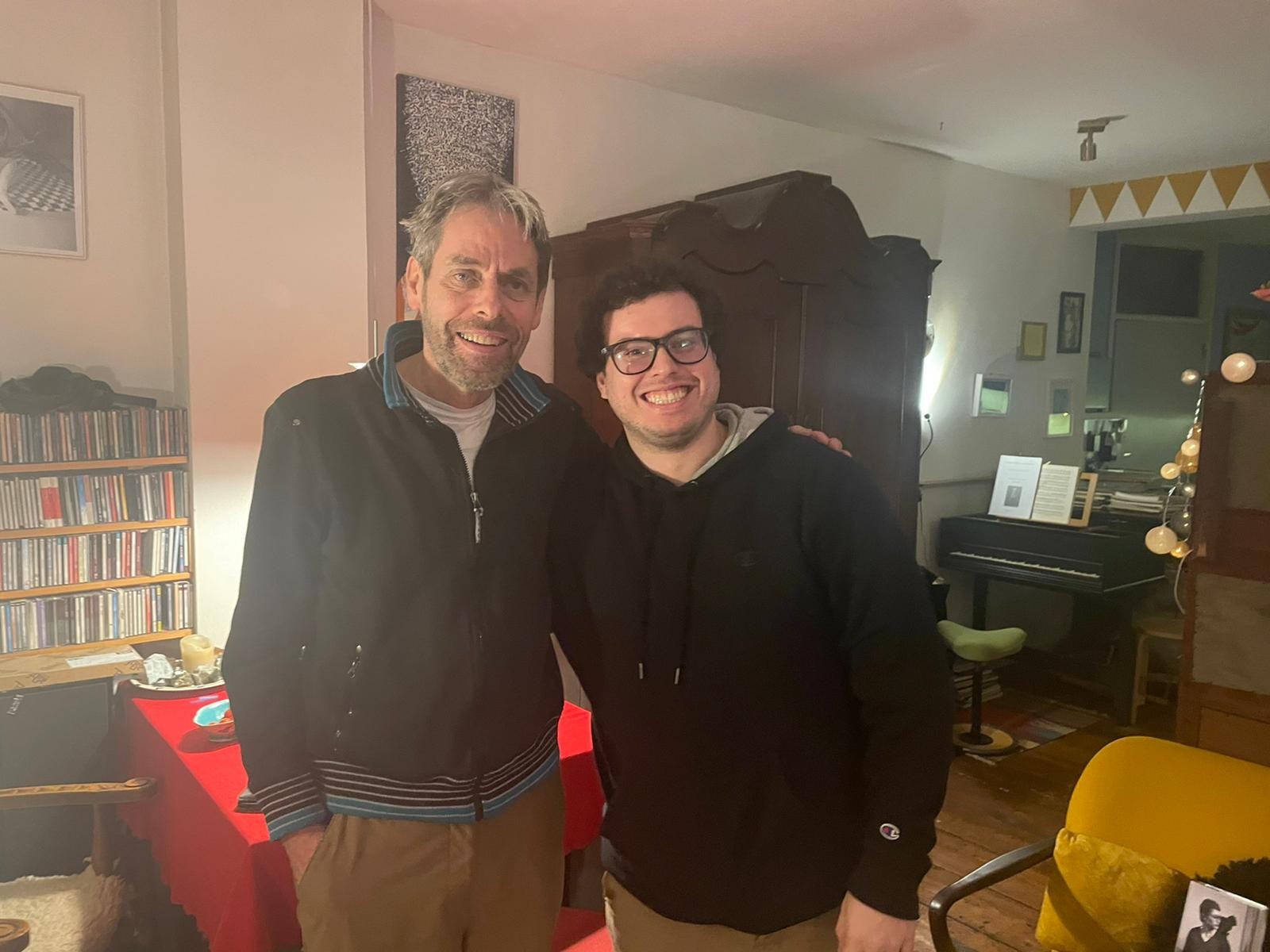
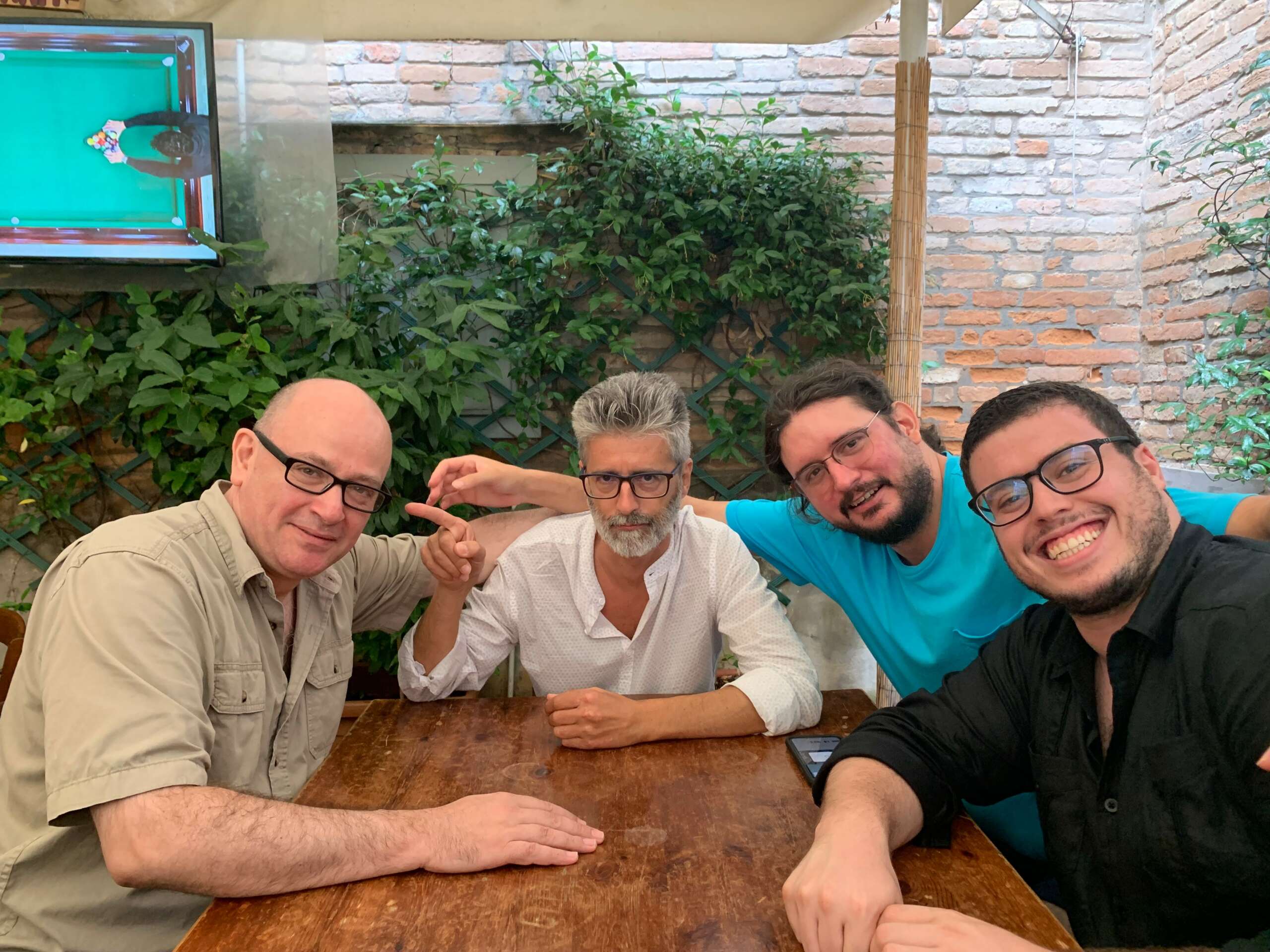

For you, what’s the most rewarding aspect of being a creative?
To me, the ability of expressing my concerns and curiosities within a particular moment in my life is always the most rewarding of being an artist. Looking back at all of my works, I can trace the state of mind that I was in at that moment, and the ideas that were of interest during the time that I was writing a new piece. In a way, they represent my journey as a human being, showing the ability we have as individuals to change and adapt to any given situation or moment in time. If anyone wants to learn who I am or was, all the have to do is listen.
Are there any books, videos, essays or other resources that have significantly impacted your management and entrepreneurial thinking and philosophy?
During the early stages of my career, I was obsessed with monetary success and audience acceptance. After a while, this approach to and artistic career made me very unhappy, since I felt that my work as a creator was lacking depth and personality due to my constant need to please others and make money. At one point during my master’s degree, I stumbled upon the writings and films of the Russian filmmaker Andrei Tarkovsky. After watching his films and reading his journals, I immediately felt inspired by the passion that this artist had for his craft and for presenting a body of work which above all evoked honesty.
Even though making a living and finding ways of gaining a steady income as an artist is of the utmost importance, my approach to art changed with time due to Tarkovsky’s influence. I one of his interviews, which can be found on Youtube under the title ‘Andrei, what is art?’ In this particular interview, Tarkovsky speaks about his views on the subject and mentions that: ‘Before defining art – or any concept – we must answer a far broader question: what’s the meaning of man’s life on Earth? Maybe we are here to enhance ourselves spiritually. If our life tends to this spiritual enhancement, then art is a means to get there. This, of course, in accordance with my definition of life, art should help man in this process. Some say that art helps man to know the world like any other intellectual activity. I don’t believe in this possibility of knowing. I am almost an agnostic. Knowledge distracts us from our main purpose in life. The more we know, the less we know: Getting deeper our horizon becomes narrower. Art enriches man’s own spiritual capabilities and he can then rise above himself to use what we call ‘free will’.
This search for meaning and personal truth through the medium of art, and in my case music, became the driving force for all of my work. I don’t know if the way I composed music before is better or worse than what I am doing now, but what I am sure of is that I am enjoying the process more than ever, and that to me is always a sign of being on the right track.
Contact Info:
- Other: https://soundcloud.com/johnriverapico https://eduardolaloyjohnriverapico.bandcamp.com/album/caballo-de-palo-homenaje-a-clemente-soto-v-lez https://mardakhehmusic.bandcamp.com/track/instincts-and-archetypes https://www.youtube.com/watch?v=aoWqAw9Ck28 https://www.youtube.com/watch?v=KZBesNYZRRM https://www.youtube.com/watch?v=1YVQ7GawgEo