

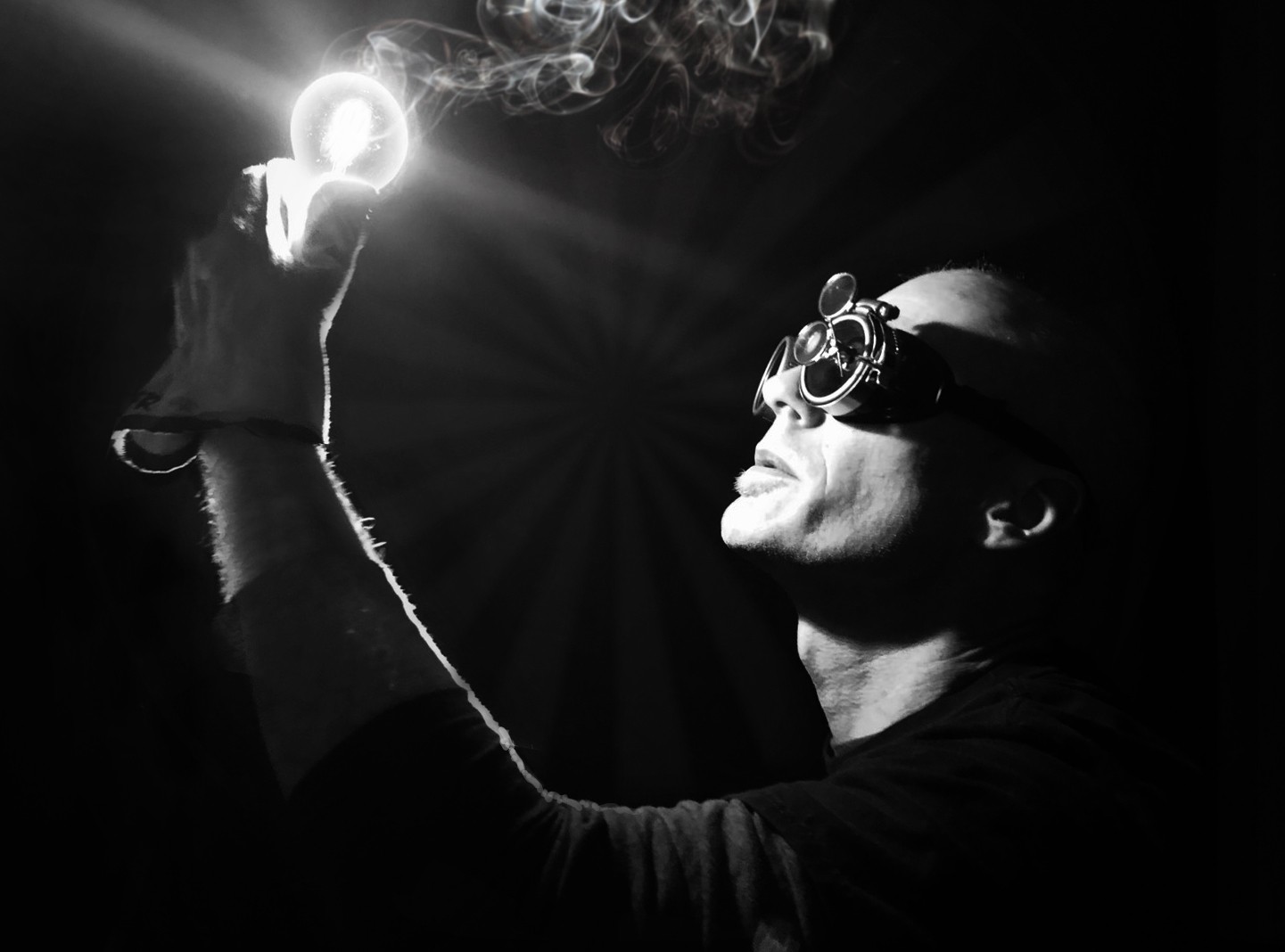

We were lucky to catch up with Maxfield Strauss recently and have shared our conversation below.
Maxfield, appreciate you joining us today. We’d love to hear about when you first realized that you wanted to pursue a creative path professionally.
This is a tricky one. I had been making drawings since early childhood, but I did not come from a family of creatives. Art was something that was generally regarded as a hobby. My parents were supportive of my making art, but they had no advice for how to make a career out of it — to the contrary, they strongly encouraged me to find a steady, reliable profession, and to make art ‘on the side’. They were just being protective, and of course no one knew the career explosion that would occur once the computer came along and revolutionized how images were made.
Heeding their advice, I chose electrical engineering as a major in my first attempt at college. I found myself in calculus lectures shrinking down in my seat while surrounded by students that were passionate about integrals and derivatives. Math and science had come easily to me in high school, but this college material required a lot of work to comprehend. I felt completely out of place, and it occurred to me that this subject matter was of no interest to me, despite the promising career that this curriculum might offer. And that was when I knew I had to pursue a creative professional path — because anything else was going to make me miserable. A happy and healthy professional life cannot solely be based on job security; it’s about doing what you love. I dropped out, applied to art school, and never looked back.
As always, we appreciate you sharing your insights and we’ve got a few more questions for you, but before we get to all of that can you take a minute to introduce yourself and give our readers some of your back background and context?
I was always mesmerized by going to the movies. My family didn’t go very often, so it was always a treat when we did. From a young age I had dreams of being in the movies; as it turned out (probably for the best), I ended up working on the movies instead.
In art school, I settled into illustration as a major. I was really a fine artist at heart, but I wanted to have solid rendering skills, and I felt that illustration classes would teach me strong technique. Computer illustration was just starting to become a thing, but then Jurassic Park and Toy Story both came out, and that changed everything. In a Senior Studio illustration class, the teacher asked us students to make a list of five career goals. One of the things I wrote was “work on visual effects in the movies”.
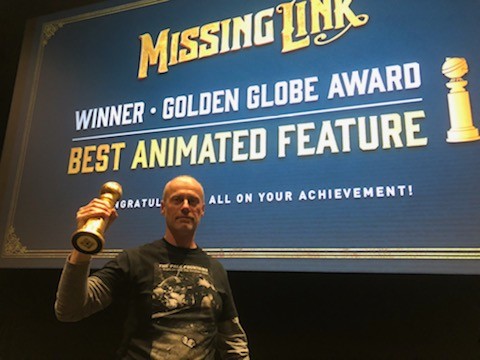
I entered the workforce right after graduation, and I’ve worked on 22 films so far. I specialize in the lighting and surfacing of computer generated images. My illustration skills serve me on the job every day. That’s hardly the end of the story, though. All the while, I’ve been engaging the fine artist side of my persona as well. I’ve always been making art pieces with an eye toward displaying in gallery shows whenever the opportunity comes along. In the end, I suppose I’m still adhering somewhat to the professional model prescribed by my parents: I do indeed have a ‘day job’, and I do indeed make art ‘on the side’, but the difference is that both of these pursuits are creative and very fulfilling.
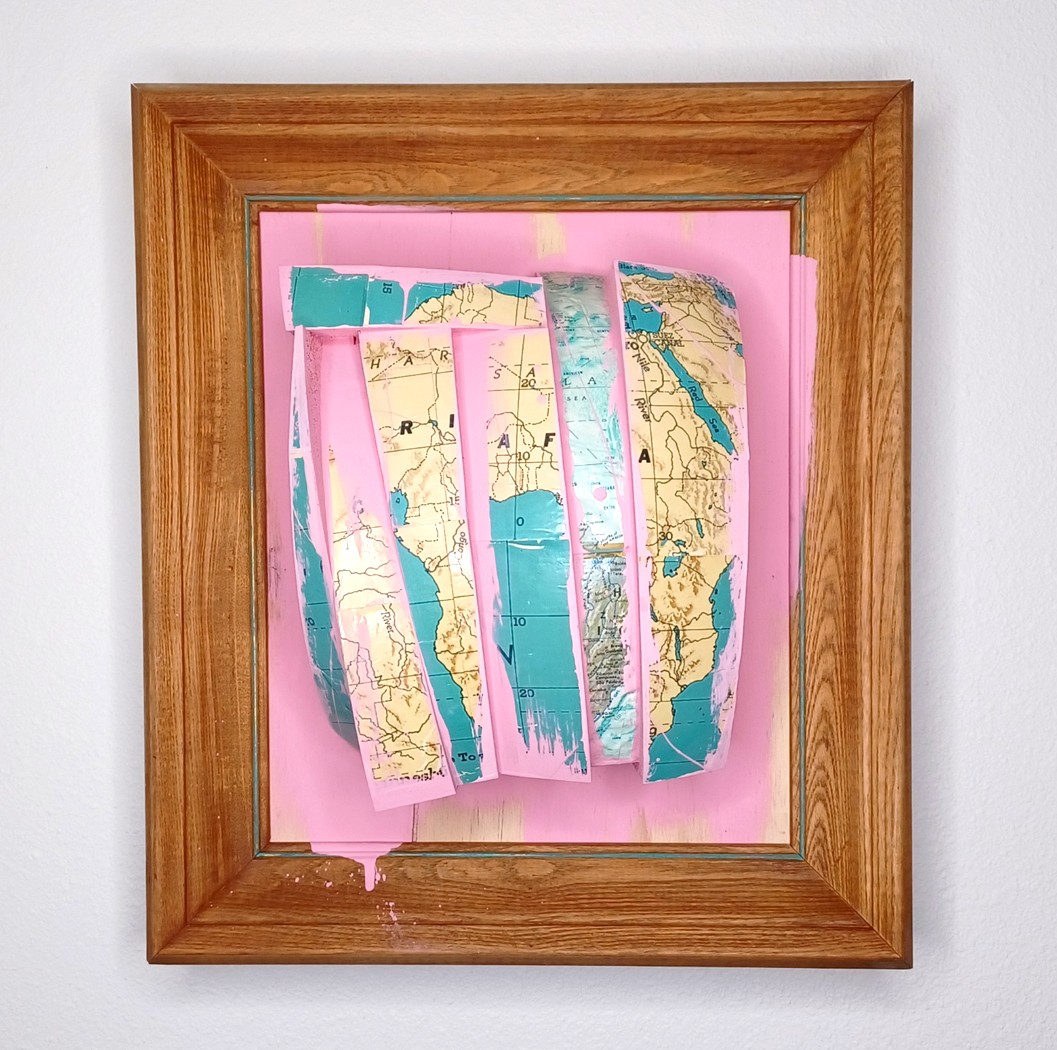
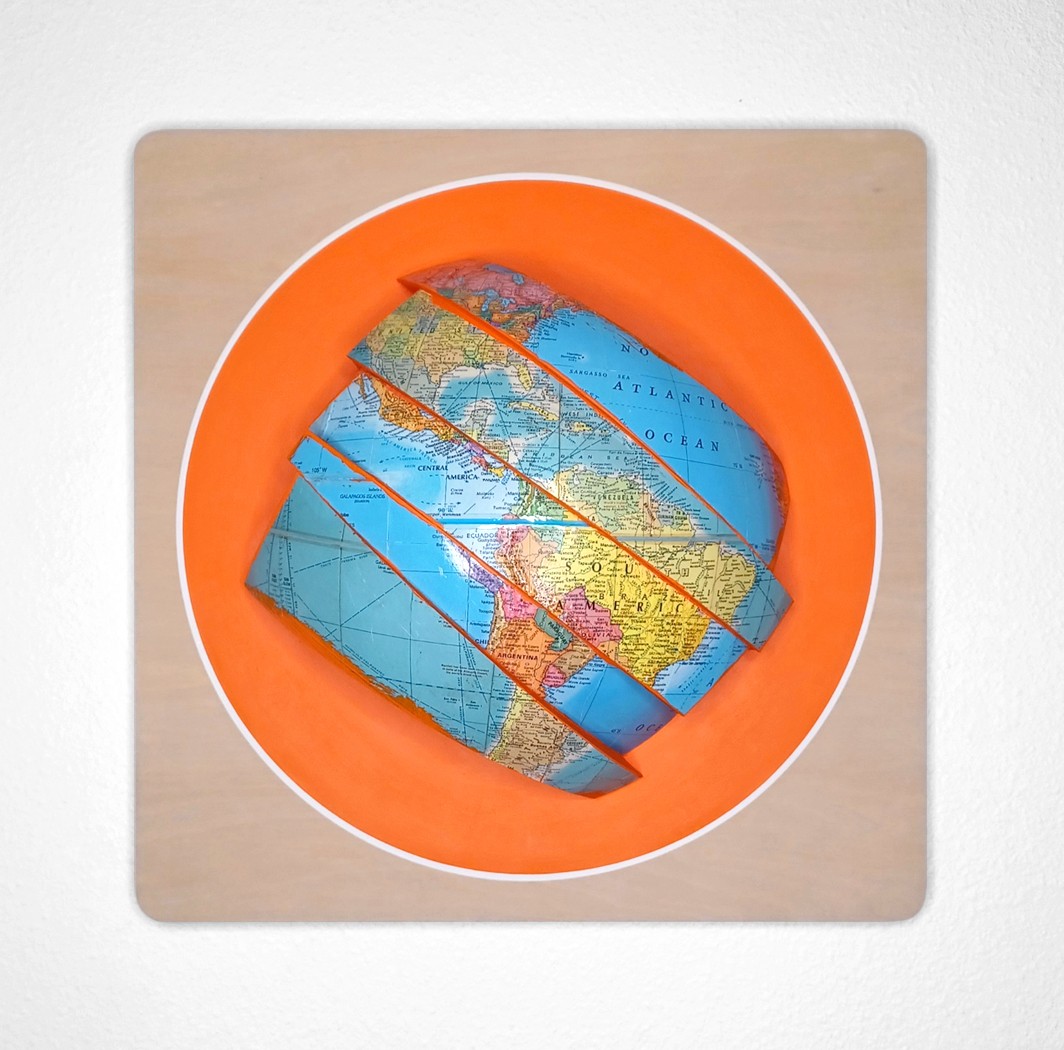
When I’m working on a film, I’m part of a team of sometimes hundreds of people who are working together to realize the artistic goal of a director. When I make my own fine art pieces, I’m the director. Each pathway has its own rewards. But what I really want to present to you today is my fine art.
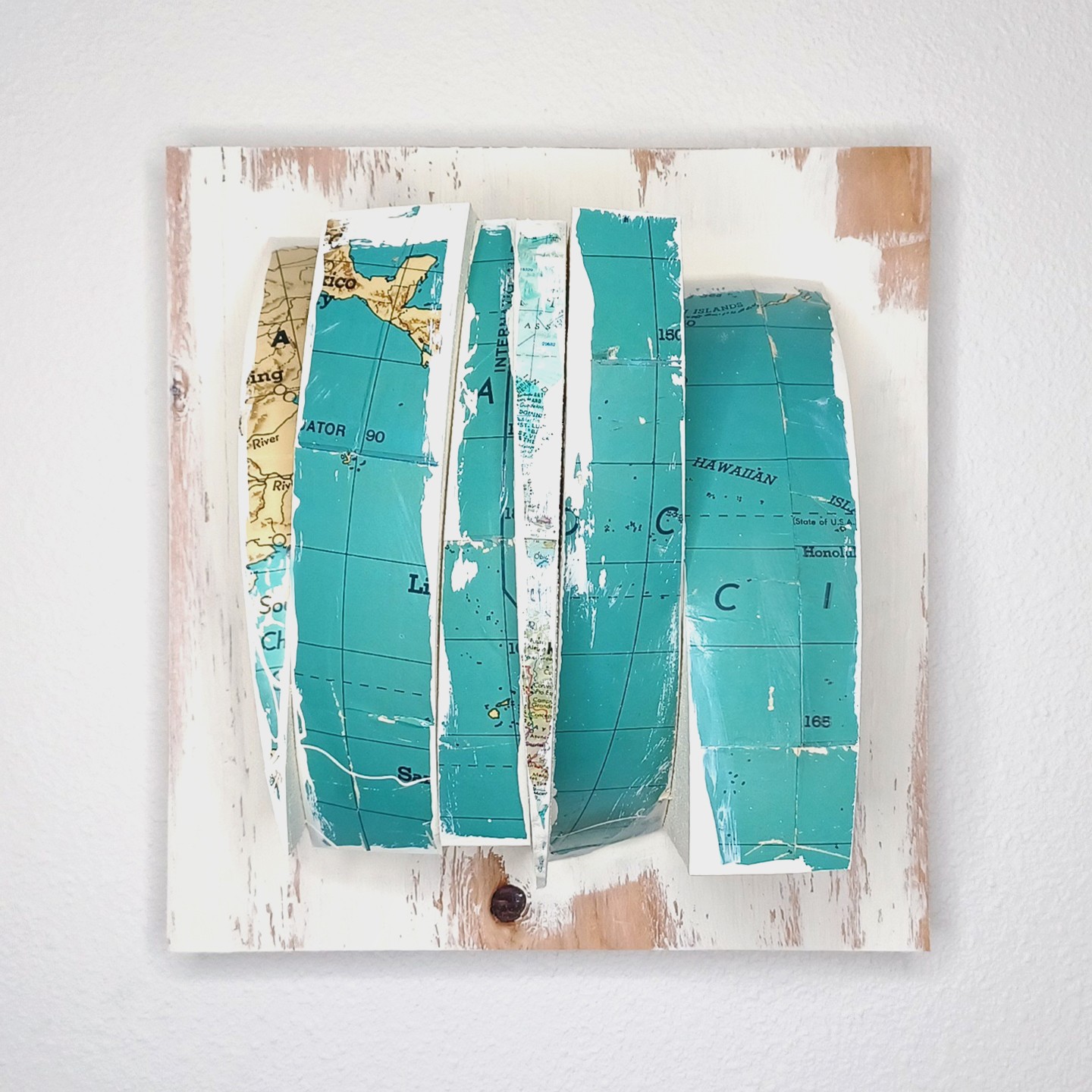
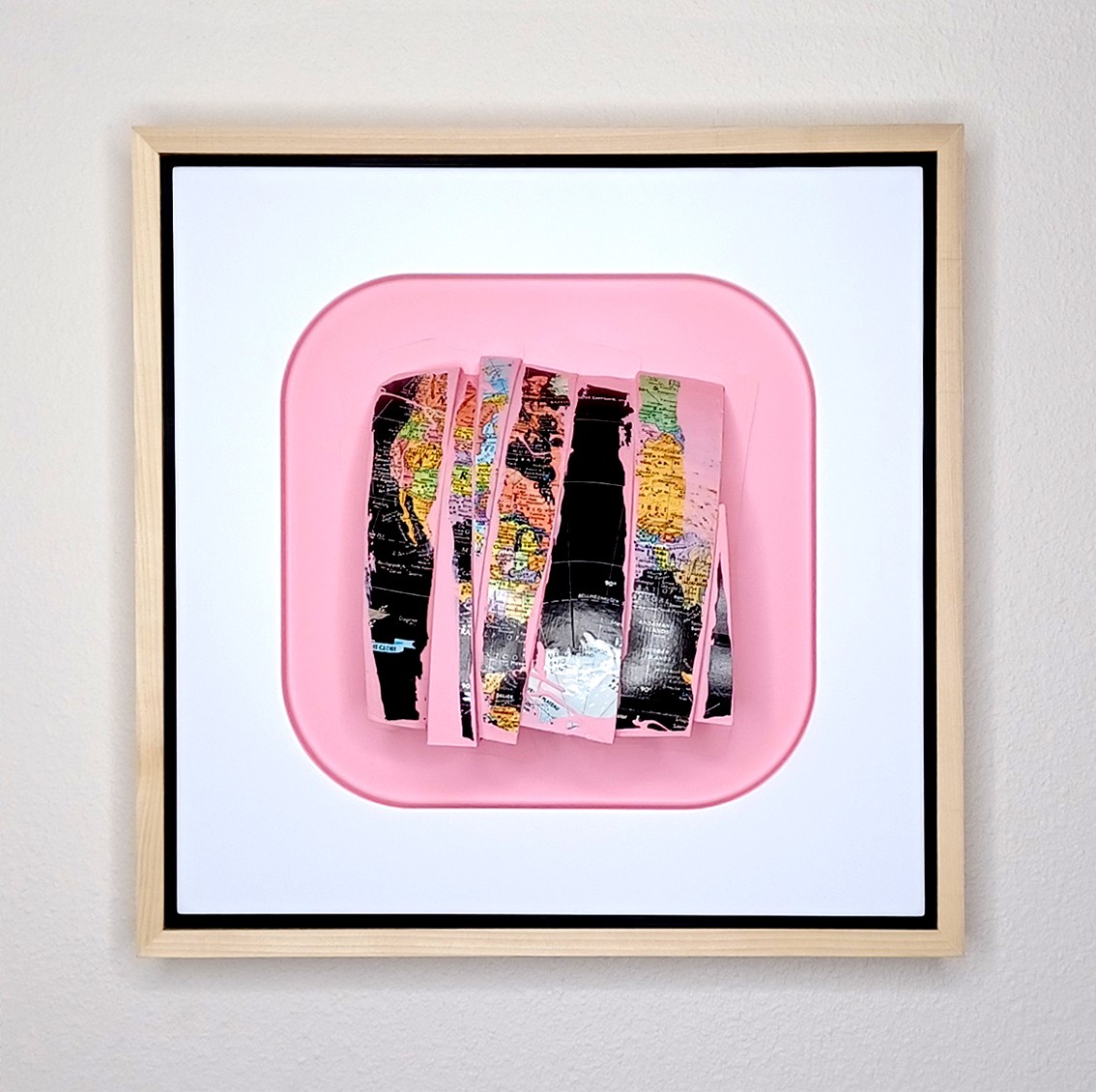
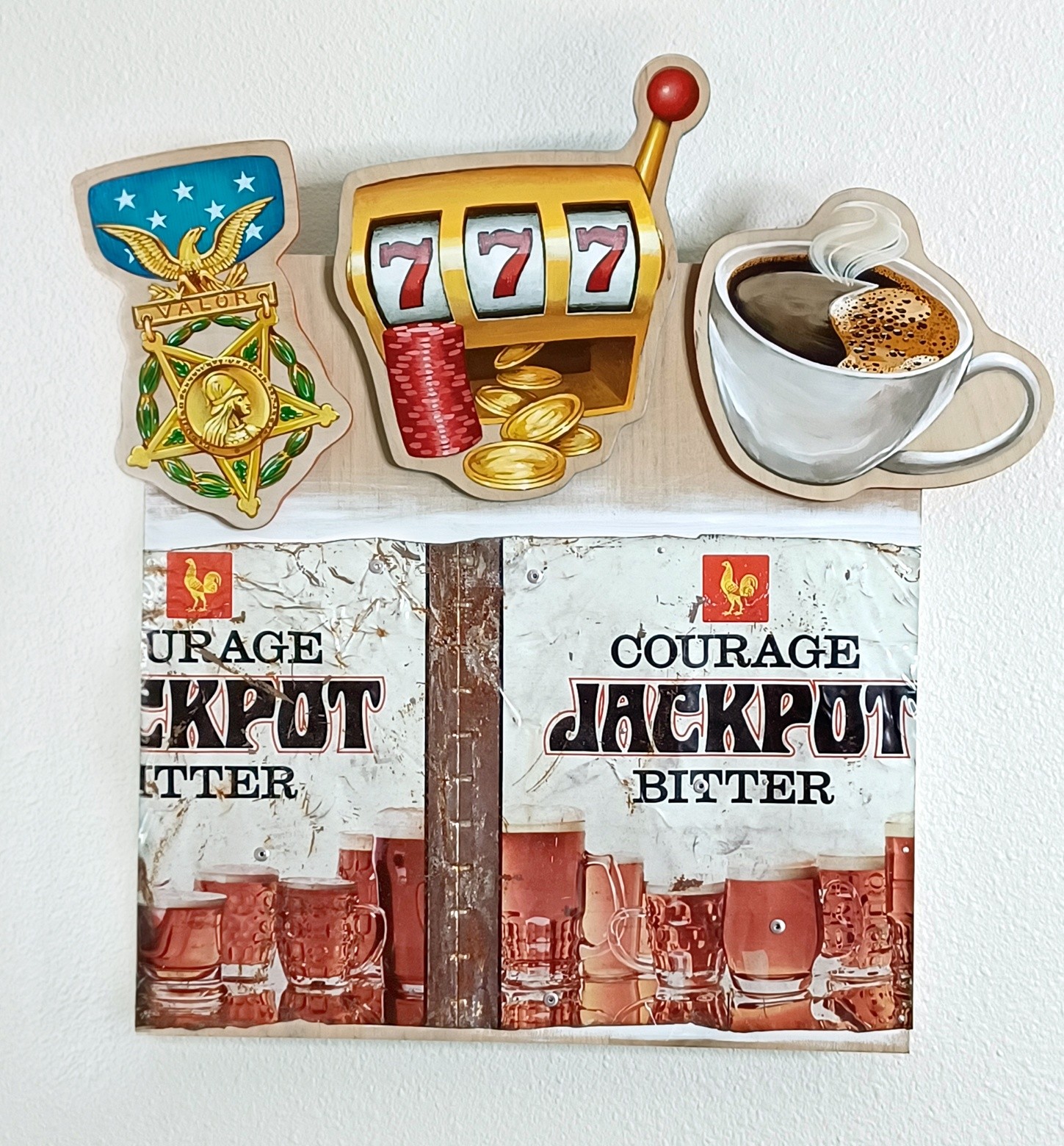
Any resources you can share with us that might be helpful to other creatives?
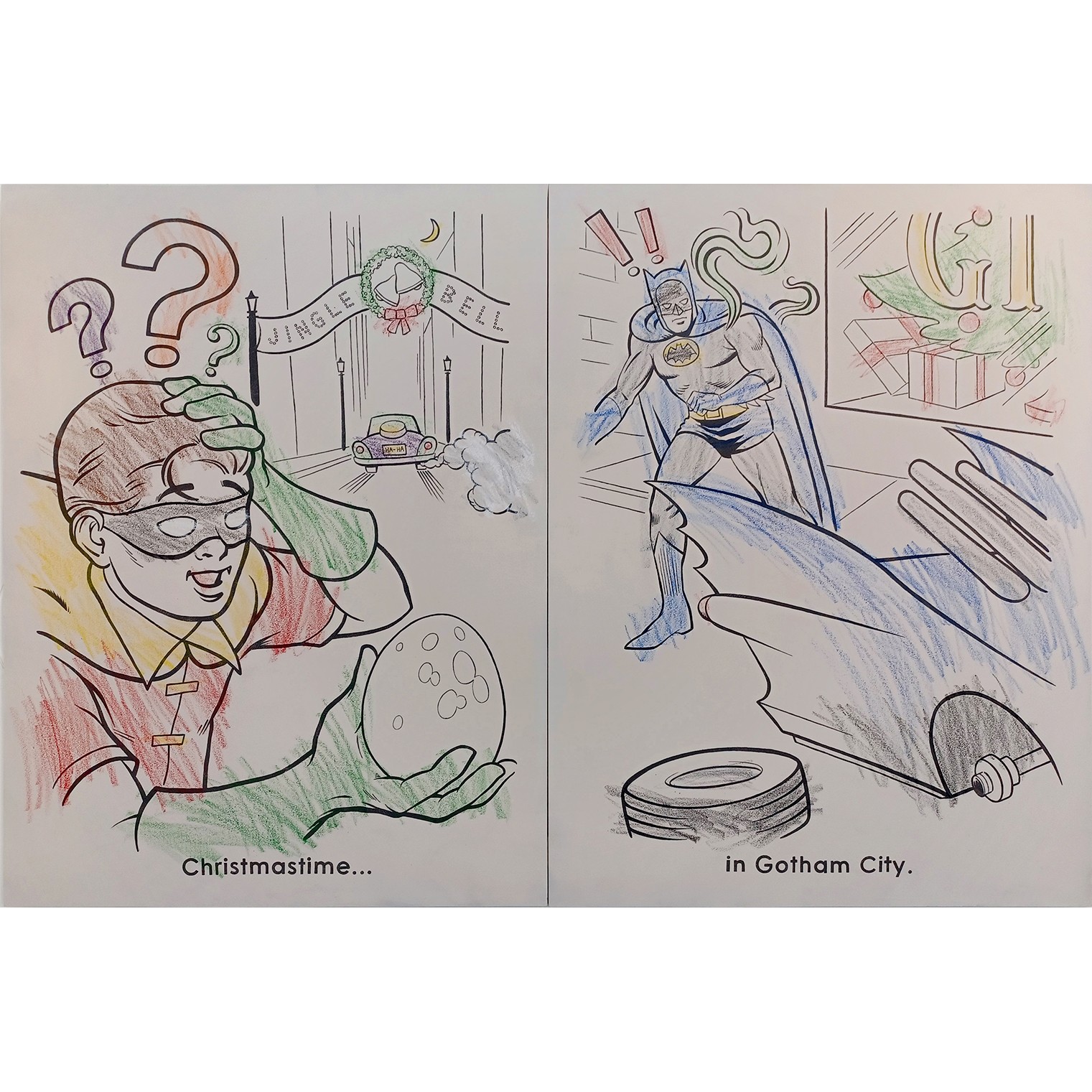
As a visual artist, most of your learning and growing comes from looking. It’s interesting how much attention is being paid right now to AI image generators, and where they’re getting their “training material” from, especially if it’s copyrighted. Well, humans function the same way, and they always have. Everything around us is training material (even the copyrighted stuff). As artists, we observe by looking and by, at first, copying. I have stacks of old cartoons that I copied out of MAD Magazine when I was in 7th grade, especially from the fabulous Mort Drucker. Do my drawings today look like his work? No, not even remotely. Could you tell that I trained on his drawings? Nope. Did looking at and copying his drawings help inform me as an artist? Absolutely. The point is, as an artist you should be trying to see and absorb as much as possible: always be seeking training material. And to that end, the resource that I wish I knew about earlier in my creative journey is . . . museums and galleries. Sounds easy enough, but during my four years in art school, I lived just a few miles from the L.A. County Museum of Art, and I probably only went there a handful of times. And MOCA was just a few miles in the other direction. Both had discounted student annual passes, and I was a stranger to these places. If I could go back and talk to my younger self at art school, I would say — go to these museums every week; think of it as going to church for an artist. Look at all the art, and then look at it again. Learn the names of the artists. Memorize the museum layouts, and the different wings, and where different art is kept. Go to all the new shows. Look at the art from antiquity, and at the art made yesterday. And then go to the galleries. Go to every gallery in a 10-mile radius. Go to the openings, get on the mailing lists. Study the work. Hang out. Talk to the artists. Become a fixture in that world. Meet the curators. Be seen. All of this will come to bear when you’re ready to become an art professional.
Learning and unlearning are both critical parts of growth – can you share a story of a time when you had to unlearn a lesson?
Up until going to art school at the college level, I was primarily self-taught as an artist. Nothing surprising there; it’s how most people start. I learned by hours and hours of copying other images — comic books, magazines, photographs, whatever. What I couldn’t have known at the time was how many bad habits I was forming.
The art school I went to, Otis College of Art and Design, took a very academic approach to art training. It was an artist’s boot camp of sorts, designed to teach basic principles from the ground up. When I applied there, I had many credits already earned from my first attempt at college, and they could have placed me midway into sophomore year at Otis. I remember a very pivotal conversation I had with an admissions counselor where they were trying to convince me to start as a freshman despite my transfer credits. They stressed the importance of the foundation year curriculum. I was faced with a choice to either build upon my already-acquired self-taught skills, or to start over and trust the program that Otis was offering. With some reluctance, I opted to enter as a freshman, and it was a fantastic decision. Absolutely no regrets! I realized there were so many gaps in my skill set — I wasn’t measuring, I wasn’t fully observing, my construction process was backward, really. I became such a better artist by starting at the beginning.
That said, I admit that some of history’s best artists (even modern ones) are self-taught, and there’s nothing fundamentally wrong with that. Much of the artistic journey is about self-discovery and solitary investigation. But for me, I really needed the structure of an academic art program to become who I am. It afforded me the opportunity to unlearn parts of my method which were not going to serve me well as an art professional.
Contact Info:
- Instagram: @maxfield_strauss