



We’re excited to introduce you to the always interesting and insightful Dr. Marisa Tellez. We hope you’ll enjoy our conversation with Dr. Marisa below.
Dr. Marisa , thanks for joining us, excited to have you contributing your stories and insights. Let’s kick things off with your mission – what is it and what’s the story behind why it’s your mission?
“If a woman loves a crocodile, she takes on its character.” Independence, strength, and intelligence may be some of the characteristics that this ancient Egyptian proverb is referring to, and qualities that have shaped my character since I was a young girl. At an age when most girls were playing with dolls, I was developing my knowledge of the world’s top predators. Not a day went by that I wasn’t imaging my future career as one of the leading apex predator scientists in the world, broadening the world’s knowledge and respect for these magnificent creatures. After years of self-education on the world’s predators, I developed a great passion for one of the oldest lineages of predators on our planet- the crocodile. I came to realize that scientific research and teaching were paramount in furthering the field of crocodilian biology, as well as providing the knowledge needed to aid in the conservation of these archaic reptiles.
Books, television, and local animal facilities were the only outlets for me to “experience” apex predators as a little girl as I grew up and lived in the suburbs of Los Angeles, CA. As many say, I was a jungle girl trapped in a city girl’s life. I definitely lived a suburbia lifestyle, full of suburban extra-curricular activities: captain of the high school varsity soccer team (my jersey is retired and hangs at my high school), senior class president, a baton twirler, and yes- even was City Princess for a year of my hometown San Gabriel. All a great experience, and maybe gave me the foundation for where I am today.
While learning about the world’s predators, it became apparent these magnificent animals needed more advocates, and more education about the Do’s and Don’ts living alongside crocodiles was needed. Colonization and sensationalization by the media and Hollywood has caused so much harm to predators internationally, and I took in values and the look at the natural world from my indigenous roots to try to rebuild the bridge between nature and humans.
Thus, my non-profit the Crocodile Research Coalition serves to rebuild that bridge, while involving and education communities about wildlife.
Awesome – so before we get into the rest of our questions, can you briefly introduce yourself to our readers.
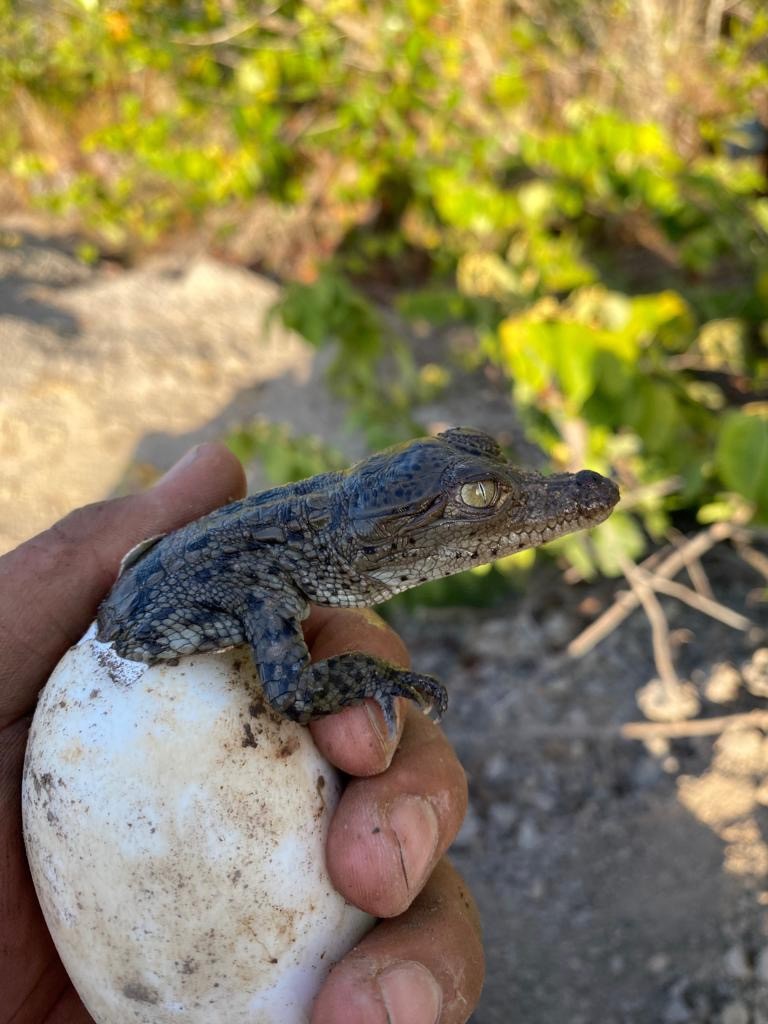
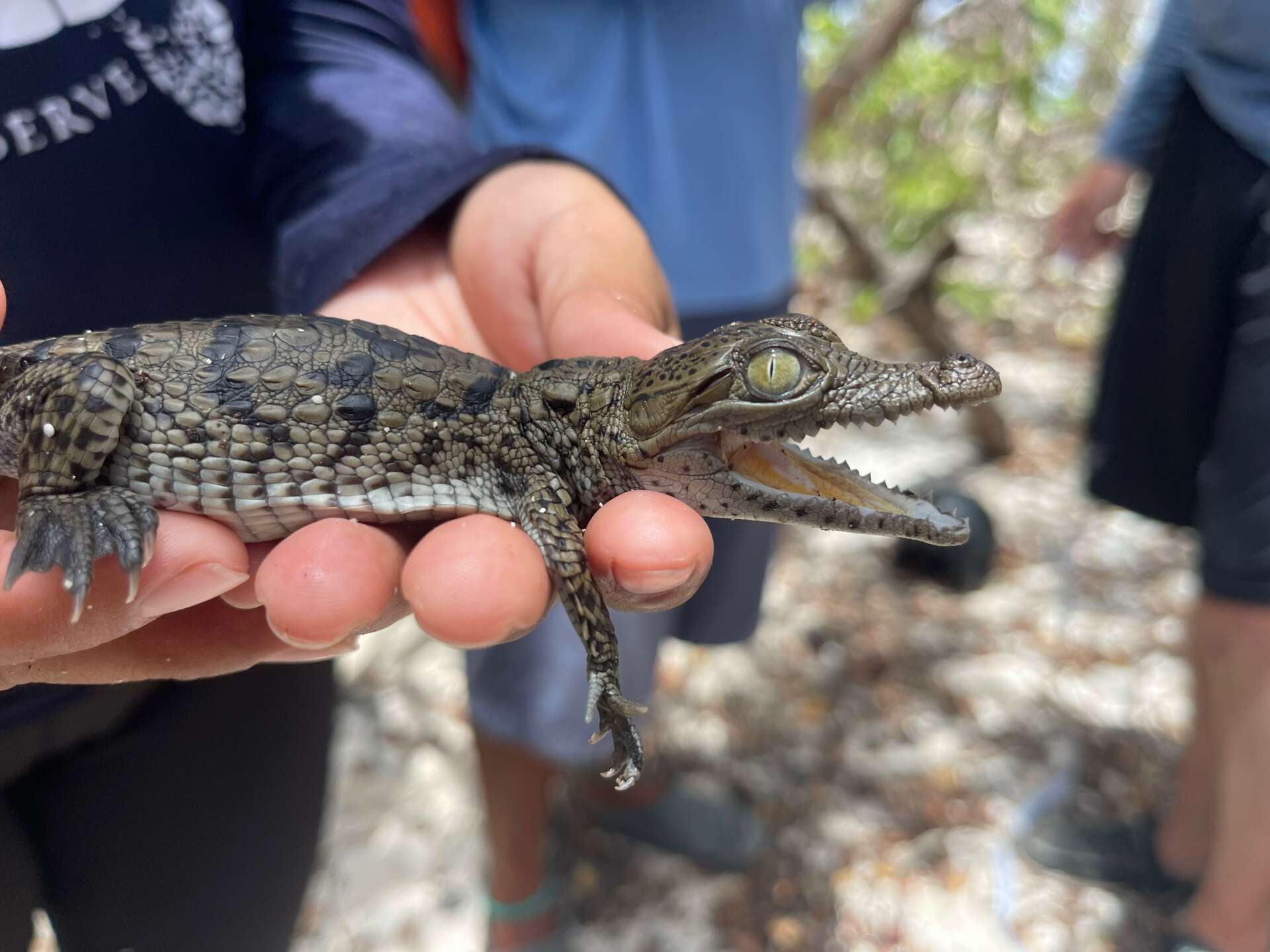
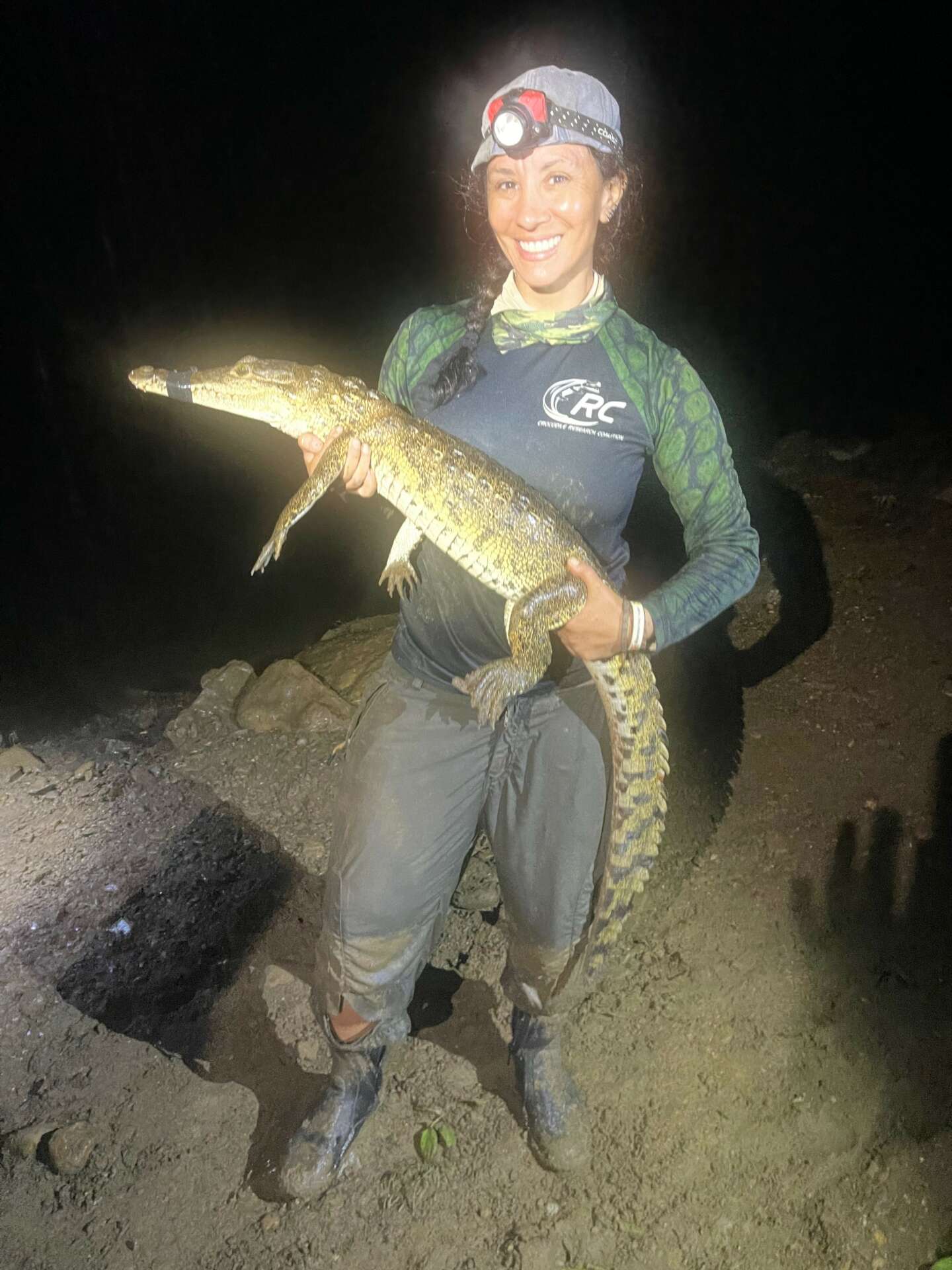
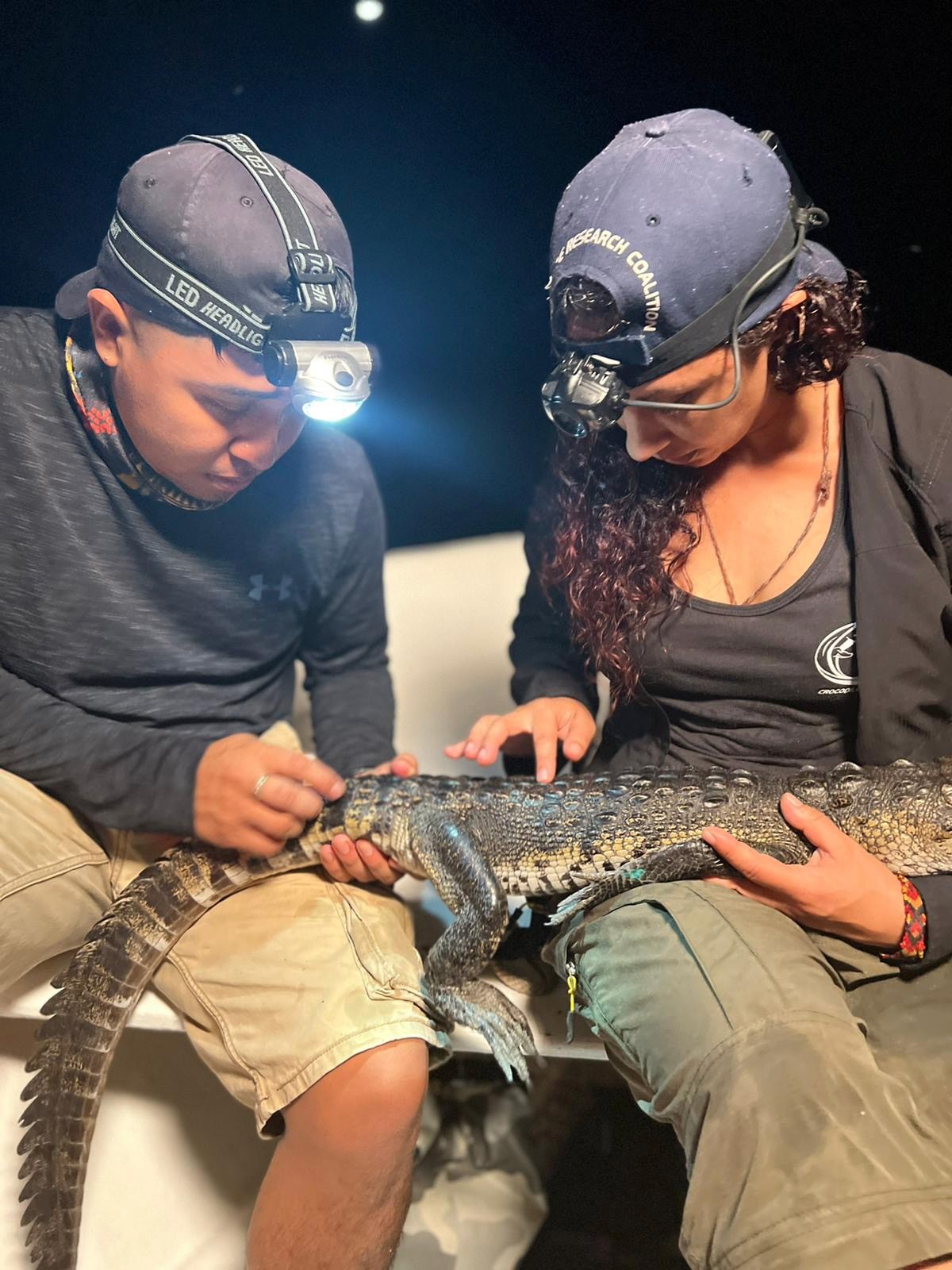
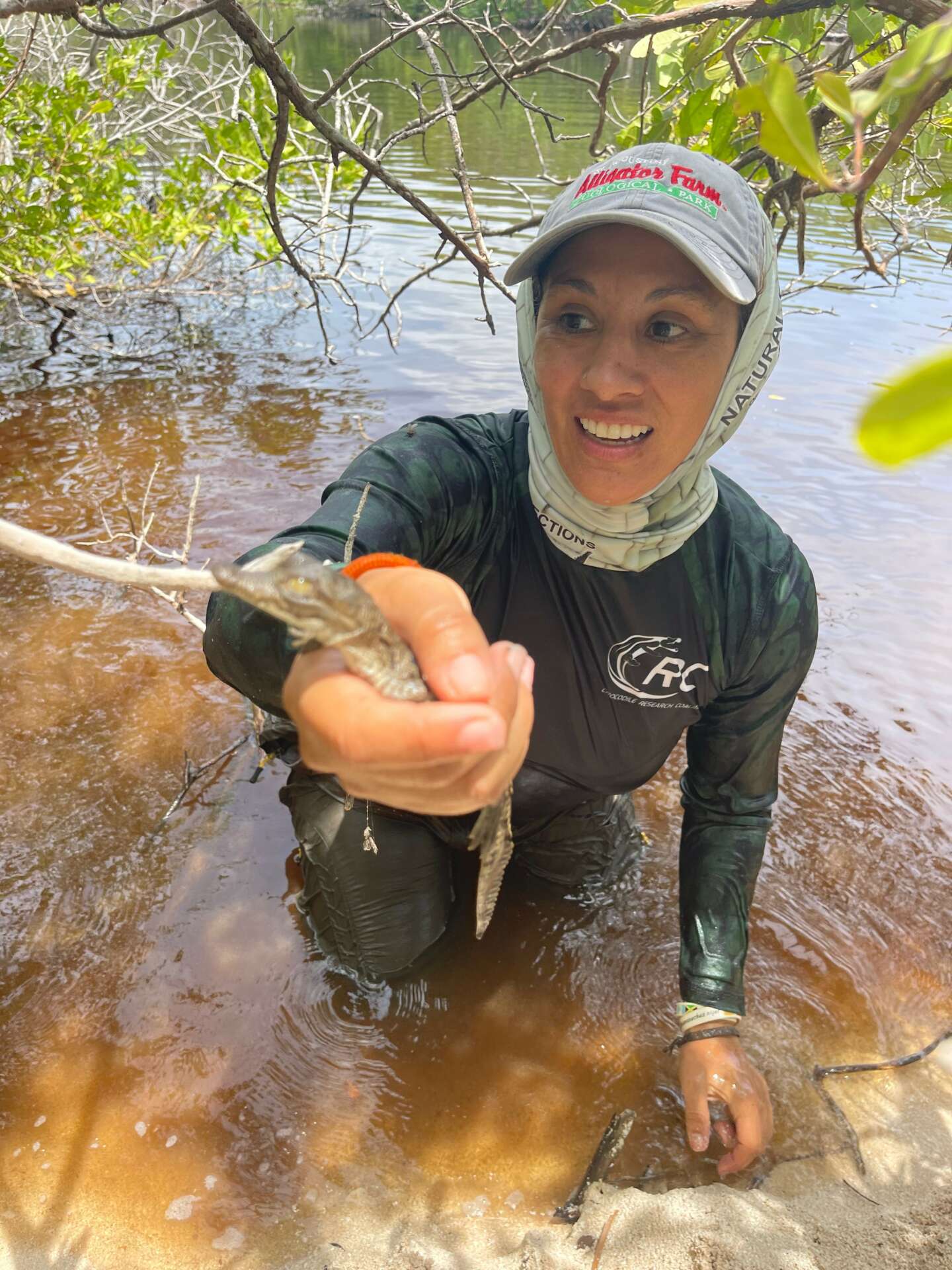
The Crocodile Research Coalition (CRC) is a Belize-based nonprofit, established in January 2016, that seeks to preserve crocodiles and their environments throughout Central America and the Caribbean to ensure the long-term sustainability of biodiversity in the region. We believe the success of our conservation efforts parallels the involvement and support from local communities, thus we are continuously working alongside with local communities and partner organizations to empower people with the knowledge of co-existence and sustainable practices to ensure the survival of crocodiles and well-being of the communities that live beside them. Our outreach also incorporates working with the local and national governments, utilizing our research to better inform policy decisions regarding wildlife and their habitat (= translational ecology).
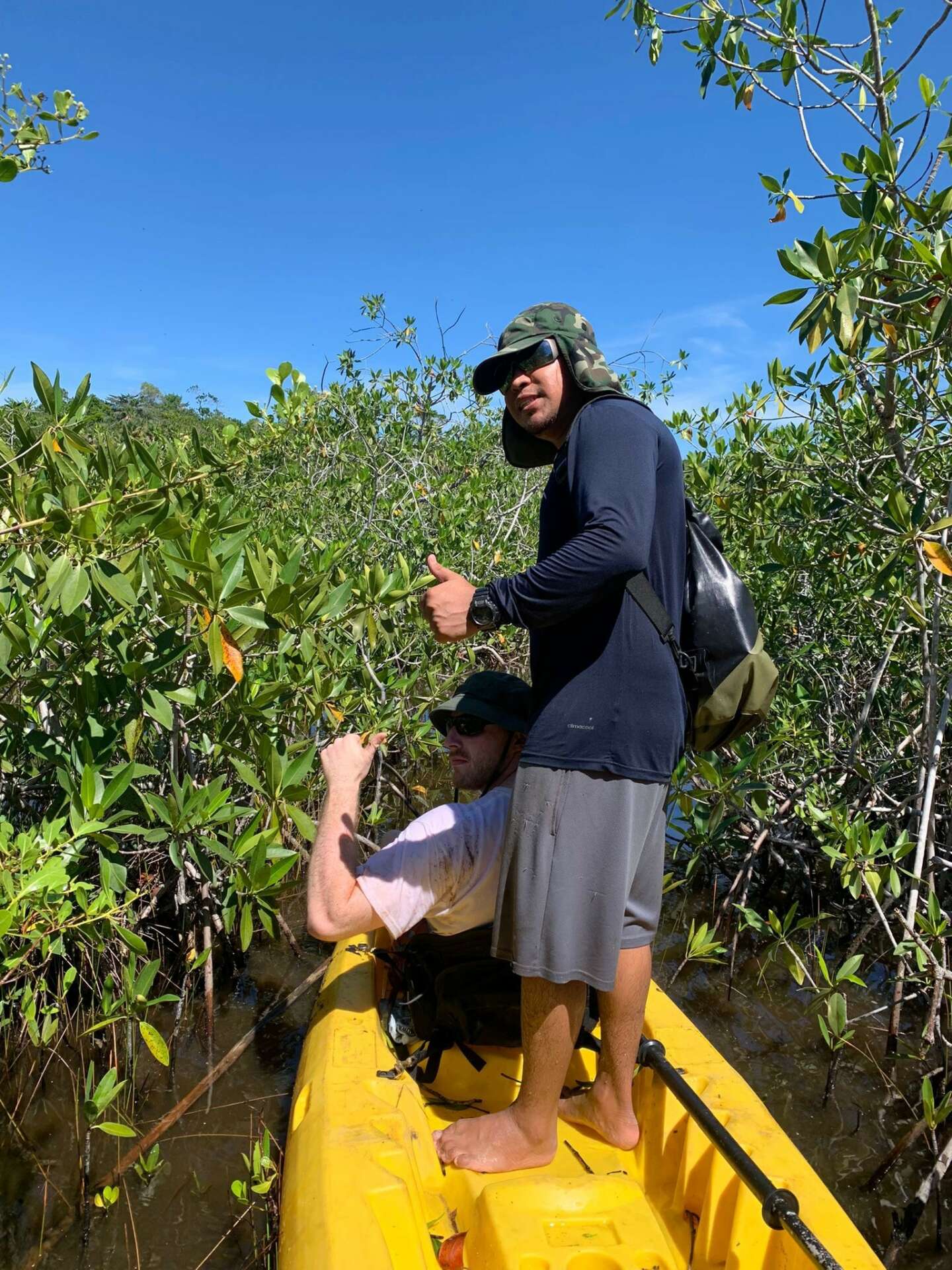
Although crocodiles are our flagship species in pursuing regional conservation efforts, the CRC recognizes that the conservation success of crocodiles is not only dependent on direct conservation efforts of the focal species, but also understanding how crocodiles interact with its environment and other wildlife as thriving and long-lasting conservation management is dependent on preserving the integrity of ecological interactions. Thus, through our research center in southern Belize, we facilitate research projects investigating crocodiles, as well as the surrounding flora and fauna.

We’d love to hear a story of resilience from your journey.
During my first graduate committee meeting, just as I was starting to discuss my proposed project working with crocodiles, a professor stopped me mid-sentence and said, “Shouldn’t you work with some more feminine? Something more cute and fuzzy?” I was stunned. But that comment was only the beginning of the adversary I would face as a female working in a very male-dominated field. I have had older scientists try to steal my work, sabotage my work, degrade me in front of my peers- solely because I am a woman in science.
I luckily have surrounded myself with an amazing group of supporters and friends who have been a rock solid foundation for me, picking me up and getting myself motivated to continue on. I have challenged the adversity, and am focused in breaking barriers for the future women in science. I have become a mentor to many, and hope to give others strength as they pursue their passion.
What do you think helped you build your reputation within your market?
Being outspoken, vocal, willing to take risks and think outside of the traditional box of science, as well as not be a “normal” scientist. I get told a lot I don’t look like or act like a scientist. I’m creative, I’m an artist, I don’t dress to impress. I am me, and don’t want to follow a mold of what a scientist should look like. I think that has made me stand out.
Contact Info:
- Website: www.crocodileresearchcoalition.org
- Instagram: @crocodileresearchcoalition and @doc_tellez13
- Facebook: Crocodile Research Coalition
- Twitter: @CrocResCoal
- Youtube: Crocodile Research Coalition
- Other: Tik Tok: @crocodileresearchcoalit Threads: @crocodileresearchcoalition
Image Credits
Dr. Marisa Tellez