



Alright – so today we’ve got the honor of introducing you to Virginia Dupont. We think you’ll enjoy our conversation, we’ve shared it below.
Virginia, appreciate you joining us today. Earning a full time living from one’s creative career can be incredibly difficult. Have you been able to do so and if so, can you share some of the key parts of your journey and any important advice or lessons that might help creatives who haven’t been able to yet?
From the moment I graduated high school and entered college as a dance major at the age of 17, I was determined to make my entire living from that time forward in the field of dance. I am proud to say, that outside of one non-dance job while a college student, I have succeeded in this endeavor. To earn a full-time living from my creative work as a professional dancer, teacher, and educator, while also managing my business that feeds my creativity, I prioritize diversification and strategic planning. By leveraging multiple income streams such as performances, teaching classes, workshops, and selling merchandise, I ensure a stable income for myself and my employees. Additionally, running my own business allows me to explore avenues for monetization while fostering my artistic growth. It’s about finding the balance between artistic fulfillment and financial sustainability, constantly evolving and adapting to the demands of the industry while staying true to my creative vision.
My dedication to and belief in the dance potential of my home state of North Carolina has led me to not only choose to make my living, my life and my work here, but to also be a part of ensuring there are more options and places to making a living as a dance artist. More specifically, I work to create a space and place where dance artists can earn a full-time living with their gifts in North Carolina.
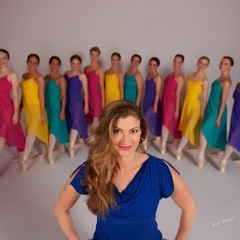
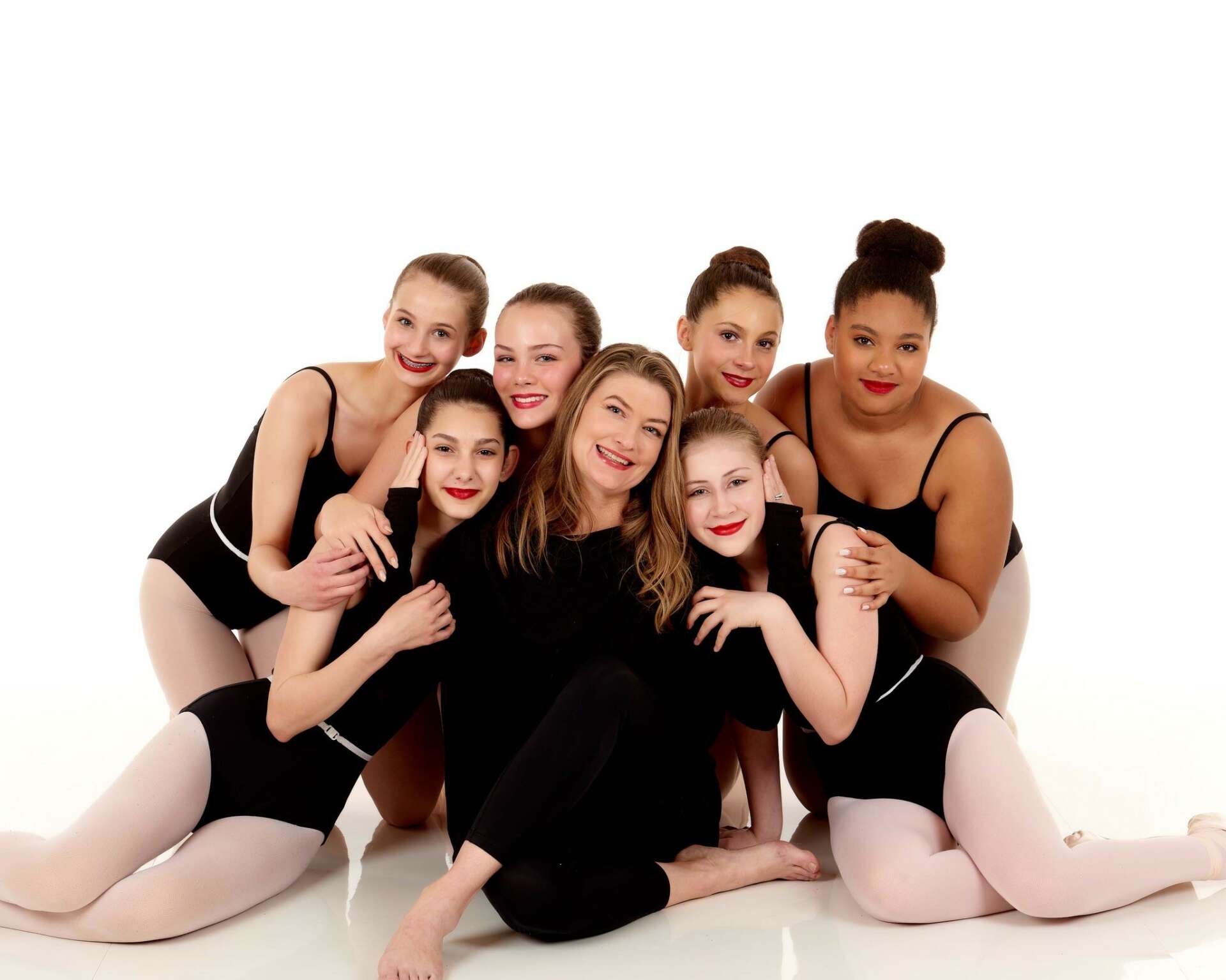
Awesome – so before we get into the rest of our questions, can you briefly introduce yourself to our readers.
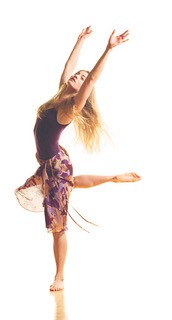
I am a professional dancer, choreographer and educator from North Carolina. I hold both BFA and MFA degrees in Dance Performance and Choreography as well as a BA in English from the University of North Carolina at Greensboro. A former Greensboro Ballet company member, I have had the good fortune of participating as a performing artist in works by various choreographers including Gerri Houlihan, Eluza Santos, Rick McCullough, Pegge Vissicaro, Melissa Hayden, Thom Clower and Maryhelen Mayfield. Having first been a company member of the Gamble/Van Dyke Dance Company since 1995, I have continued my work as a company member of both John Gamble Dance Theater and the Van Dyke Dance Group since that time. I currently teach ballet and pointe as an adjunct faculty member at the University of North Carolina at Greensboro; am the Artistic Director and CEO of Burlington Academy of Dance & Arts; serve as a trustee of the Van Dyke Dance Group; and continue to explore my crafts by performing, creating and teaching throughout North Carolina.
What can society do to ensure an environment that’s helpful to artists and creatives?
This gets at the heart of what my business and work are about! To best support artists of all kinds, in particular, dance artists as well as performing artists and creatives in a thriving creative ecosystem, society and individuals can and should:
1. Provide funding and grants specifically tailored to dance and performing arts: Financial support can assist with production costs, venue rental, training, and living expenses for artists.
2. Establish dedicated performance spaces: Creating affordable and accessible venues for dance and performing arts allows artists to showcase their work and engage with audiences.
3. Offer residencies and fellowships: Residency programs and fellowships provide artists with the time, space, and resources to develop new work and collaborate with peers.
4. Support arts education programs: Integrating dance and performing arts into educational curricula exposes students to these disciplines and cultivates future talent.
5. Promote interdisciplinary collaboration: Encouraging collaboration between dancers, choreographers, actors, musicians, visual artists, and other creatives sparks innovation and expands artistic horizons.
6. Advocate for fair compensation and working conditions: Ensuring that dance artists and performers receive fair wages, benefits, and working conditions acknowledges the value of their labor and talent.
7. Facilitate professional development opportunities: Workshops, masterclasses, and mentorship programs help dance artists and performers hone their skills and navigate the industry.
8. Embrace diversity and inclusion: Celebrating diverse perspectives, backgrounds, and styles in dance and performing arts enriches artistic expression and fosters a more inclusive creative community.
9. Support arts advocacy organizations: Backing organizations that advocate for the rights and interests of dance artists and performers strengthens the collective voice of the creative community.
10. Foster audience engagement and appreciation: Encouraging attendance at dance performances, providing opportunities for audience feedback, and offering educational outreach programs deepen public appreciation for the arts and support the sustainability of the creative ecosystem.
Is there mission driving your creative journey?
The goal and mission driving my creative journey and my business is multifaceted, aiming to provide both elevated arts experiences and excellent educational opportunities in dance, while also establishing a supportive environment for dancers in North Carolina to thrive professionally. Ultimately, my goal is to foster a culture of love and support within the dance community while enabling dancers to make a sustainable living through their craft.
Contact Info:
- Website: https://www.badadance.com
- Instagram: badadance
- Facebook: BADA – Burlington Academy Of Dance & Arts
- Linkedin: Virginia (Freeman) Dupont
- Twitter: @BADAdance
- Youtube: Burlington Academy Of Dance & Arts | @burlingtonacademyofdancear1036
Image Credits
Photography by Bob Stuart and Steve Clarke