

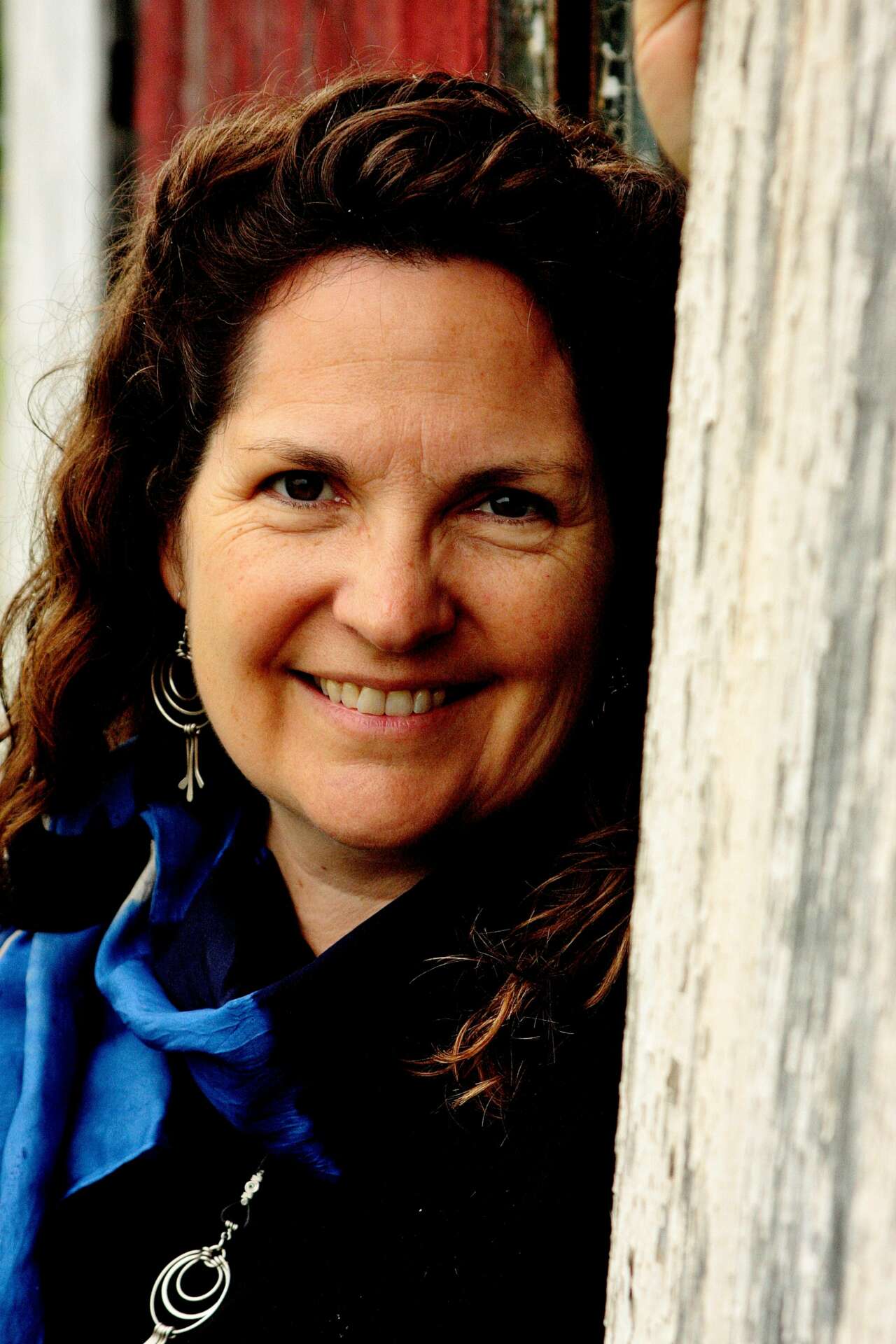

We caught up with the brilliant and insightful Mary Laymon a few weeks ago and have shared our conversation below.
Mary , thanks for taking the time to share your stories with us today We’d love to hear the backstory behind a risk you’ve taken – whether big or small, walk us through what it was like and how it ultimately turned out.
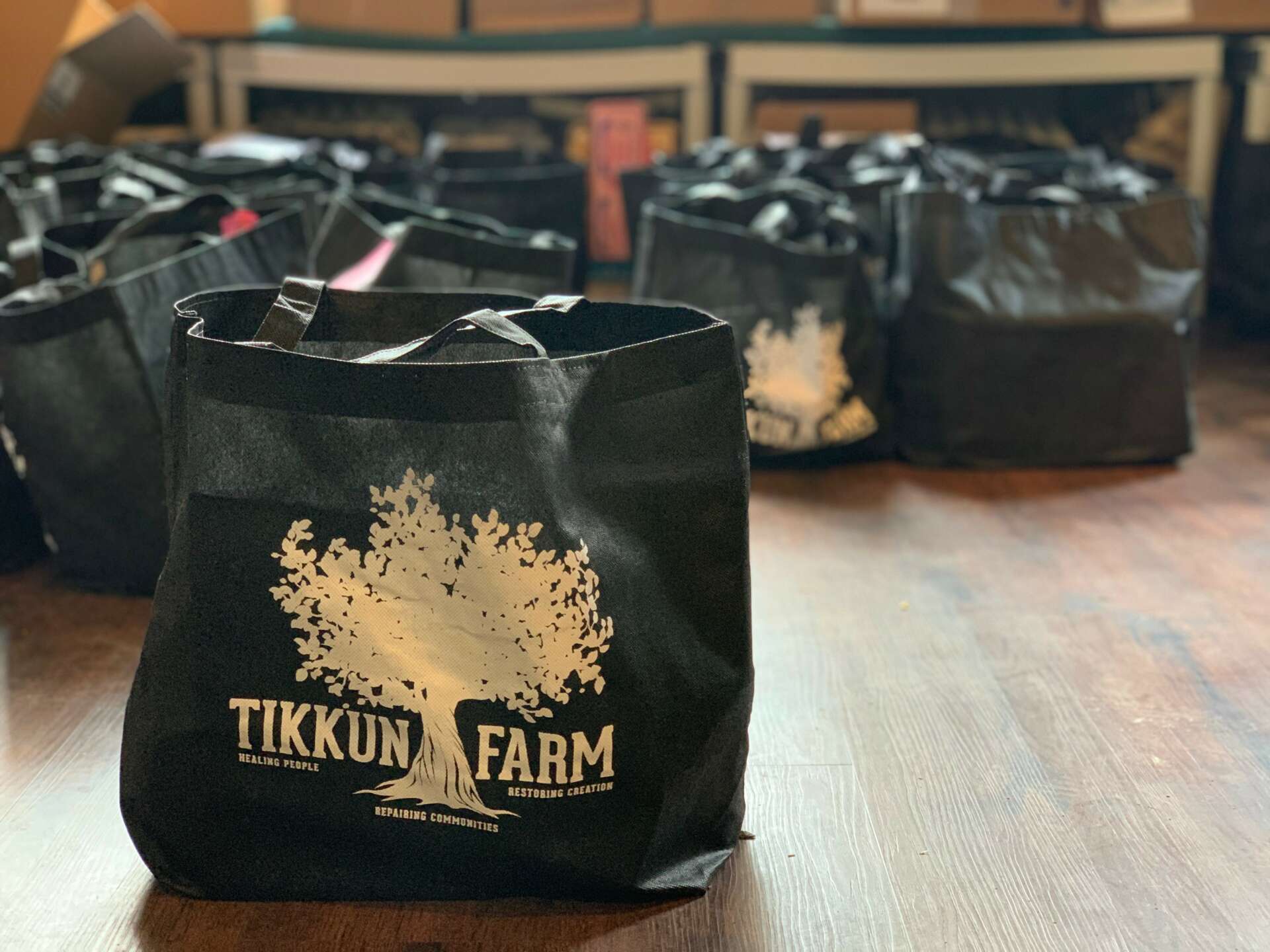
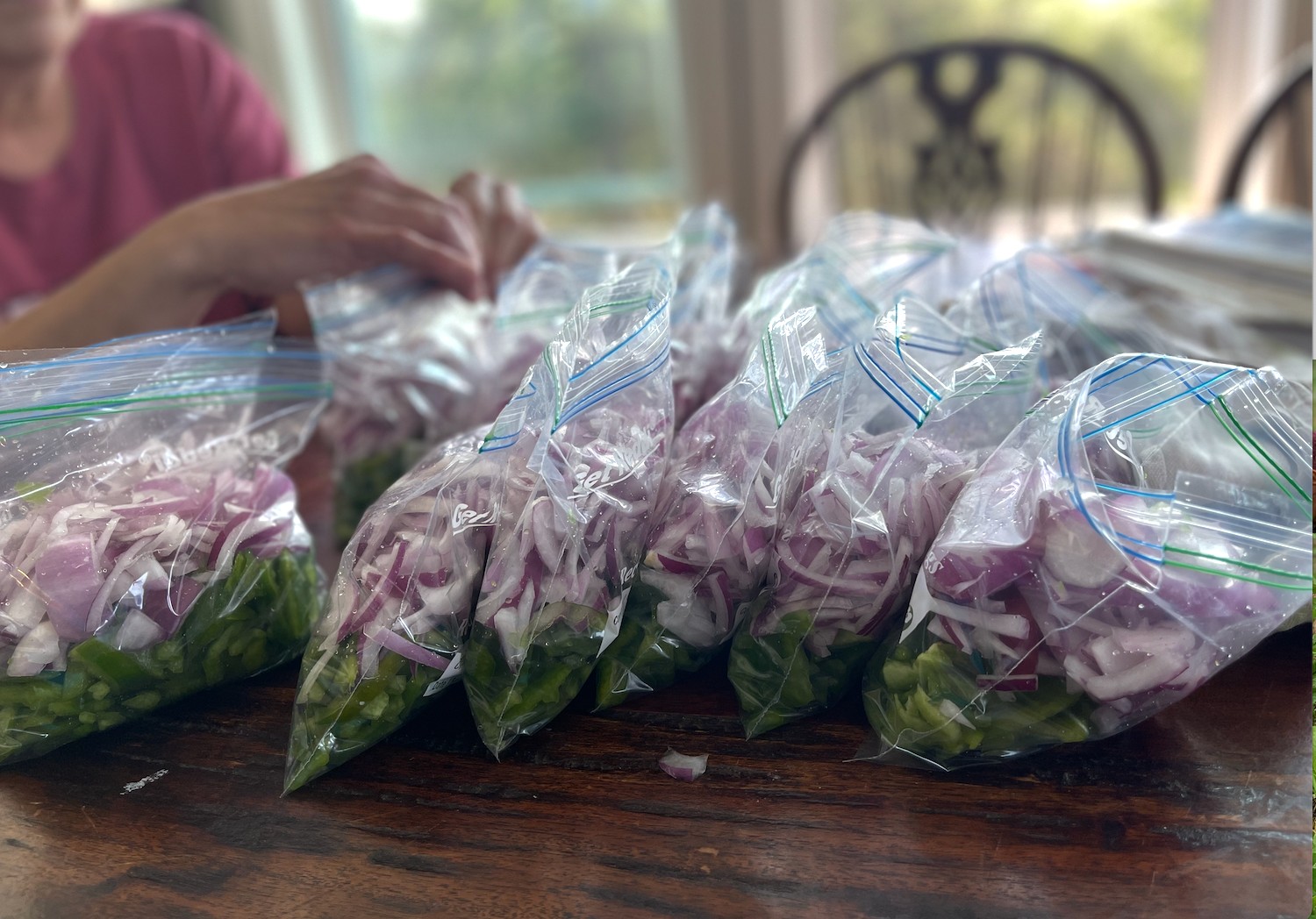
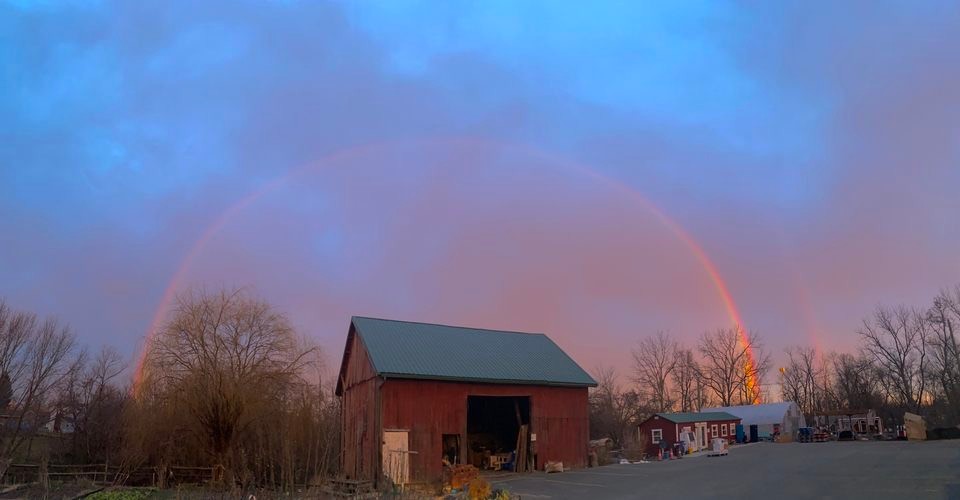
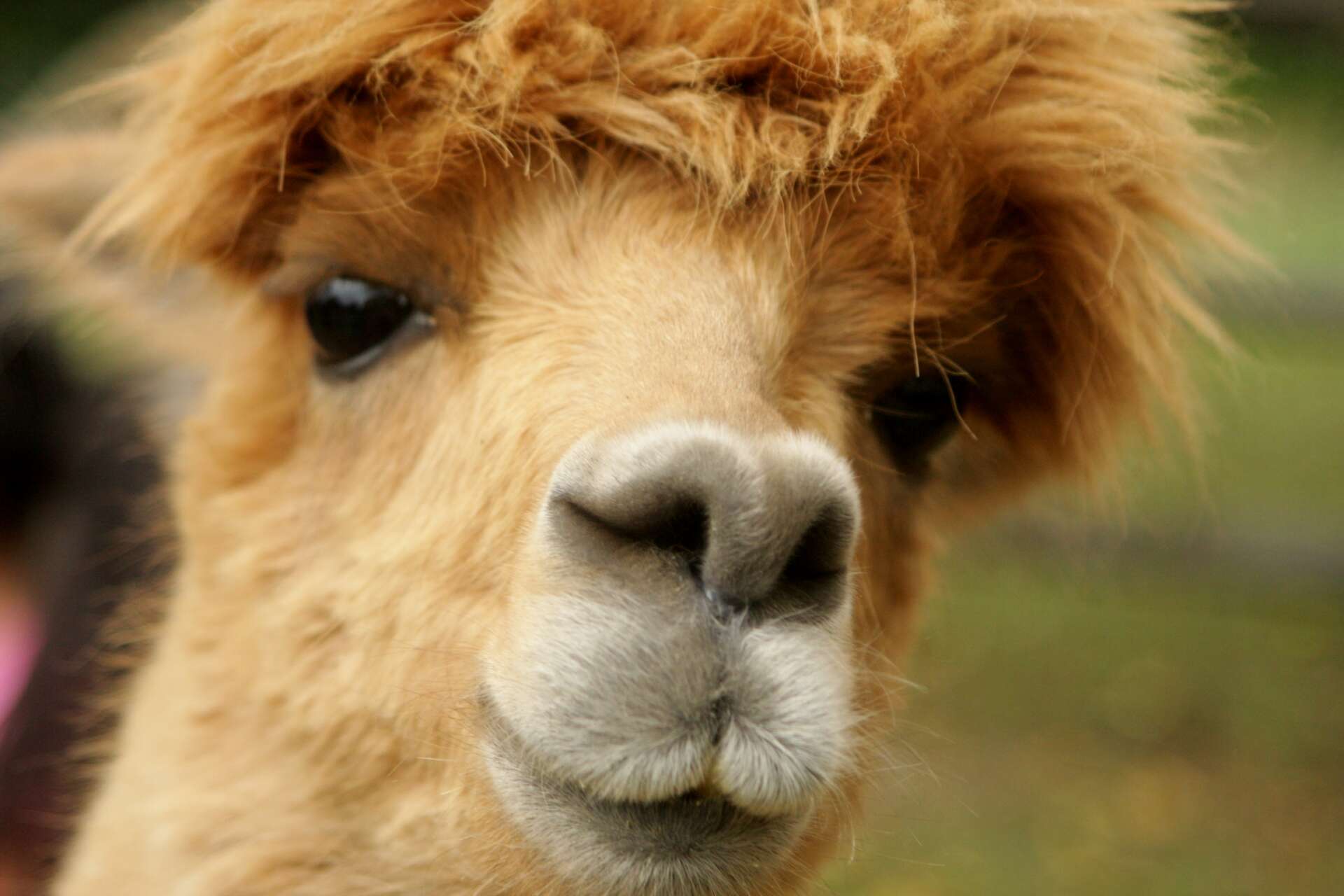
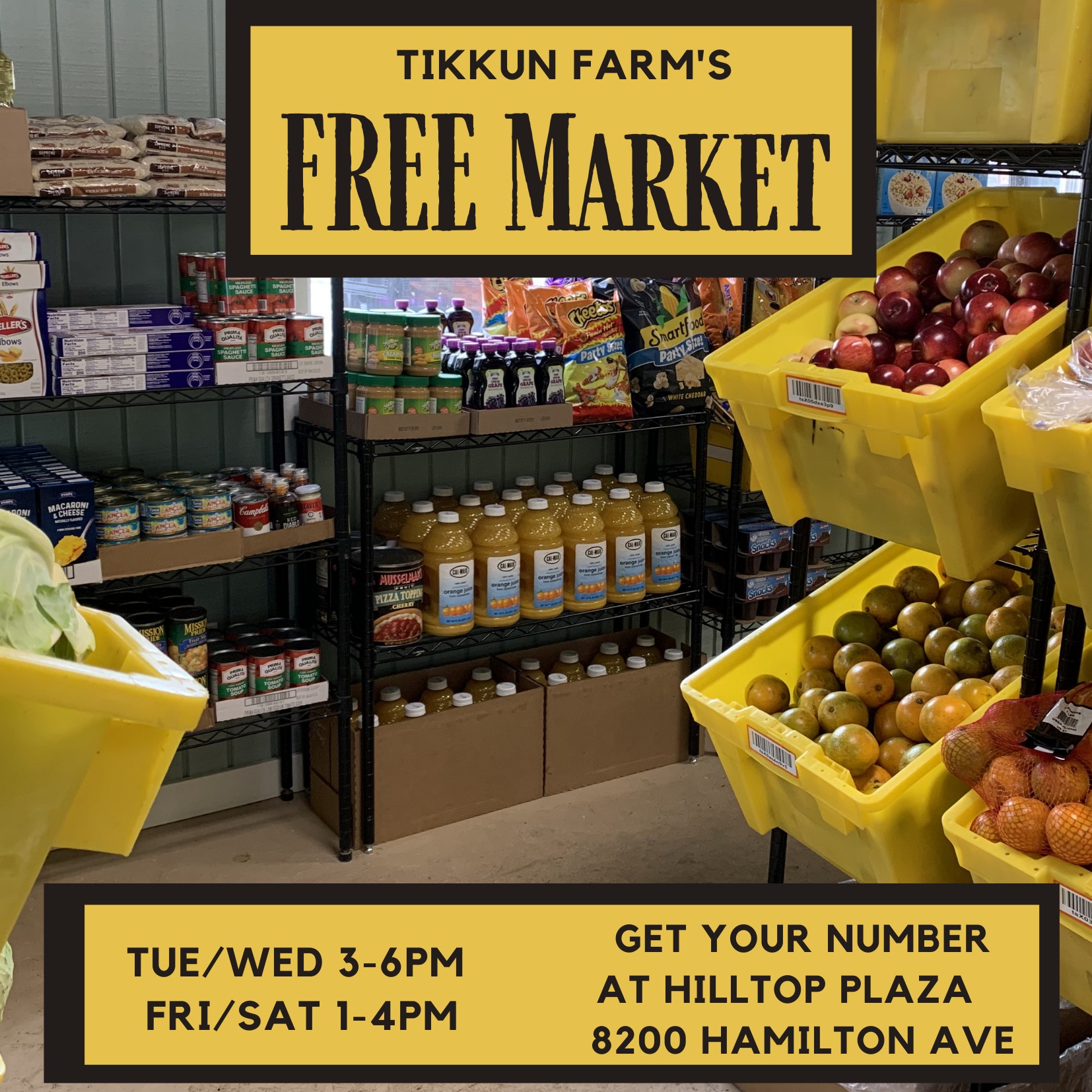
Tikkun Farm, the non-profit I founded in 2015, exists because of a series of accumulated risks. It began in 2010 when my fiancé called me to say he’d seen a listing for an abandoned dairy farm. “Should we buy it?” he asked. I was serving as a pastor in Philadelphia at the time. In fact I was on a family retreat, and had stepped out to take his call. “I don’t know,” I said, “let me pray about it.” So, sitting there in the driver’s seat of my car, I closed my eyes, got quiet, and listened for the sacred voice that had been leading me through my life. Immediately I heard, “Buy the farm.” I grew up a poor girl on food stamps in a suburb of Washington, DC. I knew nothing about farming. My fiancé had visited his grandfather’s farm growing up and had some nostalgia about those visits. We were not farmers. But we bought the farm. It was a 3.5 acre remnant of a dairy farm, now surrounded by a neighborhood in Mt. Healthy. It had two leaking barns, an abandoned dairy building (that my husband says had been taken over by 25 generations of raccoons), and a farmhouse that that had been gutted by previous owners hoping to renovate it (some raccoon families had moved over there from the Milkhouse). In 2012 we got married In 2013 we began renovating the farmhouse and moved into an apartment in the attic as we waited for the rest of the house to be finished. That Spring I laid down in the tall grass in the back field and prayed about what to call the farm. I heard the word “Tikkun”. I knew that word. It was part of a Hebrew phrase “Tikkun Olam” that meant “repair the world”. “Repair your buildings,” Spirit said, “and then I will send people here who’s lives need to be repaired.” And so began the work of Tikkun Farm. We established a non-profit in 2015 and used our farm to offer experiences to “repair” people’s lives. Each offering has been a risk. We started by saying “yes” when we received a call asking if we provide a home to two alpacas who’s farm was being sold. “What is an alpaca?” I asked. I learned they were the cuter and nicer version of llamas. From there we welcomed neighborhood kids, who had written their names on my barn, to a summer camp experience. Churches, teachers, and friends showed up to teach these children how to cook using a crockpot and what you can make with alpaca fiber. When the pandemic hit, the next big risk confronted me. We had started inviting adults to our crockpot cooking classes. When we could not longer gather folks in our kitchen, the chef/instructor asked me to use the food donated by a local food bank to prepare meals and deliver them to the families who had been in our class. I balked. No, I thought. We can’t do that. We do not have a commercial kitchen. I am a pastor, not a chef. Suzy from LaSoupe, who had introduced us to the crockpot cooking class, was a chef. She transformed rescued food into amazing meals beautifully. That was her calling. Not mine. But the request would not go away. After a week, I called the chef who had suggested it and listed all the reasons we were not equipped to do this. “No,” he said. “We do not have to cook the meals. Just prep them for the crockpot like they do in class. They will cook them at home in their crockpot.” “Oh,” I said. “Yes, maybe we could do that.” I reached out to my bishop asking for financial assistance. He responded in 20 minutes with a large financial commitment. We launched. We delivered our first 20 crockpot meal kits in April. Buy the end of June we were delivering 300 every week. This grew into our Nourishing Families program. We created a partnership with the Freestore Foodbank and set up a Free Market pantry alongside our crockpot meal kits. Today 45,000 people a year shop at our Free Market. Those are some of the big risks I’ve taken related to Tikkun Farm. There are many others, from establishing a job training program to welcoming a permaculturist to the farm, who changed the way we manage the land. It’s been a sacred adventure!
Mary , love having you share your insights with us. Before we ask you more questions, maybe you can take a moment to introduce yourself to our readers who might have missed our earlier conversations?
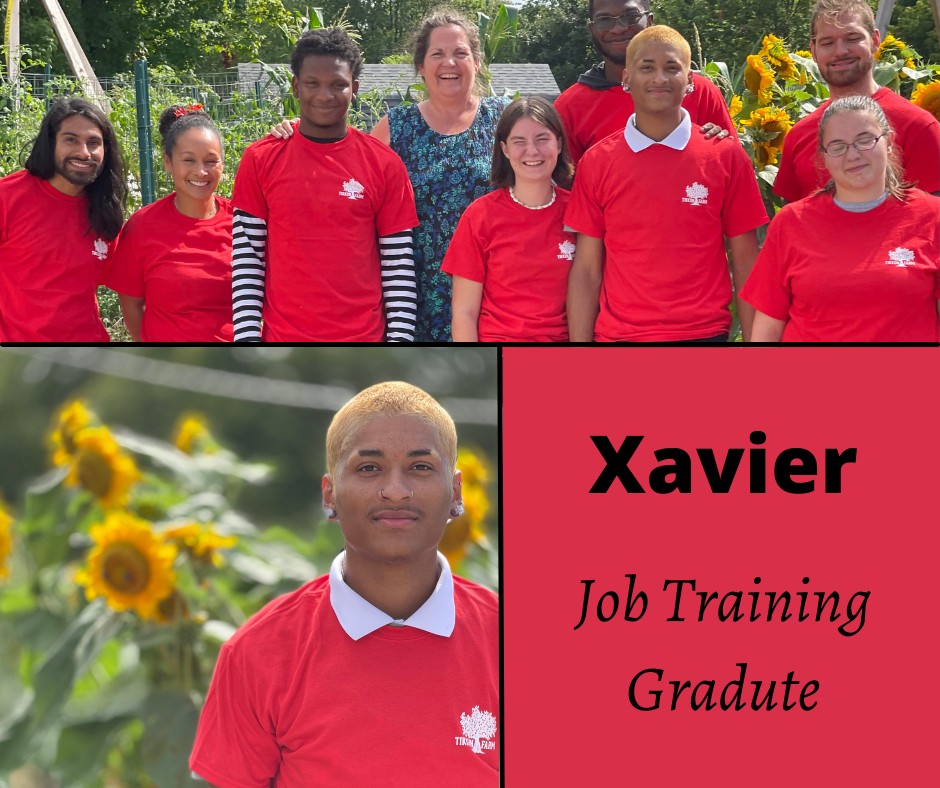
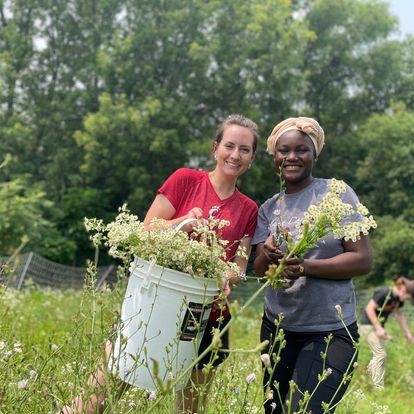
I have been an ordained pastor for more than 25 years. From the beginning I knew I wanted to create a place outside the walls of a traditional church where folks could have sacred experiences. This vision lived in my heart for many years as I struggled to know to how manifest it. Along the way I, I took a detour to deal with the trauma related my experience of childhood sexual abuse. My own healing journey became a blueprint for others. I learned how powerful non-clinical experiences could be as we heal from hard stories: writing, yoga, nature, community. It took doing my own healing work, before I could create a space for others to heal. The year we launched the non-profit, Tikkun Farm, I read Bessel van Der Kolk’s book, “The Body Keeps the Score.” His research confirmed everything I learned in my own journey about healing from trauma. So much of what heals people does not happen inside typical clinical environments, like therapist’s offices. It happens in places like my farm, where people could connect with nature and animals, engage in writing and art, drum, practice yoga, etc. So, when the neighorhood kids showed up and left graffiti on my barn, I knew we need to offer them these kinds of experiences. We called it Farm Camp, but I knew it was more like “trauma” camp. Every day we started with yoga. They kids spent time with the animals. They dug in the garden. They did art, and wrote stories. We drummed every day. Eight years later those kids are out in the world. But they come back and visit the farm. They were with us for a week, but it made healing impact. We learned alongside them. Now we incorporate those same healing experiences in our cooking classes and job training program. When folks visit my farm for the first time, and tell me they feel a difference before they even get out of their car, I am grateful. We’ve cultivated a place of peace in a world fraught with fear. Whether folks are here to shop in our Free Market, volunteer in our Creation Care program, attend a retreat or take care of our animals, I am proud that they feel like this is their farm, that they belong here.
Have you ever had to pivot?
When the pandemic hit, most of the world shut down. Tikkun Farm pivoted. It grew us in a way we could not have imagined. At the time our non-profit had one part-time staff person, an AmeriCorp member, and myself. I was serving part-time in a local congregation and spending the rest of my time as the volunteer Ex. Director of the non-profit. We were still so small that we could only offer one thing at a time. We had shut down our After School program in order to offer a “Cooking on a Budget” class for the parents and care-givers of the children in our program. We had successfully offered this class twice to eight people at time because that’s all the room we had in our kitchen.. We were about to launch our third class when the pandemic hit. We had been offering this class using food donated by local food pantry… the food no one would take because they did not know how to cook with it. They chef teaching the class suggested we used that food ourselves to prepare meals and deliver them our families. I thought he was crazy. We did not have a commercial kitchen. We had no equipment to cook and prepare large amounts of food, much less deliver it in a way that kept it safe to eat. No, we could not do this. But Spirit kept prodding me. I finally called our chef back and told him it was not possible. He told me we did not have to cook the food, only prepare it like we taught in class… chop the onions, measure the spices, etc. “Oh,” I thought. “Yes, we could do that.” I reached out to my bishop for financial support, and he sent me a generous check. Later we received pandemic support. What began as small class of eight students, mushroomed into delivering 300 crockpot meal-kits a week. We invited people to come to the farm to take food we had not used in our crockpot meals. We began distributing surplus food from restaurants that had closed down. We got the word out using our Facebook page. We went from 1.5k followers to 9k followers. Folks who came to pick up food, asked how they could help. We sent them home with ingredients to make spice kits and bags of onions to chop. We became the conduit for neighbor helping neighbor. Soon we had 200+ volunteers/week helping us chop vegetables, assemble meal kits and deliver them. By August of the first year of pandemic we realized we would still be distributing food in January. Folks would not be able line up outside on the farm like they did all Summer. We bought the biggest shed that could be delivered and created our Free Market shopping building. The Freestore Foodbank began delivering 8 pallets of fresh food and pantry staples a week. One of our first “shoppers” began volunteering to assist, and eventually became our pantry manager. He completed his cooking training at Cincinnati Cooks! and now teaches our job training students how to cook. Three years after the pandemic we had grown to a staff of 10, offering three programs simultaneously.
What’s a lesson you had to unlearn and what’s the backstory?
I’ve had to unlearn strategic planning. It began in Seminary. I lived by my 5-year plan: this is what I would study, this is where I should serve on my internship, this the city I would serve as a pastor, etc. The challenge was that things kept coming up that required me to change the 5-year plan. So, I decided to work instead on a 1-year plan. Even that, though, required many ongoing revisions. What I’ve leaned along the way is I do not need to plan. I need, instead, to respond to what Spirit brings me. I would never have planned after Seminary to serve a small, rural, “backwater” country church. I had “planned” to do inner-city ministry with the poor. But I was not offered a church in the inner city, despite my internship experience in that setting. So, I grumblingly accepted my call to a small congregation in Western Maryland. I found myself frustrated by their lack of vision or interest in my big ideas. They only wanted me to preach on Sunday, visit the sick, bury the dead and marry their children. Boring! But I came to love them. They rejoiced when I gave birth to my first child. Two carpenters in the congregation each gifted us with handmade cradles! And then, five years in, when I needed to take a leave of absence to deal with surfacing memories of my childhood sexual abuse, they lovingly supported me. I realized Spirit had brought me exactly where I needed to be, a sleepy church that could continue to function pretty well without me for a short season. When that season ended a pastor from a large, suburban church in Philadelphia called me unexpectedly, asking me to serve there as an Associate Pastor. That too had never been in any plan of mine. By the time my husband and I bought the farm, I had learned I did not need to worry about what we would do with it. Spirit would bring me what I needed. First, it was the alpacas. Then it was the children. (When we bought the farm, we NEVER expected we’d have alpacas or children’s programming!). Then it was the food ministry. And then young adults needing job training. When I got fired from the church I served in Cincinnati I thought I was done with church. I would just focus on my non-profit and life on the farm. Less than a week after my last Sunday at church, I received a phone call. “Would I be available to supply preach at small, historically black church in Lincoln Heights, while the pastor was on vacation?” “Sure,” I said. “I’m available”. A year later that church asked me to serve as their next priest! What?! Now, that was certainly not my plan either. But, oh my, what a gift it’s been to be welcomed into this historically black community, right before our nation found itself reckoning with race in the wake of George Floyd’s death. They have offered me lessons on resilience, integrity and authenticity, as I have preached to them about Love. I have learned to live in the “flow”. To welcome what Spirit brings me, and trust I will be led on beautiful, sacred adventures.
Contact Info:
- Website: www.tikkunfarm.com
- Instagram: tikkunfarm
- Facebook: https://www.facebook.com/TikkunFarm
- Youtube: https://www.youtube.com/channel/UCtvm1QwtXlKEZYaaKaeb-0w
- Other: https://pilgrimpastor.org