


We caught up with the brilliant and insightful Karyn Barnett a few weeks ago and have shared our conversation below.
Alright, Karyn thanks for taking the time to share your stories and insights with us today. Are you happy as a creative professional? Do you sometimes wonder what it would be like to work for someone else?
This is such an interesting question. My experience doing creative work is almost 100% unpaid and has always been alongside some sort of ‘regular’ job managing theaters or teaching about media — so, I guess my answer is yes to both questions. I’m really happy on set and happiest when I can fully dive into editing and/or writing and producing films, but I like working many different jobs and learning new skills often (and making the rent!). After putting time, energy, and heart into one creative project for a long time and then starting post-production for a looonnnggg time after that, I usually crave getting back to the more ‘regular’ jobs I work for most of the year. I love managing theaters and screenings, as well as teaching about mass media, which keeps me very close to creative work and learning about the process through a different lens. I feel determined to find a way to keep balancing both, with the hope that I can continue to achieve my goal to teach AND do. Making art of any kind can be so personal/visceral/emotional — for me, taking true breaks from that often-intensive process allows me to put even more in when I return to a project or begin a new one.
As always, we appreciate you sharing your insights and we’ve got a few more questions for you, but before we get to all of that can you take a minute to introduce yourself and give our readers some of your back background and context?
I was born in New York but grew-up mostly in Northern California. My family moved around a lot and skills I learned in planning, packing-up, and staying adaptable have definitely come into play during my experiences in indie filmmaking and freelance festival work. As a teen, I was that friend with the camera (usually disposable) capturing special moments and high school shenanigans. I’d scan the photos into an 03′ PC to create a Windows Movie Maker slide show — this was then paired with a track found on Napster three days before (finally downloaded!). When the right song meets its perfect sequence match of images/fades, the emotional beat created sticks with you. When I learned to create that feeling myself through editing, I became even more interested in learning the fundamentals of filmmaking and video editing in a more serious way.
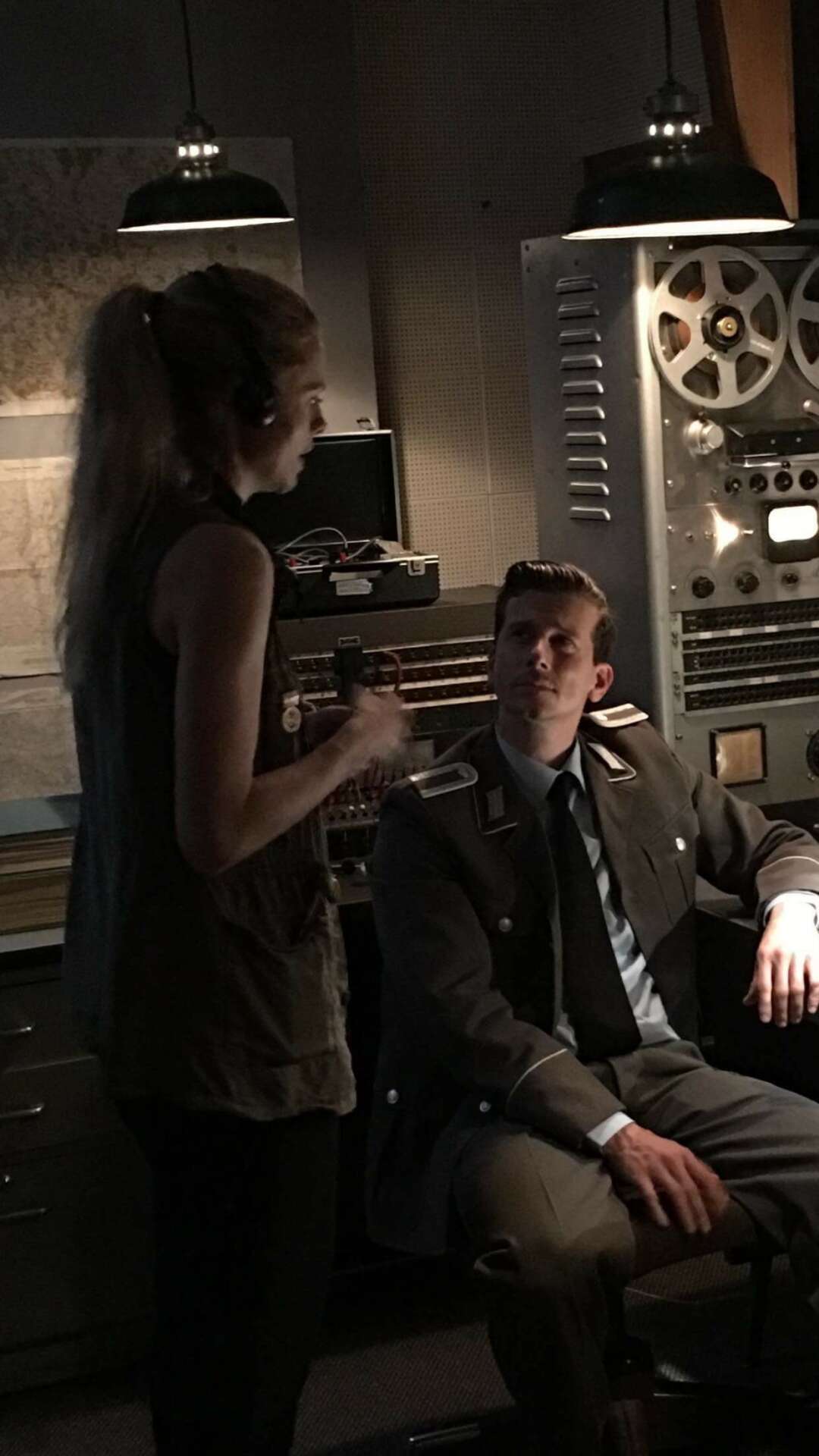
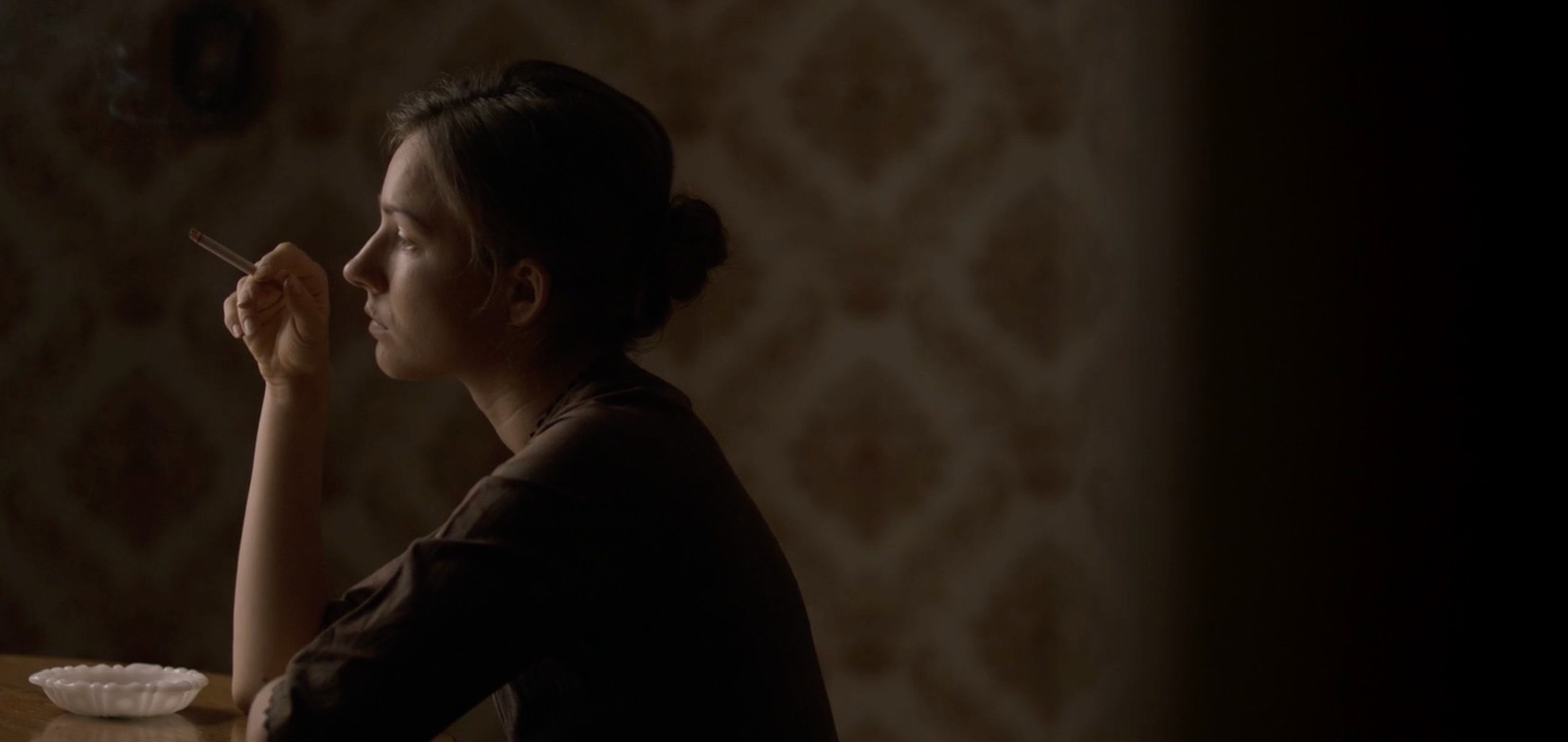
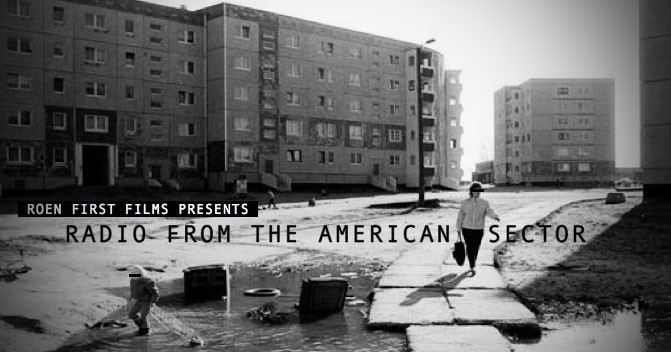
You couldn’t readily search for info on how films and TV shows were made in the early 90’s, so it was a privilege when programs let audiences in through behind-the-scenes clips and interviews on set. It became sort of a family tradition to watch DVD extras and blooper reels and if I had to pinpoint a time when I knew I needed and wanted to pursue making films, this was it. I enrolled in what seemed like a ‘practical’ major at the time and got a degree in communication studies. That program taught me so much about writing and the impact of media and language, but I still needed practical production skills. I ended-up joining a friend on a grad school campus tour that summer — One walk through the radio and television studios and I was hooked. I enrolled and focused on documentary filmmaking; in large part because it allowed me to pick up the camera myself, interview many different people, and learn how to do multiple roles on set. I produced, shot, and edited a 45-min documentary about virtual anonymity and flash mobs, which were a recent phenomenon at the time that I knew nothing about. After graduating, I moved to Hollywood and continued to pursue freelance film and festival work while writing shorts and narrative feature scripts. Collaborating with creatives in LA made me feel like I’d found where I needed to be at that time and pushed me to volunteer for student and low-budget narrative films, where I learned SO much and realized that I enjoyed nearly every facet of the process and wanted to direct. I started shooting my first feature-length documentary The Last Generation (which is still in production) and wrote Radio From The American Sector – a German-language short that went on to screen in Los Angeles, Berlin, Florence, Cannes Shorts, and has been nominated for direction and producing.
I’ve learned that making a movie (no matter the length, genre, or budget) is something of a miracle every time. Passion gets you going and often helps you realize the project when the inevitable challenges of independent production arise, but it’s critical to ensure that creative spark is supported by thorough preparation, open-minded collaboration, and above all – patience. These are the elements I try to bring to any project and what I hope collaborators and clients feel when they work with Roen First Films. Filmmaking can be very stressful, especially if your end goal is to see the project exhibited in a festival or as part of a streaming distribution deal. The pace is demanding, to say the least, and it requires an even greater level of commitment to see projects through when juggling other gigs and financing your own stuff. Those realities aside — filmmaking should be fun; and that’s at the back of my mind when thinking through timing, locations, crew accommodations, and the kind of environment I want to create for the entire team. I work overtime to research, storyboard, and prepare in advance so we have as solid a foundation as we can to start with. For Radio From The American Sector, which took two years to produce, we spent four very long days in over 100-degree heat and faced many challenges — from malfunctioning props and camera issues, to location limitations we didn’t expect — but when we wrapped, the crew said it was one of the most fun they’d been involved in and that they felt respected during the process — and that’s one of the things I’ve been most proud of and will continue to put at the center of Roen First Films. When passion and planning meet hard work and a commitment to the art, magic can happen!
We often hear about learning lessons – but just as important is unlearning lessons. Have you ever had to unlearn a lesson?
There have been many lessons I’ve had to unlearn, but a couple have truly changed the way I think about work and the process of creating. The first was to remember that what you aren’t willing to ask for, you limit the possibility of getting. It can be intimidating and uncomfortable to cold call or write inquiries to potential partners and collaborators. This could mean anything from working out funding or guidance for a small part of your project to partnering around on-set services or crafty in exchange for promotion, etc. The process can be extra daunting in Los Angeles; where many many artists, both established and independent, are knocking on doors and sending mass email campaigns to support their ongoing work. But I was very driven to find ways to secure quality meals for crew on set, accommodations and locations (for free or very low-budget), and authentic costumes and time-period specific props so…. I just started reaching out. I was floored by the number of people who were willing to support my projects in some way and it taught me to be less fearful in sharing more about the work and what we need to complete it. The largest project I’ve written and directed so far required a location that could play for interior and exterior Cold War Berlin. I was overwhelmed with the task but came across a 60s-era recording studio with a built-in apartment that seemed like it was made for the scenes in my script! It had been used by the owner for a previous historical drama shoot and was covered in fake blood and in need of many fixes. We offered to clean, repair, and catalog all remaining props in exchange for a 4-day rental rate we could afford, and it ended-up being the perfect setting for the film. Sometimes, all you have to do is ask…and then get creative.
The second lesson was coming to understand that the work is truly for you first. If you can tune out the noise and anxiety that often comes with creating something you know others will see (and hopefully find something to relate to, enjoy, and/or be inspired by), there’s an even greater depth at which you can connect with that work — and that is inevitably felt by the audience. I fell in love with watching films as a kid, and one of the main forces behind that was how I felt leaving the theater and the way stories and lessons from those artistic depictions would stay with me for days or weeks after. Later on, managing film festivals and theaters brought me into very unique spaces of exhibition and film appreciation, which furthered my awareness of the true social impact a film can have. I suppose this long-standing focus on how an audience may receive a film, how they experience story, and even the mechanics of the technical exhibition itself, caused some blocks and slowdowns in my ability to just write the story from my heart and let it be free of any future pressures or fear around interpretation. That’s another reason why carving out free time to focus solely on writing/editing between jobs is so important for me — it tends to increase my confidence, productivity, and ultimately how creative I am when I’m able to shift focus completely away from ‘the industry’ and find my own voice in each project.
Do you think there is something that non-creatives might struggle to understand about your journey as a creative? Maybe you can shed some light?
I believe everyone has innate creativity in them and can relate to the desire to dream and make those dreams a reality with something tangible — whatever that looks like for them. In trying to do creative work for a living though, the stakes are much higher, and I feel this is especially true when it comes to a complex visual medium like film. One thing that feels easily misunderstood by folks who aren’t trying to make a living this way is that it takes a LOT of time and planning and requires you to stay somewhat fluid in a structured world. It’s challenging to try to be in the moment and open to creative ideas / the natural evolution of the process, while balancing the more finite tasks of scheduling that work and staying disciplined as elements of the production (or what’s available to produce it) change. You don’t always know what you’ll need until you’re actually shooting and have to be able to pivot to come up with new ideas in real time (which is also one of the things I enjoy most!) French filmmaker Robert Bresson speaks perfectly to this concept: “A film is made three times: first on the page, then on set, and finally in the edit.” Leaving yourself open to this takes a lot of flexibility and energy. For me, this manifests as the need for a lot of alone time — either to become fully immersed in writing and editing, or to take solitude breaks from the constant studying, networking, budgeting, and promoting that comes with making independent films.
Creative work also doesn’t necessarily (and with indie film I’d say rarely) turn out to be profitable. Sometimes, it’s difficult for ‘non-creatives’ to understand the risks being taken…and the significance of completing the work regardless of whether it pays the bills. Before I crewed on friends’ projects and produced and directed my own shorts, I didn’t truly understand the stress or level of investment required to make a film and screen it for an audience. I’ve learned some difficult lessons in how the process can negatively affect relationships, mental and physical health, and finances, but I’m grateful for the friends and family who continue to support me in chasing my dreams.
Contact Info:
- Website: https://www.roenfirstfilms.com/
- Instagram: https://www.instagram.com/roenfirstfilms/
- Linkedin: https://www.linkedin.com/in/karyn-barnett-61063330/
- Other: Vimeo: https://vimeo.com/user49305715
Image Credits
Travis Prow Karyn Barnett