

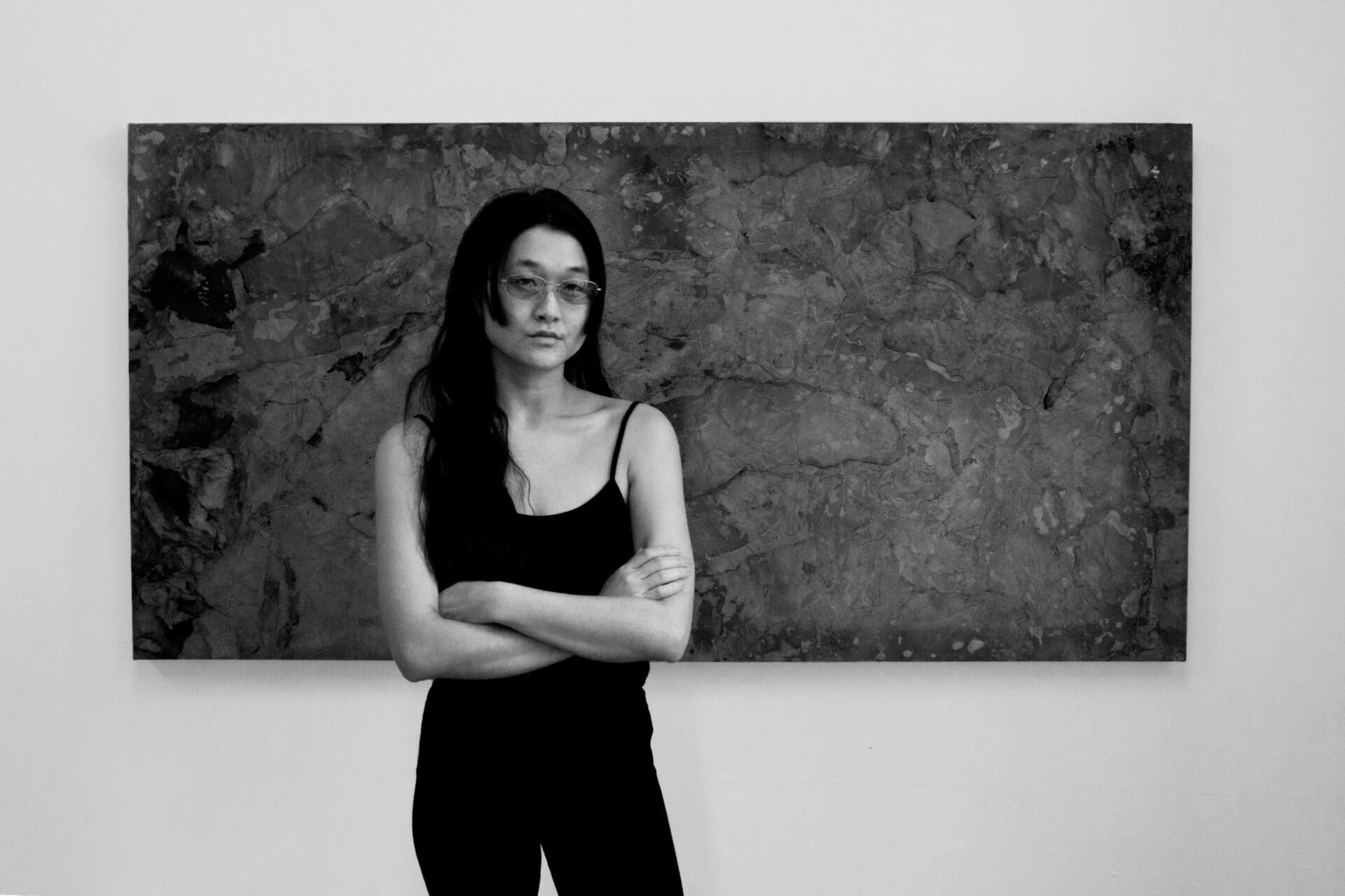

We’re excited to introduce you to the always interesting and insightful Anna Ting Moller. We hope you’ll enjoy our conversation with Anna Ting below.
Alright, Anna Ting thanks for taking the time to share your stories and insights with us today. When did you first know you wanted to pursue a creative/artistic path professionally?
I grew up in the south of Sweden and a couple of years ago I found a video footage at my parents house, from the 90s that one of their friends had been recording. I am asked as a 6 year old me, what I like to be as a grown up? To my surprise my response was “I want to be an artist!”
I later came to forget this and in my teens I wanted to be a fashion designer or a “finance person”, which I honestly didn’t have a clue what they did. I wanted a profession that would give stability and economical reassurance, I found freedom in fashion and experimented with identity through clothes.
My “passion for fashion” made me move to London, without ever having been there before. I was naive, I wanted to be a fashion designer. One of the funnier anecdotes looking back is, after having been in London for two weeks, I walked into the designer Alexander McQueen’s head office and said I had an interview. They didn’t not hire me, and at the time I didn’t even know what a portfolio meant.
My path has then been a little wiggly and after trying out a career in fashion, that didn’t seem to fit. I accidentally stumbled upon the arts. I was 23 years old and felt like I was failing. A friend of mine suggested I should study art instead of fashion. I was not convinced, I barely knew what art was and I didn’t identify myself as someone that had anything to offer the fine art “world”. I started undergrad at Konstfack in Stockholm when I was 25 and it felt very special. I now have a MFA in the arts and I believe that being an artist is a constant continuation of exploration and discovery. But sometimes it is also to look where you stand and to listen seriously to your inner self and to see things as cyclical. I am now where I wanted to be as a 6 year old me, I just had to pass through many versions of my “me” before I could reach that, and more to come.
Anna Ting, love having you share your insights with us. Before we ask you more questions, maybe you can take a moment to introduce yourself to our readers who might have missed our earlier conversations?
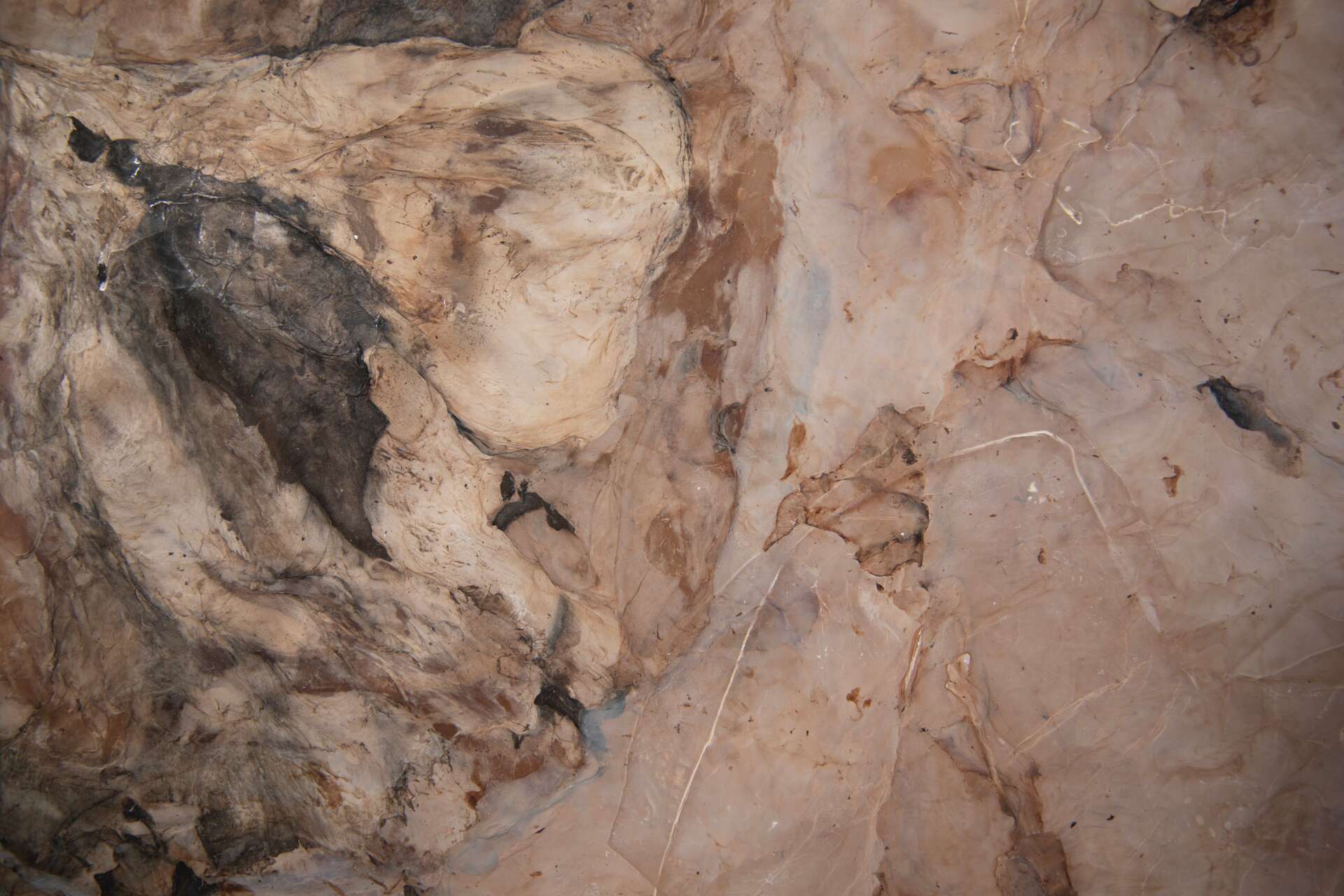
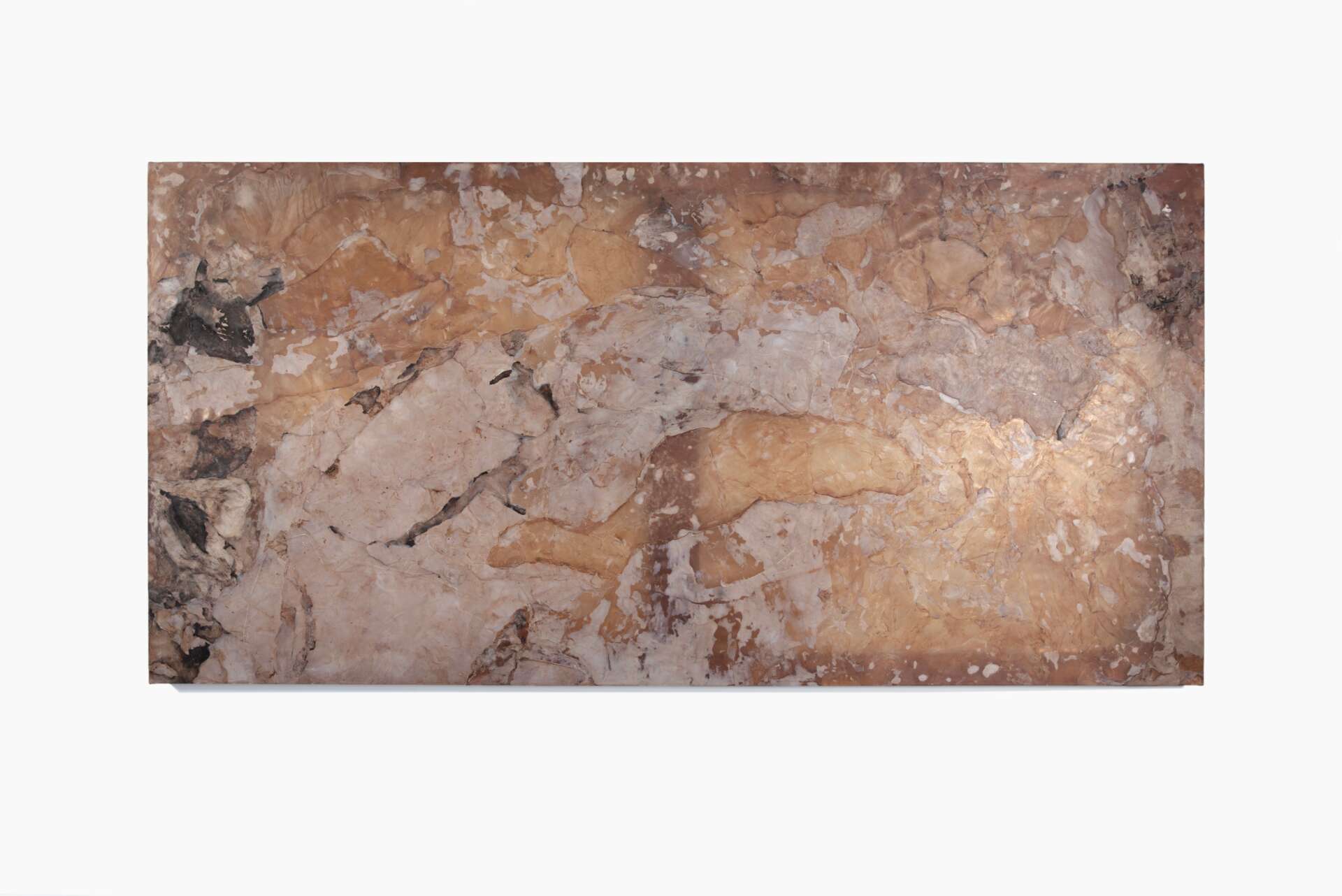
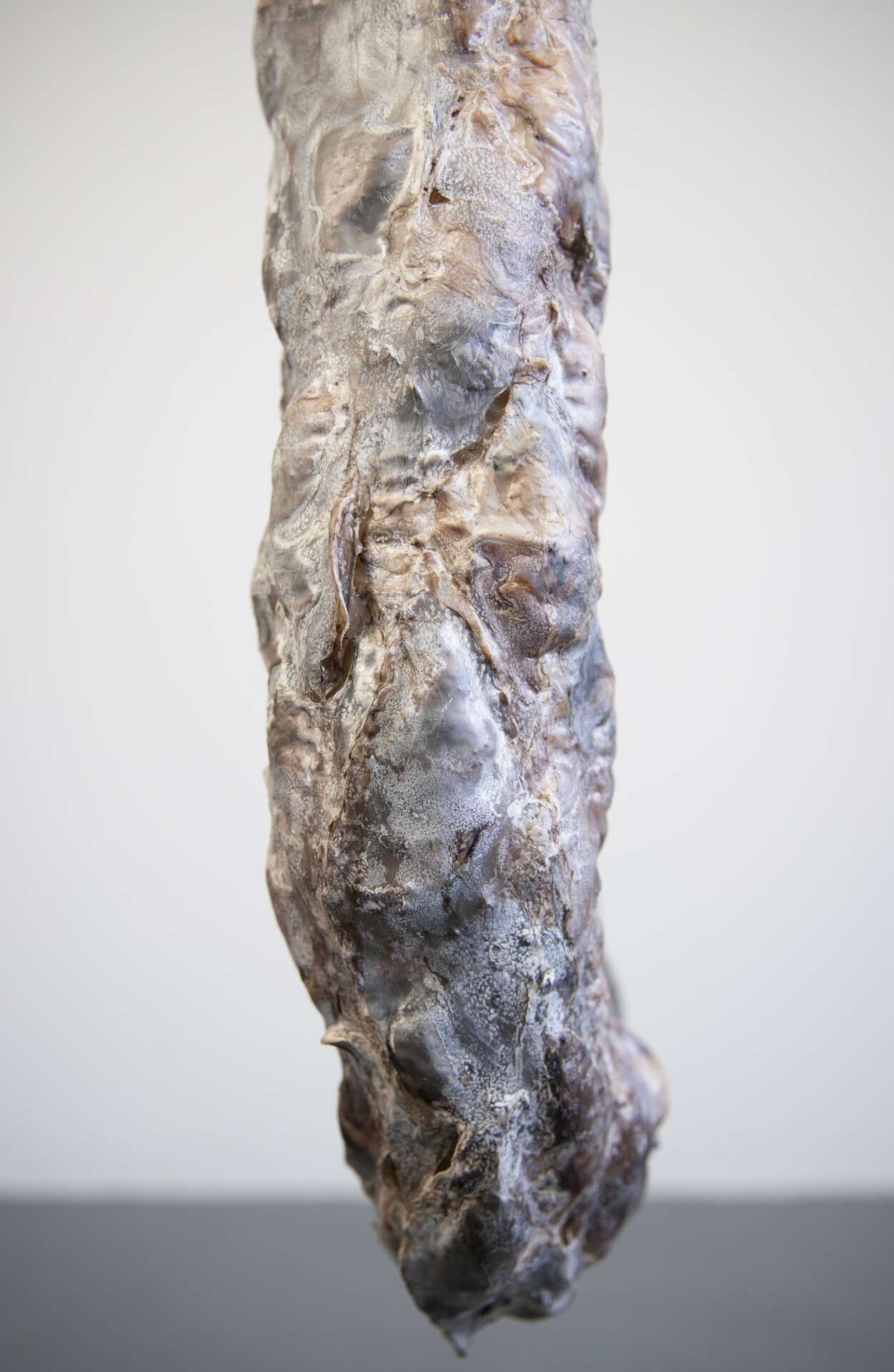
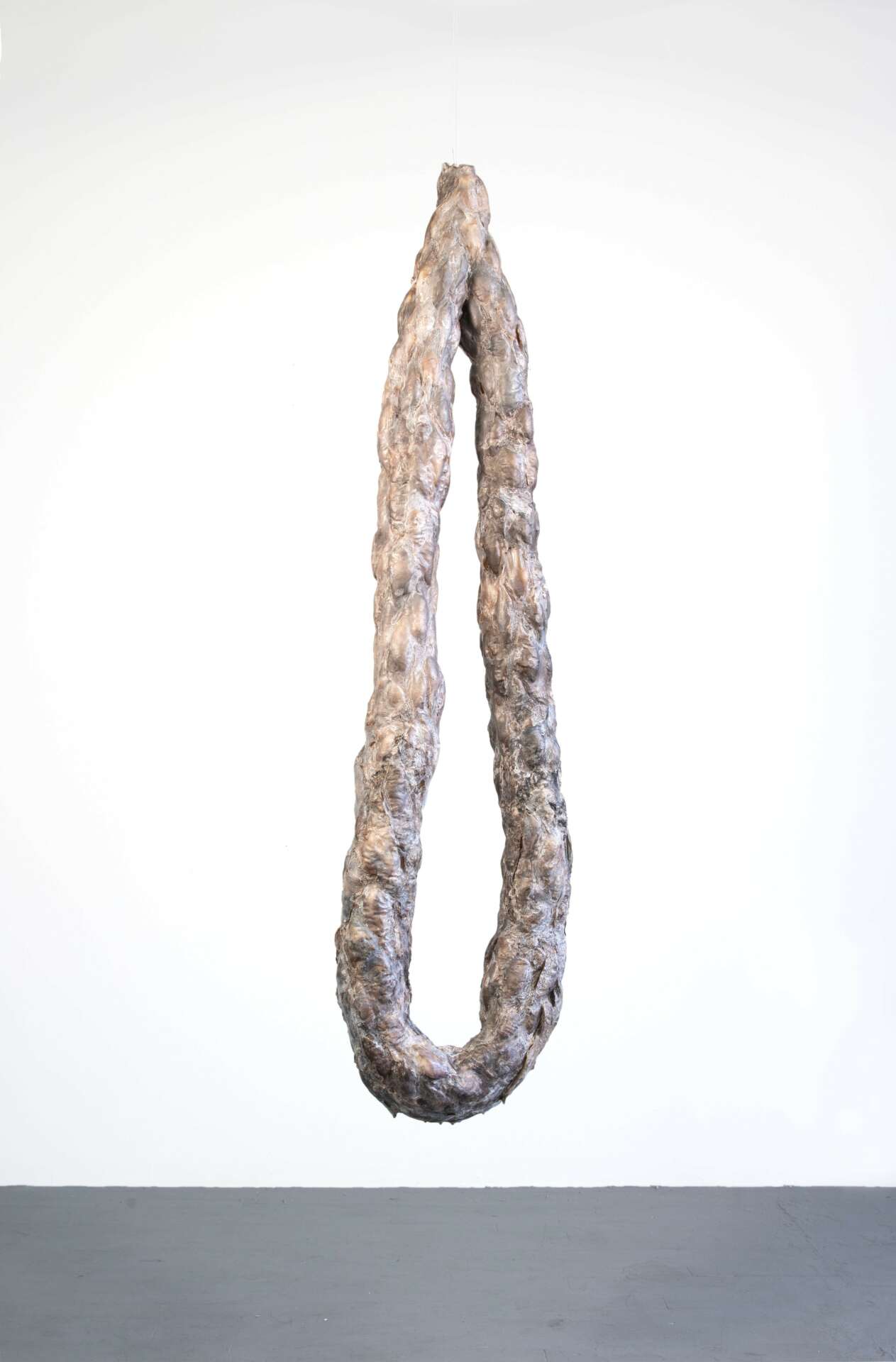
I live and work in New York City and Stockholm. I received a MFA in Visual Art with a concentration in installation and expanded practices at Columbia University in the City of New York (2023), and a BFA from Konstfack University, Stockholm (2018). My work has a focus on kombucha as a corporeal potential and follows a material logic. The sculptures are ephemeral and constantly morphing. Conceptually it is important for me to work with one kombucha-mother, to create a lineage of offspring based on one matrilineal “family tree”. After growing the organism in a large vat, I subtract layers of “skin” from the mother-culture and use the flesh-resemblance-matter to create amorphous “bodies”. Fermentation is a sort of domestication and a jar of a kombucha culture provides a small portal into the way that life happens.
The Mother Mushroom, is a colony of yeast and bacteria that ferments the health drink kombucha (this mother also goes by the acronym SCOBY, for Symbiotic Cultures of Bacteria and Yeast).
For you, what’s the most rewarding aspect of being a creative?
Create my own structure, which can also be a downside. It’s easy to build your own invisible boxes. Art is important to me because, somehow, things in life that don’t make sense, are out of one’s control or figuring as something undefinable. Though transitioning it into art makes it easier to comprehend. Then I can store it in my mind differently, I don’t have to ponder or obsess over it. I can archive it away and clear space for other things.
Art allows fantasies to create a different logic within that world view. It’s cheesy but it enchants the world and is important.
Are there any books, videos or other content that you feel have meaningfully impacted your thinking?
I just recently finished Julia Kristeva’s Essay on Abjection, Powers of Horror. It was an intense read and I have been wanting to read it for a while. I think her writing on abjection, the grotesque and mother-child dynamic. Is fruitful for both my upcoming work but also to better understand work I have done in the past. I find that it is not always super clear why I have an urge to portray certain emotions or “things” and I think the essay deepened my interest in the subject.
I am just about to open a solo exhibition at Gallery Tutu in Brooklyn, NY, 3rd February 2024.
Tutu Gallery announces the solo exhibition of Anna Ting Möller: “grafting, for that which grows and that which bars”, opening Saturday, February 3, 2024, with a 6-9 pm reception at the gallery. Gathering Anna Ting’s sculptures and installations redesigned for the space of Tutu, the exhibition performs as an experimental ground that tests our collapsing sense of belonging and the intention of making kinship otherwise. The title of the exhibition derives from the Swedish writer Karin Boye’s poem Ja visst gör det ont (Yes, of course it hurts), which narrates how plants experience their growth — a mixture of pain, fear, and, at the same time, joyfulness of creation.* And grafting, an ancient method used to hijack one branch onto an existing tree, also bears hybrid and entangling relations in the birth of new things.
Contact Info:
- Website: www.annatingmoller.com
- Instagram: annatinngmoller
Image Credits
Photo: Anna Ting Möller