

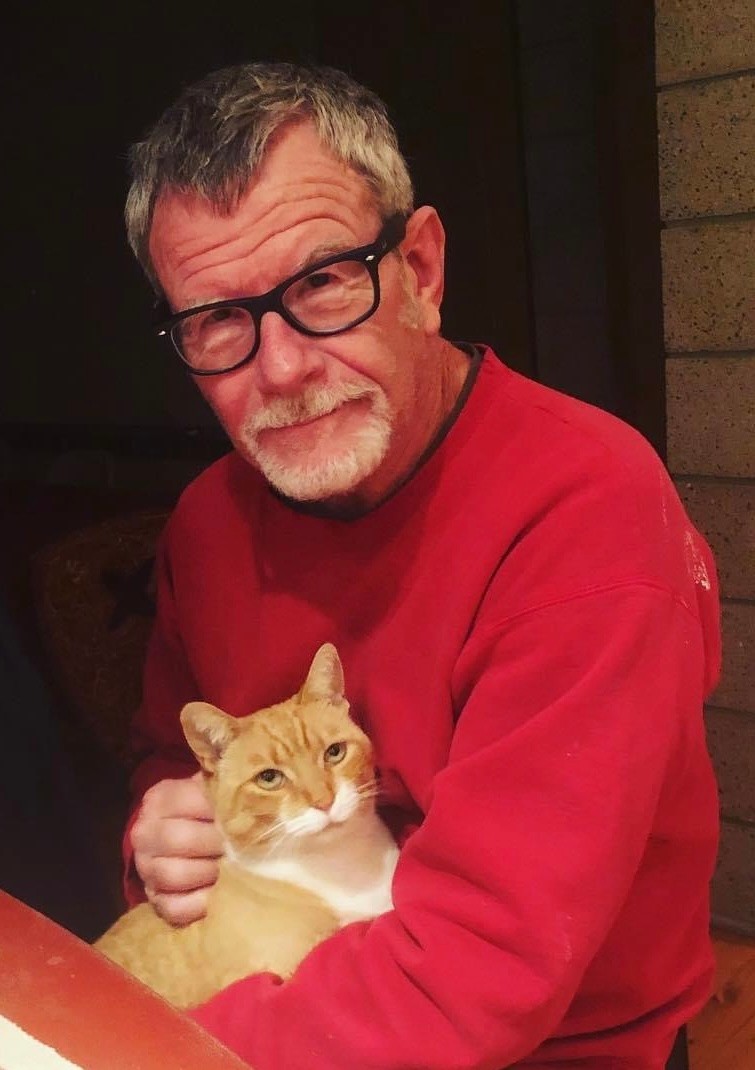

We recently connected with David Fobes and have shared our conversation below.
Hi David, thanks for joining us today. We’d love to hear about the things you feel your parents did right and how those things have impacted your career and life.
My mother, who passed away in July 2023 at age 97, was always a creative influence in my life. Even with raising 5 kids, she made time to pursue her love of painting, ceramics and jewelry making. Early on in my life she allowed me to try out her oil colors and later ceramics, she was always supportive and appreciated my own creative talents.
My father was a physician, but grew up in a working class home and worked in construction to help pay his way through school. He always had a small wood shop in the basements or garages of our homes. He was pretty handy and my brothers and I would help him with a variety of home projects as well as some basic furniture and cabinet projects. The work with him, let me know I loved to work with my hands and use tools.
Although I knew at about age 10, I wanted to be a creative, I dared not share that with my father, who wanted all of his sons to be professionals. With that in mind and with his encouragement,I decided to enroll in the architecture program at our local community college. I enjoyed the architecture courses but was bored and confused with the math and physics courses led by disinterested old professors.
When I decided to quit architecture school and pursue artist instead, my father demanded that I leave the house and could no longer depend on any financial support from him. Although at the time this seemed harsh, it turned out to be the best thing he could have done for me. I was free to make my own choices about work and education. That point of departure was the start of my creative journey.
Awesome – so before we get into the rest of our questions, can you briefly introduce yourself to our readers.
The year my father gave me the boot was 1972, I was 19. I lived and worked in Redlands, California for several years at a picture framing and art supply and paint store, learning the skills of framing works of art as well as color mixing. I learned color mixing theory from the owner of the store, who was a master at looking at any color and being able to match it perfectly by eye.
About 1974, I decide to return to school and enrolled in the Environmental Design program at San Diego State University. The program led by the visionary architect Eugene Ray, was for me the perfect blend of art and design, particularly architectural design. Professor Ray encouraged us to visualize and explore ideas of environment, sustainable design and affordable architecture.
From 1978 – 1979 a small crew of students including myself built Professor Ray’s unique home of his design “The Silver Ship” high up on Nautilus street in La Jolla, California. We had very little building experience but were eager to learn and were willing to work hard.
We dug the footings by hand, laid the concrete block, built two massive trusses, as well as all of the framing and sheathing, all on a steep hillside site. That year synthesized six years of art and design study for me, was absolutely transformational and led me to a career of specialized building and carpentry. I worked with a variety of local architects, building unique custom home projects from about 1980 -1990.
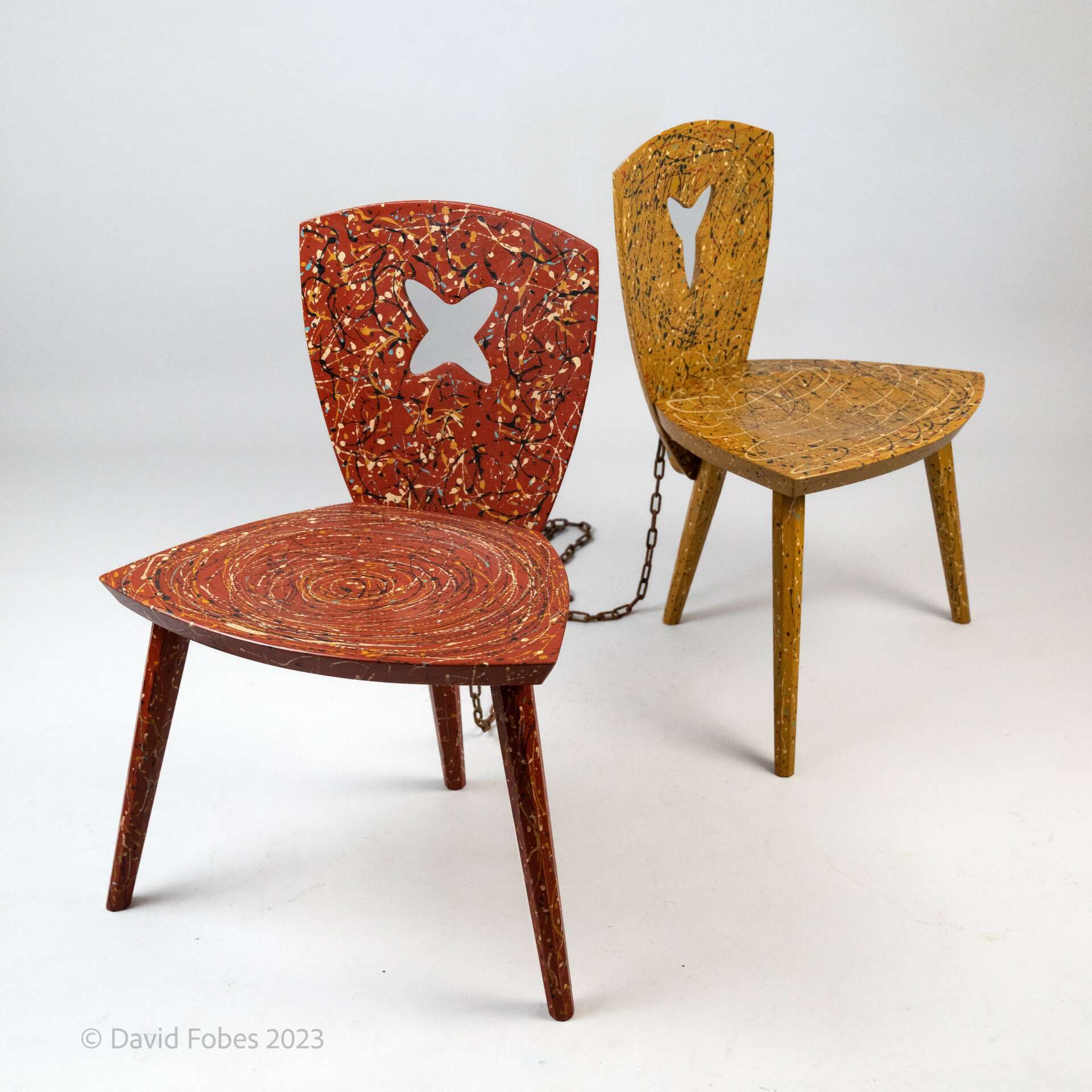
After a few years I moved into a cold water flat on Island Avenue in downtown San Diego. This was 1982, when the Gaslamp district was mostly derelict buildings and rent was cheap. I became a part of the lively arts community that all lived illegally and under the radar in a variety of warehouse and disheveled buildings. It was here in this space on Island Avenue, I began my career as an artist/craftsman. I was working making my own custom work, as well as working in construction and assisting other artists in making their work. I was also playing saxophone in local rock and roll bands at night, the bands would use my studio as a practice hall. It was a very creative and heady time.
I was fortunate to meet both the art collector and doctor, Doug Simay, as well as gallerist Mark Quint in about 1983.
I designed and built a new shared gallery for them on the second floor of the old 9th and G complex downtown. This led to a commission by Doug Simay to design and build Java Cave at the corner of 9th and G. Java became the hub of the downtown arts community. I also curated exhibitions for the art gallery in Java and extended my network of artists and arts professionals.
Java is also where I met my now wife, Rocio Weiss. As a binational, bilingual citizen who grew up in Tijuana, she introduced me to border culture and to many artist working within the “Border Art” context. As she and I grew closer, I gave up my beloved downtown studio of almost 8 years and moved in with her into the 1927 bungalow we now share as our home and my studio.
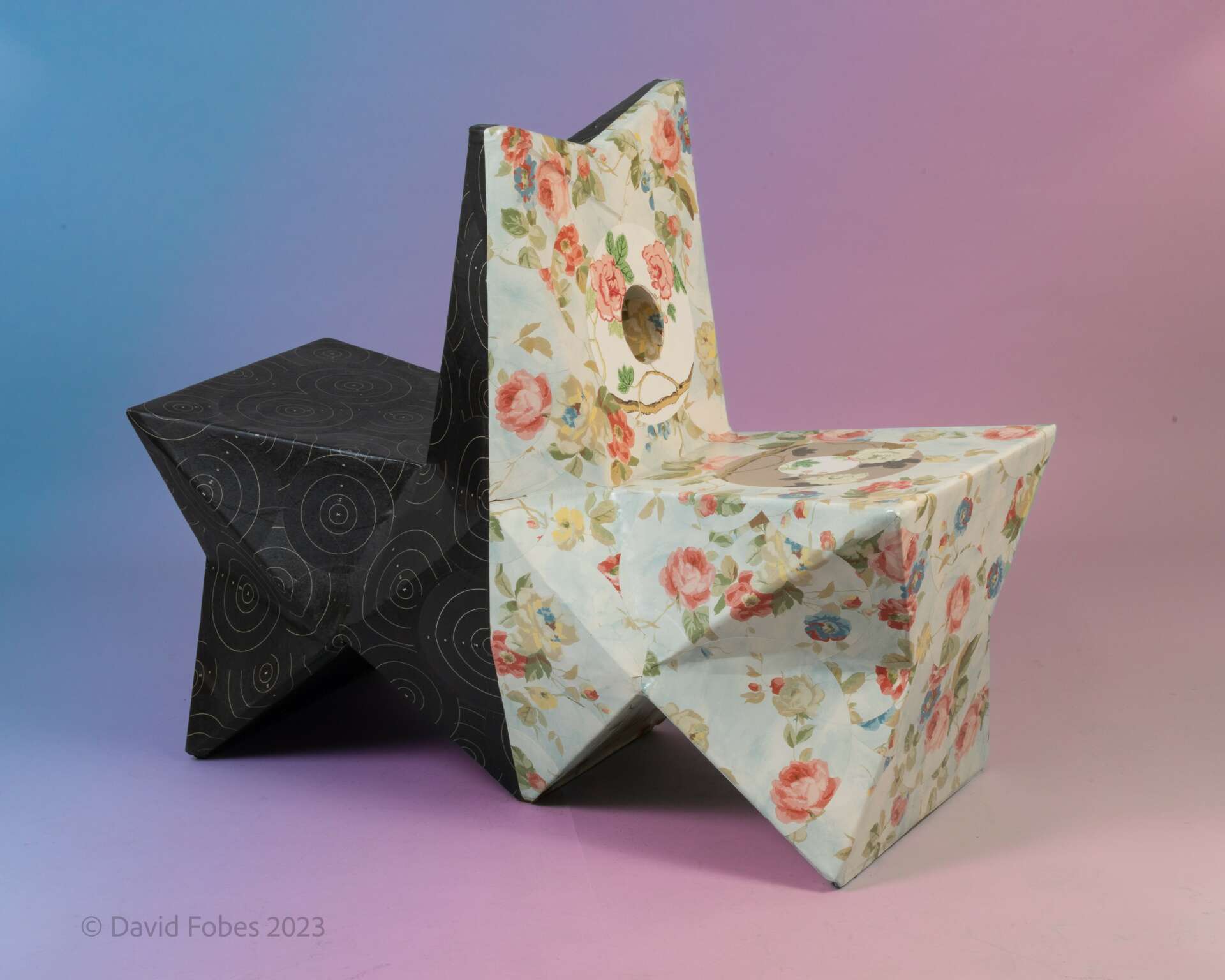
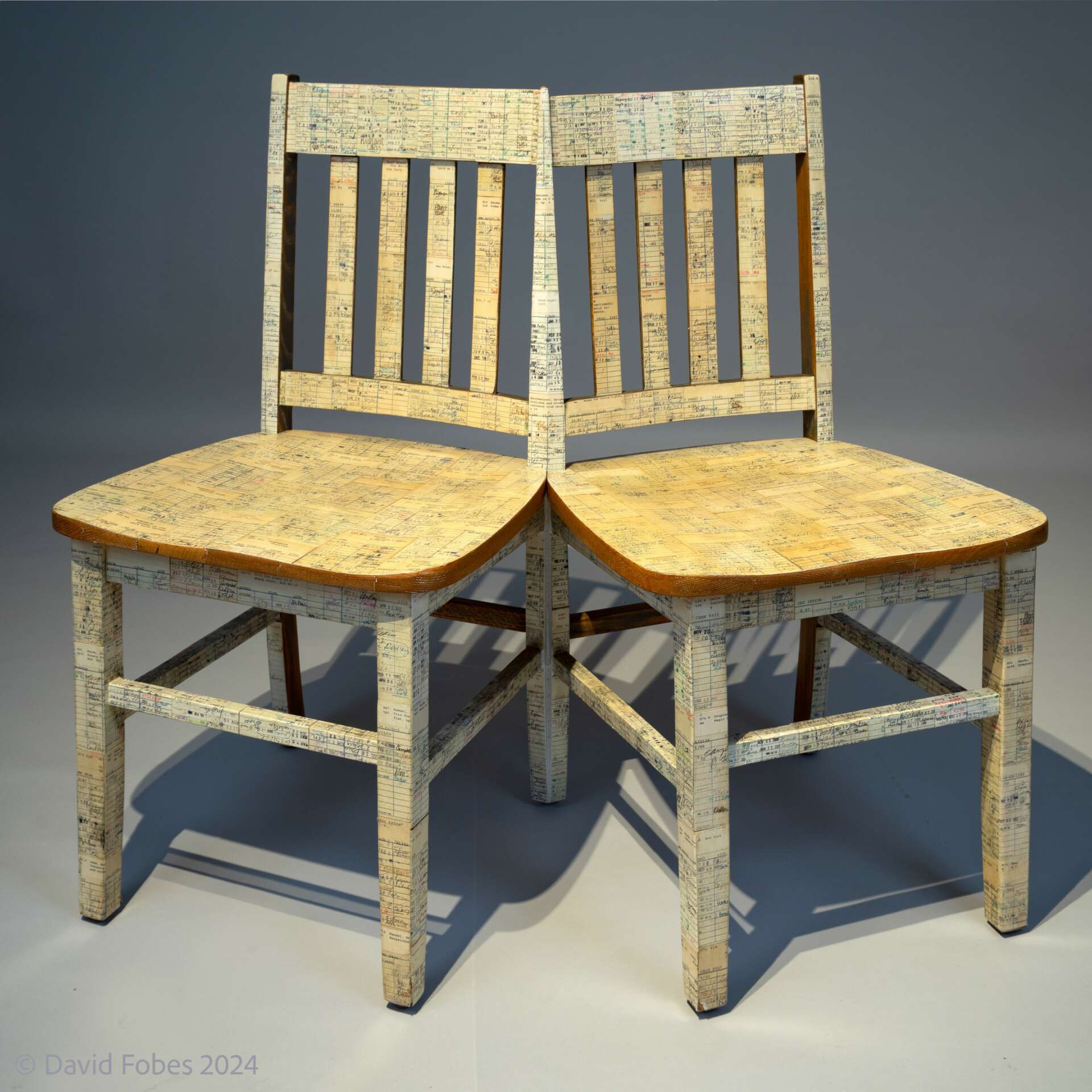
In 1990 after years of building and exhibiting furniture and building custom home and interiors, I decided to go back to school to earn a Masters of Fine Arts in Furniture Design at San Diego State University under the direction of internationally recognized designer Wendy Maruyama. This was probably one of the smartest decisions of my life.
Not only did Wendy introduce her students to other world renowned designer, she created opportunities for students to exhibit and engage with the Furniture Studio movement at the highest level. Wendy and I have remained great friends.
After graduating in 1994, I began to teach at both the University and community college level. I found that not only did I have a knack for teaching, but that I loved interacting with young creative minds. What a great job! I was able to integrate what I had learned as a professional artist as well as my current practice into my teaching curriculum. I continued to teach and make and exhibit work from 1994 until my teaching retirement in 2020, brought on by the pandemic.
There are many projects I am proud of, but probably nothing as much as the teaching work. Teaching, mentoring and working with young people is extremely rewarding. Watching former students grow and become professionals on their own has been one of my greatest joys.
As for projects, I would say the renovation and large addition and studio design project for my wife and me has been my most ambitious and satisfying project. I worked with the very talented Jim Brown of Public Architecture on the design of the house, He gave me complete freedom to work out all of the design and interior details. That project was started in 2004 and although finished to move in in 2008, I have continued to refine and work on the house as an ongoing labor of love.
For you, what’s the most rewarding aspect of being a creative?
For me being creative and being a visual artist was not really a choice. I just am. What is a choice is making the decision to create opportunities that support a life of creativity and art practice. Creativity and risk taking go hand in hand. So to make the leap of faith that you can make a life supported by your creative endeavors takes a tremendous amount of faith in yourself.
The reward is knowing that you have chosen a path that is authentic ,and truly your own. That level of joy and integrity in ones life can serve to bring joy and positivity to those around you and in your community.
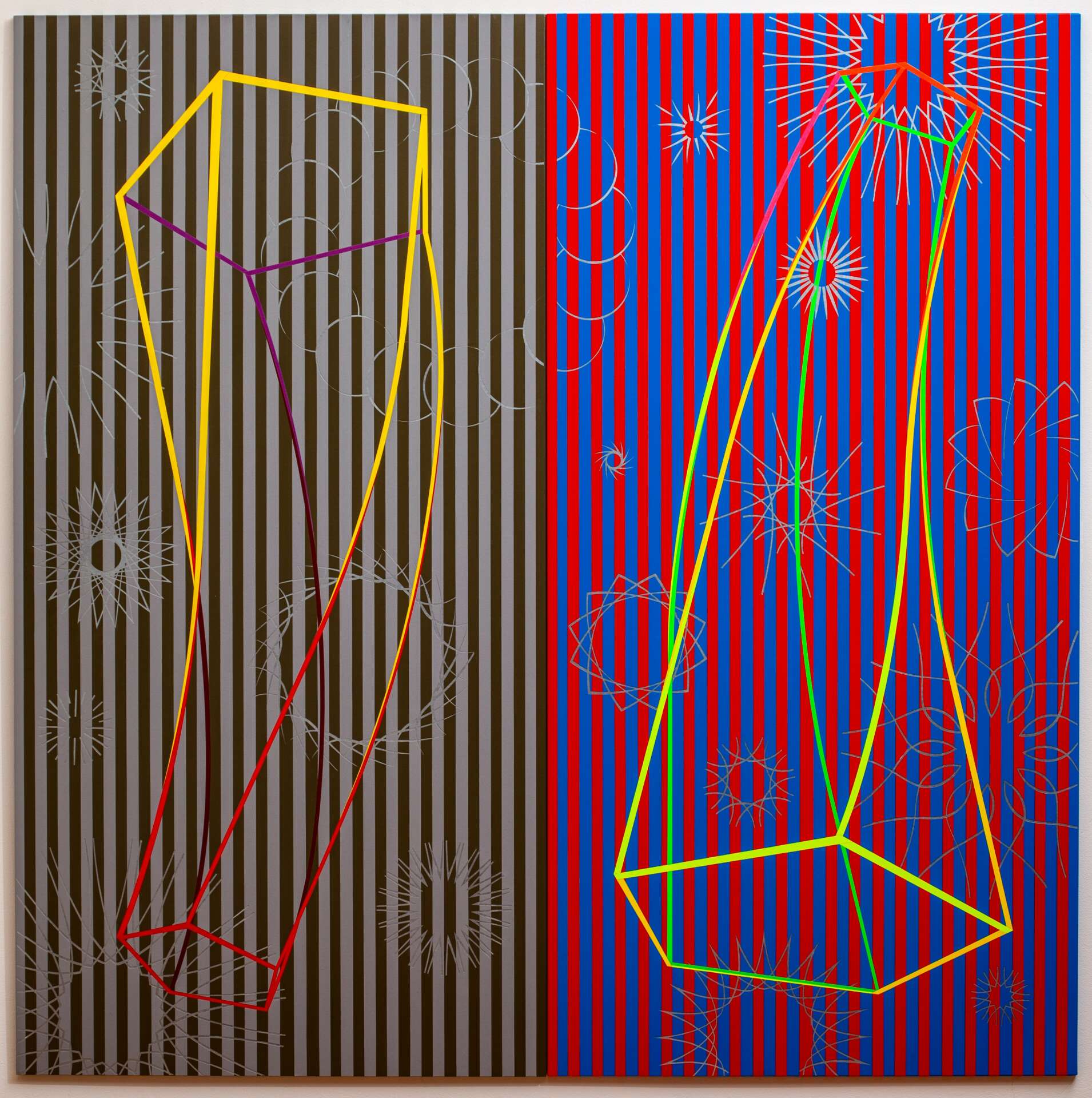
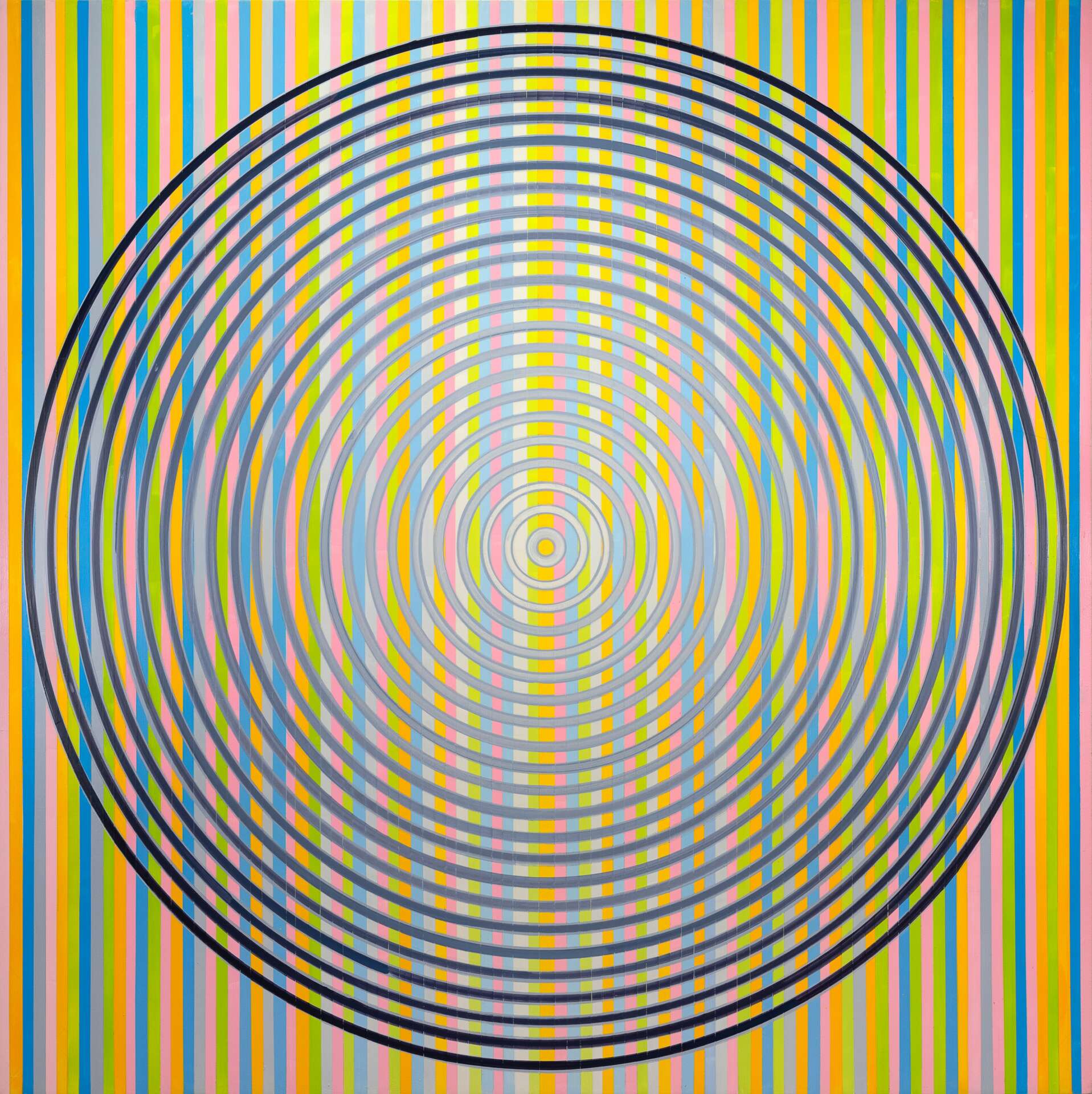
Can you share a story from your journey that illustrates your resilience?
There is not one story, but many that illustrate an artists resilience. Artists put their work, ego and integrity on. the line every time they exhibit work, submit a proposal, submit work to juries, engage with curators or simply ask for critique. Rejection is an ongoing aspect of making work, especially if it is challenging or unusual to the audience.
More times than I can count I have been told that my work is “not consistent” , meaning I don’t have a recognizable brand.
I remember after hearing that yet again from a curator, I was talking to another artist about this. His response was “consistency is the last bastion of the uninspired!”
I would say that even after forty years of making art and suffering rejection and criticism, my enthusiasm for making has never waned. I get into the studio and work every day. I would say that is resilience.
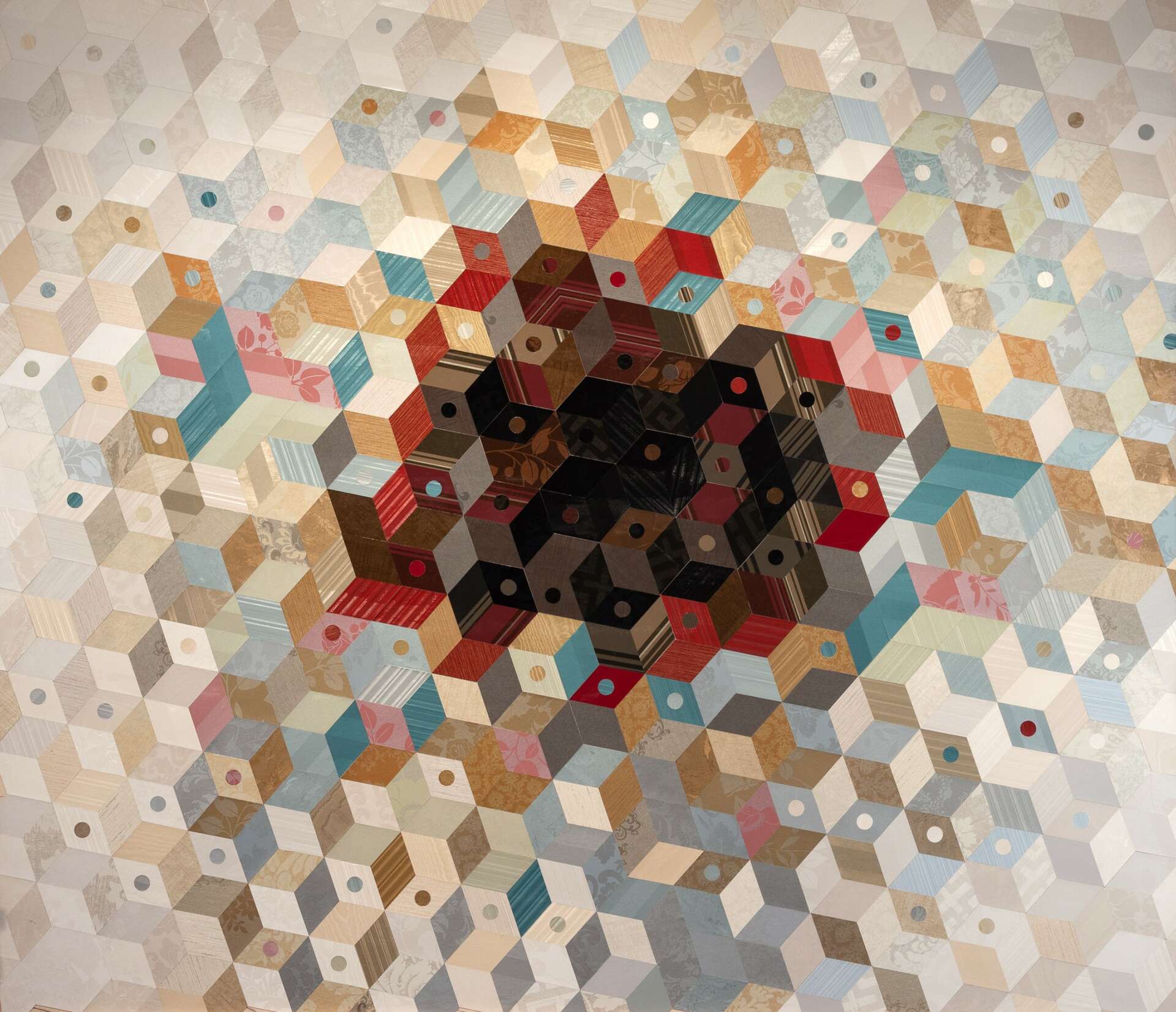
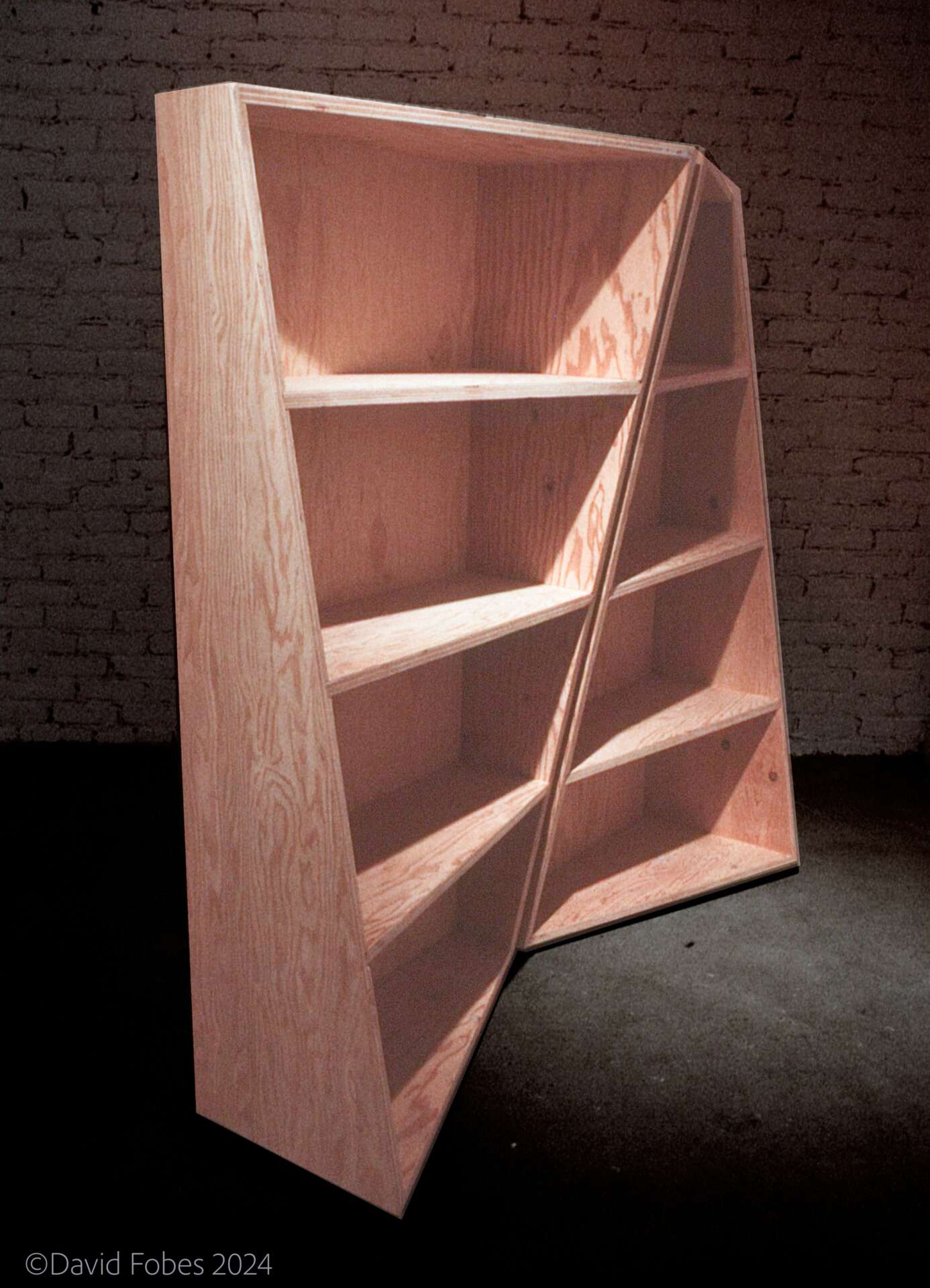
Contact Info:
- Website: https://misterfobes.com/home.html
- Instagram: @misterfobes_art_design
- Facebook: David Fobes
- Linkedin: David Fobes
- Other: https://www.artworkarchive.com/profile/david-fobes
Image Credits
Image #5 Philipp Scholz Rittermann All other photos by David Fobes