

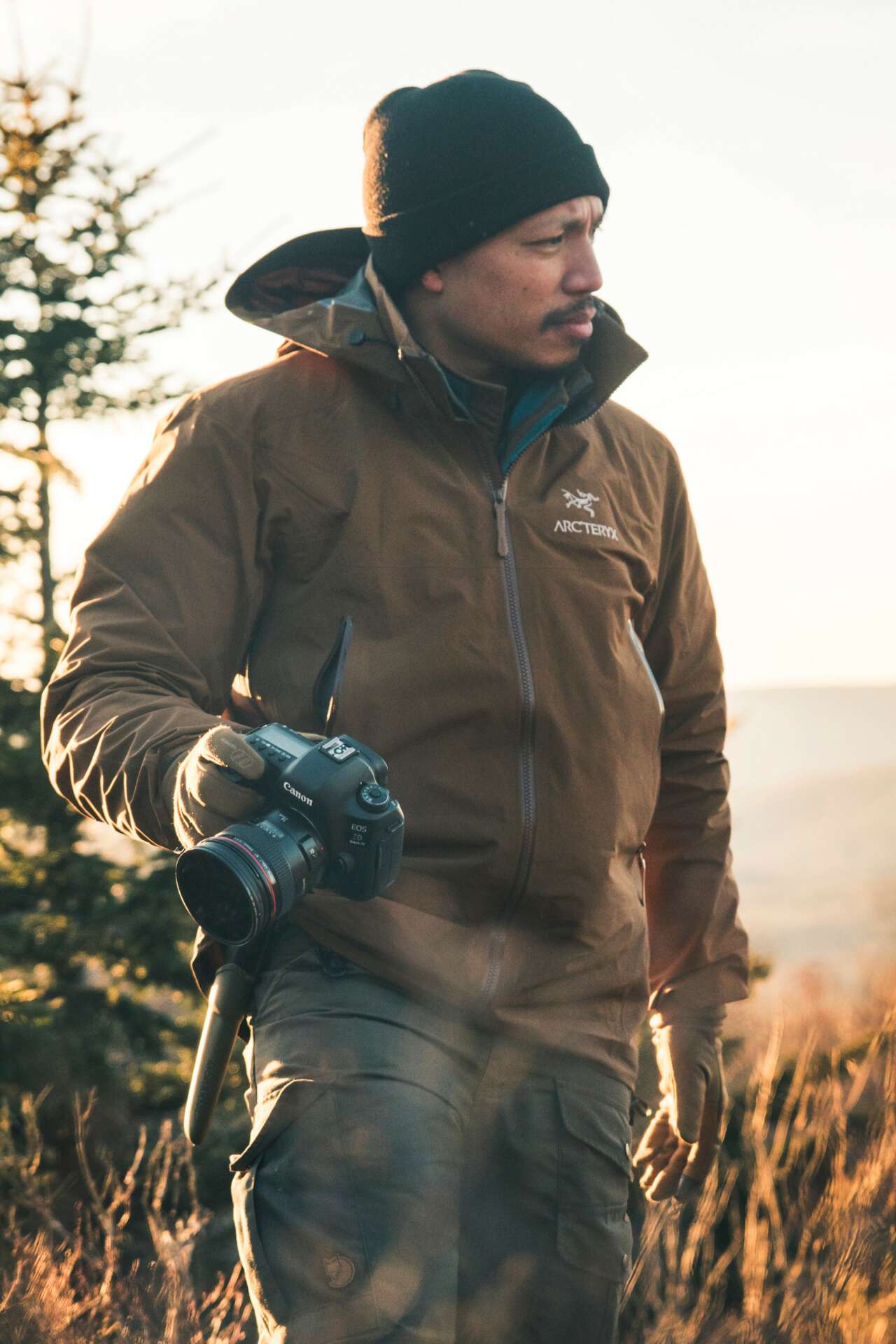

We recently connected with Glenn Fajota and have shared our conversation below.
Alright, Glenn thanks for taking the time to share your stories and insights with us today. Can you talk to us about growing your team – how did you recruit the first few people, what was the process like, how’d you go about training and if you were to start over today would you have done anything differently?
During the two years I worked as an in-house photographer at my last job before starting my own photography company, I learned that multiple people needed to be involved for a shoot to happen. From the Sales Executive, HR, Billing, Art Director, Creative Director, Photo Editor, and me, the photographer. I was afraid that I would need those same roles filled when I started. I had no resources and of course no budget for those positions so I was forced to wear all those hats. I eventually mastered what I needed to know to produce a shoot on my own, no help, no staff.
The business grew quickly within the first year and the projects were getting bigger and bigger, more than I could handle so I started to outsource “help”. I reached to local high school and universities about partnering with their students and soon after, our Internship Program for the Aspiring Photographer. To date, it is the only one in our area where students earn credit and hours at a photo studio.
With the internship, students are required to complete 150 hours per semester both in studio and on location. Those 150 hours is alot of time to learn how I run my business and lead to a position with us as a Photography Assistant.
Since 2007, we have 32 interns and we have hired a handful of them. This process has proven a success to us because not only do they help us grow as a company, we help them grow as a photographer with their own journey.
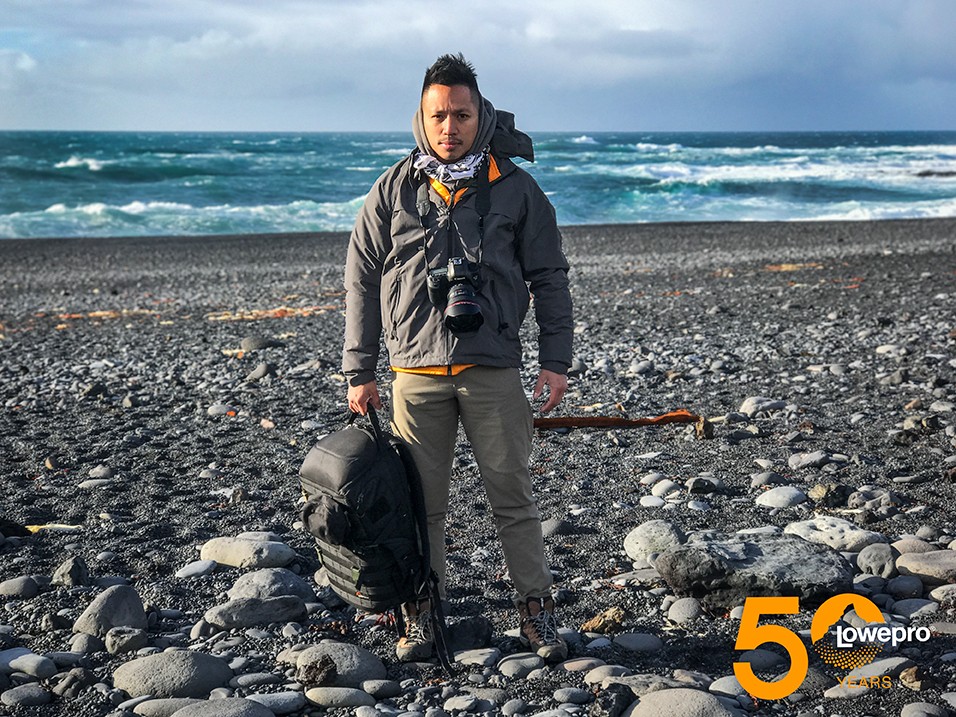
Glenn, love having you share your insights with us. Before we ask you more questions, maybe you can take a moment to introduce yourself to our readers who might have missed our earlier conversations?
Having Filipino parents who served over 30 years in the military, they urged me to go the same route. I did not want to let them down so I applied to the US Naval Academy and got accepted but I didnt make it past the first semester, so I opted for local school that did have an ROTC program. But after a few years in that program, I didn’t have passing grades and was just unhappy.
I let my parents know that this military path wasn’t for me and they knew I tried my best. I switched my major from Electrical Engineering to Graphic Design and that’s where my creative career started.
After graduating, I got a job at the local paper as a graphic designer and while working there, I was tired of using the same stock images for the ads I was designing and opted to go out and take my photos. I bought a camera from Best Buy and thats when my photography career started. *I was able to afford the new camera because I was working at Best Buy in the evenings after my day job at the paper and Special Events on the weekends at a Navy Base.
After two years at the paper, I felt I learned enough and applied at a local magazine as photographer. I did get hired there not as a photographer but as a graphic designer (my photographer skills weren’t up to par to their standards). After pushing the Art Director to take on more photo jobs, she eventually tasked me photo assignments for the 41 publications that we managed. These publications were all over the east coast and I would travel to each of these markets photographing everything from the front cover to the editorials to the ad on the back cover. I was branding and rebranding ads with photography.
From this workflow, I began to find what I loved and what made me happy as a photographer. And that’s what I used to create my company slogan, “To help companies brand and rebrand, one photo at a time”
Shake Shack and United Airlines are couple of global companies that I have helped rebrand and although those bigger clients come with bigger paychecks, I prefer to work with local businesses and helping with their branding and rebrand.
How did you build your audience on social media?
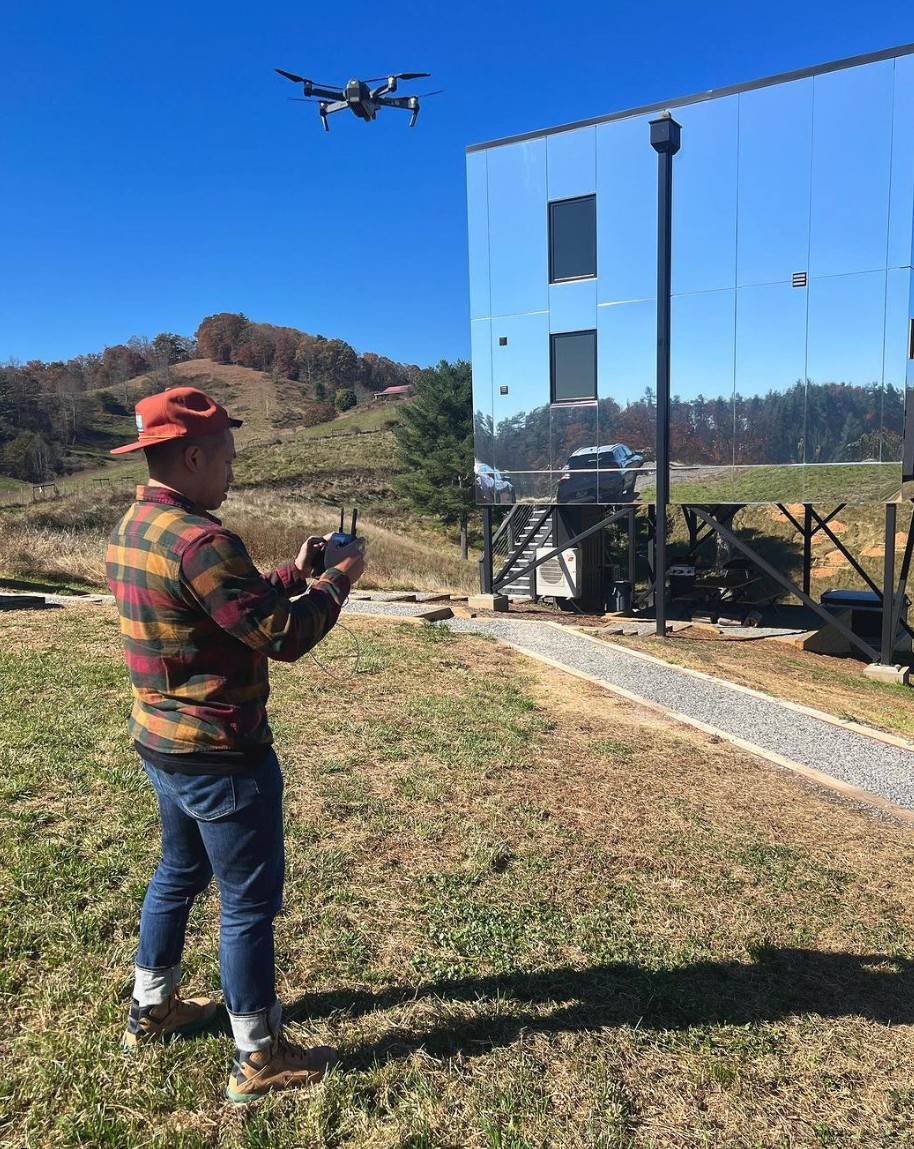
I started a YouTube channel in 2007 that had all photography related content. At that time, there were only a couple of working photographers who did it full-time in my area, so I used that outlet to vlog all the photoshoots I did. I began to get alot of messages and comments on the shoots itself, (what kind of of gear I was using, why I was using a certain modifier, how much did I charge, etc). I found out that posting BTS (behind the scenes) had its place on social media. When Instagram took off a few years later, I carried the BTS content in photo form to that platform and that’s where it really took off. I had enough content to post daily and when I didnt post, I would get messages asking if there was something wrong, only because I didnt post that day!
My advice for any creative is to take advantage of social media. It’s a great, free platform to display your work. It will only be beneficial if you post consistently. If you can post daily, then post daily. If you can only post 2-3x week, then post 2-3x week.
How about pivoting – can you share the story of a time you’ve had to pivot?
Having kids definitely made my change how I operate my business to this day. I had my first child two days before COVID started. Knowing I was going to have my first child, I was geared up to work from home for those first few months but what I didn’t know was that COVID has the rest of the world do the same and it has become the norm since. So I am a work from home dad of now 2 girls. When I have to travel to out of town jobs, my in-laws fly and watch the kids. For local jobs, we have a sitter come and watch the kids for those few hours. But with all jobs, I am more selective with the ones I accept since it will include a babysitter cost that’s not included in the photoshoot job.
Contact Info:
- Website: glennfajota.com
- Instagram: @nowthatsfresh (personal) @glennfajota (work
- Facebook: glennfajotaphotography
- Linkedin: glennfajota
- Twitter: glennfajota
Image Credits
Glenn Fajota