

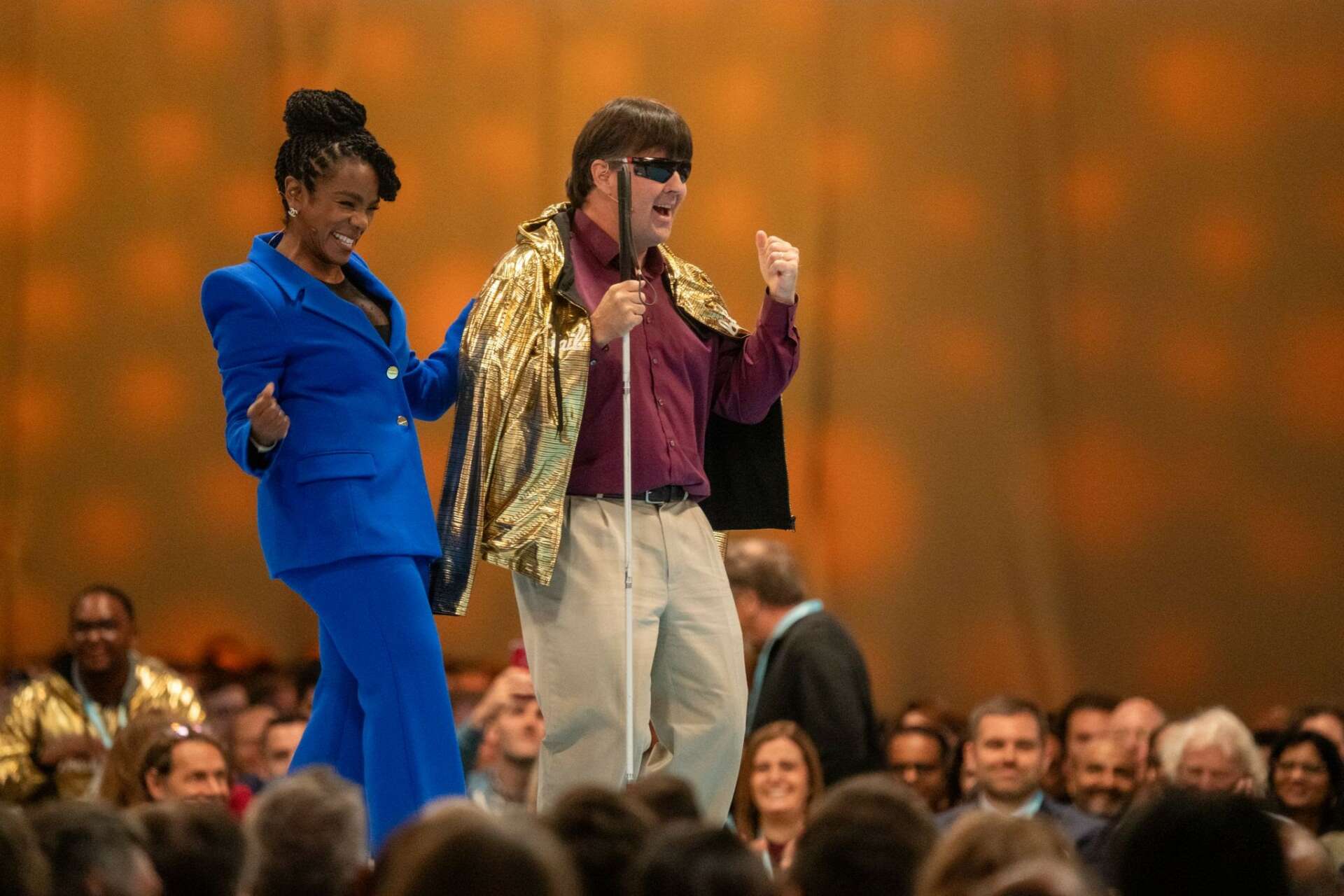

We’re excited to introduce you to the always interesting and insightful Mike Hess. We hope you’ll enjoy our conversation with Mike below.
Mike, appreciate you joining us today. Let’s kick things off with talking about how you serve the underserved, because in our view this is one of the most important things the small business community does for society – by serving those who the giant corporations ignore, small business helps create a more inclusive and just world for all of us.
People with disabilities have long been an underserved population, facing barriers that limit their full participation in various aspects of society. This exclusion not only hinders their personal development but also deprives society of the diverse talents and perspectives they bring. The oversight of the needs of people with disabilities is a critical social issue that demands attention and action. It matters because inclusivity is a fundamental human right, and a society that disregards the needs of any group is inherently incomplete. Recognizing this, our brand is committed to addressing the challenges faced by people with disabilities. We strive to create products and services that are accessible to all, ensuring that our designs consider different abilities and incorporate features to enhance usability. Moreover, we actively engage with the disabled community to understand their unique requirements and preferences, fostering a collaborative approach to innovation. By championing inclusivity in our offerings, we not only serve an underserved community but also contribute to building a more equitable and compassionate society.
“I have been applying for jobs for the past two years. I experienced rejection at almost every turn. Either a company wasn’t interested in my skills, or the position for which I applied was inaccessible. I was feeling considerably depressed and useless. All I wanted was an opportunity to work, showcase my skills, and become a productive member of society.
A friend told me about the Blind Institute of Technology, so I decided to research, and then submit my information. I figured that it certainly couldn’t hurt! Within two months, I was informed that BIT found a company that was interested in speaking with me. BIT made everything easy! All I had to do was show up and be the best I knew how to be. I was offered the job a week later. Even now the good people at BIT reach out to me and ask if I need support. I never experienced such genuine kindness, and a sincere willingness to help. I am grateful I found the Blind Institute of Technology. They helped me find my life.” – Dawn Corello
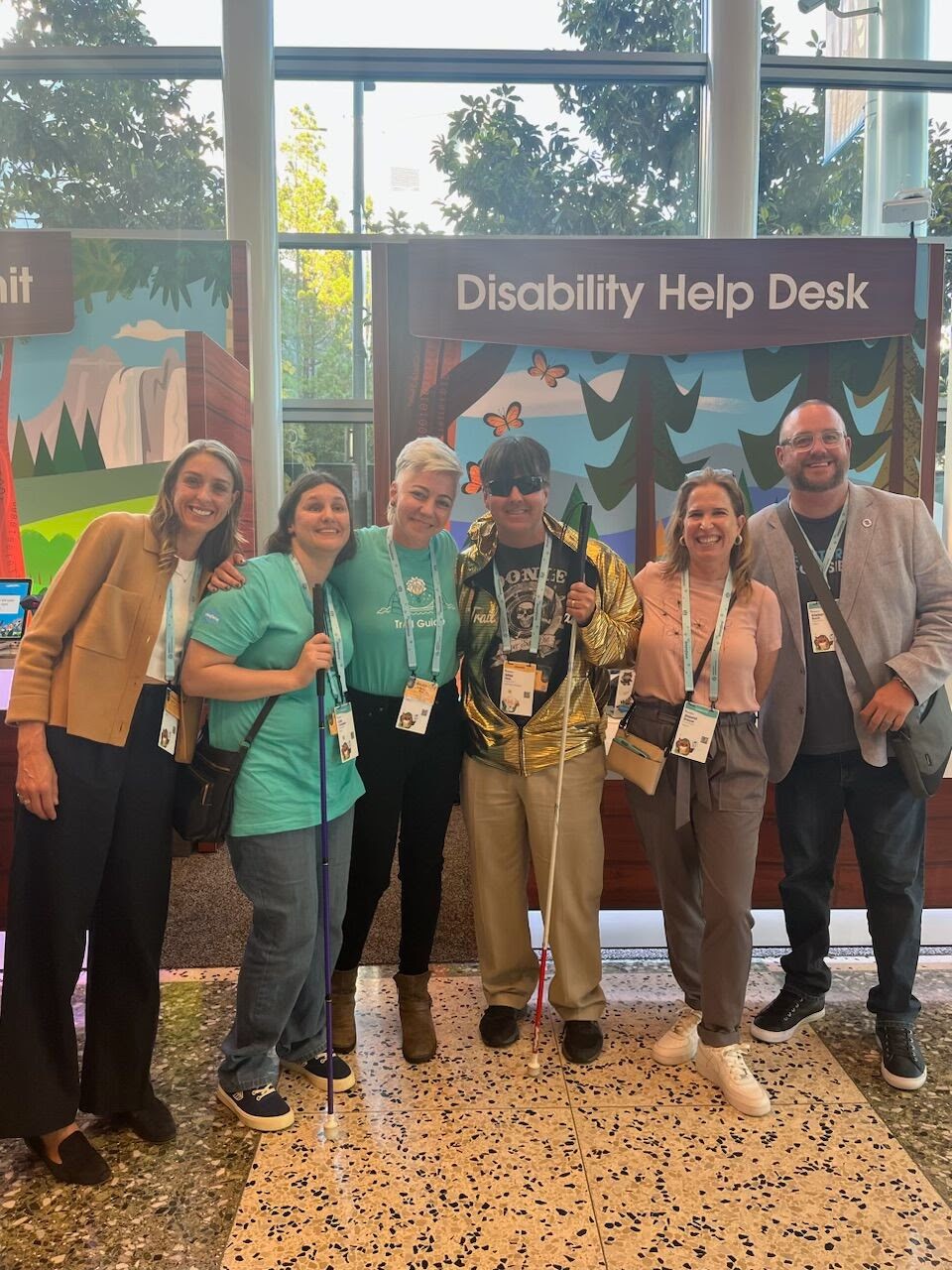
As always, we appreciate you sharing your insights and we’ve got a few more questions for you, but before we get to all of that can you take a minute to introduce yourself and give our readers some of your back background and context?
Following a successful nearly 20-year career as a software engineer within the telecommunications industry, Mike Hess, the Founder and Executive Director, departed the corporate realm in 2013 to establish the Blind Institute of Technology. This decision was prompted by Mike’s frustration at perpetually being labeled the “token blind guy” in every company he worked for. He firmly believed that his blindness enhanced his skills as a software engineer rather than hindered them.
Unveiling the alarming statistic of an 80% unemployment and underemployment rate among the blind and visually impaired (BVI) community, Mike recognized that there were other BVIs possessing the expertise and capabilities required for success in the corporate landscape. Driven by this conviction, he directly engaged the top echelons of corporate America, thereby commencing BIT’s transformative journey.
Presently, BIT stands as a global nonprofit staffing and recruiting agency exclusively dedicated to professionals with disabilities. Through the establishment of the BIT Academy, the organization’s workforce development division, offering courses in Salesforce Administration and Digital Accessibility Analysis, BIT holds the distinction of being the sole proprietor of two Registered Apprenticeship programs for the blind and visually impaired at the national level under the aegis of the US Department of Labor.
Retaining an unwavering commitment to enhancing employment prospects for professionals with disabilities, BIT has expanded its portfolio to encompass both a professional Salesforce Consulting and Accessibility consulting service, and an exhaustive corporate training catalog. This catalog is strategically designed to guide companies from the concept of inclusivity towards cultivating a robust culture that wholeheartedly champions the principles of inclusion and accessibility. These initiatives are in addition to BIT’s core professional staffing services.
Having already made a tangible impact by assisting over 600 professionals with disabilities and collaborating with industry titans including Randstad, JPMorgan Chase, Salesforce, CVS Health, Ball Corporation, Allstate, and numerous others, BIT’s ambitions remain resolute. With a target of securing employment for 10,000 professionals with disabilities, BIT propels ahead with its steadfast commitment to fostering meaningful employment opportunities.
Has your business ever had a near-death moment? Would you mind sharing the story?
During the first year of business in 2013, I was still learning so much about running a business. I had never new that trivial items such as net payment terms for services rendered even existed. Nor had I been a part of a sales organization before. I really learned incredibly tough lessons in the beginning.
One of the initial services we offered to organizations was our organizational development program called, “Art of Blinders”. This program taught communication skills which I had leveraged myself as a blind person over my career. This allowed the teams that worked for me, as well as myself, to be quite successful. Thanks to a couple of holiday seasonal engagements and some partnerships in 2014, I was able to make payroll prior to the holidays. But, since I committed my entire 401K and savings into starting the business, I did not have a cushion for the holidays. Quite honestly, I personally did not have money to even buy my 5-year-old a Christmas gift and this was utterly devastating to me. It was one of my many times that I broke down and cried during my first year of business. But, after sharing my challenges with a few close friends and family, I was amazed at their generosity and belief in what I was doing. In the true spirit of the season, Santa came Christmas morning, surrounded by friends and family. They were all there at a very low moment and helped me to realize that I should not give up on this dream of mine.
Have you ever had to pivot?
“Why am I blind?”
That question remained unanswered over the next 20 years as Hess built a successful career in the private tech sector. During that time, however, Hess shared that he always felt like the “token blind guy.”
“Even after making it into corporate America and succeeding, there’s this internal conversation in your head saying you don’t deserve to be there,” said Hess.
The feeling left him again thinking about the “why” of his disability. Was there something he could do to help others in a similar position?
Fueled in part by this question, Hess decided to take a bold new step. He left his career to pursue a greater purpose: leveraging his experience with blindness in the workforce to help others.
In 2013, Hess founded the Blind Institute of Technology (BIT), with a goal of reducing the unemployment rate for the blind and visually impaired and others with disabilities.
https://www.salesforce.com/news/stories/blind-institute-technology-trailblazer/
Contact Info:
- Website: www.blindit.org