

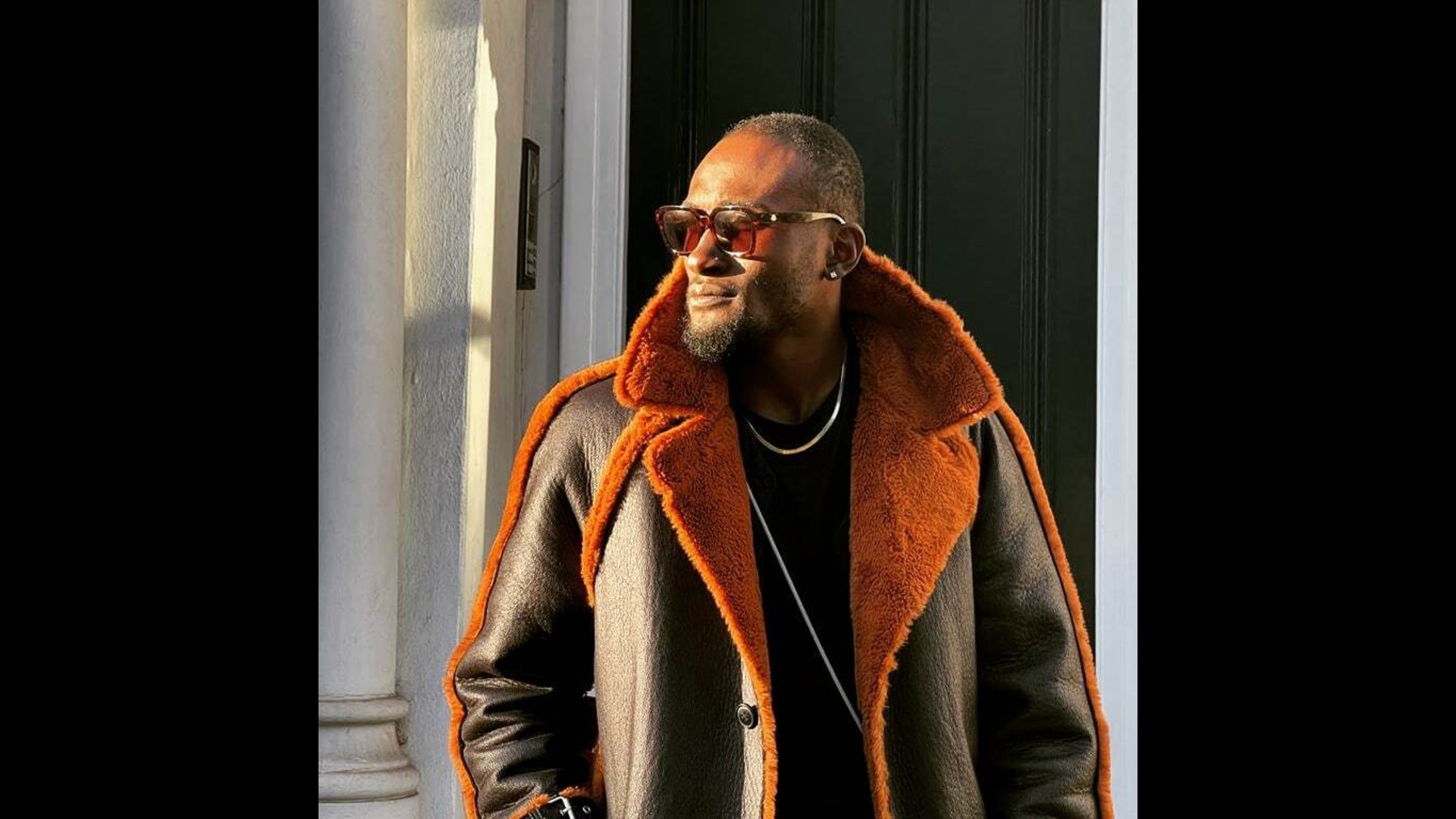

We were lucky to catch up with Isaiah Collier recently and have shared our conversation below.
Isaiah, looking forward to hearing all of your stories today. We’d love to hear about a project that you’ve worked on that’s meant a lot to you.
I’m working on few new records in the upcoming year. With various releases happening and collaborations.
Isaiah, before we move on to more of these sorts of questions, can you take some time to bring our readers up to speed on you and what you do?
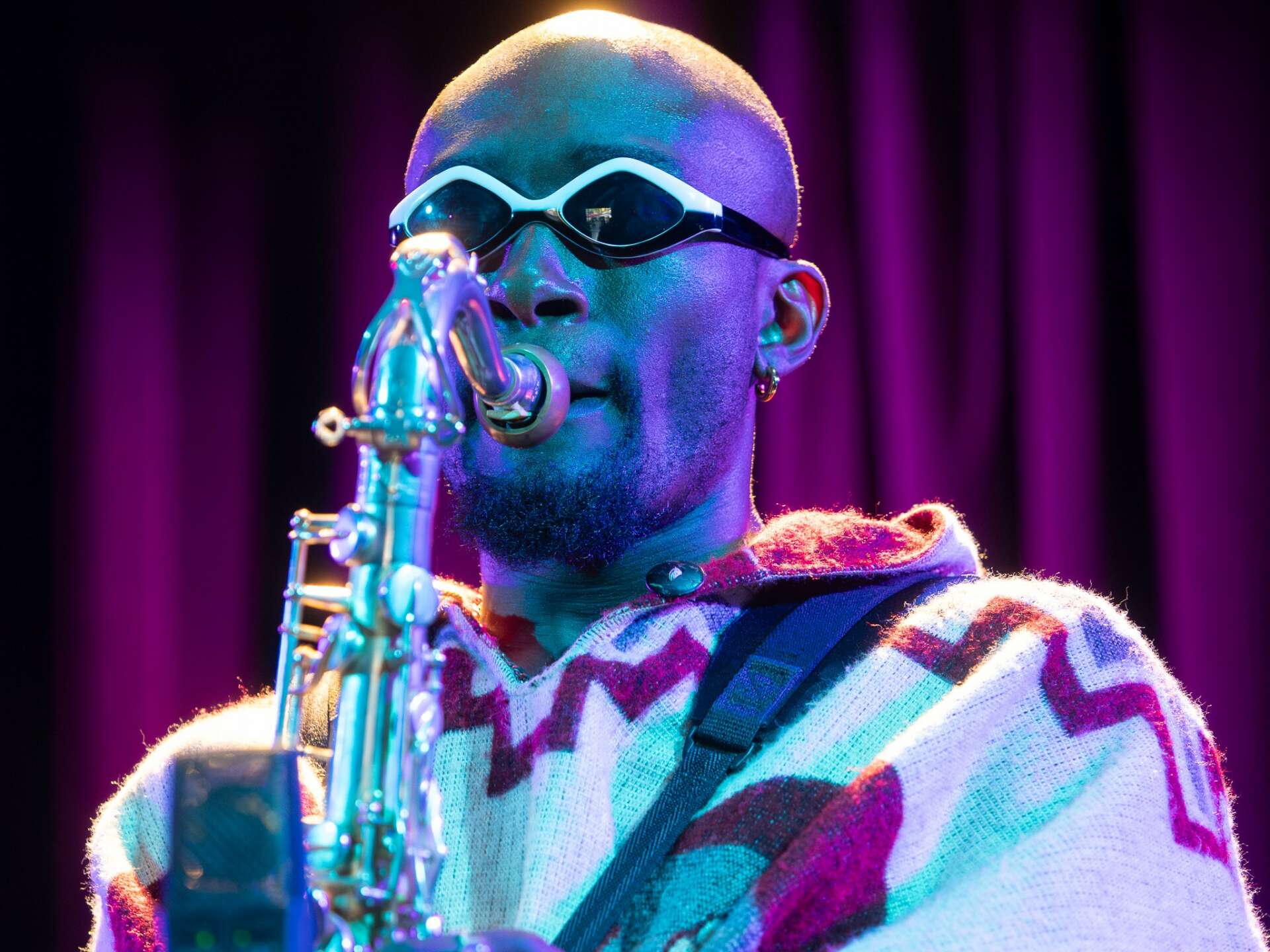
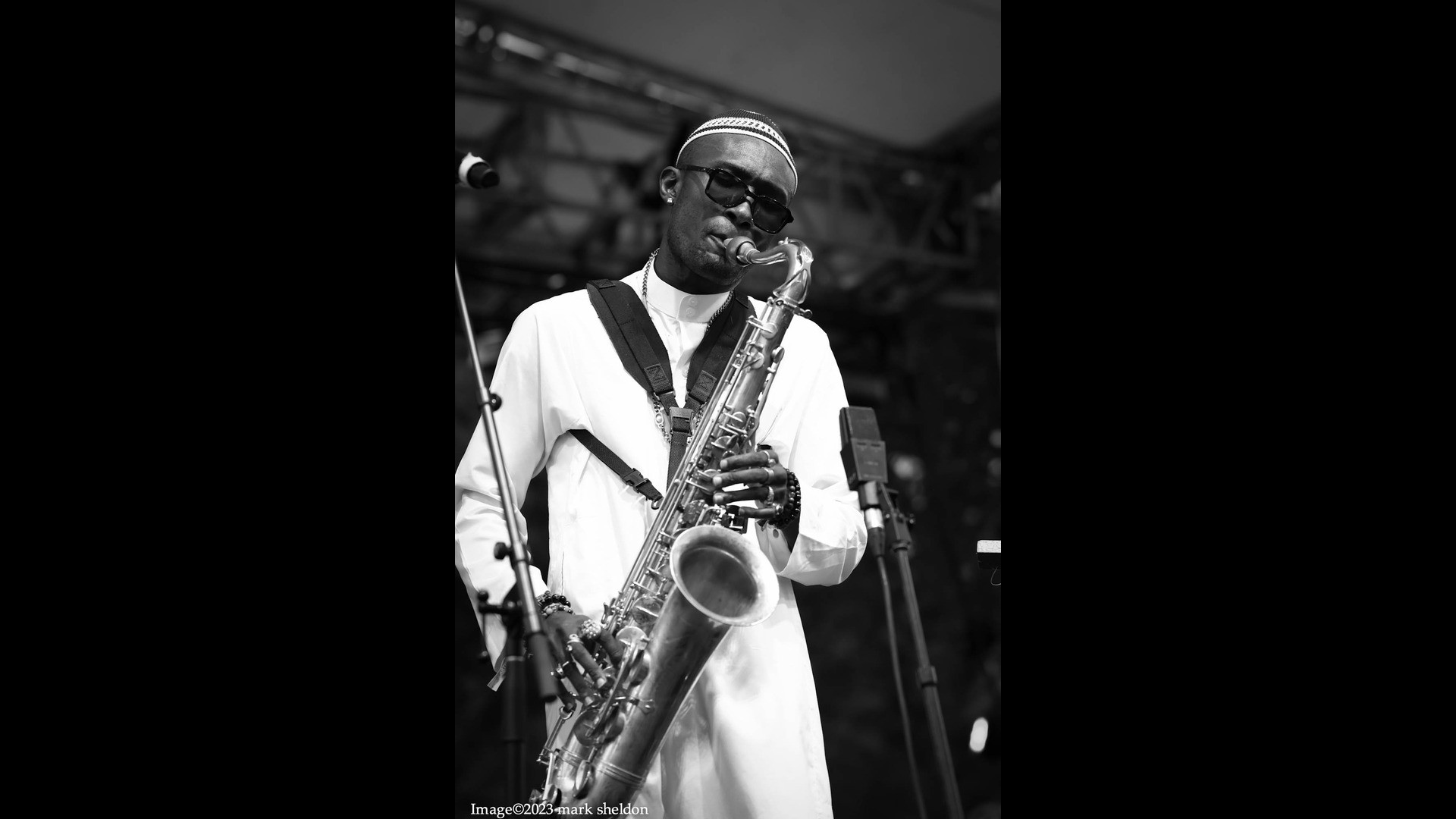
I was born into a musically inclined family. My mother sang and direct choir and my father played organ, piano and sang as well. In addition to him being a producer as well. My brothers also played instruments as well. My younger who a prolific drummer is now touring with Grammy Award-winning artist. I ironically was the last of my family to pick up an instrument and that would be the saxophone.
I wasn’t too crazy about it first, because it was the result of going to a summer camp in Chicago. There each child would be able to learn any instrument of their choosing. I wasn’t too interested any of the other instruments so I chose saxophone. In addition my older brother was also learning it as well. Shortly after I would start playing music in various styles and repertoire. My early musical experience was with my father who made me learn a lot of music from R&B, soul, Jazz, Blues and even Gospel.
I would later enroll in High School and become a member of “The Jazz Institute Of Chicago”. An musical educational program with the single focus of creating opportunities for under serve communities and children who desired to see and learn more about the culture. There I would other like minded individuals who were my age and wanted to pursue this music even further. They gave opportunities to open for top of the line musicians in the city. Learning the art of making a set of music, style and public speaking as well. Giving opportunities to see greats such Herbie Hancock, Wayne Shorter, Branford Marsalis and many more.
I would start working with artist such Bobby Watson, Lisa Henry, Joan Collaso, Mary Stallings, Standing On The Corner, Angel Bat Dawid, Bennie Maupin, Chance The Rapper, Moor Mother, Denardo Coleman, Marshall Allen and many more.
Even getting more recognition with my own ensemble “Isaiah Collier & The Chosen Few. We would go from Chicago to the world. Being featured in many different festivals in various countries from Canada, Germany, Switzerland, Norway, United Kingdom, Lithuania, Poland, South Africa, and more.
Receveing awards and accolades from publications such The New York Times, Down Beat Magazine, The Chicago Tribune, The Guardian, Sterogum, Forbes Magazine, just to name a few.
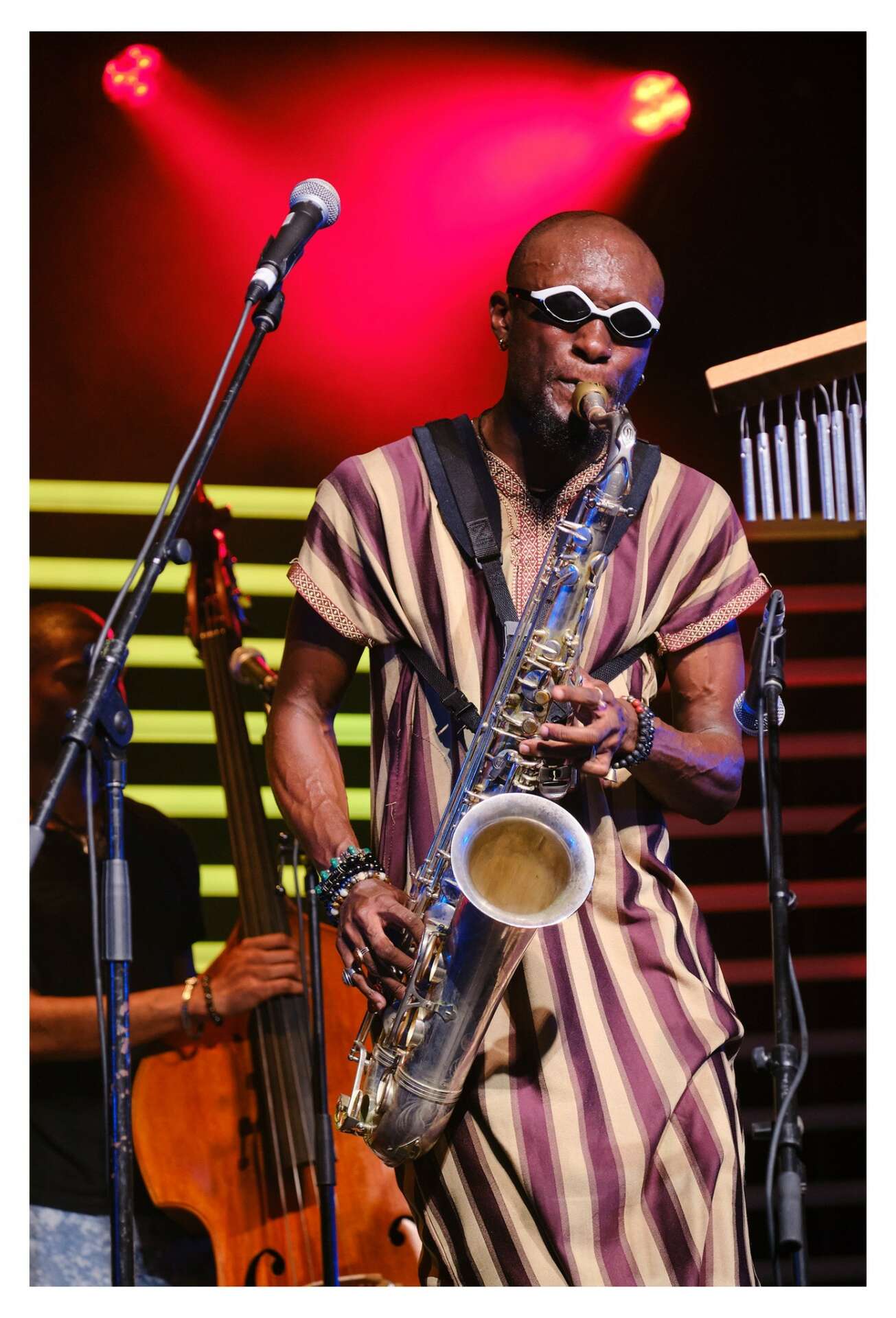
Is there something you think non-creatives will struggle to understand about your journey as a creative? Maybe you can provide some insight – you never know who might benefit from the enlightenment.
I think some people believe that creative mind is very different from their own. To be more exact non-creative believe that they are not creative. Which I believe is untrue, and that because in order to be unique you have something creative about you. Wether it be wearing a certain color every day, penmanship, your shoes, suites, ties, etc. There’s some incredibly unique about each and everyone of of us. The only thing is you have to discipline to cultivating it and not worry about what everyone thinks.
People are going to always have something to say wether you are positive or negative. That’s just life, but don’t be deterred adversity are part of every aspect of life. You need to stay true to the path even when it has detours. Just know it will always align with your desires and necessities.
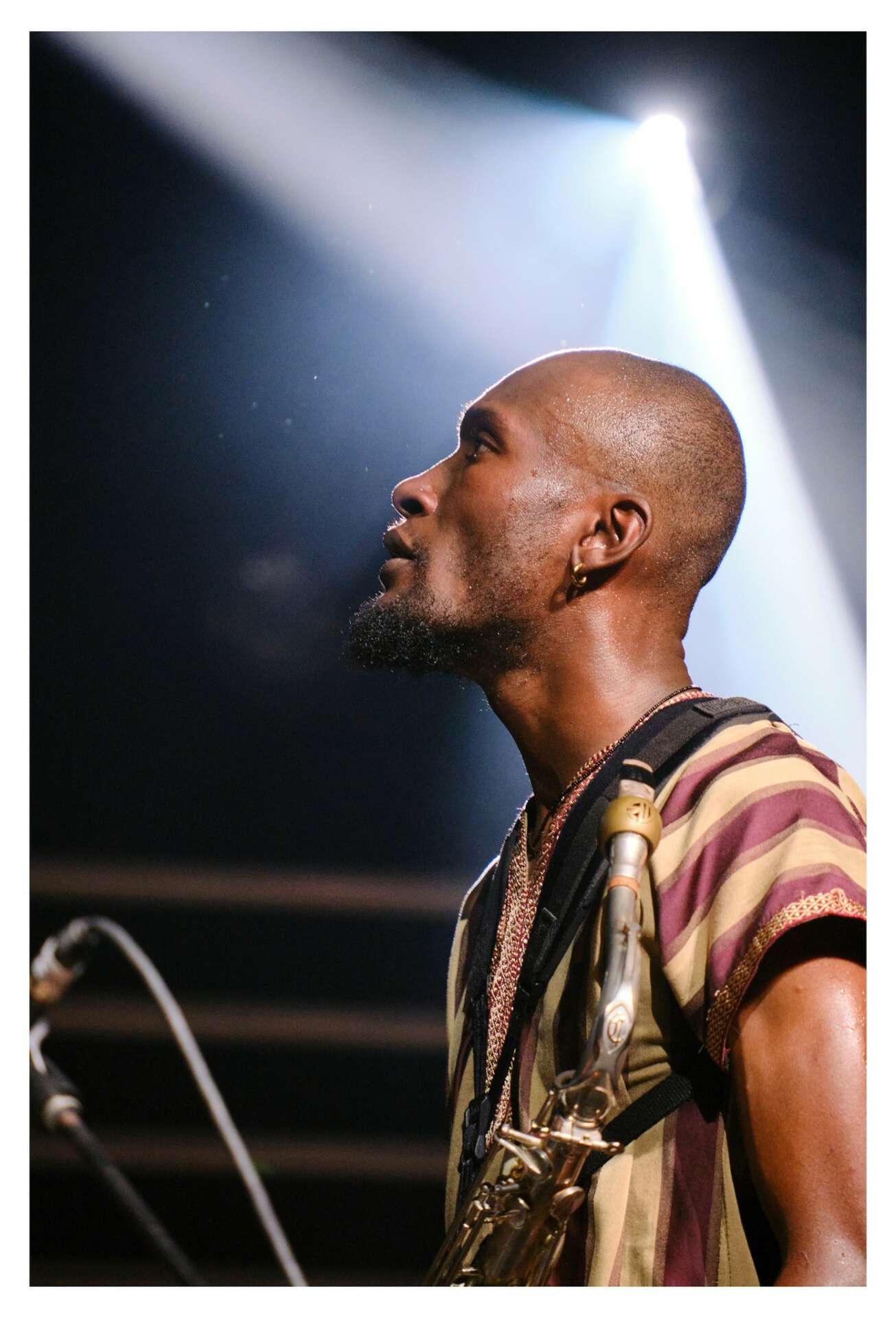
What’s the most rewarding aspect of being a creative in your experience?
The Most rewarding aspect of being an artist is knowing that I helped represent and carve the essence of culture. No matter where you go and study. You are always learning about culture. Wether it be literature, fashion, architecture, food, toys, science. All of these areas of study are linked directly to culture. Music education is based primarily off of Western European culture. There are many pracites of those times that are still be utilize today despite the initial creators being long gone. Their music and concepts remain where physical body isn’t. You have a lagacy in being creative wether you know it or not. Inspiring others to carry and make more cultural contributions. Everyone won’t necessarily catch on the at the same time but eventually they will. When they do your name is etched into History.
Contact Info:
- Website: colliersworld.com
- Instagram: colliersworld
Image Credits
Mark Shelton, Vincent Lim and Yannick Khong