



Alright – so today we’ve got the honor of introducing you to Marty Katzoff. We think you’ll enjoy our conversation, we’ve shared it below.
Alright, Marty thanks for taking the time to share your stories and insights with us today. What’s been one of the most interesting investments you’ve made – and did you win or lose? (Note, these responses are only intended as entertainment and shouldn’t be construed as investment advice)
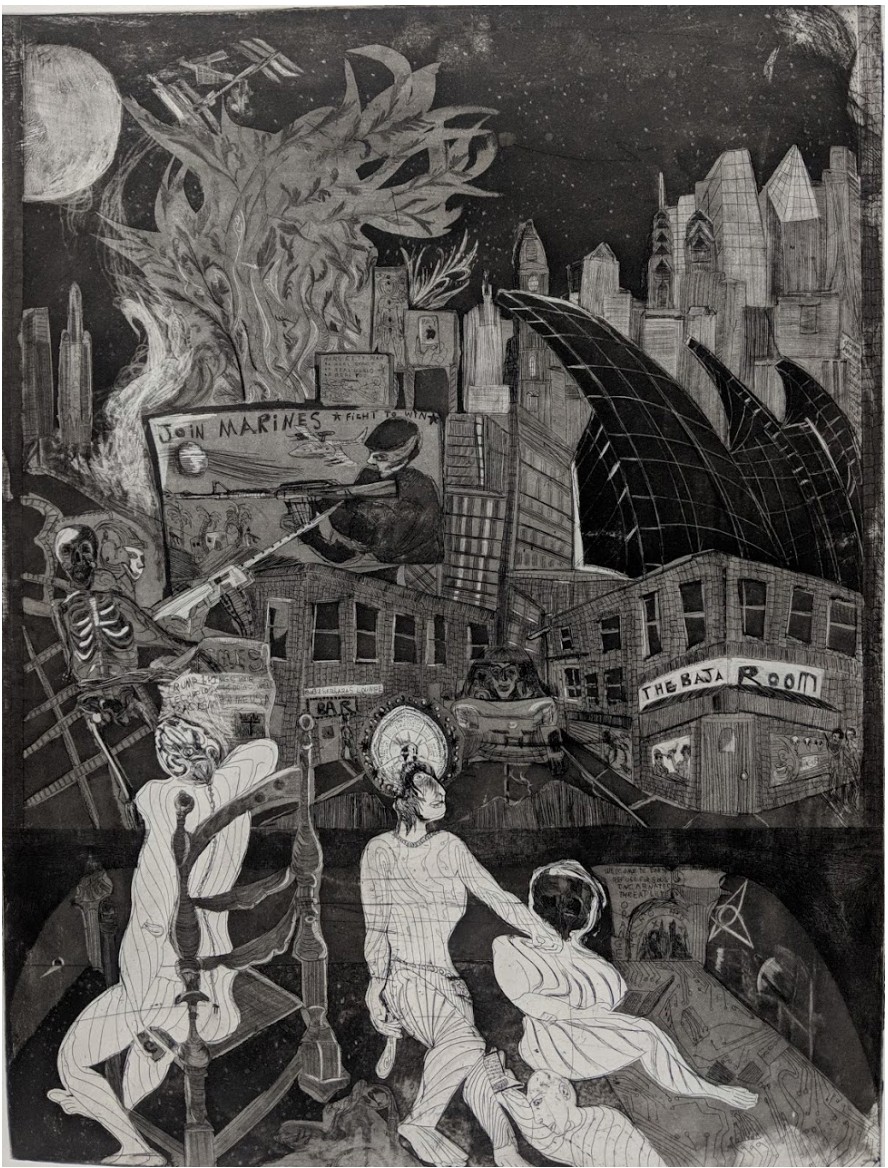
My best investment so far has been this 19th-century etching press I found on Salt Spring Island off the coast of British Columbia. It’s a bare-bones printing press with no gears, shocks, and a giant cast Iron wheel. The direct engagement with the mechanics of the press has given me a deeper understanding of the process. The intense pressure required to make a print and the uncertainty of the outcome is a rush. I have always been attracted to experimental printmaking, and I think having the press create a constant level of unpredictability keeps the reveal exciting.
Great, appreciate you sharing that with us. Before we ask you to share more of your insights, can you take a moment to introduce yourself and how you got to where you are today to our readers.
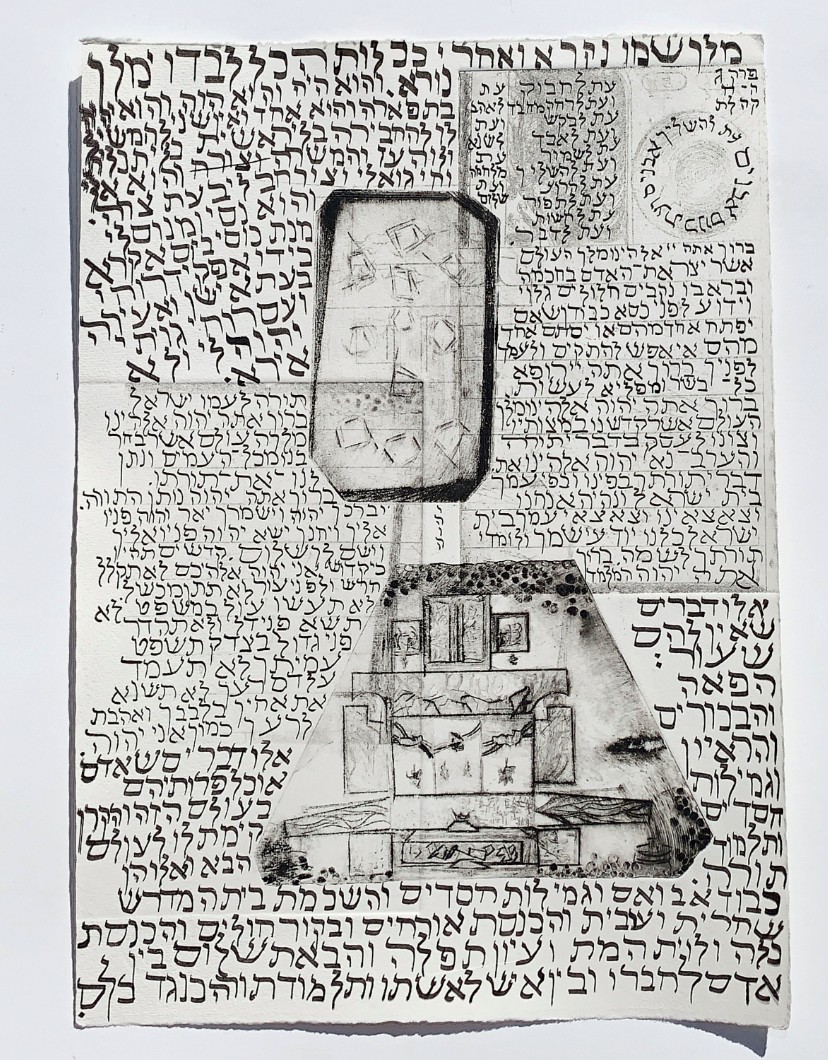
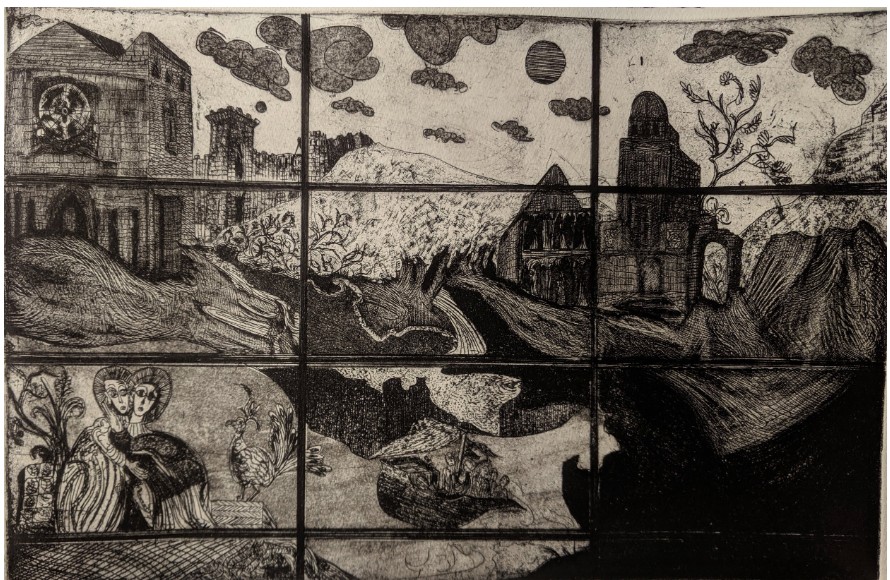
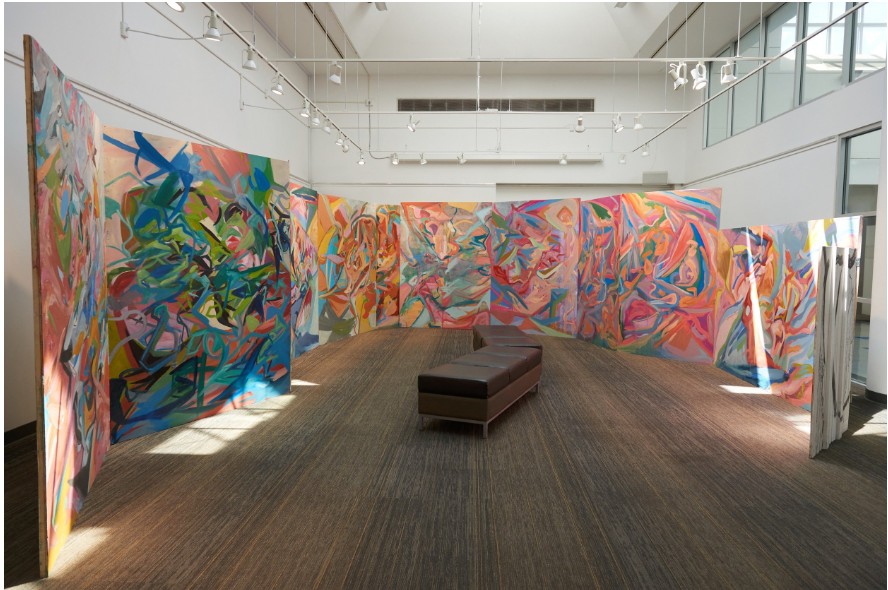
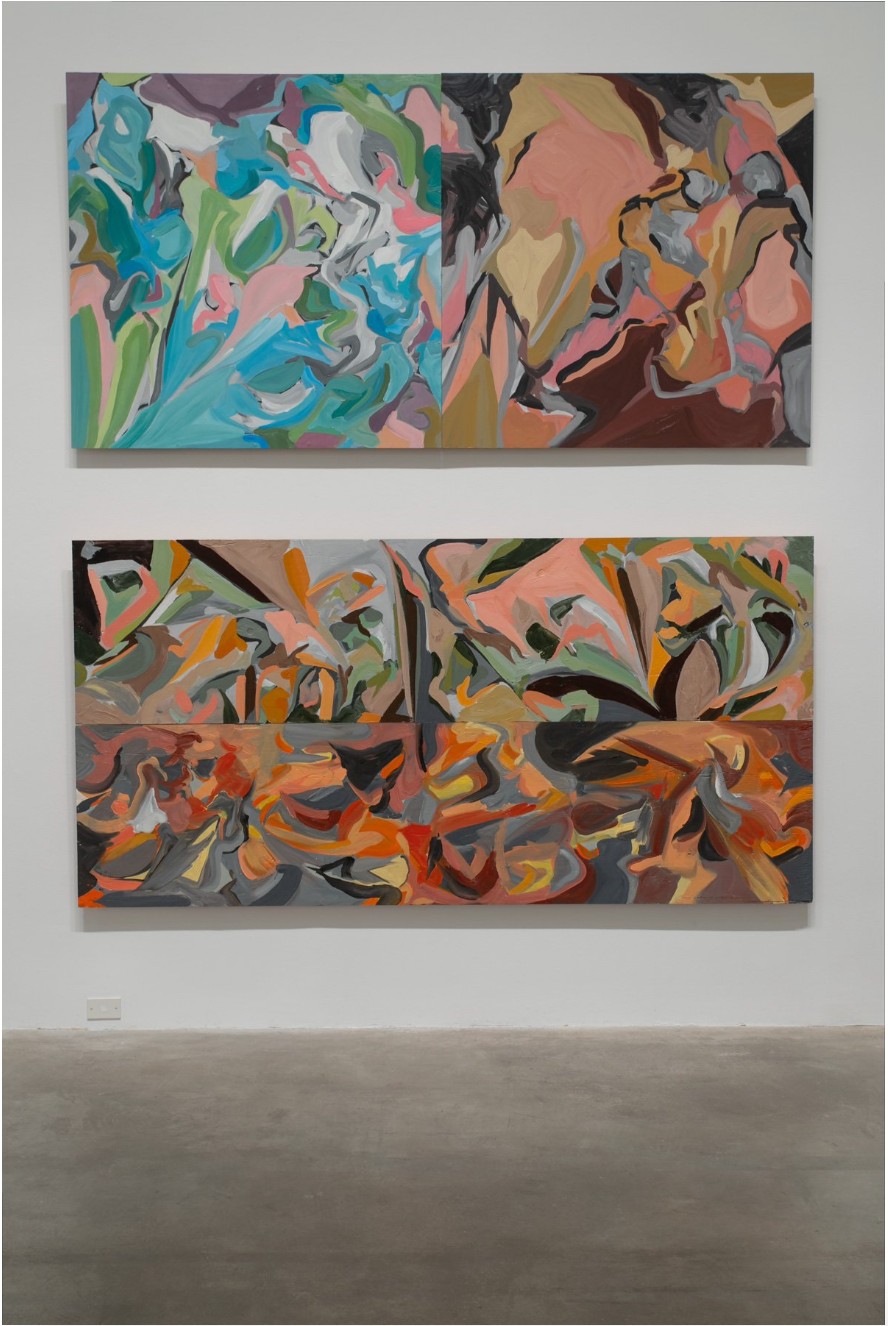
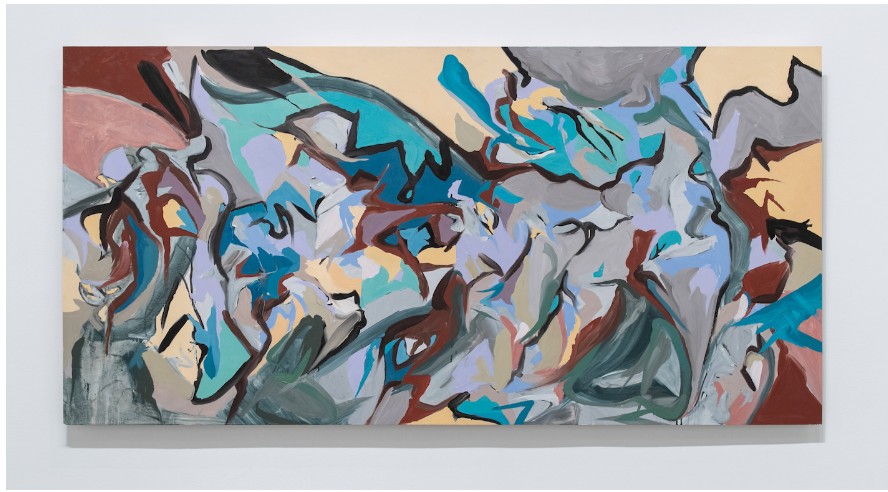
I know this sounds heavy into the mythic, but now more than ever, making art has been an analytical tool for me to mediate spiritual experiences. What is a mystical experience? Does it need to be rationalized by external opinions or ratified in scrolls? World mythologies and ancient history have always inspired me; I think this relates to my style of printmaking and how my work focuses on the lay artist’s interpretation of communal storytelling and myth. For example, I am an artist in residence at the American Jewish University in LA and have been working inside their rare book collection, studying original engravings in books from the 16th and 17th centuries. As a printmaker, this opportunity to work from a well of original print media has been incredibly inspirational. I’m also a painter, and while my work is generally abstract, working with these old images has given me some ideas to explore in a new body of work.
For you, what’s the most rewarding aspect of being a creative?
The opportunity to teach printmaking and painting at the University of British Columbia reinforced my desire to be an artist focussing on sharing knowledge, not just sales. To guide a student through the process of working and reworking until they reach a point of discovery and confidence is not only rewarding as an instructor but also contributes to seeing the potential for art as a medium of storytelling and one that supports historical and contemporary marginalized voices.
Have any books or other resources had a big impact on you?
I am thinking of Paintings by Ed Clark and his expansion beyond the physical limitations of shape. His engagement with materials, purpose-driven, and expansive synthesizing of colors propose crucial questions of the painter’s ability to convey emotions through abstract visual languages. Artists such as Belkis Ayon and Leonora Carrington inspire me to continue exploring, modulating, and deconstructing figuration and the surreal, embracing the strange. I recently read the book “Make to Know” by Lorne Buchman, and I was inspired by the focus on what artists think in the moment of creation. Lately, I have been so focused on planning and want to pay more attention to what’s happening internally during the moment of making.
Contact Info:
- Website: https://www.martinkatzoff.com/
- Instagram: @martykatzoff
Image Credits
Personal photo credit- Lauren Zbarsky