


We’re excited to introduce you to the always interesting and insightful Caite Mae Ramos. We hope you’ll enjoy our conversation with Caite Mae below.
Hi Caite Mae, thanks for joining us today. How did you learn to do what you do? Knowing what you know now, what could you have done to speed up your learning process? What skills do you think were most essential? What obstacles stood in the way of learning more?
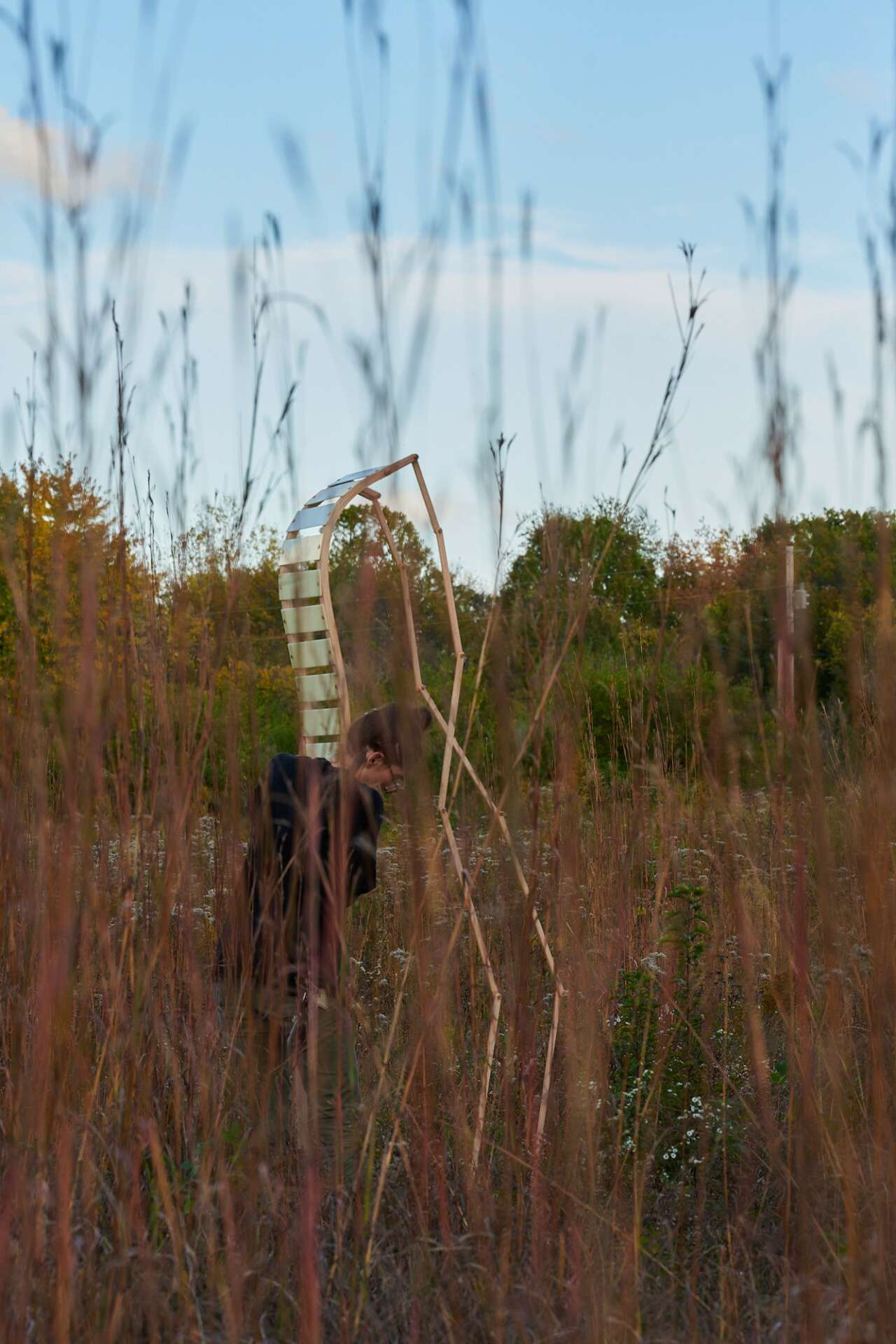
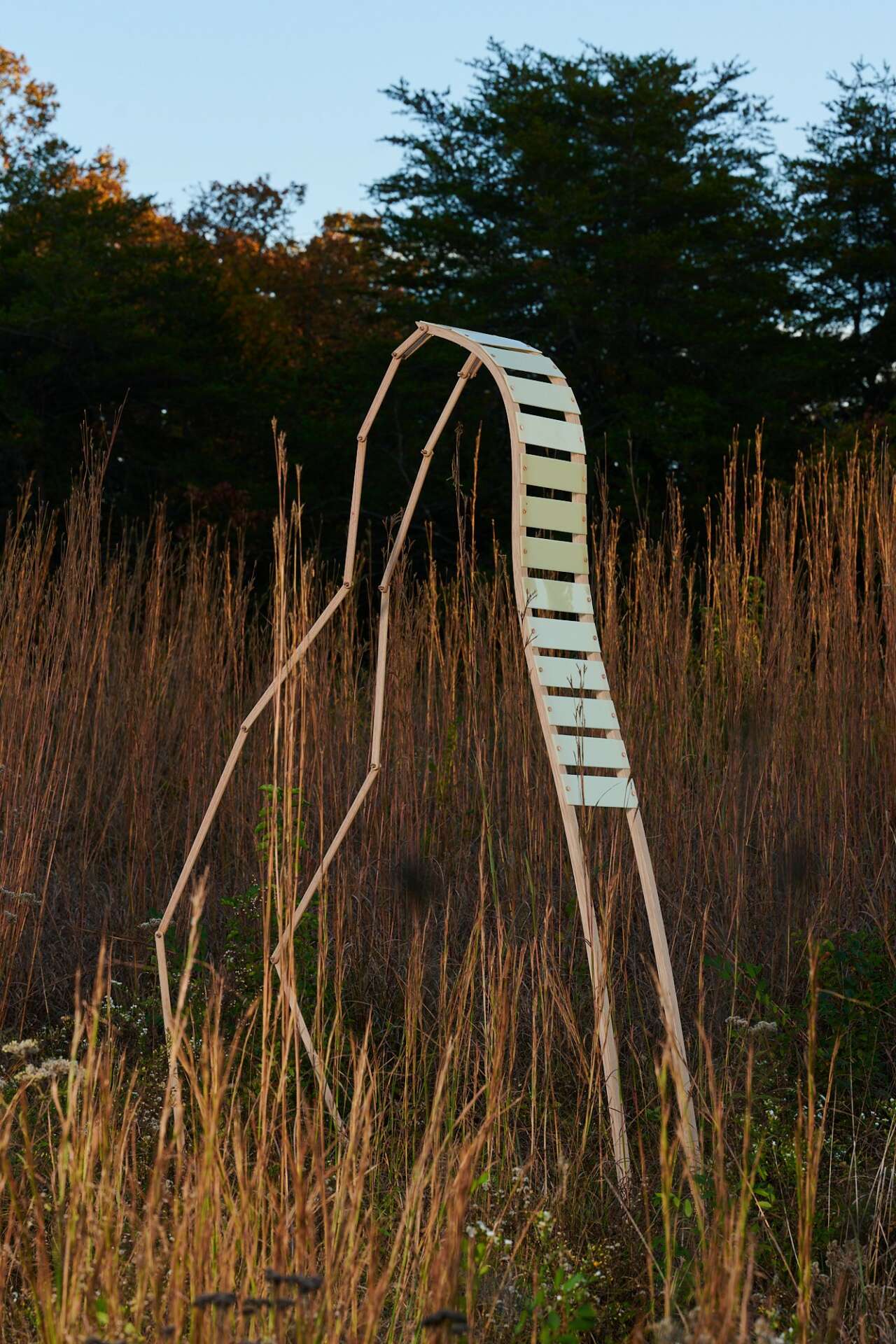
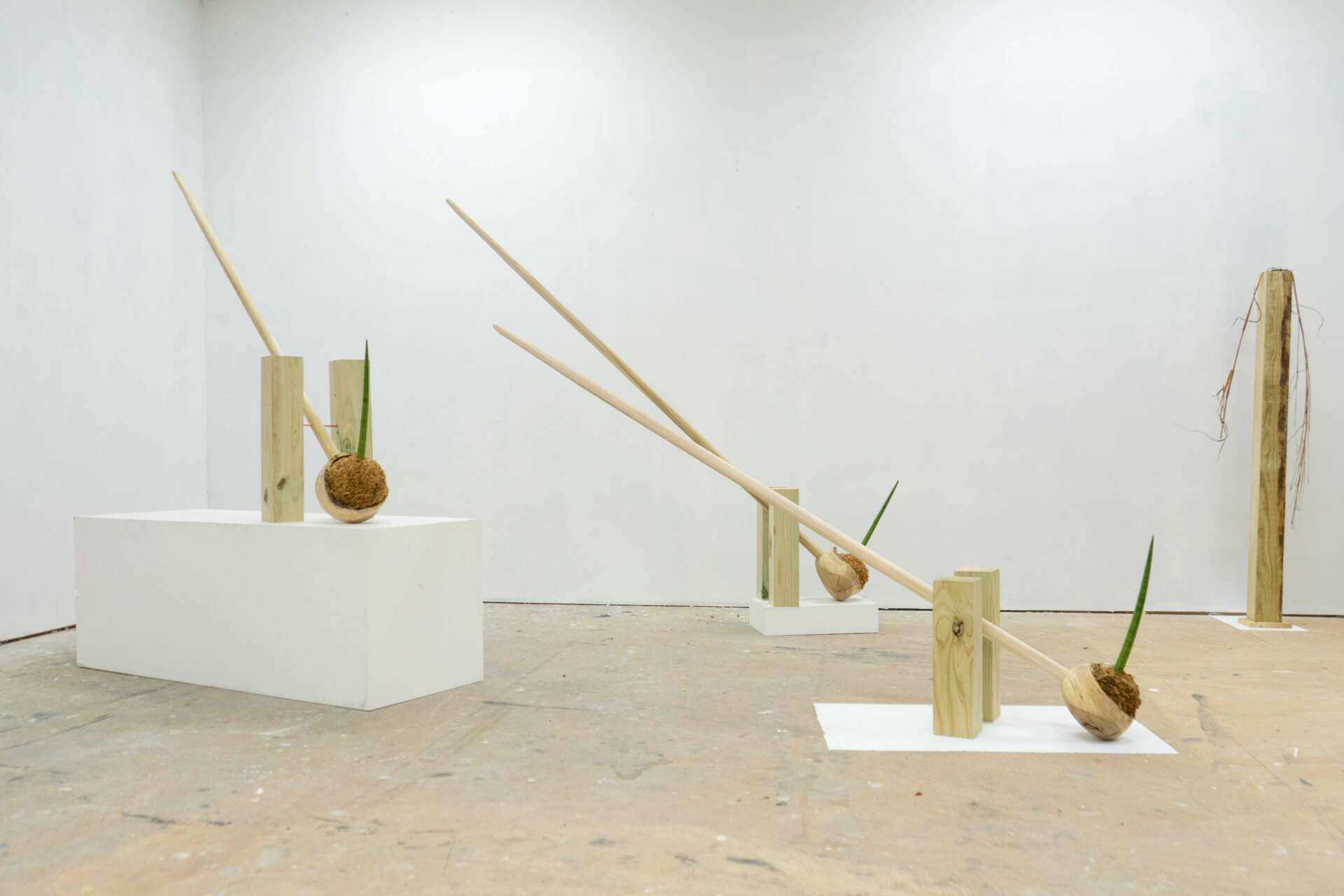
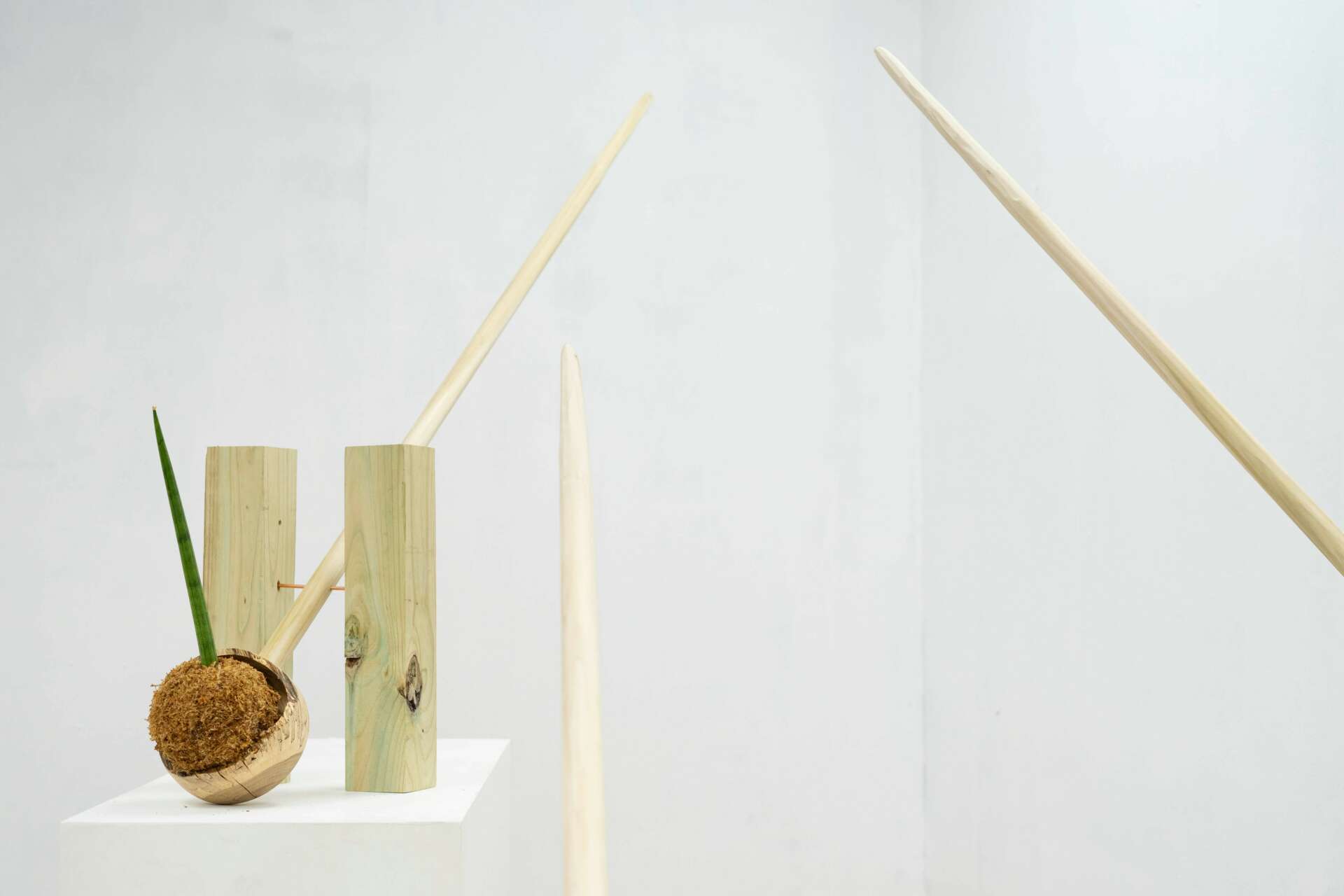
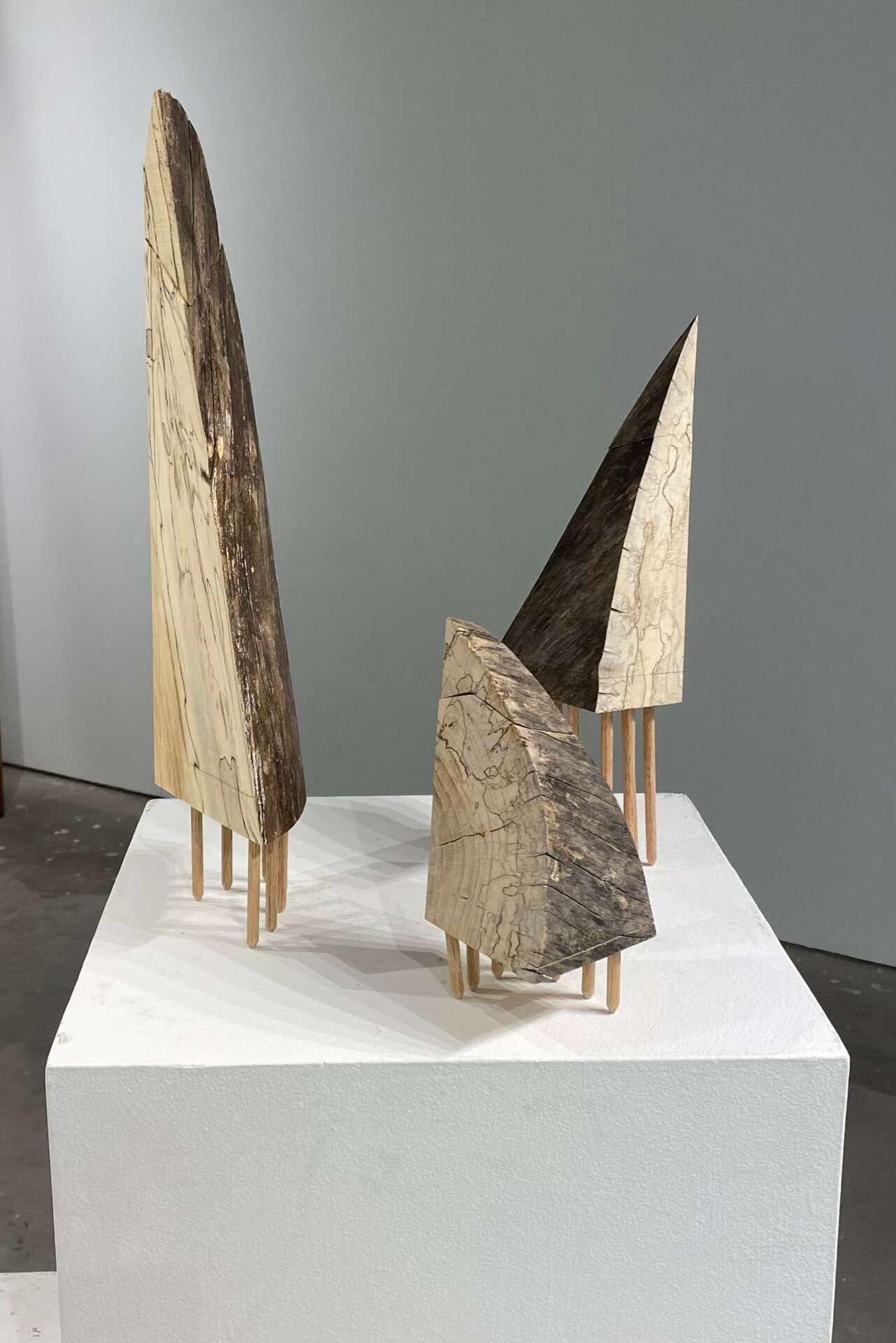
My practice utilizes woodworking, growing plants, and works on paper to name a few… but it’s all based in drawing. Drawing taught me how to see. It gave me the ability to observe and translate my surroundings through whatever filter I needed it to be; it gave me a voice and the tools to understand and create my own narratives. Regardless of what medium I’m using, my starting point is always how I start a drawing- and that’s with a singular line.
I started drawing when I was a senior in high school. It was during a very volatile time in my young adulthood regarding my family, figuring out how to manage a depression diagnosis, and dealing with pain from having a 44 thoracic curve in my back. I started making sharpie drawings on poster board with angsty musings to try and make sense of what I was experiencing. After feeling the glide of the sharpie and seeing the impact and control of mark making, I was hooked.
I ended up dropping out of high school but continued to learn formal elements of drawing on my own through library books and copying drawings in field guides. The knowledge I absorbed in those field guides later contributed greatly in my pursuits and love of growing things that still permeate my practice.
After getting my GED, I enrolled in a few community college drawing classes and started to build a portfolio that I felt was solid enough to apply to get my Bachelors. In 2015 I graduated with high honors from Cornish College of the Arts in Seattle.
Right now I’m a graduate student pursuing my MFA. While being in academia with an insane amount of access to resources and a great community of fellow grads, I’ve never discounted what I’ve learned outside of these academic environments and continue to incorporate those skill sets into whatever I’m making.
Caite Mae, love having you share your insights with us. Before we ask you more questions, maybe you can take a moment to introduce yourself to our readers who might have missed our earlier conversations?
I’m interested in observations of the natural world and human interactions with it. I’m interested in creating scenarios and objects that investigate (usually absurd) means of survival and what it takes to be alive.
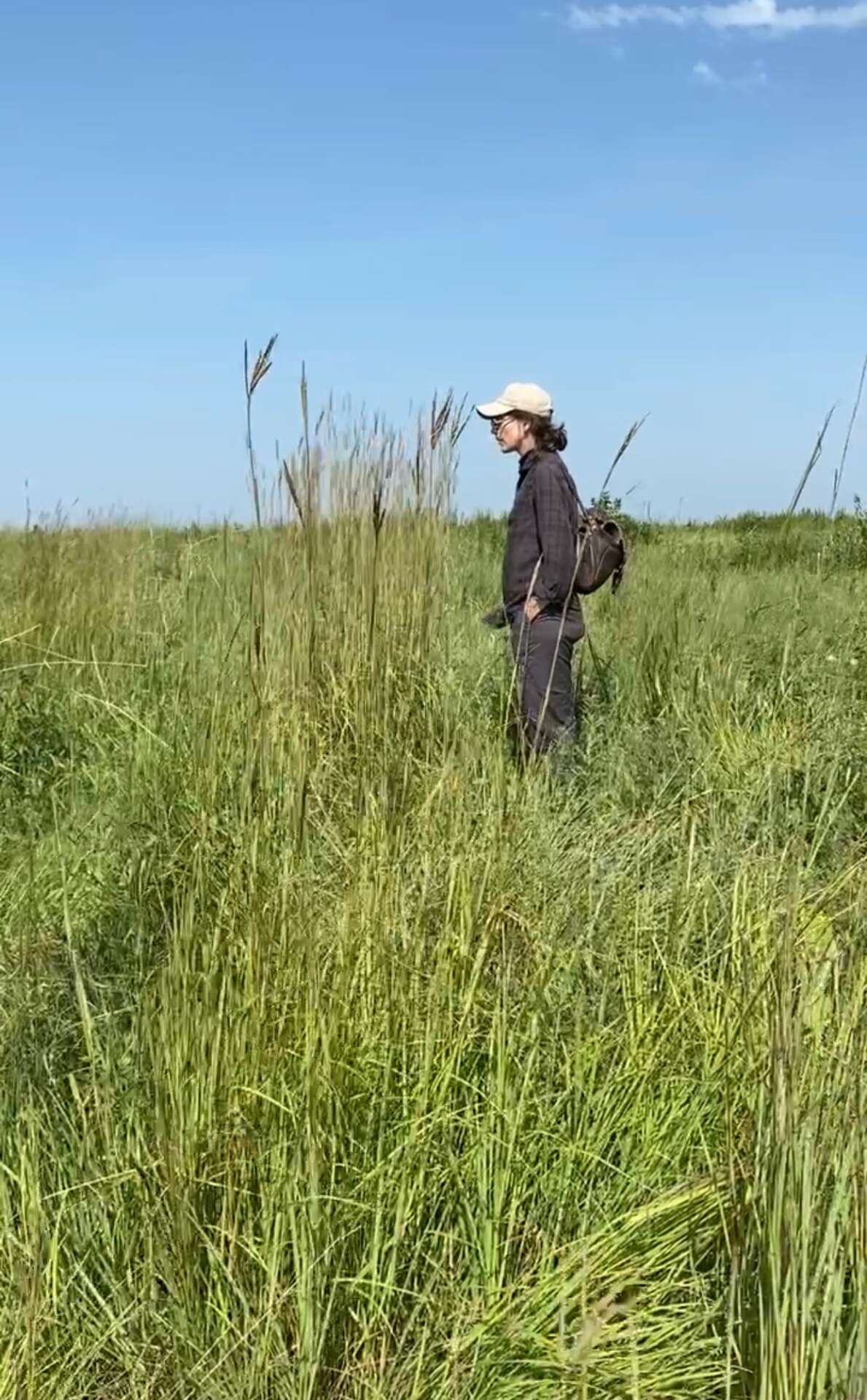
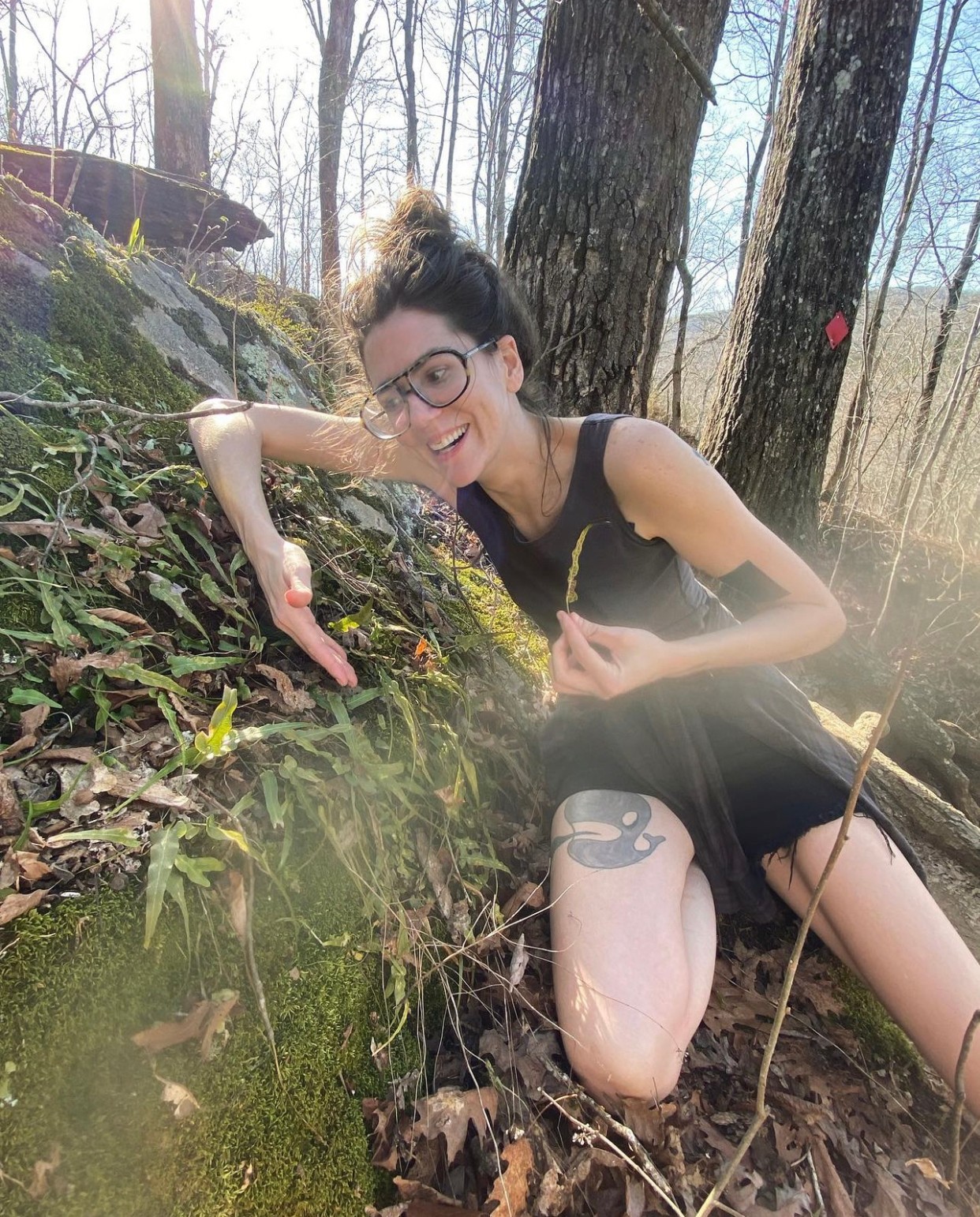
A huge part of my practice is researching specific plants and the ways in which they grow in their environments.
This research is usually a combination of scientific methods using field guides and specimens, along with much more organic methods of sketching, observing, hiking and consulting with botanists (way more knowledgeable than me), and just marinating in that particular place or around that particular plant and musing.
My current work is centered around Andropogon gerardi (Big Blue Stem) a tall prairie grass that stands four to eight feet tall. When you enter the prairie space it’s one of the only things growing that greets you face to face, as it’s oriented with the same veriticality of the standing human form. There’s something potent about this grass species (in general) but particularly to me as it’s native to local remnant prairies here in Northwest Arkansas where I’m currently living as well as to the prairies in South Dakota. This grass has become a link for me and a way to further connect with my heritage from my father’s side as an Oglala Lakota of The Oceti Sakowin Oyate (The Great Sioux Nation) of which I am a citizen.
Its really important to look at the ways in which we interact with the natural world. How we’re all straining for survival is so primal, messy, absurd and glorious.
I really want my work to investigate that, stir up a bit of curiosity and care towards the land, while also providing a sense of relief; a reminder of the community in what’s growing around us.
How did you build your audience on social media?
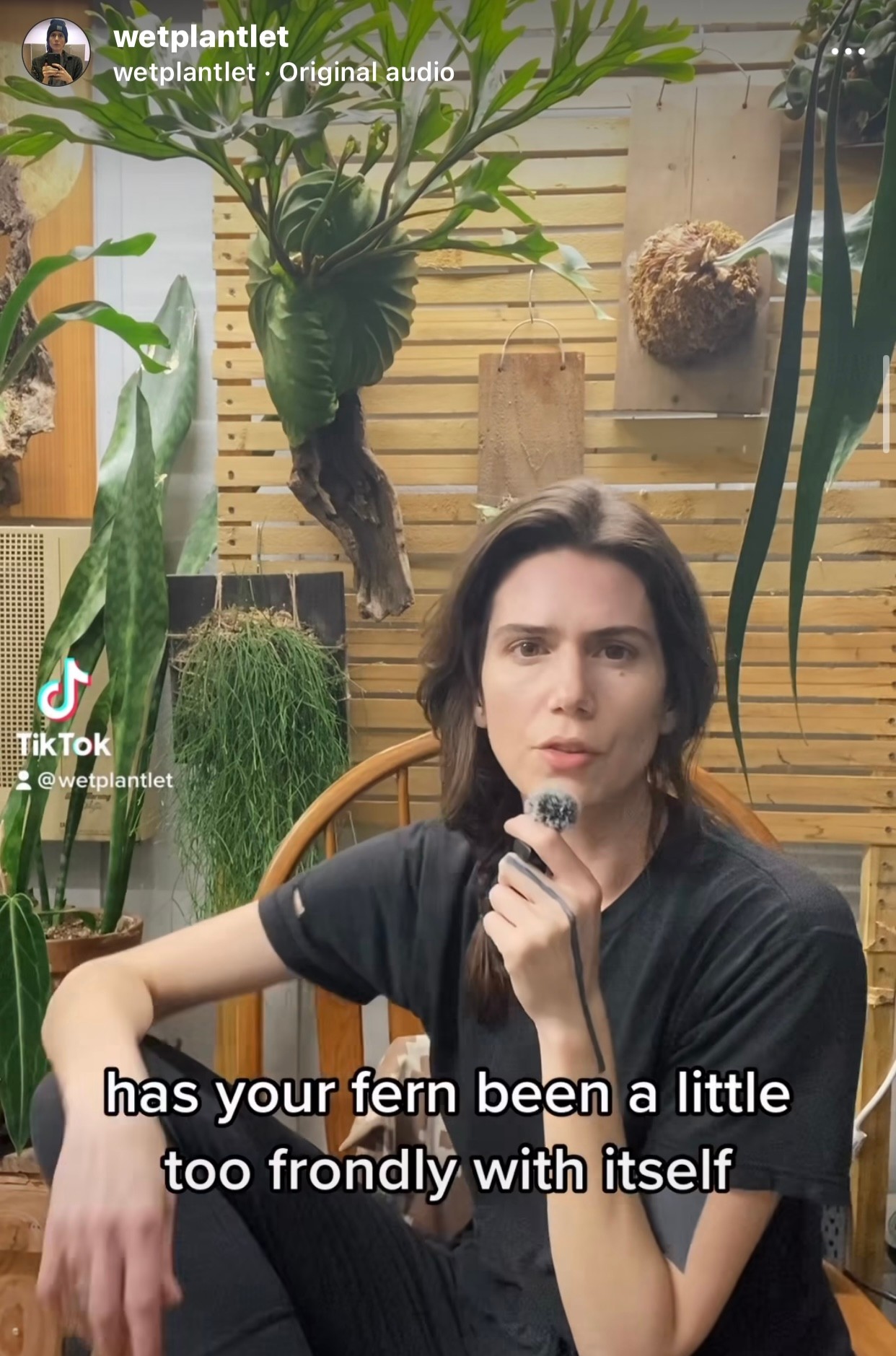
Social media is a weird animal. It’s changed even over the past couple years with the algorithms shifting and even TIKTOK is banned at the university I’m at now. I go back and forth with completely and utterly loathing and then loving it, but it’s definitely something I can’t afford to ignore.
I started using TIKTOK during Covid to talk about my plants, it was a fun way for me to create and be weird. It was right when TIKTOK was taking off and it was a fun accessible community where you could gather a lot of free information on skill sets or ideas. Like I said it’s changed a lot even in the past three years along with my relationship with it but it taught me a lot about having a large audience.
I treat my Instagram as a collective diary and portfolio, but don’t separate or have separate accounts for my life vs. my work or professional content. It’s something I’m working towards in my practice as well, of having less separation between living actual life and my art practice.
I’m not naive or oblivious to the dark side of social media however I do see the other side of the coin, and the power of accessing a wide audience for free.
My advice if you’re utilizing social media is to de-emphasize the need ‘ to grow your following’ and start focusing on centering content and information that you want to focus and center in your actual life. You’re not in control of how many people will see your content, but you are in control of what you post so focus on creating and documenting things that reflect you, and keep experimenting and investigating what that can look like through social media. The people who resonate with you will come. The second you start letting views and likes dictate what you’re posting is the second you’re compromising your voice and that’s not what it should be about. Just have fun with it, social media can be just another tool in self expression.
What’s the most rewarding aspect of being a creative in your experience?
When I was an undergrad a fellow student was presenting some ‘in progress’ work and said they were bored with the assignment. My professor responded, “Bored? You’re an artist, you should be able to look at a street lamp for four hours.” That’s always stuck with me. Even growing up it was worse than cussing for us to say “I’m bored”. So I dont know if it’s been trained out of me or if this natural fascination at looking and scheming is innate but I find it very rewarding to never be bored. There’s always something to look at and there’s always another way to look at it, another way too ‘what if’ it… it does get a little too weird sometimes though haha.
Contact Info:
- Website: wetplantlet.com
- Instagram: wetplantlet
Image Credits
Brandon Forrest Frederick Sky Maggiore