

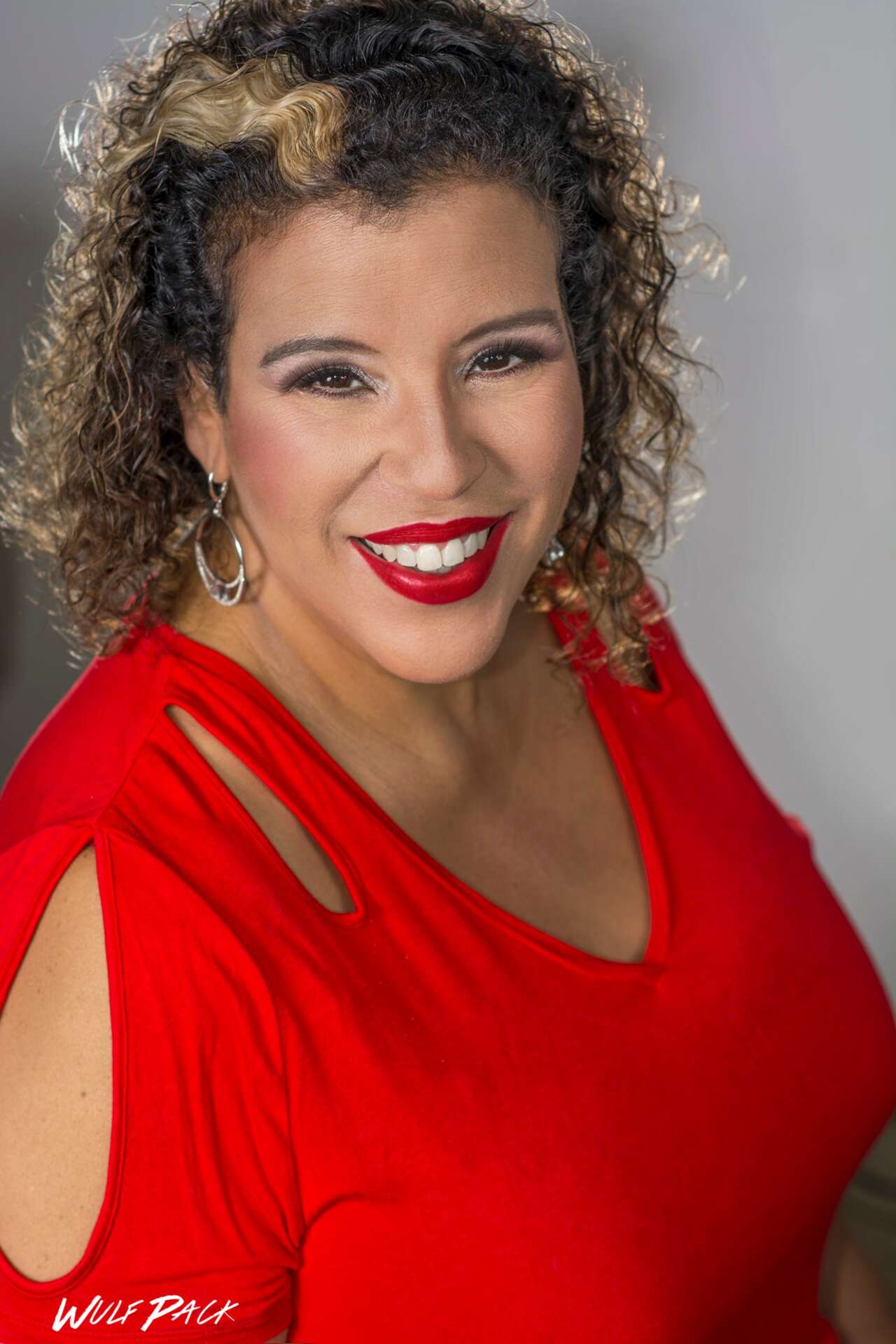

We’re excited to introduce you to the always interesting and insightful Marti Kluth. We hope you’ll enjoy our conversation with Marti below.
Alright, Marti thanks for taking the time to share your stories and insights with us today. Do you think your parents have had a meaningful impact on you and your journey?
The questions of what did my parents do right is relevant not only in my own life as a musician and instructor, but in the lives of my students. When I was 4 years old, my parents got me a toy piano for Christmas. I loved it! From day one, I was on it constantly. My mother, being an elementary school teacher at the time, recognized that young children can’t always sing in tune or figure out songs, yet at four years of age, I was picking out and remembering basic nursery rhyme songs and singing along in tune. She knew this was unusual and knew she had to get me some training. She took me to a recommended piano teacher, who tried to put obstacles in the way; he said, “She has to be 6 years old and in the first grade and reading.” My mom told him that I was reading, even at 4, and to please evaluate me to let her know what she could do in the interim to help me learn. He did an evaluation lesson, and at the end, he said, “I’m gonna take her on as a student.” I’ve never looked back since.
Throughout my childhood, my parents, mom in particular, would go with me to every piano lesson. She sat in with me, listening and taking notes, even though she was not a trained musician herself. Not only that, she sat with me every day, after dinner, to listen to me practice and ensure I DID practice correctly and thoroughly. She and my father purchased all my music and instruments, bought me performance clothes, paid my weekly lesson tuition, and paid for my outside theory classes and competition fees. But most important of all was the time spent with me during daily practice.
Piano, in particular, is a very lonely instrument. When you play in a band or other group, you get the social contact of being with others and the satisfaction of group accomplishment. When you play the piano, you’re all by yourself on that piano bench. But knowing my mom was sitting there with me, listening even if she was otherwise engaged with grading papers or creating her own classroom curriculum, was pivotal in my success as a musician.
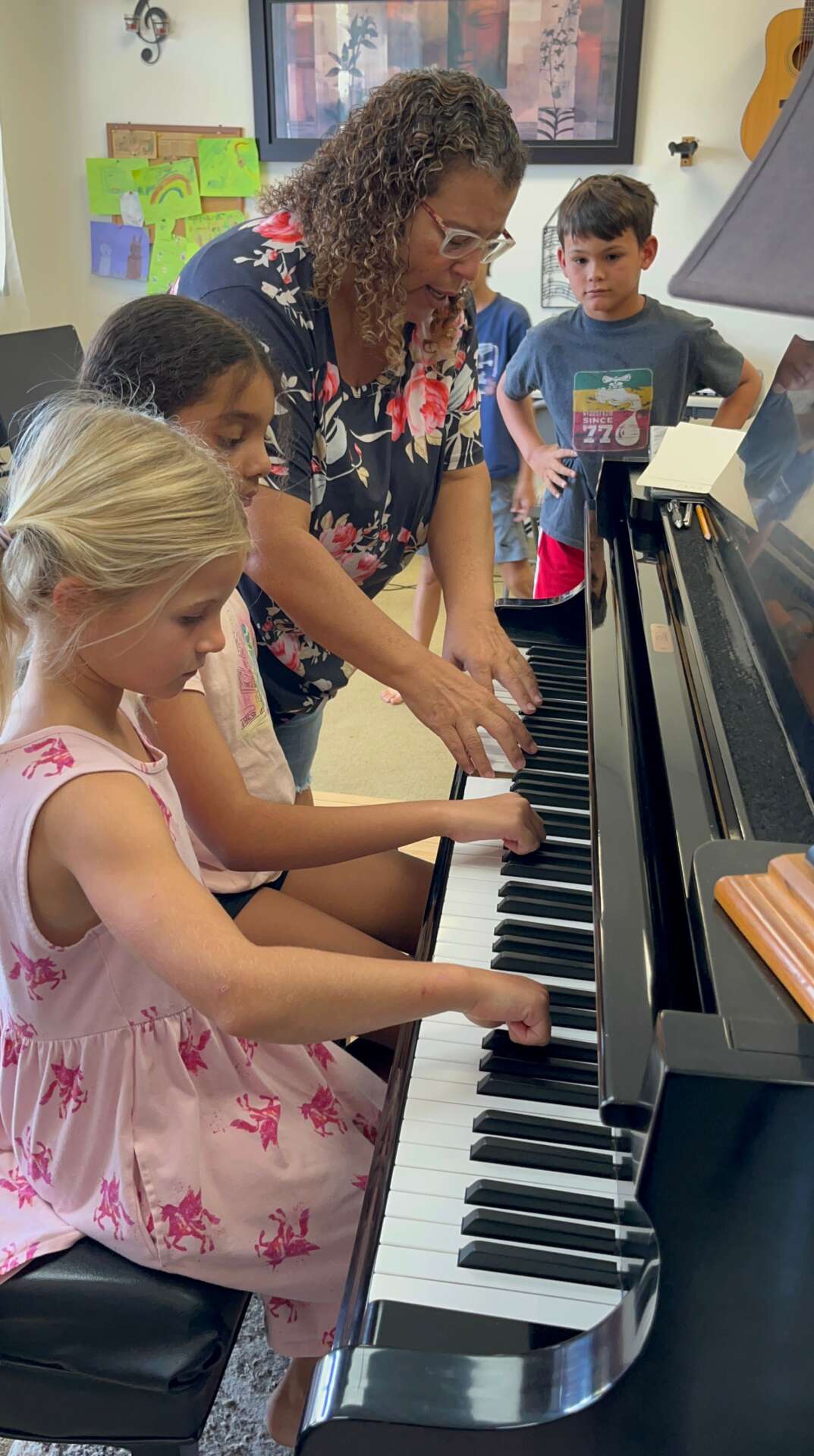
I am now a music instructor with 31 years of experience, and I run my own music instruction studio in Kihei, Maui, Hawaii. More than anything else, I try to make sure parents are engaged with their kids by being involved not only with lessons, but with practice. Lots of parents just want an activity for their child, so they sign them up and drop them off, and go about their business, not paying too much attention to whether practice happens or whether the student is actually learning anything. Unless the student is extremely engaged to begin with, these students who don’t have the daily assistance of their parents tend to drop out after a while. But when the parent is engaged, interested in the lesson, is willing to sit in on the lesson, and is willing to help the student with practice at home, those students shine! Every student has promise and can be taught. But those with additional parental support can succeed and become true musicians themselves. I always encourage parents to sit in on the lesson, to video tape difficult parts so the student has a reference at home, to help their student with scheduling practice, and to be a cheerleader for their student. This is crucial to student development into musicians, and is a joy to behold when it all comes to fruition.
As always, we appreciate you sharing your insights and we’ve got a few more questions for you, but before we get to all of that can you take a minute to introduce yourself and give our readers some of your back background and context?
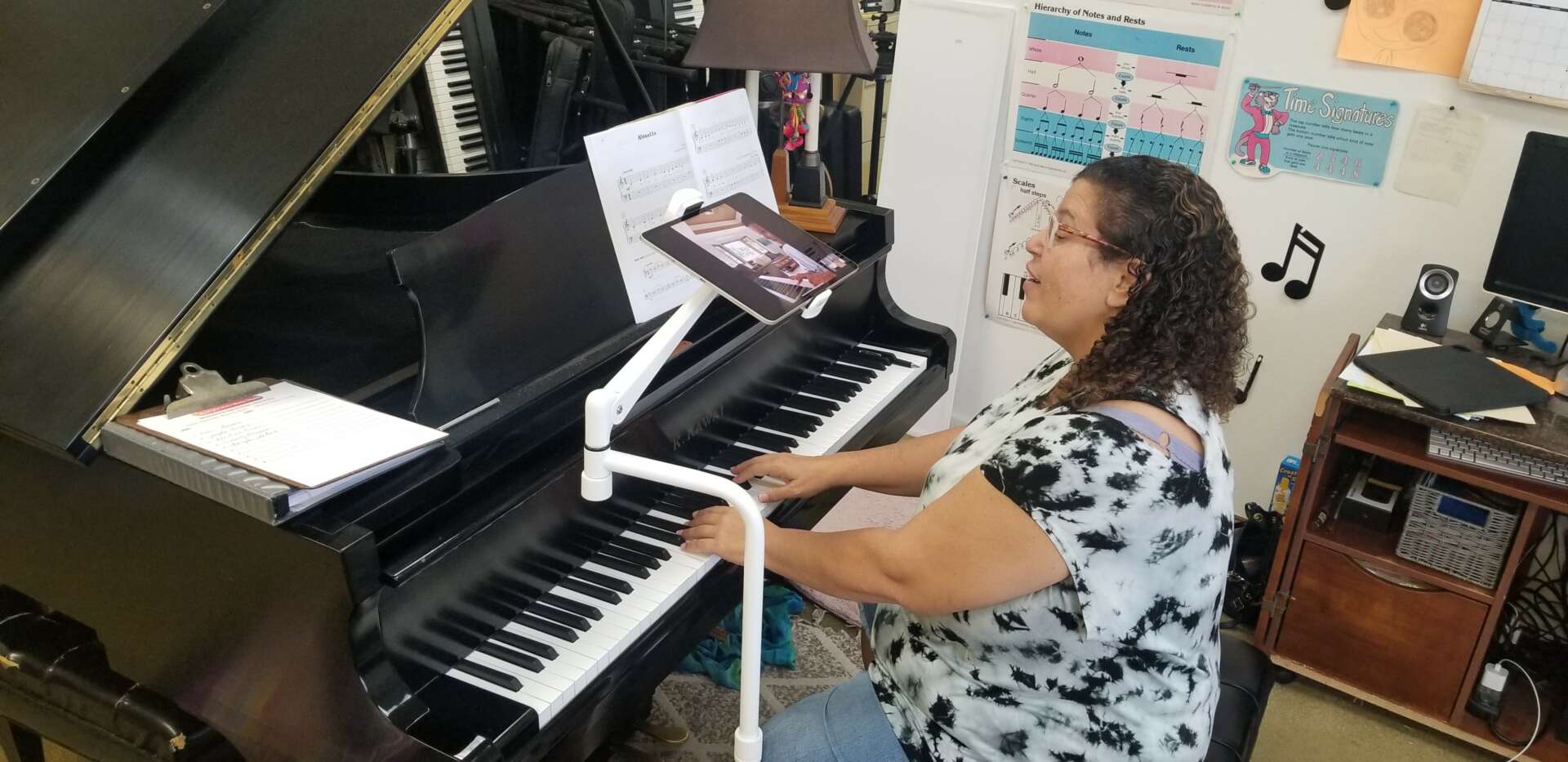
My name is Marti Kluth and I have been a musician since age 4. I studied music through my childhood, and attended Oberlin Conservatory of music in Ohio, and finishing my degree at the University of St. Thomas in St. Paul, Minnesota. I started teaching music while still in college, being mentored by Rev. Carl Walker and Grant West of Walker West Music Academy in St. Paul. Rev. Walker was my first piano instructor at age 4, and he also taught me how to teach starting at age 24. Since then, I have had 31 years of experience honing my craft, and now I serve students of all ages at Kupono Music Studio in Kihei, Maui Hawaii.
After college, my husband and I started a recording studio, which we built in our home while I was teaching at Walker West concurrently. We provided a great creative environment for our recording clients. My husband is an accomplished recording engineer, and I was the producer, as I find producing to be much like teaching. It’s always about guiding the creative process and helping each musician reach their full potential. That’s exactly what sets us apart from others.
My husband & I fulfilled our dream of moving to Hawaii in 2004. We brought with us skills from our previous lives. We started in Maui humbly. I started teaching music classes at the local elementary school. We dreamed of starting a videography business here. But my husband was in demand locally for his other skill, software development. So he pursued tech, while I focused on my first musical love, teaching. I took on a few private piano students after school, & word got around that the new music teacher was really good. I started getting a lot of word-of mouth referrals. I worked in several schools, but eventually found that what I really wanted to focus on was private teaching. That’s where you can really reach a student and help them grow in so many different ways. In 2008, I rented a secondary apartment in my house (an ‘ohana, in Hawaiian terms), moved my grand piano in and started teaching private lessons for myself. It was so fulfilling to start creating my own Studio of students. I held our first Studio recital in the back yard of the house. We had 7 students under a canopy on an electric keyboard, but everyone enjoyed themselves so much! I still worked for several local arts organizations, so by 2015 I had become fairly well known in the community. As a result, I was now teaching about 25 hours per week out of my house. I needed to upgrade my space. In 2015, I rented a small 400 square foot commercial space in “downtown” Kihei & branded it Kupono Music Studio. The word kupono in Hawaiian means “to stand with rightness.” It is a big word that has a lot of meaning. When I discovered the meaning of this word, I knew right then that I would have to make sure I always stand with rightness in my business. I have always strived to conduct myself in business with rightness, to put the customer first, service forward.
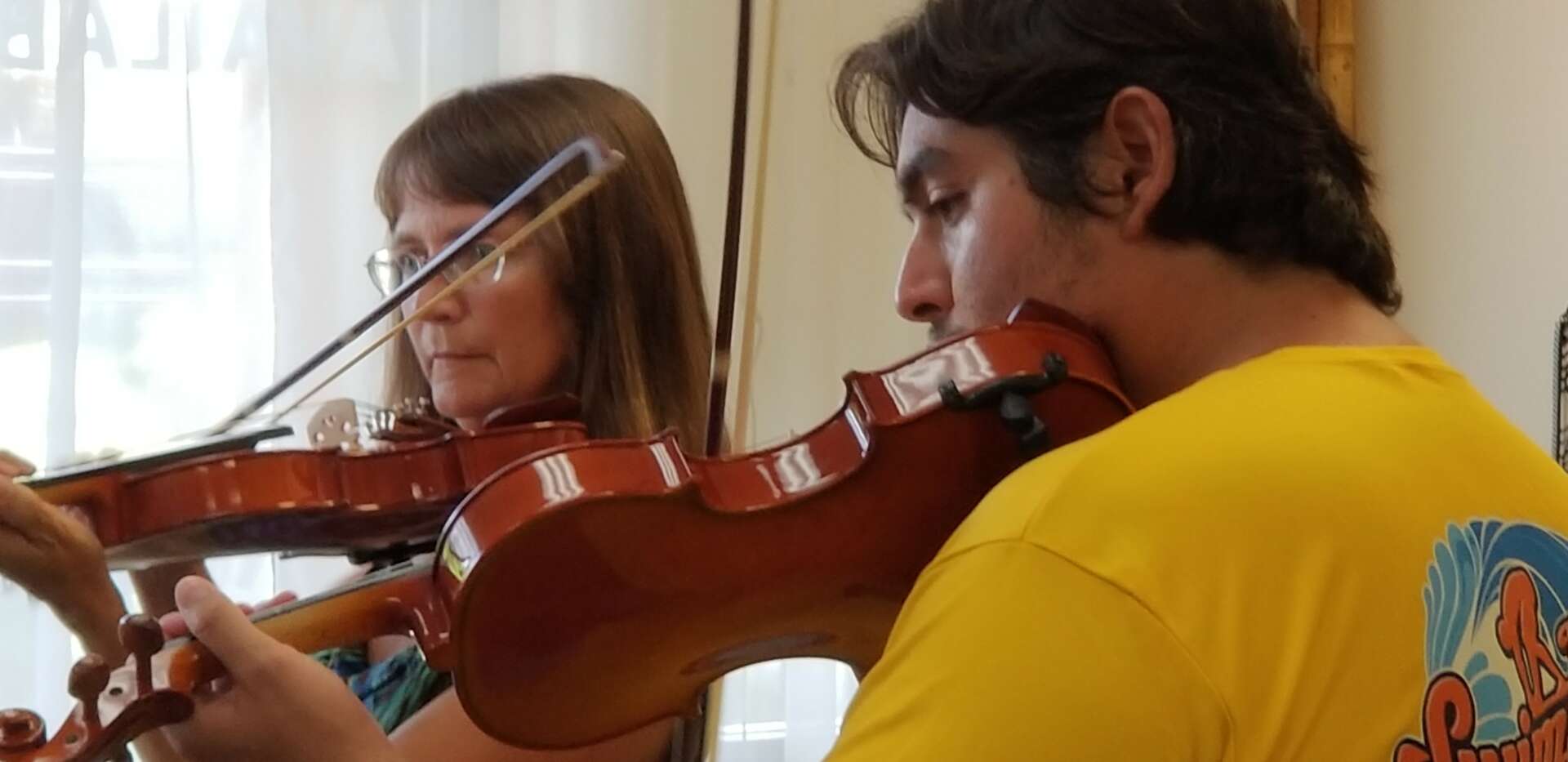
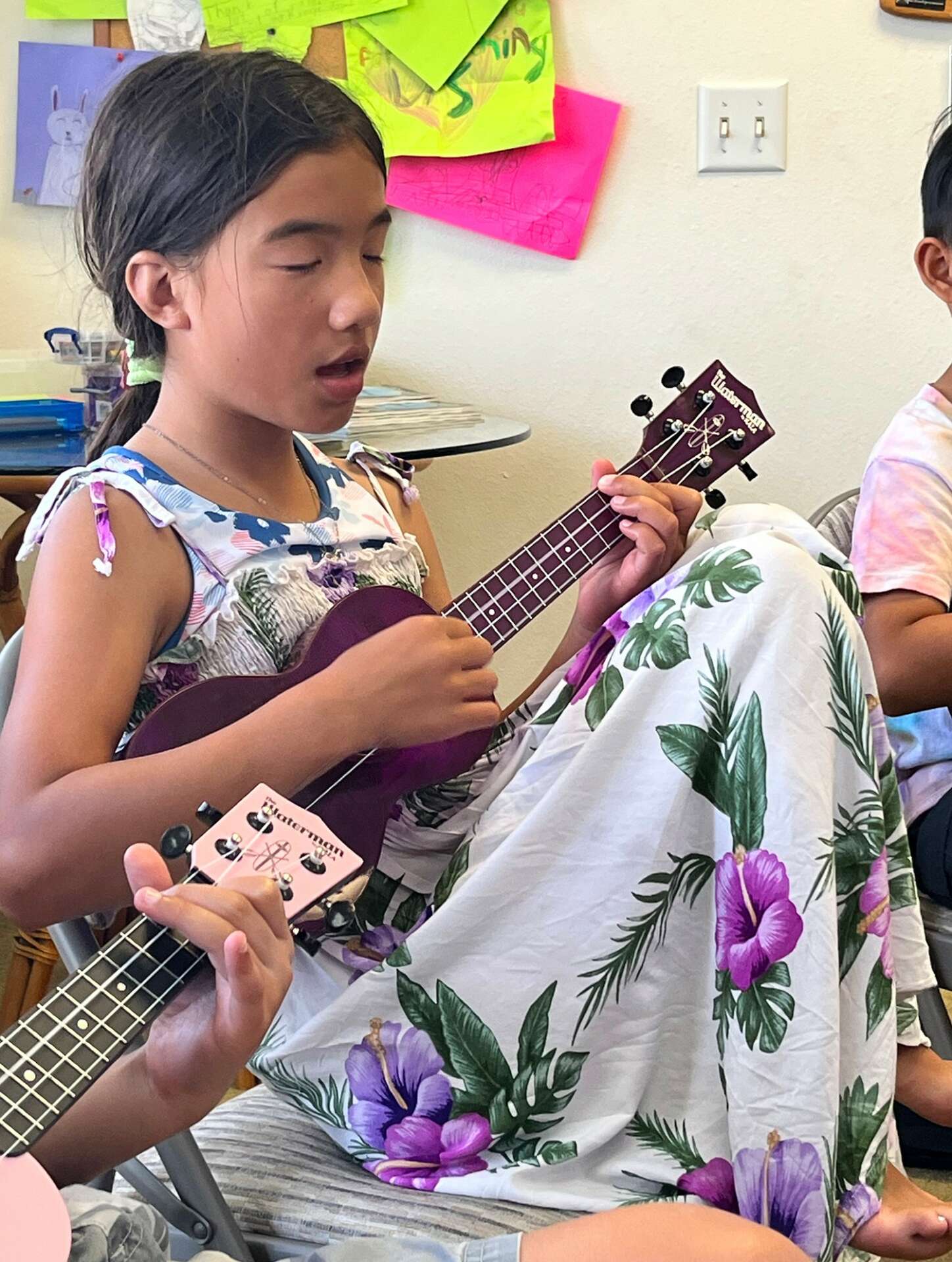
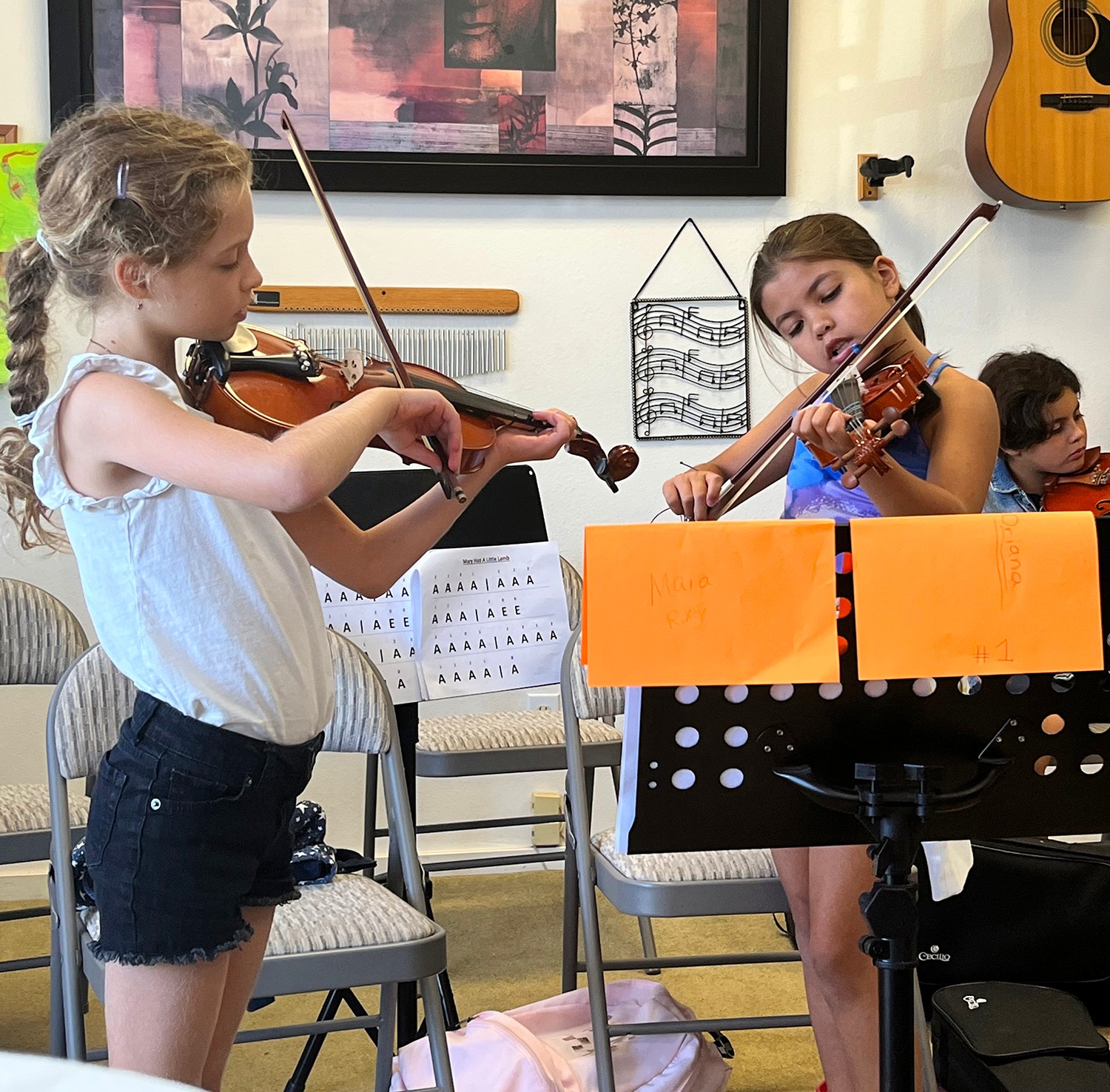
We offer music instruction services to anyone in the community, & we also serve remote students via online lessons. We also offer music day camps for school age children during school breaks, private & group lessons, performance opportunities, online lesson programs & in-school music classes for local public and private schools from K-12. We currently teach 10 instruments, including piano, voice, violin, guitar & ukulele.
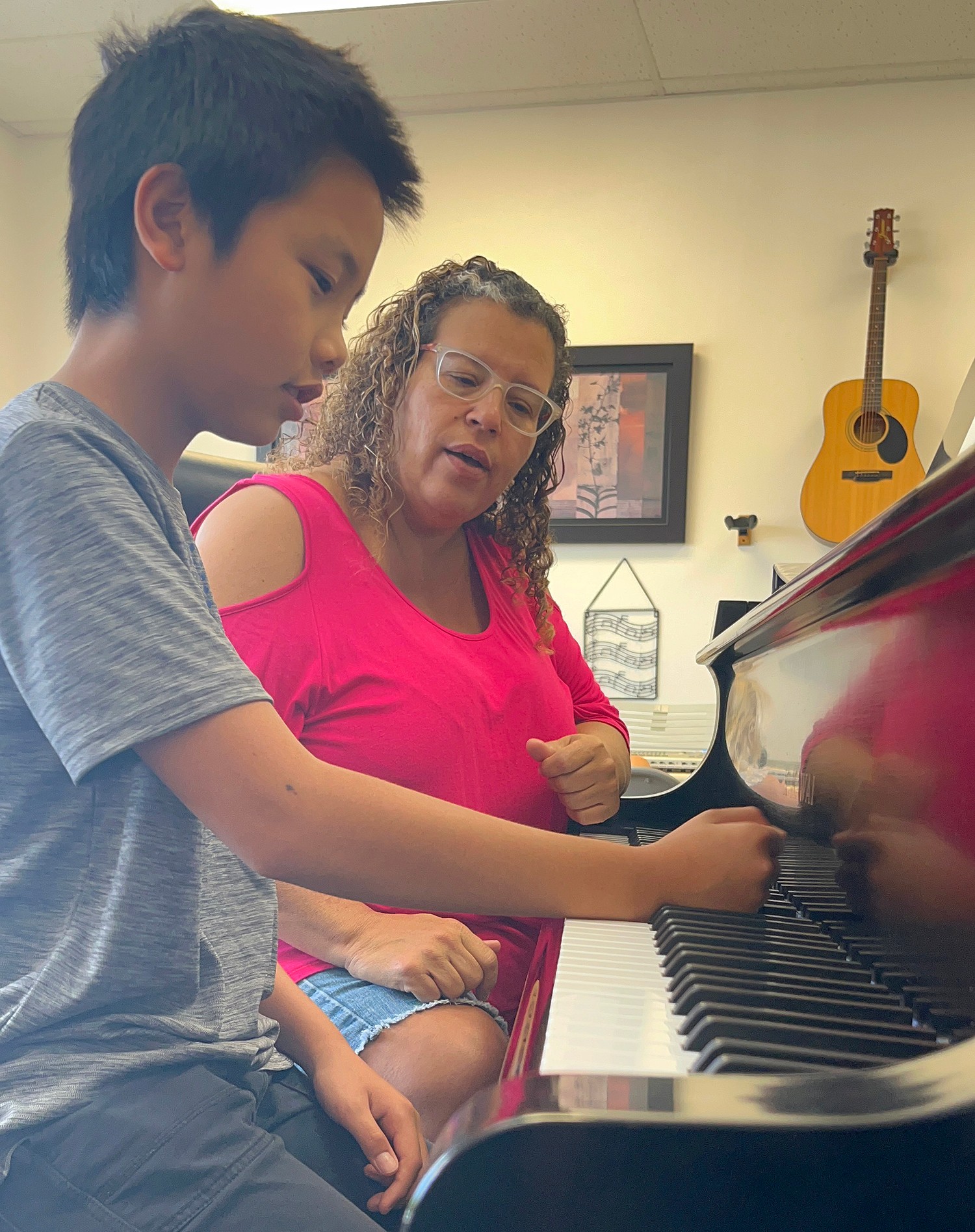
The unique value of Kupono Music Studio is our teaching method. The “Success First” Method was originally taught to me by my mentors, and it has been developed over the last 30 years into the unique, student-based method it is today. Instructors at Kupono Music Studio are trained how to teach this method with its accompanying repertoire, and it drives our market share in the local community. No other music school in the area teaches our Method, and it makes Kupono a highly desirable destination for music instruction both in Maui, Hawaii, where Kupono is located, and nationally with our online video lessons.
The biggest way Kupono Music Studio supports its customers and the community is by making sure we approach every customer with the “Success First” Method. This is our teaching method, and it relates as much to how we run our business as to how we teach music. The “Success First” Method means that we, as teachers, aim for success, first and foremost, with every student, at every lesson. And what the face of that success looks like varies from student to student. What constitutes success for the 6-year-old just starting on their musical journey is very different from what success looks like for the seasoned student with years of experience and different expectations. It is our job as teachers to ascertain what the student needs to be successful in that moment, whether that’s correcting a hand posture, demonstrating a passage, or just being a listening ear. It means that the teacher has to have many skills, both in their own instrument, and in understanding a student to determine what they need that day, or that minute. It’s a very reactive posture but it brings the student immense gratification when you help them through that rough part that they’ve been struggling with all week, or you cheer a young student composing their first music, or just listen to what they have to say when no other adult in their life will do so. We strive to do this every day, in every lesson. I think our many years of success and our rapid growth is a testimony to how our community views our service.
One of the biggest things we’re proud of at Kupono Music Studio is how our teachers and teaching have grown over the years. I am pleased to be able to share my knowledge with my young, up and coming instructors. This is tradition in music, that knowledge comes from the teacher to the student. Then the student becomes the next teacher. I feel it is my duty to pass on my knowledge to my instructors so that they can see the same kind of success I have had in my teaching career. I have taught thousands of student over the years, from private students to group programs to schools. I love sharing music with student of all ages, and as I get older, I find I love sharing my teaching techniques and business knowledge with the next generation. I would say our biggest accomplishment to date is the beginning of production on our video lesson series. We currently have a set of 10 beginner piano lessons filmed and edited and available on Patreon for those looking for an online learning experience. Our next goal will be to shoot and edit the intermediate and advanced piano lesson sets, then continue expanding all three series over time. We would also like to add online lessons in multiple other instruments.
What can society do to ensure an environment that’s helpful to artists and creatives?
I think the best thing society can do to support artists and creatives is to acknowledge that art is work, and art can be a career.
So many times, young people with a passion for the arts, be it music, theater, dance or visual arts, are discouraged by parents, counselors and others saying things like “You’ll never get a job doing that. You should pick something safer, like accounting.” So students start to believe that they can only enjoy their art as a hobby, and they sacrifice their potential happiness for a paycheck.
I reject that. I believe that you CAN follow your dreams as your career, and that there is a career to be made from creating art. I am a professional musician. And you know how I got here? Study, practice and hard work, just like any other career.
So much of our society these days is centered around being “camera ready.” Everyone’s got a YouTube channel; everyone has an Instagram page. Now more than ever creatives are in demand to create content. Creative content includes music, dance, acting, still frame visual art, video art, writing, and the technical aspects that relate to all of those fields. The best thing we can do to create a thriving ecosystem is to imbue young artists with the confidence to follow their artistic dreams.
What do you find most rewarding about being a creative?
For me, the most rewarding aspect of being a creative artist is the freedom it has allowed me in my life. Following a career path in the arts, I feel that I’ve been able to remain in touch with my inherent creativity and apply that creativity to any problem solving, no matter the field of endeavor. Whether its navigating COVID, managing employees, or trying to lower my carbon footprint, having years of practice coming up with artistic and unique solutions in my business life comes in handy in every day life. I believe it gives you a wider perspective to look at any issue from multiple angles and allow all questions, then follow those questions to reasonable, workable solutions.
I also find having freedom of schedule to be immensely rewarding. I take on the work I want to take on and schedule myself the hours I enjoy working, to help create my non-work life. An old axiom says, “The self employed are always working.” This is true. You never stop thinking about your business and how to improve. But having work / life balance is important. Sometimes you need to shut off “work brain” and spend time with your friends or family. By embracing a career as a creative, I’ve taken control of my work environment; I work where I want, with whom I want, when I want. I do not have to put up with “office politics,” or bureaucracy, or any of that. I’m free to work as many or as few hours or days as I need at any given time.
Contact Info:
- Website: www.KuponoMusic.com
- Instagram: @kupono.music
- Facebook: @KuponoMusicStudio
- Linkedin: www.linkedin.com/in/marti-kluth-ab463128
- Youtube: The Kupono Music Studio Channel @MartiKluthPiano
Image Credits
Headshot PC: Brett Marynn Wulfson All other photos PC: Marti Kluth