



We recently connected with Heather Lawver and have shared our conversation below.
Heather, appreciate you joining us today. Looking back, do you think you started your business at the right time? Do you wish you had started sooner or later
I like to say I tripped & fell into helping founders with their brands & pitch decks. Despite being an entrepreneur my entire life – literally starting my first company at age 13 – I had always been an old school bootstrapper. I had never pitched to an investor! In 2014 I was accepted into the very first cohort at the Halcyon Incubator, an accelerator here in my hometown of Washington, DC that specializes in supporting social entrepreneurs, folks who are launching businesses specifically to address some kind of social problem. While I was there, I was working on my first venture-scalable startup & trying to seek investment. I took quite naturally to pitching thanks to my training in design, creative writing, public speaking, television production, and generally how people process, learn, and retain information. That varied skill set went a long way toward helping me understand how to craft a compelling pitch. The folks at Halcyon were so impressed with my own progress, that they asked me back almost every cohort after mine to help other founders with their brands & pitch decks. I kept volunteering and each time they’d tell me, “Heather, you should turn this into a company!” I always responded with, “Nah! I’m not qualified for that! Who’d hire me for that? No way!”
Finally, after over 8 years of them repeating this to me again & again, “you should turn this into a company,” they finally added, “and by the way we’ll hire you.”
I thought, hey, if I have a client ready & waiting, why not! So I started my company thinking I’d just be supporting this one incubator. I developed a unique curriculum to teach founders how to tell their stories, either visually through branding, or verbally through pitching. I worked with founders one-on-one, designing their brand identities and creating their pitch decks.
Within the first 10 months, I helped those founders raise over $8 million in venture capital! Several of them went on to win some of the biggest pitch competitions on the planet, including SXSW, CES, and TechCrunch. I started to see what Halcyon had seen in my almost a decade before. I was truly doing something not only uniquely different, but uniquely effective.
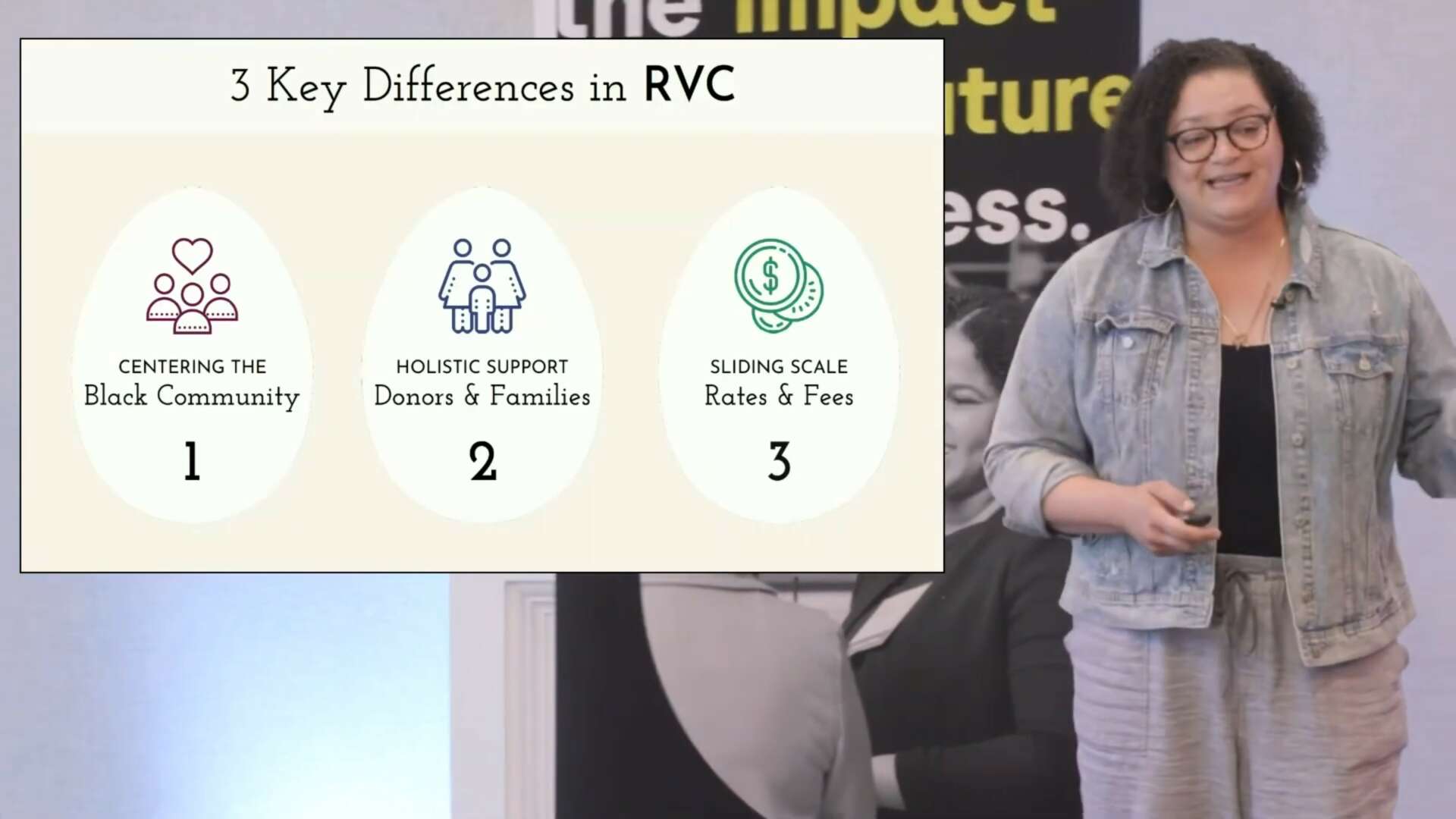
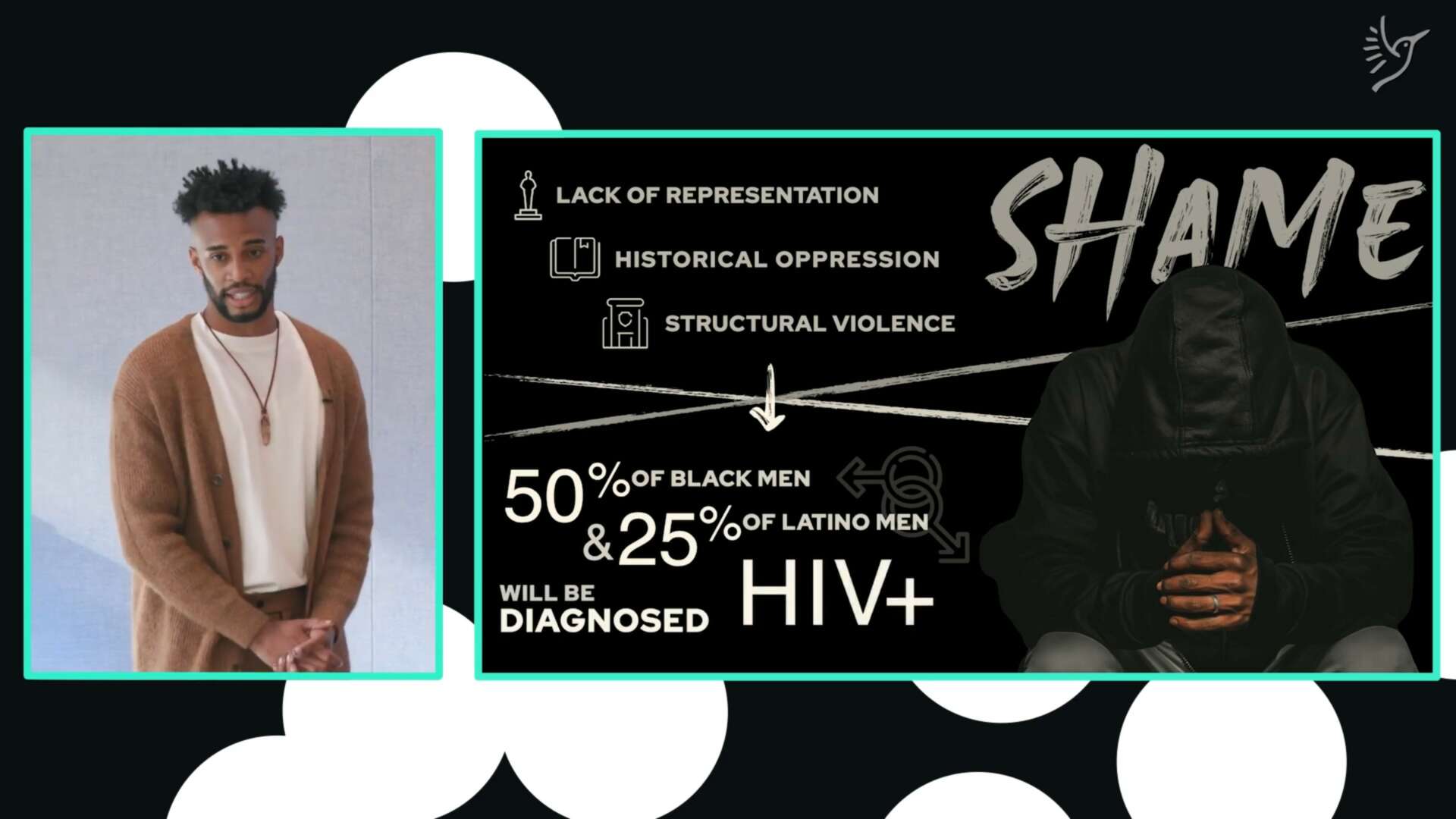
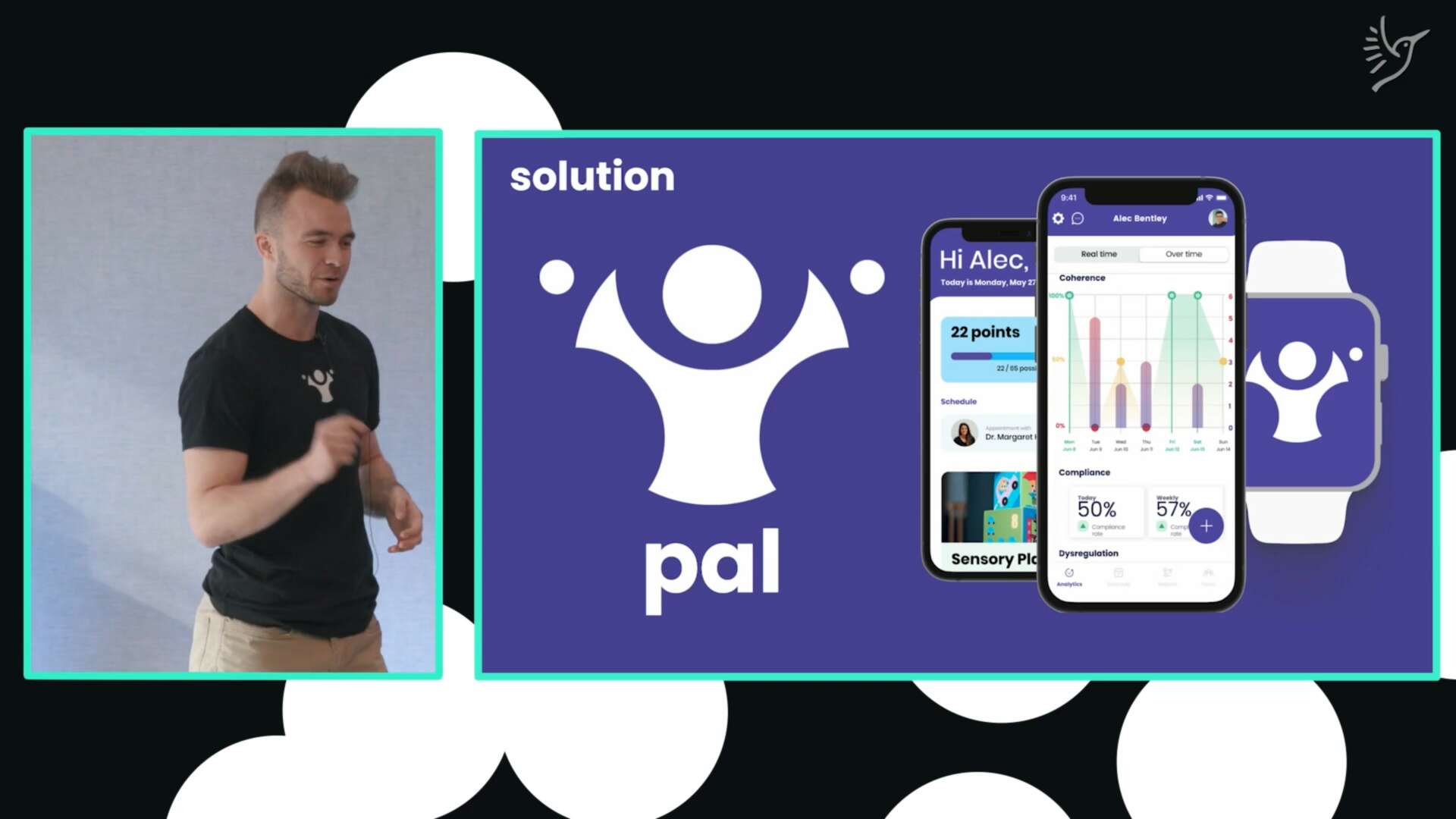
It’s been two years now and I’m proud to say I’ve helped startups raise over $20 million. Best of all, that went to 100% underrepresented founders across every major demographic: women, BIPOC, LGBTQ+, and Disabled founders. Last year, founders like that got less than 2% of all venture capital invested in the US. Less than 2%! That’s disgraceful. Yet even with those gigantic odds stacked against them, somehow my brands and decks stood out & helped them beat the odds.
Knowing what I know now, seeing the impact I’ve had for even the most disadvantaged founders, I can’t help but kick myself! How much more impact could I have had if I’d started the very first time Halcyon saw my value & told me to start a company? How many more people could I have helped, if only I’d believed in myself that much sooner?
This is the direct cost of things like imposter syndrome. Not only cost to you, but the cost to the world. Let’s just assume that if I helped founders raise exactly what I’ve raised over the past two years, let’s not even assume any growth potential. Let’s just stick to that $10 million per year. We’re talking about over $80 million lost that could have gone toward helping minority founders build large companies, dedicated to solving big problems. That’s a lot of exponential growth that could have happened, if only I had listened to the people who believed in me more than I believed in myself.
Don’t wait. If someone’s telling you that you’re good at something, especially if you’re passionate about whatever that “something” is, please don’t wait. Dive in! Because I promise you, when you’re doing something you love that brings more good into this world for the people around you, it’s amazing all of the ways the universe opens up in kind.
As always, we appreciate you sharing your insights and we’ve got a few more questions for you, but before we get to all of that can you take a minute to introduce yourself and give our readers some of your back background and context?
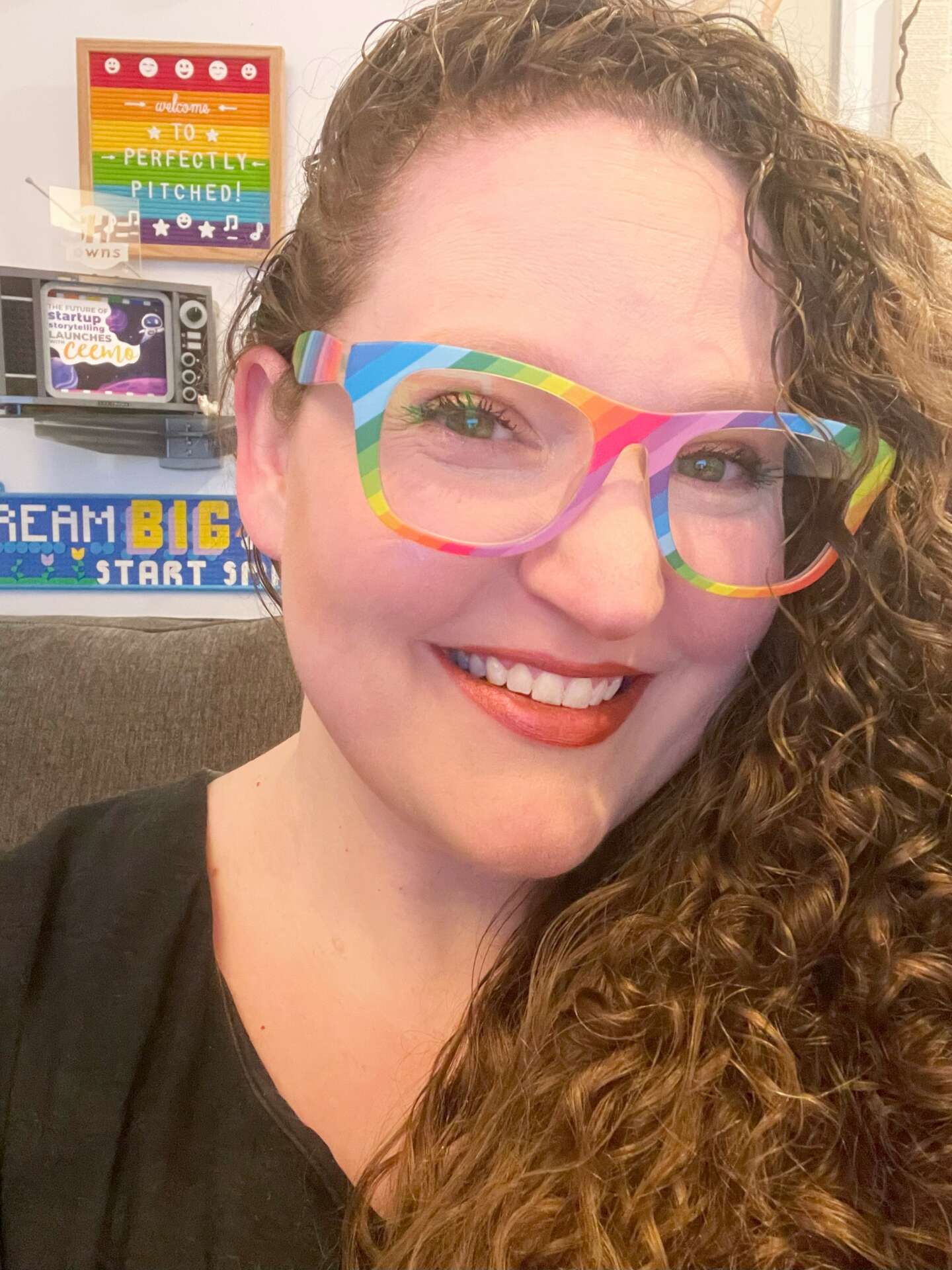
I’m the Founder & CEO of Ceemo.ai, where a simple 5-step personality quiz is all it takes to generate a custom, strategic, data-backed brand for your startup & instantly apply it to proven pitch & marketing materials. Our goal is to make it easier & more cost-effective than ever for every founder to brand, market & pitch their company, unlocking an equal shot at startup success. I’ve seen time & again throughout my life how beautiful design & a compelling narrative can make the impossible probable. I want to unleash that potential for every founder, regardless who they are, what color their skin is, or where they come from. I’ve been an entrepreneur my entire life! I started my first community organization at age 7, my first EdTech non-profit at 13, and ran my first successful international human rights campaign at 16. I’ve out-marketed a major Hollywood studio, the International Olympic Committee, and even a world superpower, all before most kids graduate college. I’ve also been an entrepreneur because I had to be. Despite all of those accomplishments, I’ve never been a full time employee. I’m disabled. I’ve never found an employer willing to accommodate my disabilities and take a chance on me.
I believe entrepreneurship can open doors for so many other people like me. Great ideas happen everywhere, and true innovation comes from hardship, from challenges faced & overcome. No one faces & overcomes challenges quite like underrepresented founders, whether they’re women, BIPOC, LGBTQ+, or Disabled.
And yet, underrepresented founders rarely get the investment they deserve. Last year less than 2% of all venture capital went to underrepresented founders. That’s sickening. I’ve dedicated my career to trying to shatter that trend & finally achieve true equity when it comes to selling equity in your companies.
That’s why I created Ceemo. I spent nearly 10 years working with underrepresented founders, trying to discover what the very first barrier is that sets them behind. I believe that first barrier is the lack of a Friends & Family Round, of which roughly $30,000-$50,000 is spent on foundational marketing materials; stuff like a logo, brand book, letterhead, one-pagers, and pitch decks. Basically all the cohesive, professional materials you need to tell the world who you are, what you do, and why it matters.
I created Ceemo to streamline that entire process. We’ve already tested our underlying methods and helped startups raise over $20 million, which went to 100% underrepresented founders in majority Angel & Pre-Seed rounds. Now that we’re launching our automated branding & pitching software, I cannot wait to see how much more we can help people raise, how much more we can help people sell, how many of the future’s startups will start right here at Ceemo. Then maybe, one day sooner rather than later, we’ll finally see true equality in venture capital.
How do you keep your team’s morale high?
When startups or small businesses reach a handful of employees, it’s inevitable that consultants will start coming out of the woodwork, talking to you at length about establishing your “company culture”. I believe that’s way too late to start thinking about culture, morale, and team building! Because by that point, you’ve already set in motion a series of small decisions that build into habits, which eventually create that company culture.
Your company’s culture – the way your team is managed, the way they view themselves & their work, and the way you maintain high morale – doesn’t begin with your first hire. Your company’s culture starts with how you as a founder treat yourself! That’s the foundation, the first cornerstone that sets everything else in motion.
If you make it a habit to berate yourself, your employees will see that and live in fear they’ll be berated too. If you work yourself into burnout, that’s what you’re modeling for your employees to follow.
This is one thing that living with disabilities has taught me, to live my life with empathy. Not only empathy for others, but I’ve been trying to learn & practice empathy for myself. I’m not always great at it, I do often work way too hard still, but I’m trying. I like to think my employees, my team, my overall culture, benefits from that feeling of empathy and humanity.
To me, team & morale are simple. It’s not rocket science. It’s an easy four step process.
1: Hire people to do work that they love in ways where they can see their own impact.
2: Ensure they’re supported by a team of people invested in their success.
3: In an environment where everyone is treated with kindness & humanity, especially when facing challenges.
4: Finally, ensure everyone is validated with recognition & appreciation for their contributions.
If you can do that, teams will form & high morale will follow. No pizza parties required. (Although I do highly encourage the occasional handwritten thank you note & cookie of surprise appreciation and recognition!)
Any stories or insights that might help us understand how you’ve built such a strong reputation?
I don’t think there’s any replacement for simply being your authentic self, showing up, and doing the work. When I started my company, I thought it would just be a small side gig supporting one specific accelerator program. I always showed up on time, I listened intently to the needs of the founders I worked with, I leaned into the empathy, and I worked hard to ensure I did everything in my power to help them succeed. I worked hard and I worked with heart. Unbeknownst to me, the accelerator program I was working with was taking notice. Their Chief Investment Officer saw the results of my work each week when the founders would get up to practice the new pitch decks we’d been working on. She then started going all around DC, quietly telling everyone, “Hey! I finally found a good pitch deck specialist!”
Soon enough my inbox was overflowing with requests for pitch deck support from people I’d never heard of! I had no clue for months how they were finding me. Within six months of starting the company I was already hitting capacity & looking to hire help.
I didn’t put a dime into marketing. I didn’t focus on social media. I just showed up, I cared about my customers, and I did the work well. The rest followed.
In hindsight, I think a lot of that “luck” also depended on a few key things. First, I’d found the perfect product/market/founder fit. I was the perfect founder to solve this exact problem for these exact people. Better yet, I found a partner in the accelerator program who paid me to provide services to my ideal customers, which meant I was incredibly lucky with my customer acquisition funnel! I think I’m probably one of the few founders who had a profitable customer acquisition cost! I realize just how privileged I am to have lucked into that.
But then again, even that “luck” only happened because I’d spent so many years volunteering for that program. Again, I was showing up & doing the work.
In short, when it comes to reputation, there’s no substitute for when the quality & value of your product speaks volumes! So be honest with yourself, be critical in your evaluations, and determine what the true value of your product is, no matter what it is. Be critical in evaluating how you can bake even more value into it, to the point where you customer just can’t live without it, where they can’t fathom using anyone else but you! If you can provide value like that, if you deliver it consistently and honestly, your reputation will sing.
Contact Info:
- Website: https://www.ceemo.ai
- Instagram: https://www.instagram.com/ceemoapp
- Linkedin: https://www.linkedin.com/in/heatherlawver
- Youtube: https://www.youtube.com/@ceemoai/
Image Credits
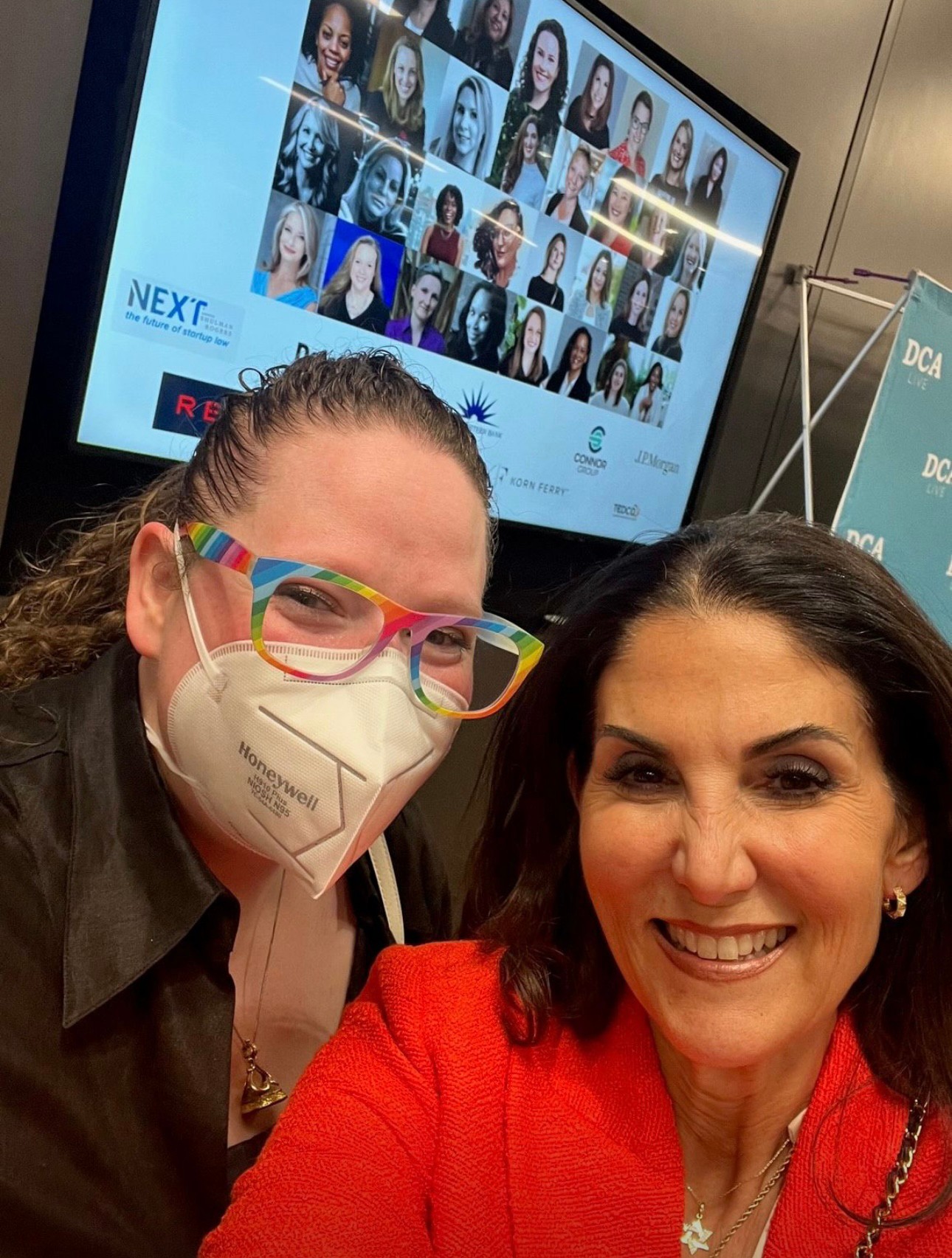
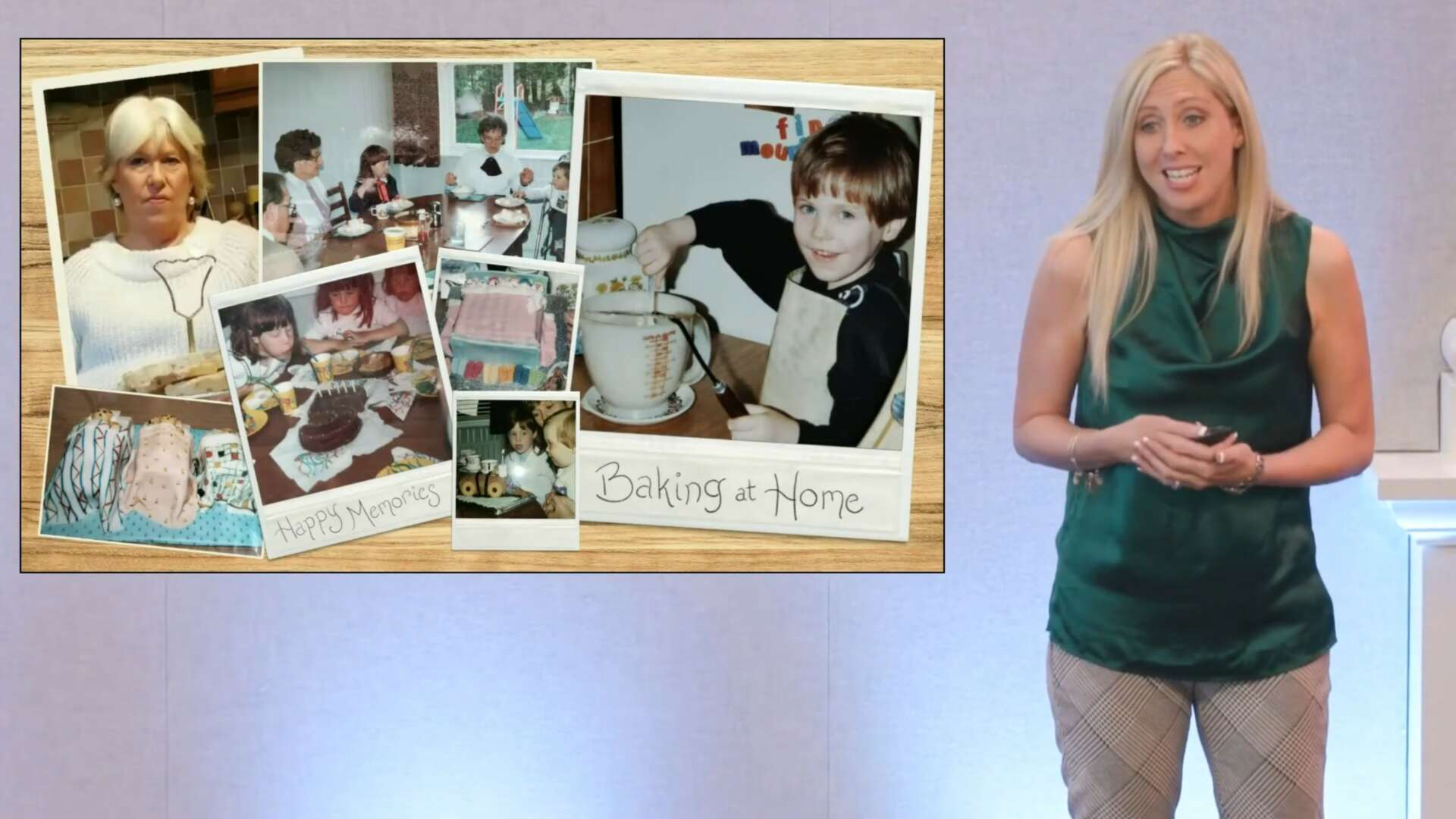
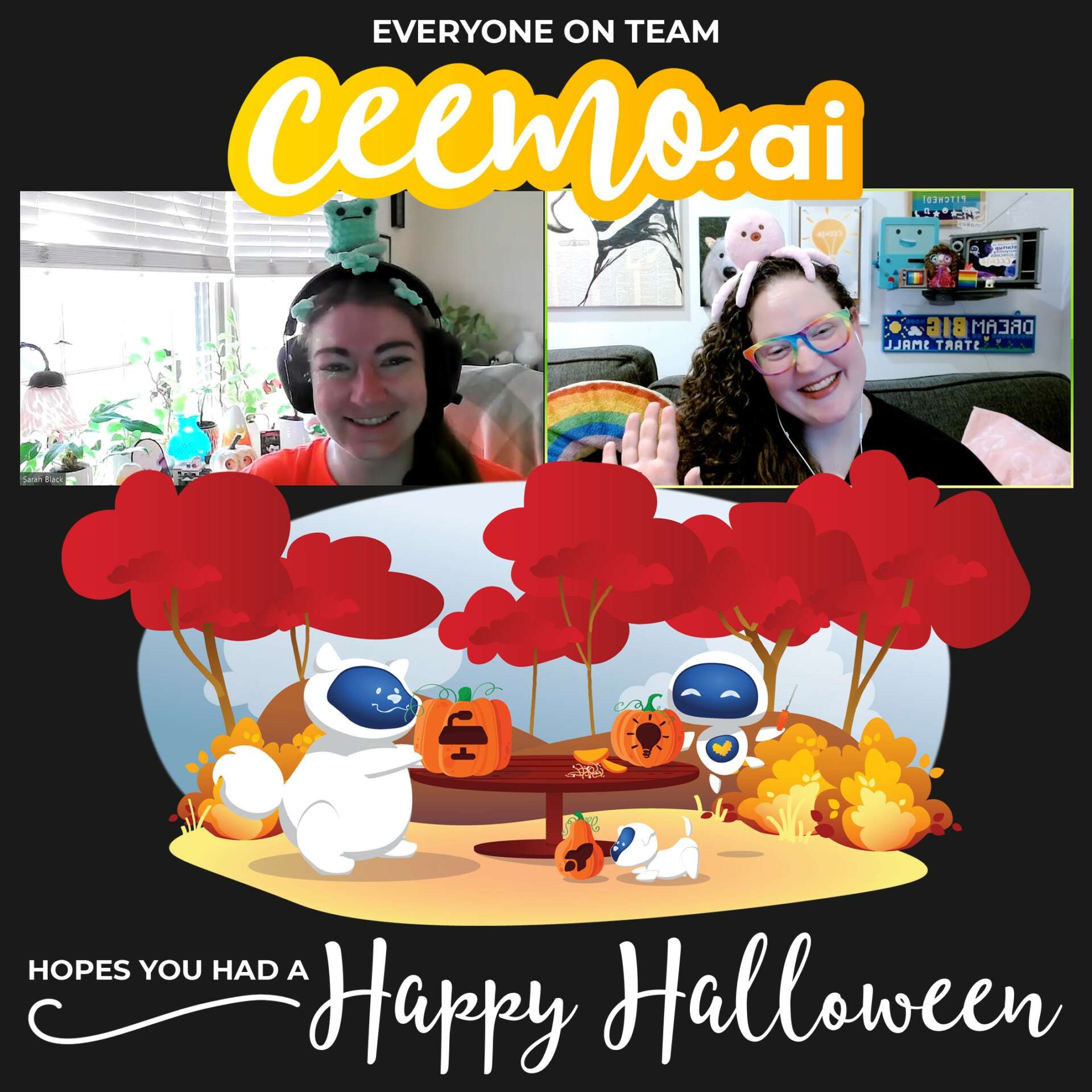
The last photo, labeled “HeatherLawver-AdvisorLisaFriedlander-11-02-2023.png” was taken by our wonderful advisor, Lisa Friedlander. The screenshots of the folks presenting, those were from the Halcyon Incubator Opportunity Intensive Showcase Day events for the various cohorts I’ve worked with. I have permission to use & share the screenshots as examples of my work, designing the pitch decks & helping the founders develop their scripts. In order of how they’re shown to me as previews, here are the founders’ names: – Micah Roseboro, Founder & CEO of Deviant (African American gentleman, with the slide about shame.) – Brent Chase, Founder & CEO of Pal (White gentleman with slide about their app, Pal) – Caroline Johnston, Founder & CEO of Green Island Bakery (White woman with slide showing childhood snapshots of her and her family baking) – Angela Stepancic, Founder & CEO of Reproductive Village Cryobank (African American woman with slide about fertility issues.) Finally, the Halloween image is a compilation, showing a Zoom meeting with me and my Chief of Staff, Sarah Black, all dressed up in goofy costumes for a client meeting on Halloween! The beautiful illustration in that image was created by Sarah, showing off our mascot, Ceemo, and his two robot dog friends.