

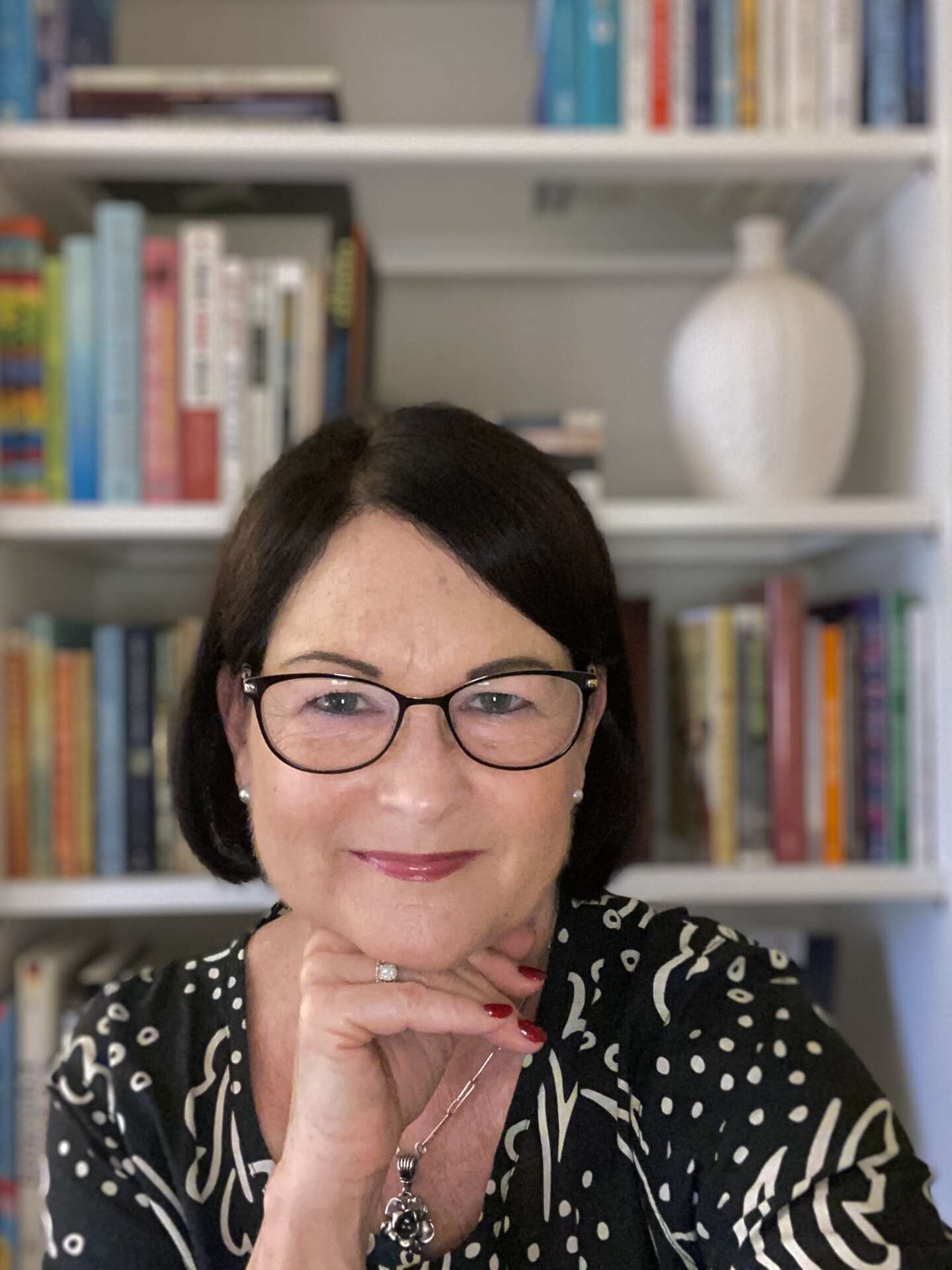

Alright, Casey thanks for taking the time to share your stories and insights with us today. Can you walk us through some of the key steps that allowed you move beyond an idea and actually launch?
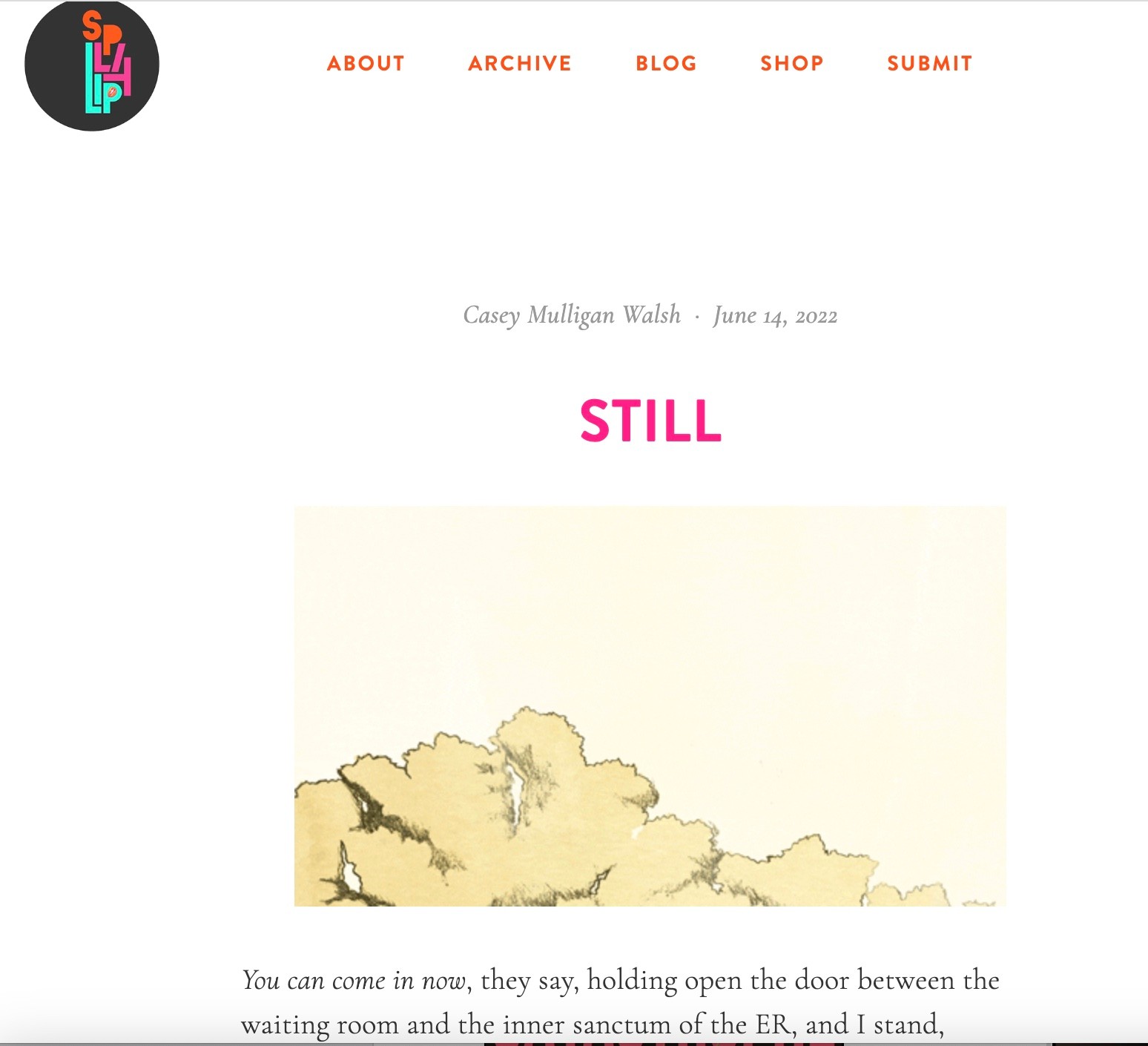
As a memoirist and creative nonfiction writer, the largest, longest-standing, and most daunting project I’ve worked on to date was the completion of my memoir, The Full Catastrophe: All I Ever Wanted, Everything I Feared (forthcoming from Motina Books in February 2025). This story of, among other things, the search for belonging, the fight to save a struggling child, and the quest to find meaning in the wake of repeated loss is the result of 12 years of write/revise/edit/repeat, all while learning from writing instructors, talented editors, and critique partners.
All of this began in earnest when, in 2011, I took a class with Marion Roach Smith at a local arts center. Students were expected to arrive with 20 copies of a 750-word essay to share, then read their piece aloud. I pushed through the initial fear (such self-disclosure, such vulnerability), received positive feedback and much-needed direction, and rediscovered my longtime love of writing. Months later, a group of six students who had met in the class joined to create a critique group, which met regularly for seven years. Though members have come and gone, six of us in the group are still connected today.
I credit these weekly deadlines for the many essays I wrote during those years. Somewhere between 2011 and 2017, the idea gelled that the small stories in each essay could, with work and skill (much of which I had yet to learn) become a book. In 2017, alone in a hotel room in Ann Arbor, Michigan, I created the skeleton of what would later become my memoir.
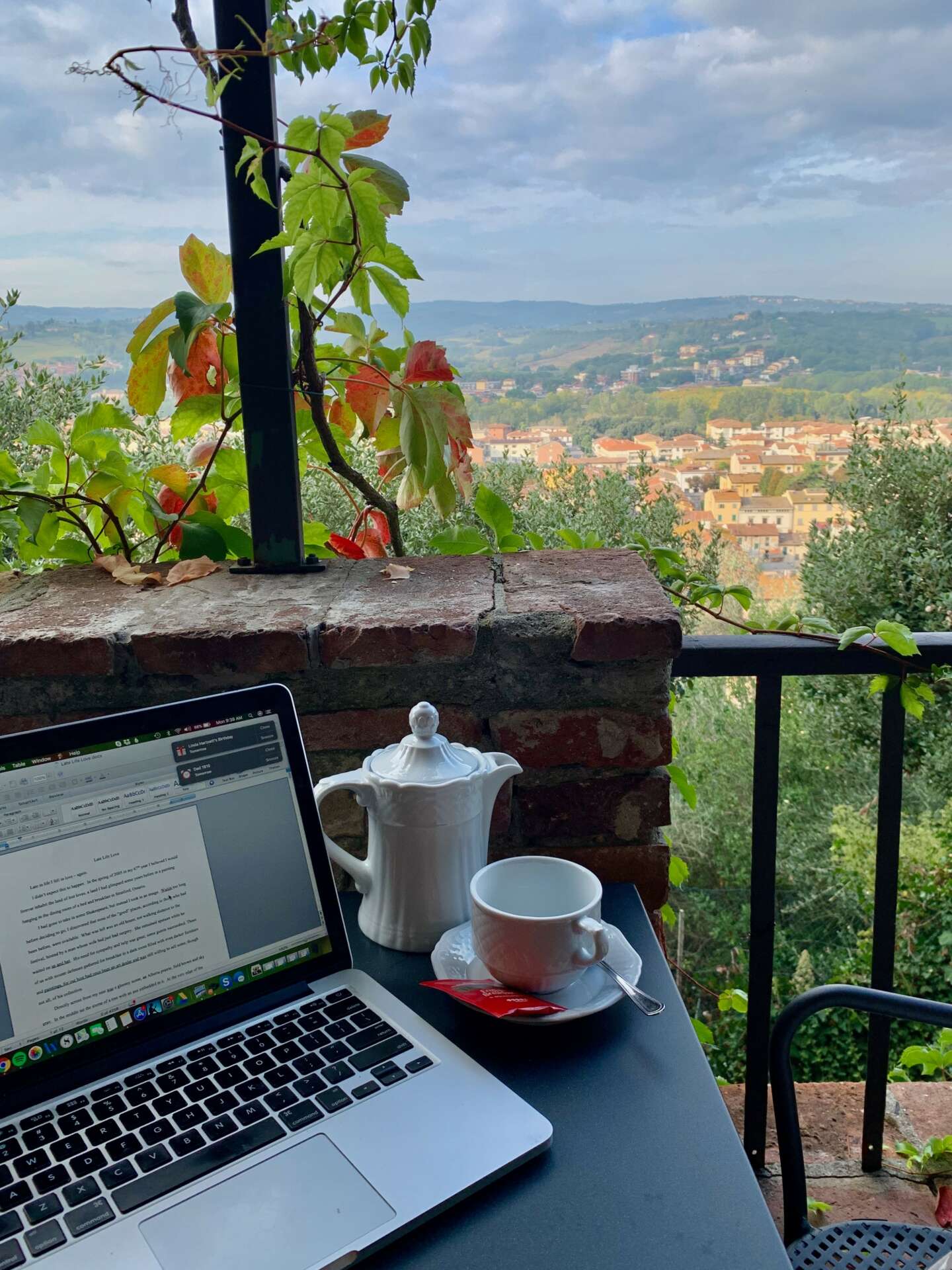
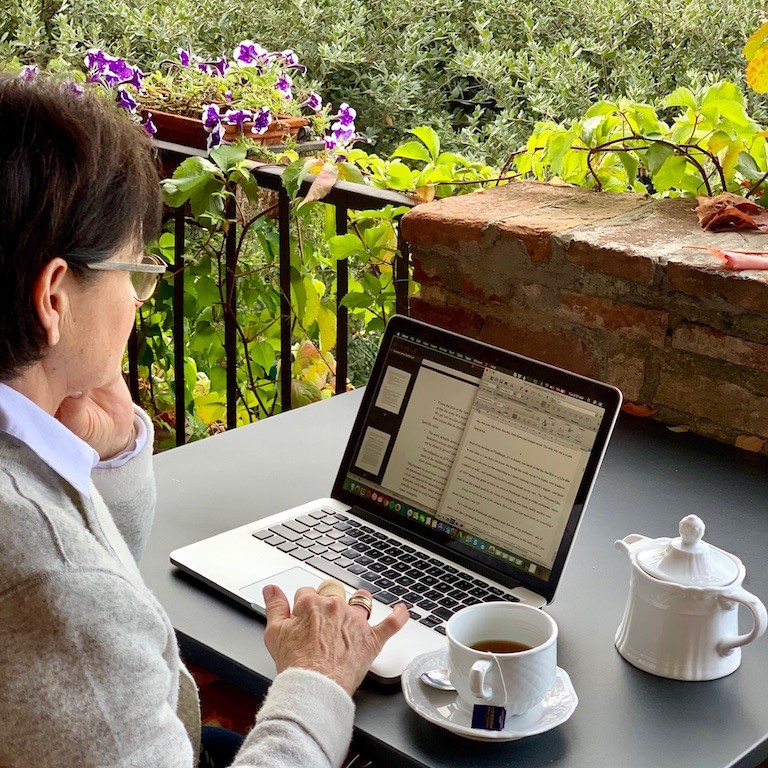
Other writing classes also led to close friendships within the writing community. A New York State Writer’s Institute Course that same year (2017) resulted in the formation of another critique group. In fall of 2019, I joined writer Allison K Williams on a writing retreat in Tuscany; this not only set me in a new direction with the book but was also my entree into the world of forming lasting relationships on social media and the introduction to a large group of nonfiction writers, many of whom have become personal friends.
When the pandemic hit in early 2020, connections made through a Facebook groups for female, trans, gender-nonconforming, and non-binary writers resulted in a virtual group made up of women from around the country who were each working on book-length projects. By this time, I had been successful in placing a number of essays in literary and commercial outlets and had been working on putting my story into book form for two years. I was eager to have partners in viewing the work as a whole.
The process of moving from idea to execution was not a quick one, nor was it easy. Learning to be open to critique, to hear what others see in your work–both positive and negative–is always a challenge. Devoting myself to workshops, retreats, and webinars to hone my craft was often more time-consuming than the actual writing itself. Yet the occasional thrill of an essay acceptance, the support of other writers, and the intrinsic reward of putting into words exactly what I’d hoped to express carried me through.
Awesome – so before we get into the rest of our questions, can you briefly introduce yourself to our readers.
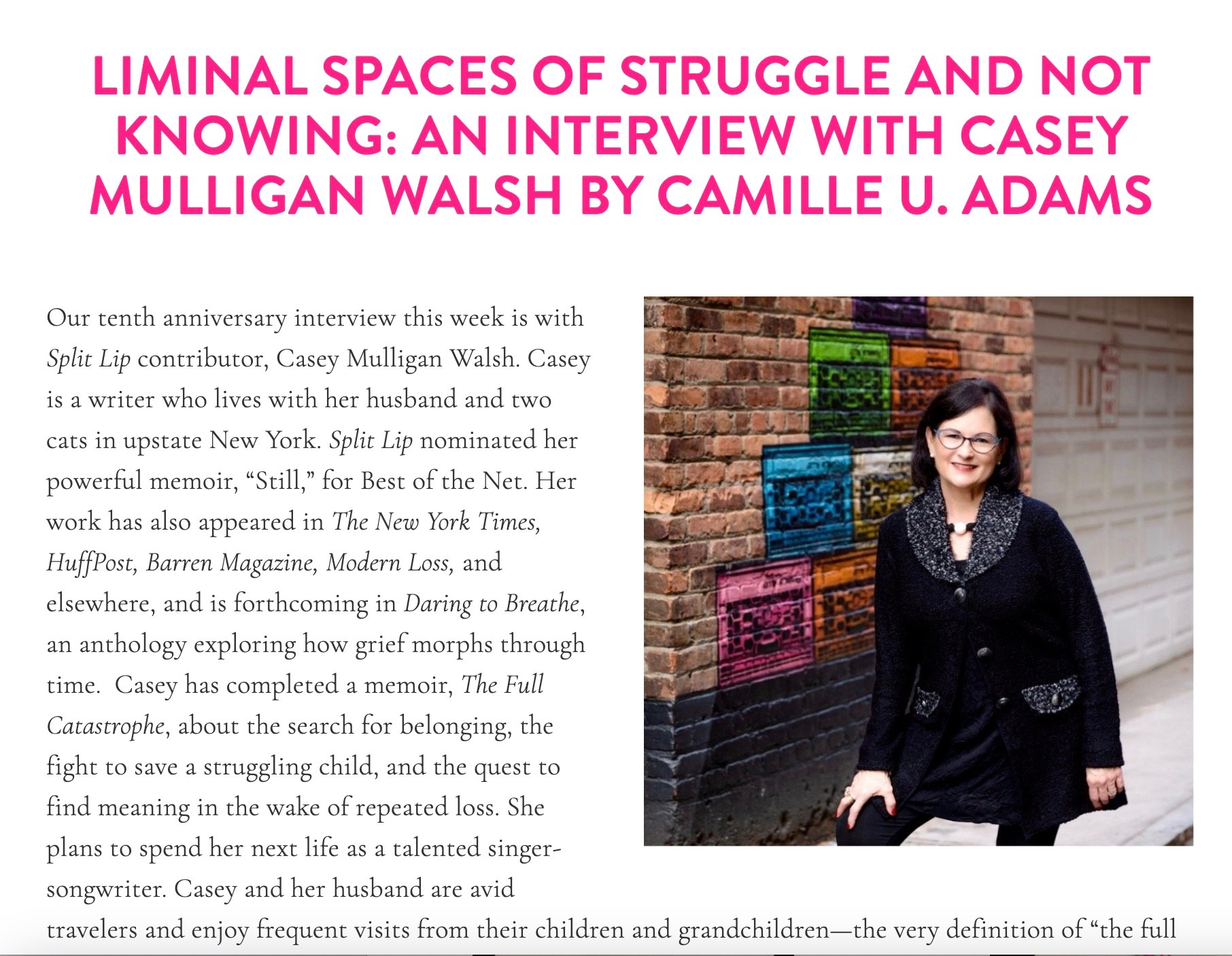
I write creative nonfiction in the form of microflash, flash, longer essays, and now a memoir, mostly about living with grief beside joy and embracing the in-between, those spaces where uncertainty rules, where we’re forced to face our biggest fears and emerge changed, hopefully for the better. I’ve had a life of repeated loss, and it’s rewarding to engage with others around these topics through my writing.
I’m proudest of the pieces I’ve written that have caused others to connect with me in a variety of ways. Hearing that my words have affected them–made them feel less alone, perhaps helped them become more empathetic to those who have struggled as parents, as partners, as folks who grieve–is the ultimate reward for the work I do.
As an advocate for awareness for the Family Heart Foundation, I also write about familial hypercholesterolemia, the genetic form of extremely high cholesterol, and Lp(a), another common yet little-known cause of early cardiovascular events. These pieces can be found at WebMD, as a first person account in Circulation: Genomic and Precision Medicine, and at the Family Heart Foundation website.
Is there mission driving your creative journey?
I’d say my mission is difficult to separate from the writing itself. As a creative nonfiction writer and memoirist, I write about the things that mean the most to me. Besides holding space for both grief and joy and navigating the in-between, these include resilience following repeated loss, PACES (positive and adverse childhood experiences), parenting through divorce, raising children who struggle in any one of a number of ways, and spirituality. I also cover topics related to cardiovascular health and genetic lipid disorders, reaching an audience that has remarkable overlap with topics of grief, as so many of these individuals have family histories like mine, that involve early deaths.
My goal is that these topics resonate with readers, allow them to feel less alone, and foster empathy in those who haven’t had similar experiences. In putting my stories—and the way I’ve come to understand them—down in writing, I am able to process how they impact the things I think, feel, and believe while hopefully inspiring others to consider their own lives in the same way.
Can you share a story from your journey that illustrates your resilience?
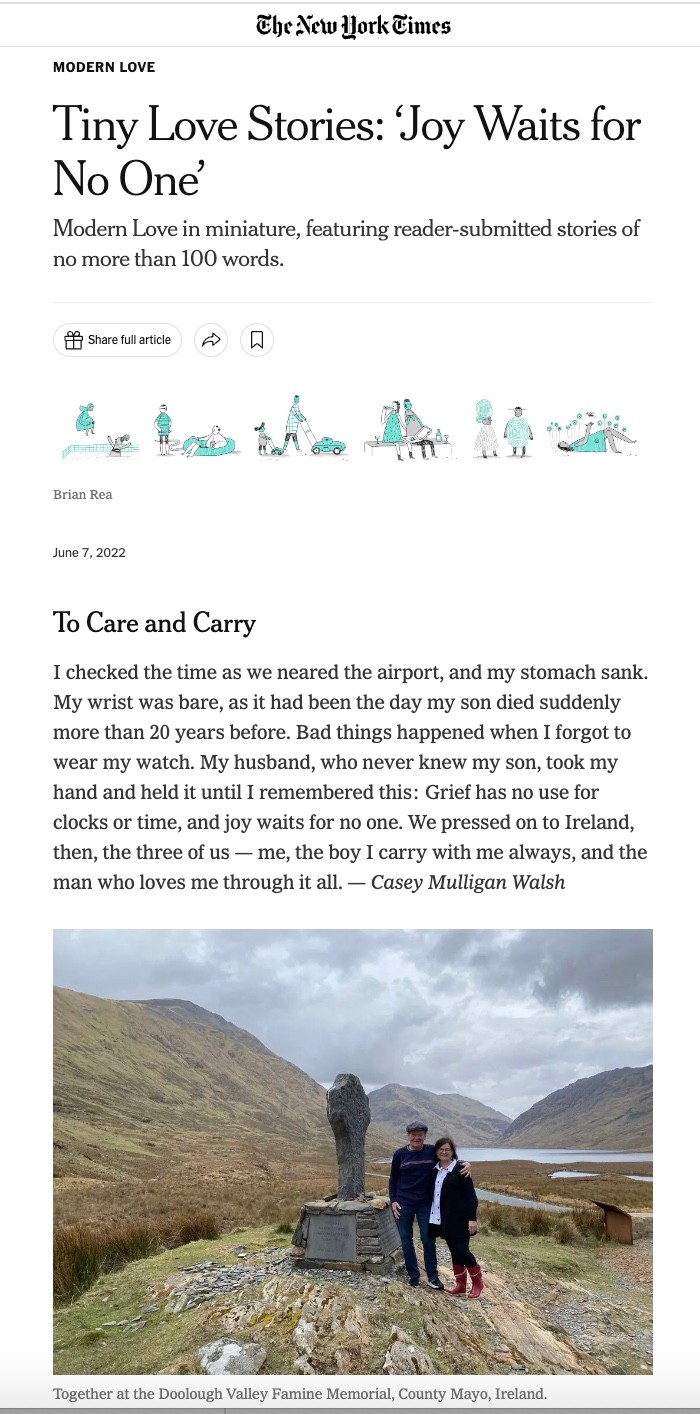
I believe the skills we cultivate in our personal lives are the ones that help and inspire us in our creative lives as well. I was orphaned at 12, lost my only sibling when I was 20, then lost my oldest child to a car crash when he was 20, just as I was going through a contentious divorce, so resilience is at the root of my story. Again and again, I had to figure out who exactly I was in the world and how I’d go on.
In my creative journey, this has also been true. Each milestone achievement—publishing my first literary piece, receiving a pitch acceptance from a mainstream outlet, finding a publisher for my memoir—has inevitably been followed by what felt like a setback. But rejection is the name of the game for writers, and recalling decades of life’s ups and downs reminds me that no path is linear. I can’t say that learning a piece that I’ve put my heart into was not accepted doesn’t disappoint me, but taking the long view, readjusting my perspective, and getting back to the work consistently provide the reset I need to keep developing my skills. Nothing worth having comes without at least some struggle; if my goal is to create work worthy of sharing with others, I understand I need to see the disappointments as simply another step on the journey to success.
Contact Info:
- Website: www.caseymulliganwalsh.com
- Instagram: @caseymulliganwalsh
- Facebook: @Casey Mulligan Walsh @Casey Mulligan Walsh, Author
- Linkedin: @Casey Mulligan Walsh
- Twitter: @cmulliganwalsh