



We caught up with the brilliant and insightful Callie Cavanaugh a few weeks ago and have shared our conversation below.
Alright, Callie thanks for taking the time to share your stories and insights with us today. Looking back at internships and apprenticeships can be interesting, because there is so much variety in people’s experiences – and often those experiences inform our own leadership style. Do you have an interesting story from that stage of your career that you can share with us?
One of the first days I worked in Orvieto, Italy when studying abroad I learned how to make pasta. I was still getting to know the other chefs in the kitchen and understanding Italian kitchen etiquette. There were four other chefs, all big Italian men. I was 5′ 6″, 110 lbs with one year of culinary school under my belt. Zero experience in an actual kitchen. I didn’t speak any Italian outside of “espresso,” “ciao,” and “birra.” Needless to say, I had no idea what I was doing and it showed. The head chef asked me to make pasta. He figured I already knew how. He told me the measurements they used for the recipe and went to do his work on the other side of the kitchen. Thankfully, I made pasta with my mom many times growing up and at least knew how to start. With a well of flour. You add liquid into the well, right? I wasn’t exactly sure, but I wasn’t about to ask the chef. Eggs were the only liquid ingredient the chef rattled off so I figured I would put eggs in and go from there. I scoured the kitchen for 30 minutes to find the eggs and cracked the first one directly into the well.
The yolk was a deep orange color and held a perfectly round shape. It was like no other egg I had seen before. The type of egg I was used to was flat with a pale yellow color. My immediate reaction was, “I screwed up.” I was convinced it was a duck, turkey, or some other foreign egg. I plotted ways I could cover up my mess in my head. Maybe I could scoop it out of the flour or throw away the whole well before the Chef found out? Before I could make my next move, he turned up, “something wrong?” There was no backing out, I had no choice but to reveal my mistake. “I’m sorry chef. I grabbed the wrong type of egg. I’ll have to start over. Where are the chicken eggs?” I was ready to get kicked out of the kitchen, lose my job, and have to move back to the states. He turned around to head back to his station and called over his shoulder, “no, this is a chicken egg.” I was amazed, yet didn’t have time to let the shock overcome so I continued my pasta. With a little help from the sous chef my first batch came out just right. After retreating home from a long day of hard work I pulled out my laptop to research different eggs. Research wasn’t enough. I thought I would find a variety of chicken eggs. Instead I discovered quail and goose eggs.
We went to the farmers market the following day. I eagerly took on the role of acquiring eggs. I talked to the farmer, as best I could, with my three words of Italian. Turns out selling eggs was his “side business,” the thing he did for fun. He only had a handful of chickens that were free to roam on his ten acres of land. He didn’t talk about the breed of chicken or anything special he did to the feed. Instead, he talked about how much he cared for them. It was as if these were his children, part of his family. It was clear this wasn’t a special kind of chicken, they were just cared for. This was my first glimpse into the power of ingredients. Not only could they transform a mediocre product into something special, they connected communities, and, if grown responsibly, contributed to the health of our planet.
The biggest lesson I learned was: nourishing food starts with quality ingredients. Sourcing high quality food distinguishes the Michelin star chefs from the run of the mill cooks. This was an essential turning point for me as a cook and on my pursuit of flavor.
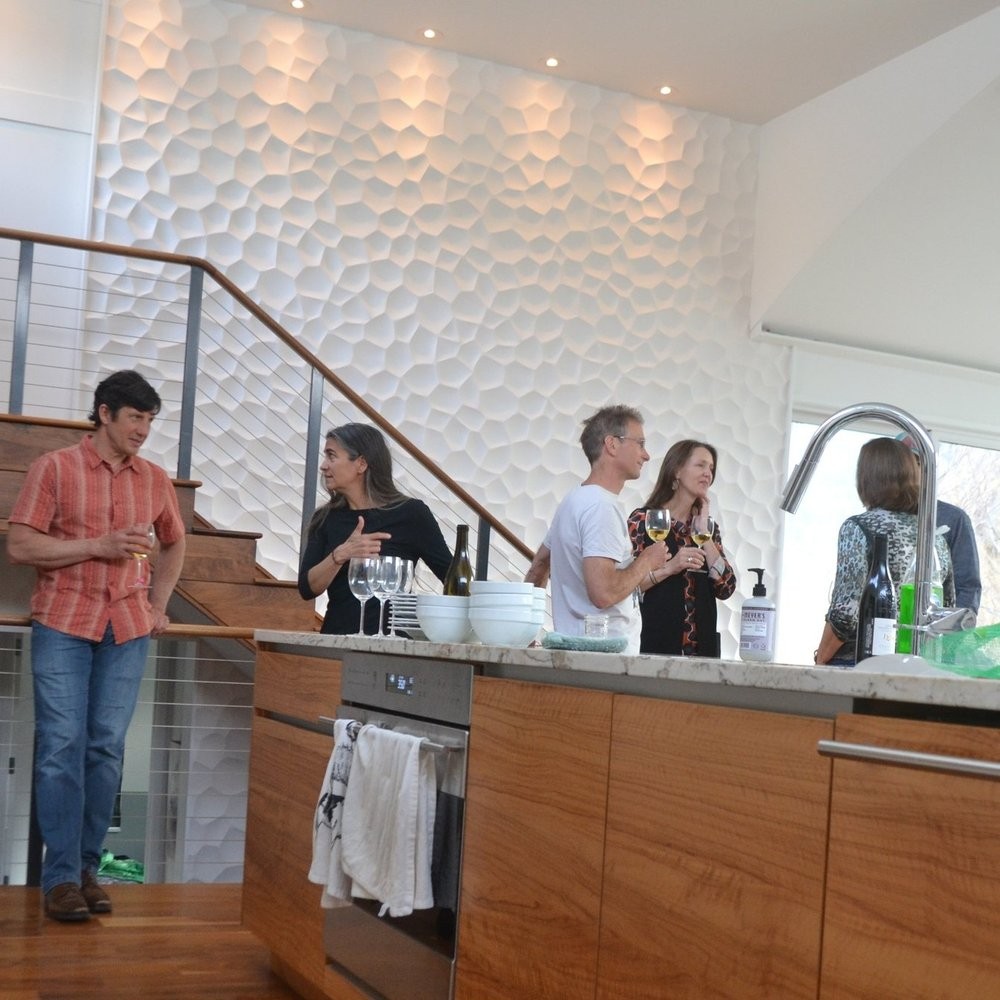
As always, we appreciate you sharing your insights and we’ve got a few more questions for you, but before we get to all of that can you take a minute to introduce yourself and give our readers some of your back background and context?
My pursuit of flavor started at the young age of 5, when I put on cooking shows for my friends and family. I went to culinary school; got a Master’s in Interaction Design; worked in restaurant kitchens, some of which were in Italy; visited farms; studied our agriculture system; and founded my own private cheffing company. My pursuit was turned on its head when I encountered health issues like a tapeworm and leaky gut. As a trained chef and interaction designer, I have spent over a decade researching the micro to macro angles from my nutrition to our food system.
I deconstructed and reconstructed how we eat to discover the recipe for daily wellness. My unique expertise in food and design has led to The Eat In Method, a whole new approach to food. This is an all encompassing, step by step playbook that redesigns our health and food system from the inside out. The Eat In Method is a science backed design that that taps into mindfulness, upcycling, intuitive eating, and more. This system saves individuals 4 hours, $150, and 5 lbs of food every week; while restoring connection and reversing disease and climate change on an international level.
It all starts with mastering our home kitchens. Once clients take the quiz to determine where they are on their food journey, I provide a variety of services from one-on-one consultations, customized group workshops, digital courses, a book (coming soon), and more.
Is there a particular goal or mission driving your creative journey?
A recent study showed Americans feel guilty about 29% of the food they eat. When presented with a piece of chocolate cake, Americans felt “Guilt,” when French felt “Celebration.”We’ve moved from food as health, connection, and joy to food as fuel, convenience, and body image. How are we so off track, when other cultures are still on? We have stopped passing down traditions in the kitchen, moving further and further from our food source. Our approach to food has catapulted illness to an all time high with obesity affecting 42%, anxiety affecting 18%, and chronic disease impacting 51% of the population. Climate change is getting worse with temperatures doubling every decade. If food waste were a country, it would be the third-largest emitter of greenhouse gas emissions. We are searching for a better, simpler way to live that keeps the health of future generations in mind.
The Eat In Method incorporates small shifts on an individual level that lead to big changes on an international level in health, connection, and climate change. Ideo, the global design company, says, “our food system is not broken, it’s working exactly as it was designed.” It’s time to redesign our approach to food, stop feeling guilt, and embrace celebration while healing the planet. It all starts with food.
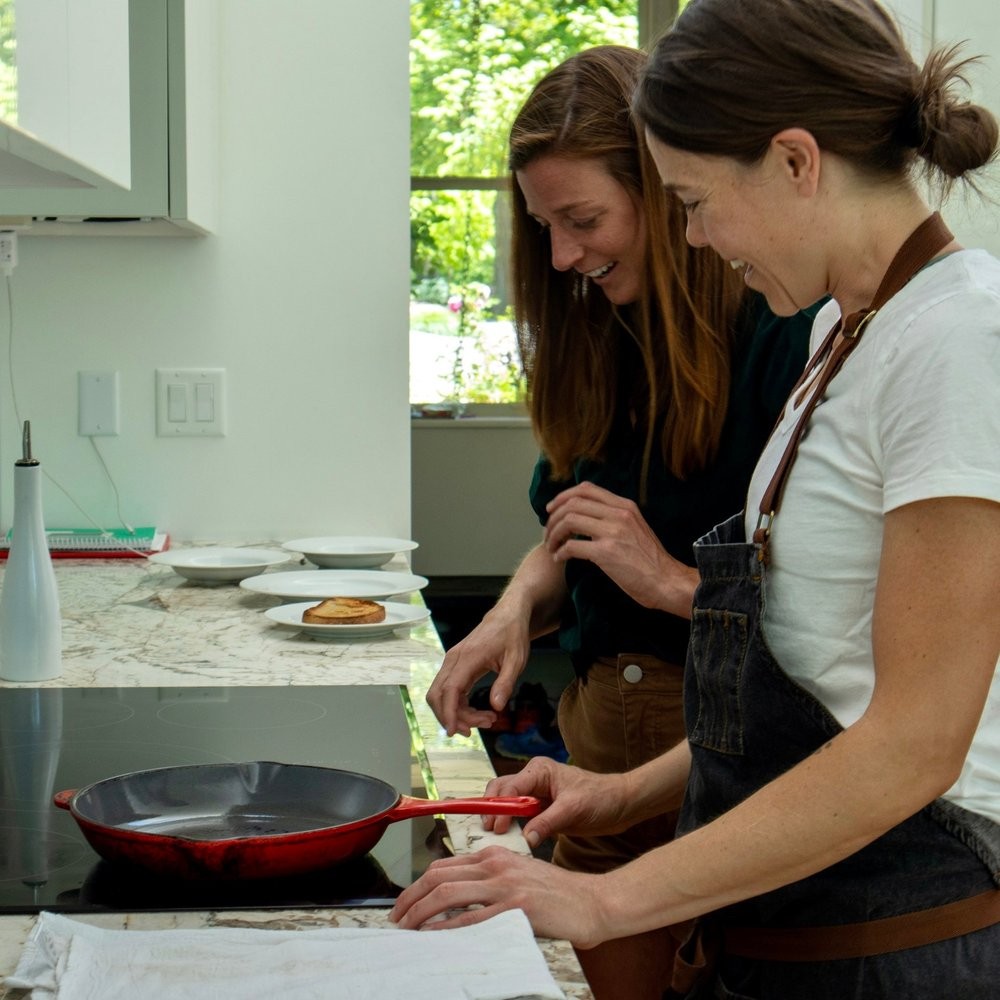
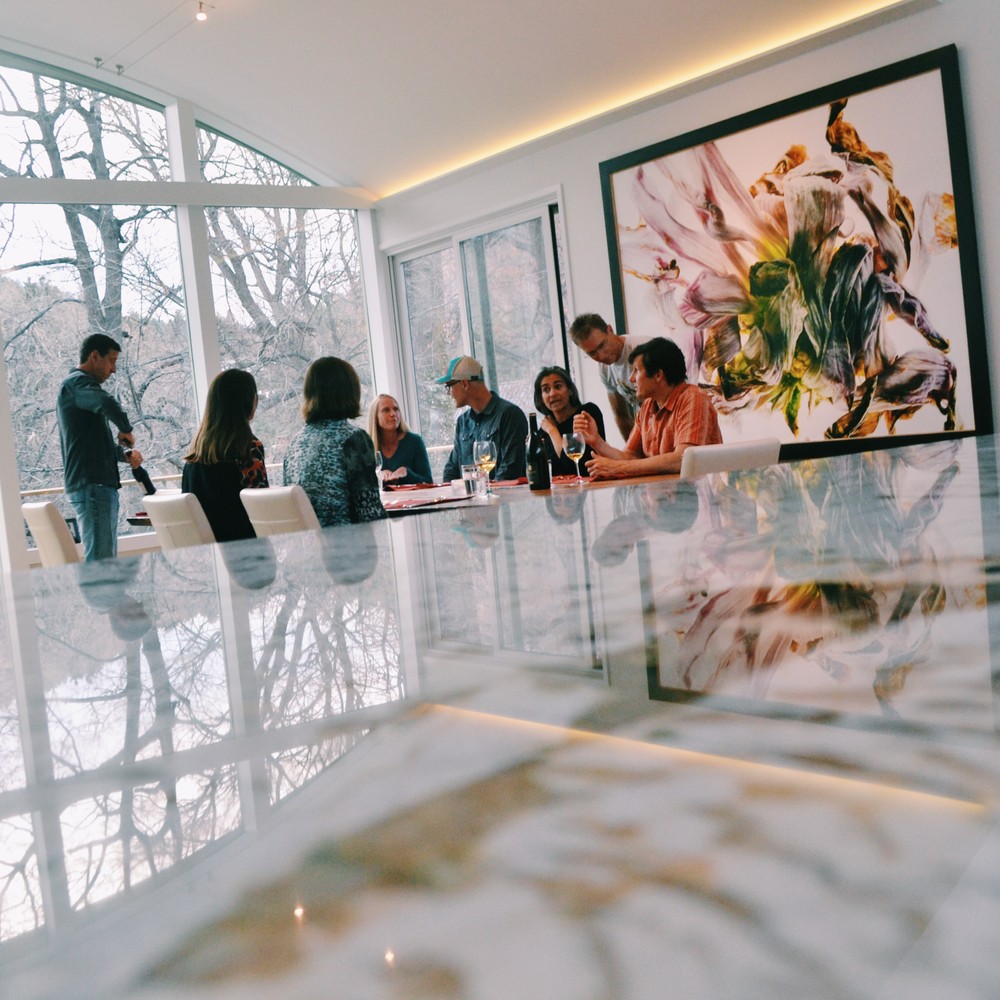
What’s a lesson you had to unlearn and what’s the backstory?
Try, try, try again. When it comes to success, failure is the key. I spent over a year thinking about my private cheffing company. Surprisingly enough, nothing happened until I stopped talking to people about my idea and took action. At first, I was afraid of failure. As I am launching a new branch of my company with digital courses, new services, and a book I’m taking steps to actively skip this lesson. It can feel challenging to go into the unknown and put yourself out there, but I assure you it’s worth it.
Contact Info:
- Website: calliecavanaugh.com
- Instagram: https://www.instagram.com/calliecavanaugh_/
- Youtube: https://www.youtube.com/channel/UC64EQzfEbT3ArOYWPq1-Qyg