

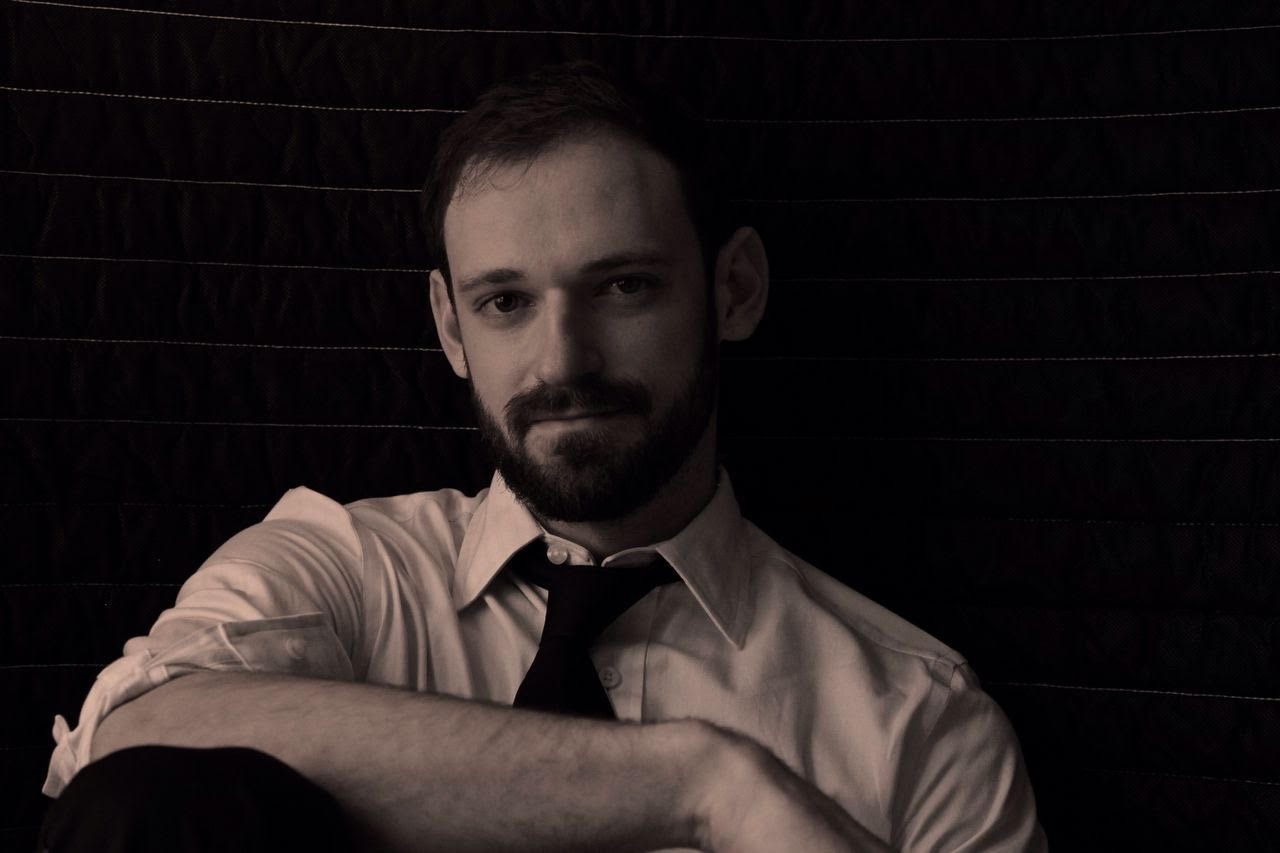

We were lucky to catch up with Mark Broe recently and have shared our conversation below.
Mark, appreciate you joining us today. We love asking folks what they would do differently if they were starting today – how they would speed up the process, etc. We’d love to hear how you would set everything up if you were to start from step 1 today
If I were starting my career over, there are three main things I would do differently to fast-track growth. First, I would choose a specialty to focus on from the beginning. In school I studied Media Production which gave me a well-rounded education in many different elements of the filmmaking process. I spent years marketing myself as someone who could shoot video, edit video, record sound, set up lights, etc. In short, I was wearing too many hats. You might think offering more services would yield more work but that is not the case. My career made a big leap forward when I went all in on one area of focus. Now I don’t do ten things decently well; I do one thing expertly.
Second, I would not be afraid to spend money on expensive film equipment. As a film professional, the tools that we need can be prohibitively expensive and it can be scary to drop thousands of dollars on gear. Now I can honestly say that the money I spent on my sound recording equipment has had the best financial return of anything i’ve invested in. Think of it as investing in yourself. Buy quality gear, take care of it, and it will pay for itself ten times over.
And lastly, I would change the way I view competing film professionals. It took me years to realize that other sound recordists were not my competition, but a resource. Be kind and respectful of your professional peers. As freelancers, we have the powerful resource of recommending other film professionals in our area to visiting producers. I get asked for referrals all the time. If you burn a bridge to get one job, you may be sacrificing years of referrals. So think of your professional peers as a network that can help you.
These are the three things I wish I understood in year one.
As always, we appreciate you sharing your insights and we’ve got a few more questions for you, but before we get to all of that can you take a minute to introduce yourself and give our readers some of your back background and context?
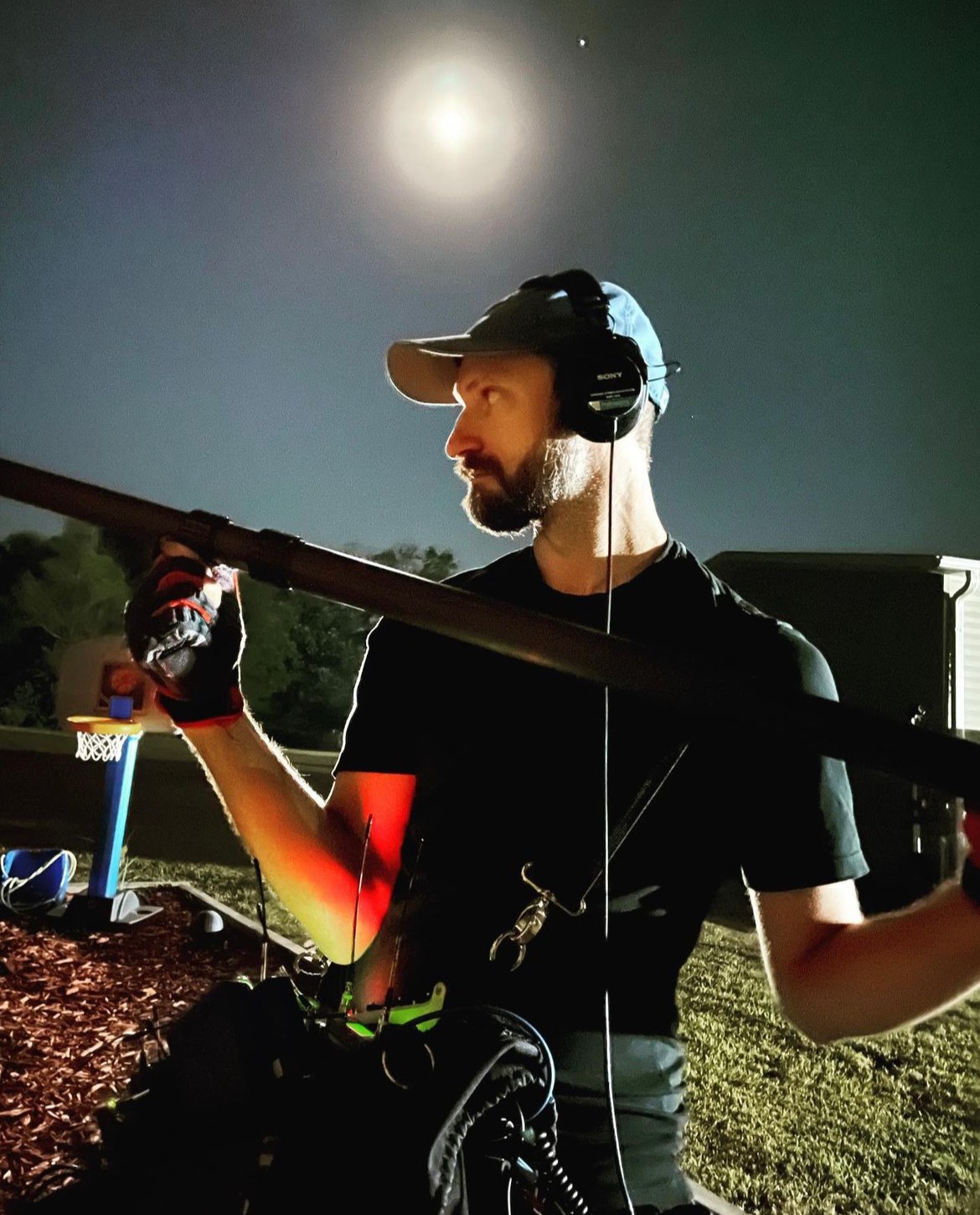
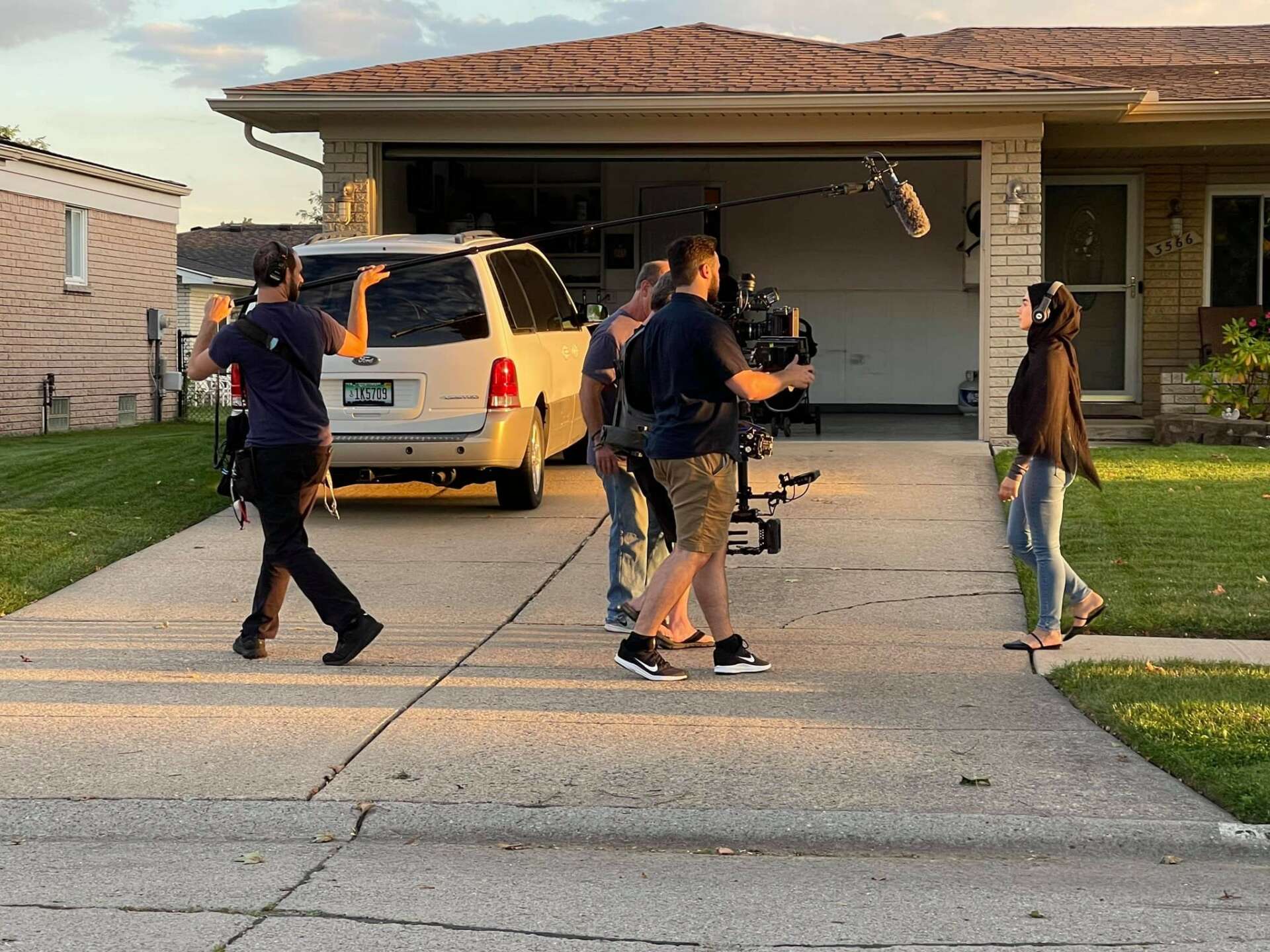
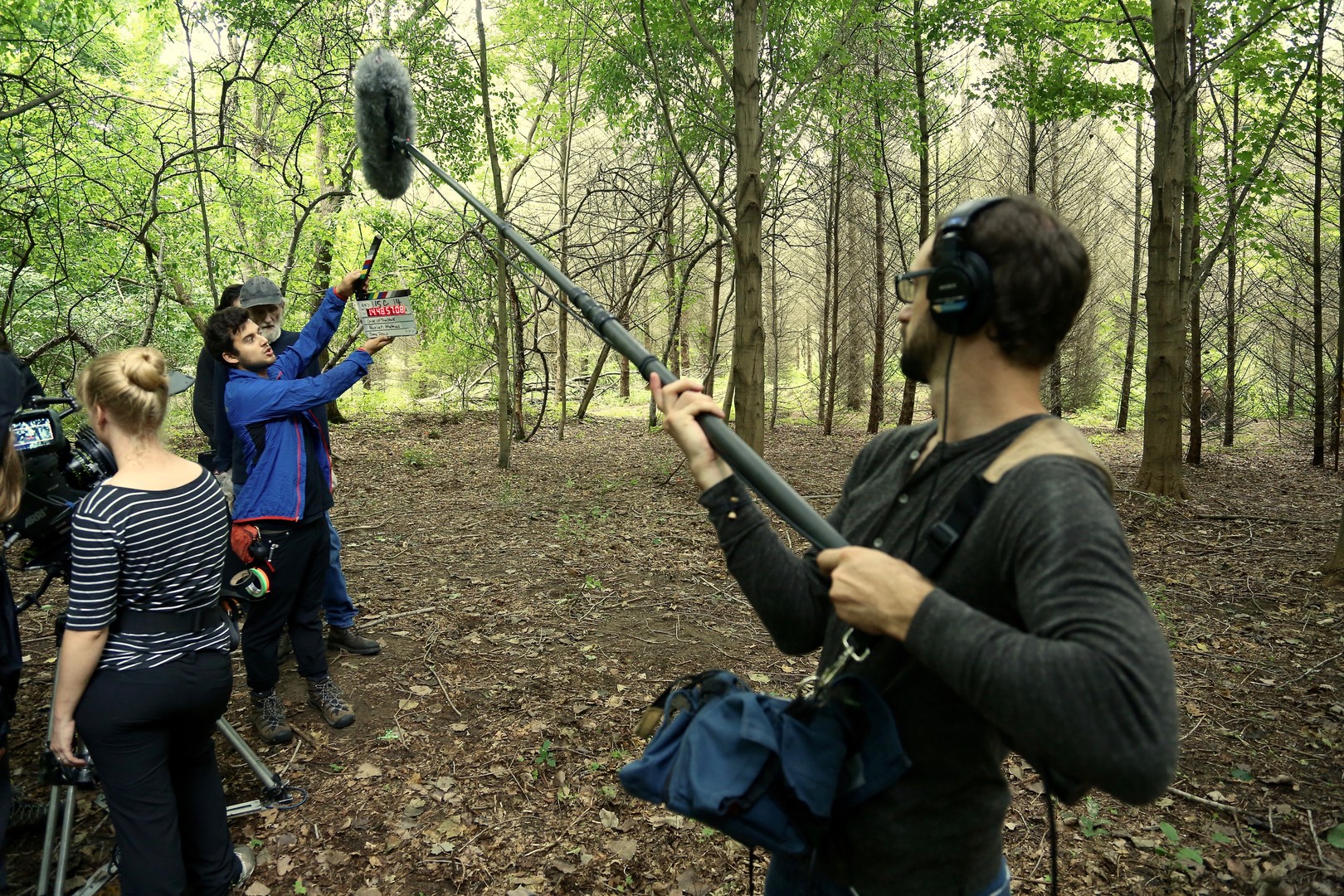
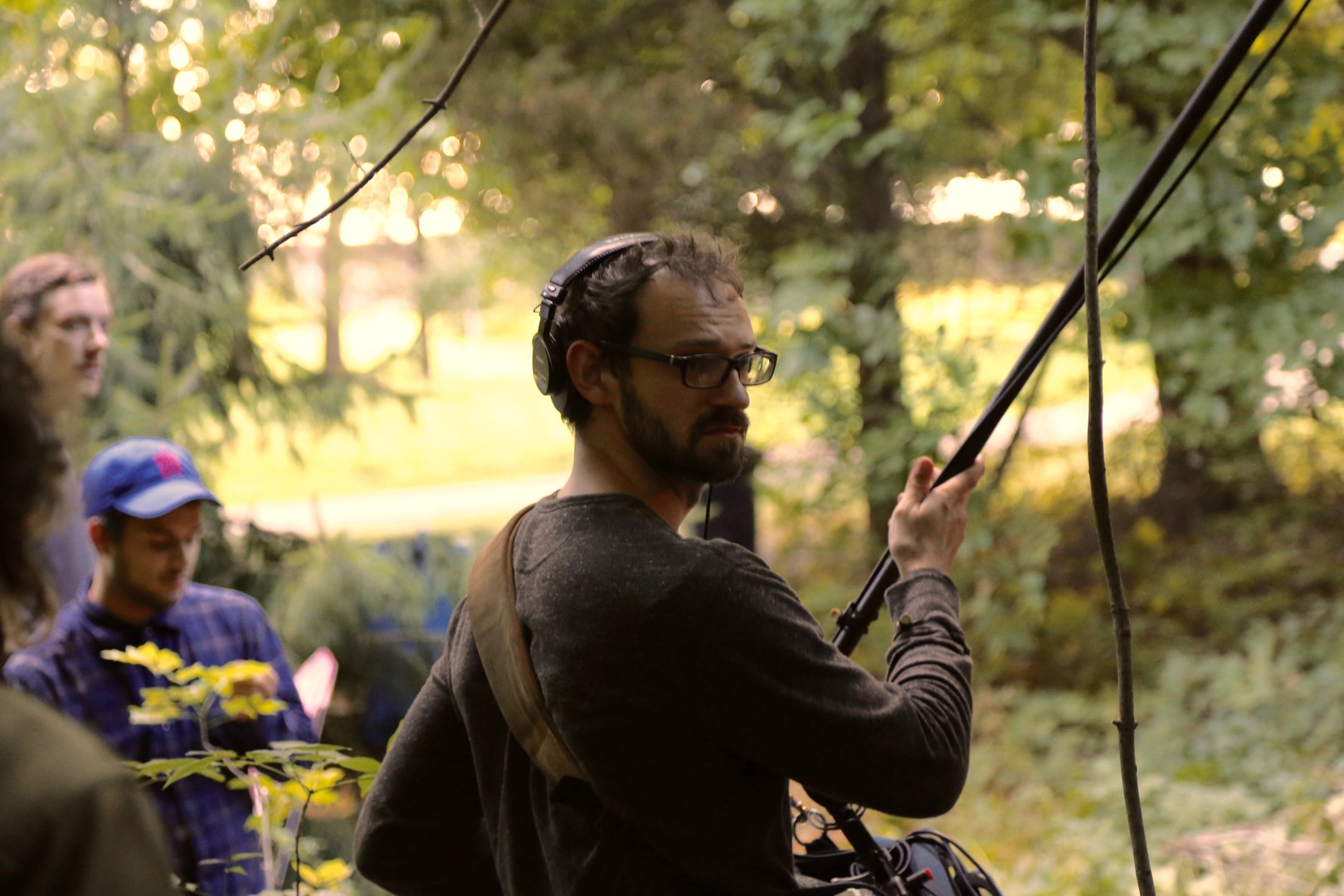
I always loved film. From an early age, I knew I wanted to work in the film industry. After studying Media Production in college, I decided to specialize in sound recording. This is an area of filmmaking that often gets overlooked and under-appreciated but industry professionals know the power and importance of high-quality sound. A lot of times, people can get relegated to one area of their field, i.e. they only do documentaries or only do film or only do commercials. But I have been able to avoid such a niche career and take on all sorts of projects from film to commercial to corporate to podcasts. Living in a medium sized city, there is not so much work in one area for me to only work on one style of media. In order to fill my calendar, I need to be able to take on all sorts of projects. As a sound recordist, my job is to collect healthy sound signals from the people, places, and things needed to tell the story. My three primary tools for doing this are my boom mic (the large microphone attached to a boom pole and wielded by a boom operator), my lavalier mics (small microphones that are usually hidden on actors/talent to record their voice), and plant mics (large or small microphones that I can hide in a location to help record the relevant sounds).
To me, the best sound recordists are advanced problem solvers. Every decent sound professional will be able to deliver beautiful sound files in a controlled environment. But rarely are you recording in a sound studio with a microphone six inches from the talent’s face. Usually there is a camera and you need to keep your microphone out of view. There are reflections and shadows and echos and planes and a multitude of other complications that will come up. So what I do as a professional sound recordist is find the best, most practical solutions to these problems that will inevitably arise on every job. The most important thing you can do is allow yourself to think creatively to solve these problems. For example, I was recording sound on a film earlier this year and we were doing a scene where an actor was not wearing a shirt. It may seem reasonable to conclude that I cannot put a lavalier microphone on him because there is no shirt to hide it, but after watching the rehearsal of the scene, I noticed the actor always had his back to the camera, so I was able to tape my microphone to his chest and the camera never saw it. So it is important to always search for possibilities that that can facilitate your work. This is something I believe to be true of many professions; those who are at the top of their field are all advanced and creative problem solvers.
Any advice for growing your clientele? What’s been most effective for you?
My most effective strategy for growing my clientele and retaining my existing clients is to be easy to work with. It may sound simple but being low maintenance can be a powerful business tool. As a sound recordist, getting quality sound is not the only thing on which I am evaluated. I want to be known as someone who does not bring drama. For example, announcing that the sound is terrible because traffic noise is too loud is not helping anything. It is better to stay solution-focused. Creating too many complications on a filmset can leave you vulnerable to being replaced on the next shoot. Be positive, professional, and easy to work with and the demand for your services will grow.
What’s a lesson you had to unlearn and what’s the backstory?
A lesson I had to unlearn was the innate belief that offering my services for less money would increase my number of job opportunities. This is a fallacy. I have heard a similar story from many other film professionals, that when they raised their rates, they started getting more business. When you’re starting out, it is natural to bid low on jobs because you’re afraid that if you ask for too much, you will lose the opportunity. The reality is that most companies that you want to work with have a healthy budget for the project they are producing and if you bid too low, they will question the quality of your work. It is better to know the standard rates for your services and ask for that compensation with confidence. When I was just starting out I got referred a job and I offered to do it for about half what I should have. This information got back to the sound professional who referred me and he yelled at me for devaluing our field of work and I deserved it. You don’t want to be known as the person who undercuts professional rates or you may find yourself without many referrals. Keep pricing integrity. Ask for your money and don’t be afraid to lose the gig. Another one always comes along.
Contact Info:
- Website: http://www.markbroe.co/
- Instagram: https://www.instagram.com/mtbro88/?hl=en
- Facebook: https://www.facebook.com/mark.broe.77/