



Alright – so today we’ve got the honor of introducing you to Alexander Lee. We think you’ll enjoy our conversation, we’ve shared it below.
Alexander, thanks for taking the time to share your stories with us today Let’s jump right into the heart of things. Outsiders often think businesses or industries have much larger profit margins than they actually do – the reason is that outsiders are often unaware of the biggest challenges to profitability in various industries – what’s the biggest challenge to profitability in your industry?
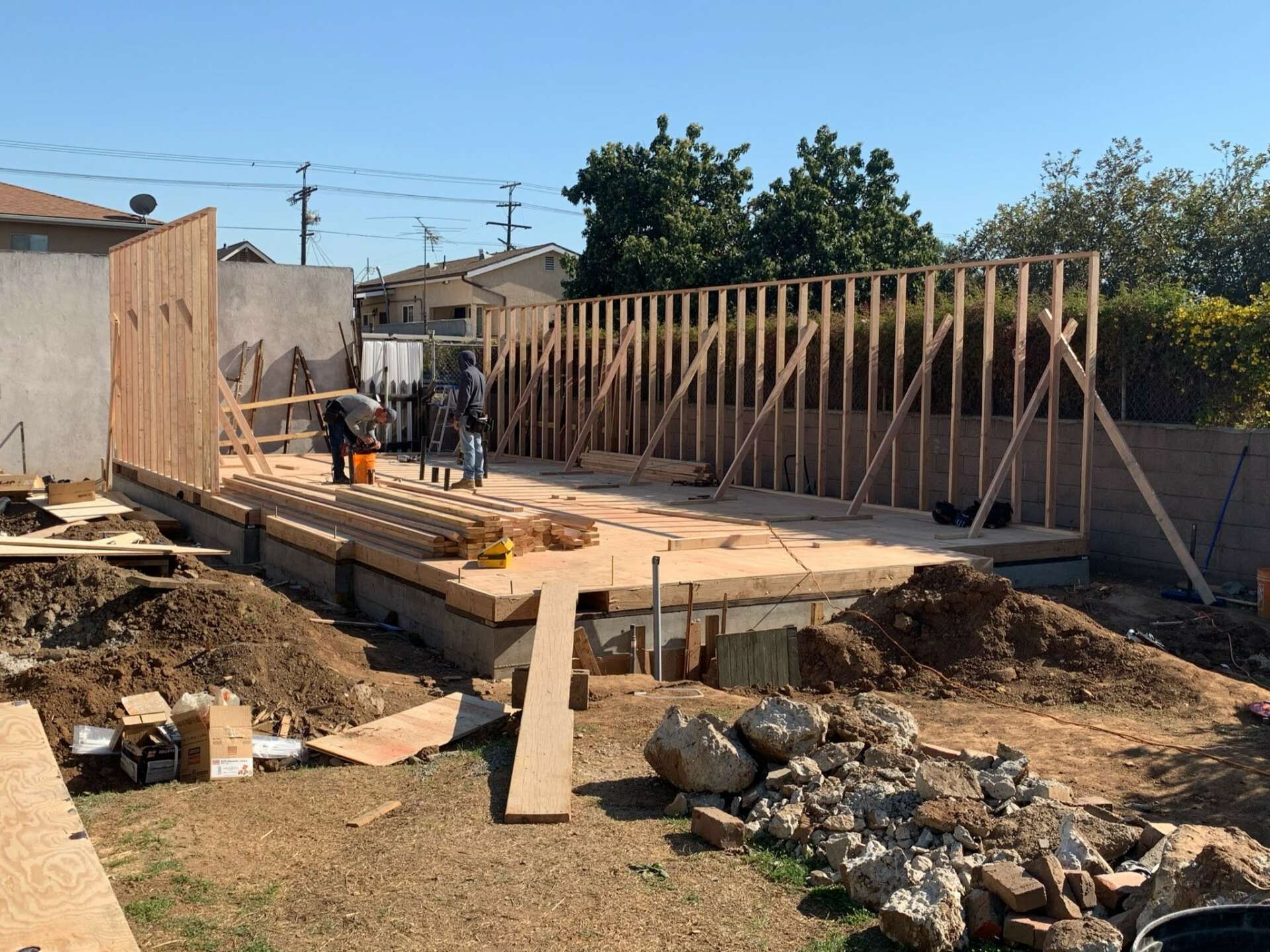
When we are talking about construction and real estate, we hear stories about the large amounts of money that can be involved. In the decades from the early to late 20th century, it was possible to construct large numbers of homes in part because pricing was less but also regulations were less. Today most professions have some kind of licensure or some kind of protection against allowing people to perform those activities on behalf of others. (Programming remains a big exception so far). For example, you can represent yourself in court but you aren’t allowed to represent others without being a licensed lawyer. You can practice medicine on yourself (no law against that) but you aren’t allowed practice medicine on other people without being a licensed doctor. You can design your own home but you aren’t allowed to do and get drawings approved for others without being a licensed architect. You can hire subs to do build your own home but you aren’t allowed to build someone else’s home (and so on). Licenses help keep the level of professionalism higher (in theory, and to some degree) but over regulation prohibits people from doing what they need to do. For example, when looking at the zoning regulations that frame what can be built for a specific lot, the amount of regulations for zoning including special ordinances, special zones and various conditional restrictions has made the process of construction approval expensive. In the 1980s it was possible to get an approval within a week or a few days. Now, it can take years. If you are a developer whose business requires loans, if your timing is wrong, you may end up paying interest on construction that you can’t otherwise even start. For example, getting urban forestry to permit construction can take years if you have protected plants on your lot. If you don’t start cataloging them properly and addressing the plants right away, by the time you get your permit approved, years later, other plants may have taken hold while you were waiting, delaying your activities even further. Its true that some regulations help structure the business in order to keep standards known and enforced, which is a good thing. Too many regulations will hamper business especially as now, different departments will pass different regulations that can prove to be contradictory.

Great, appreciate you sharing that with us. Before we ask you to share more of your insights, can you take a moment to introduce yourself and how you got to where you are today to our readers.
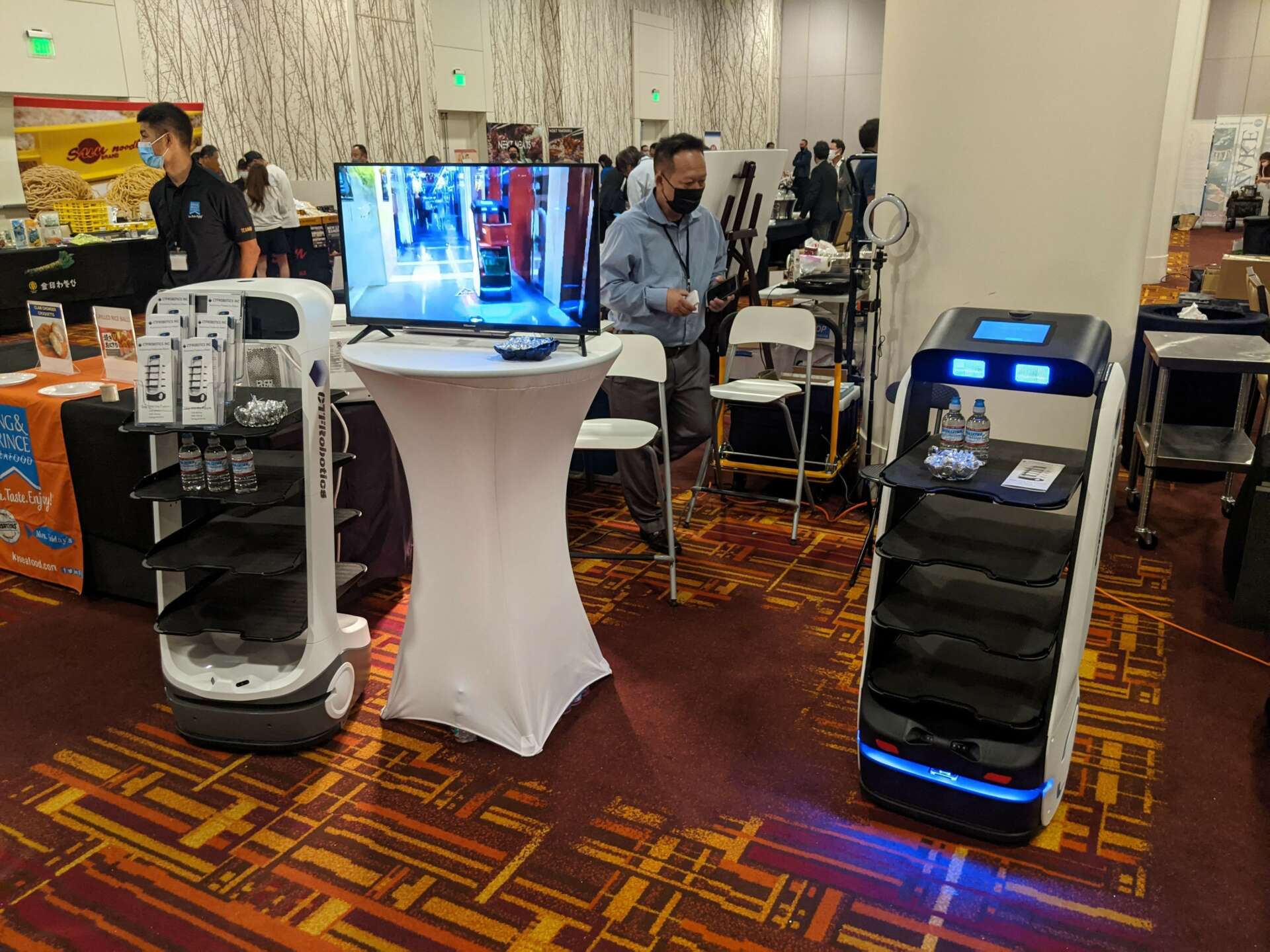
I started in the mortgage banking industry working as a part time IT support. From there I ended up doing underwriting for mortgages and getting a real estate brokers and mortgage license. I worked for a while doing underwriting and helping with the venture capital side of the company. From there I decided that business was more interesting than a job. I decided to try and find interesting things to do with my time instead of working for someone else. I have branched into ADA (Americans with Disabilities Act) consulting for commercial property (helping business properties become compliant for individuals with disabilities). I wrote some apps to assist with doing these kinds of property inspections. Our internal technology tools speed up the reports from taking half a day (or more) to just an hour or two. From there I have also used that computer ability along with some data analysis (tools that data scientists use) in order to supplement some real estate work. Over covid, since business had slowed, I joined a robotics start up (doing in-door delivery and cleaning robots) since much of the technological infrastructure used by apps and cloud computing, at least at the surface level, looks similar to how the technology of robots work. While I have done a variety of different kinds of work most of these remain connected because of the real estate or technology connection. I’ve found that approaching industries laterally can provide much more of an entry than doing so directly. As I learn new things, the new knowledge I acquire helps to provide further foundation for growth even if growth doesn’t happen linearly. For example, the ADA compliance angle like the robotics angle is extremely rare, so it gets me in doors that being a real estate broker won’t. Likewise, being a real estate broker opens different doors for ADA compliance or robotics.
Learning and unlearning are both critical parts of growth – can you share a story of a time when you had to unlearn a lesson?
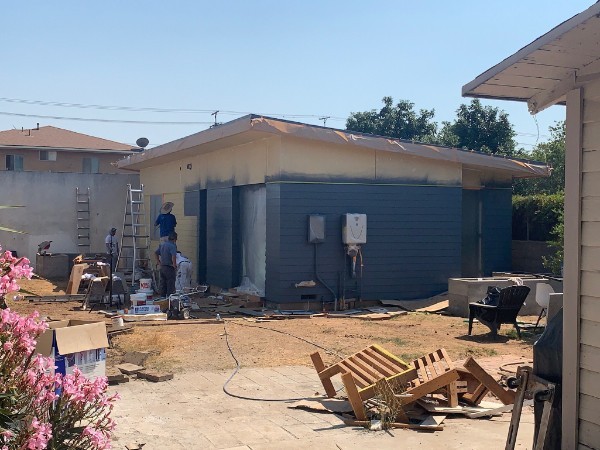
One of the things that I learned from venture capital was that the numbers had to make sense. The profit margin had to be there. For both robotics and ADA compliance, the numbers make sense. For the ADA cost of being out of compliance is much higher than the cost of inspections, and even the cost of fixing any items. For robotics, our robots are for hospital/hospitality/healthcare delivery or for floor care. While the robots cannot replace a human as a human can do many varied tasks more than a robot for the tasks a robot can perform, they are far more efficient than a human. (A floor care unit can clean up to 27,000 sq feet in an hour but it can’t clean under tables. Likewise a food delivery robot can deliver non-stop for hours but cannot talk with clients to help them get more water, or to fix a wrong order.) When I was being mentored in venture capital my mentor focused on the numbers. He had so many possible clients that he was often out of the country visiting different factories or businesses. He always focused on the financial sense. What I had to unlearn in business was that numbers isn’t the final say. In the two industries mentioned above, both are valuable services that can save a business lots of money (either in terms of liability and accessibility or in terms of efficiency and saving labor cost). The major resistance to growing either business generally came from human resistance. For ADA compliance, people didn’t emotionally understand why they needed it (perhaps they assumed erroneously that ADA was covered by building departments (it is not), or that disabled people don’t really exist as customers. For robotics, people generally understood how it could save them money but either they were uncomfortable with having a robot (they weren’t sure they could figure out how to use it) or they didn’t want to change how they understood how to run their business by introducing a robot. Like building a house, financial sense is only the start of it. People have to be emotionally onboard otherwise your business won’t take off. ADA compliance is hard for people to feel emotionally connected to, unless they themselves or one of their loved ones are disabled. Robotics is equally hard — although people love to interact with robots — as a business most people don’t seem prepared yet to accept automation over telling a human what to do… even if automation promises to be less of an HR headache in the long run.
Can you share a story from your journey that illustrates your resilience?
When I started the ADA inspection business in the late 2000s I knew that the money wasn’t in doing inspections although at the time the service was so rare it was 3 fold what it costs now to do the work. I thought automation was the key, so I decided to create a program to do the work. This was 2009, so apps were not as big a thing as they are now. At first we wanted to use a windows tablet, which would cost about $4k and have an hour long battery life. At some point I realized that we probably should sell the computers too if we wanted to make money, as the computers cost more than what our program would. But then I realized that it would make more sense to make the inspection as an app. Hiring an app developer at that time cost a great deal more than it does now, so I decided to do it myself. At the time I worked evenings going to networking events for the ADA inspection business. During the day I worked at the mortgage office doing IT support and underwriting. At night I tried to learn java to program the prototype app. I made the first prototype after 1 month. Working like this was a mistake though. I was driven enough to do it, but there were times where I ended up foregoing sleep entirely. I think in about 2 months the average amount of sleep I got per week was about 30 hrs. This led to plenty of health problems shortly after, as I was living off coffee and energy drinks. I would not recommend doing this, having an idea and bringing it to fruition is exciting, it is not worth your health. I lost a year later on as I recovered from this impulsive productivity.
Contact Info:
- Website: https://ctfrobotics.com
- Linkedin: https://www.linkedin.com/in/alexander-lee-08/
- Other: https://accessolutionllc.com/