

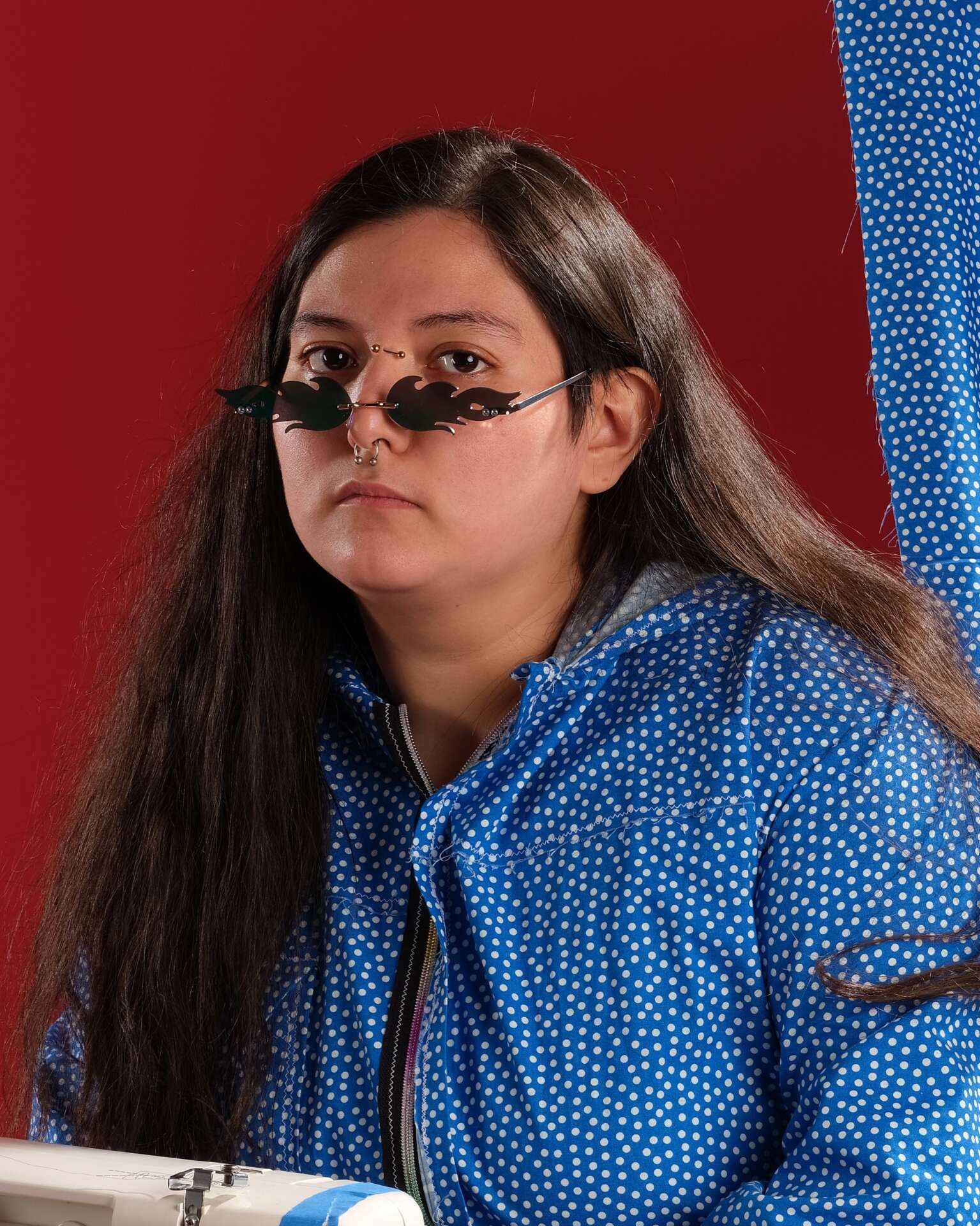

We were lucky to catch up with Marissa Baez recently and have shared our conversation below.
Alright, Marissa thanks for taking the time to share your stories and insights with us today. Are you happier as a creative? Do you sometimes think about what it would be like to just have a regular job? Can you talk to us about how you think through these emotions?
I think it is important that I mention a bit more of the reality of being an artist/creator. Not every artist can rely on their artwork as a source of income. I know many artists that work a 9 to 5 job because it provides stability and benefits. These types of jobs allow them to pay for supplies, studio space, and open call application fees. I am fortunate that I work at a research institution, where I have access to space, equipment, and gallery rooms. I do consider teaching to be a regular job. It may not be the typical office job, but it is a common profession. I use my free time for my artwork and research.
Great, appreciate you sharing that with us. Before we ask you to share more of your insights, can you take a moment to introduce yourself and how you got to where you are today to our readers.
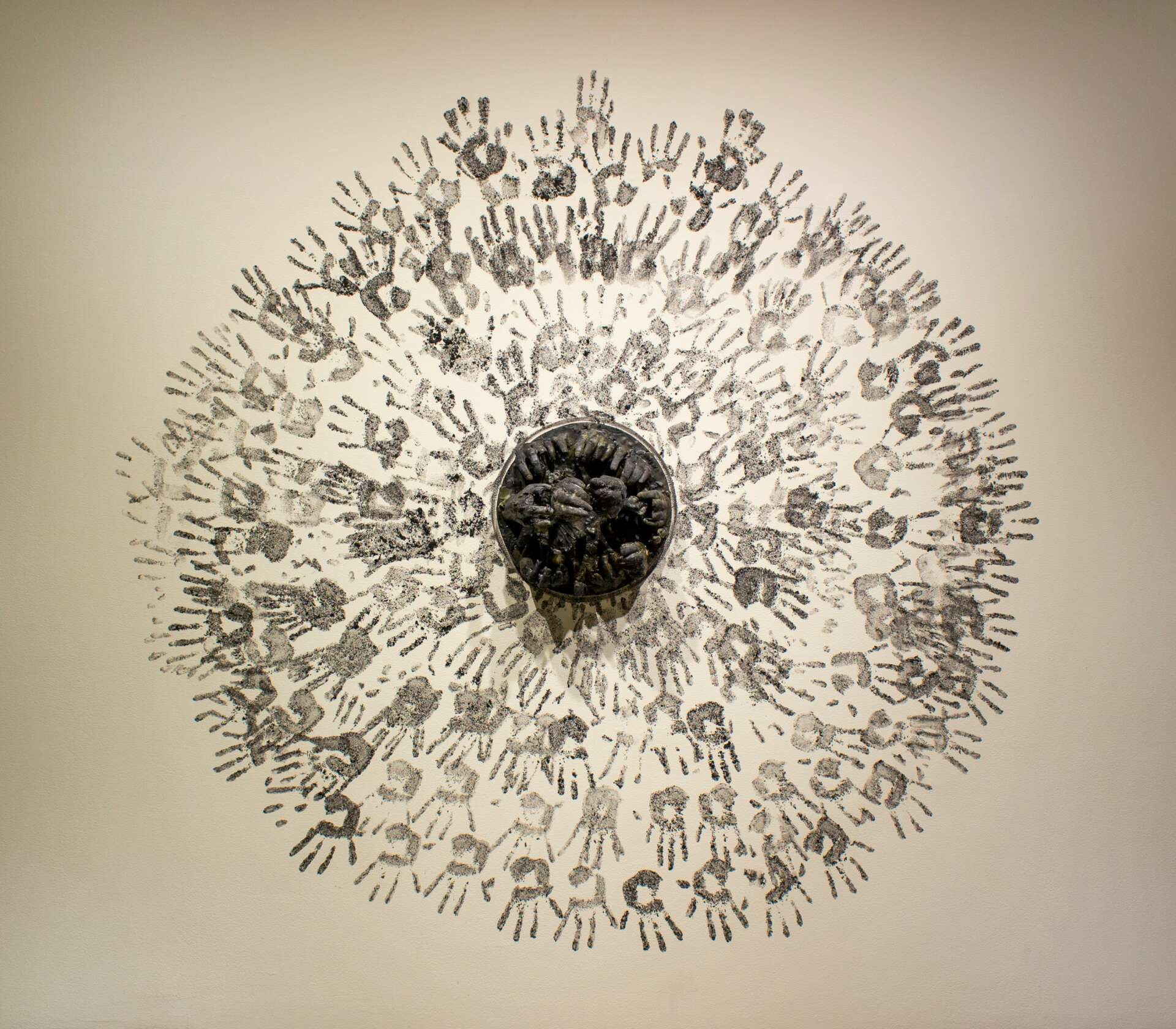
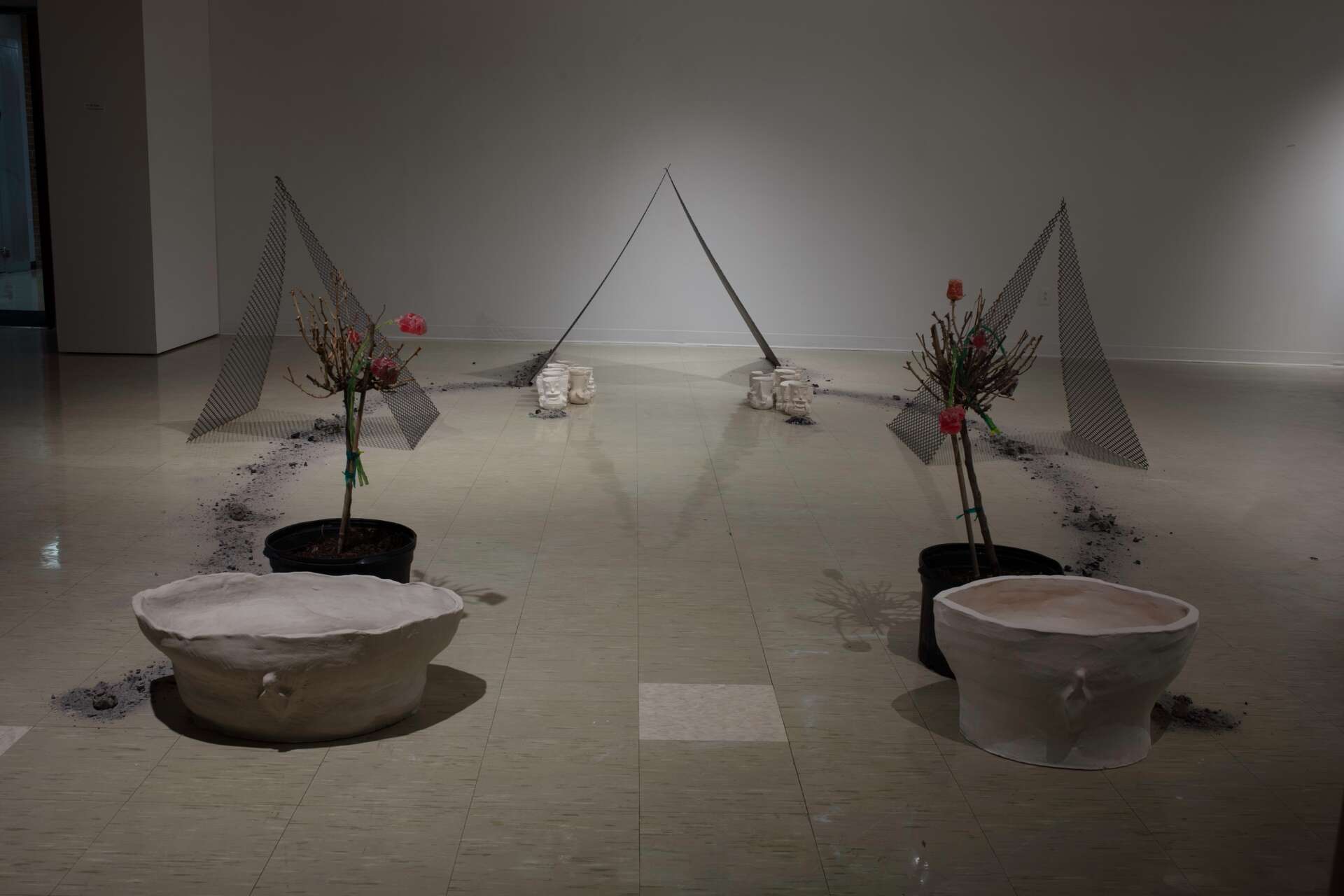
The universities I attended allowed me to have access to the environment I am currently involved in. After I graduated I attended the Chautauqua artist residency where I was able to break away from the academic structure and pressures. After that, I learned to take time for myself and recharge. I learned to accept that I do not need to be constantly making things. This year I had time to reflect and plan out my projects. My work is heavily research-oriented. I am tackling heavy subjects revolving around decolonization, and history. The histories I bring into my performances, sound experiments, and sculptures hold connections to past and current events in Texas, my ancestry. and our current political climate. When people look at my artwork I want them to investigate, not just the artwork but into themselves. I want people to look into their own ancestry and learn their family history. I am continuously navigating my ancestral background and I come across a path full of patches. The effects of colonization are very much present in our society today. I may never know the exact indigenous group where my grandmother’s spiritual practices came from, but I am never going to give up. I hope none of you do too if you chose to look into your family’s past.
Are there any books, videos, essays or other resources that have significantly impacted your management and entrepreneurial thinking and philosophy?
A book that has inspired a lot of my creative works is The Injustice Never Leaves You: Anti-Mexican Violence in Texas by Monica Munoz Martinez. This book incorporates oral histories disclosing violence enacted on Mexican families that have been buried and overlooked in the Texas education system. Another person who motivated me to investigate this history is Dr. Eloisa Tamez(Lipan Apache elder) and Dr. Rosalva Resendiz who created a documentary on Dr. Tamez. called El Muro(The Wall).
An artist that has significantly impacted my work would be Ana Mendieta. Mendieta is a Cuban-American artist, whose work covered a lot of topics, ranging from violence enacted on women, to navigating being ripped away from her home. Every time I look back at her work I always learn something new.
We’d love to hear a story of resilience from your journey.
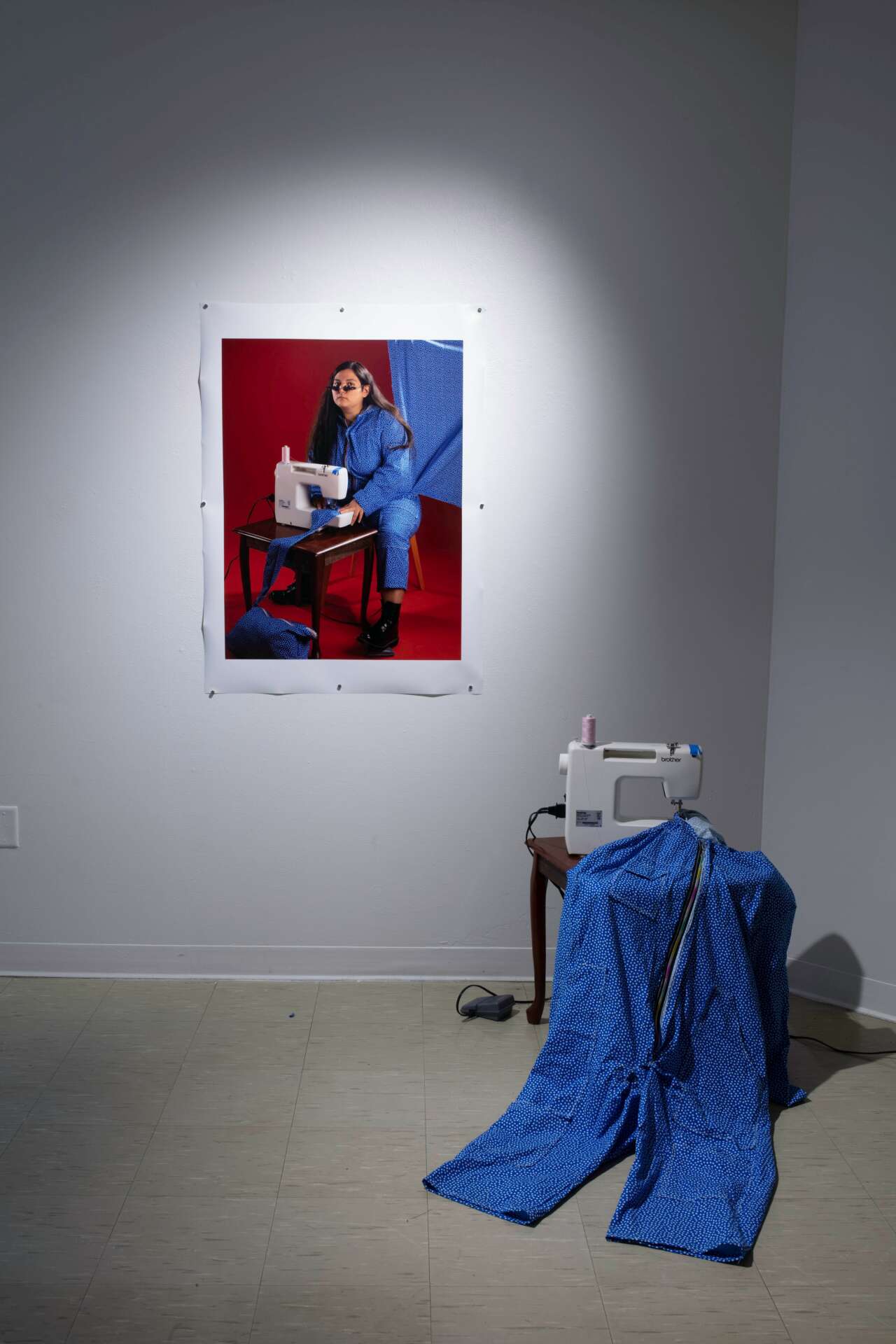
When the pandemic was in the second semester of my Master’s program. This happened around my spring break, once the break ended all of us lost access to the studio. Then many people I knew passed away within the next year and it was difficult to focus as the year progressed. I used my time in quarantine to figure out ways of working outside of the studio. I came up with a series called Things I am Not Supposed To Do On My Front Porch. I was inspired by my grandfather who was forced to sleep on the front porch as a child. He did not have access to toys or anything to play with so he would just play with sticks. Instead of worrying about the space, I lost access to I thought of my grandfather who had nothing. The performances I made pushed me into the mindset that I can make something out of nothing. I used items I had access to in my performances and relied on social media platforms to share my work. Eventually, studio access was given back to us but everything was not completely open. My thesis show could only be seen through social media unless you were a student or professor. I tried to make work more accessible by putting it online and live streaming my performances.
Contact Info:
- Website: https://marissabaez.net/
- Instagram: https://www.instagram.com/marissabaezart/
- Youtube: https://youtu.be/5rtBb42hOZ
Image Credits
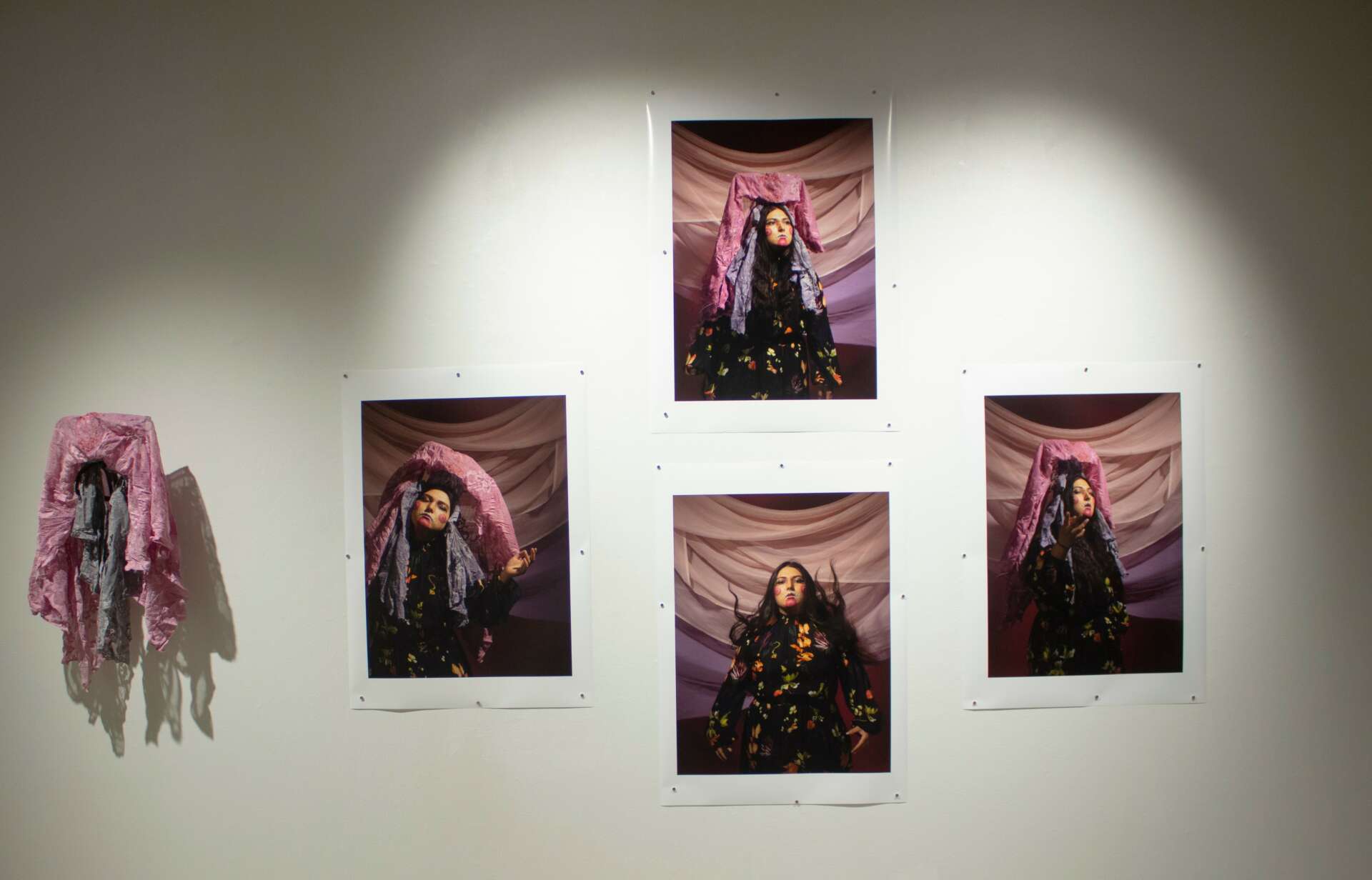
The last image with the expanded metal triangles was taken by Andrew Castaneda The Red, white and blue self-portrait was taken in collaboration with Kaichen Wang( Andrew took the image of the installation) Andrew Castaneda took images of the four self-portraits installation. (I took the images printed on the wall) The handprint circle mural was taken by HUB Galleries.