

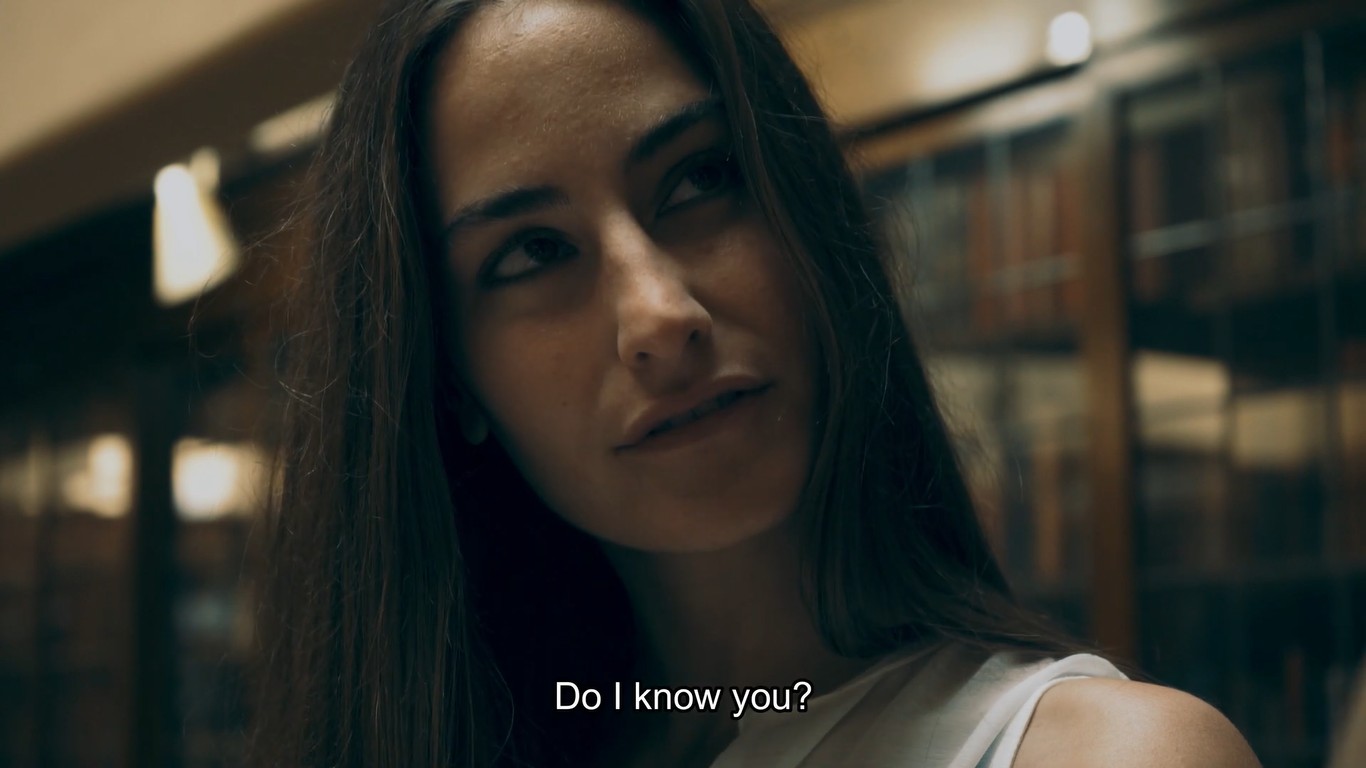

We recently connected with Sarah Hindi and have shared our conversation below.
Sarah, looking forward to hearing all of your stories today. Can you tell us about a time that your work has been misunderstood? Why do you think it happened and did any interesting insights emerge from the experience?
Being Lebanese, I always felt I was at the crossing of civilizations and with it came a patchwork identity. I was raised in an Arab country but went to a French school, one of the many legacies the French left the country as Lebanon was a French protectorate in the 1900’s, and studied at an American university. To the Lebanese people, I was a foreigner. They would point out my French accent and sometimes frown upon my liberated behaviors, outfits and ideas. When I lived in Paris, The French saw me as Arab, although my French was fluent, my accent and views were slightly off and they could tell I wasn’t from there. In Los Angeles, they didn’t know how to place me at all. An unknown specimen, an unheard tongue.
Although I loved to think of this multicultural identity as a boundless strength and richness in my life, it seemed to be a hinder to my art. The outskirts of my identity didn’t fit the solid box of well fitted local roles. I often got boxed in stereotypical roles of the Arab or the foreigner. I am glad to see the industry is opening up to more diversity, because after all, this is the new reality of the world we live in and films are but a mere projection of it.
I, of course, always aim to work on my accents and better myself, it is part of the actor’s toolkit, but I also hope never to abide by conformity and aim to represent all the wonderfully complex and hybrid identities of today’s world.
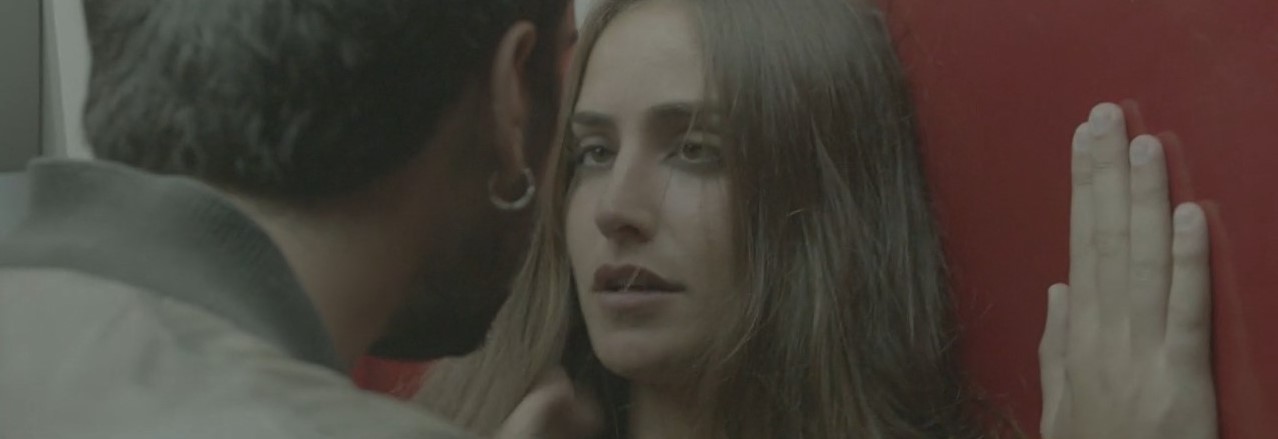
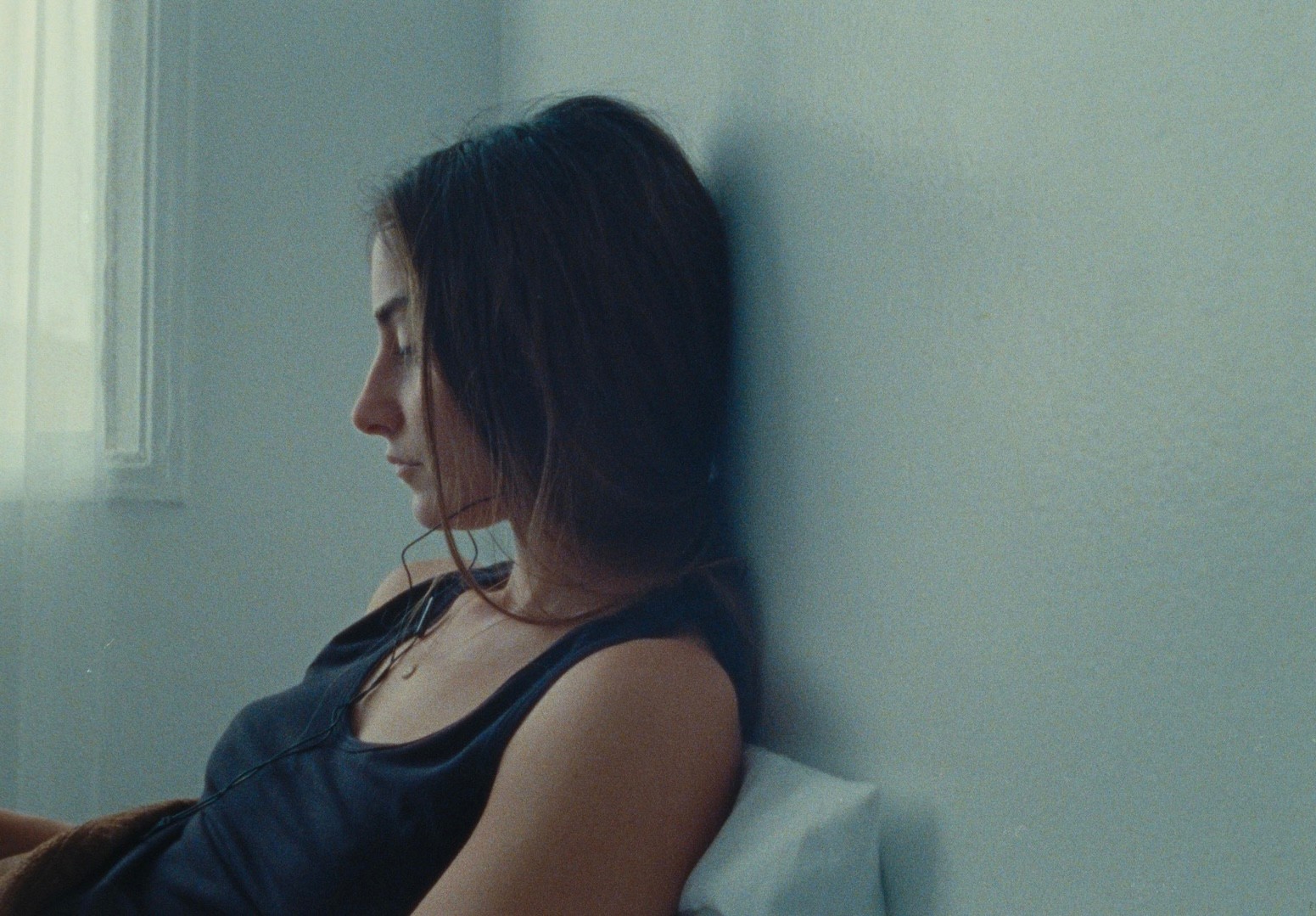
Great, appreciate you sharing that with us. Before we ask you to share more of your insights, can you take a moment to introduce yourself and how you got to where you are today to our readers.
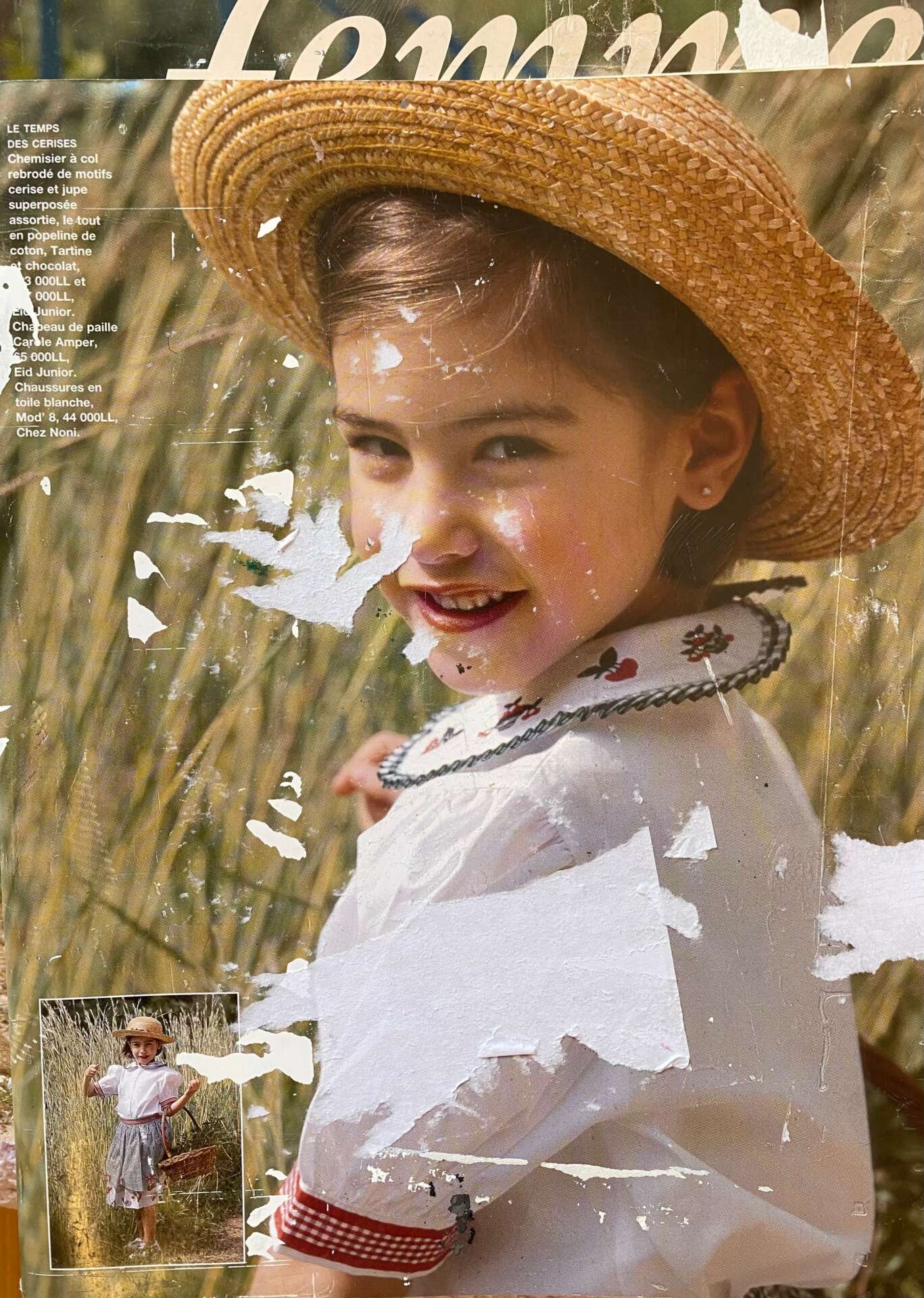
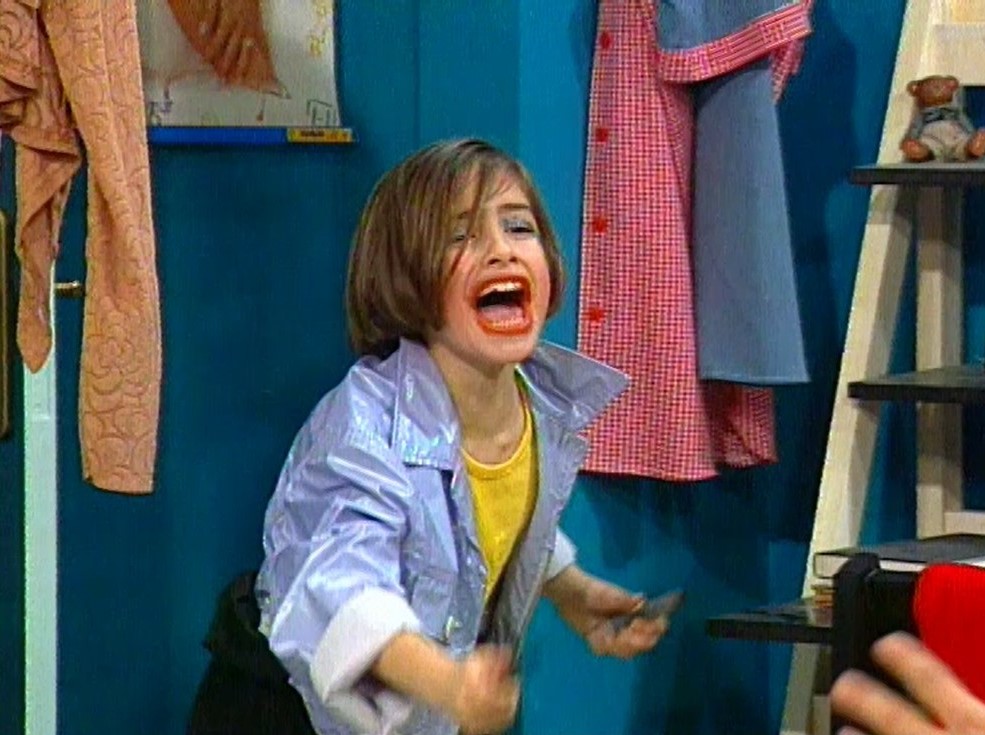
Acting was a part of my life before I was even conscious of it. It was my father’s dream for me, a dream he relentlessly pursued until I was old enough to take the reins. He used to drag me to auditions all around town and vent about my then unknown merits to the crowds. I shot my first commercial when I was one-year-old. By the time I was 12, I had been on the most popular sitcom on national TV in the nineties, part of a famous Kid’s band on TV and in more than 15 commercials.
Growing into my teenage years, my relationship with my dad fell apart. I was afraid I couldn’t fulfill his growing expectations and so and I took a step back from acting. I moved to Paris and went through a whole bunch of unrelated studies including two masters in Audiovisual law and economics. I tried to repress this calling, but the desire to act kept resurfacing, like oil on water. After 5 years kick starting a career in film distribution in Paris, I moved back to Lebanon and enrolled in a theater workshop. This is where I reconnected with the craft and found deep healing in it. Characters are essentially flawed and so are humans. Acting helped me understand why we act the way we do. My sensitivity that was a hindrance in this cut throat world bloomed into my strongest suit, and so I reconciled with my emotions and eventually my father.
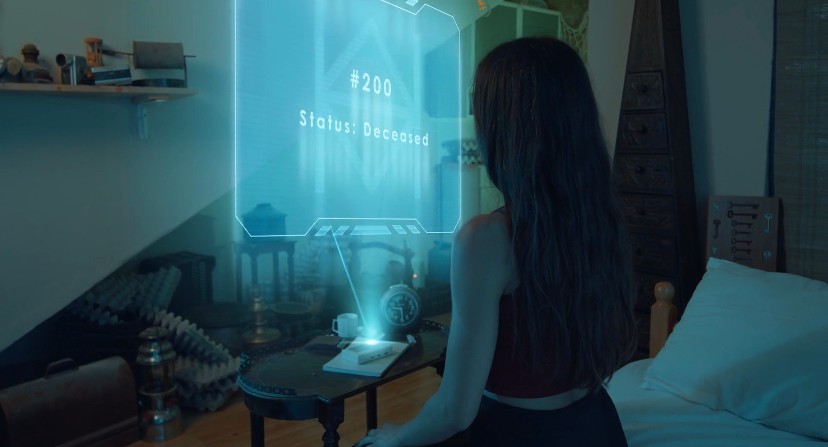
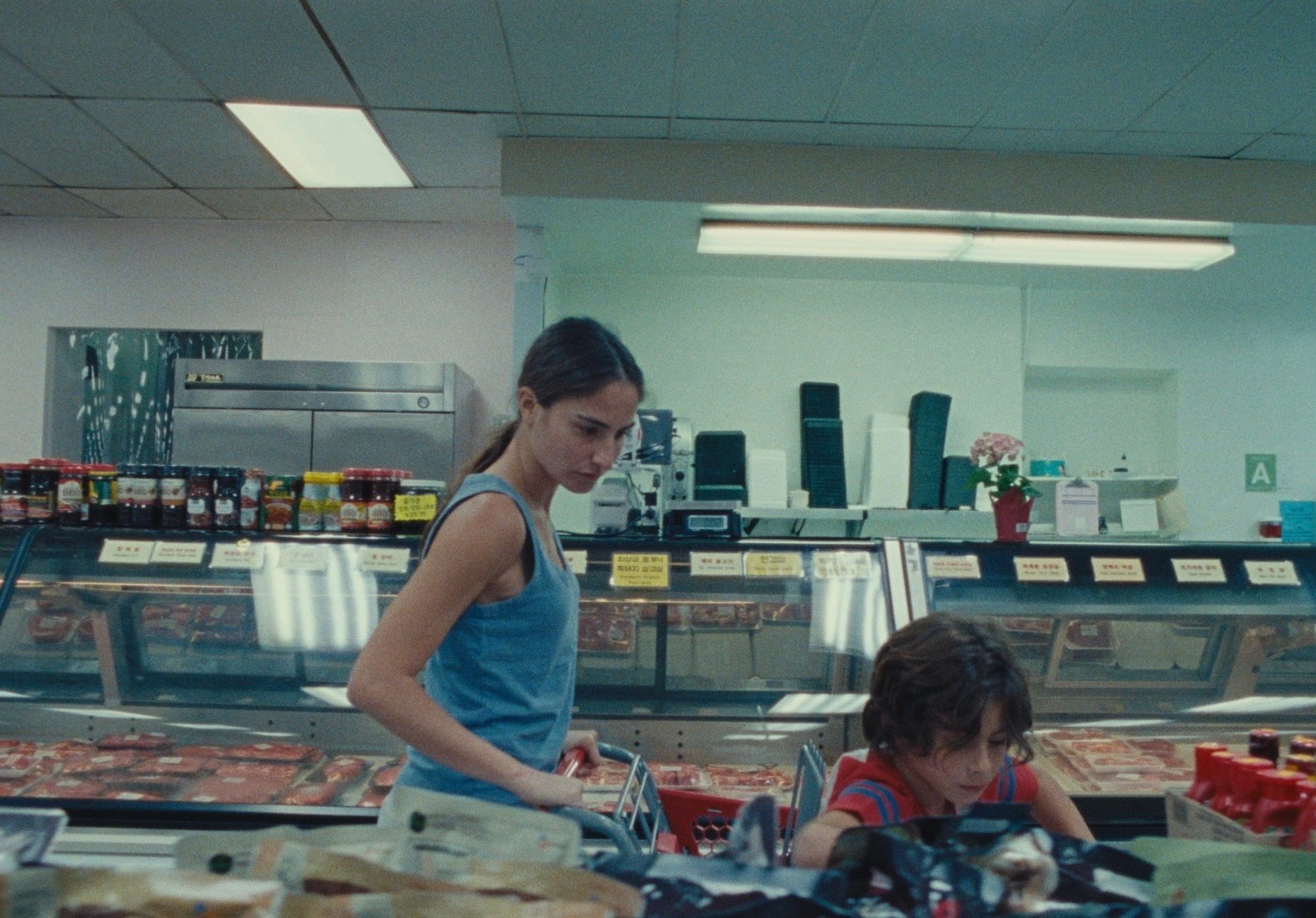
Now that the door was open again, things started picking up. I had my first roles on the big screen role in “Rue Huvelin” by veteran Mounir Maasri as well as in two Original shows on streaming giant Shahid, the Netflix of the Arab world. One of my favorite roles was on “Hells’gate”, the first and biggest Arab Sci-show to date where I embodied “Sahem” a.ka “The Arrow”, a rebellious commando who fights against the corrupt political regime in Beirut in 2052. I got to put my martial art skills into effect on this shoot and did most of my stunts.
What I am trying to say is that acting is a personal matter to me and I think art like anything else people pursue in life is deeply individual and makes sense within your own path and shaping. So if this thing is a creative endeavor, it should not be buried because of what society is telling you but explored because it means something to you.
Do you think there is something that non-creatives might struggle to understand about your journey as a creative? Maybe you can shed some light?
Non-creatives usually have two reactions to my path. They either find it inspiring or absurd. I’ve been exposed to a lot of discouraging opinions about what I do over the years but with time I’ve learned to drown the voices. People in the corporate world are often into optimization logics. To them, the path to success leads you to money and positions of power. I completely get where they’re coming from and yes money is nice as it allows you to quench other passions, may it be hobbies, discovering places etc., But I think it is a question of definition here, what criteria I am using to measure success? Is it money? Is it time? Is it quantitative or qualitative?
What is success to you might not check my criteria for it. I always valued time over money because money can’t buy time. This is the only resource that is finite and equal to all. Another less objective criteria is meaning derived from the job . If what I am doing is not intrinsically meaningful to me, then I consider it as a waste of the finite time I have on this earth.
My logic lies not in optimization but in balance. Here, I’d like to introduce a Japanese concept that guides me, IKIGAI or your “reason for being”. ‘Iki’ in Japanese means ‘life,’ and ‘gai’ describes value or worth. Ikigai is essentially the convergence of four areas of life: what you love to do, what you’re good at, what the world needs, and what you can be paid for. This is the key to a long and happy life.


What do you find most rewarding about being a creative?
I would say one of the most rewarding aspects of being an artist is taking risks. Not giving into the rat race and conform to what society wants you to do. Despite all odds. I am still working as a film distributor so I understand the need to lay down a solid financial base and make ends meet. But not at the cost of putting out the fire in your soul and living a monotonous life out of fear. I believe the expression “something’s gotta give” to be very true and I believe that you can do both.
The idea of surrendering to a fully consummating corporate life is not an option for me. As I don’t think I will remember those long hours at the office on my deathbed. Time is fleeting and each day deserves to be lived with passion. Facing adversity and suffering is a vital part of being alive as Anaïs Nin so beautifully expressed “And the day came when the risk to remain tight in a bud was more painful than the risk it took to blossom.”
Contact Info: