

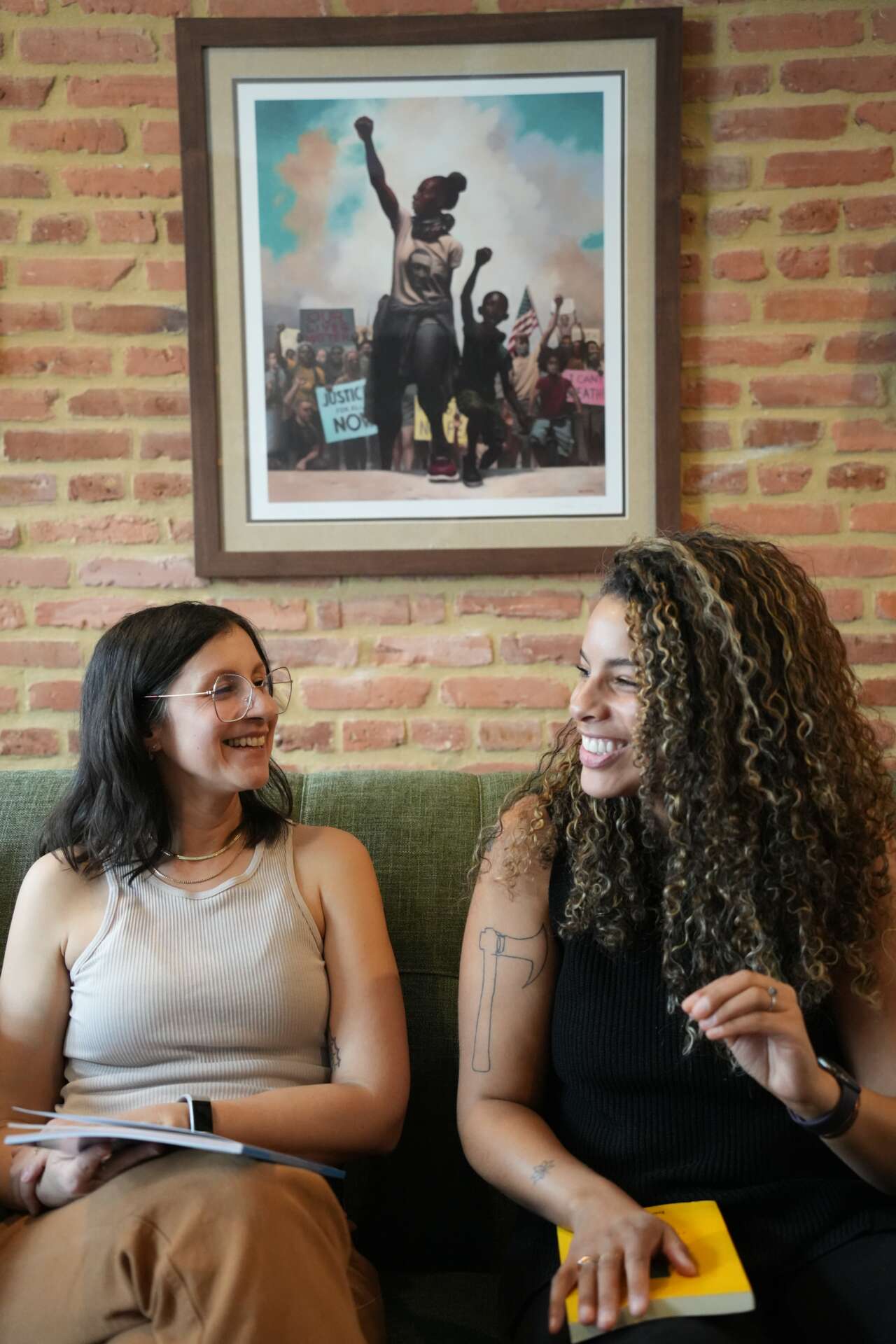

We’re excited to introduce you to the always interesting and insightful Victoria Lebrón and Gab Sussman. We hope you’ll enjoy our conversation with Victoria Lebrón and Gab Sussman below.
Victoria and Gab, appreciate you joining us today. The more we talk about good leadership the more we think good leadership practices will spread and so we’d love for you to tell us a story about the best boss you’ve had and what they were like or what they did that was so great?
We both loved this question because the fact is this: the best boss we ever had was no boss. What we mean is – as abolitionist educators and organizers who a) believe in equity and democracy, b) founded and operate a collective, and c) are in the process of transitioning to a cooperative, we believe that people can work together, without hierarchy, to achieve great success. The summer after we left the school where we both taught, we read Mariame Kaba’s powerful book, We Do This ‘Til We Free Us: Abolitionist Organizing and Transforming Justice. Kaba reinforced for us the idea that we have the power to equitably and democratically co-create the organizations that we want to see in our communities, without an authority figure telling us how to do it.
The pandemic shed light on inequities in the education system for many people, including teachers, school staff, students, and their families. For us, the pandemic highlighted the powerlessness felt by teachers and students in schools. Through reading Kaba’s book together, we realized that our vision is similar to Mariame Kaba’s in that we believe that all people – youth and adults – can cooperate to build power, develop solutions to problems, and co-create the space where they want to work and learn. A boss, executive director, or school administrator might be able to lead people in this effort. Ultimately, though, we believe that the knowledge of how to run a successful organization lies in collective knowledge and imagination. It is a joy to collaborate with each other and our partners to create innovative programming that is engaging for youth and adults.
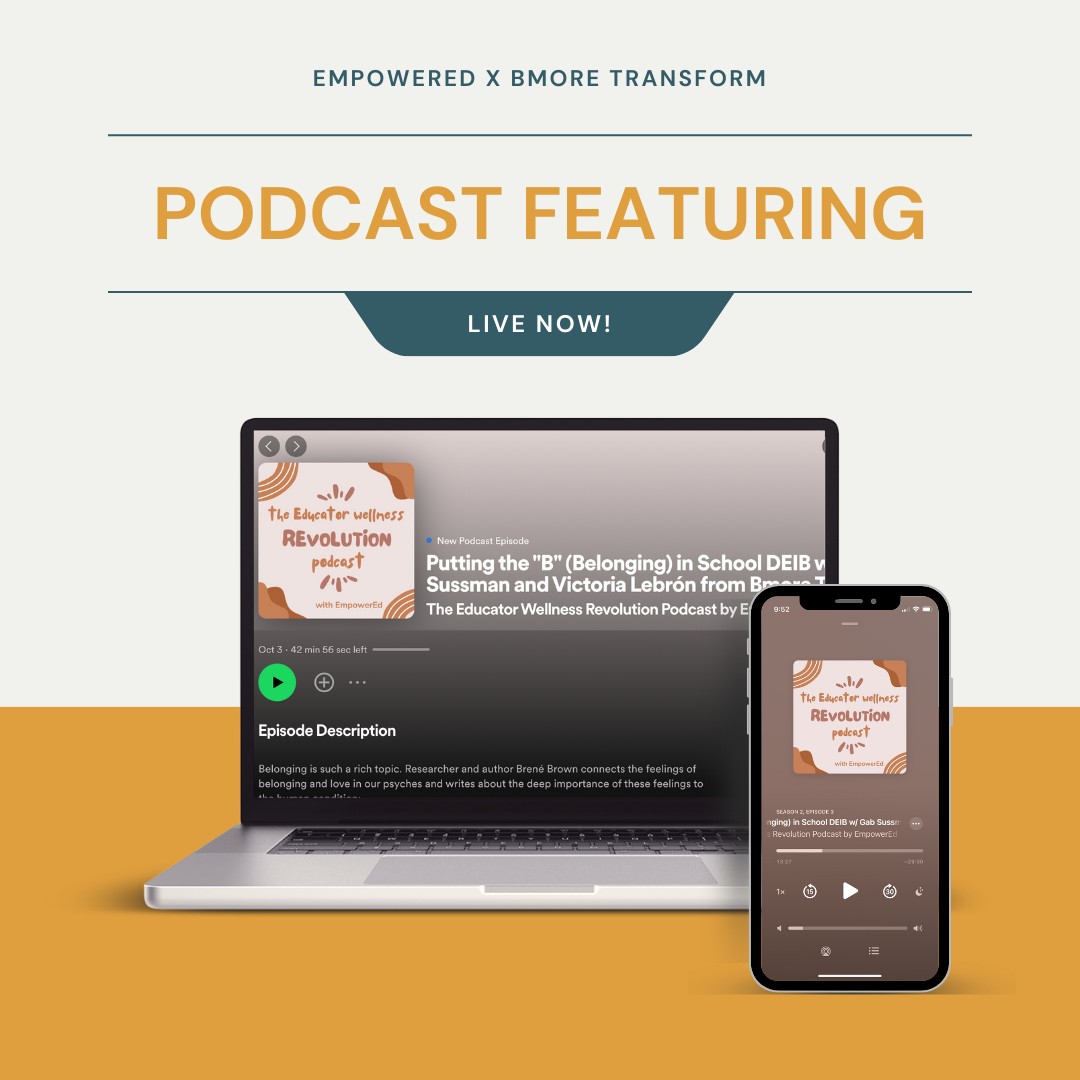
Victoria Lebrón and Gab Sussman, before we move on to more of these sorts of questions, can you take some time to bring our readers up to speed on you and what you do?
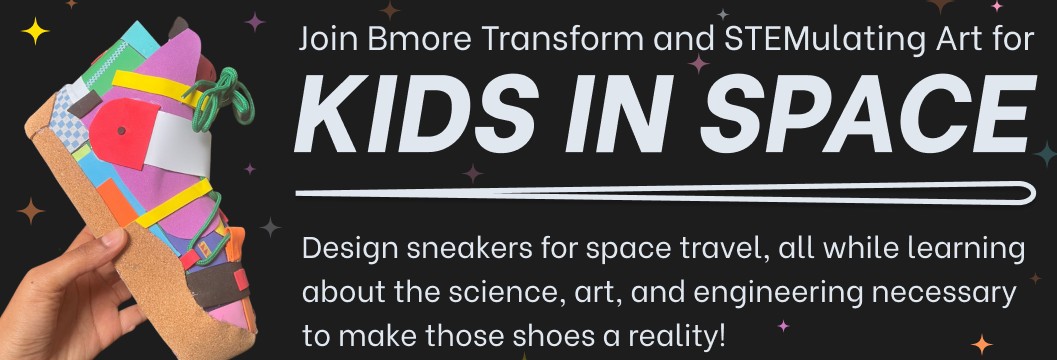
Bmore Transform is a professionally-trained collective of abolitionist educators, dedicated to reconnecting our fellow Baltimoreans to a love of learning. We specialize in supporting and building meaningful connections among students, educators, and folx who work with youth and other groups of community members who align with our mission. Combined, the two of us hold nearly 30 years of experience in education. We are excited about eventually expanding our collective to include more abolitionist educators and community members to serve our city alongside us.
We know that in our field of student and community engagement, we are uniquely qualified because of our educational backgrounds, school leadership, DEI (diversity, equity, and inclusion), and nonprofit sustainability. We are able to host innovative programs for youth and engaging events for adults, as well as facilitate transformational group experiences for our city’s schools that align with inclusivity, connection, and empowerment. Our website, bmoretransform.org, is constantly being updated and is the best place to learn more about what we do.
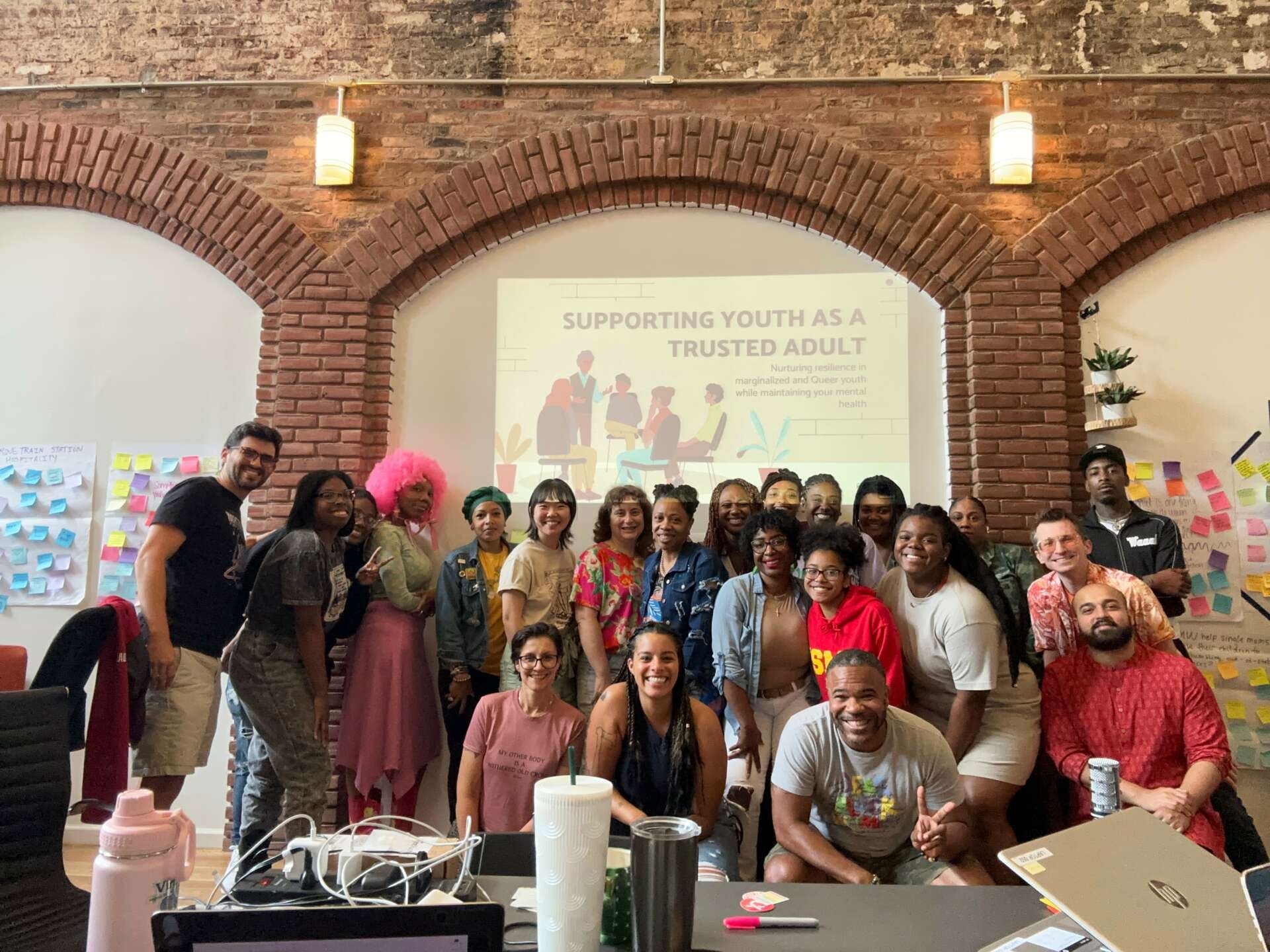
We often hear about learning lessons – but just as important is unlearning lessons. Have you ever had to unlearn a lesson?
While embarking on this journey as self-employed social entrepreneurs, we realized that much of our relationship to “work” was deeply rooted in capitalism and white supremacy. In their book, Dismantling Racism: A Workbook for Social Change Groups, Kenneth Jones and Tema Okun painstakingly describe the traits of white supremacy culture, what these traits look like in our society, and how to operate outside of them. One of those traits that we are unlearning is the “fear of open conflict”. White supremacy culture teaches us that we are being rude or out of line when we express frustration with someone else’s actions. The purpose of this lesson is to ensure that people do not challenge those in power for fear of being out of line.
In order to achieve our goals of equitable and democratic decision-making, it is imperative that we have those tough conversations. On top of being business partners, we are also best friends. Things left unsaid relating to the business have inadvertently harmed both of us when one of us hasn’t shared their true feelings in the past. A practice we put in place to help disrupt this behavior is that we have an additional meeting each week that is specifically dedicated to talking about the feelings, triumphs, and challenges that came up that week. It’s not our typical team meeting with an agenda and action items to get through. It is a dedicated time for us to express appreciation for the other person, acknowledge how we are unlearning this fear of conflict, and remember how important it is to stay in conversation with each other, even in moments of discomfort.
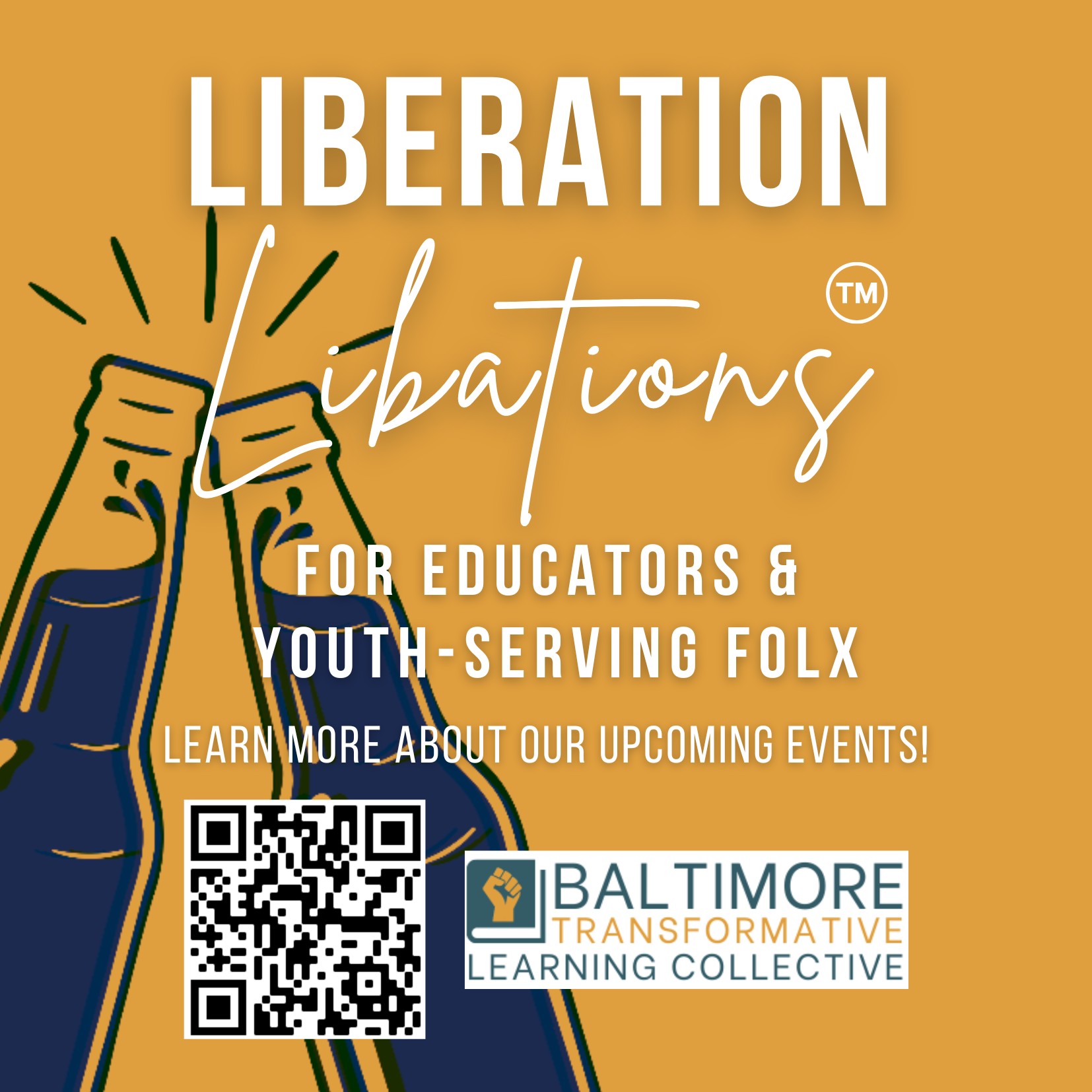
Another lesson we realized we had unknowingly internalized and have made concerted efforts to unlearn is that we are not allowed to advocate for better treatment and for our needs. Somehow, we are expected to work over forty hours, receive poor compensation, and perform tasks that go above and beyond our job descriptions…and be completely fine (and quiet) about that. Then with the COVID-19 pandemic, these issues became even more exacerbated. Once schools went virtual in 2020, many teachers asked for time, support, and patience from their supervisors because we needed to learn how best to teach virtually while also trying to survive safely alongside the rest of the world. Thanks (or no thanks) to white supremacy culture’s sense of urgency, we were accused of not wanting to work or of doing the bare minimum. It was a deeply disrespectful moment and showed the feeling of distrust against and disdain our society has for teachers. Even though we each have left the classroom since then, we continue to advocate for and support educators of all kinds through our work at Bmore Transform. Through Liberation Libations™, educators across our city can break out of their work siloes and build authentic relationships with other people who work with youth. Once we become a cooperative (which is in the works!), teachers will be able to pitch, pilot, and run their own unique programming where they can engage and inspire youth in ways they aren’t able to within the confines of their classroom. We’re excited to see this dream of ours come to fruition!
We’d love to hear about how you met your business partner.
Our meet-cute is quite adorable (or so we think). When we both worked at the same school, we were initially on different grade-level teams. When Gab started their first year at this school, Victoria was initially on maternity leave. After Winter Break when Victoria returned and some institutional unrest and action was occurring, led by a group of Black and Brown teachers and staff on campus, we both saw and admired the way we each were stepping up and speaking out in support of this group. Victoria felt immediately drawn to Gab when they stood up and bravely spoke publicly in front of the entire faculty and staff community, calling for administrator accountability. Gab was moved by how empowered Victoria’s students felt as they led a division-wide Black Lives Matter march around campus. Over the course of the Spring semester, they were both able to connect and found almost immediately that their values and many of their interests aligned professionally and personally. But it should read: Over the course of the Spring semester, we were both able to connect and found almost immediately that our values and many of our interests aligned professionally and personally.
Contact Info:
- Website: bmoretransform.org
- Instagram: https://www.instagram.com/bmoretransform/